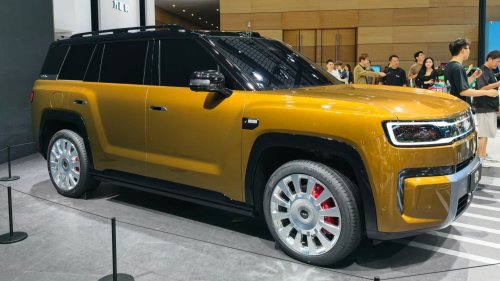
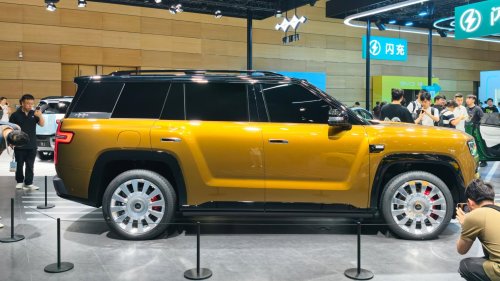
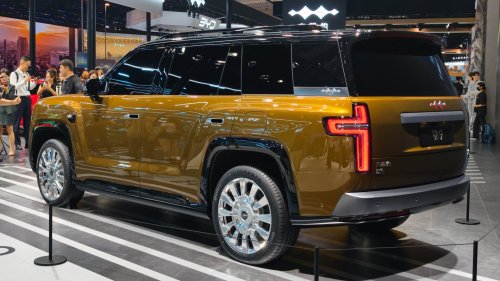
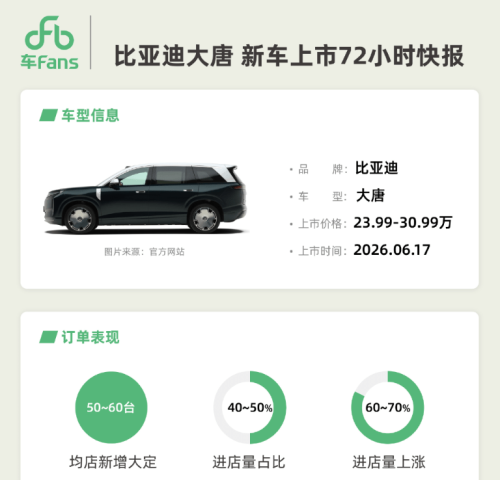
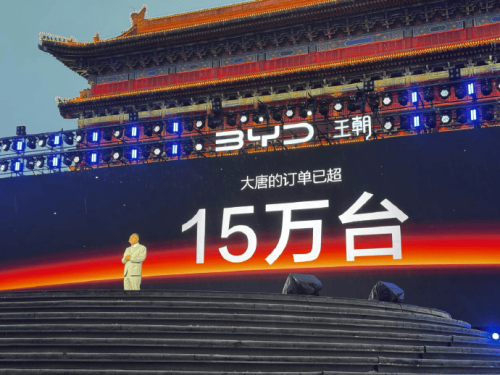
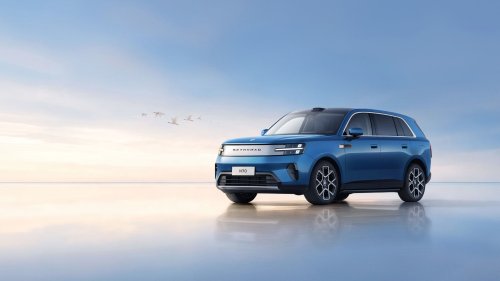
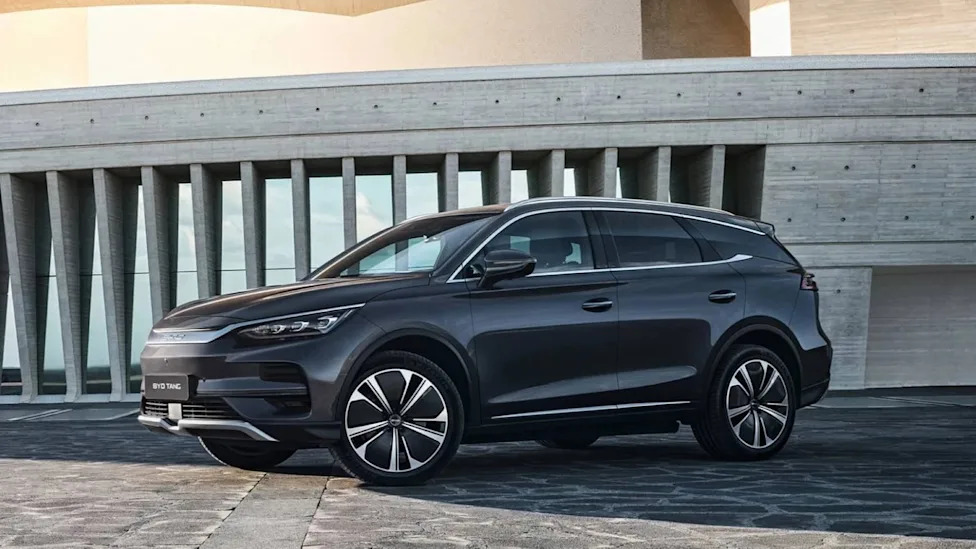
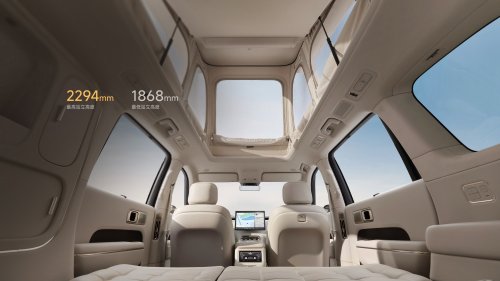
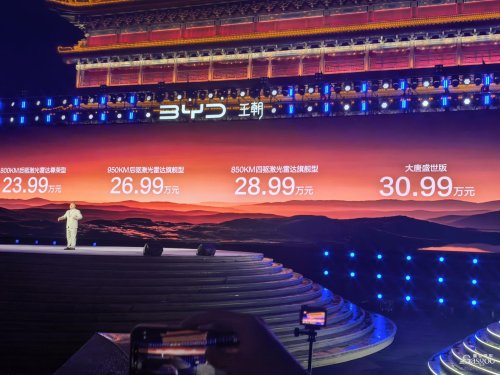
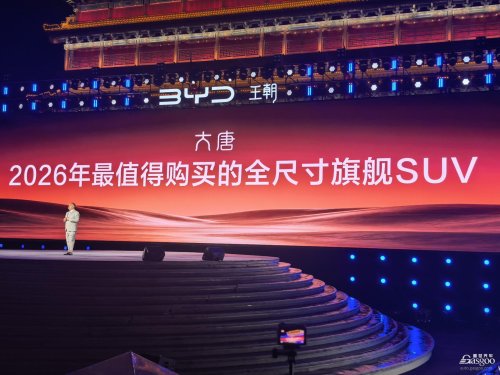
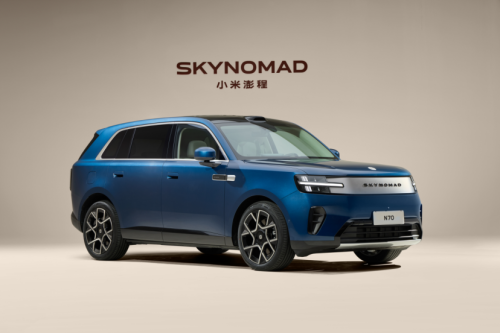
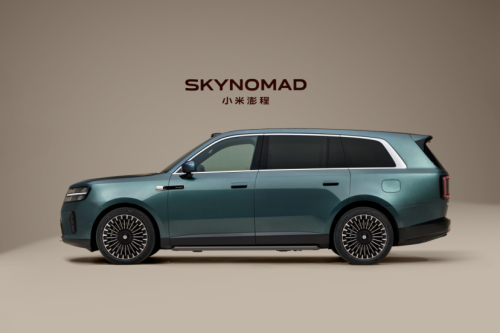
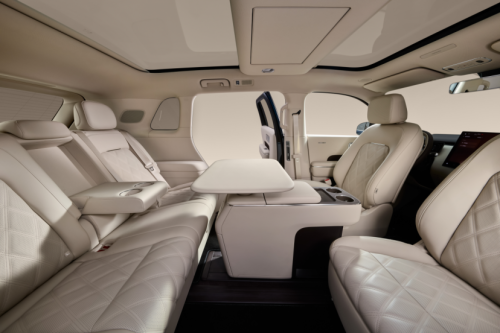
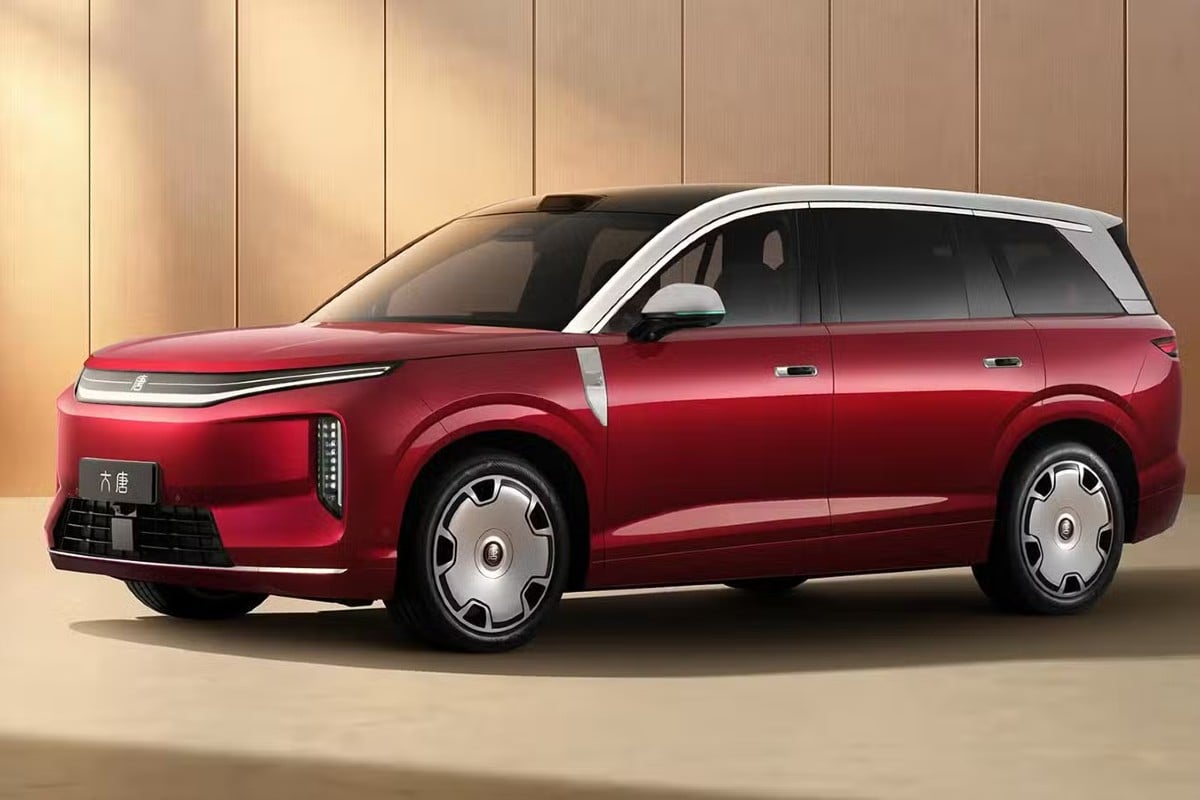
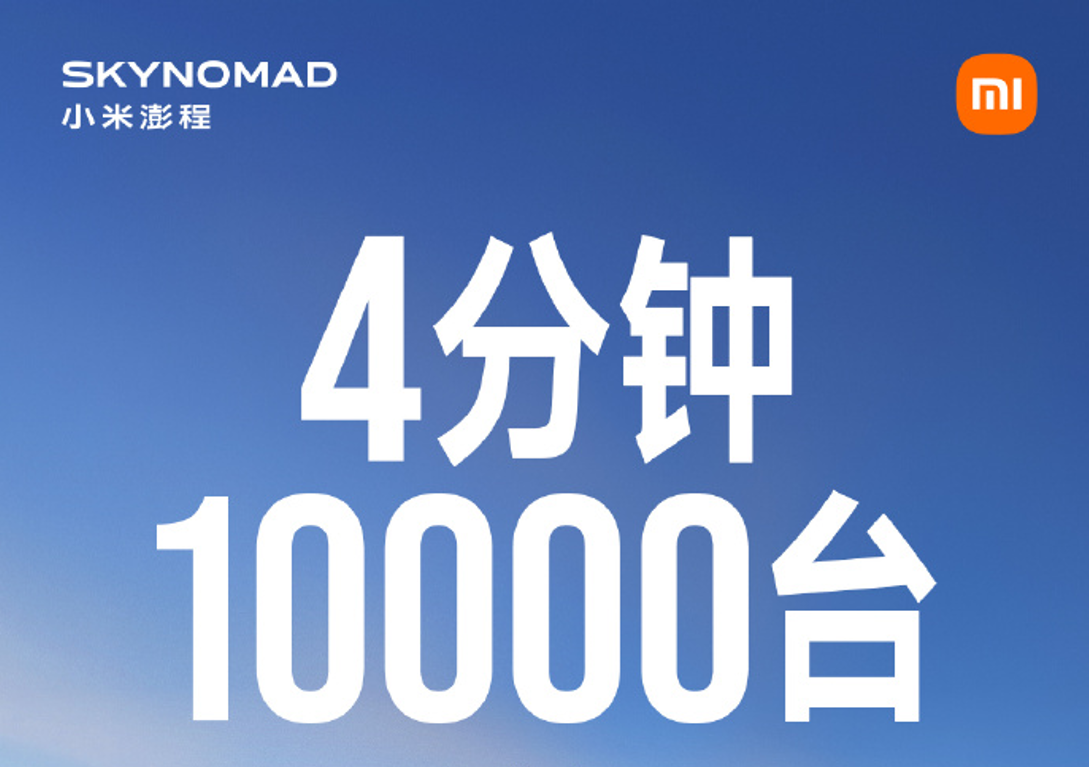
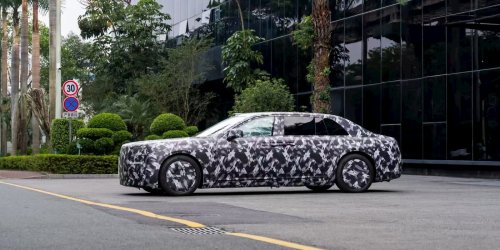
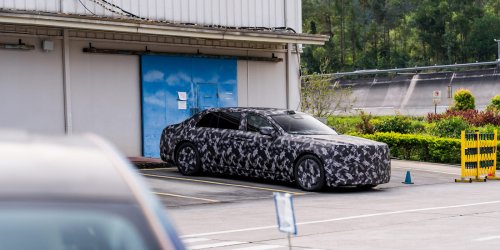
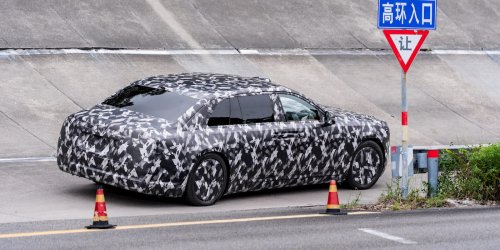
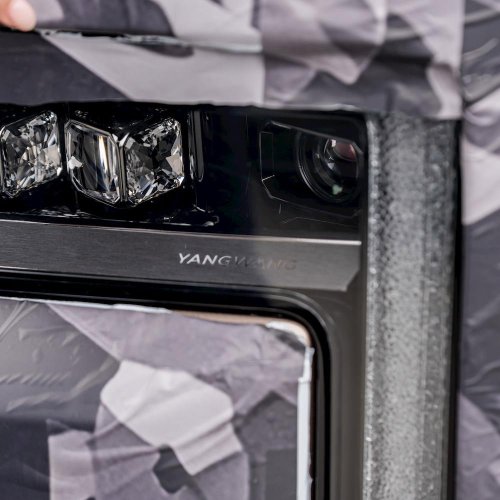
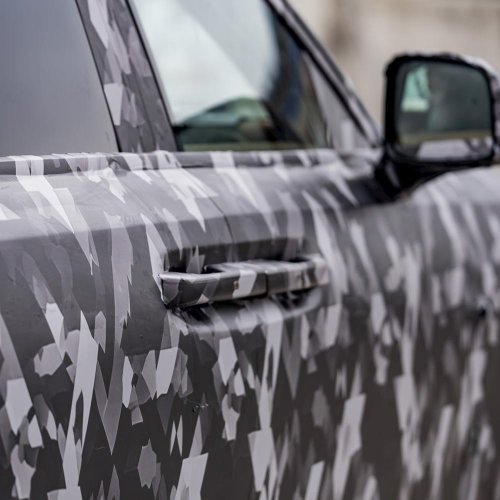
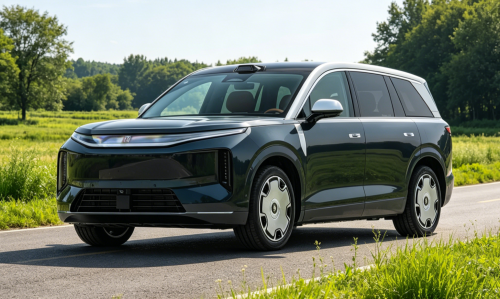
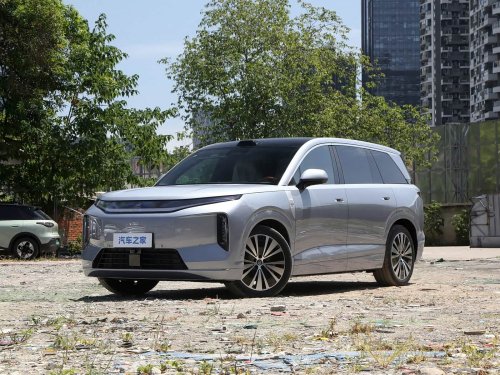
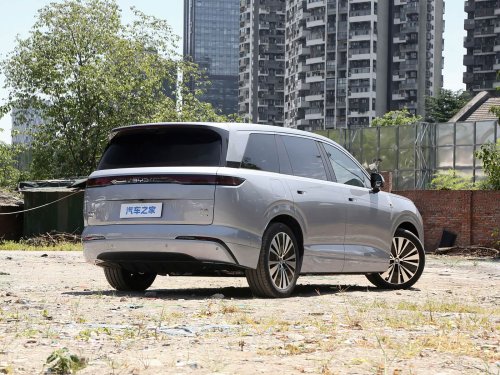
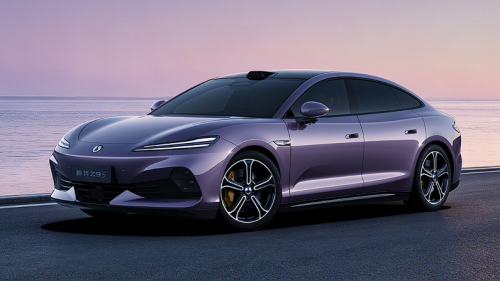
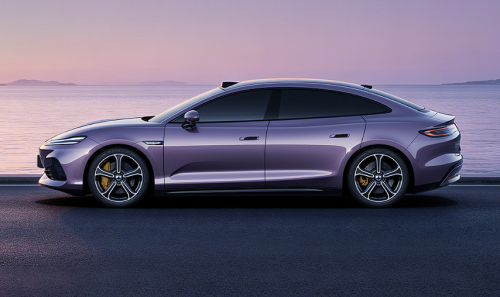
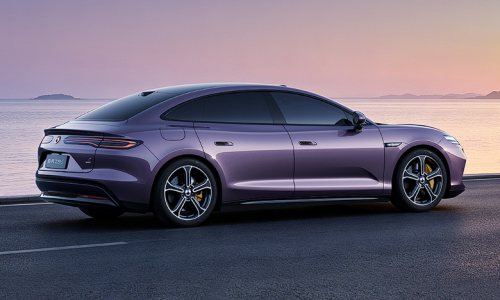
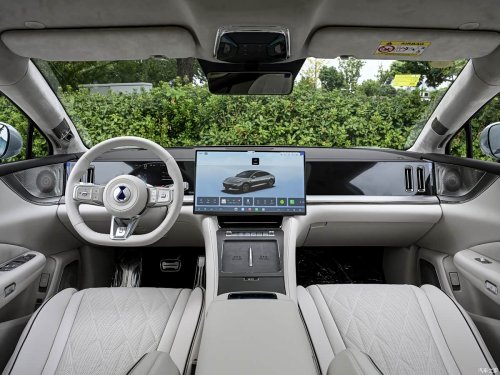
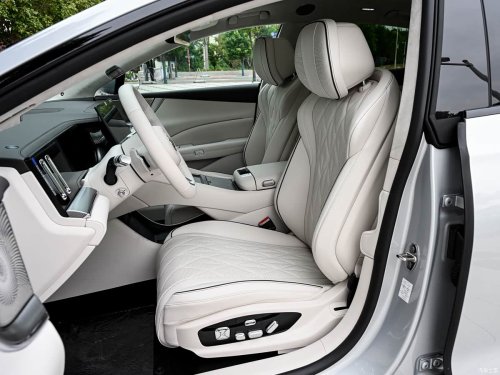
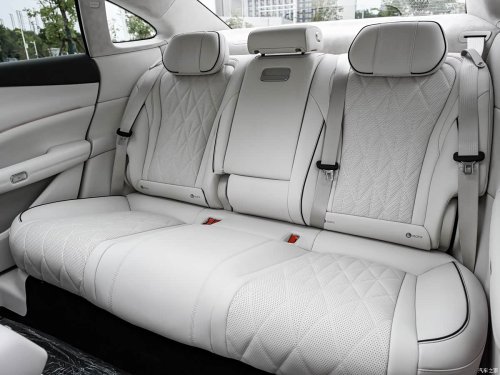
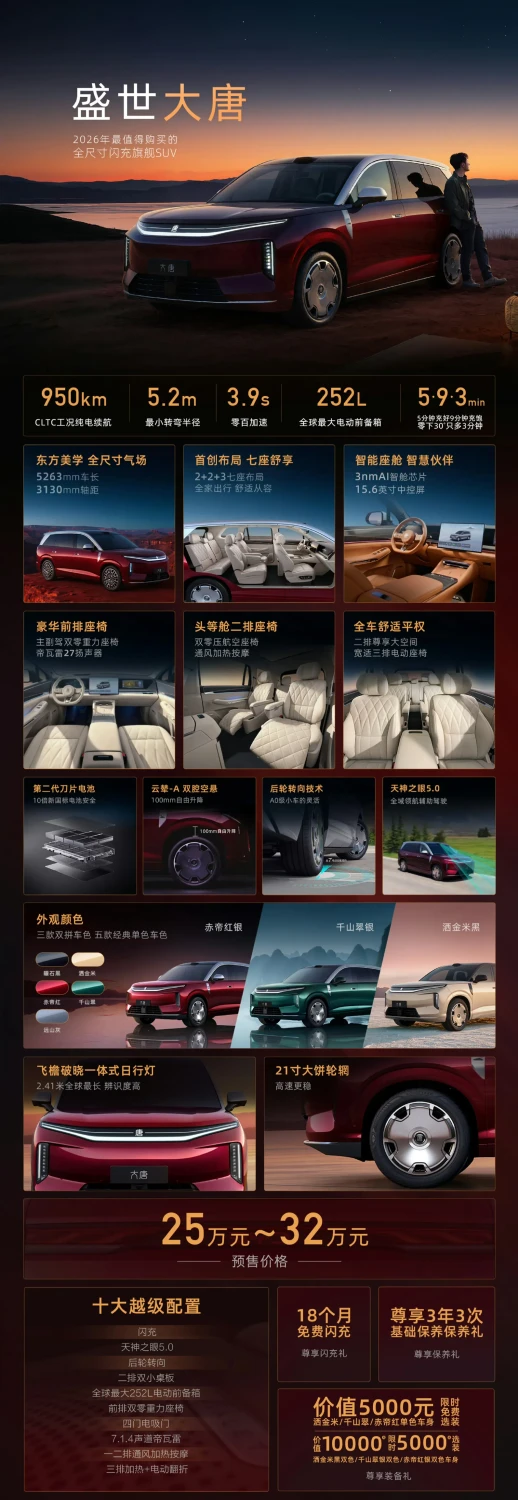
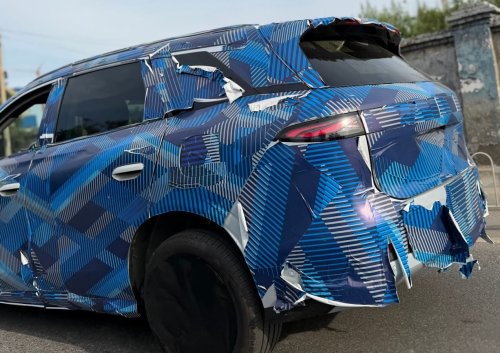
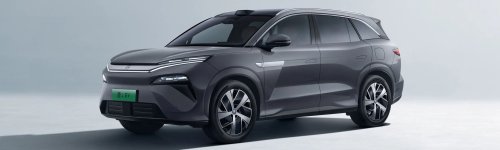
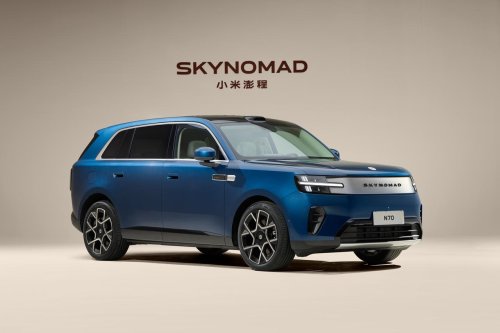
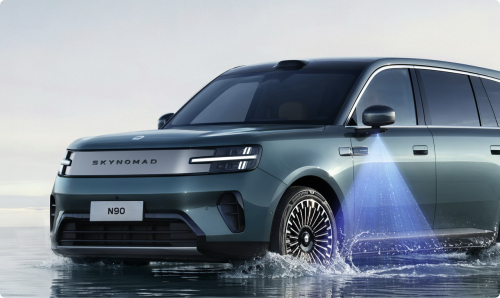
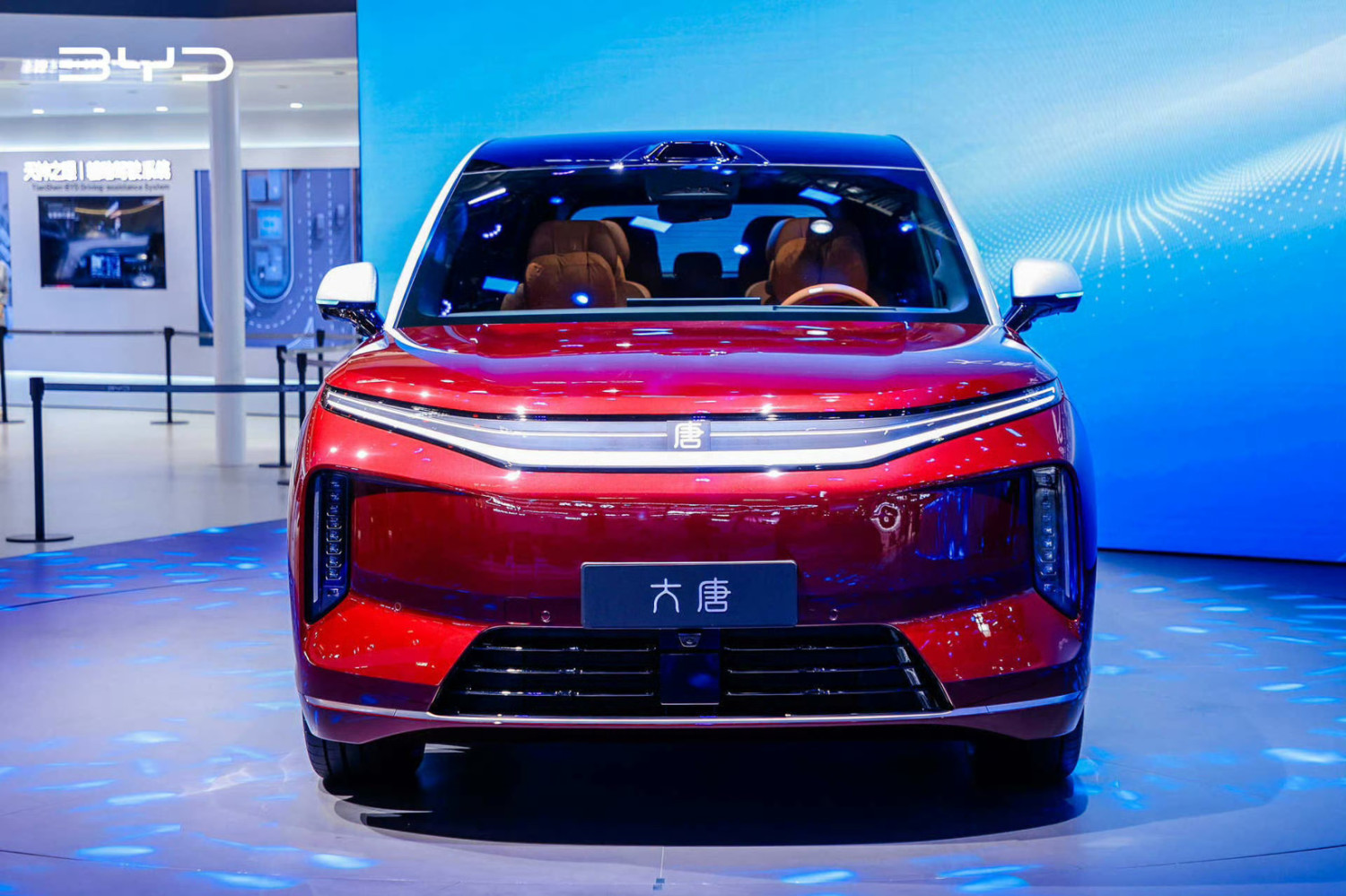
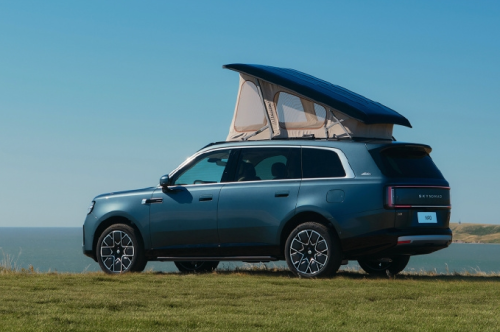
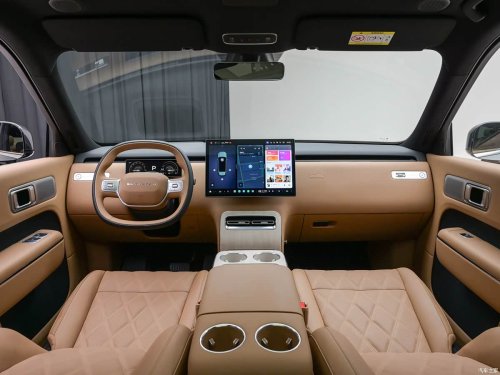
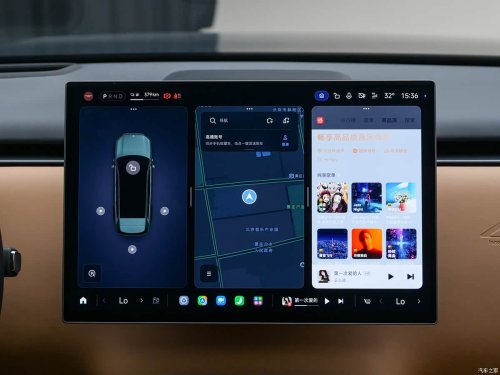
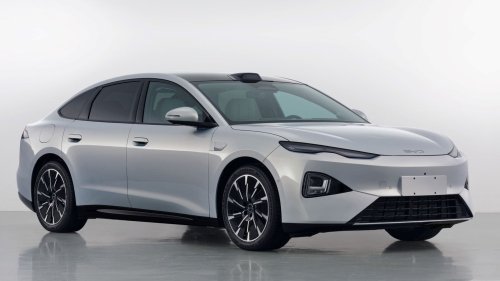
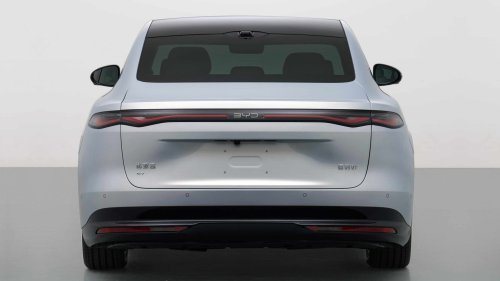
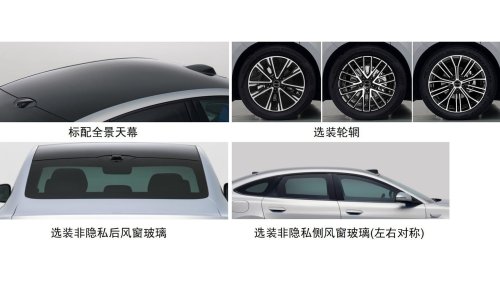
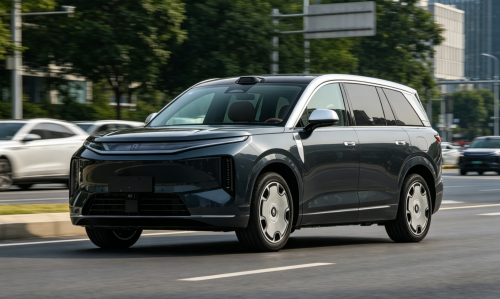
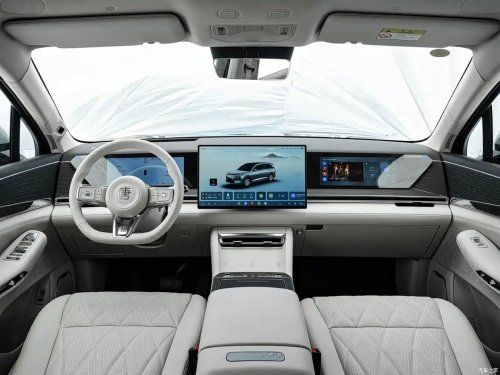
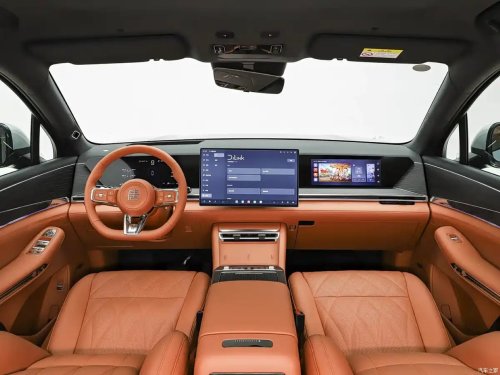
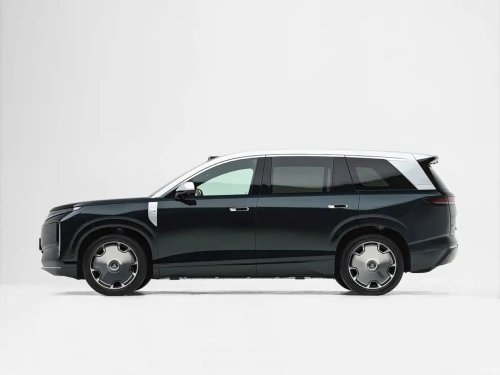
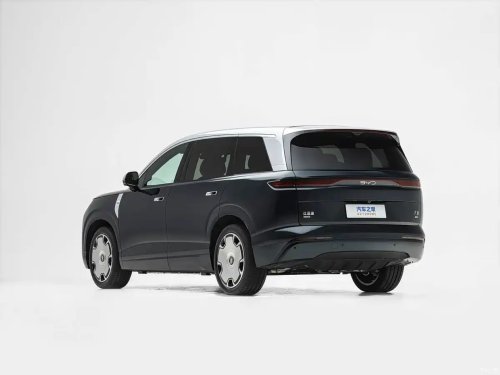
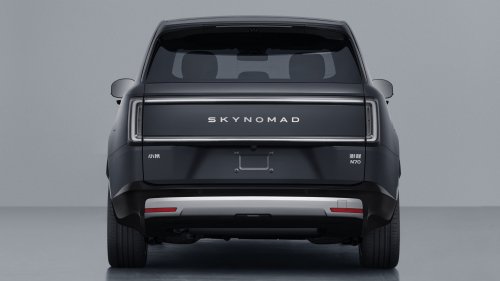
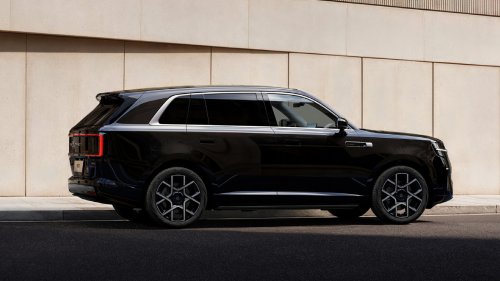
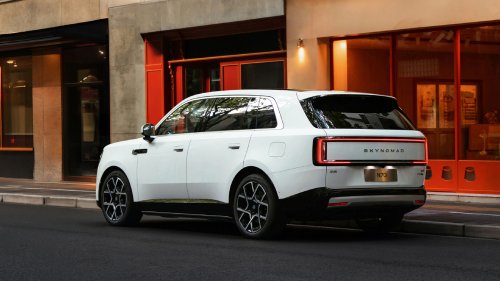
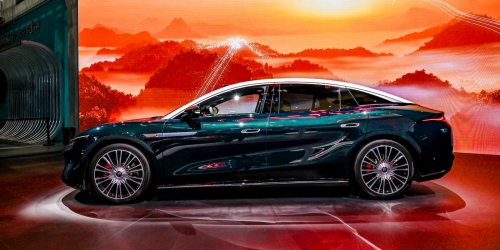
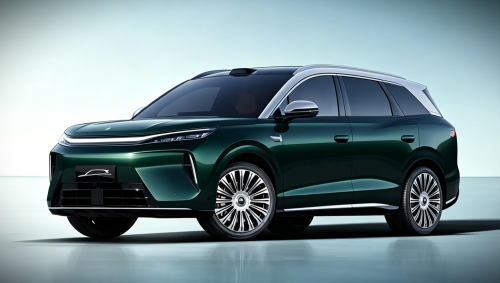
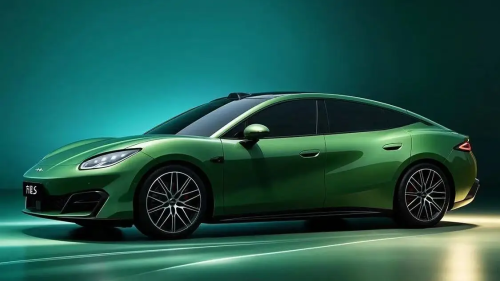
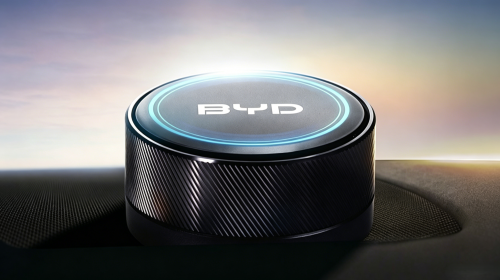
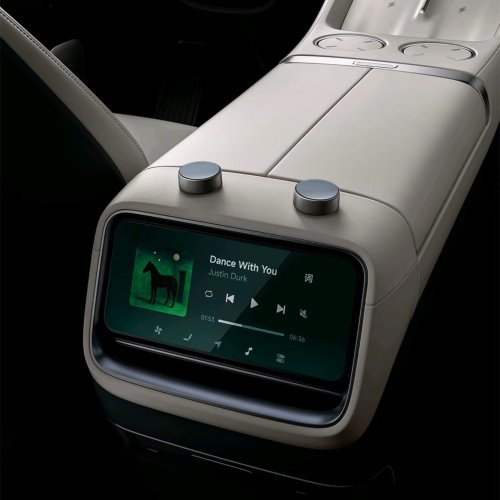
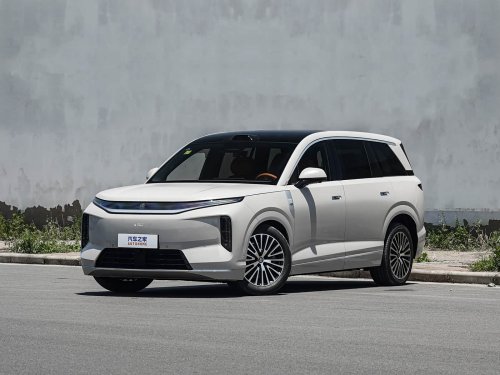
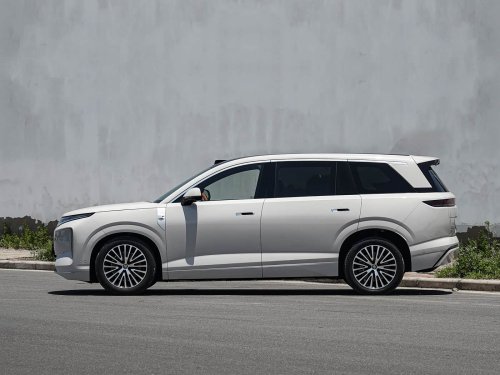
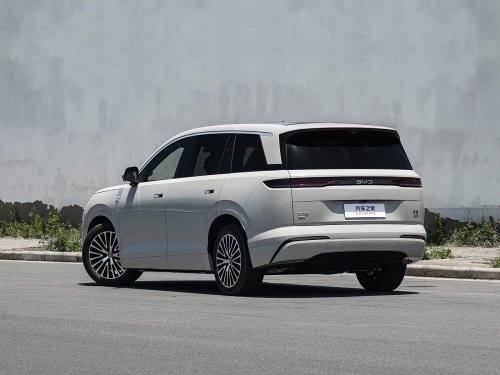
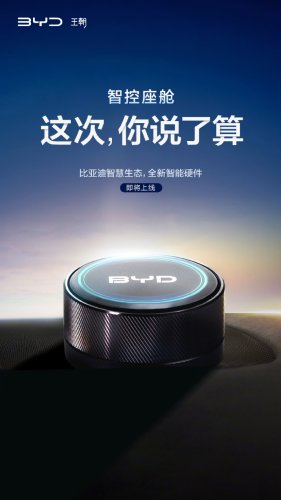
The new magnetic button debuts tonight on the Great Tang which copies Xiaomi IoT accessory. Crecit: BYD Understand China EV’s Market Real-time notifications when critical EV data is released All important data in one place 2,000,000+ data points Become a member The BYD Great Tang flagship electric sports utility vehicle will officially premiere a hardware accessory, the BYD Smart Button, during its highly anticipated commercial rollout tonight. This customizable wireless shortcut device utilises a magnetic structural framework, allowing drivers to position the hardware components freely across centre consoles or door panels. This physical accessory integration matches a broader production sequence following a high-velocity demand cycle. Initial manufacturing milestones confirmed that pre-sale orders for the platform surged past 100,000 units, leading into the official vehicle launch tonight, which showcases a 950 km electric range baseline. Hardware and interaction The hardware utilises near-field communication chips for synchronisation and accepts click, double click, or rotational inputs. It allows operators to complete blind adjustments for over 20 pre-programmed cabin functions without utilising voice tools. This layout aims to minimise driver touchscreen distraction during complex urban commuting. Ecosystem market rivalry This circular wireless puck design directly mirrors ecosystem features introduced by a smartphone brand entering the automotive industry. Xiaomi previously deployed standalone magnetic shortcut buttons in the YU7 SUV’s layout to handle Internet of Things smart home commands and interior settings. BYD is copying this flexible accessory strategy to prevent technology-heavy rivals from capturing consumer interest. Xiaomi’s magnetic shortcut button is sold as an accessory for the YU7 SUV. Executive innovation logic This accessory replication introduces an interesting twist to recent corporate statements regarding intellectual property. A prominent company official previously announced that the domestic industry must prioritise fundamental engineering innovation or competitors will eventually have nothing left to replicate. Adopting a modular ecosystem approach shows how market pressures drive rapid adaptation. Supply and delays Sustaining this product momentum remains tied to battery factory scaling. A severe component bottleneck delayed the flagship vehicle launch previously because the volume of consumer reservations strained the second-generation Blade Battery production lines. Resolving these upstream industrial constraints remains vital for fulfilling immediate consumer demand. Geopolitics and market While adjusting its cabin features, the automaker is also navigating complicated global challenges. The enterprise recently deployed legal regulatory defences contesting a United States Department of Defence military company listing. The flagship vehicle enters the premium family segment, with a pre-sale target of 250,000 yuan (36,996 USD) to 320,000 yuan (47,355 USD), as the model debuts tonight. BYD copies Xiaomi IoT designs with a customizable shortcut button debuting tonight on the Great Tang.




















 +21 others