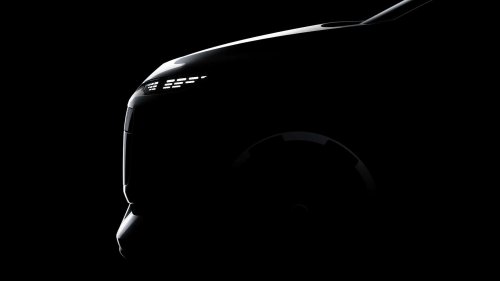
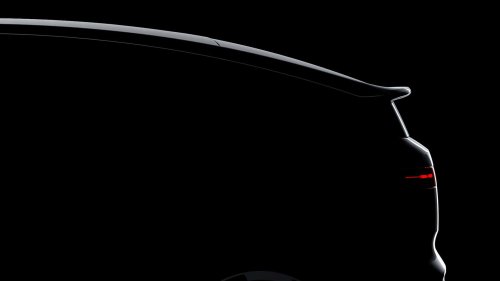
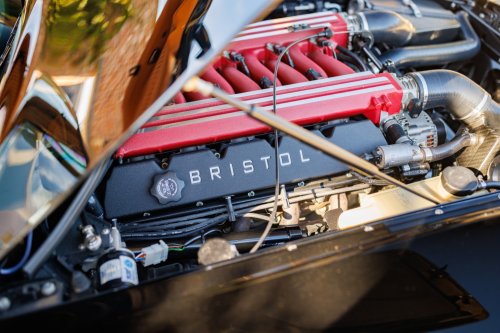
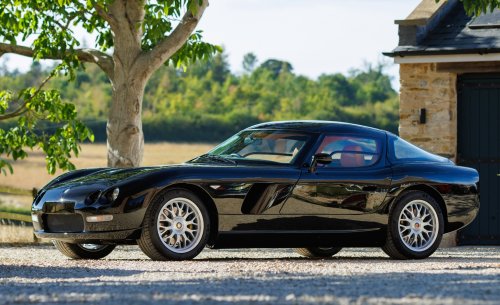
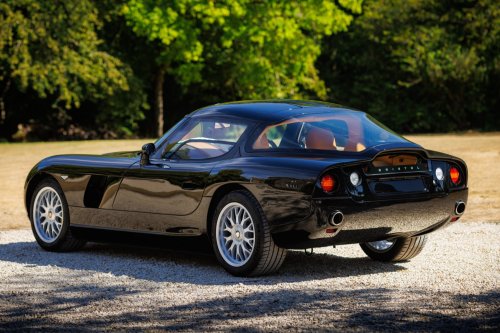
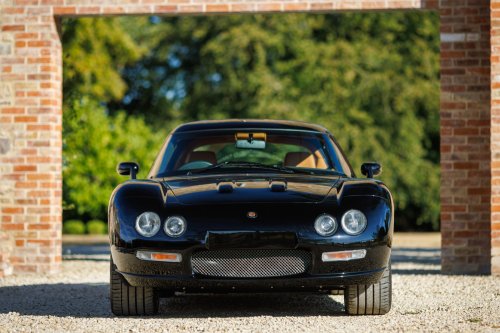
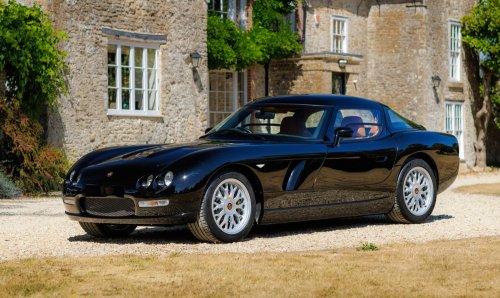
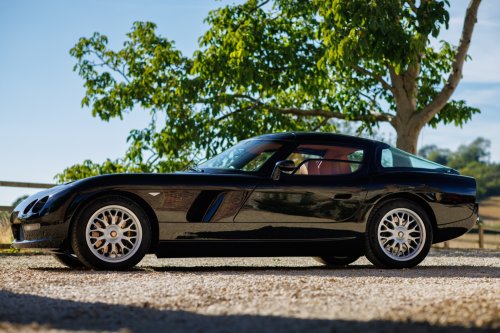
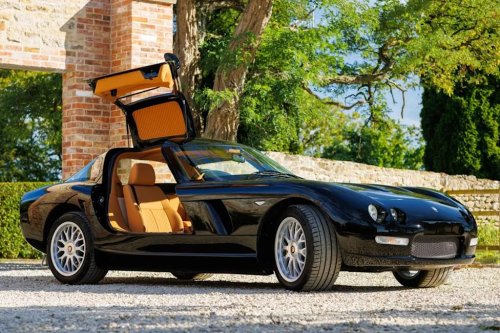
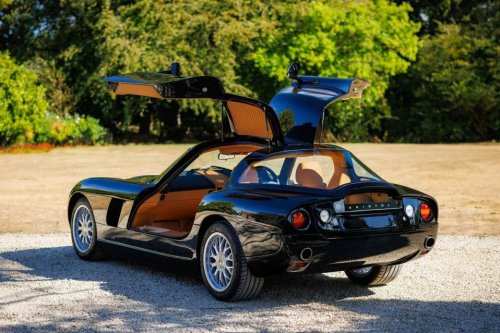
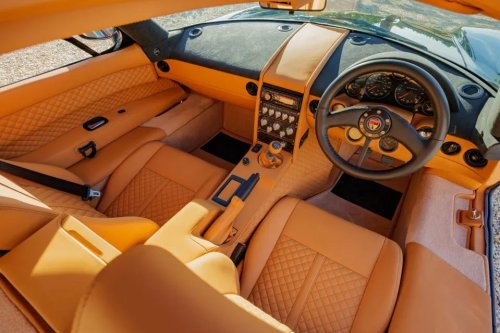
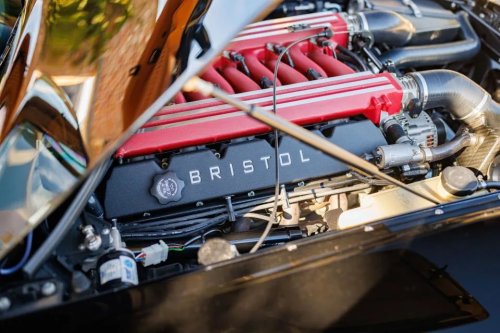
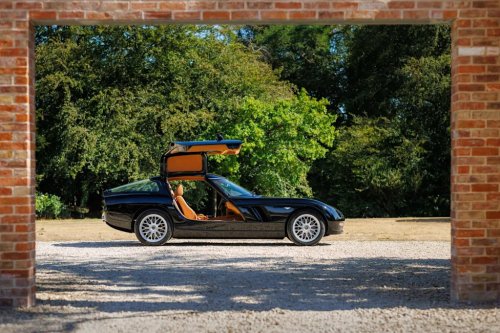
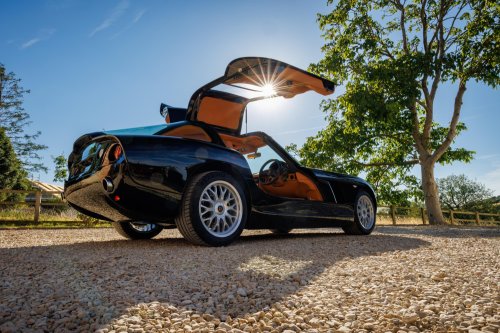
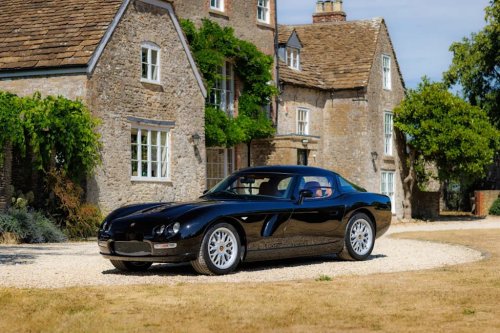
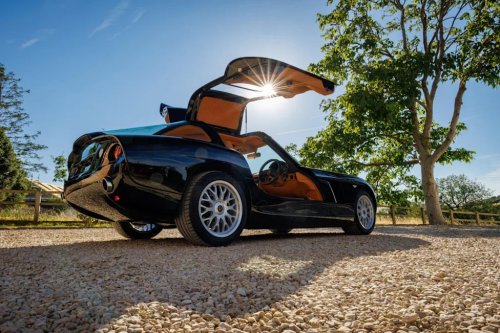
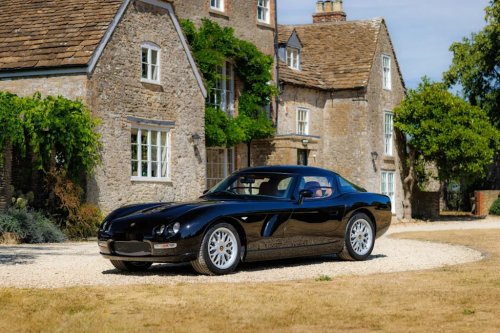
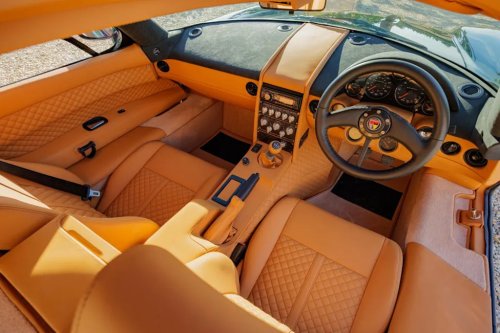
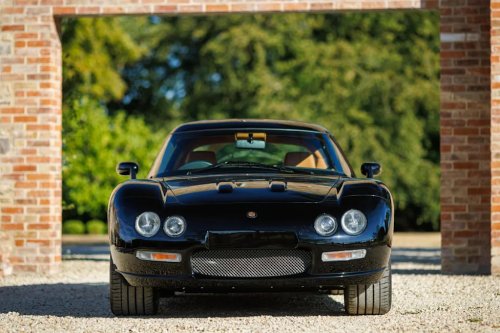
Resurrected Bristol Rolls Out 5 New-Old FightersBristol CarsBristol Cars is apparently making yet another comeback, and this time 'round the unconventional British automaker is starting by revisiting some old business.The revived company has unveiled a newly completed Bristol Fighter at Salon Privé at Blenheim Palace, built from an original unused chassis pulled from the supercar's aborted production run. Four more unused Fighter chassis remain, and Bristol says it plans to turn each one into a new customer car before moving on to whatever comes next for the 80-year-old marque.The Fighter was the last production model built by Bristol before the company became insolvent and stopped manufacturing cars in 2011. Originally introduced in the early 2000s, it was an unusual combination of British grand tourer and American muscle, with dramatic gull-wing doors and an 8.0-liter V10 derived from the Dodge Viper.AdvertisementAdvertisementThe newly completed cars can be specified with either 525 hp or an optional 600 hp. Bristol claims the new-old Fighter can reach a top speed of 210 mph.Bristol CarsOnly around 15 Fighters are believed to exist, making the original cars exceedingly rare even by Bristol standards. The four remaining chassis will be offered to customers in the coming months, with pricing available only on request.Each will be built in Britain with an as-yet unnamed partner that specializes in low-volume, niche manufacturing, and can be configured in either right- or left-hand drive. Bristol says the cars can also be exported to major markets, including the United States, where it expects them to qualify under the federal Show or Display exemption for historically or technologically significant vehicles produced in very small numbers.This new effort is being led by Bristol Cars owner Paul King, with Richard Hackett serving as chairman. Hackett provides an important link to the original company, having worked closely with longtime Bristol boss Tony Crook during the period when the Fighter was conceived.AdvertisementAdvertisementBristol itself traces its roots to the Bristol Aeroplane Company, which moved into automobile production following World War II. Its first production car, the BMW-influenced Bristol 400, was launched in 1946.Bristol CarsThe company went on to develop a reputation for building expensive, discreet, and sometimes eccentric grand tourers in tiny numbers. Its aviation heritage was reflected in everything from aerodynamic bodywork to unusual engineering solutions, and Bristol became almost as famous for its secrecy as its cars.The Fighter actually represented a more overtly sporting interpretation of that philosophy. Its long, low body and gull-wing doors were shaped with aerodynamics in mind, while the enormous V10 provided performance more commonly associated with contemporary supercars. Production numbers remained tiny before Bristol's financial problems finally caught up with it.For those familiar with the automaker's story, this isn't the first attempt to resurrect the company.AdvertisementAdvertisementFollowing Bristol's 2011 collapse, Kamkorp Autokraft acquired its intellectual property and later attempted to restart production. That effort produced the Bristol Bullet, a BMW V8-powered roadster unveiled in 2016, but the car never reached series production. Kamkorp itself continued until 2022.The latest revival is obviously of a different approach. Instead of developing an all-new model, the new Bristol is completing a program that was interrupted by the original company's demise.Bristol CarsThe first newly completed Fighter, finished in black over a tan interior, debuted at Salon Privé as part of a larger celebration of Bristol's 80th anniversary. The concours also features a dedicated Bristol class bringing together examples from throughout the company's history.What happens after the remaining four Fighters are built isn't yet clear. Bristol says completing the cars represents only the first stage of a broader return to automobile manufacturing in Britain.AdvertisementAdvertisementFor a company whose history has included multiple ownership changes, financial crises, and previous revival attempts, there are plenty of questions yet unanswered by this latest news. But for now, Bristol Cars is building new cars again—even if they're also old cars.



















 +65 others