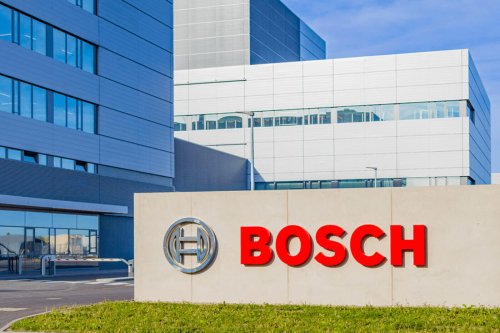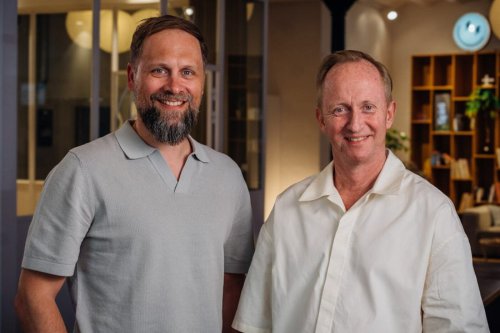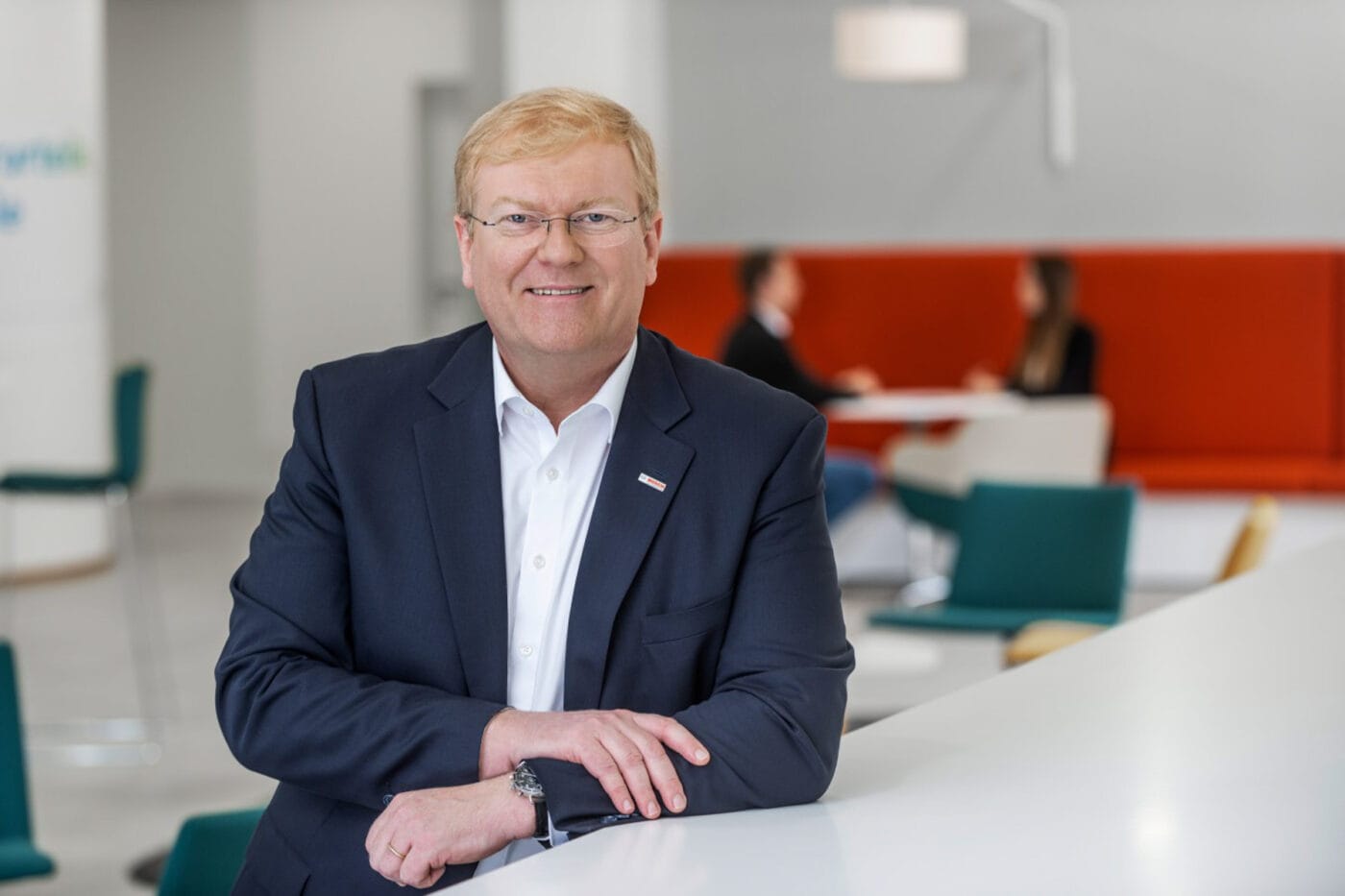





















Bosch CEO Stefan Hartung (60) is leaving the company at his own request.Image: BoschJust last year, all media outlets—including ours—reported that Stefan Hartung would remain the Chairman of the Management Board of automotive supplier Bosch for the coming years. Yet, surprisingly, Hartung is stepping down at the end of this month. The company states that the change is at Hartung’s own request and has been agreed upon in close coordination and mutual understanding with the shareholders.Stefan Hartung joined Bosch 22 years ago after beginning his career at McKinsey and has served as CEO for the past four and a half years. According to Handelsblatt, no previous Bosch chief executive has held the role for a shorter period. Hartung was only the seventh CEO in the company’s 140-year history since founder Robert Bosch, reflecting the group’s traditionally stable leadership. In Bosch’s announcement, Hartung said he intends to “dedicate his time to new social commitments and entrepreneurial tasks outside the Bosch Group.”Christian Fischer will succeed Hartung as CEO. Fischer joined Bosch’s management board in 2018 from consultancy Roland Berger and currently serves as Deputy Chairman of the Board of Management. Since January 2022, he has shared responsibility for the company’s strategy alongside Hartung.Fischer takes over at a time when Bosch faces multiple challenges. “The transformation towards electric mobility and the slump in demand in the automotive industry have created massive overcapacities,” Handelsblatt writes. “Diversification has also provided little relief recently, as household appliances, power tools, and industrial technology have likewise underperformed.” As a result, Bosch reported a loss last year for the first time since 2009.Hartung responded to these challenges with a strict cost-cutting programme. As part of the measures, Bosch plans to eliminate around 22,000 jobs in its Mobility division in Germany by 2030, with almost one in five positions in the country already affected.Many industry observers argue that, alongside external market pressures, Bosch has also made strategic missteps in recent years. Investments worth billions in hydrogen technology and fuel cells have weighed on the company’s finances without generating significant returns. At the same time, the company is seen as having been slow to recognise the potential of humanoid robotics as a future growth area.handelsblatt.com (in German), bosch-presse.de