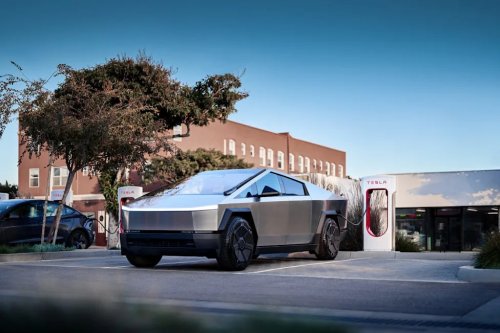
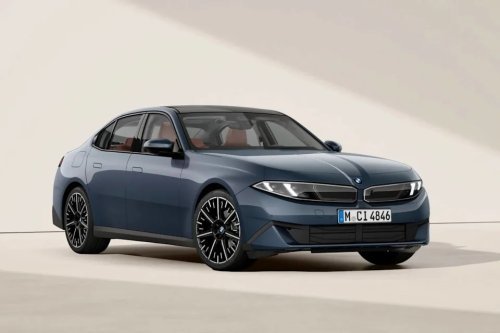
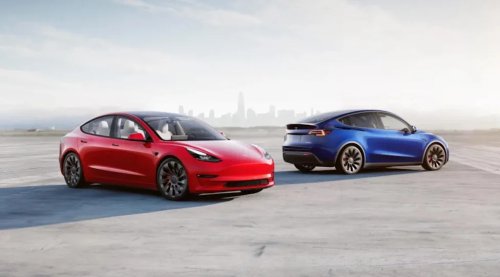
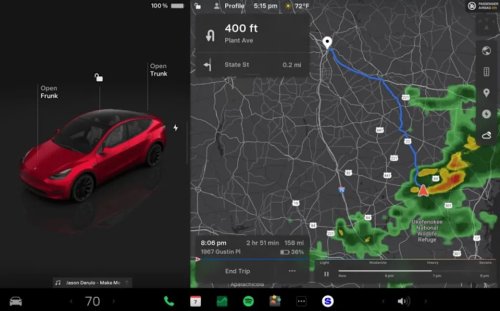
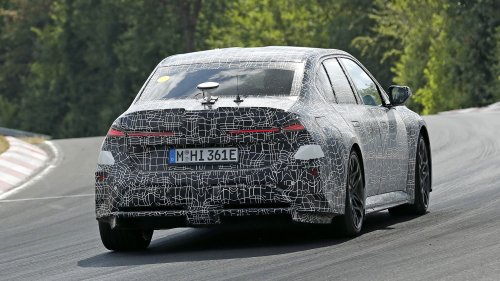
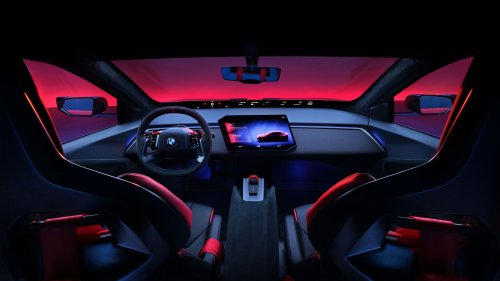
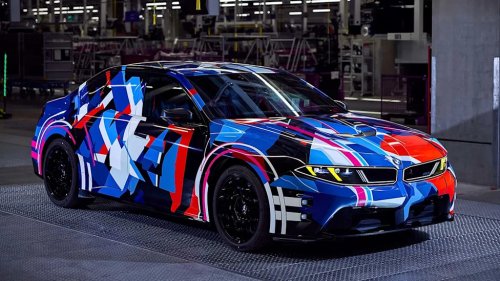
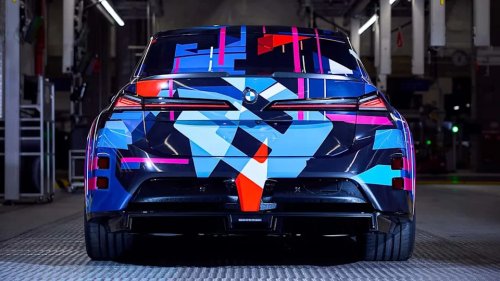
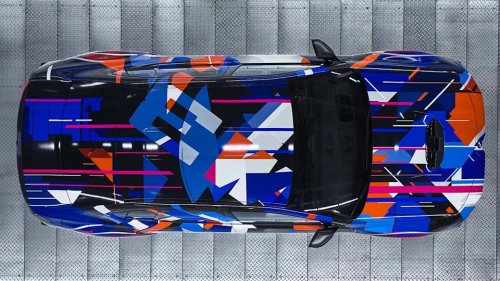
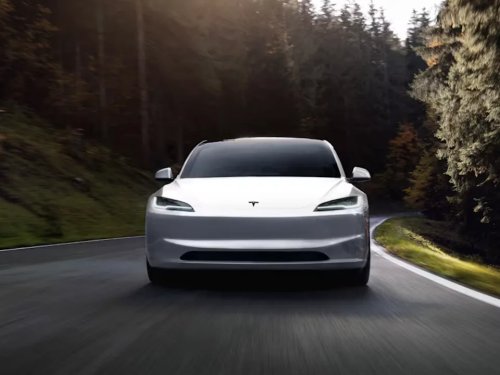
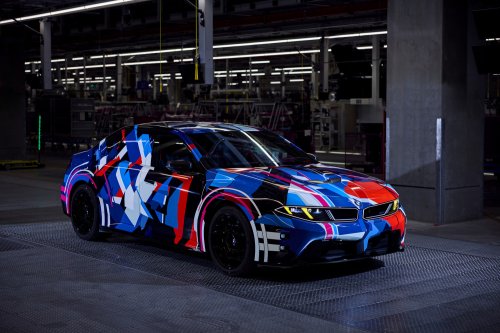
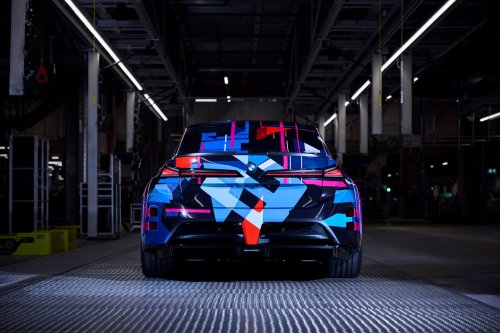
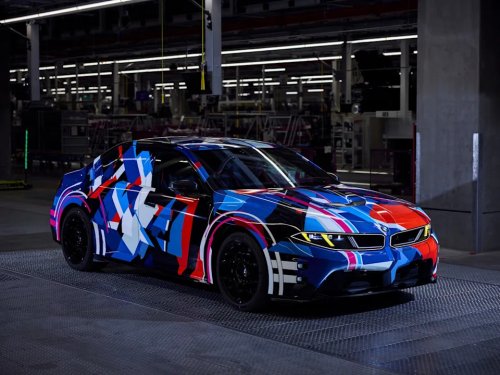
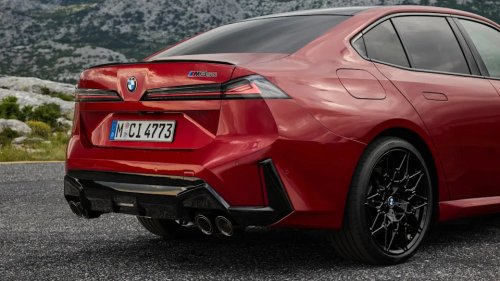
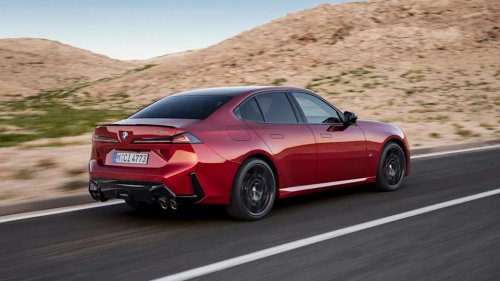
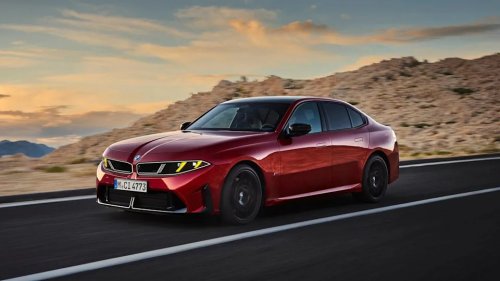
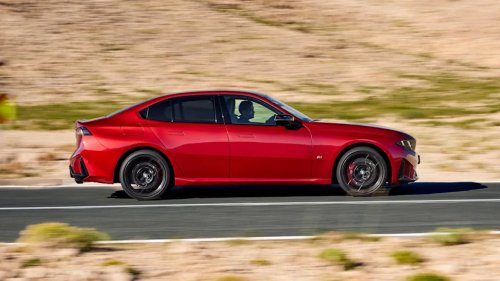
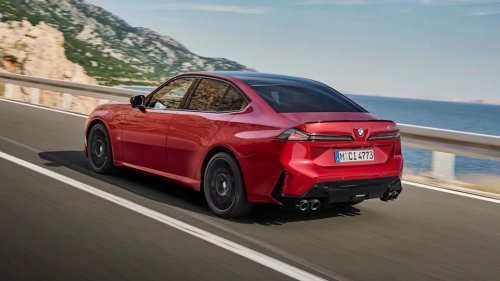
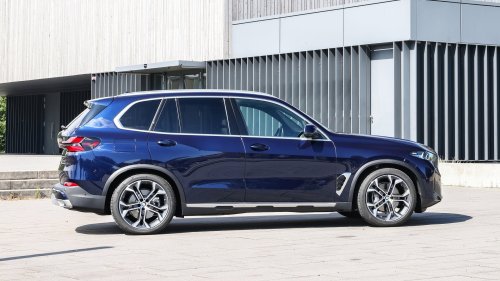
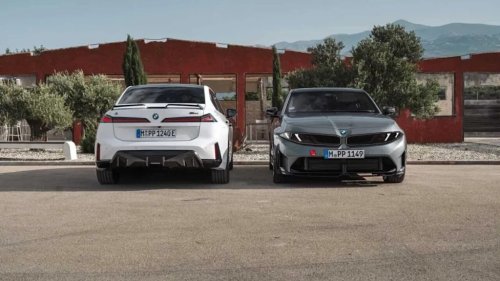
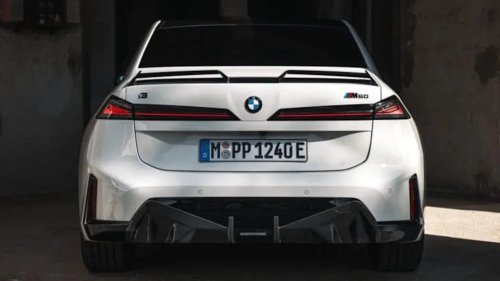
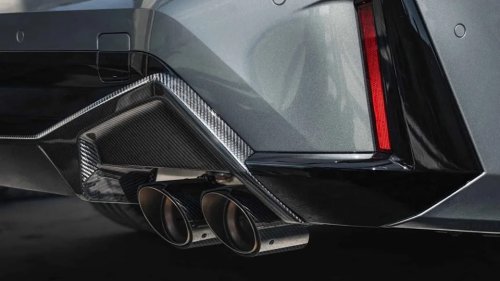
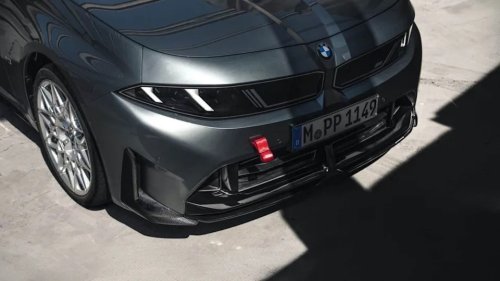
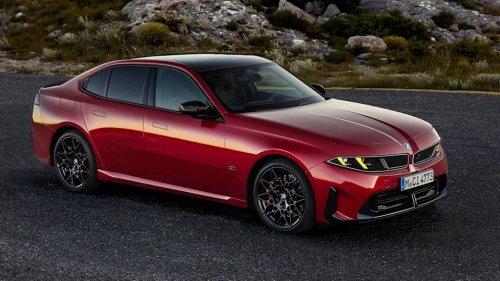
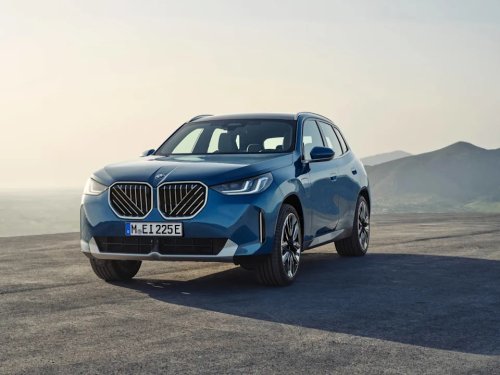
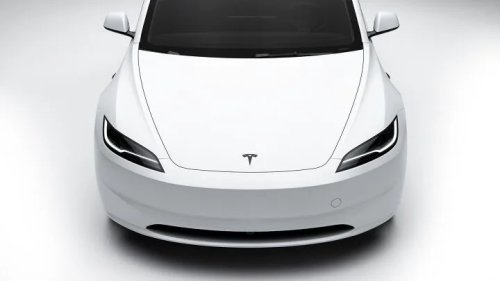
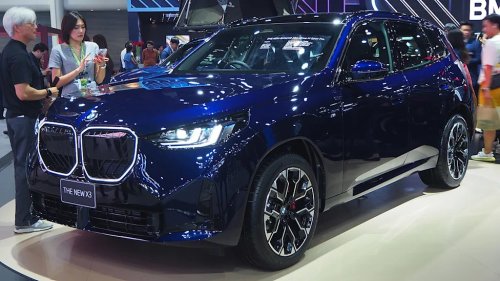
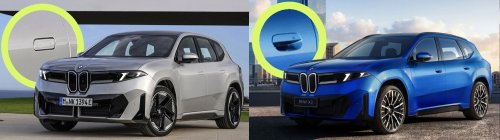
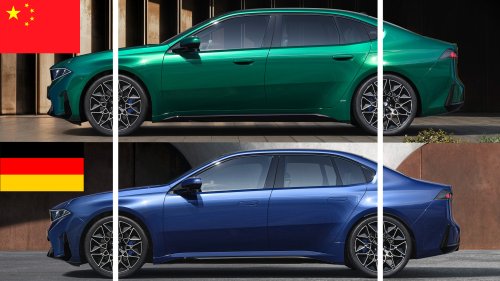
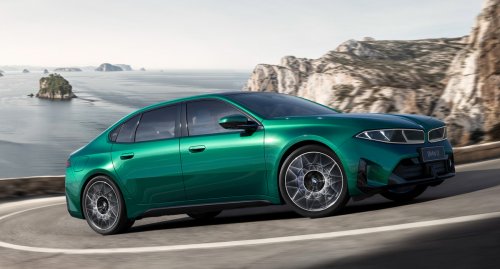
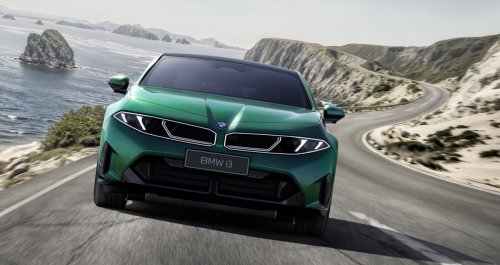
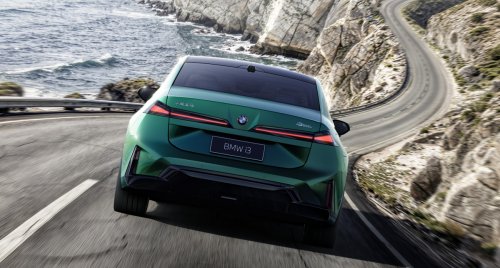
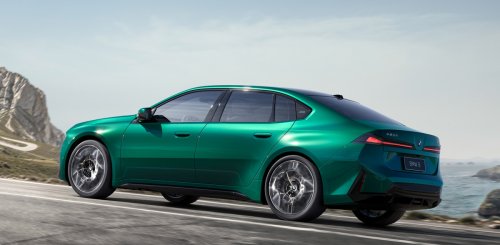
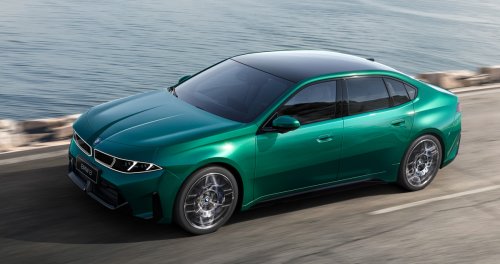
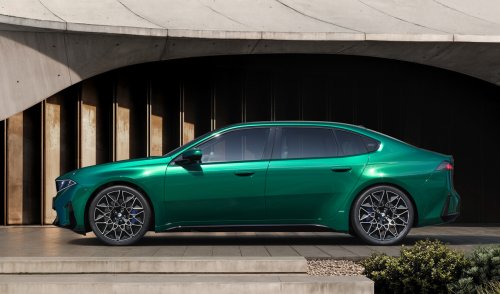
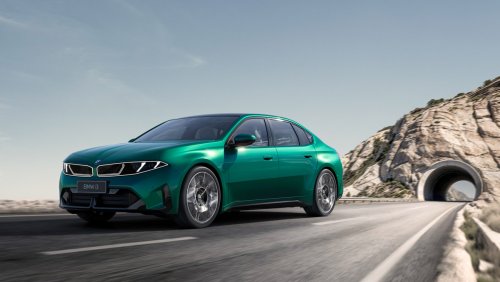
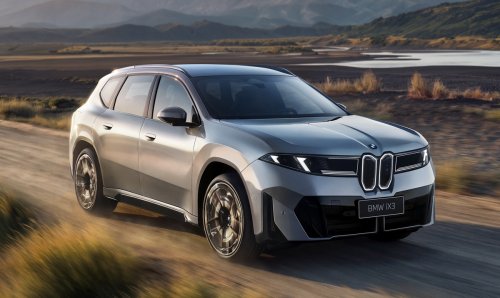
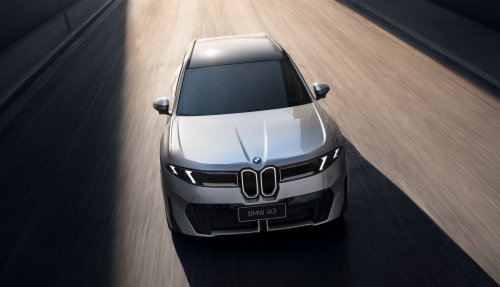
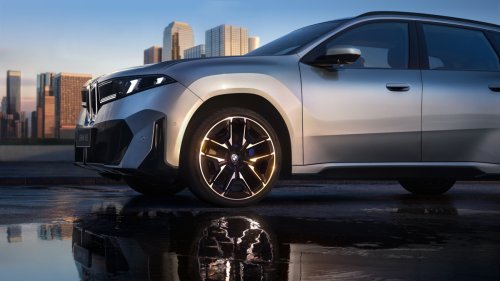
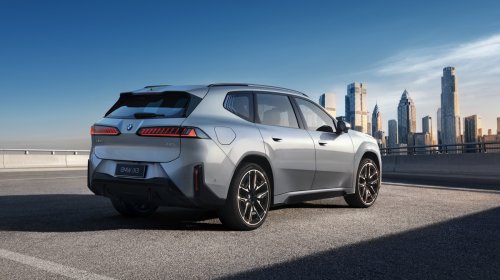
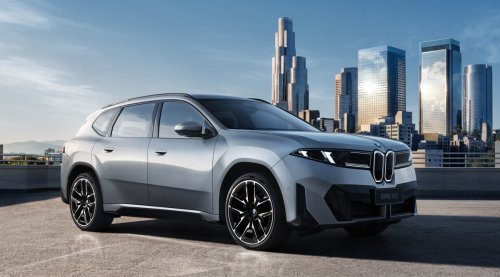
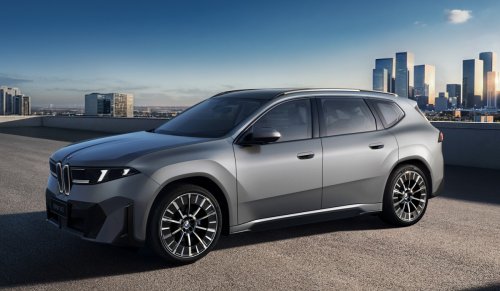
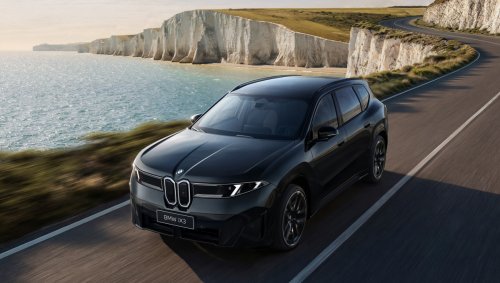
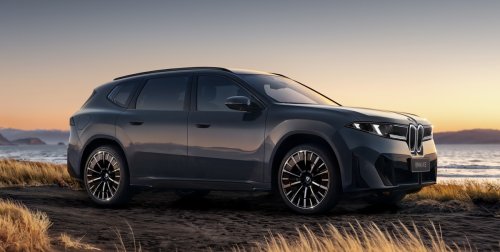
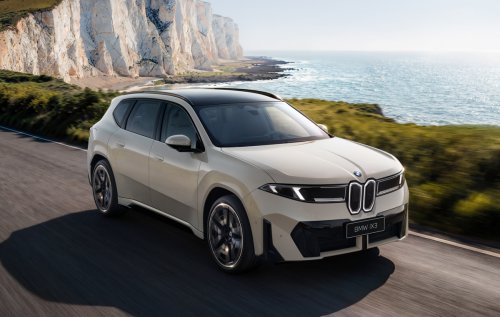
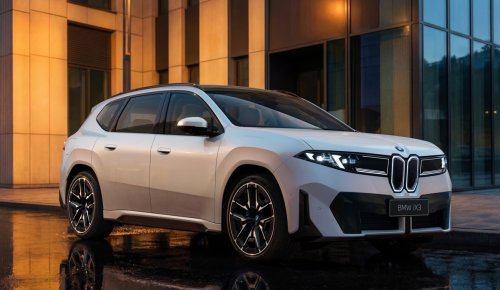
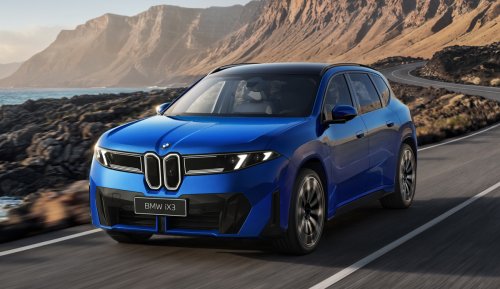
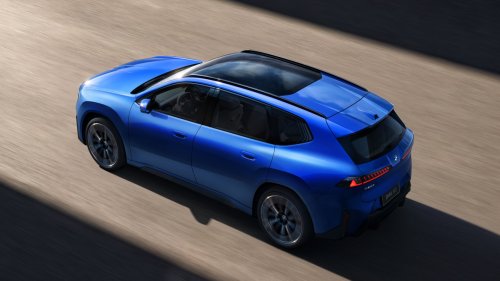
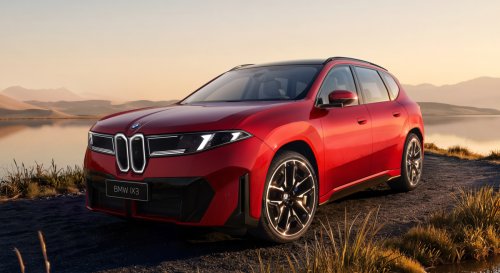
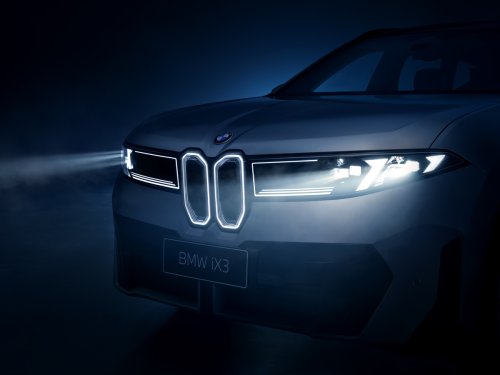
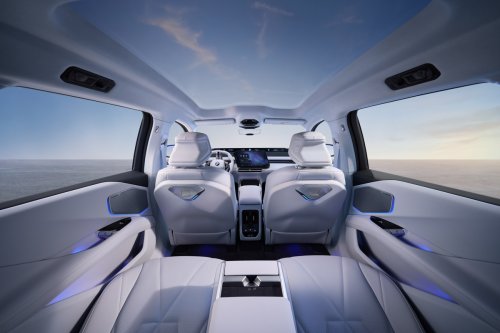
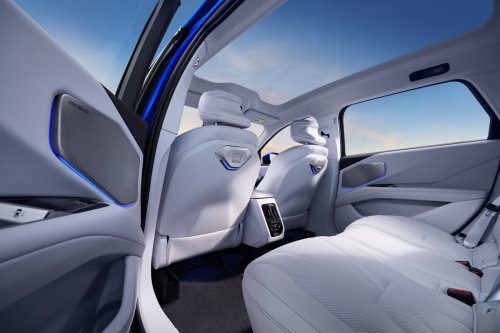
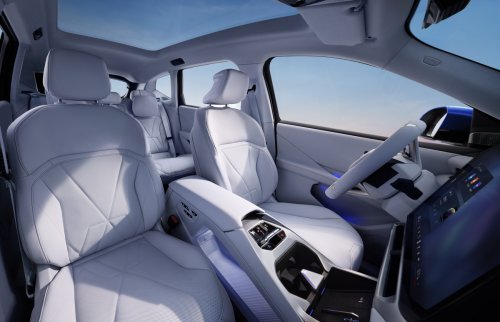
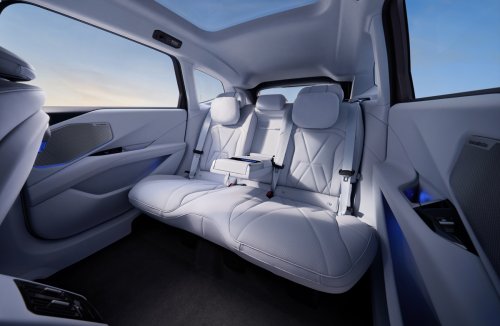
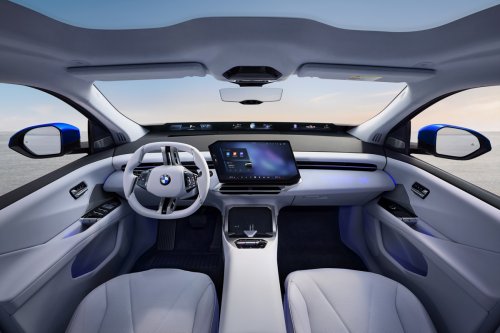
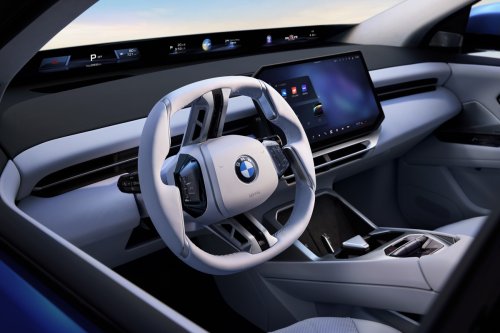
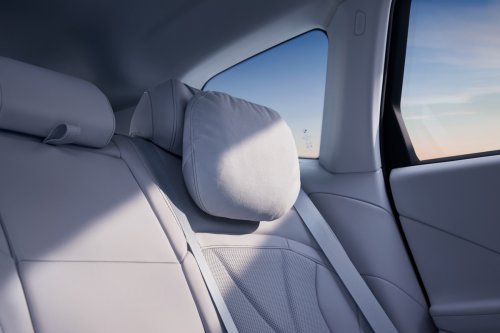
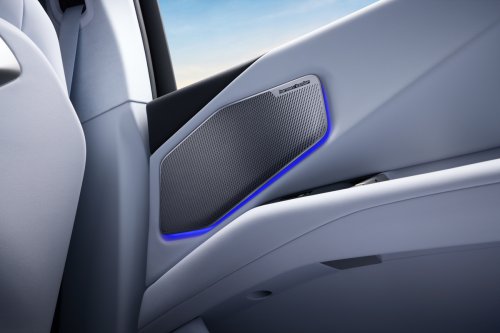
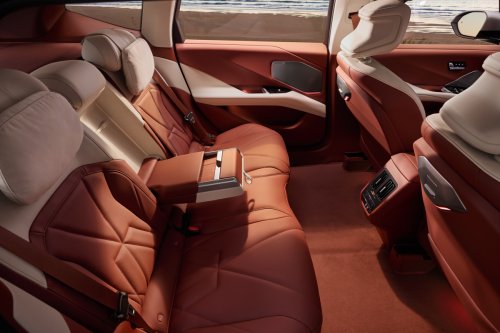
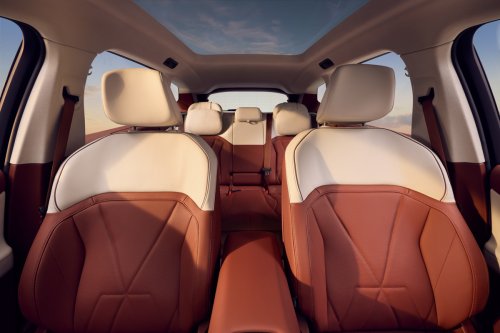
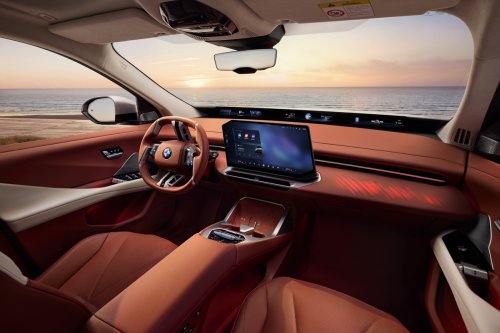
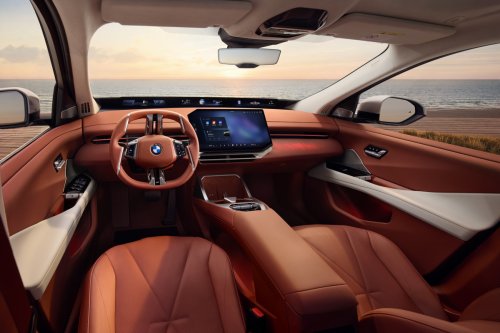
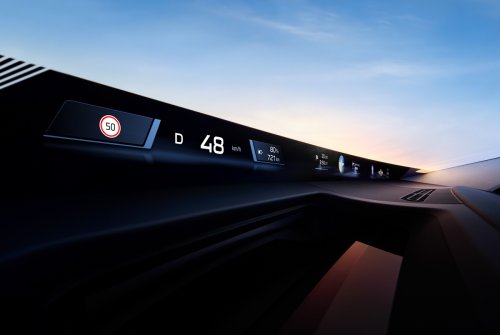
China-market BMW EVs swap pop-out handles for safer ones. Long-wheelbase i3 and iX3 debut with local tech upgrades. Claimed 621-mile range probably translates to less than 400. Sometimes the smallest detail says the most. BMW has launched its new China-only i3 Long Wheelbase and iX3 Long Wheelbase, but the headline feature, as we see it, isn’t rear legroom, horsepower, batteries, or giant screens. It’s the door handles. While European and US Neue Klasse models launched with flush pop-out handles, China’s versions get semi-recessed, more conventional units instead. That follows growing scrutiny of retractable handles after several high-profile crashes in China, where trapped occupants reportedly struggled to exit damaged vehicles. Tesla has faced similar concerns in the US and abroad, with NHTSA opening an investigation into Model Y door handles last year after reports of parents unable to reach children trapped inside after a power loss. Suddenly, boring handles look pretty smart. Related: BMW’s 7-Series Facelift Hides A Blueprint For Every Older Model It Still Sells BMW says the redesigned hardware meets Chinese regulations while still satisfying its own global safety standards. And having tried cars with pop-out handles, often finding them fiddly, we’re kind of jealous of these new Asian ones. Beyond the door handles, these two EVs mark the official start of the Neue Klasse era in China and have been tailored specifically for local buyers. Both ride on BMW’s latest Neue Klasse dedicated EV architecture, but they’re stretched compared with Western versions because you can never have enough legroom in China. Exactly how much the i3L is stretched versus the 2,898 mm (114.1 inches) wheelbase of the West’s i3 sedan, BMW hasn’t yet revealed. But we know the iX3L gets an extra 108 mm (4.25 inches) of wheelbase, bringing it to an X5-like 3,005 mm (118.3 inches). The good news is that the extra sheetmetal has been carefully integrated so as not to upset the proportions of either car. Bespoke China OS Inside, both models use BMW Panoramic iDrive and a China-specific version of Operating System X. There’s navigation developed with Amap, AI help via Alibaba and DeepSeek, and HarmonyOS NEXT compatibility so the cars can better live inside China’s digital ecosystem. Driver assistance was also developed locally with Momenta and is tuned for Chinese roads, traffic patterns, and parking chaos. BMW says it offers Level 2 navigation-guided support across city streets, highways, and parking scenarios. That, we’re happy to believe, but as usual, we’ll treat the optimistic CLTC range figures with some healthy skepticism. BMW claims over 900 km (559 miles) for the iX3 Long Wheelbase and more than 1,000 km (621 miles) for the i3 Long Wheelbase. To give some perspective, BMW in North America quotes 400 miles (644 km) EPA for the shorter, so presumably lighter, iX3 and 440 miles (709 km) for the truncated i3 sedan. Both Chinese models get 800-volt electrical systems with up to 400 kW DC charging, just like Western cars, but way behind what BYD can offer Chinese drivers. The powertrains seem identical, too. The iX3 50L xDrive makes 463 hp (470 PS / 345 kW) plus 476 lb-ft (645 Nm) of torque, BMW says. Do you think BMW should also swap out its pop-out handles on Western-market i3s and iX3s? Drop a comment and let us know. BMW




















 +20 others
![Not sold on Tesla Powerwall? There are great battery alternatives out there [update]](https://cdn.topcarnews.net/thumb/id/aHR0cHM6Ly9pMC53cC5jb20vZWxlY3Ry-ZWsuY28vd3AtY29udGVudC91cGxvYWRz-L3NpdGVzLzMvMjAyNi8wNy9ob21lLXNv-bGFyLWJhdHRlcnkucG5nP3c9MTUwMCZh-bXA7cXVhbGl0eT04MiZhbXA7c3RyaXA9-YWxsJmFtcDtzc2w9MQ/18e81f395a77dbb42269ab5e106fea41.png?t=20261006&post_id=68280)