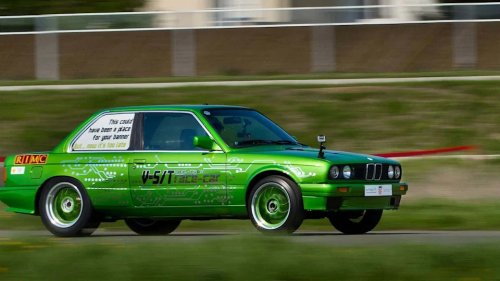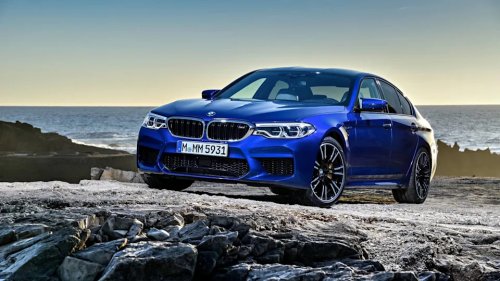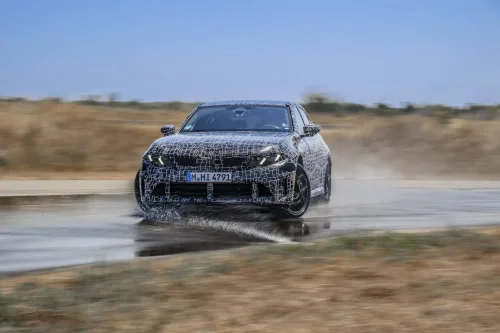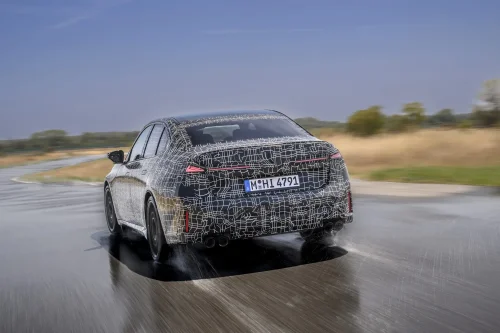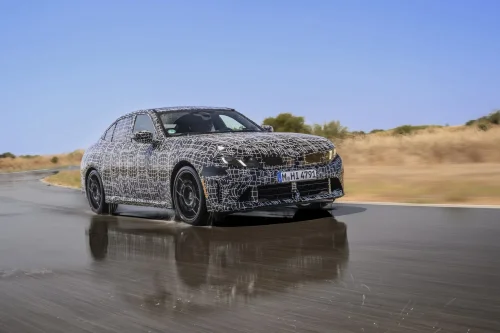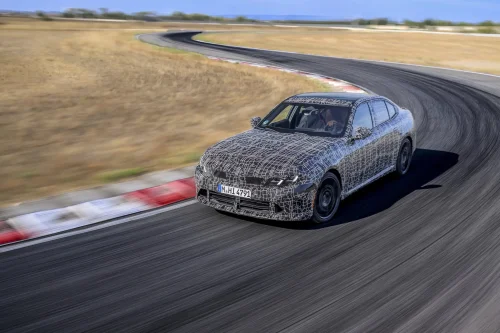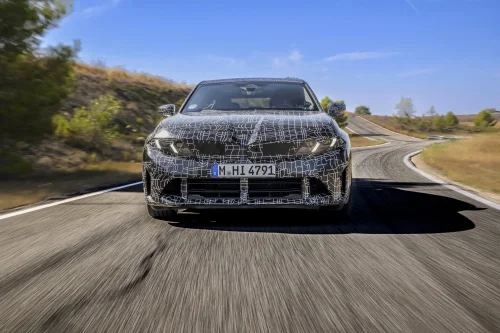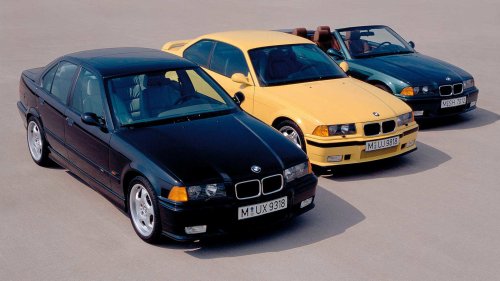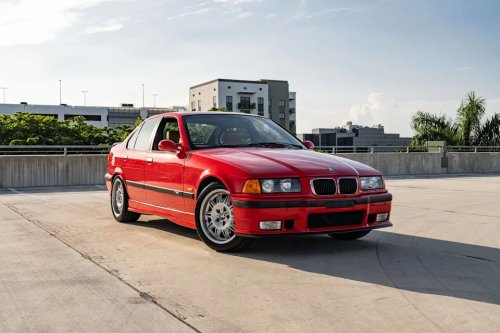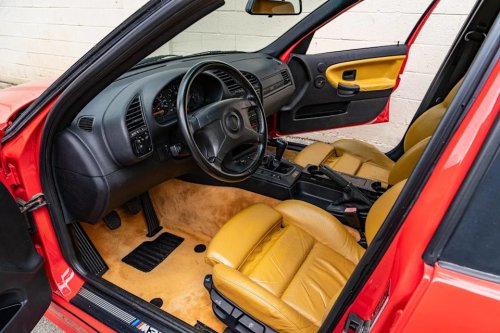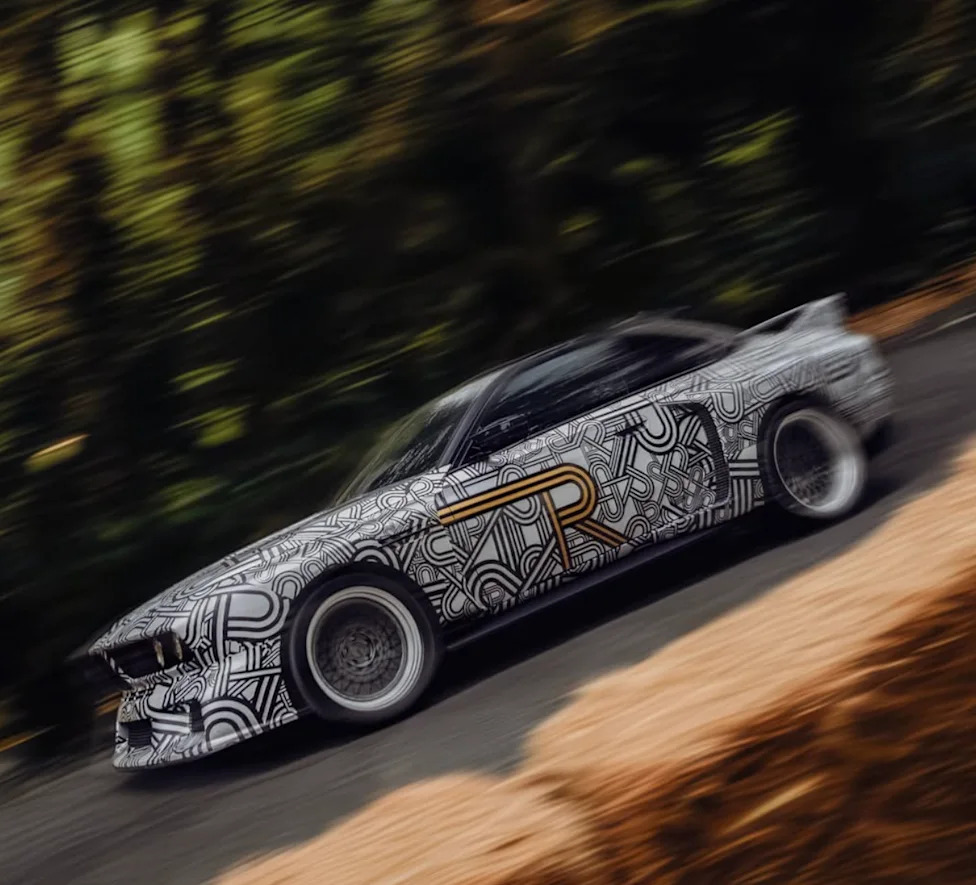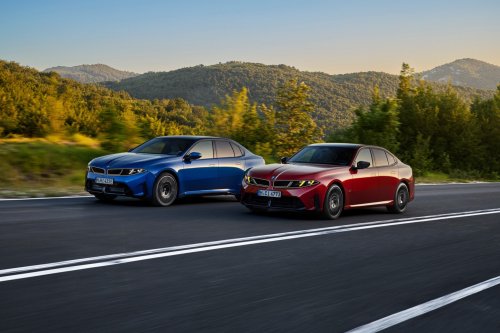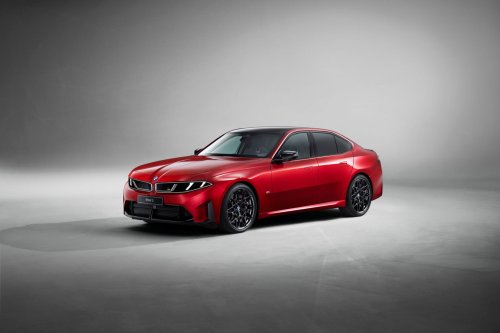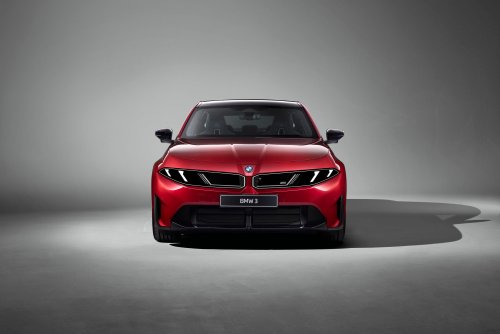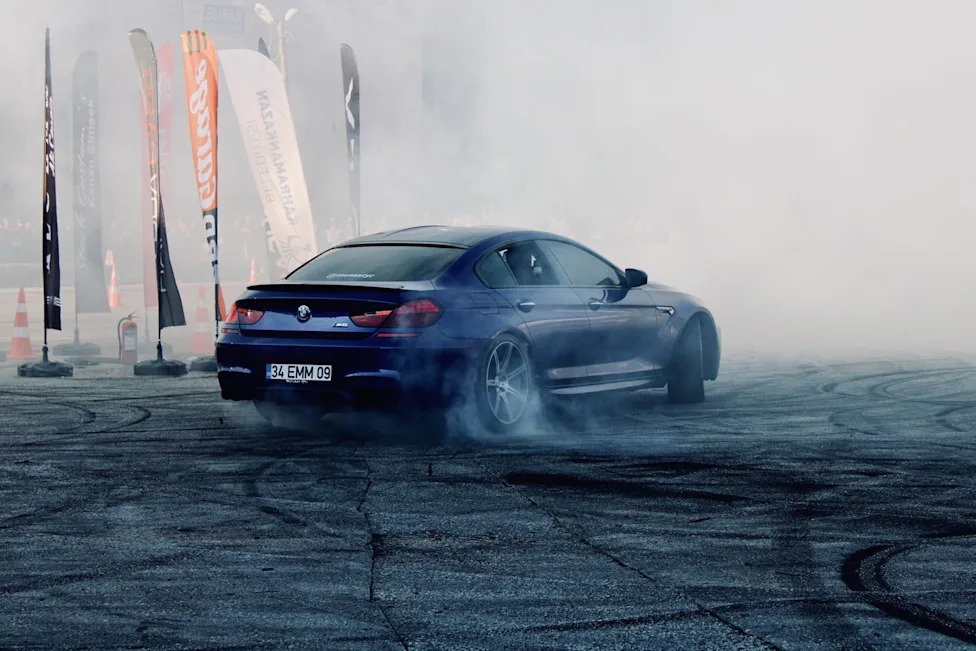


















Drifting usually takes plenty of practice. Getting a car to slide is one thing, but keeping it under control requires a driver to carefully balance steering, throttle, and traction. BMW, however, appears to be working on technology that could make the first step considerably easier, potentially allowing less-experienced drivers to initiate a drift without relying solely on traditional techniques.The idea comes from a BMW patent that describes using the car's suspension to help reduce rear-wheel traction. Autoblog explained that rather than requiring the driver to deliberately unsettle the vehicle through aggressive inputs, the system could manipulate the suspension to alter how much weight is pressing down on the rear tires.That matters because the amount of grip available at the rear axle is closely connected to the load placed on the tires. If BMW's system can briefly reduce that load, the rear wheels could become easier to spin or slide when the driver applies power. In simple terms, the car could help create the conditions needed for a drift instead of leaving the driver to do all the work.AdvertisementAdvertisementThe technology could be particularly interesting in BMW's performance cars, where electronic systems already play a major role in controlling how much freedom drivers have. Modern BMW M models can adjust traction and stability settings, allowing experienced drivers to explore the car's limits while retaining electronic assistance when necessary.BMW M6 drifting at a smoky automotive event in Türkiye. Energetic and thrilling display.BMW has also developed other technology specifically around drifting. Its M cars can record and evaluate controlled slides through features such as the Drift Analyzer, which gives drivers feedback on their drifting performance. The company has additionally used specially prepared cars for its drift-focused driving programs, showing that it is not new to finding ways of making the technique more accessible.The patented suspension system would take a different approach. Instead of simply helping the driver manage a drift once it has started, it could potentially assist with the difficult moment when the rear tires first lose their grip.For someone learning to drift, that could remove one of the biggest obstacles. A driver would still need to control the steering and throttle to keep the car moving correctly, but getting the rear tires to lose grip could require less torque and lower speeds than would otherwise be necessary.AdvertisementAdvertisementThere is an important caveat, though. BMW has only patented the concept, meaning there is no confirmation that the technology will eventually appear on a production vehicle. Automakers frequently patent ideas that never make it into showrooms.If BMW does decide to develop it further, however, the technology could give newer drivers another way to experience controlled oversteer while demonstrating how modern performance cars can use sophisticated hardware to supplement traditional driving skills. But drifting should only be attempted in an appropriate closed-course environment, regardless of how much technology is involved.