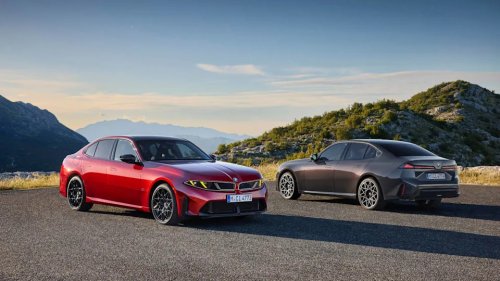
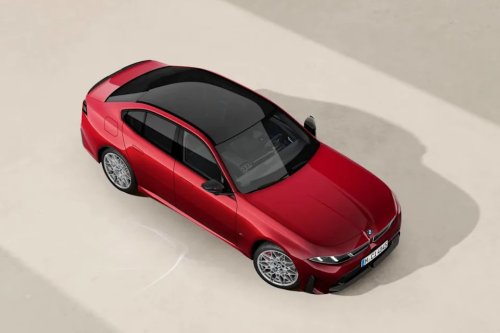
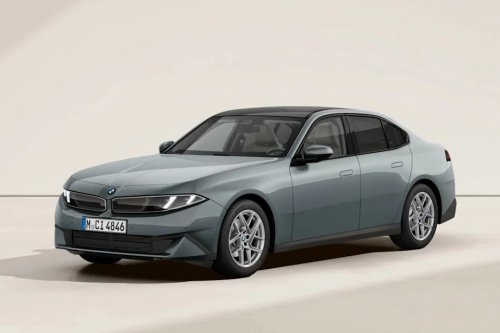
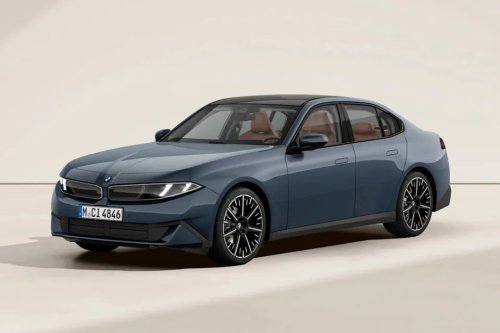
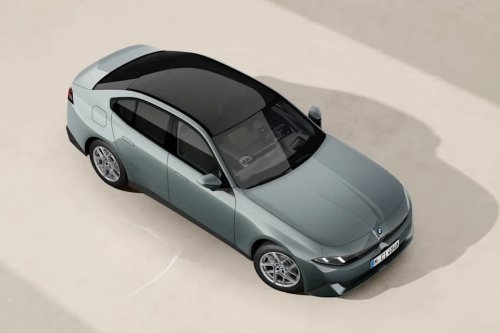
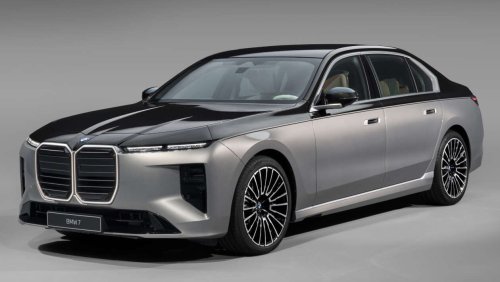
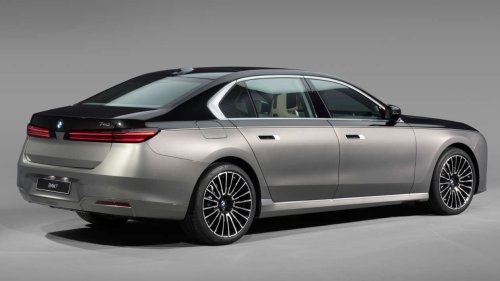
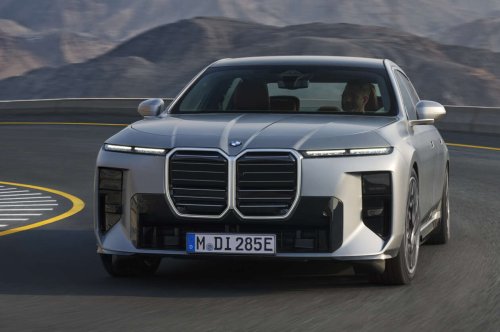
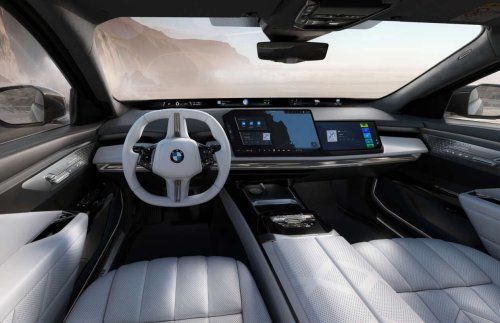
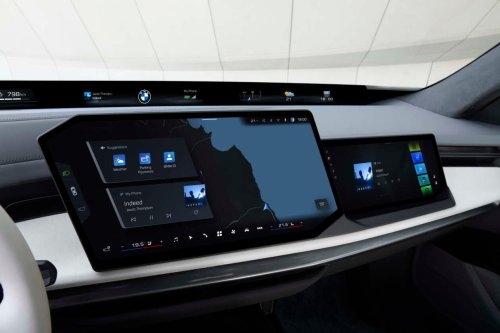
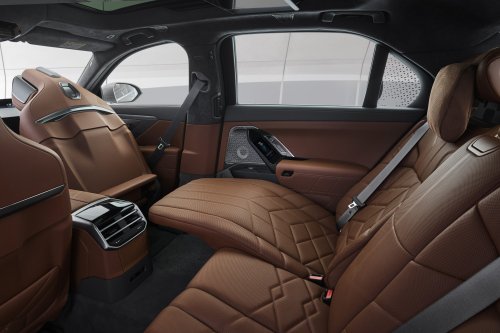
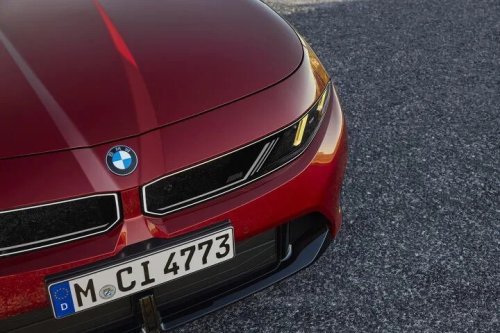
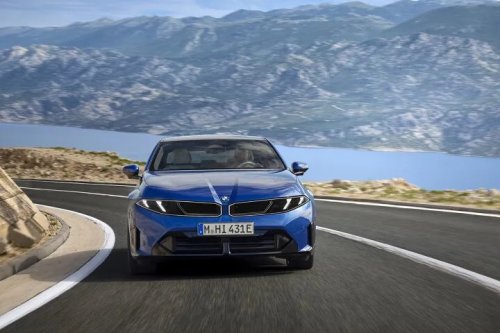
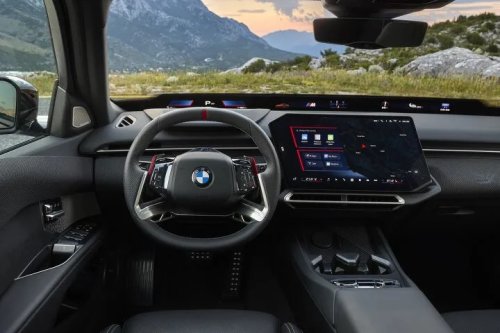
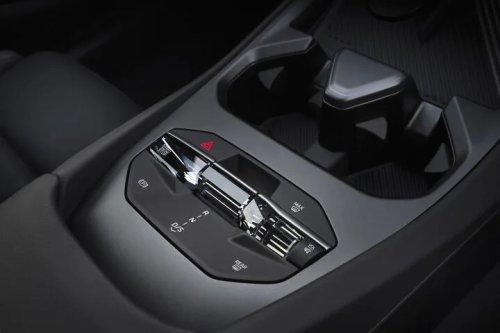
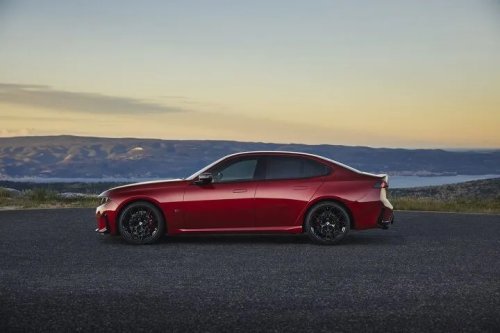
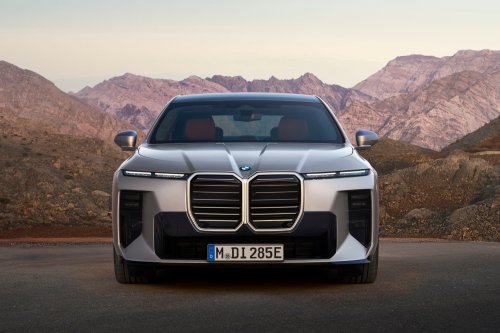
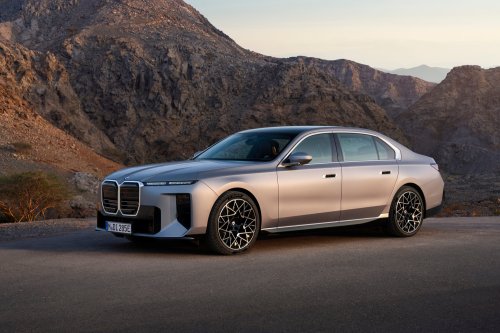
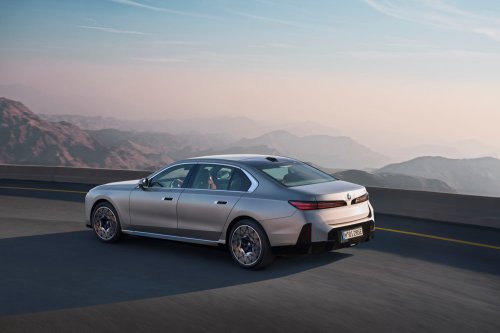
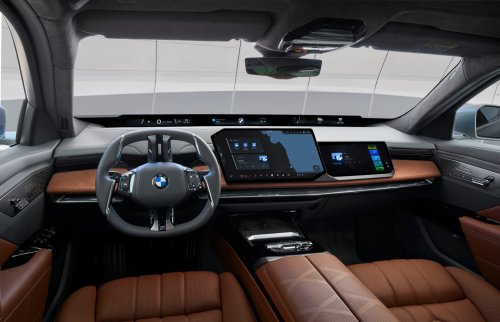
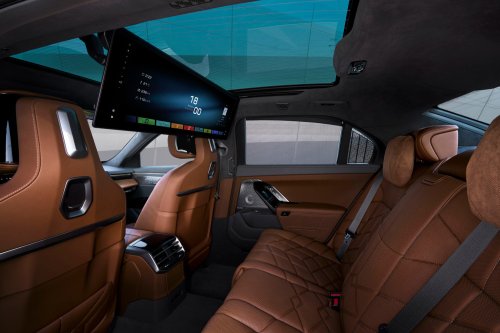
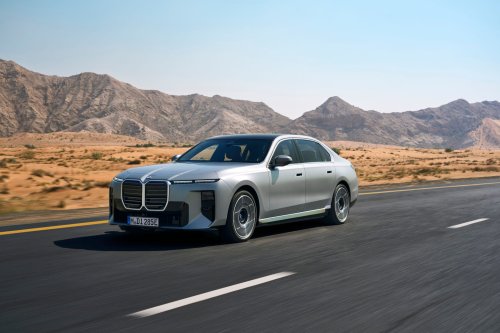
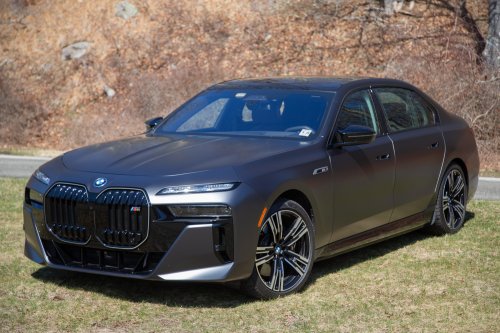
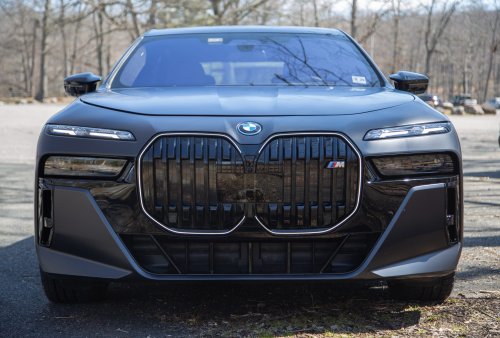
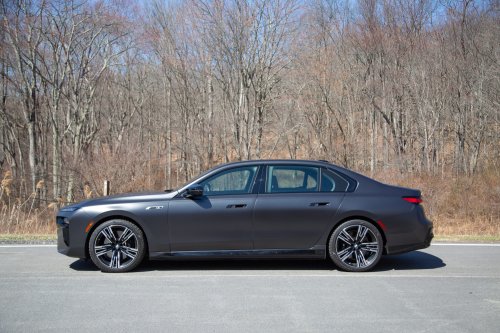
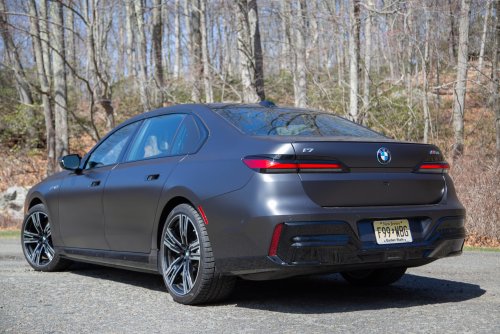
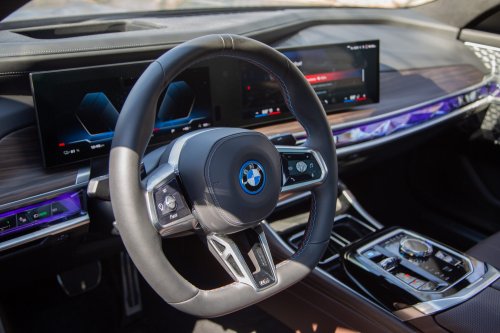
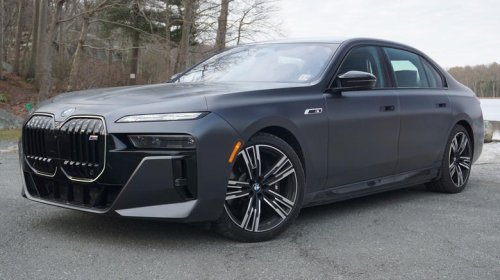
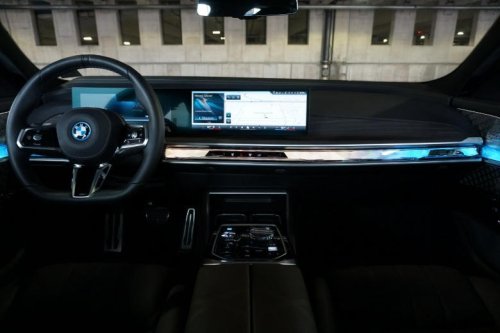
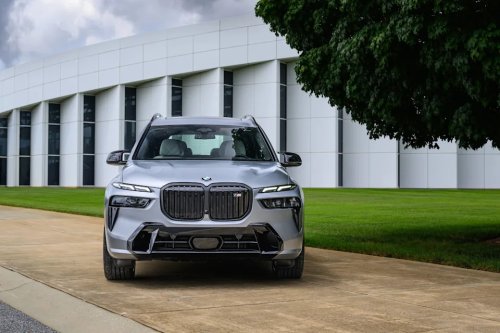
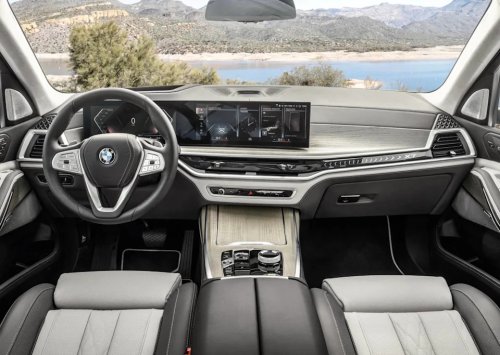
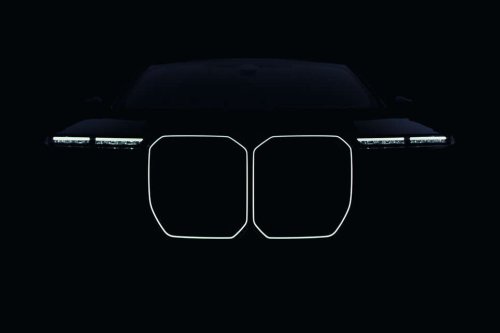
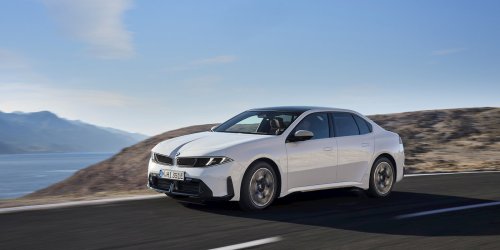
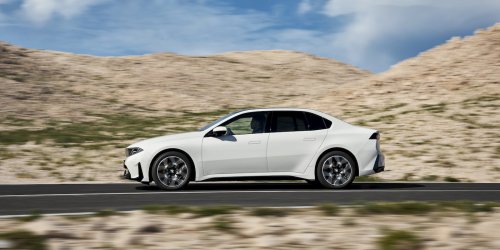
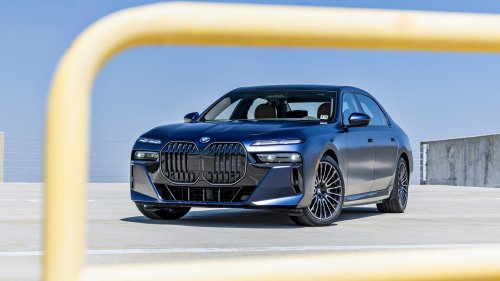
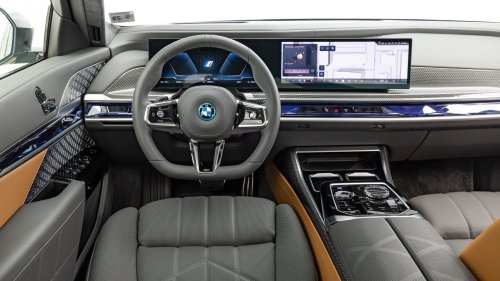
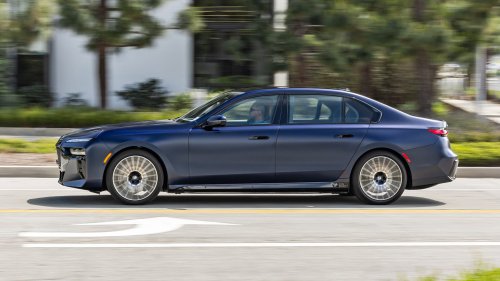
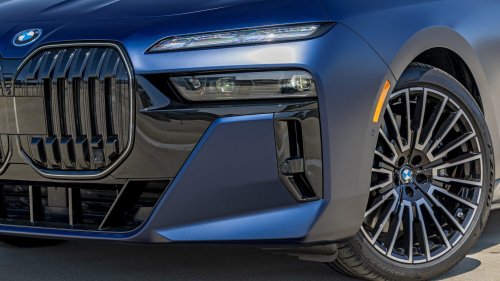
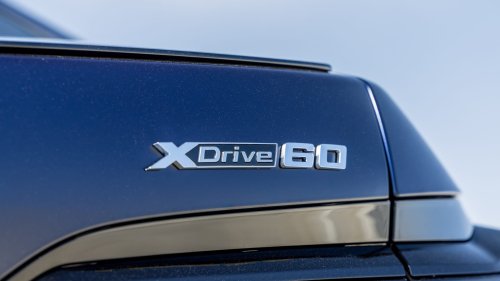
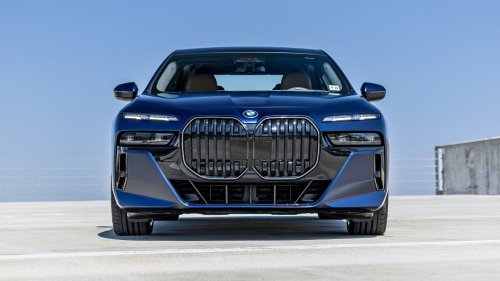
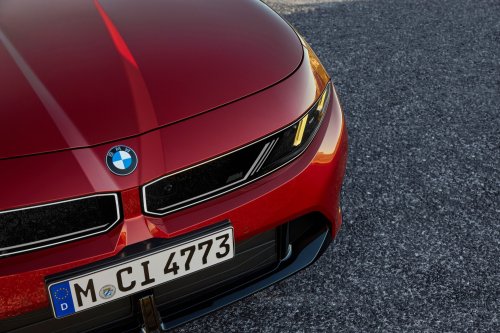
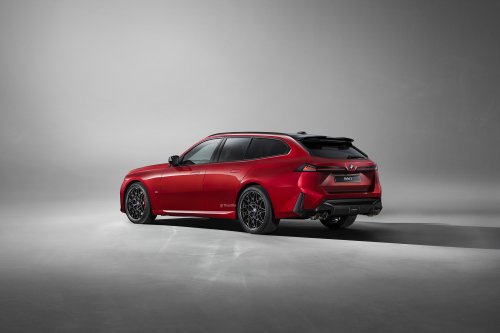
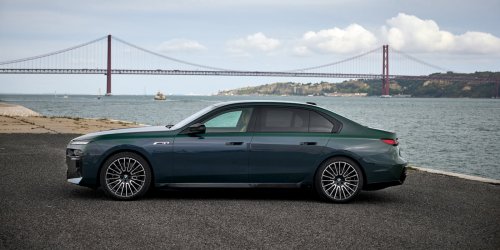
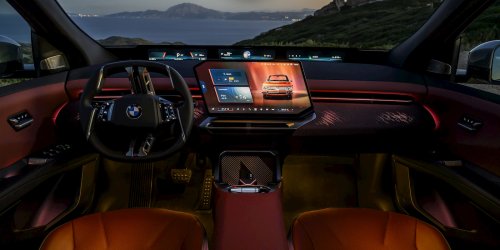
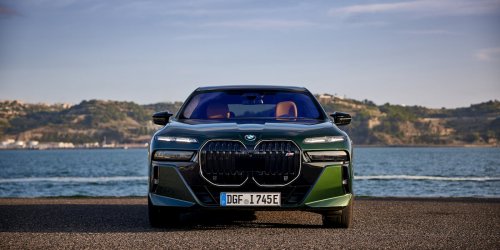
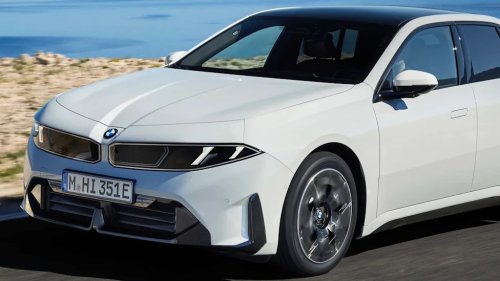
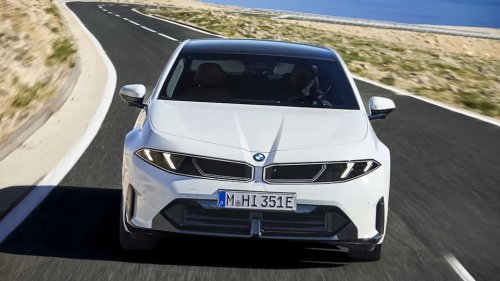
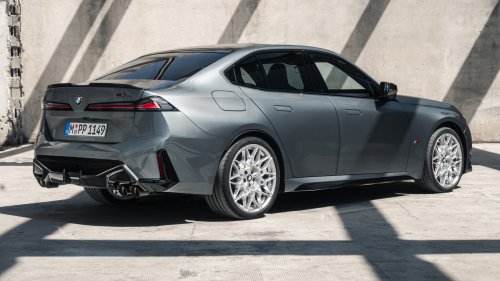
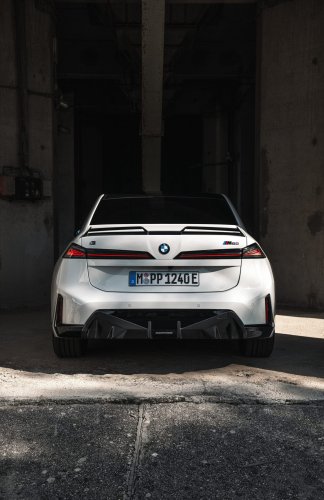
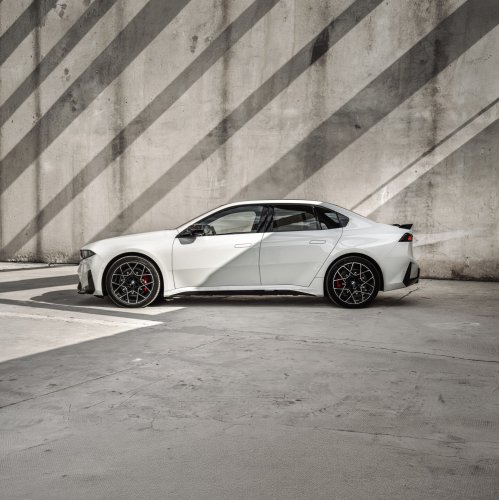
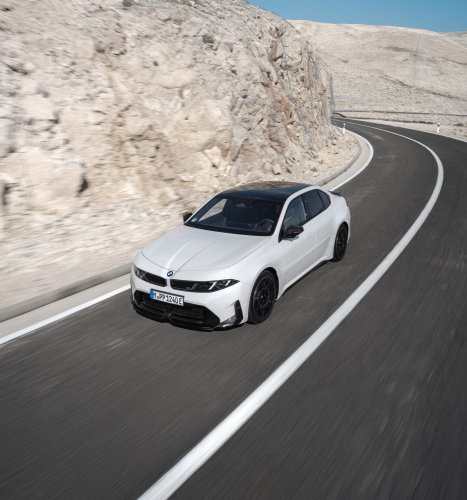
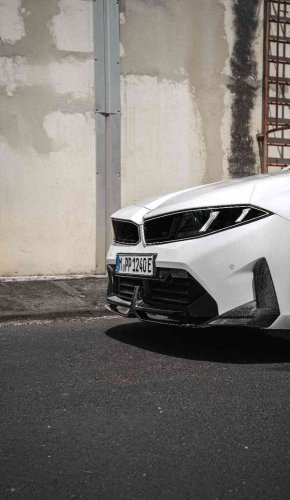
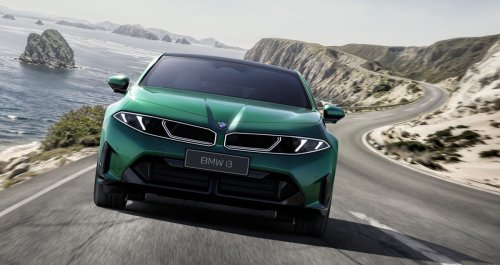
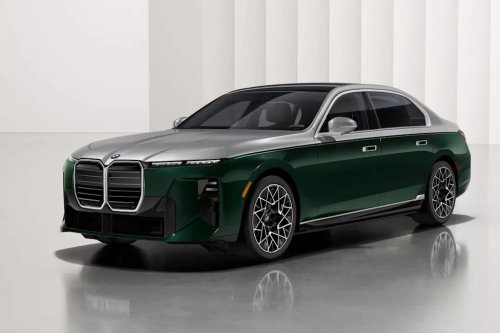
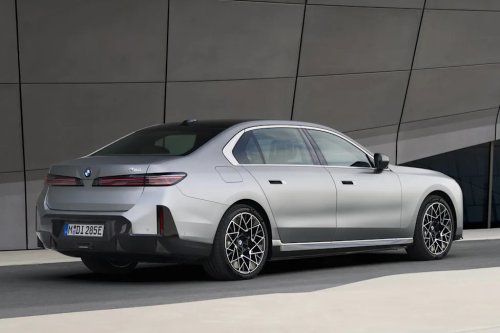
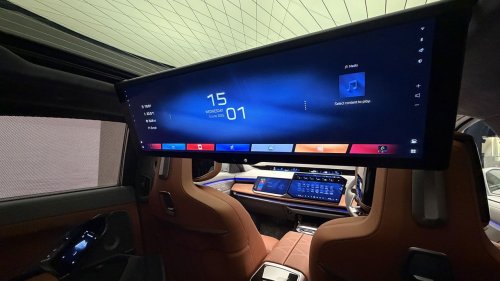
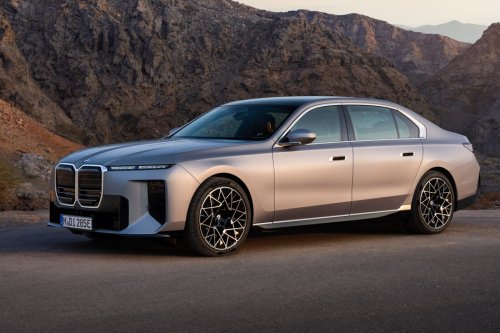
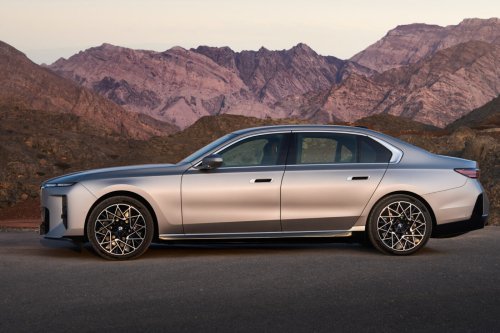
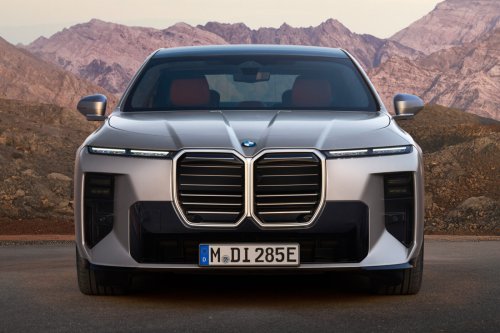
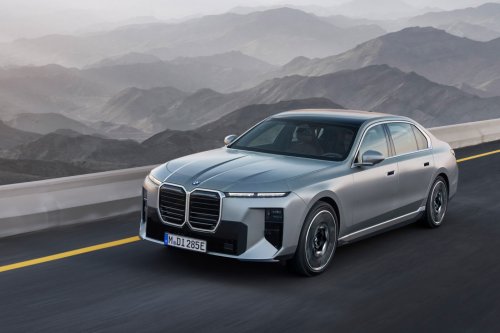
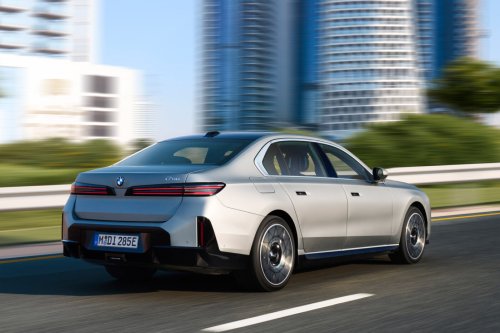
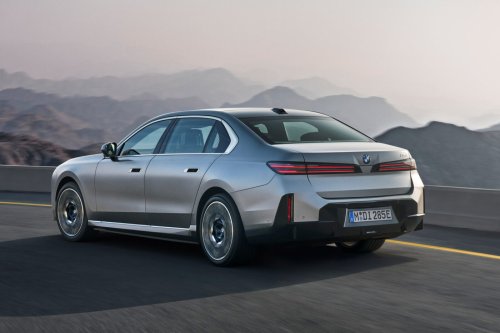
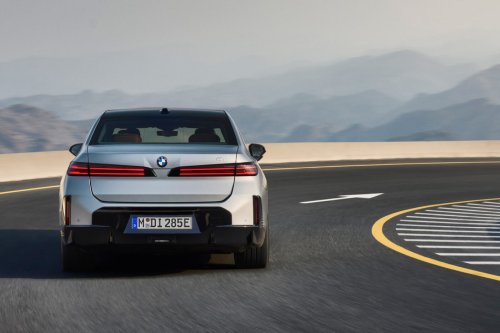
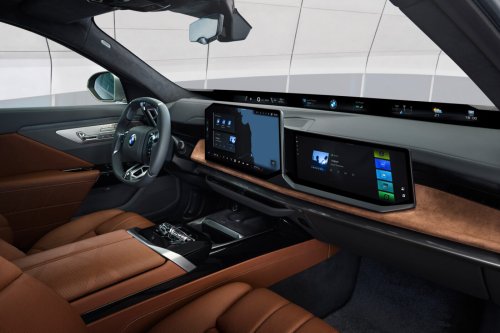
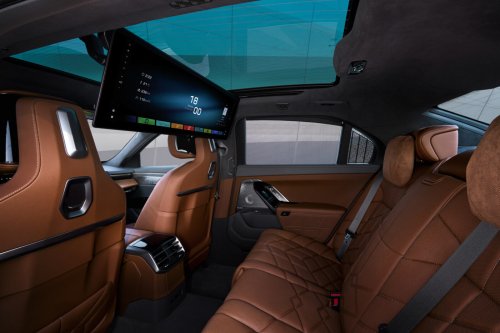
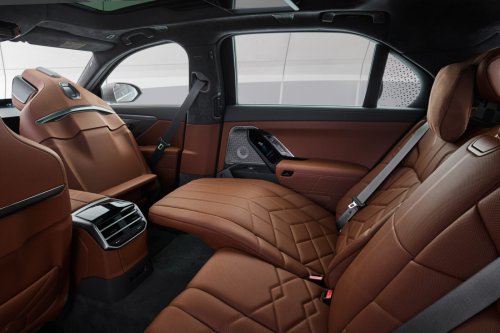
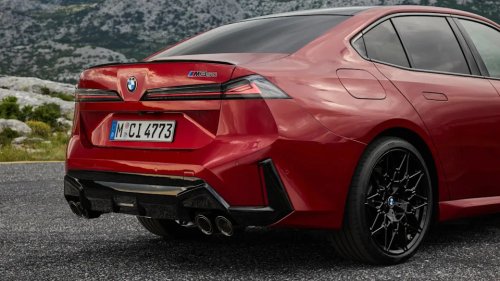
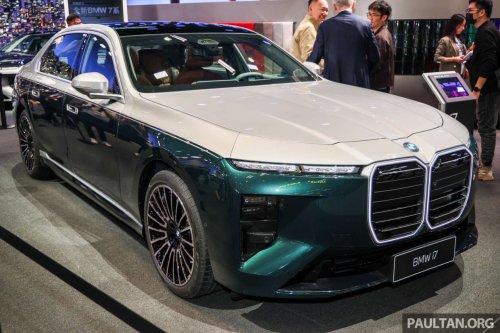
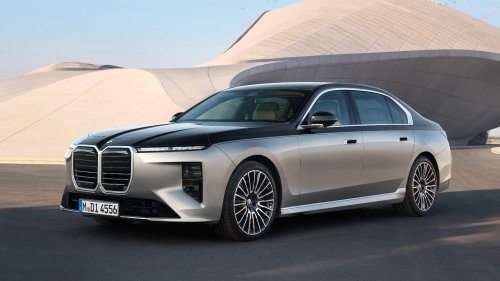
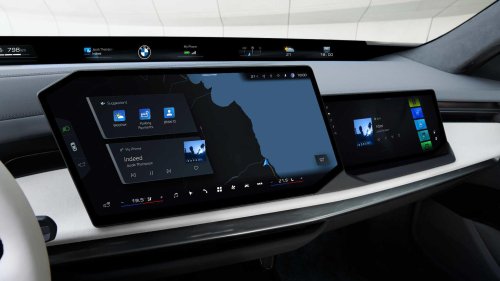
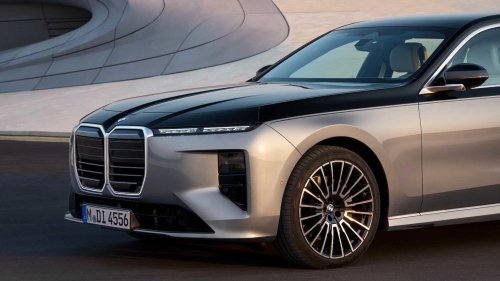
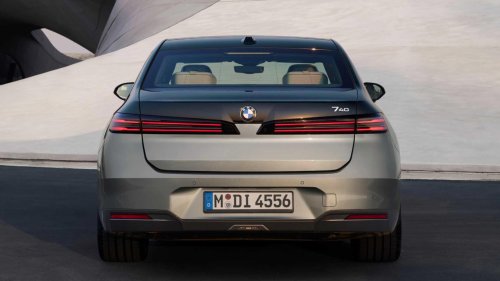
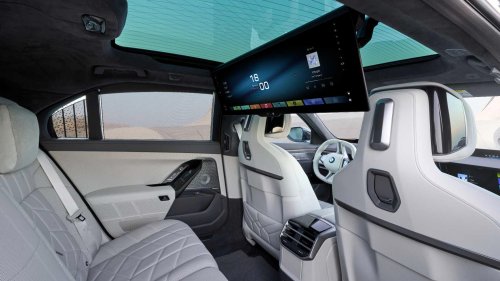
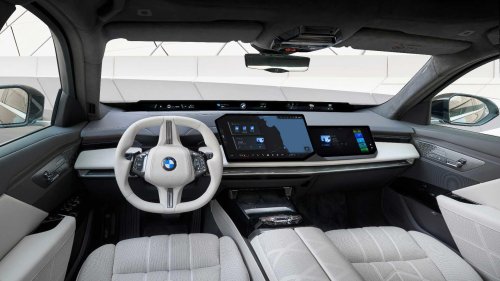
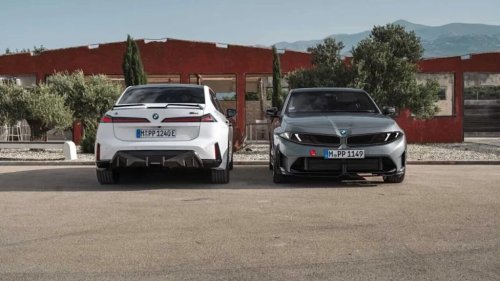
With the iX3 and the i3 as a battery-electric saloon in the 3 Series format, BMW has already introduced two models based on its Neue Klasse platform—even though the i3 was officially only a ‘Design Reveal’ in March and not a full world premiere. The drivetrain technology is well known, as it is more or less directly derived from the iX3, the first vehicle built on the new platform. However, BMW’s emphasis on developing not isolated platforms but technology clusters is particularly evident in the i7’s facelift.“Leveraging the capabilities of the new technology clusters elevates the BMW 7 Series to a new level, both visually and technologically, midway through its lifecycle,” BMW states.What the Munich-based manufacturer means by this is that the i7, built on the older CLAR platform with fifth-generation electric drivetrains, has been upgraded to a sort of Generation 5.5 thanks to the battery technology cluster. The old battery, featuring prismatic cells and a capacity of 101.7 kWh, has been phased out in this update. While the version showcased at the Auto China retains the Gen5 core, it now incorporates the large-format cylindrical cells from the Neue Klasse’s Gen6 battery system in its underbody. That increases the new battery’s energy content to 112.5 kWh, giving the i7 slightly more range and improved charging performance.Importantly, even though the Neue Klasse, with the iX3 and i3, is an 800-volt platform, the individual battery cells themselves—due to their NMC cell chemistry—have a similar voltage to previous generations. This makes it possible for the cylindrical cells, measuring 46 millimetres in diameter and 95 millimetres in height, to be configured into a 400-volt system in the i7. The cells are identical; only their utilisation differs.The 112.5 kWh energy content of the new i7 battery with cylindrical cells refers to the net value, meaning the usable energy available to the customer. The battery is capable of charging at peak rates of up to 250 kW, an improvement over the previous 200 kW. However, BMW has historically prioritised not peak charging power but a highly optimised charging curve to minimise charging time. According to the manufacturer, the updated i7 takes 29 minutes to charge from 10 to 80 per cent—five minutes faster than before—but still lags behind modern 800-volt vehicles. Image: BMW Image: BMW Image: BMW Image: BMW Image: BMW Image: BMW Image: BMW Image: BMW Image: BMW Image: BMWAt its premiere in Beijing, BMW introduced three variants of the i7, all of which use the same battery and feature an electric all-wheel-drive system with two e-motors. However, there are no changes to the e-motors themselves; the familiar Gen5 units—externally excited synchronous machines—remain at the front and rear. In fact, BMW has merely adapted the drivetrains to the new battery, with no alterations to the performance figures.The i7 50 xDrive and i7 60 xDrive each feature a 190 kW motor at the front and a 230 kW unit at the rear. The 50 xDrive delivers 335 kW of system power and 660 Nm of torque, while the 60 xDrive offers 400 kW and 745 Nm, as before. The only change is the naming convention: previously, the drivetrain designation appeared as i7 xDrive60 after the technology identifier, but now—following the Neue Klasse’s introduction—it is positioned in the middle as i7 60 xDrive. Additionally, with ranges of 708 and 707 kilometres respectively, the i7 now achieves over 700 kilometres of WLTP range for the first time.Positioned as the range-topping model, the i7 M70 xDrive uses the same battery and the 190 kW drive unit at the front. However, the M model features a 360 kW motor at the rear, increasing system power to 500 kW and torque to 1,015 Nm—though the WLTP range drops to 650 kilometres. The M70 can accelerate from 0 to 100 km/h in 3.8 seconds (or 3.5 seconds using the ‘One-Foot-Rollout’ method common in the US). The 50 and 60 variants are slightly slower at 5.5 and 4.8 seconds, respectively, but remain impressively quick.i7 50 xDrivei7 60 xDrivei7 M70 xDriveDrivetrainAWDAWDAWDPower335 kW400 kW500 kWTorque660 Nm745 Nm1,015 NmAcceleration5.5 s4.8 s3.8 sTop speed210 km/h210 km/h250 km/hWLTP range708 km707 km650 kmBattery112.5 kWh112.5 kWh112.5 kWhDC charging power250 kW250 kW250 kWDC charging time 10-80%29 min29 min29 minPrice121,400 euros140,100 euros182,400 eurosGiven that BMW did not merely unlock additional kilowatts of power via software for the new i7 but also made hardware-level changes to the battery, it is unsurprising that the update is described as the most extensive model revision in the history of the BMW Group.The facelift is intended to assume ‘a pioneering role in the cross-generational, cross-drivetrain, and cross-segment technology rollout across the entire BMW model range.’ Alongside the battery-electric versions, the internal combustion models have also been updated, with two plug-in hybrids set to follow in November 2026.In line with the scale of the facelift, BMW has also revamped the design, as the 7 Series, as the brand’s flagship and image carrier, is set to present the ‘new face of the BMW luxury class.’ Max Missoni, a designer who moved from Polestar to BMW, is responsible for the aesthetics of Munich’s luxury models. The ‘monolithic exterior’ is said to create ‘an expressive presence and high recognition value.’In reality, the changes on paper are subtle but effective. The LED daytime running lights appear similar to before, though the light signature is now more angular. The main headlights, previously arranged horizontally below the daytime running lights, are now mounted vertically. Combined with the sharper and more pronounced design of all elements, including the BMW kidney grille, the i7’s front end appears even more cohesive and imposing—’monolithic’ is indeed an apt description.The side profile remains unchanged in such facelifts due to the costly modifications required to the bodywork, and the i7 is no exception. At the rear, however, the design of the tail lights clearly reflects the Neue Klasse’s influence and BMW’s current brand design language.This design philosophy extends to the interior. According to BMW, the cabin is characterised by high-quality materials, a minimalist design, and an immersive lighting experience. Here, too, technology from the Neue Klasse has found its way into the flagship of the old CLAR platform: the Panoramic iDrive, a slim, continuous display band at the base of the windscreen that debuted in the iX3, will now also feature in the 7 Series.Additionally, the front passenger is equipped as standard with the BMW Passenger Screen, opening ‘new dimensions in entertainment and information.’ The new steering wheel and the angled design of the touchscreen are also familiar from the Neue Klasse.Production of the updated 7 Series and the three i7 variants begins in July, continuing at BMW’s Dingolfing plant in Germany as before. The i7 50 xDrive is available in Germany from 121,400 euros, while the 60 xDrive starts at 140,100 euros. The top-of-the-range i7 M70 xDrive requires a minimum payment of 182,400 euros. The plug-in hybrid 750e xDrive will be available from November, starting at 133,900 euros, with the more powerful M760e xDrive priced from 159,900 euros.Source: Information via email



















 +56 others
![BMW, BMW i7, BMW unveils new i7 with 450 miles range and Neue Klasse style [Images]](https://cdn.topcarnews.net/thumb/id/aHR0cHM6Ly9pMC53cC5jb20vZWxlY3Ry-ZWsuY28vd3AtY29udGVudC91cGxvYWRz-L3NpdGVzLzMvMjAyNi8wNC9CTVctbmV3-LWk3LUVWLXJhbmdlLmpwZz93PTE1MDAm-YW1wO3F1YWxpdHk9ODImYW1wO3N0cmlw-PWFsbCZhbXA7c3NsPTE/a0f6e0fffab34bb9d4cad3a3c1b83804.jpg?t=20261004&post_id=18460)
![BMW, BMW i7, BMW unveils new i7 with 450 miles range and Neue Klasse style [Images]](https://cdn.topcarnews.net/thumb/id/aHR0cHM6Ly9pMC53cC5jb20vZWxlY3Ry-ZWsuY28vd3AtY29udGVudC91cGxvYWRz-L3NpdGVzLzMvMjAyNi8wNC9CTVctbmV3-LWk3LUVWLWZyb250LTEuanBnP3N0cmlw-PWluZm8mYW1wO3c9MjAwMCZhbXA7c3Ns-PTE/0d0507e4cc78616ae3f89be48d6c13b9.jpg?t=20261004&post_id=18460)
![BMW, BMW i7, BMW unveils new i7 with 450 miles range and Neue Klasse style [Images]](https://cdn.topcarnews.net/thumb/id/aHR0cHM6Ly9pMC53cC5jb20vZWxlY3Ry-ZWsuY28vd3AtY29udGVudC91cGxvYWRz-L3NpdGVzLzMvMjAyNi8wNC9CTVctbmV3-LWk3LUVWLXNpZGUtMS5qcGc_c3RyaXA9-aW5mbyZhbXA7dz0yMDAwJmFtcDtzc2w9-MQ/c0a6639623e131393c668342a1ad097d.jpg?t=20261004&post_id=18460)
![BMW, BMW i7, BMW unveils new i7 with 450 miles range and Neue Klasse style [Images]](https://cdn.topcarnews.net/thumb/id/aHR0cHM6Ly9pMC53cC5jb20vZWxlY3Ry-ZWsuY28vd3AtY29udGVudC91cGxvYWRz-L3NpdGVzLzMvMjAyNi8wNC9CTVctbmV3-LWk3LUVWLWJhY2suanBnP3N0cmlwPWlu-Zm8mYW1wO3c9MjAwMCZhbXA7c3NsPTE/de06e517d3dff762098eae258f5a7f23.jpg?t=20261004&post_id=18460)
![BMW, BMW i7, BMW unveils new i7 with 450 miles range and Neue Klasse style [Images]](https://cdn.topcarnews.net/thumb/id/aHR0cHM6Ly9pMC53cC5jb20vZWxlY3Ry-ZWsuY28vd3AtY29udGVudC91cGxvYWRz-L3NpdGVzLzMvMjAyNi8wNC9CTVctbmV3-LWk3LUVWLWludGVyaW9yLmpwZz9zdHJp-cD1pbmZvJmFtcDt3PTIwMDAmYW1wO3Nz-bD0x/5f138d136a666d2a0e6b55af3a142c93.jpg?t=20261004&post_id=18460)
![BMW, BMW i7, BMW unveils new i7 with 450 miles range and Neue Klasse style [Images]](https://cdn.topcarnews.net/thumb/id/aHR0cHM6Ly9pMC53cC5jb20vZWxlY3Ry-ZWsuY28vd3AtY29udGVudC91cGxvYWRz-L3NpdGVzLzMvMjAyNi8wNC9CTVctbmV3-LWk3LUVWLWludGVyaW9yLXN0ZWVyaW5n-LXdoZWVsLmpwZz9zdHJpcD1pbmZvJmFt-cDt3PTIwMDAmYW1wO3NzbD0x/0f1d1dbfbeeea0ec4492d37897f33a8f.jpg?t=20261004&post_id=18460)