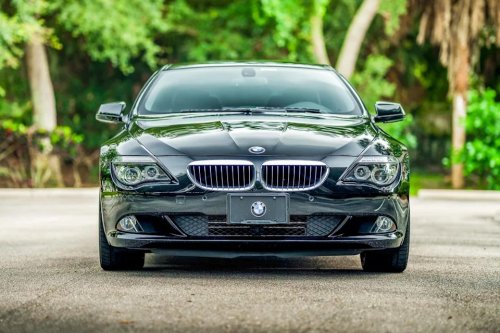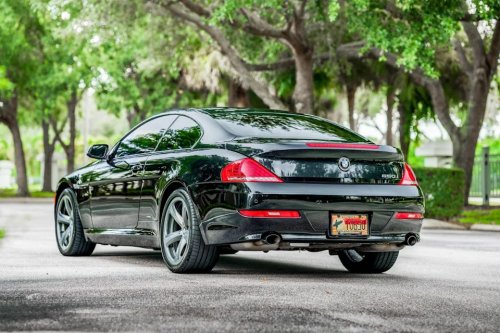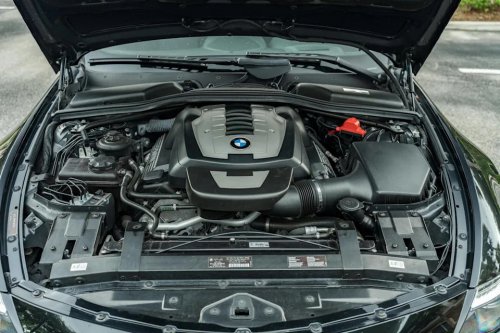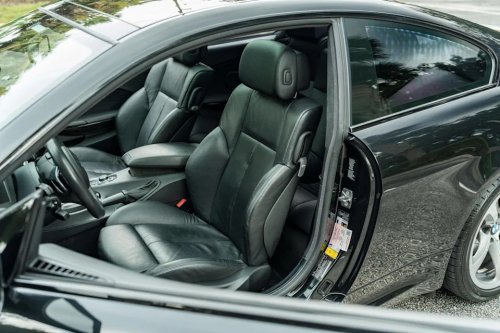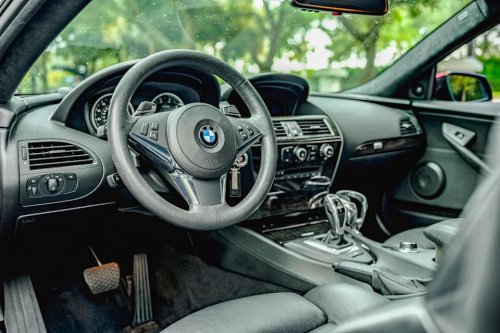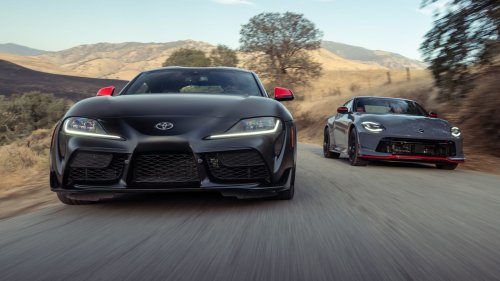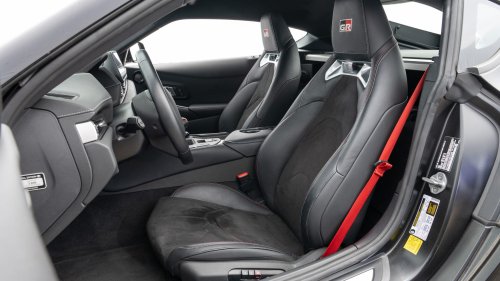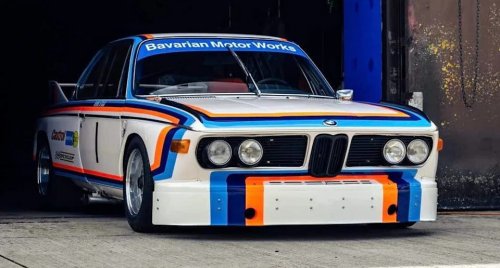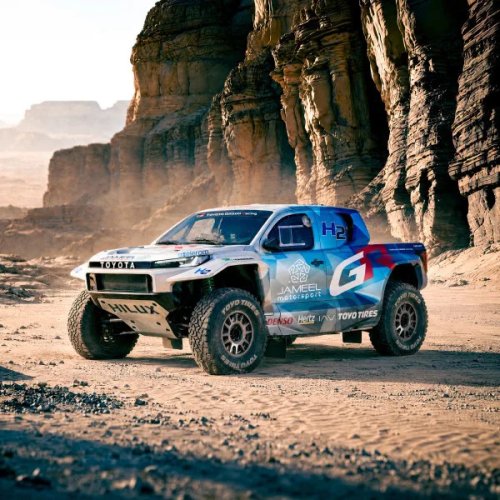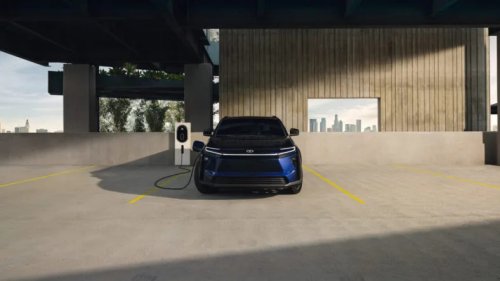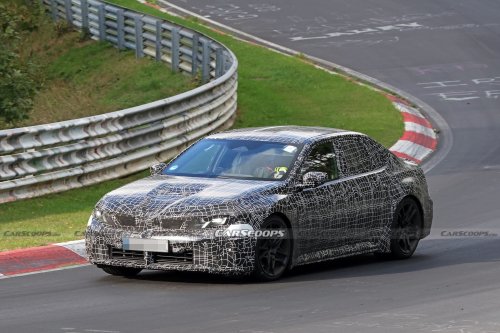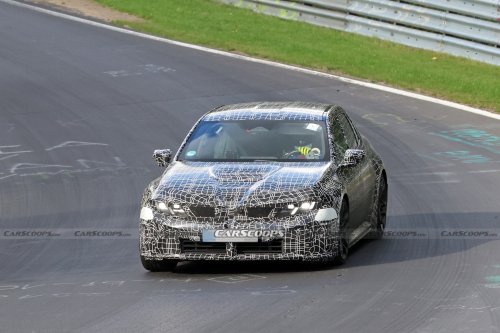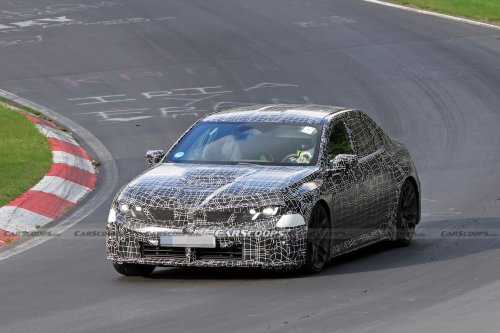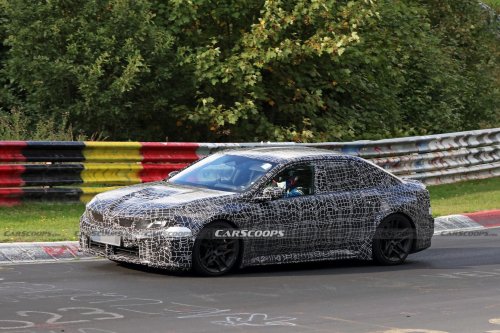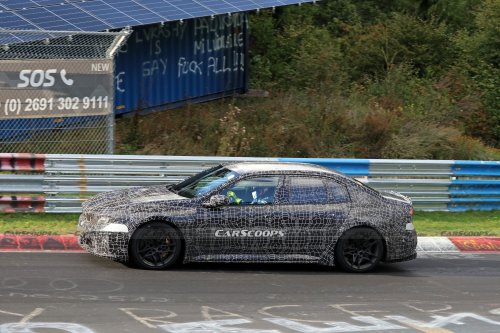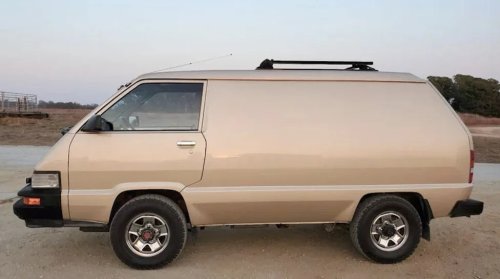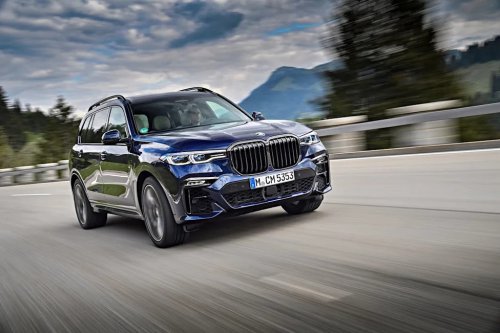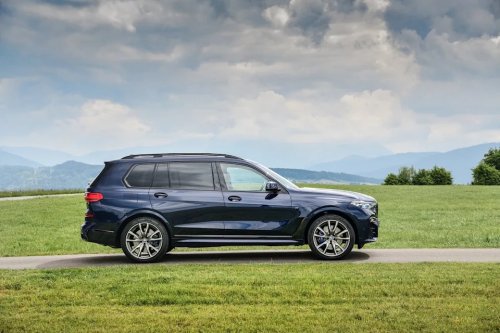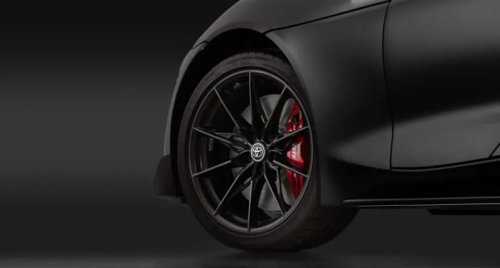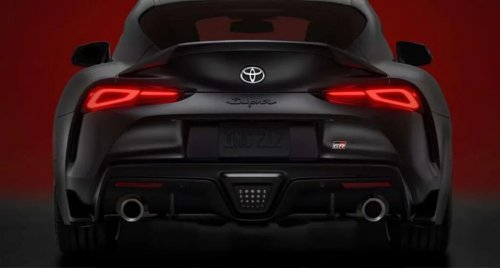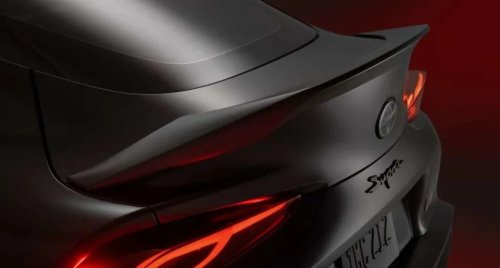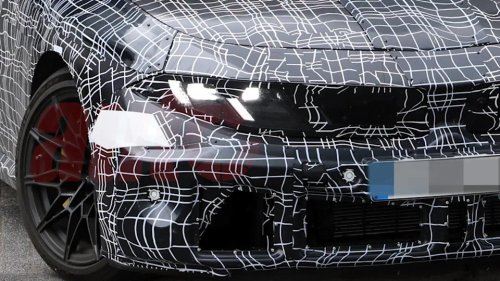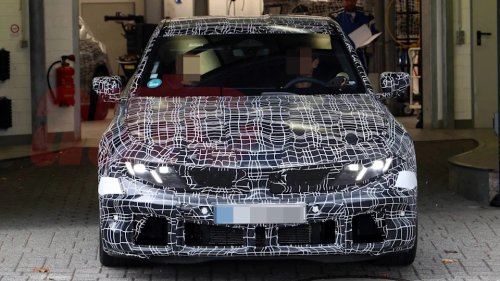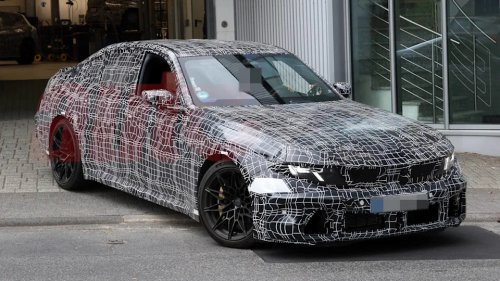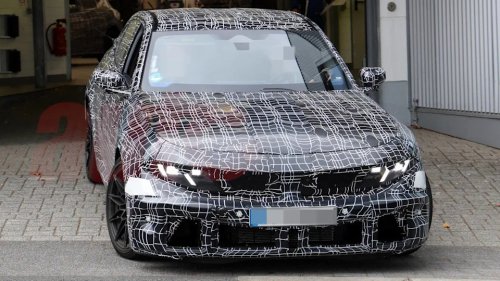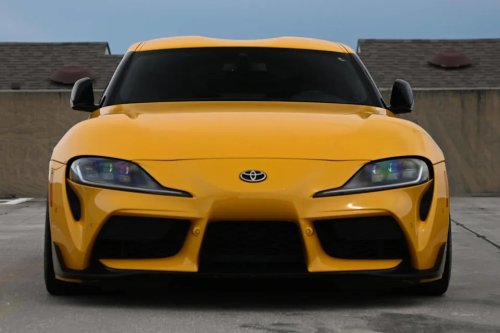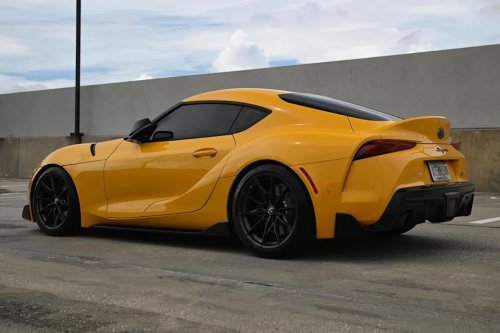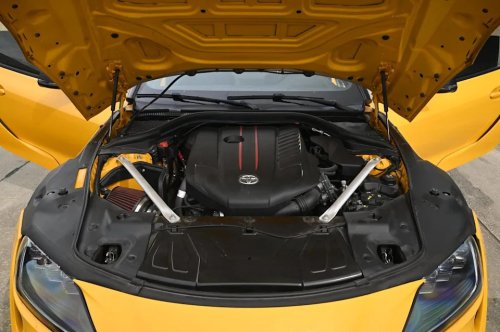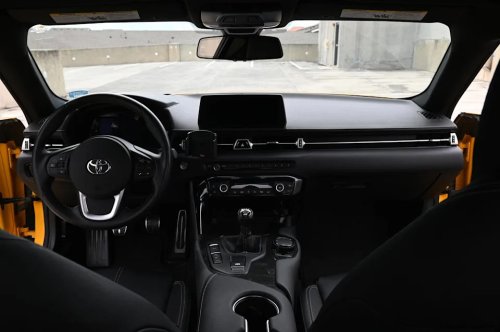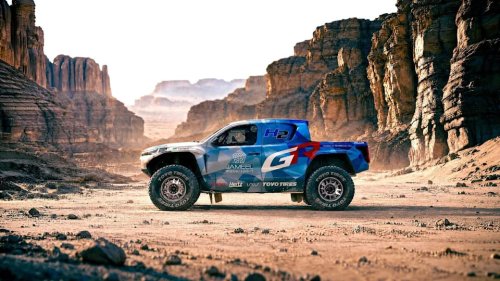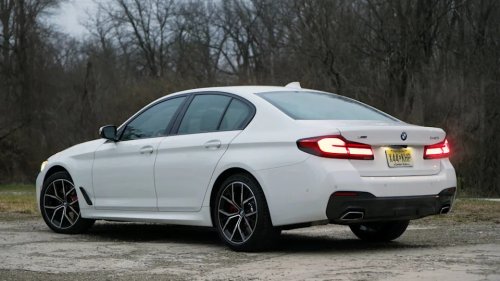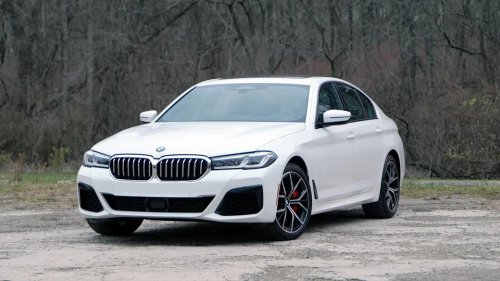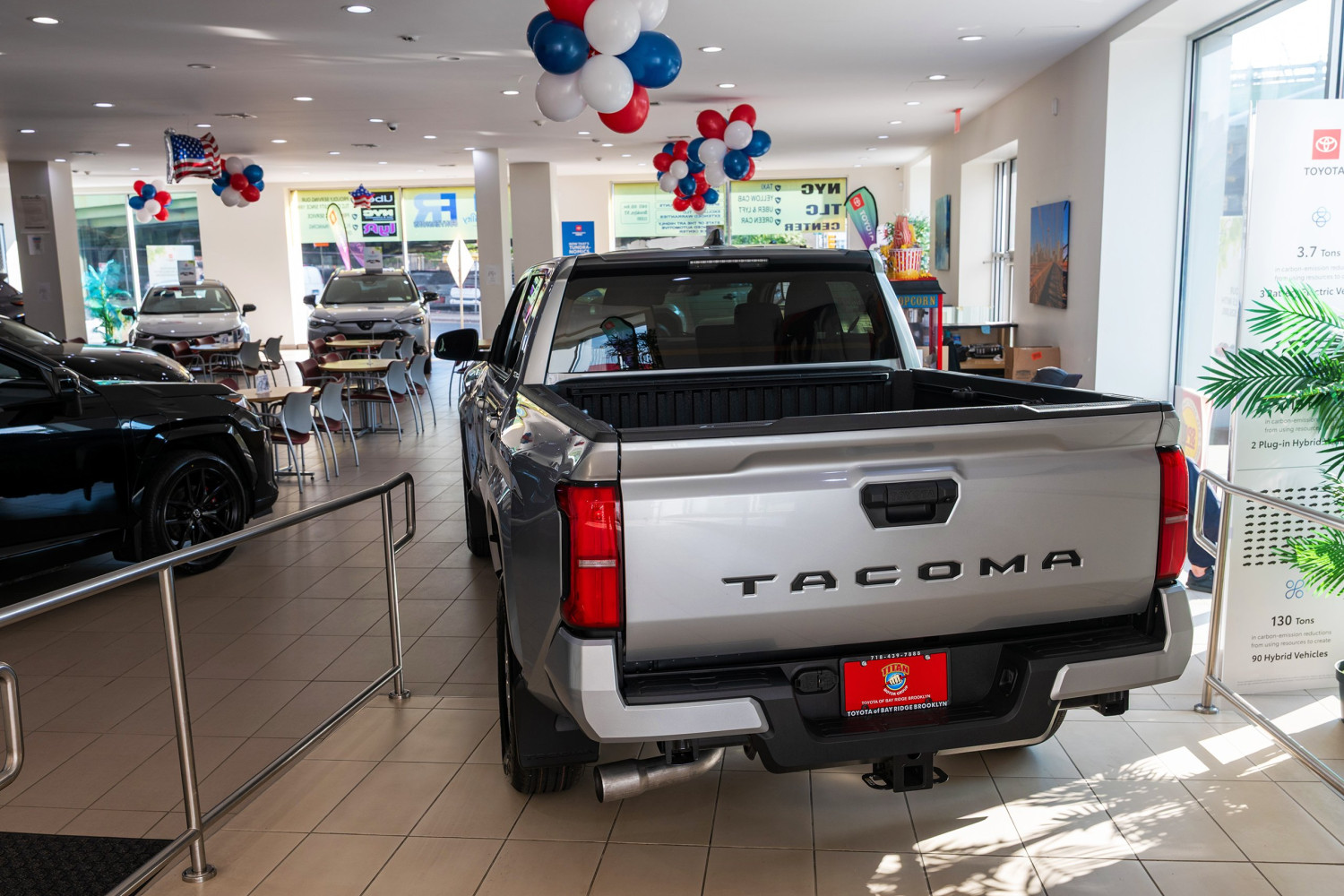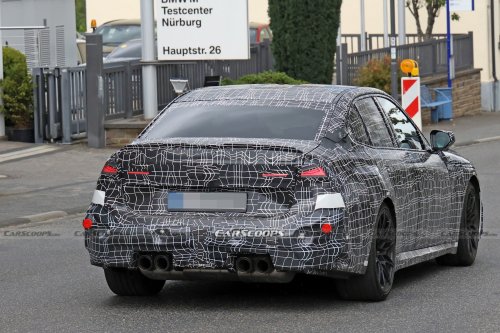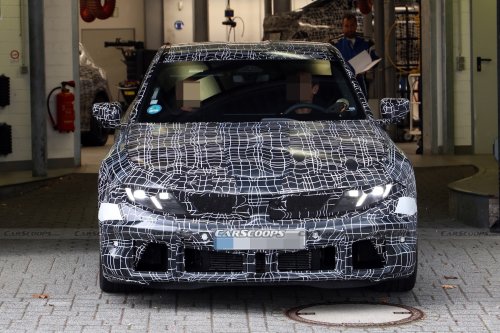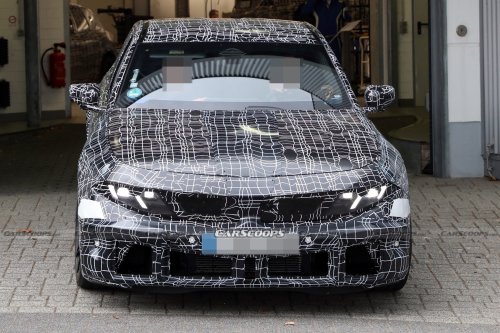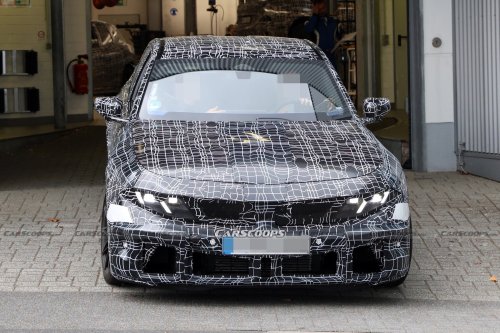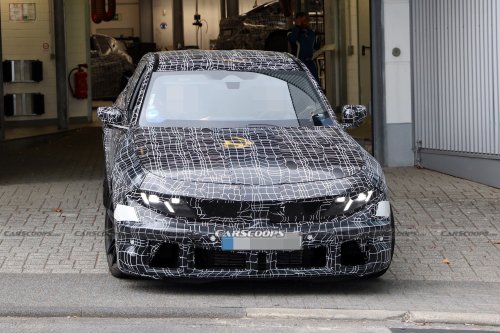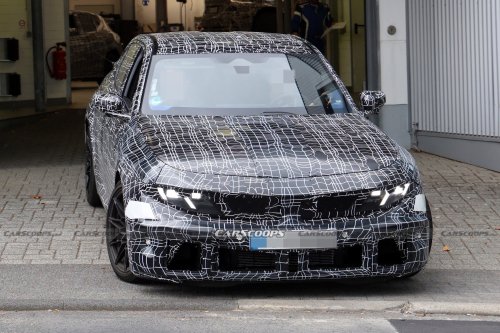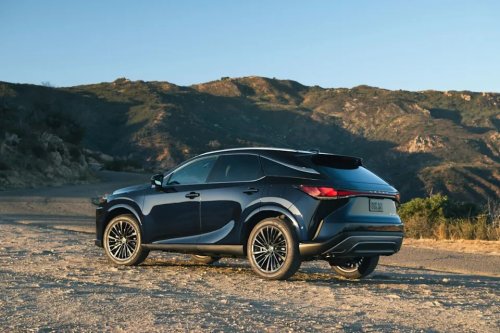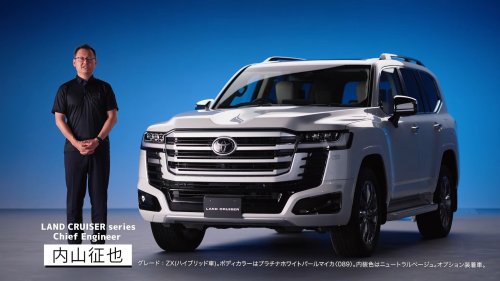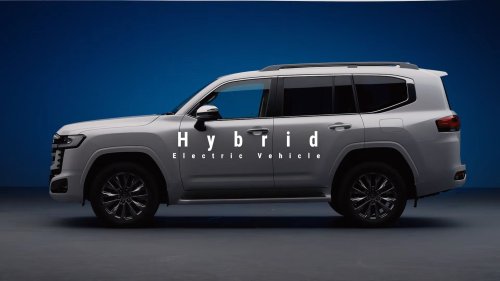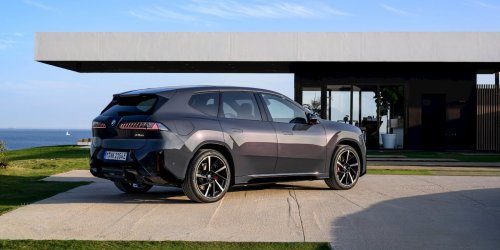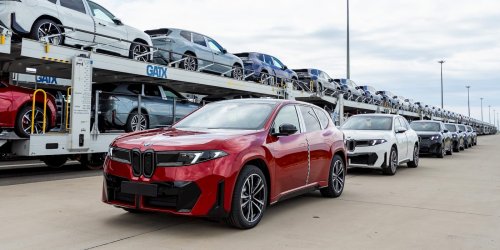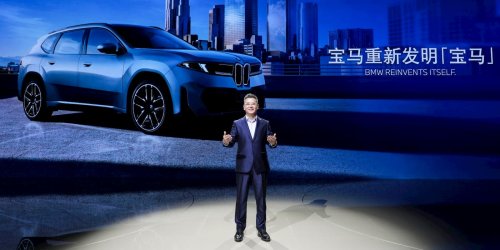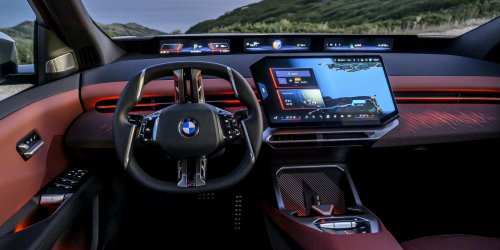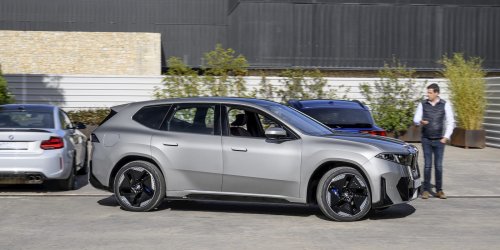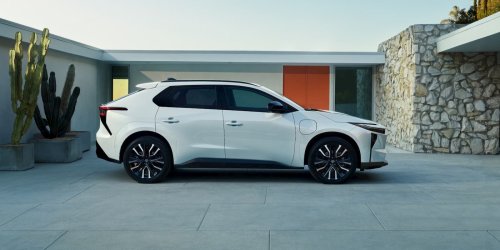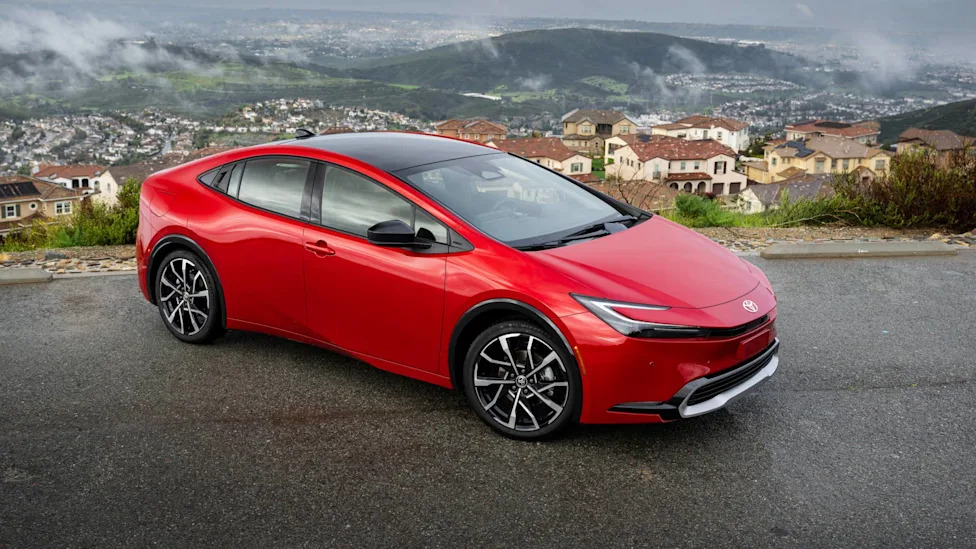
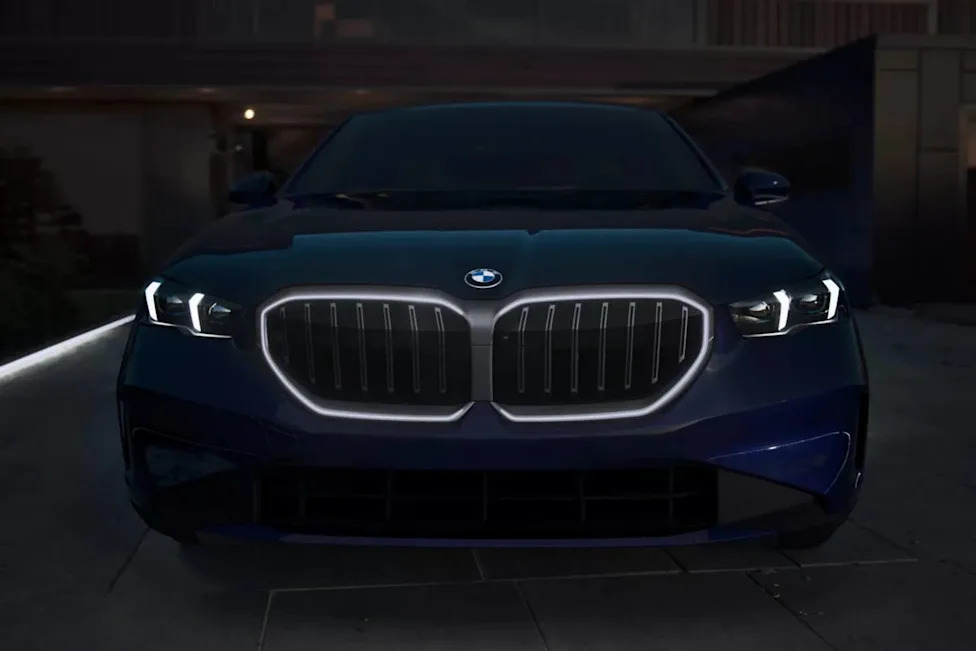
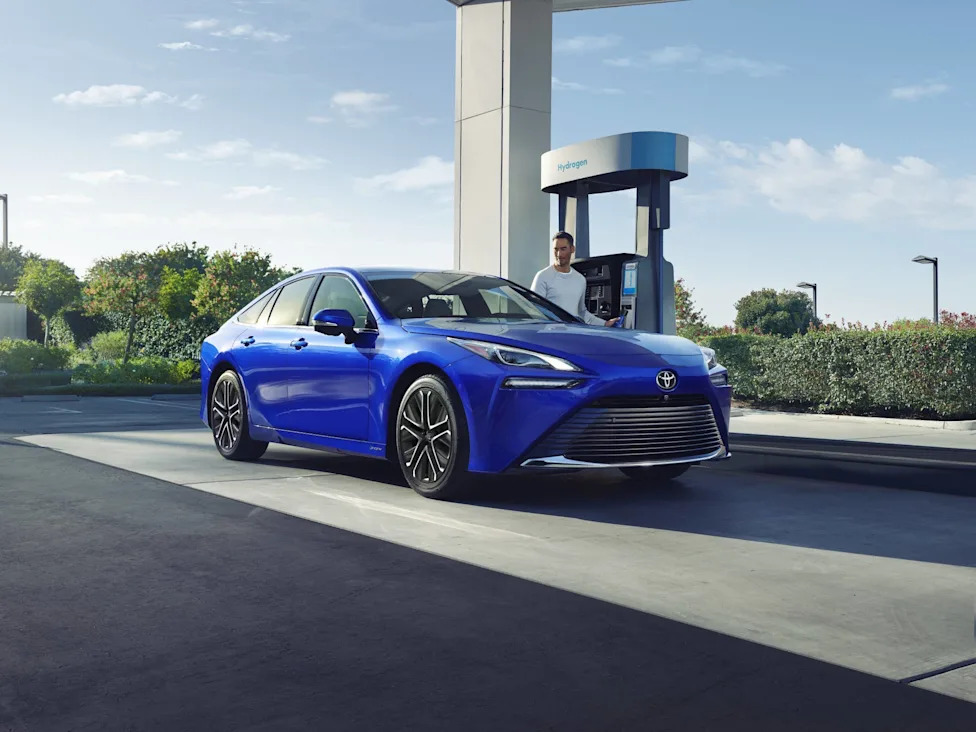



















Autoblog and Yahoo may earn commission from links in this article.BMW and Toyota want to show the world that there is a place for gas-powered cars in the future. A few years ago, electrification seemed like the only realistic path to lower vehicle emissions. While EV adoption continues to grow, many automakers are also investing in technologies that could make the millions of gasoline-powered cars already on the road significantly cleaner. That's exactly what BMW, Toyota, Bosch and Spanish energy company Repsol are hoping to prove through a new real-world trial using 100% renewable gasoline.BMW and Toyota Test Renewable FuelToyotaToyota Motor Europe, BMW Group, Bosch and Repsol have launched a six-month pilot project in Spain to evaluate whether existing gasoline-powered vehicles can run exclusively on Repsol's Nexa 95 renewable gasoline under everyday driving conditions. The program, which began in early July, involves a fleet of around 20 Toyota, Lexus and BMW vehicles. Unlike many alternative fuel projects, this does not require engine modifications or new refueling infrastructure; cars fill up at Repsol's existing public fuel stations.AdvertisementAdvertisementBMW and Toyota have partnered on several projects over the years, with the jointly developed Toyota Supra and BMW Z4 standing out as the best-known example. Bosch is supplying its "Digital Fuel Twin" system, which records and verifies fuel usage by combining data from the vehicles, fuel stations and fuel card transactions. According to the company, the technology brings "full digital transparency to the entire fuel value chain," helping verify that renewable fuel is being used throughout the trial. Spain was selected because Repsol is currently the country's only supplier of 100% renewable gasoline at public service stations.Why Renewable Gas MattersBMWThe four companies hope the project will show that renewable fuels can reduce greenhouse gas emissions without forcing drivers to replace their existing vehicles. Toyota says the pilot is intended to demonstrate that renewable fuels can complement electrification rather than compete with it, with the data eventually being shared with European policymakers as discussions continue around future emissions regulations.Facing uncertain EV demand, major automakers are increasingly spreading their investments across battery-electric vehicles, hydrogen and synthetic fuels rather than relying on a single technology. BMW certainly isn't abandoning combustion engines anytime soon. The company is confirmed to bring a next-generation gasoline-powered M3 alongside an all-electric version and plug-in hybrid models, reinforcing its long-standing technology-neutral strategy.Carmakers Chase Carbon NeutralityToyotaToyota and BMW aren't the only manufacturers pursuing carbon neutrality. Mazda has outlined a strategy that combines carbon-neutral fuels with technology that captures CO2 while you drive. Ford, too, has reaffirmed its ambition to become carbon neutral by 2050.AdvertisementAdvertisementToyota, meanwhile, continues to invest heavily in hybrids, hydrogen and battery-electric vehicles. That balanced approach appears to be paying off. The automaker's EV sales in the United States have more than doubled this year, showing that American buyers are embracing all-electric Toyotas alongside the brand's traditional hybrid lineup.BMW is also enjoying strong momentum, comfortably outselling Audi globally while continuing to invest across multiple powertrain technologies. Whether renewable gasoline becomes a mainstream solution remains to be seen, but this pilot could provide valuable evidence that cleaner combustion is possible today using the cars and fueling infrastructure already in place.This story was originally published by Autoblog on Jul 19, 2026, where it first appeared in the News section. Add Autoblog as a Preferred Source by clicking here.