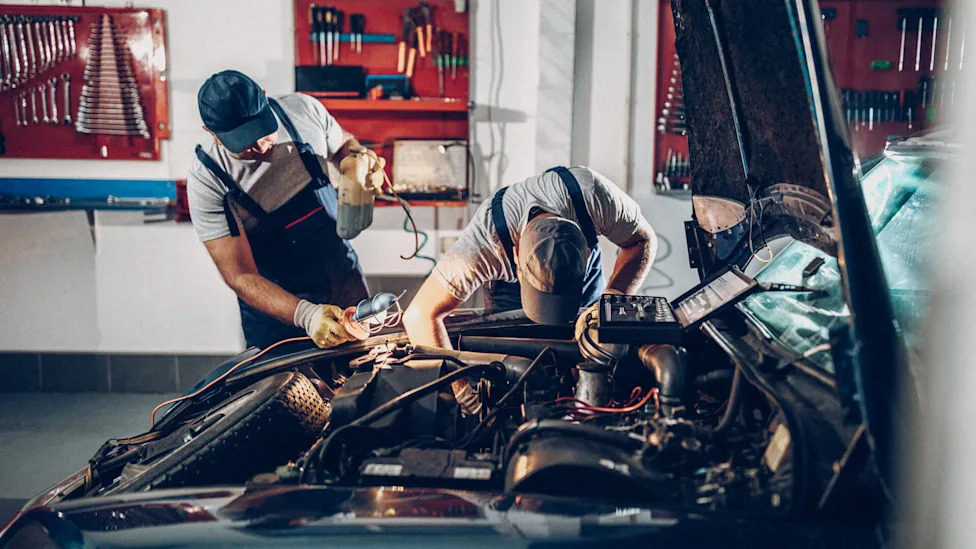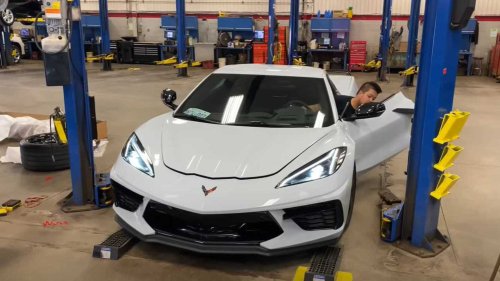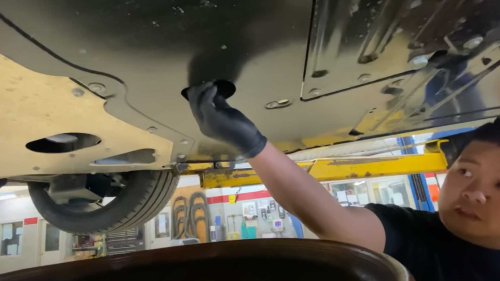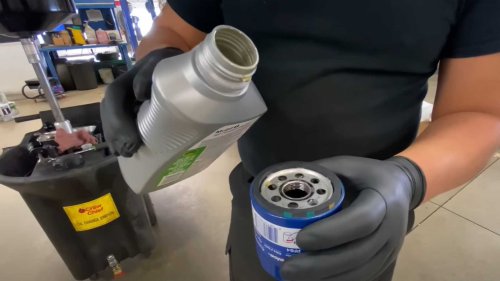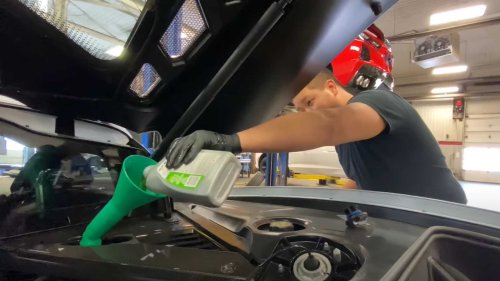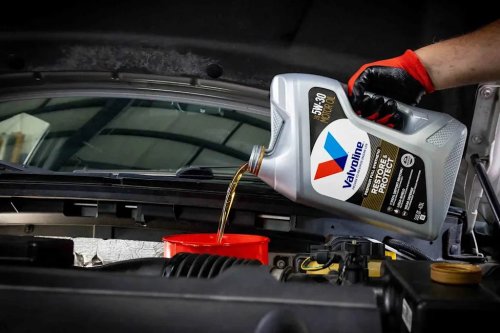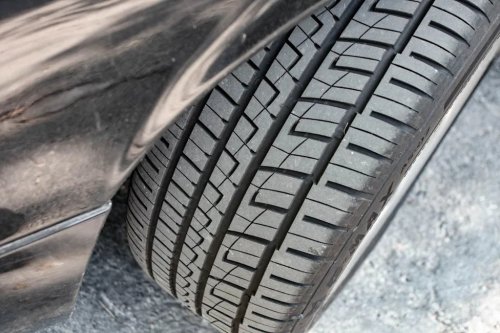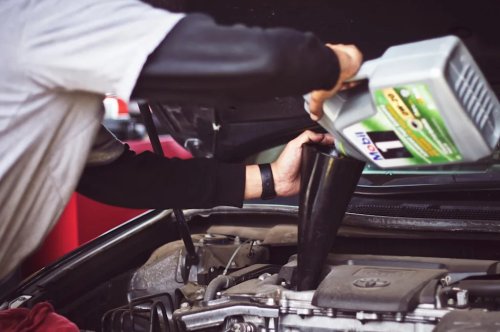
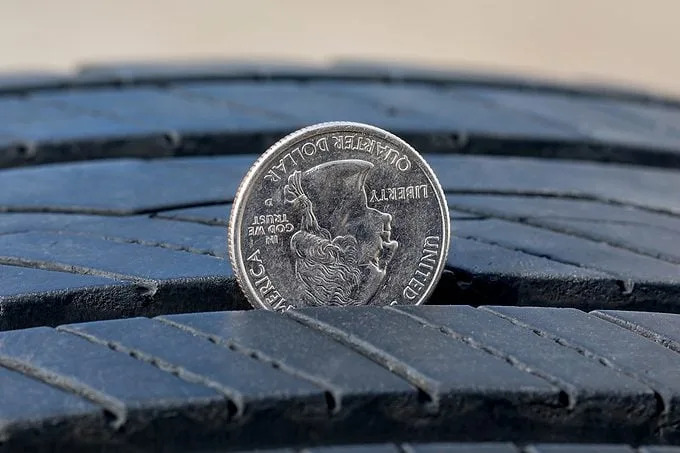



















H. Armstrong Roberts/ClassicStock/Getty ImagesThe more things change, the more they stay the same. That includes car maintenance. David Bennett, ASE-certified master technician and senior automotive manager at the American Automobile Association, has been educating consumers and AAA members on car care for 37 years, and he's here to let you in on a little secret. "The basic concept of vehicles has essentially stayed the same, when you're talking internal combustion engines," Bennett says. Pistons go up and down, valves open and spark plugs ignite the gas and air mixture inside the cylinders. "Take electric vehicles out, and things really haven't changed that much."I talked to Bennett about what's new, what's old and what you need to know to keep your car running for years to come.You Can Still Fix Your Own CarFirst things first. Even with today's higher-tech cars, Bennett says fluid changes, brake jobs and other common maintenance tasks are DIY-able "as long as you're comfortable doing it, you do it safely and you understand what you're doing." Take an oil change. Bennett says you might have to dig through more covers and connections to get access, but you're still removing the plug, draining the oil and replacing the filter, just like people did 50 years ago. As always, be sure to properly dispose of oil and other fluids.The 3,000-mile Oil ChangeThe adage to change your oil every 3,000 miles? Throw that out the window. Bennett says a couple of things have changed over the years: Oil quality has gotten better, and your car has more monitoring capability. "It could be 3,000 miles, if you're doing a lot of driving, but it could be 5,000 to 10,000 miles." For other fluids and maintenance, follow the recommended service schedule in the owner's manual. "It has a detailed list, and that really hasn't changed since the beginning of time."Gasoline 101: Octane vs. Top TierGone are the simple days of regular vs. unleaded. Now there are multiple octane ratings, such as premium, mid-grade and regular, as well as Top Tier fuel, which has detergent additives to keep carbon deposits from building up. "Do not confuse Top Tier fuel with the octane rating," Bennett says. "You can have Top Tier fuel at 87 octane."AdvertisementAdvertisementIn older cars, "knocking" happened if the air and gasoline mixture inside the combustion chamber ignited too soon, Bennett says. Higher octane ratings mean less early ignition. Today's owner's manuals specify octane requirements, which you should follow or risk voiding your warranty. (If it's a recommendation, not a requirement, you can decide for yourself.) As for Top Tier fuel, look on the pump, or go to toptiergas.com to find some near you.No More "Warming Up" Your Vehicle"That was back in the carburetor days," Bennett says. When fuel injection came along, the old practice became obsolete. If you want to start your car before you brush off ice and snow, that's fine, but otherwise, waiting to drive isn't necessary. "Start the vehicle, and by the time you put your seat belt on and adjust the mirrors, the car is ready to go," Bennett says. "It will warm up quicker driving than it will just sitting there."Washington, Not LincolnUse a quarter to check the wear on your tires.Remember the "penny test" for checking tire wear? The edge of a penny to Lincoln's hair is about 2/32 in.—the legal limit for tire tread depth—so if you could stick a penny in the tread and see Lincoln's entire head, it was time to get new tires. Today, Bennett and AAA recommend using a quarter, which measures about 4/32 in., edge to hair. "If you can see the top of Washington's head, then it's time to start pricing and looking for tires." Always check in a few places in case there's uneven tread wear (and get that checked out if so).Build a Relationship With Your MechanicEven though you can fix your own car, you may not want to. If you're intimidated by trying to haggle with a mechanic, Bennett says building trust is key. "The easiest way to do that is to take it in for basic service, like an oil change or a tire rotation," Bennett says. "Do those things first, and create that rapport before you need a major job done." It's kind of like going to the doctor: If you get a quote or diagnosis that seems unreasonable, get a second opinion