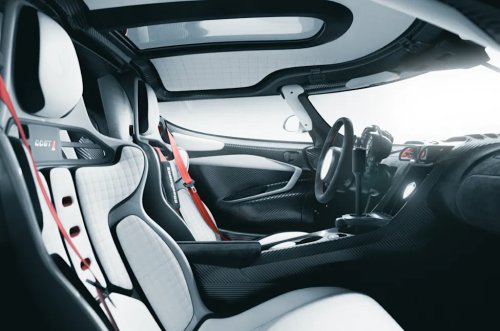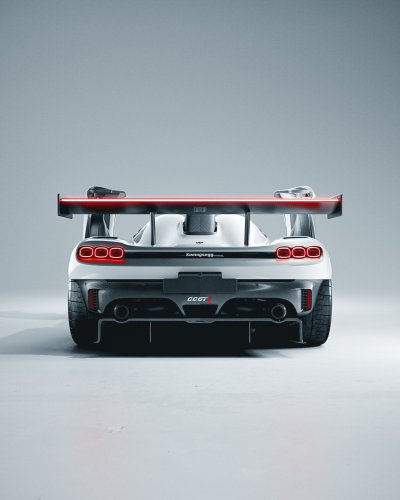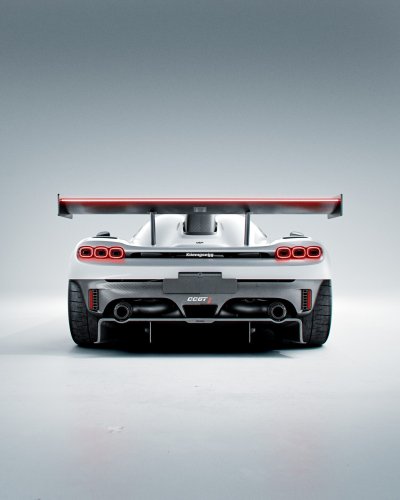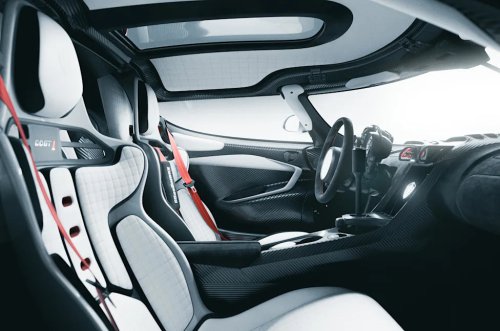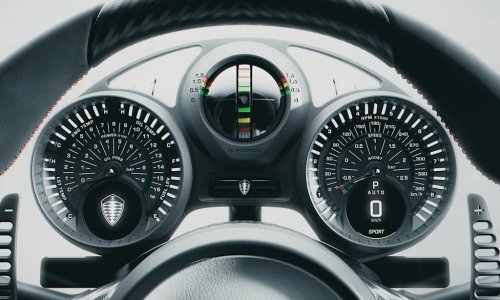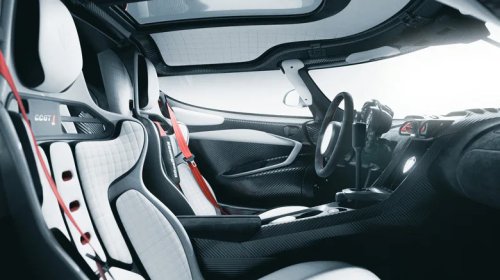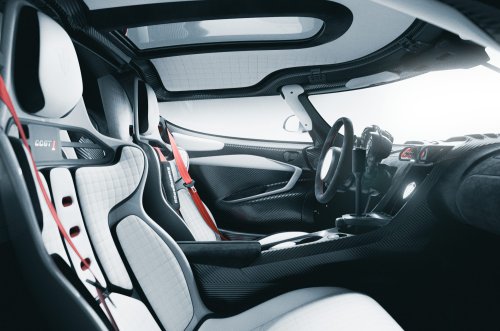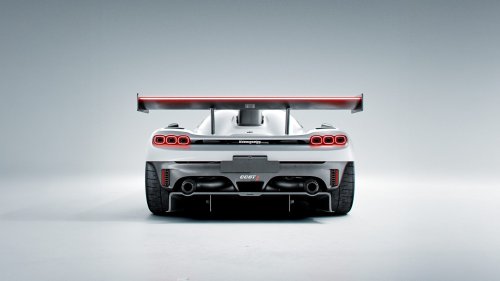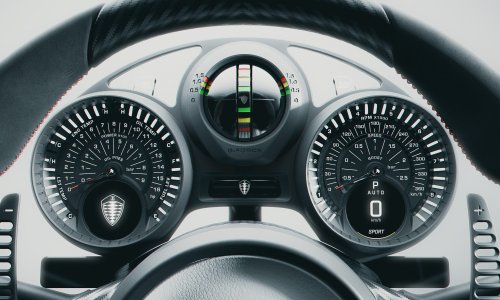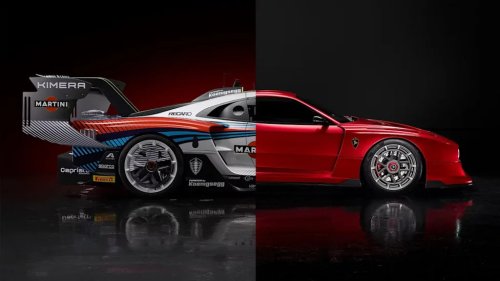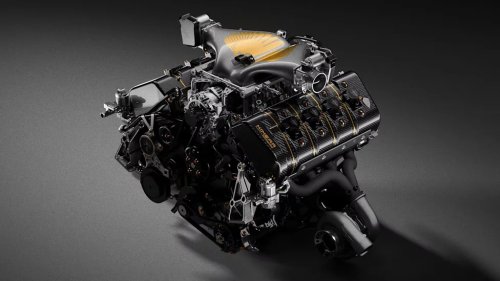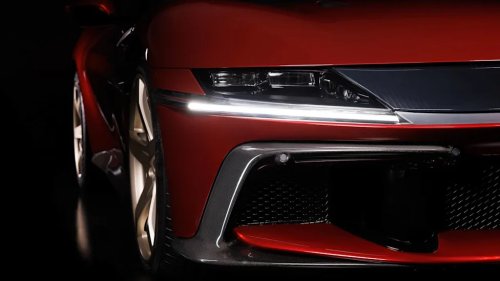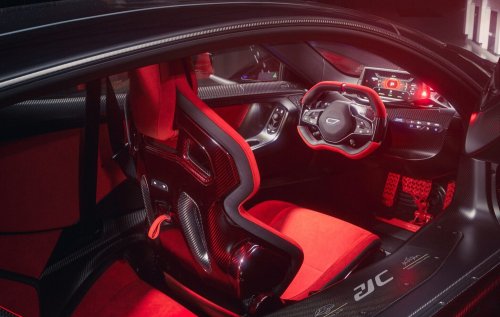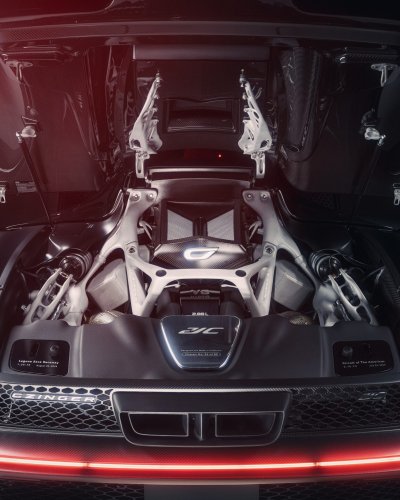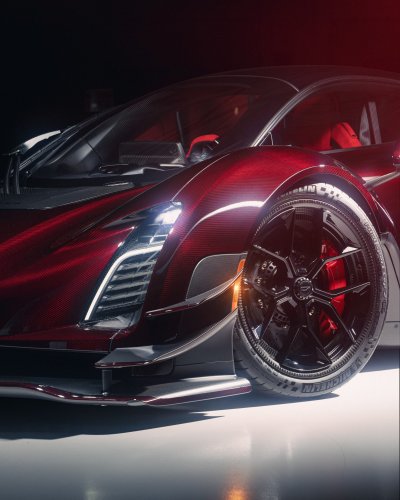




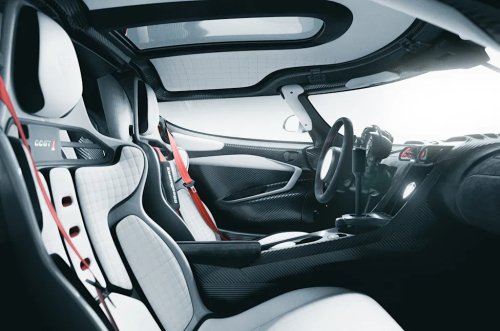



















Koenigsegg CCGT1 Pays Tribute to a Le Mans DreamKoenigseggKoenigsegg's latest supercar is a tribute to the CCGT, a Le Mans-bound GT1 race car that never got the chance to compete.The CCGT1 sports a massive rear wing and front splitter and houses a V-8 engine with an output of 1600 hp.Only 70 CCGT1s will be made, but all of them are already accounted for.The only constant is change, and that's especially true about racing regulations. In the early 2000s, Christian von Koenigsegg started building a car to compete at Le Mans in the GT1 class. He tediously followed every FIA-mandated regulation, but before he could get the CCGT on track, the FIA changed the rules to only allow high-volume production cars.That eventually led to the downfall of the entire GT1 class, but most importantly to Koenigsegg's legacy, it shut down the CCGT program after just one prototype was built.KoenigseggTwo decades later, the sole CCGT is restored and slated to finally race in a GT1 historic class. To celebrate, Koenigsegg built a brand new car that honors the original CCGT's mission.AdvertisementAdvertisementThe aptly-named CCGT1 takes the Koenigsegg CC850 and ups the ante. A twin-turbocharged V-8 pumps out 1280 horsepower on standard gasoline or 1600 hp if you feed it corn-based E85, giving it 215 more horses than the CC850's maximum output.KoenigseggThough it started as a CC850, every body panel of the CCGT1, except the roof and doors, has been redesigned for maximum downforce and cooling. It would be hard to misinterpret those goals, as the CCGT1's most prominent trait is the massive rear wing that juts out above its roofline. The active wing has 30 degrees of adjustment and automatically transitions between settings depending on whether a car is braking, cornering, or flying down a straight.KoenigseggTo balance out the wing, the front is fitted with a large splitter and active underbody flaps. Together, the aerodynamic elements create around 1763 pounds of downforce at 155 mph. The bodywork also features what Koenigsegg calls Ghost Fibre, which is a lightweight white fiber that's similar to carbon fiber.Under the hood, the CCGT1's V-8 links to a bespoke transmission, with a nine-speed sequential shifter that uses a clutch pedal for takeoff and cuts off the ignition for clutchless shifts when in motion. It's a nod to the system used in the original CCGT, but the CCGT1 can be fitted with a more traditional gated six-speed shifter as well.KoenigseggThe CCGT1's loud personality quiets down a bit in the cabin, where Koenigsegg keeps things relatively simple. The shifter sits close to the steering wheel for easy shifting on track, and the rest of the car's features, including a drive mode selector, fuel pump toggle, and ignition switch, are tastefully placed to avoid distraction on track. Carbon-fiber seats with five-point harnesses come standard.KoenigseggAdvertisementAdvertisementKoenigsegg says the supercar is meant to be equally thrilling on the road and on track. Reaching the CCGT1's full track-obliterating potential requires an optional track package, though. The upgrade adds a carbon roll cage, HANS-compatible racing seats, track-focused suspension and brakes, air jacks, a fire-suppression system, and an extra set of rims and track-ready tires. It also gets you special invites to CCGT1 track days with support from the factory.Only 70 CCGT1s will be produced, and unless you've already handed over a substantial bundle of cash to Koenigsegg, you're too late to get your hands on one. All 70 were claimed for an unknown price by the time of the reveal.➡️ Skip the lot. Let Car and Driver help you find your next car.Shop New Cars Shop Used CarsYou Might Also LikeGift Guide: Best Ride-On Electric Cars for KidsFuture Cars Worth Waiting For: 2025–2029