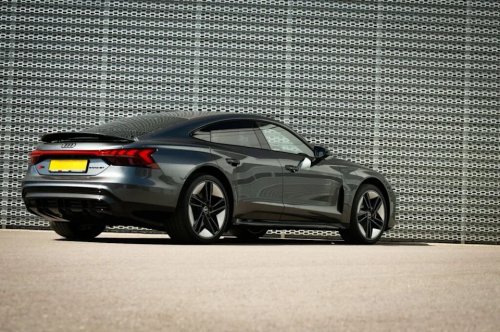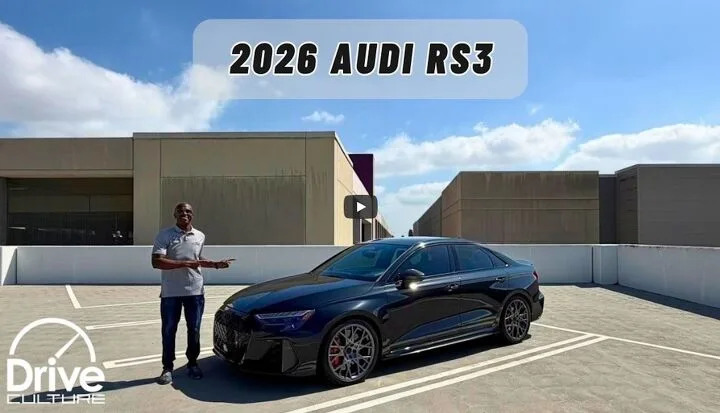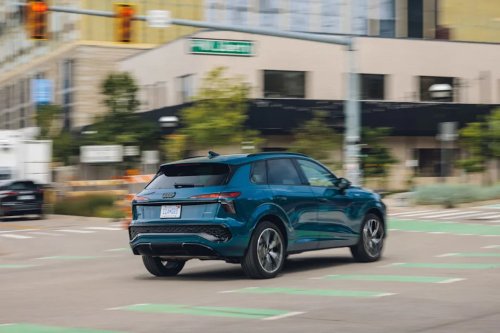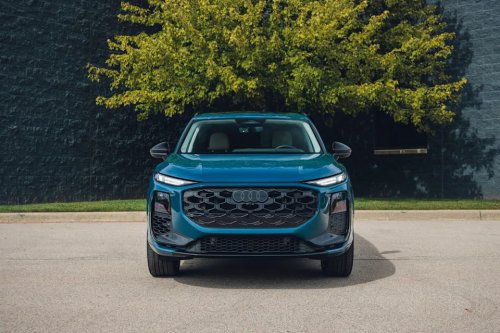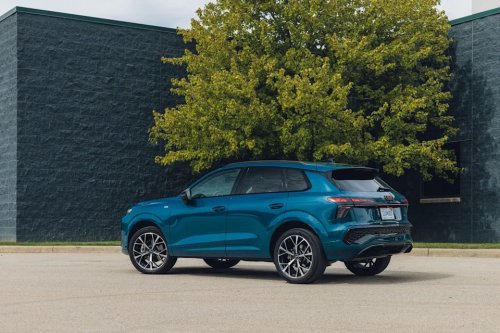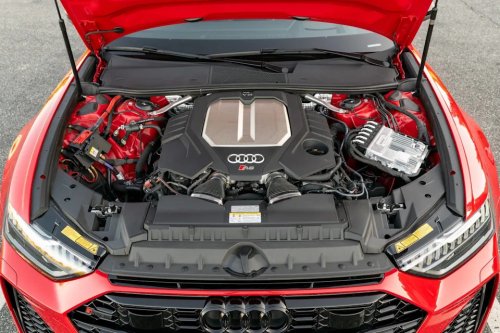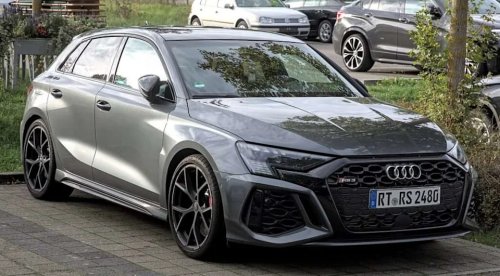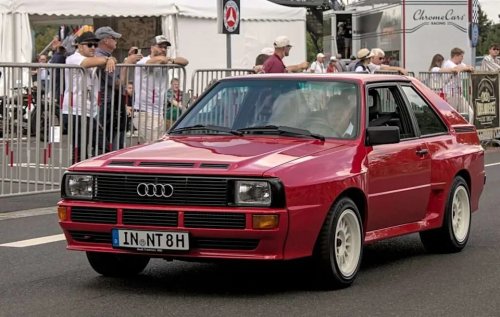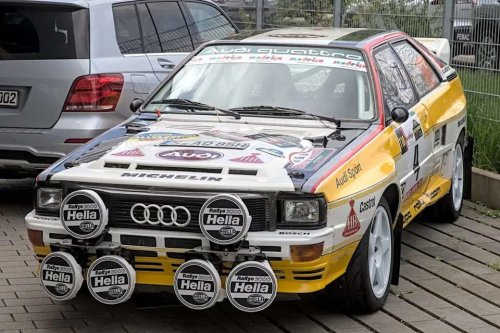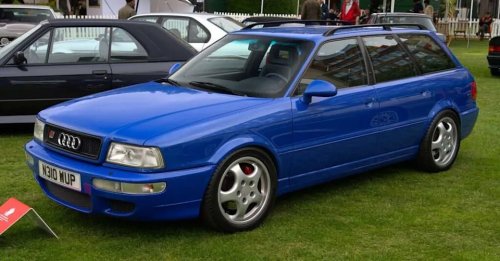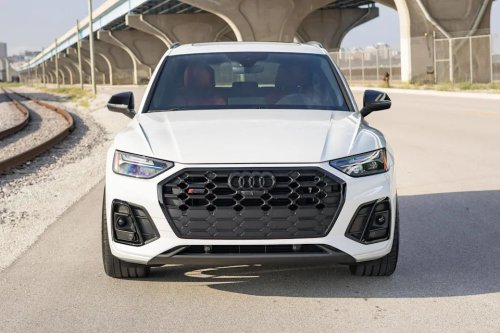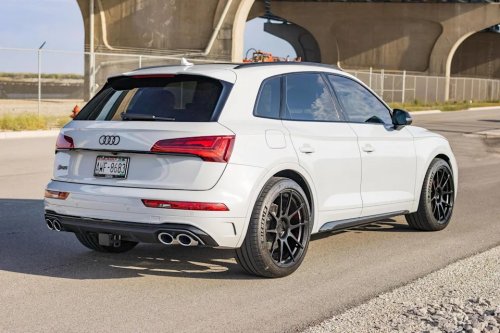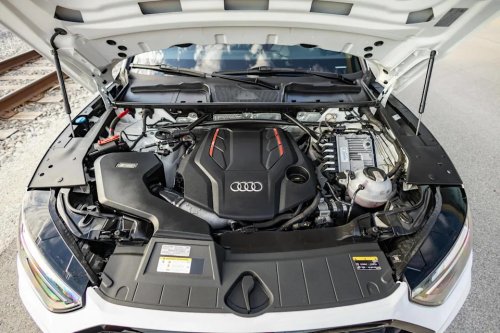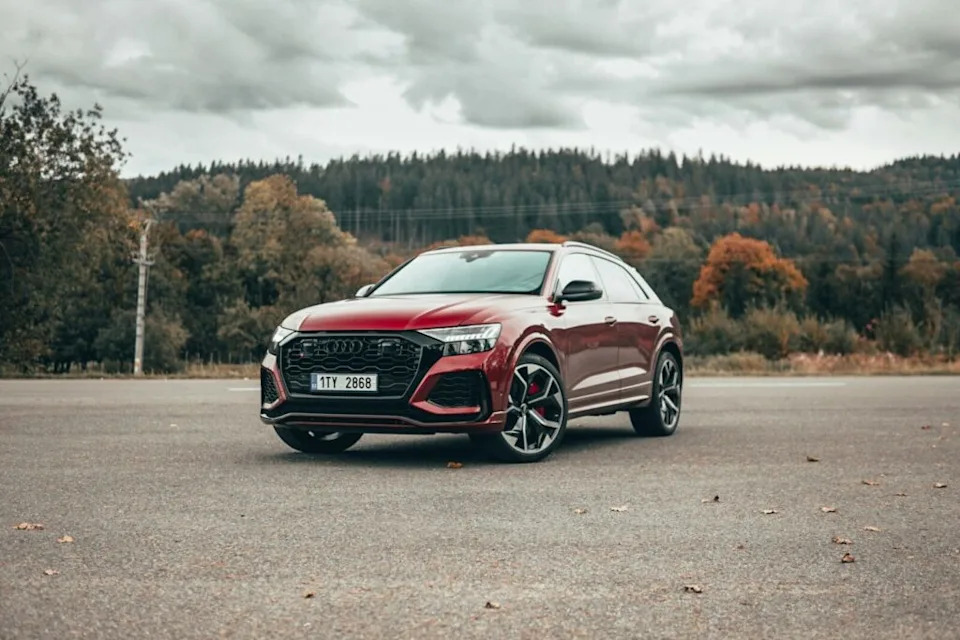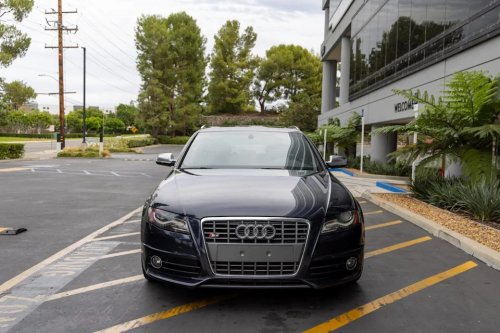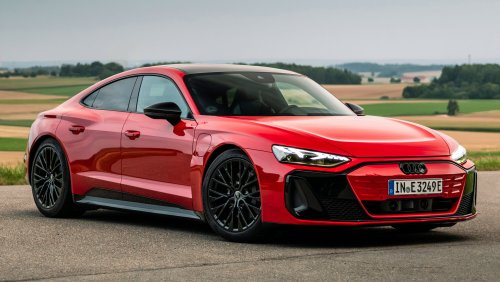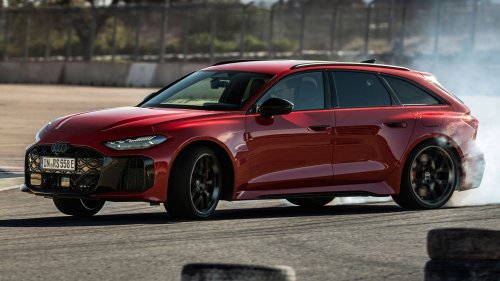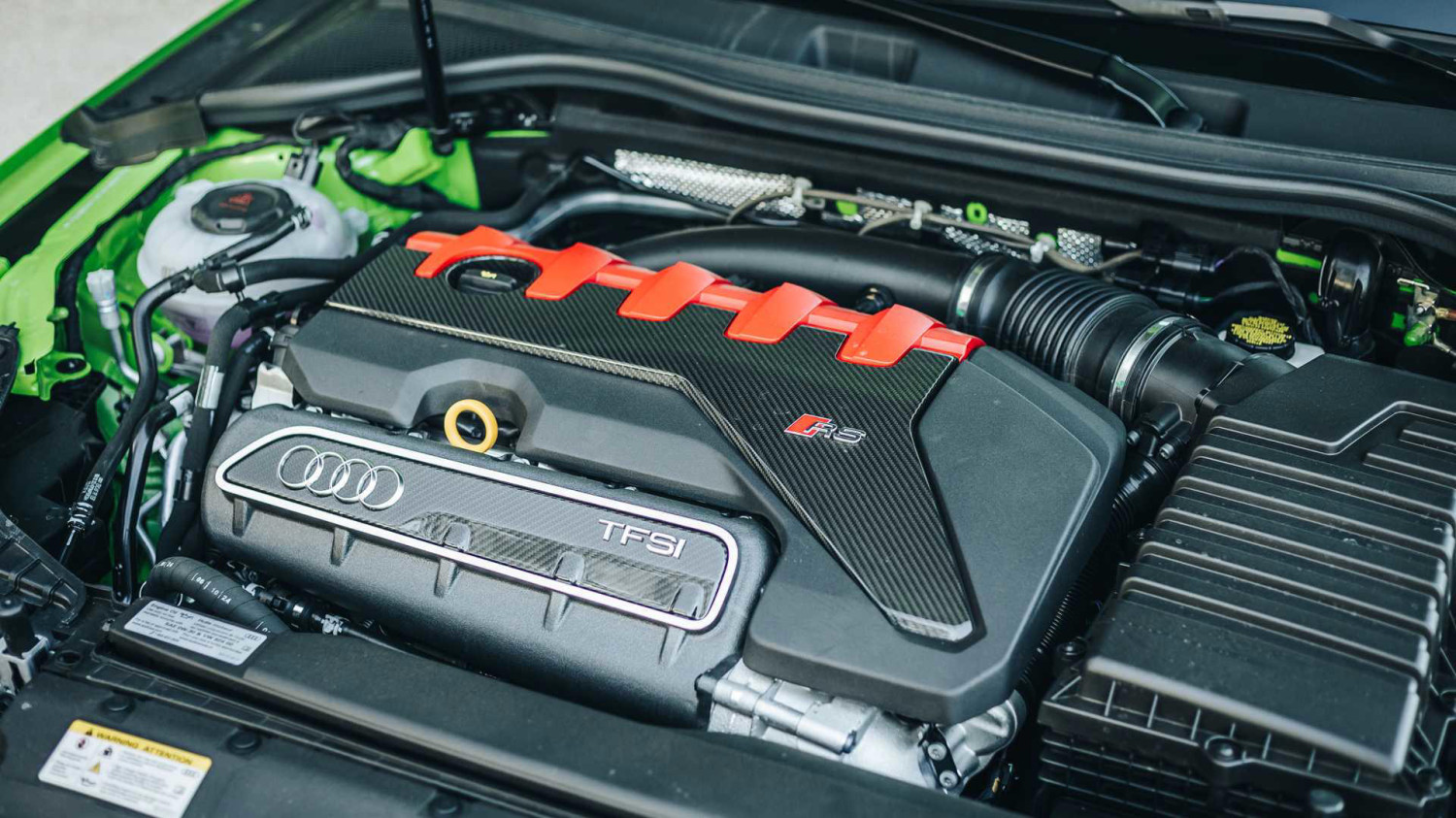
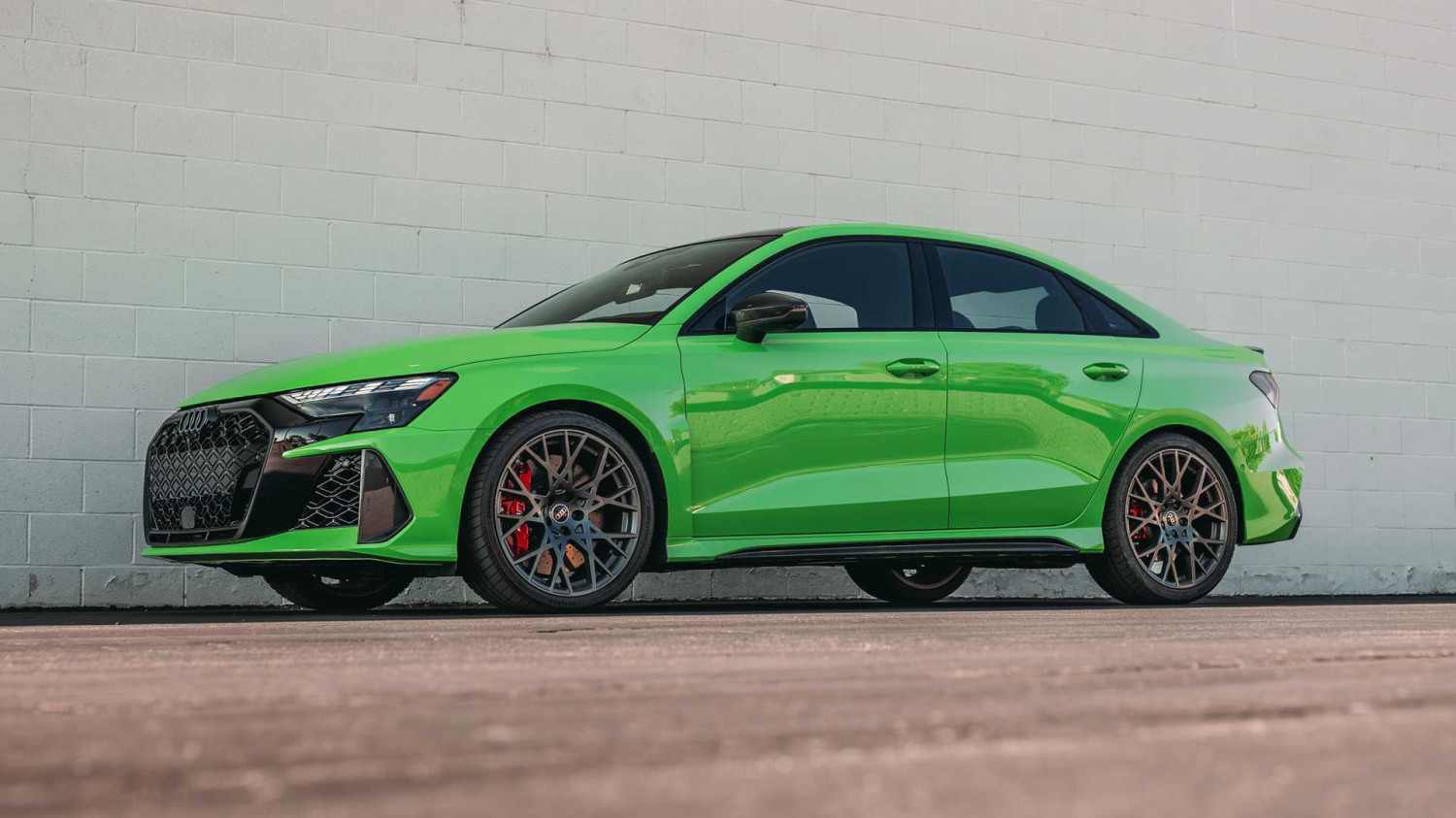
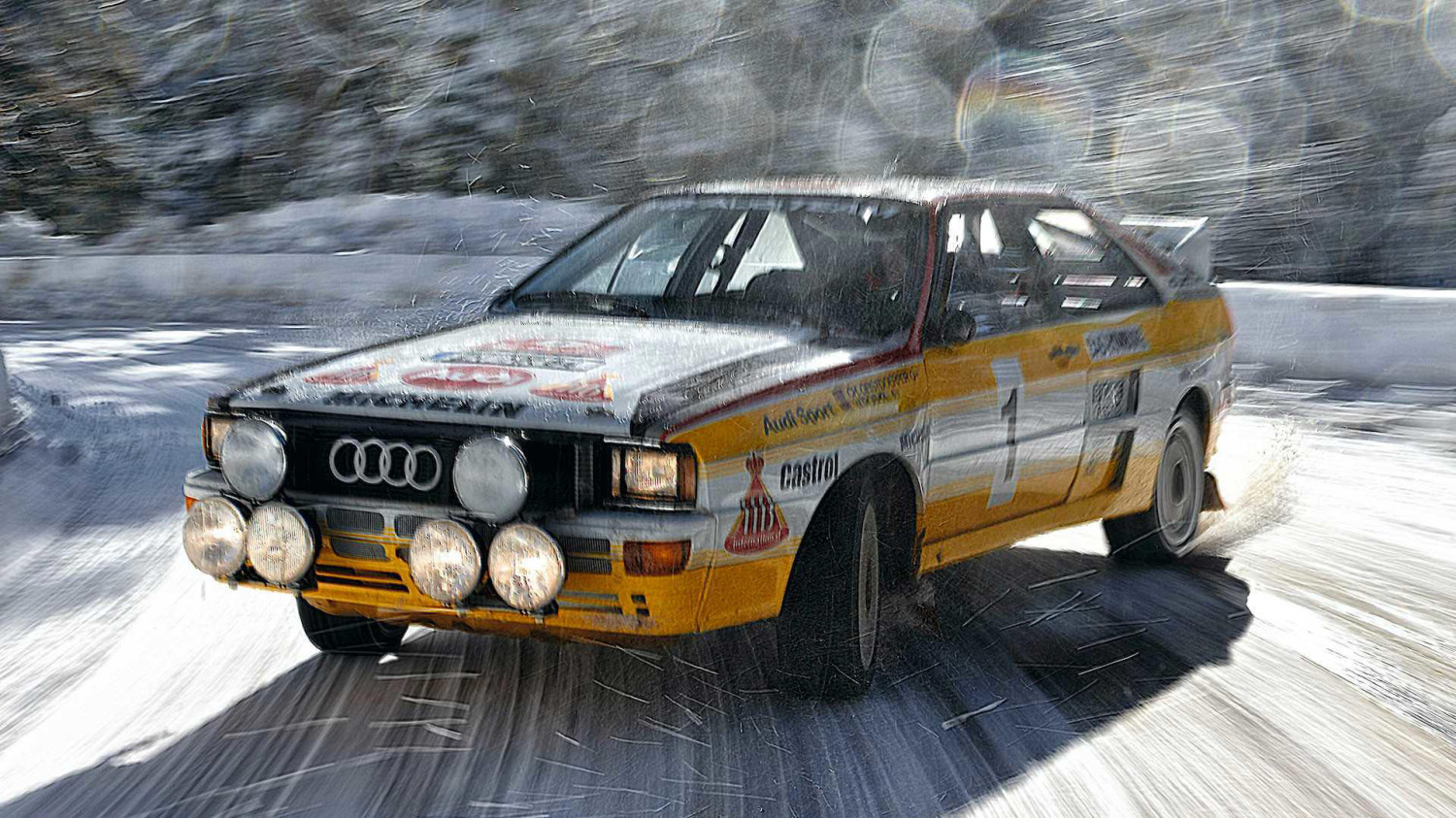



















Audi’s inline-five engine has been part of the brand’s lineup for the past 50 years, but its time is coming to an end, and soon. In a statement to Automobilwoche this week, Audi confirmed that the engine will be discontinued by the end of this year.Five-cylinder engines have appeared in models from several manufacturers over the years, including Volkswagen, Volvo, Ford, Fiat, and Acura. Today, however, Audi is the only company still producing one, which the US still gets in the Audi RS3 compact performance sedan. With the engine's impending demise, it means another loss of a distinctive powertrain that has long held a niche appeal for internal-combustion enthusiasts. Emissions Rules To Blame Ian Wright/CarBuzz/ValnetThe news doesn’t come as a surprise. Audi has been signaling for the past year that the engine would likely run afoul of Europe’s stricter Euro 7 emissions regulations, which begin taking effect as soon as next year, and that this would ultimately bring it to an end. Until now, the company hadn’t said exactly when the inline-five would bow out.While the engine could, in theory, be further developed to meet the new rules, Audi told Automobilwoche that it would rather avoid additional investment and instead focus on reducing costs to support profit margins while continuing to fund its push toward electrification. The decision follows a dip in Audi’s profit margin, which fell from 6.0% to 5.1% in 2025.Ian Wright/CarBuzz/ValnetThe timing also reflects the engine’s shrinking role in the lineup. Today, it’s only offered in the RS3. Audi previously used it in the TT RS sports car and the RS Q3 compact performance SUV, the latter never sold in the US. The company also supplied the engine to niche performance brands like Donkervoort and KTM, as well as fellow Volkswagen Group brand Cupra, but those partnerships have since moved on to other powertrains. A Rally-Bred Legend AudiInline-five engines offer a lighter, more cost-effective way to add displacement in a transverse layout originally designed for an inline-four, avoiding the extensive packaging changes a switch to a V6 would require, while an inline-six is typically too long to fit in most cases. Audi first introduced its engine in naturally aspirated form in 1976 for use in its 100 sedan.The engine didn’t become a legend until a turbocharged version, famous for its asymmetrical firing order (1-2-4-5-3) and distinctive soundtrack, found its way into the Audi Quattro, which went on to dominate Group B rally competition during the 1980s.