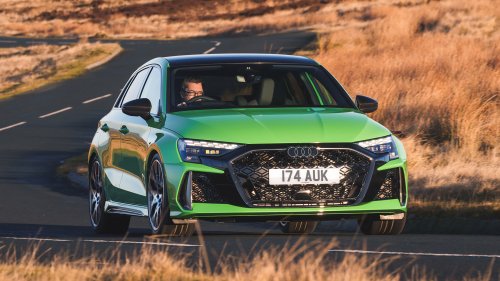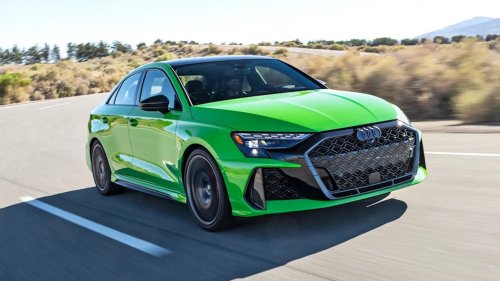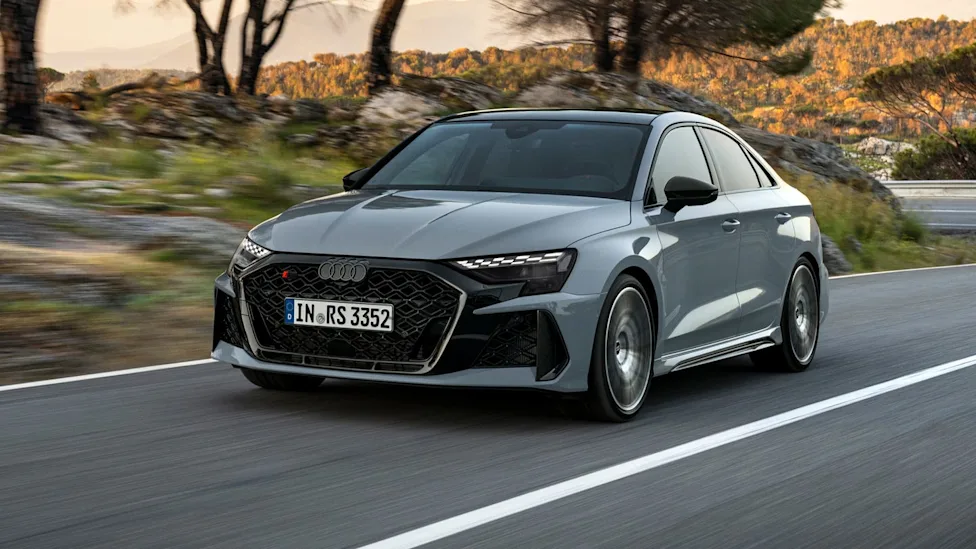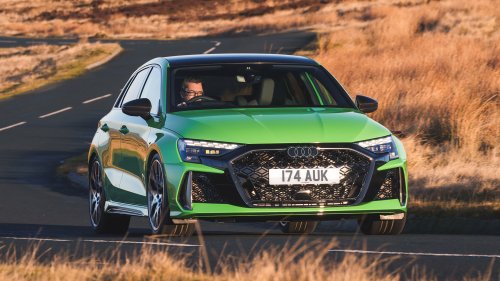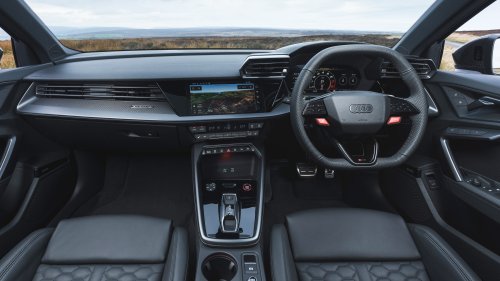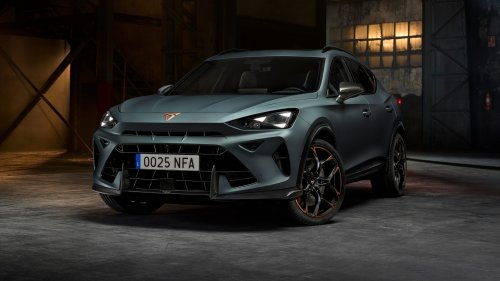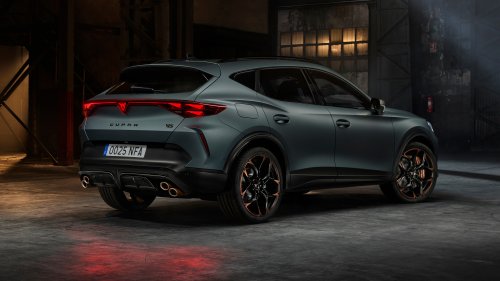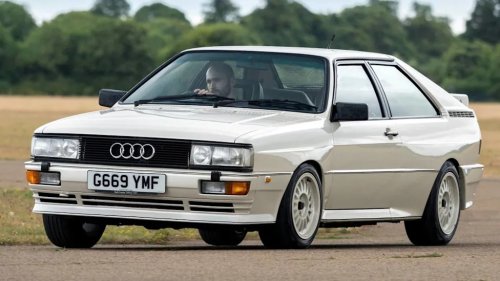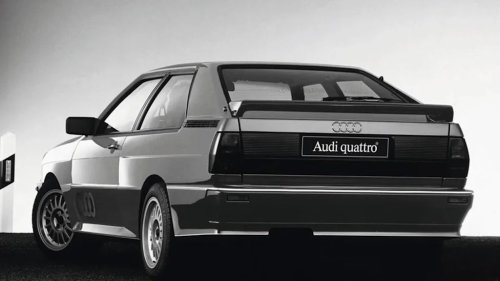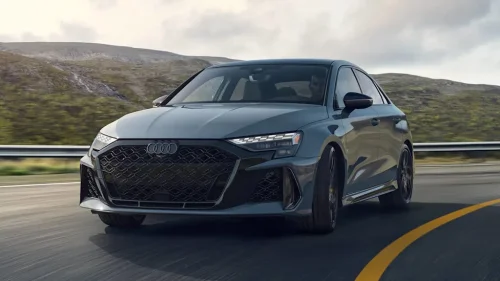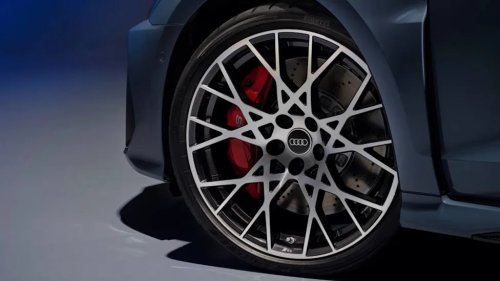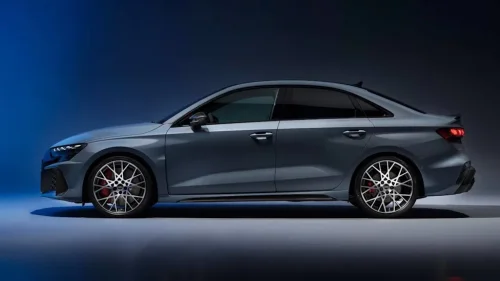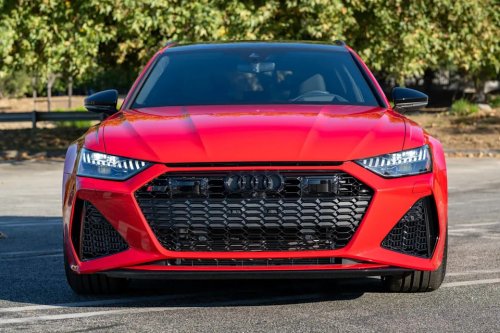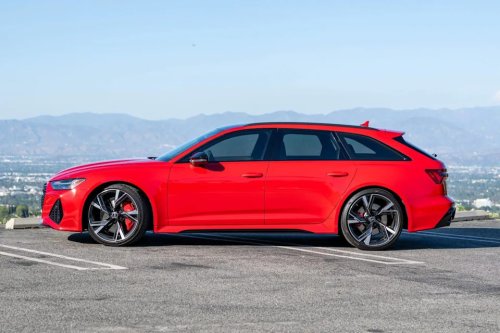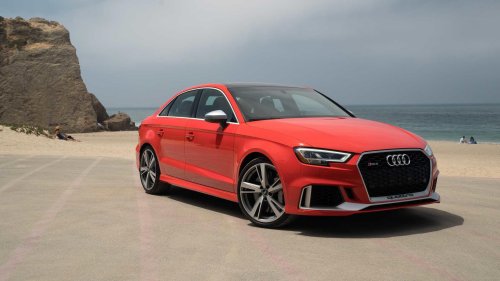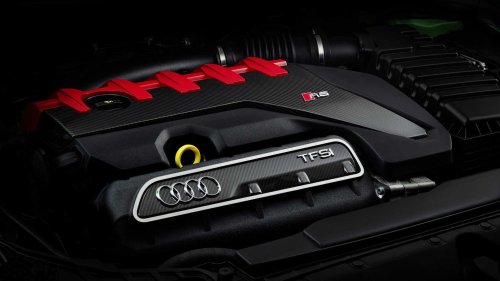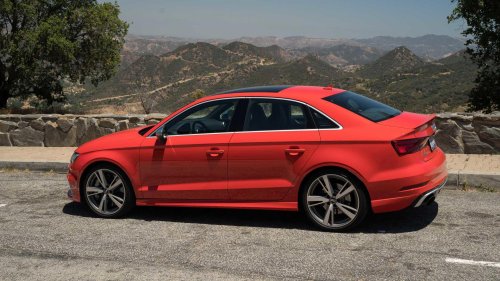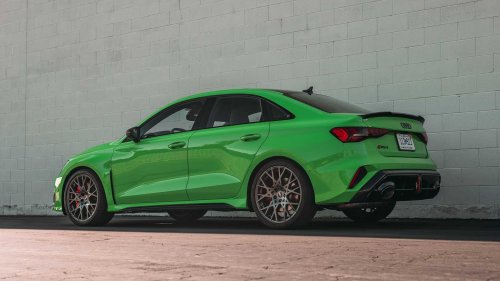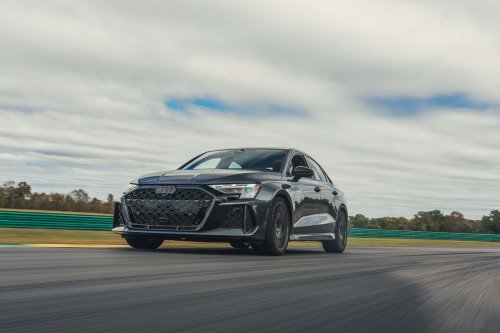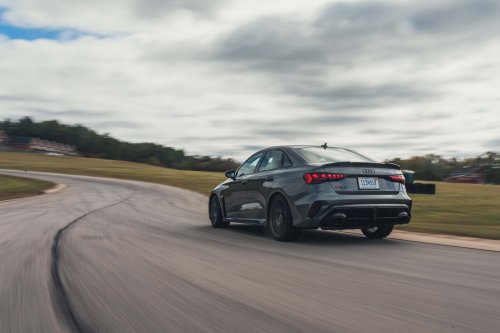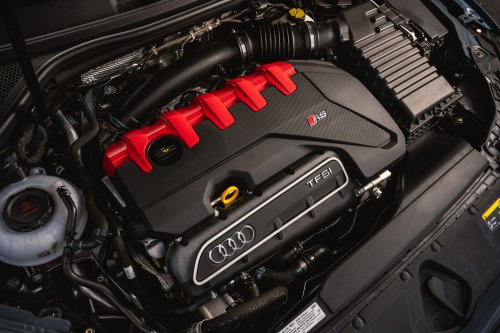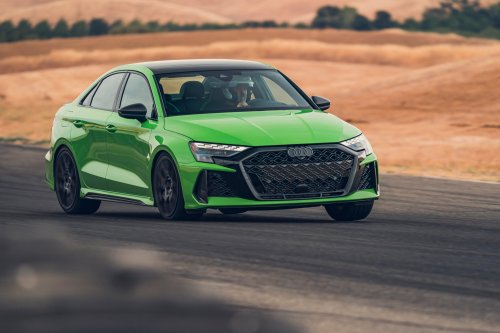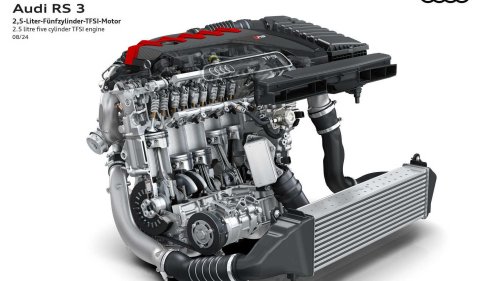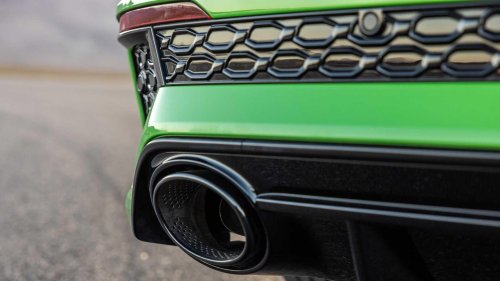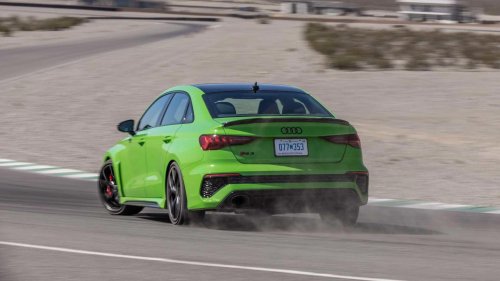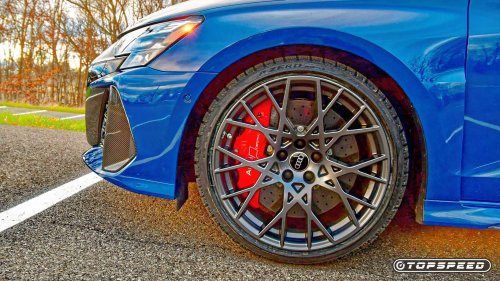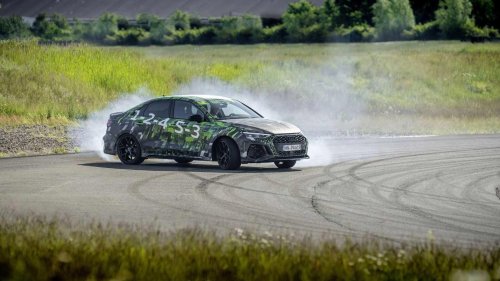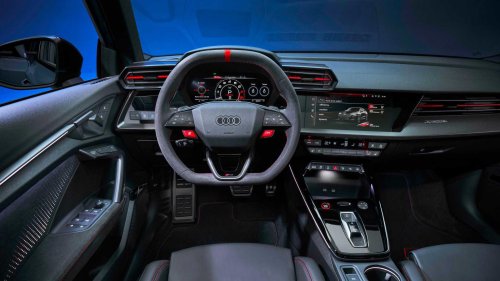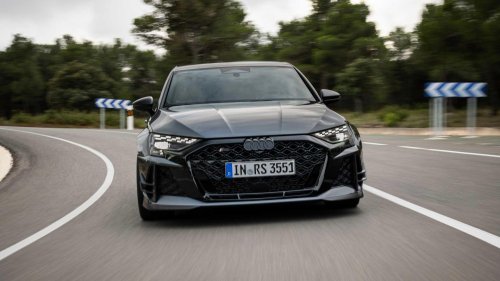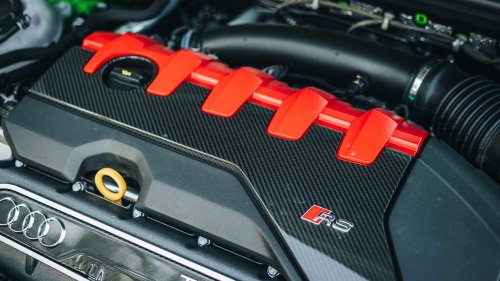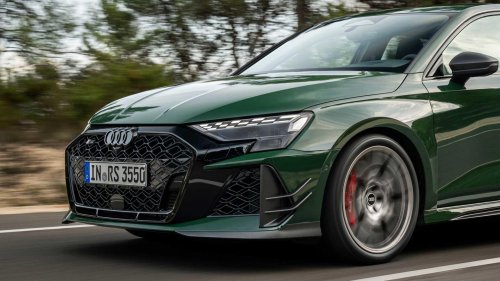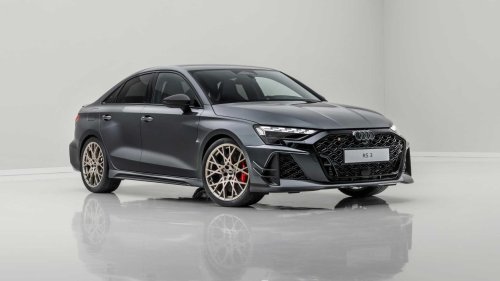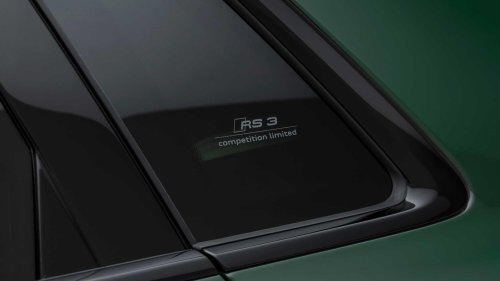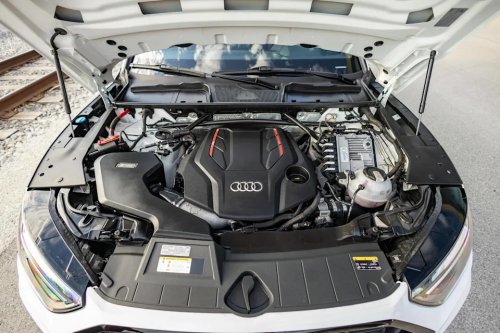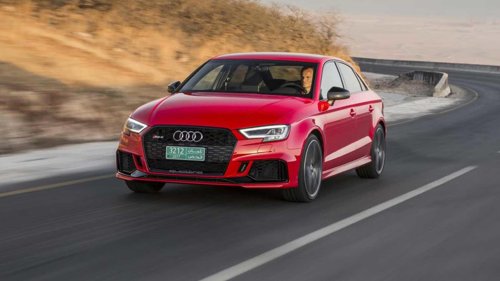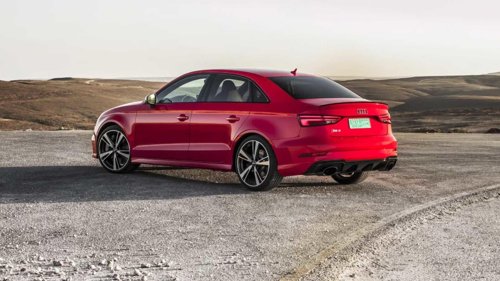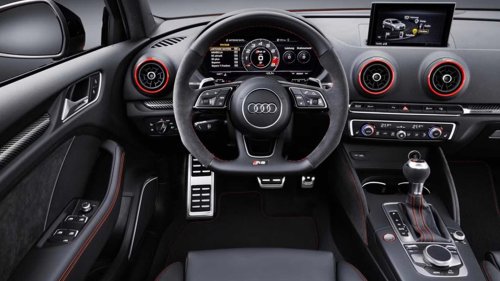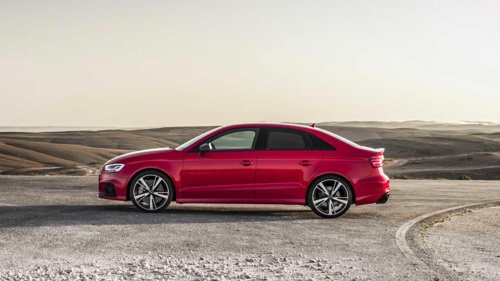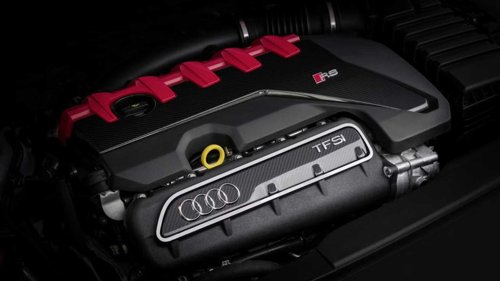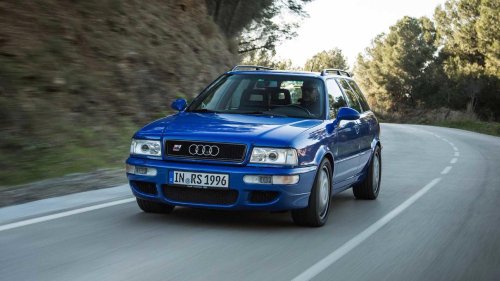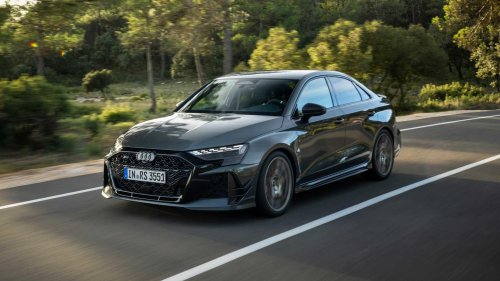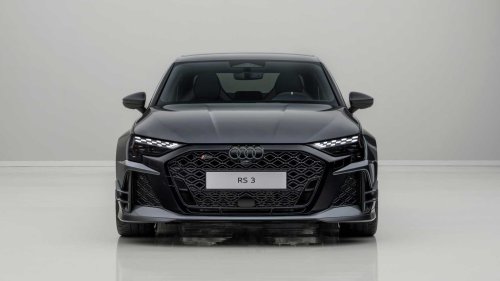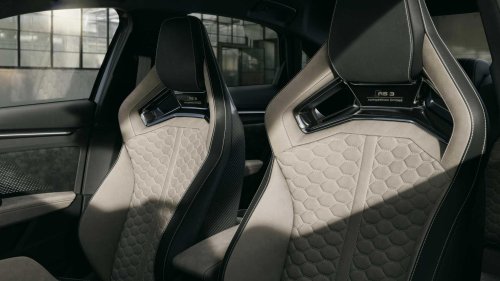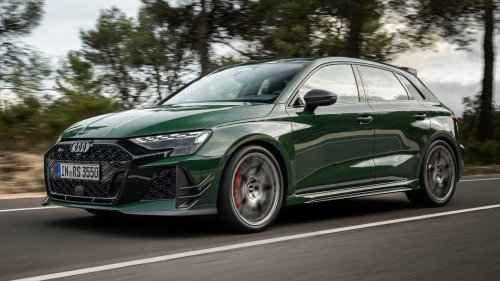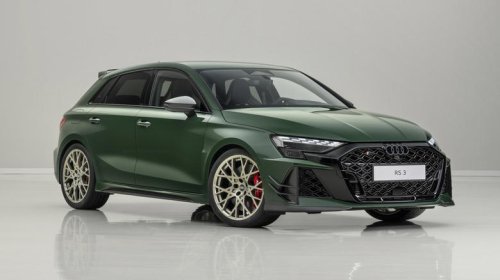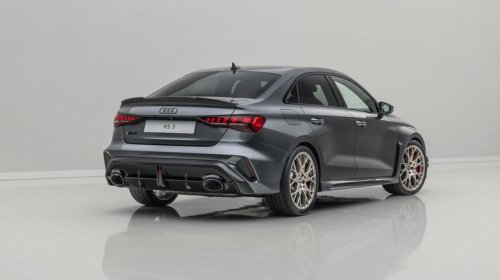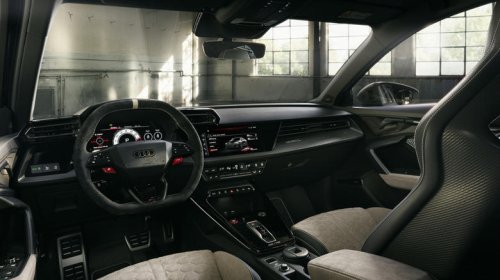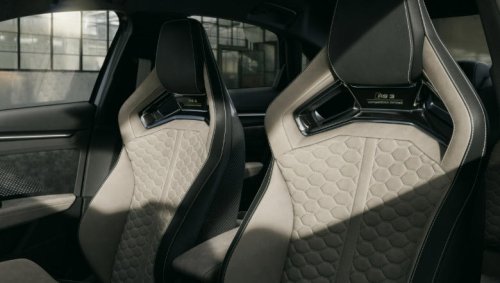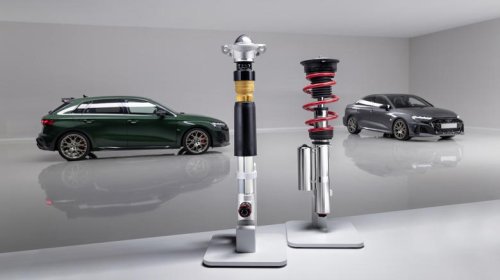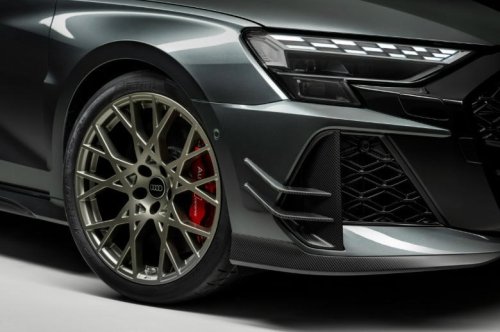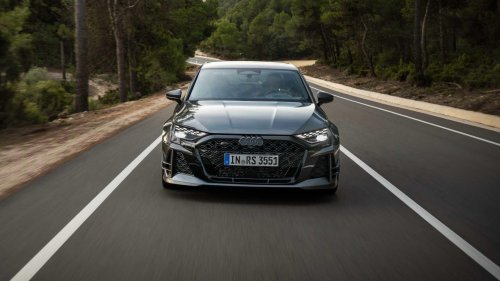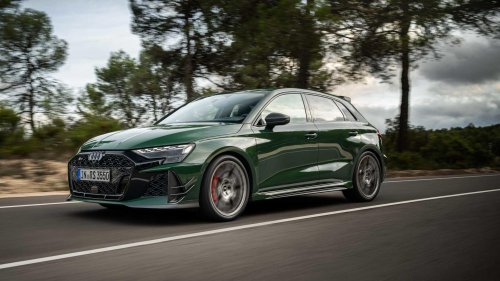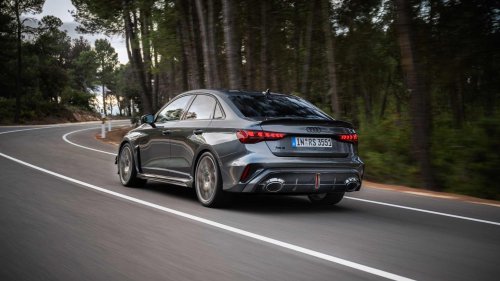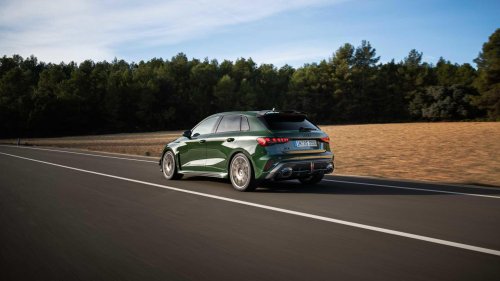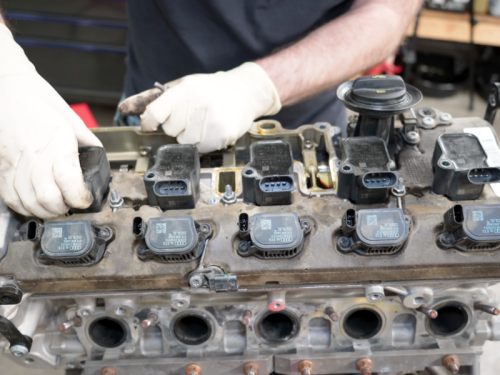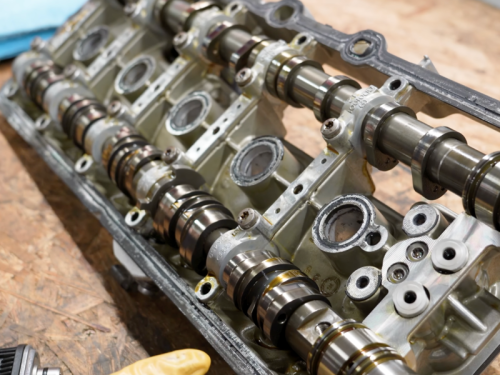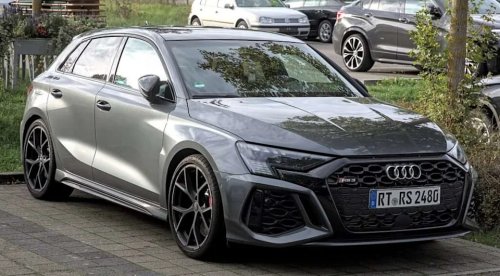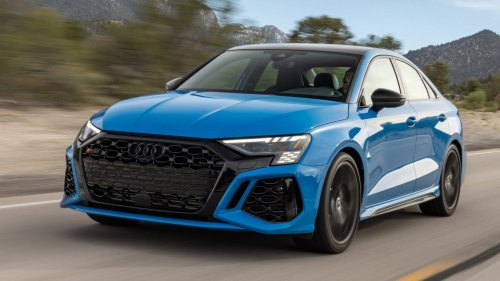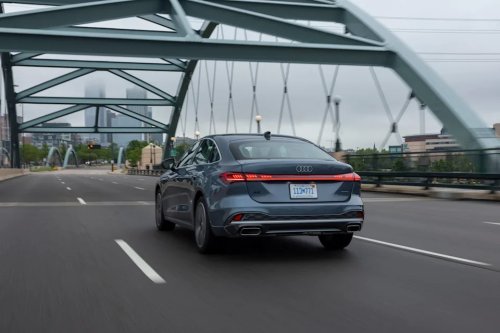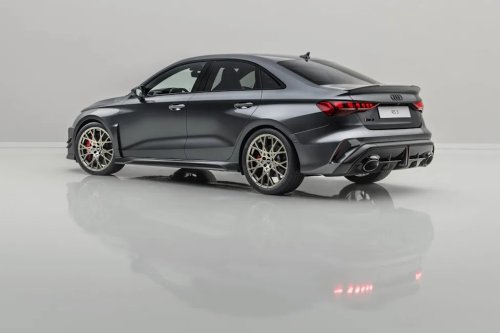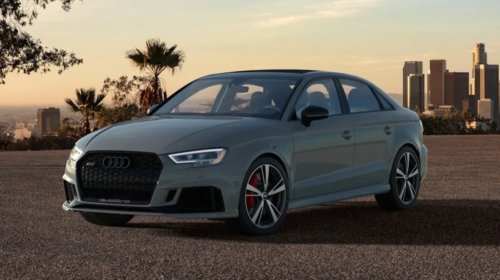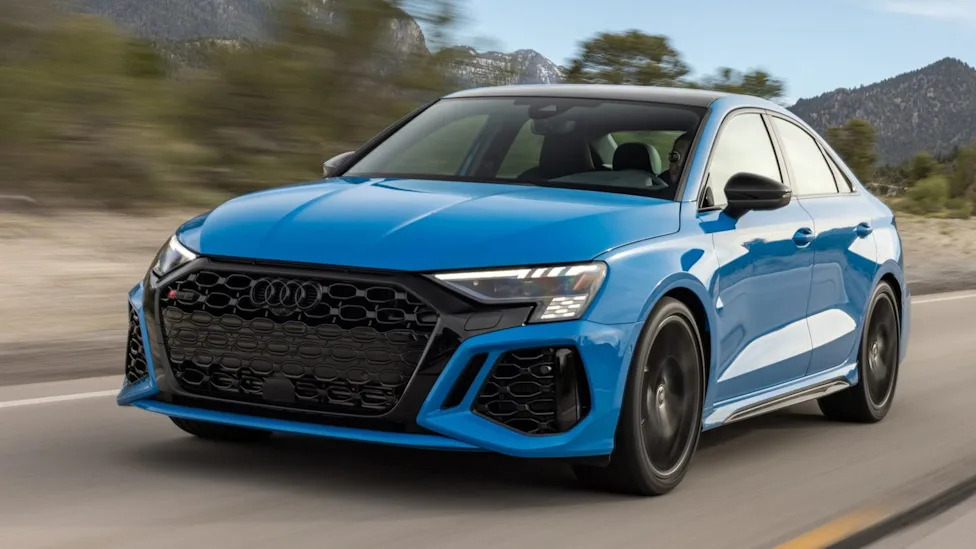
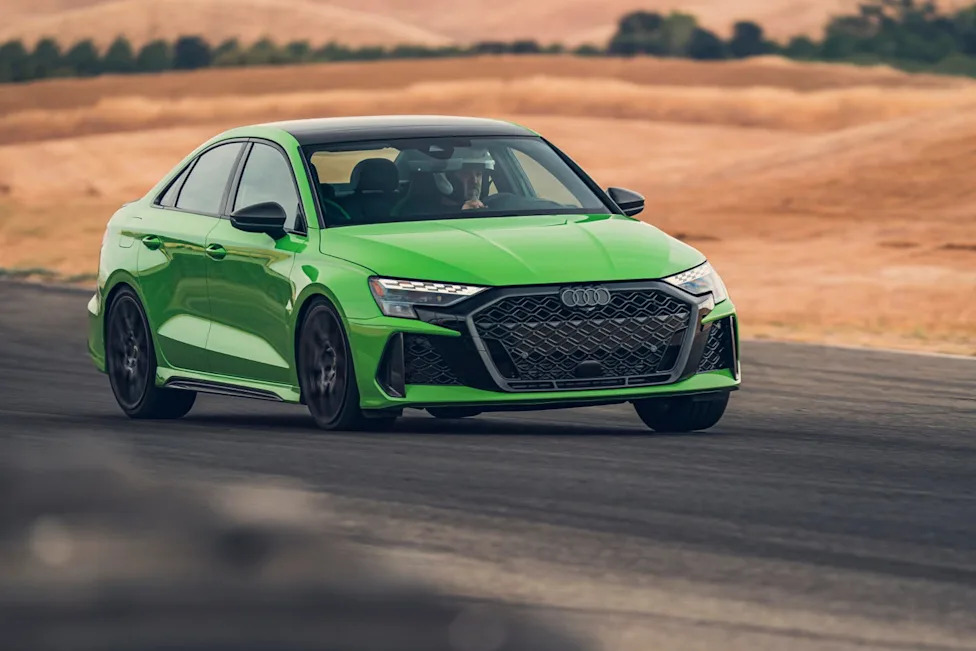
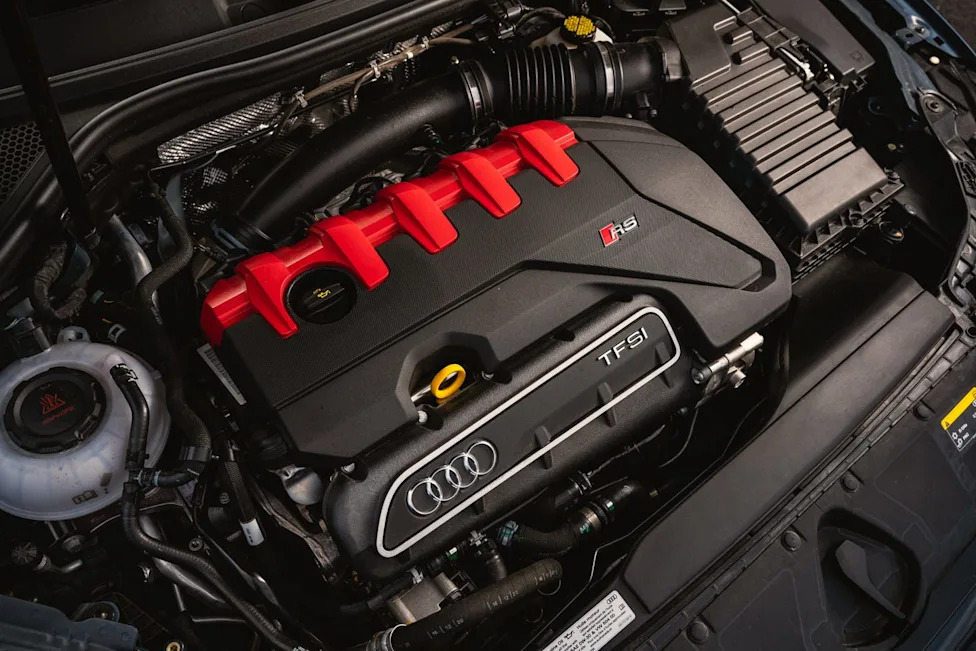



















Audi Doesn't Want to Let the Inline-5 DieAudiThe distinctive and iconic Audi five-cylinder engine's days have long been believed to be numbered, but the inline-five may not be headed for retirement just yet. Audi Sport boss Rolf Michl says work is still underway to find a way forward for the odd-cylindered motor, even as new European emissions rules threaten its fate. The good news is that Audi clearly understands what it has; the bad news is that sentiment doesn't add efficiency, or scale back regulations.In speaking to Autocar recently, Michl said Audi is "well aware" of the engine's historical importance, and confirmed that evaluations are ongoing. He called the five-pot "so characteristic," which is hard to argue with. There are faster engines and more efficient ones too, but few modern powerplants have a soundtrack (or a backstory) quite like this one.Marc UrbanoAudi introduced its first inline-five in the 100 in 1976, then turned the configuration into a proper legend through the original Quattro, the RS2, and a long line of road cars that all sounded a little unhinged in the best way possible. Today, though, it survives in just two low-volume applications: the RS3 and the Cupra Formentor VZ5.AdvertisementAdvertisementBut that low volume is part of the problem. Euro 7 compliance will reportedly require significant changes to the engine's filters, sensors, injection system, and catalytic converters. Audi CEO Gernot Döllner has questioned whether the company could recoup that investment from such a limited production run. Michl's comments, however, suggest the brand is still mulling a new RS3—and by extension, a new five-cylinder.DW BurnettThe Audi Sport head honcho also called the compact RS model an important entry point for the brand's high-performance lineup. "Emotion starts in the compact segment," he told Autocar, and it's difficult to imagine a more emotional little Audi than one with the oddball five-pot under its hood.Hybridization could help it survive, just as it has helped Audi's V-6-powered RS5, but that adds weight, complexity, and more cost. The other option—and perhaps the one enthusiasts would prefer—is volume. The RS3 and Formentor share Volkswagen Group's ubiquitous MQB architecture, so the engine could theoretically spread to more models. (An especially spicy VW Golf R has already been rumored as one possibility.)Audi Sport sold 36,000 cars globally last year, and the RS3 represents only a slice of that figure. If Audi wants to save the five-cylinder engine, it may need to stop treating it like a limited-run heirloom and let more of the group use it. Otherwise, its 50th anniversary could just be a very sad farewell tour.You Might Also LikeIf You Can Only Own One Car, Make It One of TheseThese Are the Most Popular Cars by State