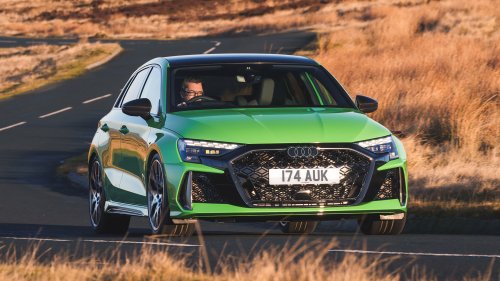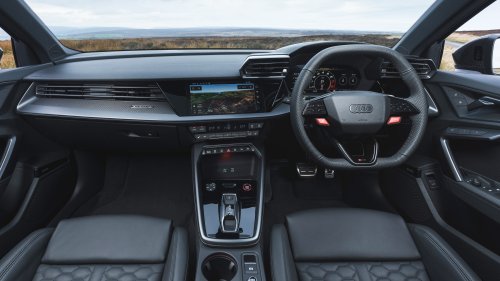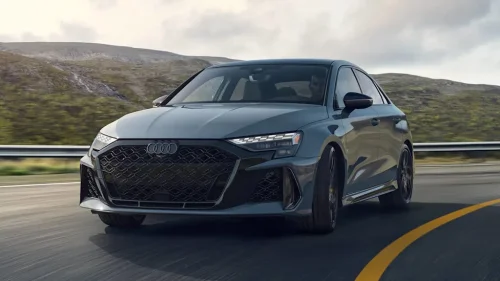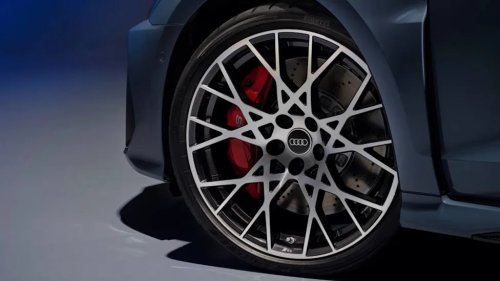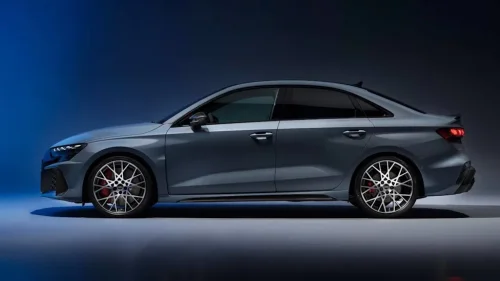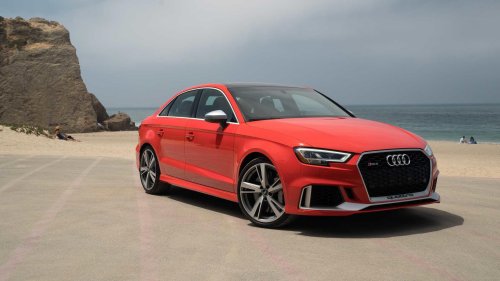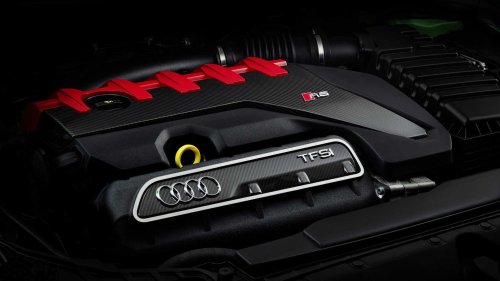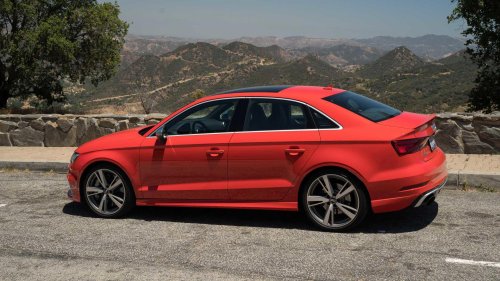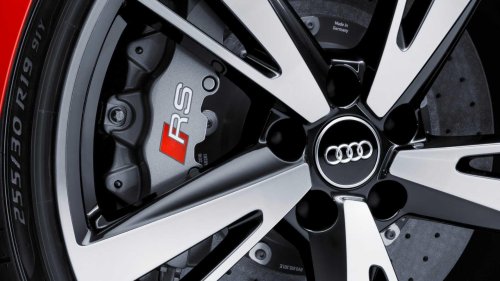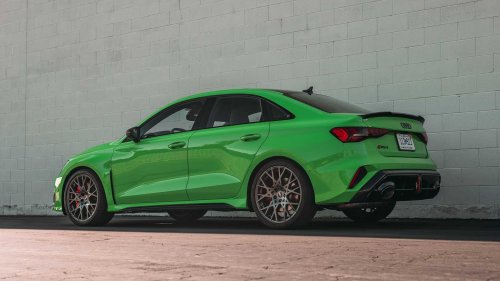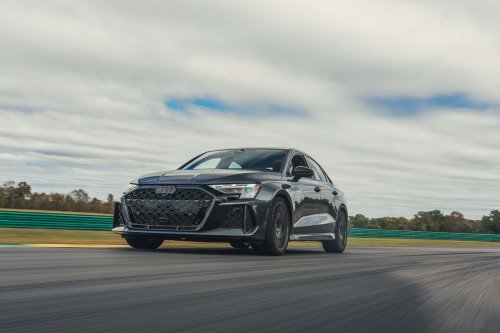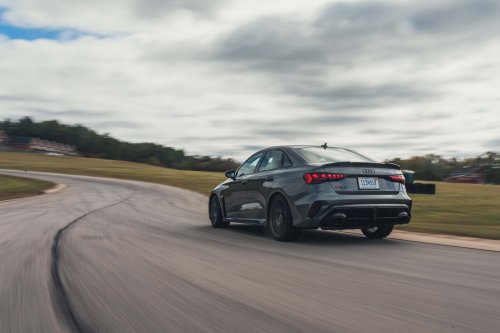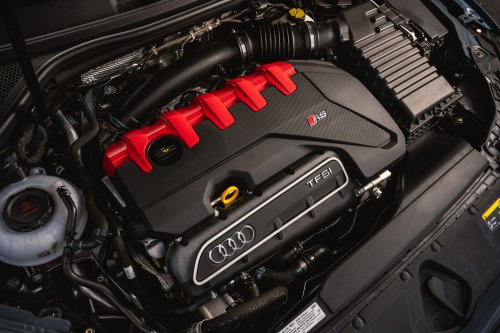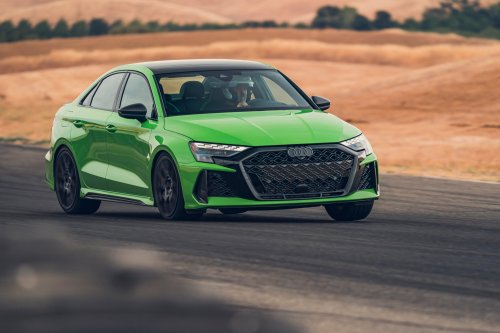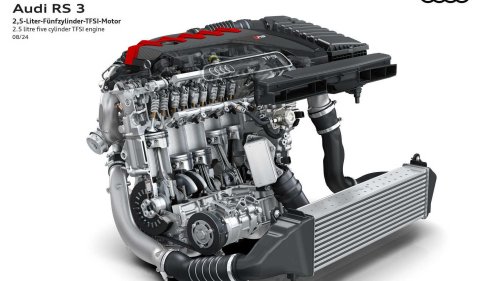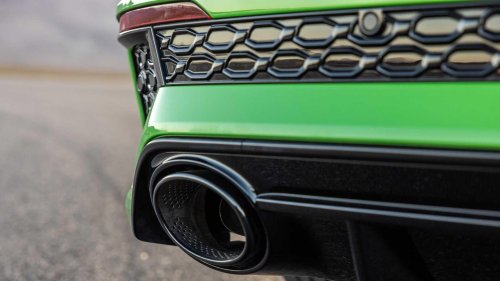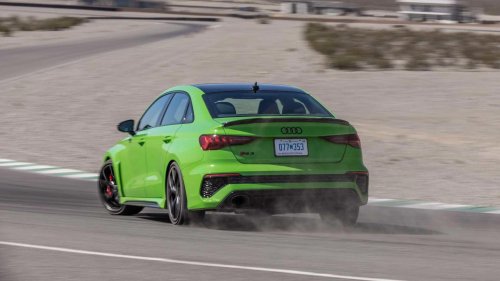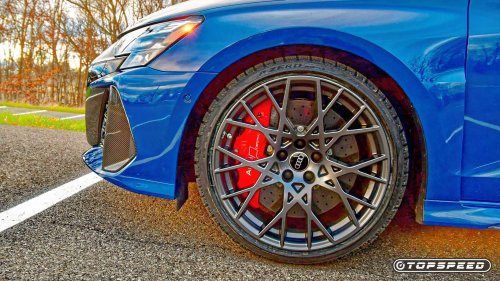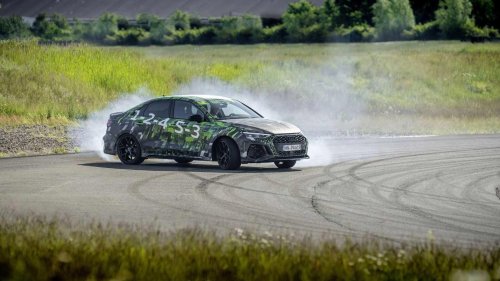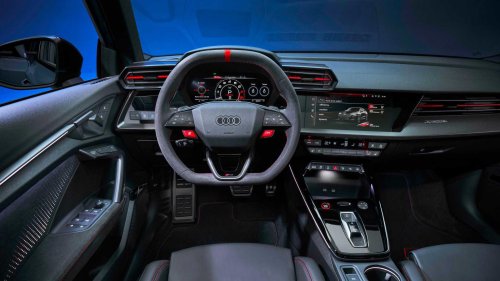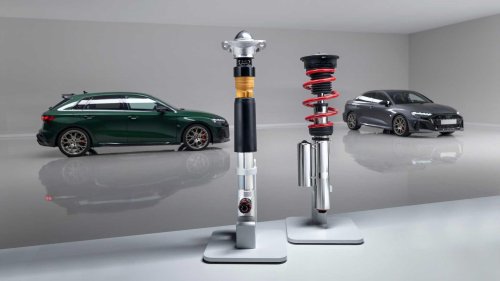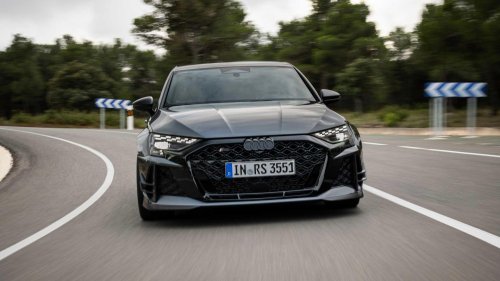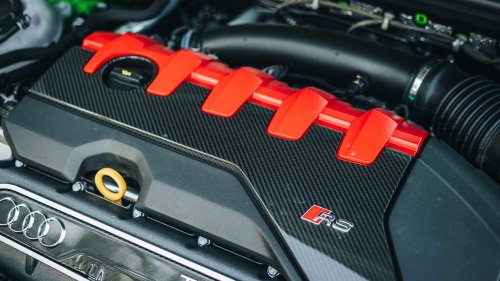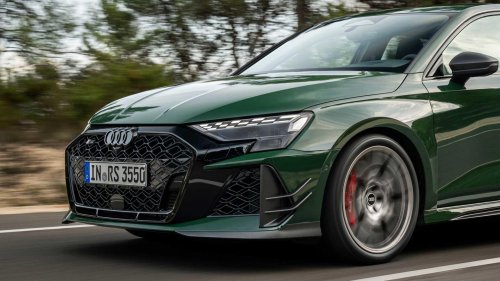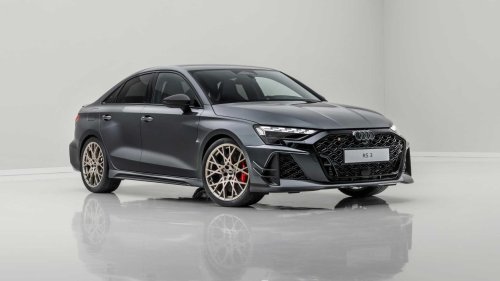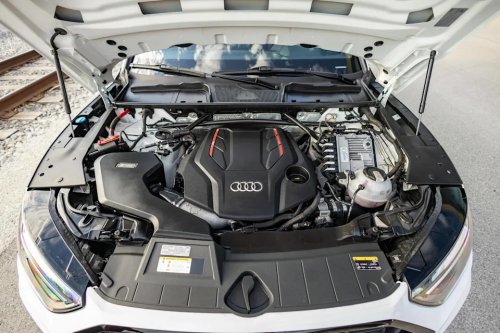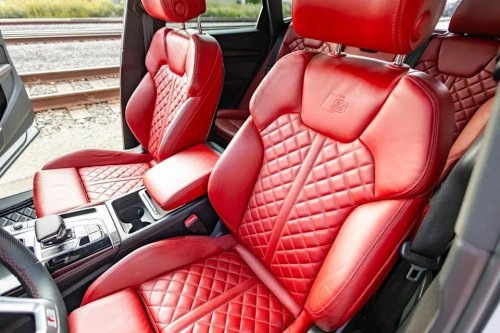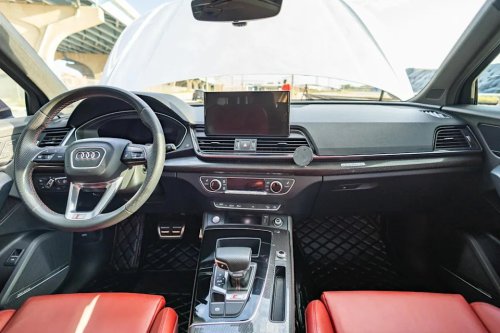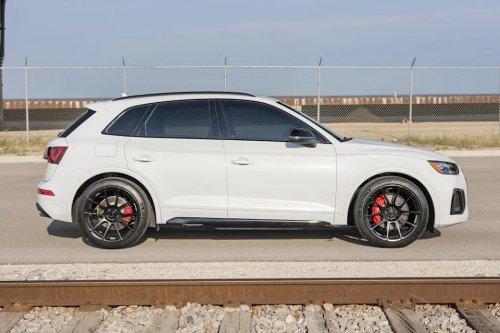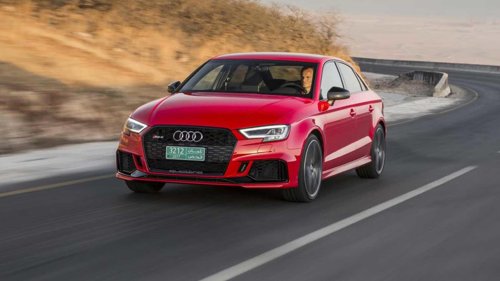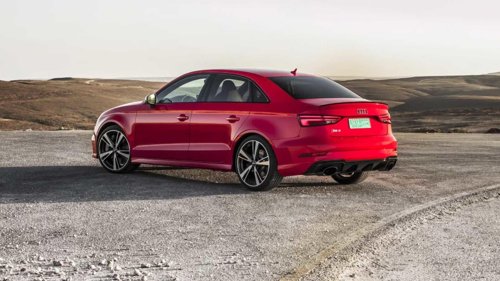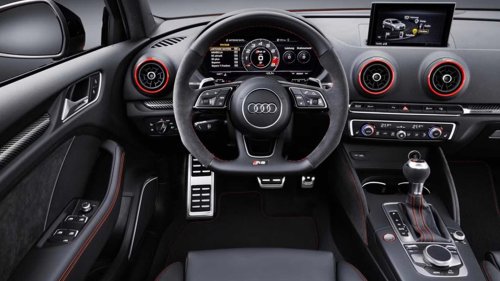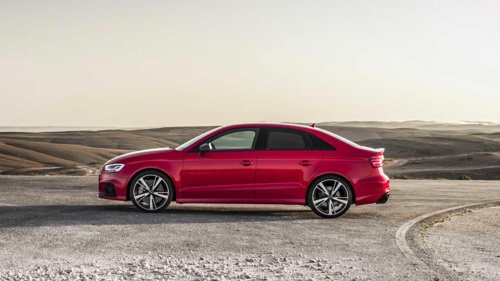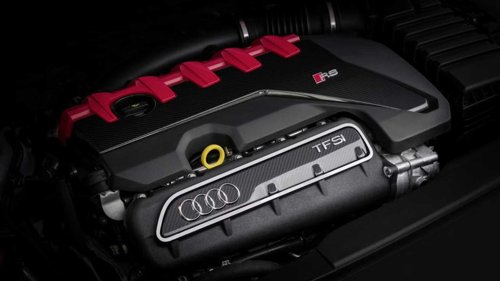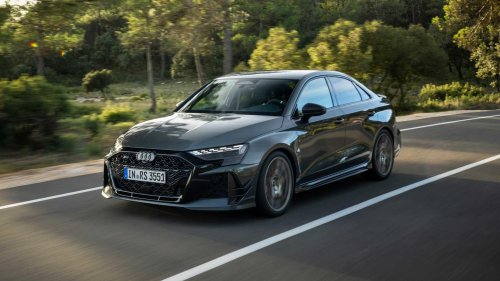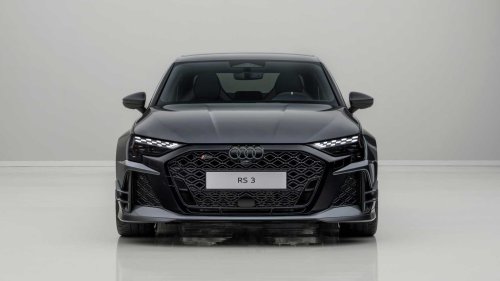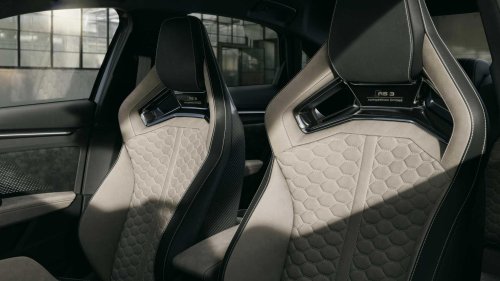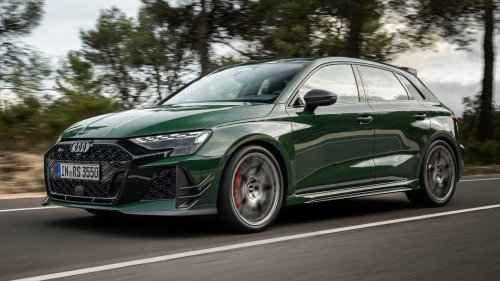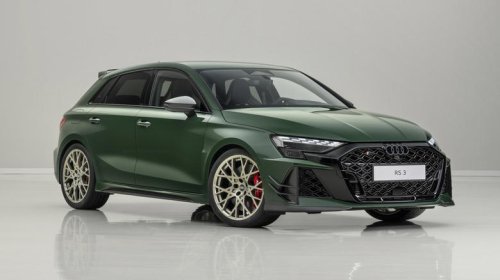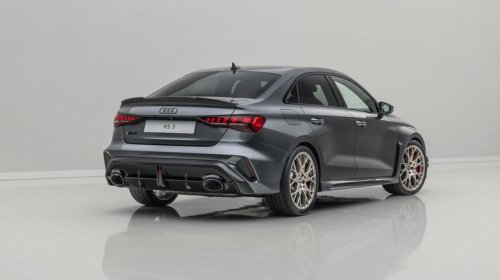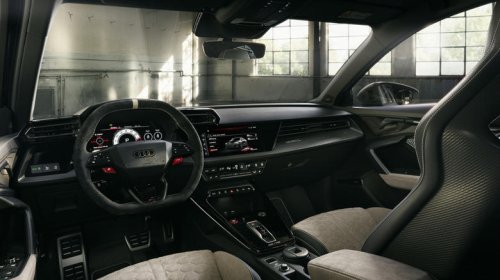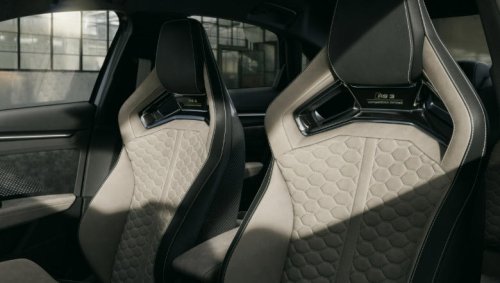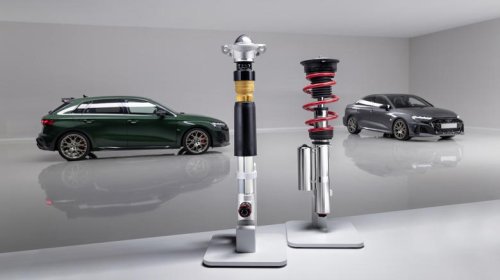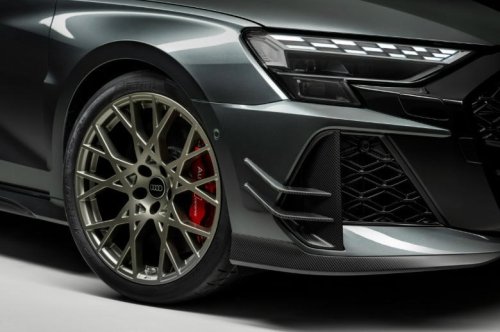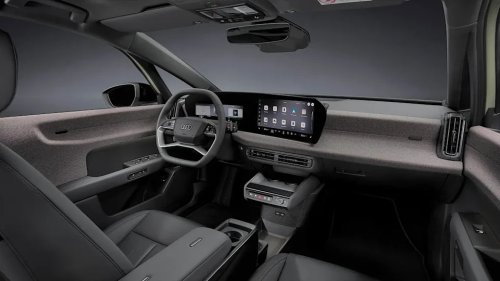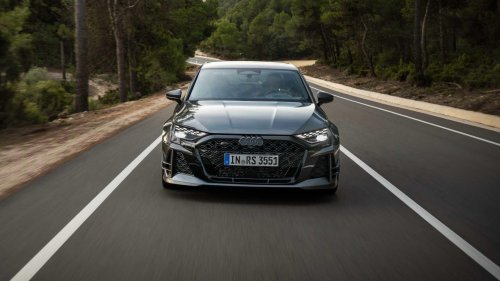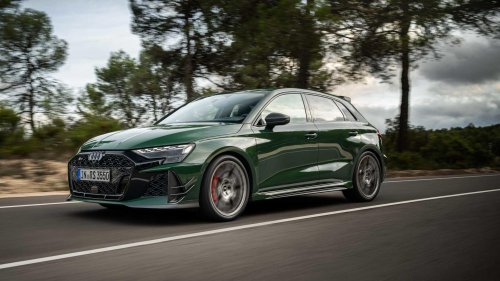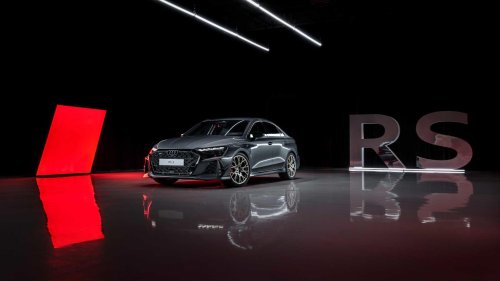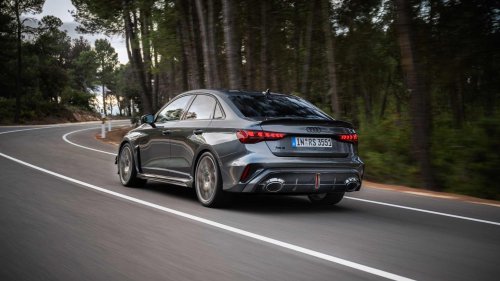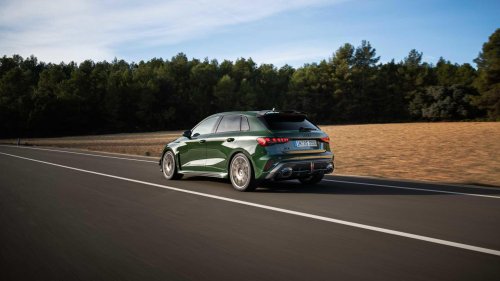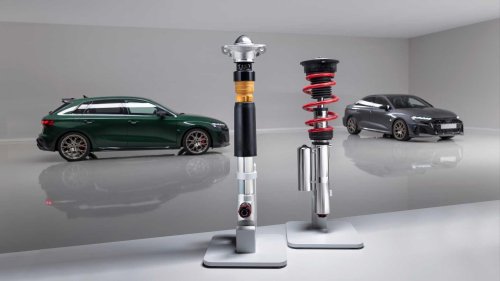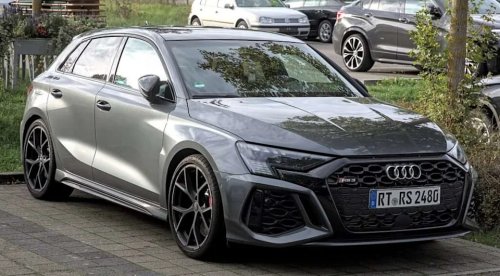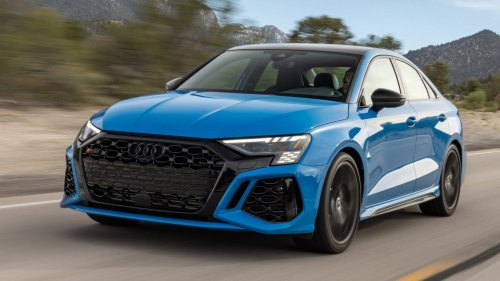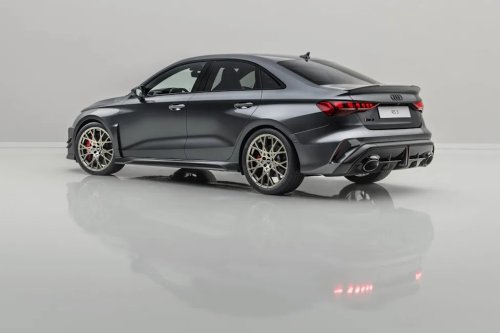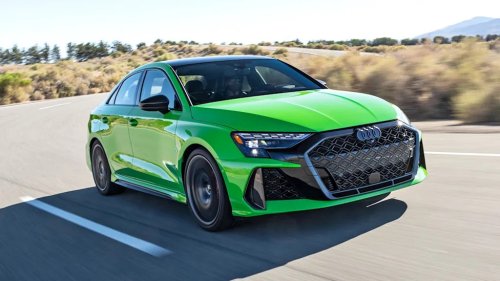
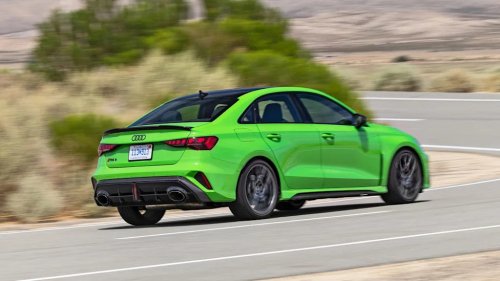
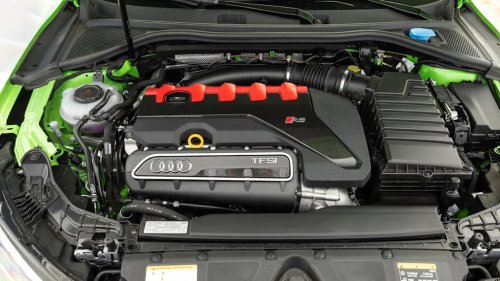
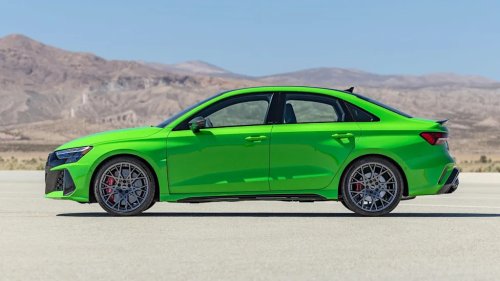
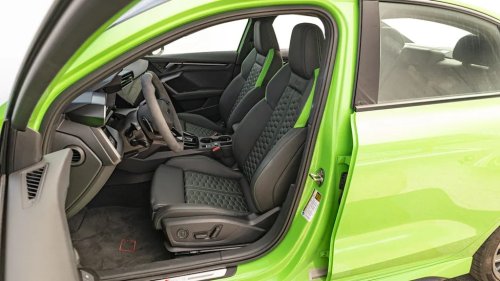
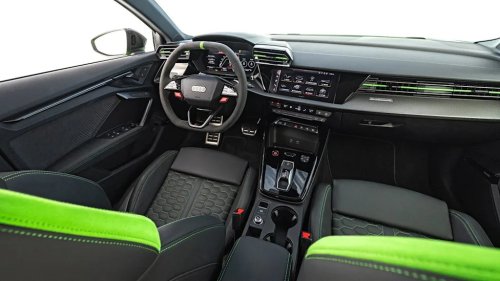
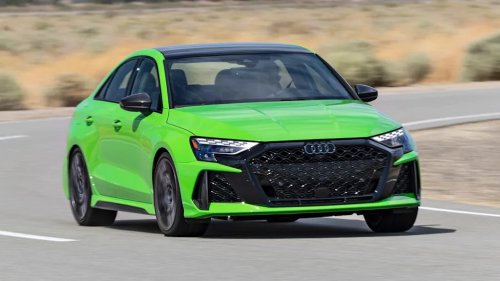
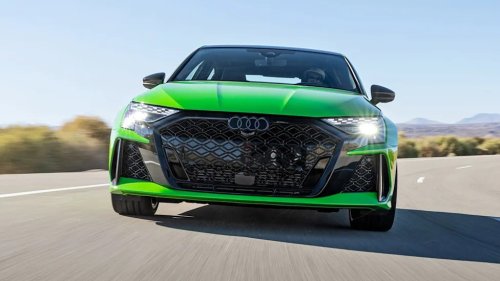
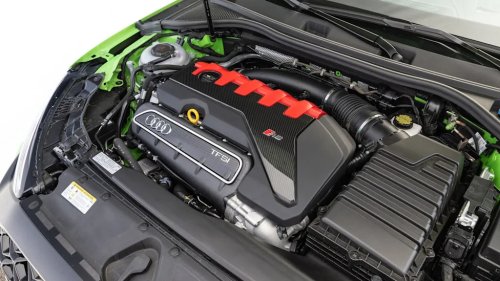
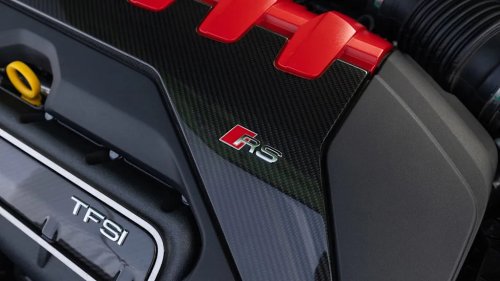
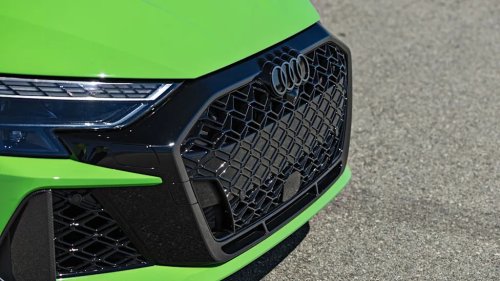
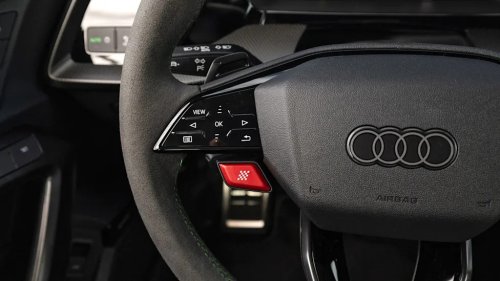
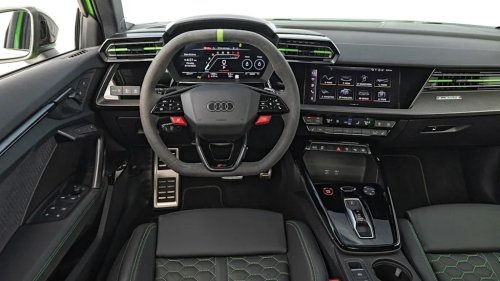
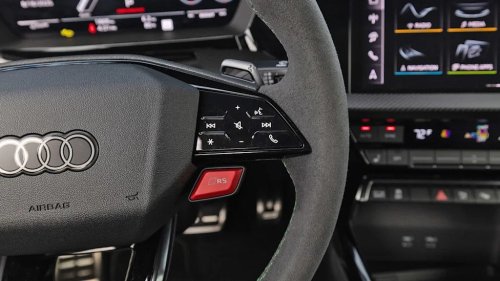
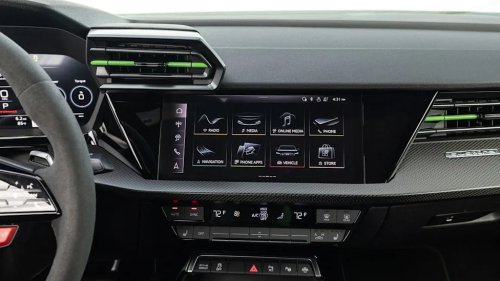
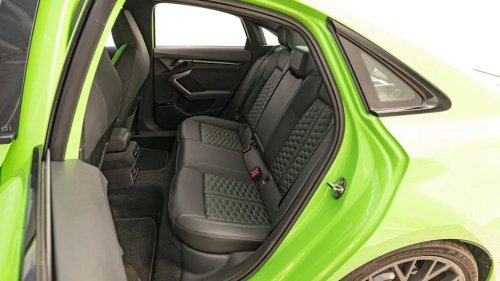
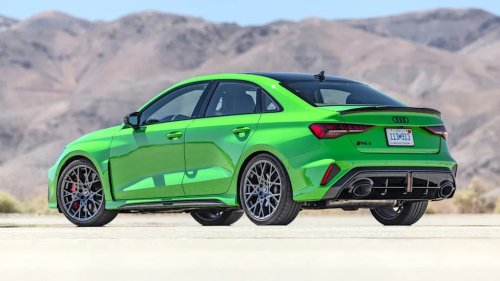
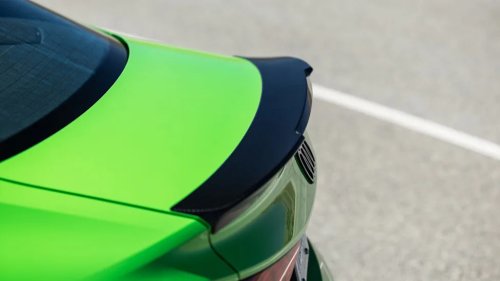
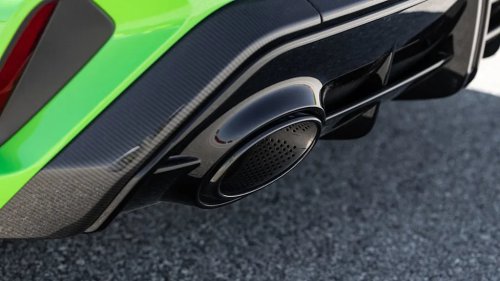
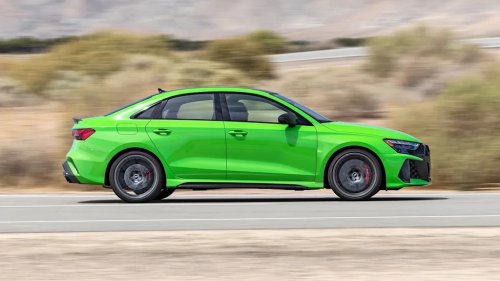
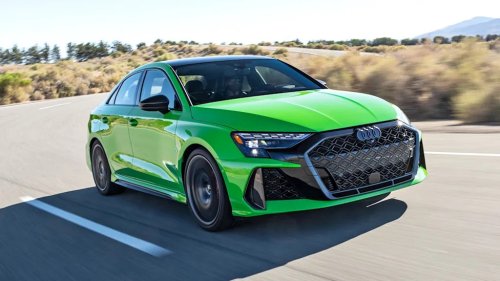
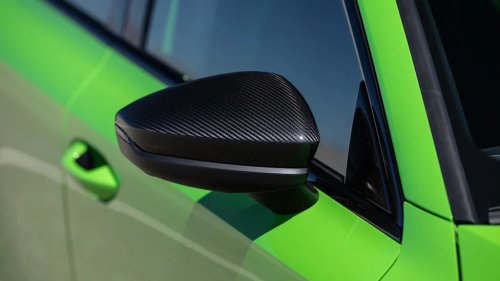
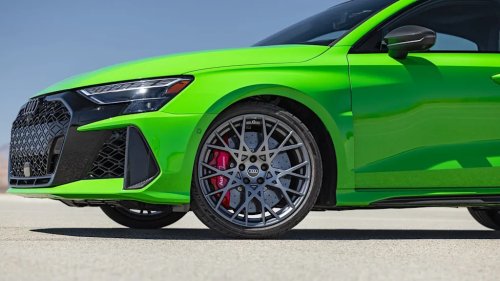
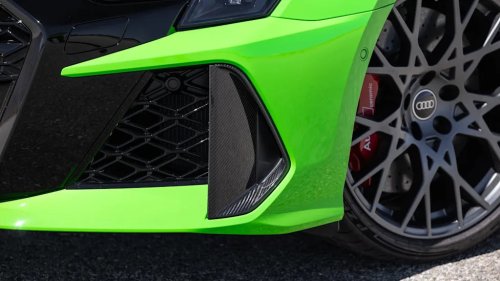



















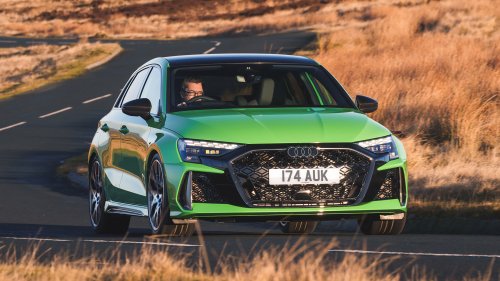
Tested: 2026 Audi RS3 Still RipsWilliam Walker - MotorTrendCharismatic five-cylinder engineEnormous grip and paceMore willing to rotateStiff ride even in ComfortCramped rear seatFrustrating touch controlsThe Audi RS3 has always been easy to admire and slightly harder to justify. It packs exotic-sounding five-cylinder power, tremendous grip, and all-weather traction into a small four-door sedan, but its stiff ride, tight cabin, and premium price make it less convincing as an everyday luxury car, especially when the less expensive S3 delivers much of the same basic experience.AdvertisementAdvertisementAudi's recent refresh of the RS3 didn't add power or fundamentally change the drivetrain. Instead, engineers retuned the systems controlling torque distribution, brake vectoring, stability control, and adaptive damping to reduce understeer and make the RS3 rotate more naturally. For 2026, a head-up display, navigation, and traffic sign recognition also became standard.The result is not measurably quicker than before, but it is slightly more entertaining to exploit. The question is whether that improvement—and the RS3's singular engine—can outweigh its daily compromises and an as-tested price approaching $80,000.William Walker - MotorTrendSame Grip, Better MovesThe RS3 has never lacked grip, but previous versions sometimes made the driver work around their front-heavy, front-drive-based architecture. This one feels more cooperative. Instead of a seeming desire to push wide, it responds with sharper turn-in and can be encouraged to rotate with less trail braking than before.Our car's optional Pirelli P Zero R R1 summer tires deserve substantial credit. Their immense grip is aided by the RS3's unusual reverse-stagger setup, with wider tires at the front than the rear. But Audi's revised coordination of the adaptive dampers, brake-based torque vectoring, stability control, and rear torque splitter also makes the car more willing to point toward an apex.AdvertisementAdvertisementThe RS3 essentially matched the figure-eight pace of the Cadillac CT4-V Blackwing we previously tested, though the two achieve it differently. The rear-drive Cadillac remains more naturally balanced and communicative, while the Audi relies on enormous front-end grip and sophisticated torque management. It is less transparent but remarkably easy to trust and drive quickly.The steering is fast and accurate, though feedback remains muted. The optional carbon-ceramic front brakes deliver exceptional stopping performance, but their soft initial bite was less impressive than the result. That said, the pedal firms up deeper into its travel, making it easy to modulate during hard driving.The suspension provides excellent body control but remains stiff even in Comfort mode. The RS3 still lacks the Blackwing's natural delicacy, yet it no longer feels as though the driver must fight through understeer before the fun begins.William Walker - MotorTrendFive Cylinders, Four Driven WheelsFrom a standing start, the RS3 is brutally effective. RS Performance mode with stability control off produced the quickest result, while Dynamic mode with ESC Sport was slower. Launch control holds the five-cylinder near 4,000 rpm and needs a moment to build boost, but once ready, the Audi leaves hard. All-wheel-drive traction minimizes wheelspin, and the seven-speed dual-clutch transmission snaps through clean, decisive shifts. Repeated runs were remarkably consistent.AdvertisementAdvertisementCompared with the automatic CT4-V Blackwing we tested, the RS3 reached 60 mph 0.3 second sooner and finished the quarter mile 0.2 second ahead despite giving up 71 horsepower. The Cadillac crossed the line at a slightly higher speed, showing where its extra output begins to matter. The Audi owns the launch, while the Blackwing pulls harder once traction is no longer the limiting factor.That urgency is less guaranteed on the road. Ask for full power while cruising in a tall gear, and the RS3 can take a beat as the transmission downshifts and the turbo builds boost. Once the engine reaches its stronger midrange, acceleration arrives urgently.The transmission remains smooth in ordinary driving, but the engine is the real star. Its offbeat five-cylinder note recalls a miniature Lamborghini Huracán, adding drama even when the AWD system and dual-clutch gearbox make the speed feel almost effortless.William Walker - MotorTrendLiving With the RS3The RS3's compact dimensions, four doors, and standard all-wheel drive make it easier to use every day than its performance suggests. It is easy to place in traffic, the transmission operates smoothly even when you're attacking an on-ramp, and the Audi remains reassuring when the weather turns.AdvertisementAdvertisementThe suspension makes fewer concessions. Comfort mode softens the responses but never makes the ride genuinely relaxed, and sharp impacts remain noticeable. That firmness is understandable in a track-capable car but harder to excuse in a four-door Audi pitched as an everyday performance sedan.Four doors do not mean family-sedan space, however. The rear seat is usable but cramped, and although the RS3 offers slightly more rear legroom than the larger Blackwing on paper, neither is generous. Its 8.3-cubic-foot trunk is also smaller than the Cadillac's 10.7-cube compartment. The RS3 is more practical than a sports coupe, but its cramped rear seat and small trunk limit its usefulness as a daily driver for families of more than two.Fuel Economy Is Fine; Tracking Fuel Is NotThe RS3's EPA-rated 20/29/23 mpg city/highway/combined is respectable for a 394-hp AWD sedan, though premium fuel is required. Few buyers will make fuel economy a deciding factor, but the engine's sound and performance encourage driving that quickly separates reality from the official numbers.More irritating is the way Audi presents the remaining fuel. A conventional level indicator exists within the digital cluster, but it is so visually subordinate to everything else that we initially struggled to find it. Audi makes boost, revs, and performance modes easy to monitor, yet checking the fuel level feels like a scavenger hunt.William Walker - MotorTrendGreat Seats, Strange DecisionsOur test car looked appropriately special. The $2,850 Carbon package adds exposed carbon-fiber mirror caps, front-intake trim, side-sill inlays, and a rear spoiler, plus dark matte 19-inch cross-spoke wheels. It is mostly cosmetic, but the pieces are prominent enough to distinguish the RS3 from an S3.AdvertisementAdvertisementThe cabin makes a similarly strong first impression. Nappa leather sport seats with honeycomb quilting look distinctive and provide good support, while the $700 RS Design package adds an Alcantara-wrapped steering wheel, red cabin accents, red-edged seat belts, and matching floormats. Matte carbon-fiber trim and ambient lighting elevate the atmosphere, and the newly standard head-up display keeps useful information out of the busy 12.3-inch cluster.Yet the driver-focused appearance is undermined by controls that demand too much attention. The touch-sensitive steering wheel buttons are easy to activate accidentally, and the volume control on the center console is a gimmicky disc adjusted by tracing a finger around its edge. Some warning tones are also surprisingly easy to miss. Near $80,000, every awkward control and ordinary A3-grade surface becomes harder to overlook.William Walker - MotorTrendIs the Audi RS3 Worth $78,440?The RS3 starts at $66,100 before destination, but our test car climbed to $78,440 with several performance and appearance packages. The largest was the $5,600 Dynamic Plus package, which adds carbon-ceramic front brakes, track-focused tires, a carbon-fiber engine cover, and a 180-mph top speed. It makes the most sense for someone who plans to use the RS3 regularly on a track.The Carbon and RS Design packages are easier to appreciate visually, though they also push the price into territory where the stiff ride, cramped trunk, ordinary plastics, and frustrating controls become harder to dismiss. Buyers interested mainly in a quick, compact AWD sedan can get much of the same daily experience from the less expensive S3. The RS3's premium pays for its charismatic five-cylinder, stronger acceleration, more serious performance hardware, more aggressive appearance, and greater rarity.William Walker - MotorTrendWhether that is worth the cost depends on how highly you value those qualities. The RS3 is not the roomiest compact sedan, the most comfortable daily driver, or the most communicative enthusiast car. But it is exceptionally quick, enormously capable, easy to exploit in imperfect conditions, and powered by one of the most distinctive engines still on sale.AdvertisementAdvertisementThe RS3 is for the driver who wants serious performance without giving up four doors, compact dimensions, or all-weather traction—and who is willing to tolerate a few daily frustrations for that unforgettable five-cylinder sound. Its appeal is not entirely rational, but that may be the most convincing reason to buy one.Photo credit: William Walker - MotorTrendPhoto credit: William Walker - MotorTrendPhoto credit: William Walker - MotorTrendPhoto credit: William Walker - MotorTrendAdvertisementAdvertisementPhoto credit: William Walker - MotorTrendPhoto credit: William Walker - MotorTrendPhoto credit: William Walker - MotorTrendPhoto credit: William Walker - MotorTrendAdvertisementAdvertisementPhoto credit: William Walker - MotorTrendPhoto credit: William Walker - MotorTrendPhoto credit: William Walker - MotorTrendPhoto credit: William Walker - MotorTrendAdvertisementAdvertisementPhoto credit: William Walker - MotorTrendPhoto credit: William Walker - MotorTrendPhoto credit: William Walker - MotorTrendPhoto credit: William Walker - MotorTrendPhoto credit: William Walker - MotorTrendPhoto credit: William Walker - MotorTrendPhoto credit: William Walker - MotorTrendPhoto credit: William Walker - MotorTrendPhoto credit: William Walker - MotorTrendPhoto credit: William Walker - MotorTrendPhoto credit: William Walker - MotorTrendPhoto credit: William Walker - MotorTrend