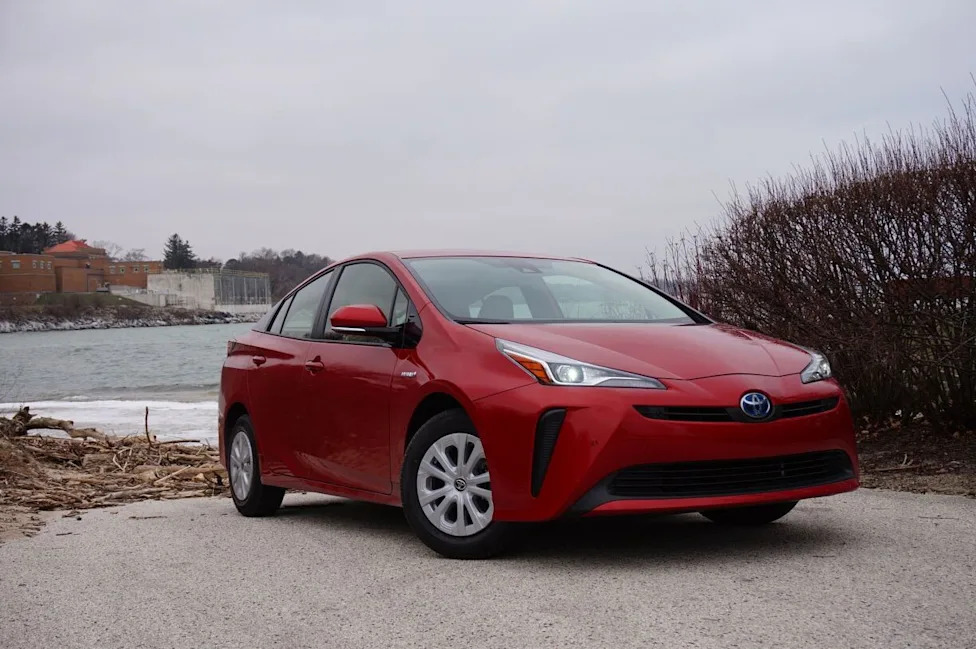
ask autoguide what do i need to know when shopping for a used hybrid"Just buy a hybrid" feels like the easiest advice in the world right now. Gas prices fluctuate, insurance climbs, and suddenly averaging 40-plus mpg sounds less like a green choice and more like standard financial self-defense. If you are buying brand new, it is a no-brainer. The factory warranty acts as a safety net, covering the battery pack for eight to ten years, or up to 150,000 miles if you buy a Toyota.The equation gets messy when you look at the used lot. Buying a five- or ten-year-old hybrid means inheriting a countdown clock, and nobody wants to be the person holding the invoice when the cells finally quit.Diagnosing Battery Anxiety and Real DegradationBut the anxiety outpaces the actual failure rate. If the car you are looking at holds its fuel economy steady, matches the EPA rating within a reasonable margin, and doesn't show a fluctuating battery gauge on the dash, the pack is fine. You do not need to panic-buy a replacement just because the odometer crossed a specific milestone. If you get nervous, pay an independent shop fifty bucks to pull the diagnostic codes and check the capacity.AdvertisementAdvertisementWhen hybrid batteries do age, they do not usually die all at once. They just slowly lose efficiency, shortening your pure-electric driving windows. It is also worth noting that hybrid packs live an easier life than full EVs; they handle shallow, constant charge cycles rather than deep discharges, which keeps them alive longer.ask autoguide what do i need to know when shopping for a used hybridThe Cost of Chemistry and the Luxury Car TrapIf it does die, the bill is highly dependent on what badge is on the grille. A replacement typically runs between $1,000 and $6,000. Technology ages weirdly in the automotive space-older hybrids rely on Nickel-Metal Hydride (NiMH) packs, which remain stubbornly expensive because their cost fluctuates with the global price of raw nickel.Modern cars have transitioned to Lithium-ion or lower-cost Lithium Iron Phosphate (LFP), meaning a newer pack can occasionally cost less to source than an obsolete one.The brand variance is where used buyers get burned. Sourcing a battery for a Toyota Prius or an old Honda Civic usually lands in the $1,400 to $2,000 window. But if you purchase a depreciated luxury cruiser-like a Lexus RX Hybrid-that replacement bill regularly hits $5,000 to $6,000. A premium car might get cheap to buy when it's old, but it never gets cheap to fix. Paying six grand to fix a battery on a heavy SUV that only gets 28 mpg completely breaks the financial logic of buying a hybrid in the first place.ask autoguide what do i need to know when shopping for a used hybridSourcing Smart: OEM vs. Aftermarket RefurbishingIf you find yourself needing a new pack, skip the dealership parts counter. The aftermarket remanufacturing industry is massive now. A reputable refurbished battery pack is stripped down, fitted with fresh modules that meet factory specifications, and sold with a warranty for a fraction of the cost of a new OEM unit.AdvertisementAdvertisementEven better: if you find a dedicated hybrid specialty shop, they can often swap out the specific individual cell modules that failed rather than replacing the entire casing, keeping your bill in the triple digits.Leverage and Odometer MilestonesThe smartest strategy is to buy under the 40,000-mile mark where you still have factory coverage. If you are looking at a car sitting around 80,000 to 100,000 miles, treat the battery like a ticking maintenance item. Use the impending expiration of the factory warranty to knock $2,000 off the seller's asking price. Put that cash straight into a maintenance fund, buy a refurbished pack when the time comes, and let the fuel savings pay for the rest.



















 +71 others