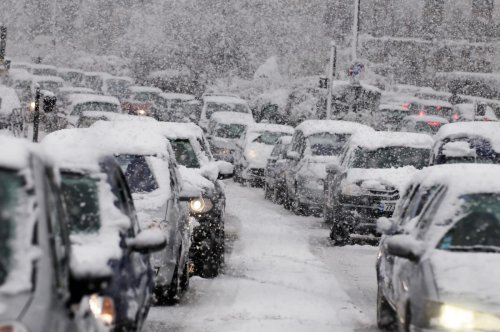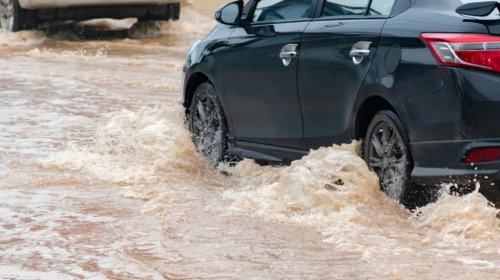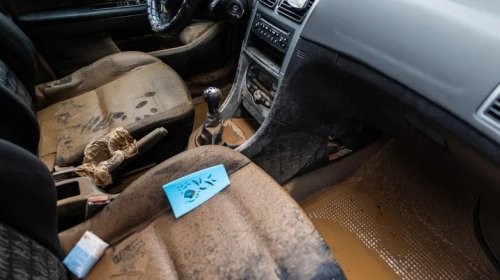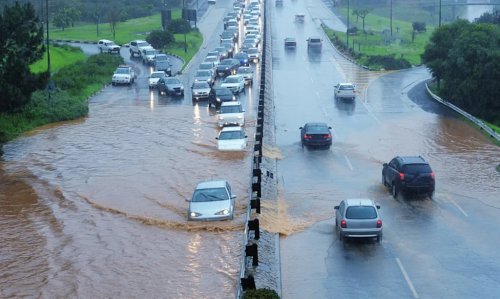
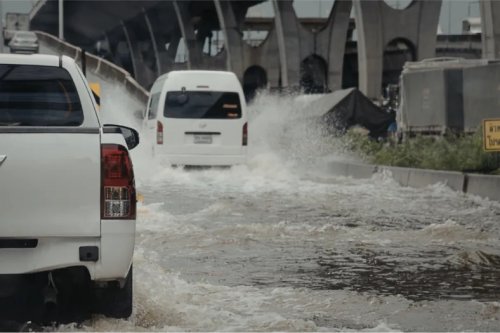
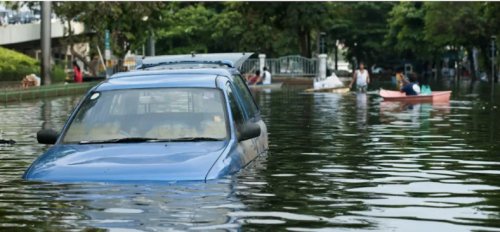




















Knowing what to do in a flash flood will help you to get out safelyFlash floods are a fact of life now and thanks to climate change, erratic weather patterns and more crowded cities and highways, the dangers have only increased. This is how I survived a flash flood and what I learned.It can be easy to judge others for getting caught up in a dangerous situation, until you make the wrong call yourself. The onslaught of storms in the Spring and early Summer are a fact of life for most Texans, and this season was one of the worst. You tend to start bargaining with the weather when there's a flash flood warning every other day for weeks—and embracing danger is practically part of the Texas ethos. I was raised on stories of my great grandpa racing his Bronco through the fields while tornados twisted nearby.This Spring, I too thought I could outrun a storm. I had work the next morning, and my boyfriend had a job interview, so we set out on the 3.5 hour drive from North Texas to Austin. I've driven through plenty of Texas storms before, and with faith in my weather app, I believed we would beat the pending precipitation by at least an hour or two. But as we approached the infamous Interstate 35 construction in Waco we were met with something much worse than traffic.AdvertisementAdvertisementThis story is 100% human-researched and written based on actual first-person knowledge, extensive experience and expertise on the subject of cars and trucks.An Average Day Can Suddenly Turn TerrifyingLarger trucks and SUVs have better luck in a flash flood – but only to a point – Credit: CanvaA massive black cloud formed over the highway and it looked unlike anything I'd seen before. I scanned the mass of darkness for signs of a tornado as the light rain turned into a downpour. We crawled through traffic at 35 MPH and made it onto the frontage road to search for an exit into a parking lot or neighborhood street.Our hopes were still high as we rode the ups and downs of the sloping frontage road, listening to a country station and nearly escaping the city limits of Waco. We came over the top of another hill and began our descent down the other side when three cars in front of us flooded out in several inches of water that was pooling at the bottom. Up ahead, a once small creek was flash-flooding onto the road. Some cars tried to blast through the growing pond that stretched to at least 200 feet. They stalled out in the water and on the ramp to I-35.I slowed to a stop at the edge of the rising water and cut the music. They say "Turn around, don't drown," but there were multiple lanes of traffic coming to a standstill behind me, and nowhere to go. Not to mention, we were in a 2-door Mini Cooper.AdvertisementAdvertisementA local Sheriff and fellow Texans in their lifted trucks moved slowly through the right lane, identifying the shallowest path. They eventually turned into the entrance of a neighborhood on higher ground. I slowly moved over to follow, but the creek was raging and dumping more water into the roadway. I had zero confidence whatsoever in my Mini, and we were panicking. Should I follow the other cars and risk hydrolocking my engine, or stay in place while the flood rises around me? Do I abandon my vehicle and all my belongings?Read: H.E.L.P. Roadside Assistance is On the Way —Thanks to New Tech Coming to VWTrust Your Instinct to Get Out of DangerRising water in a flash flood can cause cars to float and ruin their engines and interiors – Credit: CanvaAs I crept forward and the water rose near the tops of my tiny tires, I made a rash decision. I reversed, angled my wheels, put it into drive, and jumped the steep curb uphill into the grass. To be honest, I attribute my overconfidence in that maneuver to my experience at the Bronco Off-Roadeo a few years back. But a Mini is definitely no Bronco, and I bottomed out my car badly both coming up and going down another curb into the neighborhood. My car groaned after the impact, and the bottom was a bit scraped up, but we were finally safe. Many others couldn't say the same.Once settled in at the nearest hotel we could find, I checked the news. About an hour after we escaped, they still hadn't closed off I-35. I was in disbelief. The water continued to rise to several feet, stranding hundreds of people on the road for the night and sweeping cars away in the flood. When I checked the news again the next morning, I saw videos of rescue boats on the southbound side, where we had been. Boats. On the interstate.Now that I've personally exemplified what not to do—ignoring the forecast and driving my tiny car into the literal cloud of doom—here are some real tips on what to do if you encounter severe storms or flooding on the road. Because this was by no means an isolated incident, and flood risk is increasing each year. Extreme weather events are becoming more frequent with the progression of climate change, and states like Texas will be the hardest hit by heat, fires, and floods. We must learn to properly assess and respond to dangerous weather conditions, and reign in our desires to be constantly on the go. Sometimes that means missing work or an important opportunity, but nothing is more important than safety.Read: How to Have a Flat Tire and Not Ruin Your Day – Starting With Roadside AssistanceUnderstanding Weather Apps and AlertsIt can be impossible to tell how deep the water is on a roadway in a flash flood – Credit: CanvaMake sure you're getting alerts and updates from your weather app, or you can also follow your local National Weather Service station on social media. The weather app that automatically comes installed on Apple devices is a fairly basic interface that doesn't offer granular details. After this incident, I downloaded The Weather Channel app, which is more descriptive and has a better map display. There are lots of other options out there as well.AdvertisementAdvertisementIf there are active flash flood warnings or severe thunderstorm warnings, your best option is to not get on the road in the first place. A flood watch means that flooding is possible, while a flash flood warning means flooding is already happening or is expected to happen soon.Read: Assemble Your Own Emergency Kit With These 100 Household ItemsScan Your Route for HazardsDriving through flash flood waters can be very dangerous – Credit: CanvaCheck for potential flood zones along your route, including creeks and rivers, low-lying roads, and water crossings where water can rapidly accumulate. Be especially careful driving at night, when it's more difficult to tell how much water is on the road.Always have more than one route in mind so you can quickly adapt in an emergency.If I had known we would descend into a low-lying area where the forks of a creek encircled part of the interstate, I would've booked a hotel much sooner and saved ourselves from that whole scenario.How Much Water Can a Car Withstand?The Mini Cooper JCW on the Tail of the Dragon – Credit: Scotty ReissThe answer is, not much! Obviously, it's generally best not to drive through water at all. The best advice is always to stay home, or "Turn around, don't drown." If you get water in your engine, it will become hydrolocked—immobilized. Modern cars also have a ton of different electrical components that could be damaged.AdvertisementAdvertisementPlus, you never know what debris and other dangers could be underneath the water, including potholes or even sinkholes. When it was safe to get back on the road the next day, we saw large logs and branches strewn about the grass in the area where we were nearly trapped that night. According to the National Weather Service, only a half inch of water on the road can lead to hydroplaning and loss of control. Six inches of water can knock a person off their feet and cause vehicles to stall. 12 inches can cause most passenger vehicles to float, and two feet is enough to sweep them away. For me, the first warning signs should have been the large puddles we splashed through along the way. That meant water was building on the road, so it would naturally be far worse in low-lying areas like the flood zone where we ended up.What To Do In a Flash Flood On the RoadwayA flash flood is of particular danger to cars and drivers – Credit: CanvaIf you do find yourself in a situation where you have to drive through water to escape, do not go deeper than half of your tire height. Go only a few miles per hour, or in the lowest gear for manual transmissions. This will help you avoid splashing or intaking water. Also, never use cruise control on wet or flooded roads—you want to be in control of your vehicle and capable of quickly changing speed.Furthermore, never drive through moving water, which can easily sweep away your vehicle and may contain fast-moving hazardous debris. AdvertisementAdvertisementIf water reaches the interior of your car, then turn it off and do not restart the engine. Water inside the cabin can weigh down the vehicle, causing people to be trapped or drown in rising waters. If your vehicle is stalled out or flooding, exit and find higher ground. The moment water is at your door, it will be difficult or impossible to open it. So get out when you can, keep the windows down, and get to the roof if higher ground is out of reach.Getting caught in a flood is scary and something many think will never happen happen to them. Until it does. Now, you know from someone who has, and escaped, what to do if you sense a dangerous flash flood approaching.