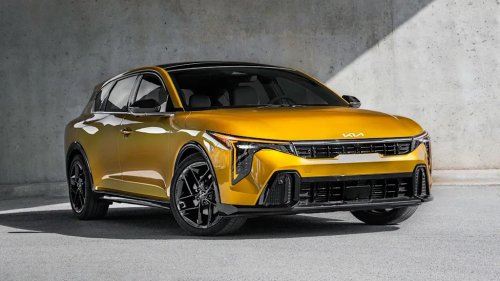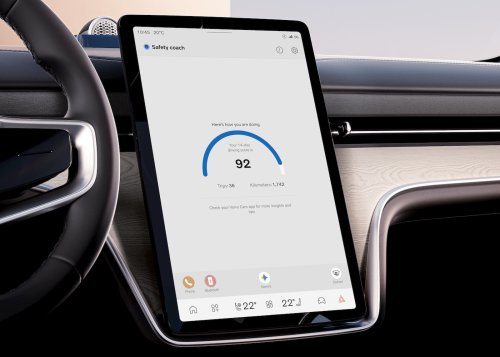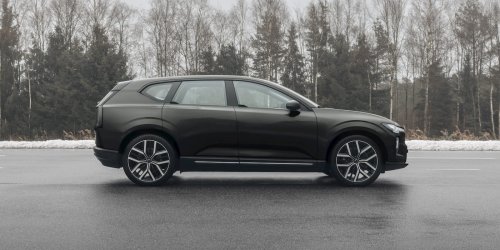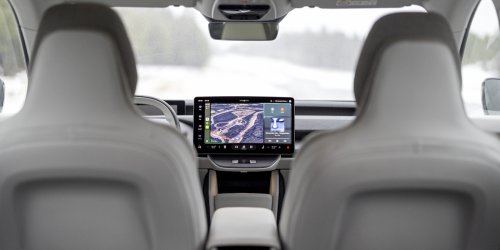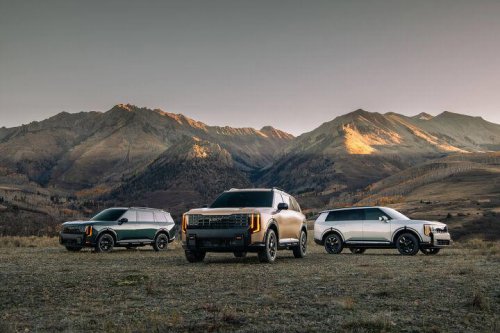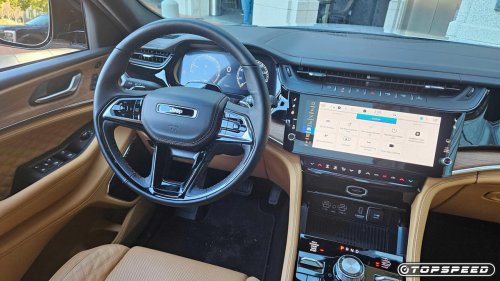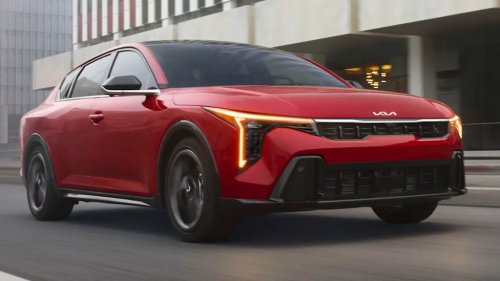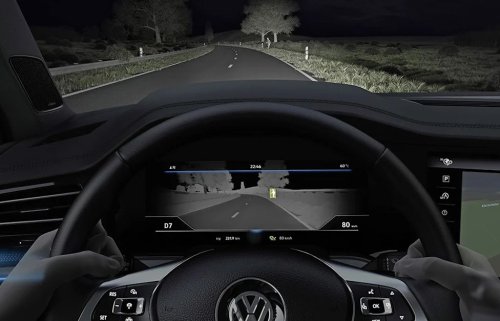
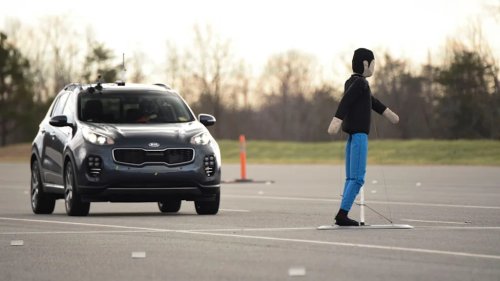
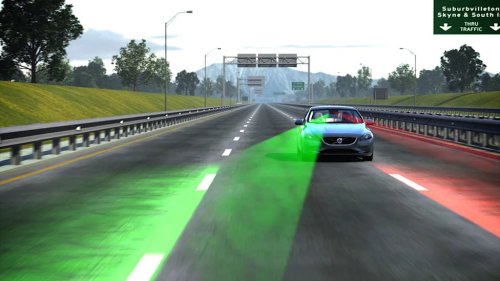
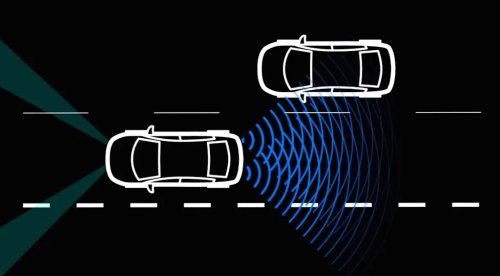
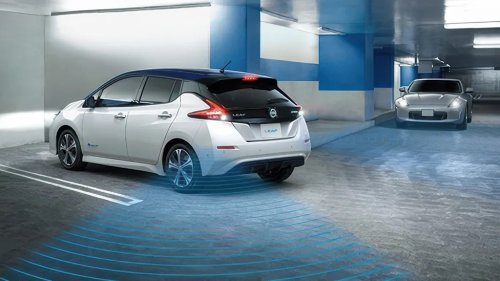
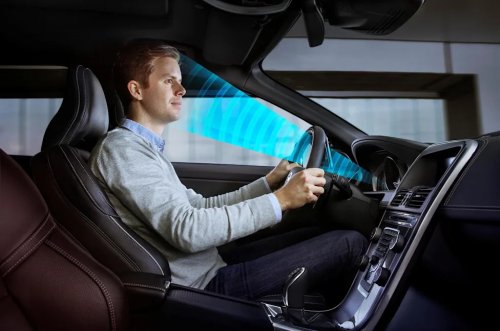
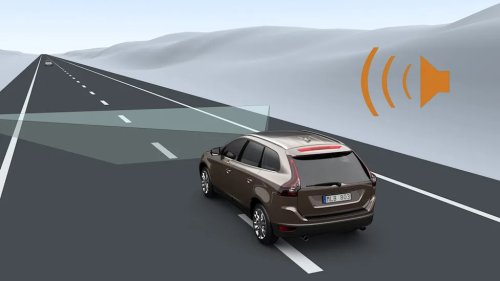
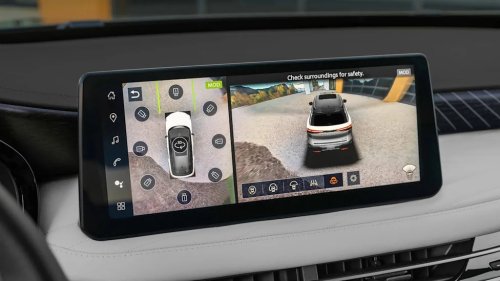
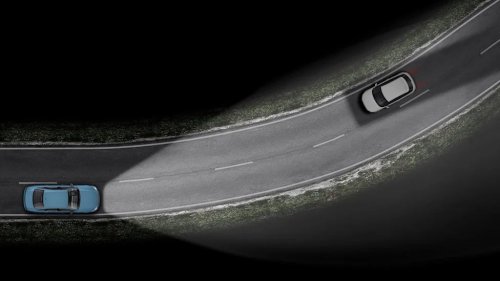
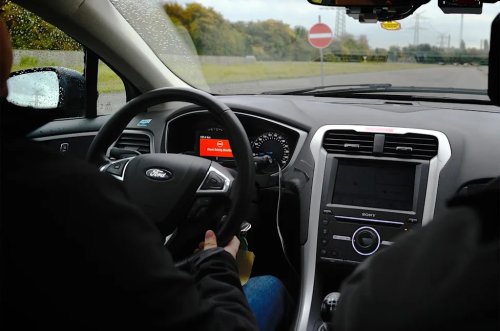
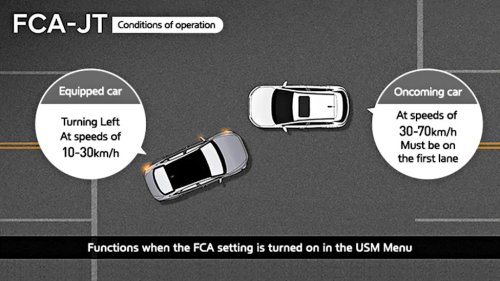


















10 Driver Assists Every New Car Should Haveryan lugo - MotorTrendTechnology has slowly and literally taken the wheel—and often the brakes—over the past two decades as advanced driver assist systems (ADAS), a.k.a. driver assists, have proliferated in modern vehicles. Using sensors such as radar, cameras, and sophisticated software, driver assists look out for potential hazards around a vehicle and are designed to spring into action to either prevent an accident or mitigate injury and damage when a crash is unavoidable. Here are 10 of the top driver assistance features to look for in your next vehicle. One or more of them could end up saving you from damaging your car or worse.1) Forward Collision Warning with Automatic Emergency Braking (FCW/AEB)Photo credit: KiaForward collision warning uses cameras and radar to identify hazards ahead and alert drivers, and if they don't slow or stop in time, automatic emergency braking activates to stop or slow a vehicle to avoid an accident or reduce impact if a crash is inevitable. Most new and late-model vehicles include FCW/AEB systems, as 20 automakers voluntarily committed in 2019 to add low-speed AEB to almost all new passenger vehicles by September 2022, and the feature has been mandated by NHTSA to be standard equipment by September 2029. The federal mandate also requires FCW/AEB systems to detect pedestrians, and some systems have been enhanced with cyclist and large animal detection to help avoid, say, hitting a deer.2) Lane Departure Warning/Lane Keep Assist (LDW/LKA)Photo credit: VolvoLane departure warning uses cameras to alert drivers when they stray outside of their lane and has proliferated on passenger vehicles since the early 2000s. It was soon followed by lane keep assist, which adds automated steering and braking to keep the car between the stripes. Most allow a driver to choose to get warnings only, automated steering and braking only, or both. Some LDW/LKA systems are more sensitive to react than others, and some so aggressively steer that it can feel like they're wrestling the driver for control of the steering wheel. But many systems permit fine-tuning alert sensitivity as well as the level of active automated steering and braking and allow switching the feature off.3) Blind-Spot Monitoring (BSM)Photo credit: MotorTrendBlind-spot monitoring uses cameras and sensors to alert drivers when another vehicle is in an adjacent lane in the driver's blind spot. All issue an audible alert, while some add a flashing light on the exterior side mirrors to signal to drivers that a vehicle is in their no-see-'em zone. Hyundai and Kia's blind-spot view monitor system shows a view alongside the vehicle from a camera on a small screen in the digital instrument panel when a turn signal is activated.AdvertisementAdvertisementSome Hondas with the company's earlier LaneWatch system use a camera on the bottom of the passenger-side exterior mirror to show a view of the right-side lane on the vehicle's dashboard screen when the driver activates the right-turn signal or a button on turn-signal stalk. An advanced variant known as blind-spot assist, like lane keep assist, will automatically apply braking or steering to keep the vehicle in its lane if the driver attempts to change lanes when another vehicle is in a blind spot.4) Rear Cross-Traffic Alert (RCTA)Photo credit: NissanRear cross-traffic alert is often bundled with BSM and uses sensors and cameras to indicate if another vehicle or object is behind the host vehicle. RCTA comes in handy when a driver needs to back out of a parking spot into oncoming traffic, with the system issuing alerts when vehicles are approaching. An add-on to RCTA is backup collision prevention system that automatically applies the brakes when an object is detected and the driver doesn't stop backing up.5) Driver Monitoring Systems (DMS)Photo credit: VolvoDriiver monitoring systems typically use an infrared interior camera to look for signs of driver distraction or fatigue and issue a warning if certain conditions are detected. To help reduce drunk-driving accidents, Congress passed a law in 2021 mandating that DMS would be included on all new passenger vehicles starting in 2026 to "passively monitor the performance of a driver of a motor vehicle to accurately identify whether that driver may be impaired." The mandate is currently delayed due to privacy and political concerns. Still, vehicles from Subaru, Toyota/Lexus, Rivian, and others now include DMS, and hands-free highway driving systems such as General Motors' Super Cruise and Ford's Blue Cruise use the technology to help ensure drivers are paying attention to the road while the features are engaged.6) Lane CenteringPhoto credit: MotorTrendLane centering is a small step above lane keep assist and a big step below hands-free highway driving systems. Like LKA, it keeps a car between the stripes on the highway, but it goes a step further by centering the vehicle in the lane. It works in conjunction with adaptive cruise control to provide semi-automated driving and can even automatically steer through gentle turns at highway speeds. But unlike with hands-free highway driving systems, if the system detects a lack of pressure or inputs to the steering wheel for more than a few seconds, it issues a warning, and if that warning is ignored, the feature is deactivated.7) Surround-View CamerasPhoto credit: InfinitiAdvertisementAdvertisementRearview cameras are now mandated for all new passenger vehicles and are designed to help drivers avoid backing into objects, but a surround-view camera gives the driver a comprehensive view around a car, primarily to better aid in maneuvering the car into and out of tight spaces. Some add a bird's-eye feature that shows a perspective from above the vehicle, while others offer a view that rotates around the vehicle.8) Automatic High-BeamsPhoto credit: ManufacturerAutomatic high-beams first became available when General Motors introduced a feature called Autronic Eye way back in 1952 that used a dash-mounted phototube sensor to detect the high-beams of oncoming cars. It then dimmed the car's high-beams and switched them back on after the car passed by. It never caught on at the time, but in the last few years it has been perfected using a car's front-facing camera and is now common on many cars. Besides the safety aspect of not blinding drivers with high-beams, it's also a convenience feature because it dims the headlights when better lighting is available, say in an urban setting.9) Evasive Steering AssistPhoto credit: MotorTrendEvasive steering assist works in tandem with FCW/AEB and to date is in limited use on models primarily from Ford/Lincoln, Mercedes-Benz, and Volvo. When it detects an object in a car's path and an impending collision, in addition to issuing a warning and applying the brakes, it adds steering torque as the driver turns the wheel to try to avoid a crash. The car does not steer on its own, and the driver must first turn the steering wheel for the assist to initiate.10) Junction Turning AssistPhoto credit: StellantisJunction turning assist is another extension of FCW/AEB, and like evasive steering, it's only available on a handful of vehicles at present. It's designed to detect oncoming vehicles when a driver is making a left turn across traffic, and if it senses a potential crash is imminent, it will warn the driver and then automatically apply the brakes to help prevent a collision.