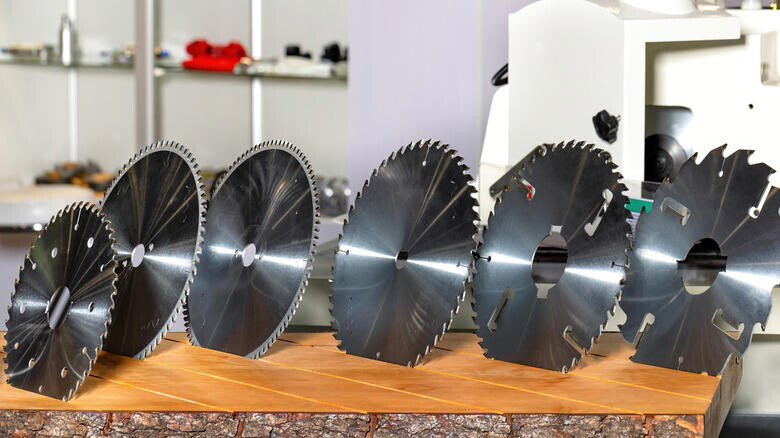
Lucas Wilson · 7 months ago@lucaswilson2676 circular saw tips beginner DIYers need to know Liked by+51 othersPost commentRelated PostsWhat You Need To Know Before Investing In A Carbon Fiber Motorcycle Helmet 65 · Kayla Mitchell · 1 months agoThe Truth About Worn Tires and Tire Replacement: This is What You Need to Know 20 · Ryan White · 1 months ago1972 Pontiac Grand Prix: Everything You Need To Know About This Classic Car 60 · Justin Leblanc · 1 months agoeBay Airbag Ban Starts September 24: What Owners And Buyers Need To Know 83 · Oliver Mitchell · 1 months agoWhat Non-Tesla Drivers Need to Know Before Using the Supercharger Network For the First Time 70 · Lily Clark · 1 months agoEverything You Need To Know About The 2027 Chevrolet Silverado 1500 84 · Morgan Scott · 1 months ago2027 Nissan Kicks: 5 Things You Need to Know 55 · Annabelle Lavoie · 1 months agoWant To Take Pictures Of Cars Well? This Is Everything You Need To Know To Get Started 39 · Zoë Nelson · 2 months agoOne of the Most Popular Cars in America Faces a Recall—Here’s What You Need to Know 60 · Zoë Clark · 2 months ago2027 Volkswagen Atlas Cross Sport: 5 Things You Need to Know 31 · Amelia Scott · 2 months agoIs The 1.6L EcoBoost A Good Engine? Here's What You Need To Know 22 · Zoë Labelle · 2 months agoPirelli Partners with Three Chemical Firms to Build a Circular Tire Chain 78 · Olivia Brown · 1 months agoUNIDO, CATL agree to cooperate on circular economy, advanced batteries 40 · Emma Walker · 2 months ago“Circular” Financing in AI & Big Tech 68 · Alexander Campbell · 2 months agoGSA 2026 | HRC Exhibits New Green Circular Product Brand 66 · Lily Johnson · 3 months agoCircularity Cuts Cost Of Making Sustainable Aviation Fuel From Bio-Methane 62 · Mia Fortin · 4 months agoReEconic concept pushes boundaries of circular economy in electric mobility 52 · Nathan Turner · 5 months agoWhat's The Easiest Type Of Car Paint For DIYers To Use?Liam Harris · 10 days agoWant A Brand-New 1967 Mustang? This DIYer Built One From Scratch 45 · Zoë Lee · 26 days agoThese Magnetic Parts Organizers Are on Sale for $16 at Amazon – And They’re Perfect for DIYers and Gearheads 45 · Matthew Moreau · 2 months ago




 +51 others