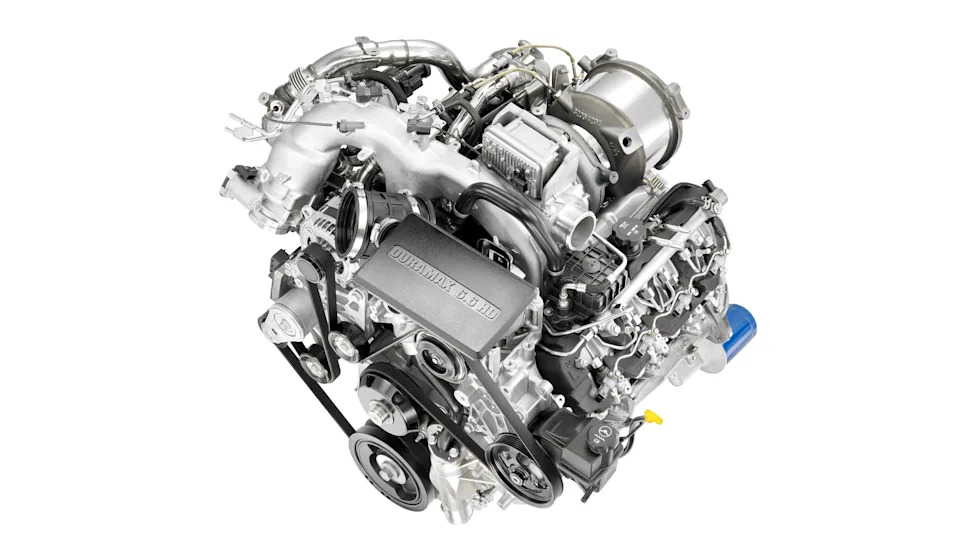
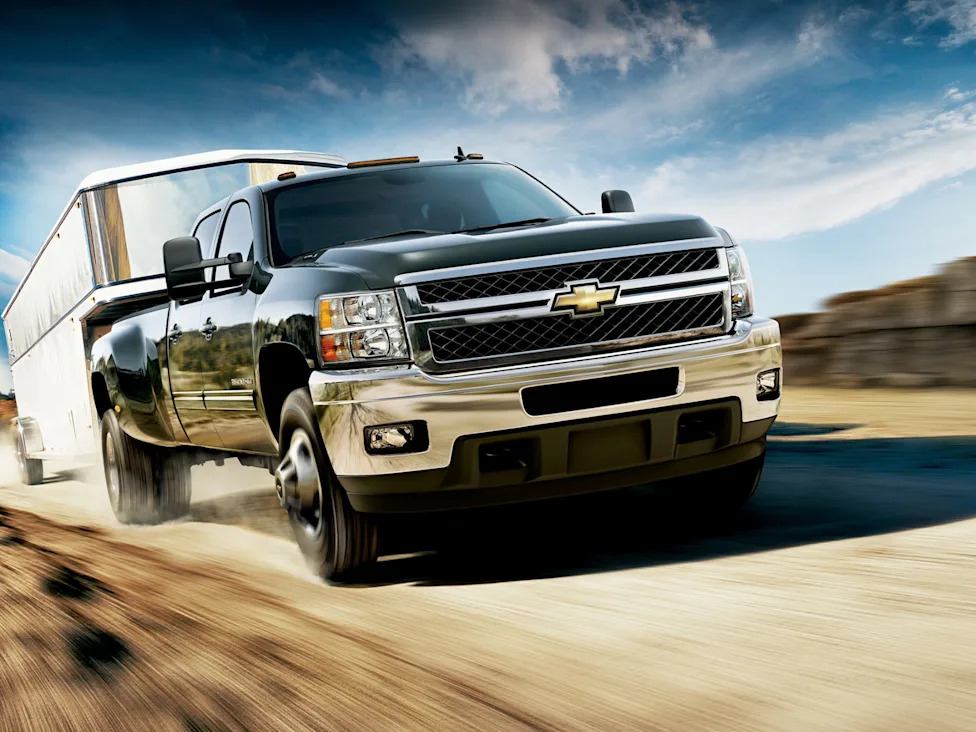
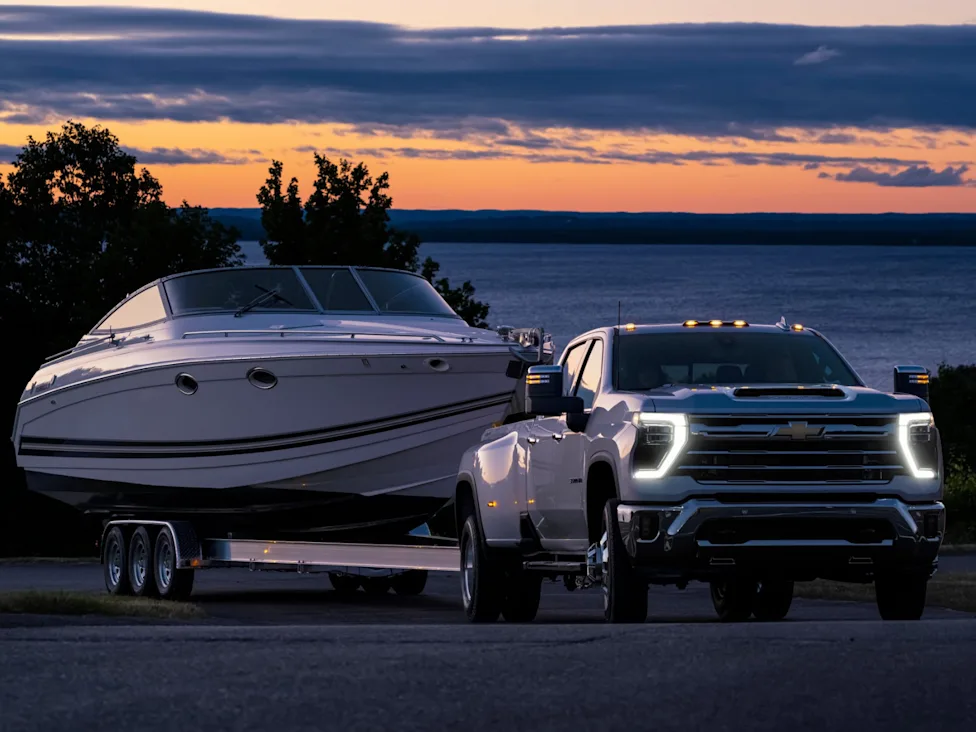
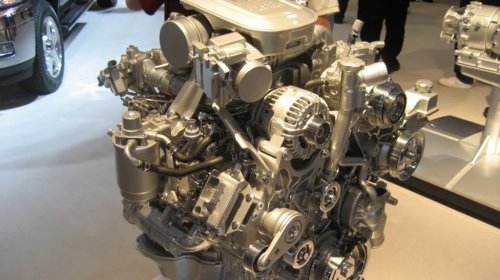
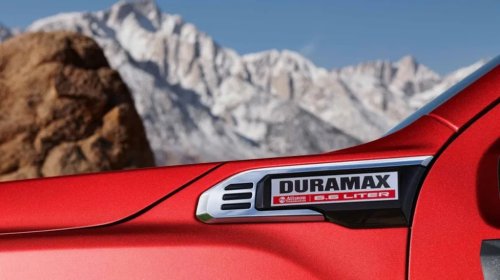
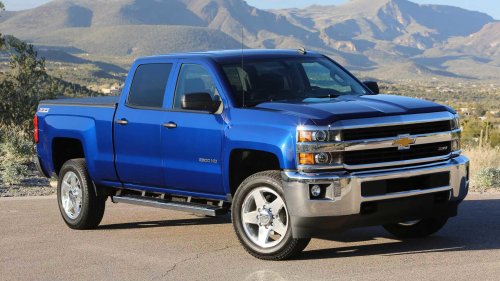
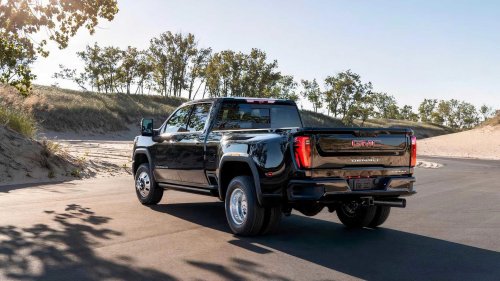
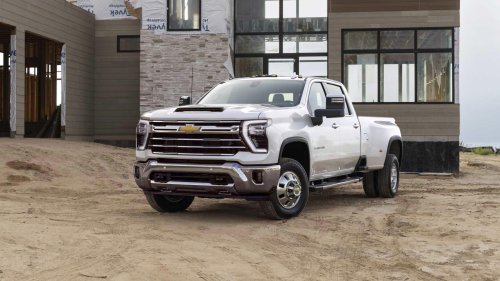
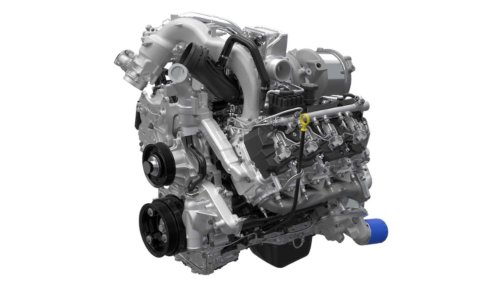
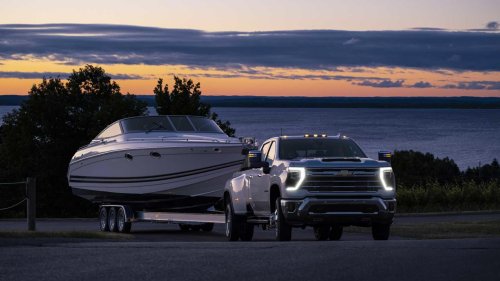
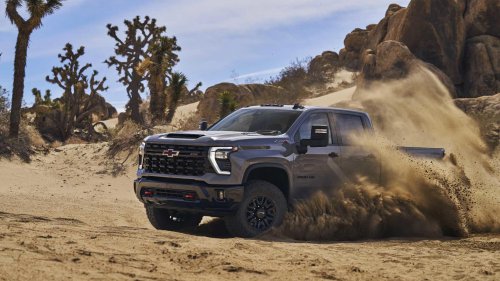
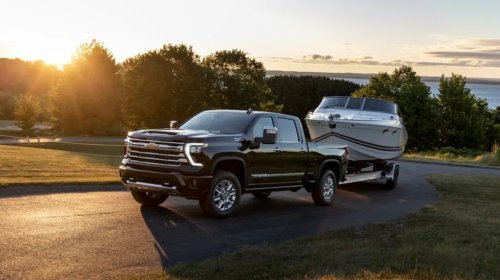
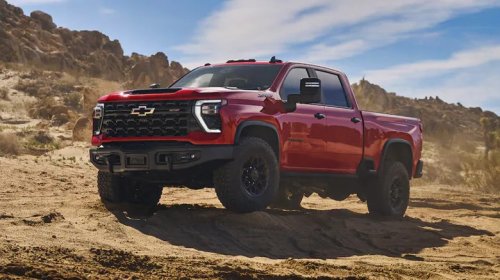
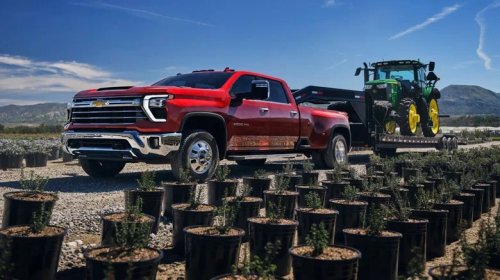
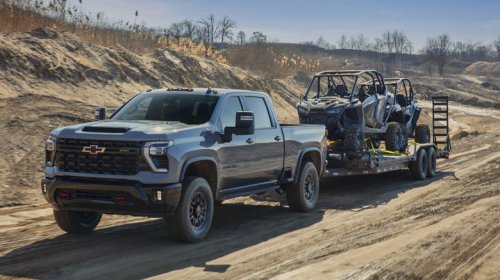
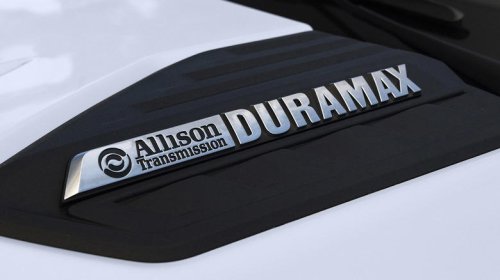
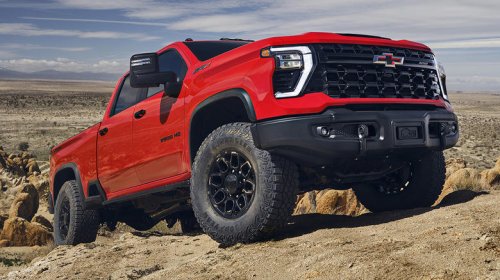
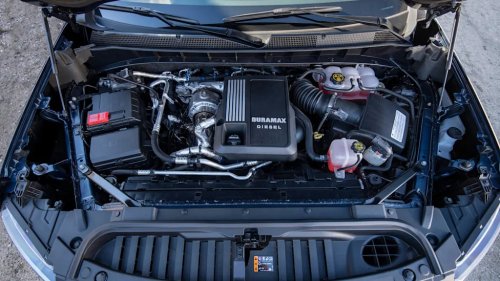
Autoblog and Yahoo may earn commission from links in this article.GM introduced the 6.6-liter Duramax V8 turbodiesel for the 2001 model year. Developed in partnership with Isuzu, this legendary powerplant brought common-rail direct injection to the heavy-duty segment. Combining massive low-end torque with big power and impressive efficiency, it revolutionized the heavy-duty pickup market.While light-duty diesels come and go, GM's 6.6L Duramax V8 has remained a staple for heavy-duty Chevrolet Silverado and GMC Sierra HD trucks for more than two decades. To evaluate its place in the diesel truck world, we examine the mechanical advancements, driving dynamics, and long-term reliability of this heavy-duty workhorse.The 6.6-liter Duramax In DetailChevroletView the 2 images of this gallery on the original articleVariantProduction YearsOutputsKey Mechanical ChangesLB72001–2004300 hp / 520 lb-ftAluminum heads, Bosch common-rail injection, wastegated turboLLY2004.5–2005310 hp / 605 lb-ftVariable Geometry Turbo (VGT), external injectors, EGR introductionLBZ2006–2007360 hp / 650 lb-ftReinforced engine block, structural upgrades, paired with Allison 6-speedLMM2007.5–2010365 hp / 660 lb-ftDiesel Particulate Filter (DPF) added for stricter emissions controlsLML2011–2016397 hp / 765 lb-ftBosch CP4.2 fuel pump, selective catalytic reduction (DEF system)L5P2017–2023445 hp / 910 lb-ftRedesigned block, new fuel pump and VGTL5P (Revised)2024–Present470 hp / 975 lb-ftUpgraded turbo, revised combustion chamber, Allison 10-speed transmissionThe 6.6-liter V8 Duramax turbo diesel has been through several updates and changes, but at its core it uses a heavy-duty cast-iron block topped with high-flow aluminum cylinder heads. Paired through most of its lifecycle to an Allison automatic transmission, the powertrain provides linear power, and remarkable towing capability.AdvertisementAdvertisementInside the cabin, sound insulation and pilot-injection common-rail technology keep noise levels low. Real-world highway fuel economy frequently hits 17–20 MPG depending on axle ratios and truck configuration, providing a solid range while cruising.6.6-liter Duramax Reliability IssuesChevroletView the 3 images of this gallery on the original articleData from repair owners, forums and specialists show that while the 6.6L Duramax is generally a long-lasting engine capable of 300,000 to 500,000 miles, specific versions have certain mechanical weak points to be aware of:LB7 (2001–2004): Internal Injector FailuresThe LB7's fuel injectors are positioned internally under the valve covers. They are prone to internal cracking and leaking, leading to fuel dilution in the engine oil, white haze smoke at idle, hard warm starts, and premature engine wear. Replacing them is labor-intensive and expensive.AdvertisementAdvertisementLLY (2004.5–2005): Overheating & Head Gasket RiskWhile the LLY is largely similar to the LB7, it trades injector issues for a propensity to overheat when used for sustained heavy towing. Catching the problem early may mean just a head gasket replacement is necessary, but repeated overheating can lead to serious internal damage.LBZ & LMM (2006–2010): DPF CloggingThe LBZ is widely considered one of the most reliable 6.6 Duramax variants, and most issues tend to result from aggressive aftermarket tuning that can crack pistons under heavy load. The LMM is basically identical to the LBZ but introduced a Diesel Particulate Filter (DPF), which brings routine regeneration cycles and soot clogging risks if the truck is used primarily for short trips or frequent idling.AdvertisementAdvertisementLML (2011–2016): Fuel Pump FailuresThe LML switched to a new high-pressure injection pump and got strengthened internals which made it far more powerful. However the pump is sensitive to fuel quality and prone to water contamination. If it fails it can disintegrate internally, sending metal debris through the entire high-pressure fuel system. Replacing the contaminated injectors, fuel rails, lines, and tank often costs several thousand dollars.L5P (2017–Present): MAP Sensor Soot & Emissions SensorsGM replaced the problematic pump with a more robust system, eliminating catastrophic fuel pump disintegration. Reliability concerns on the L5P are generally minor, typically involving MAP sensor soot buildup (causing sluggish throttle and boost codes), water pump leaks, or DEF heater and NOx sensor faults.Which 6.6-liter Duramax Is The Best?ChevroletView the 3 images of this gallery on the original articleAdvertisementAdvertisementWhile the 6.6-liter Duramax platform delivers above-average reliability across the board, there are a few stand out variants that are preferred by owners for various reasons. Emissions equipment on later models can often shorten the lifespan of an engine, and be a major contributor to reliability issues, that is why the early LBZ (2006–2007) Duramax remains so popular. It avoids modern emissions hardware like DPFs and DEF, features strong factory internals, and pairs with the robust 6-speed Allison transmission.Of the more modern Duramax versions, the L5P (2017–Present) is a great choice. By this point had GM corrected previous issues with injectors, pumps, and head designs, while better incorporating emissions equipment. The L5P is also far more powerful than the earlier Duramax engines, while still delivering solid fuel efficiency.This story was originally published by Autoblog on Aug 29, 2026, where it first appeared in the Features section. Add Autoblog as a Preferred Source by clicking here.