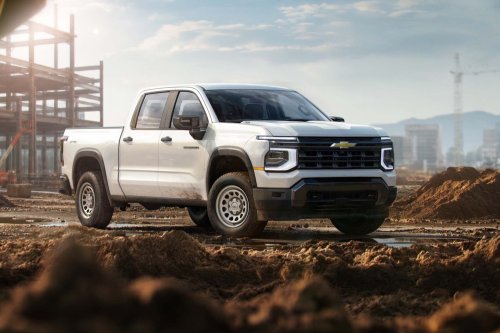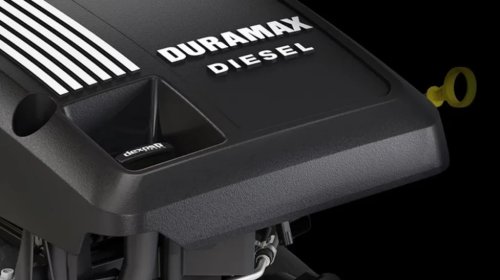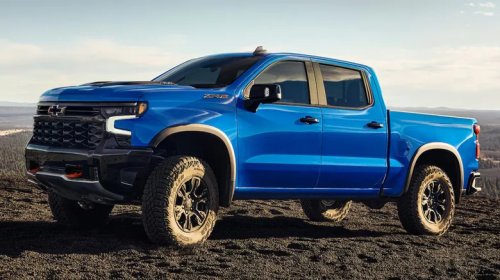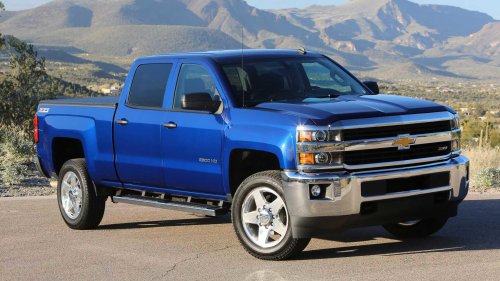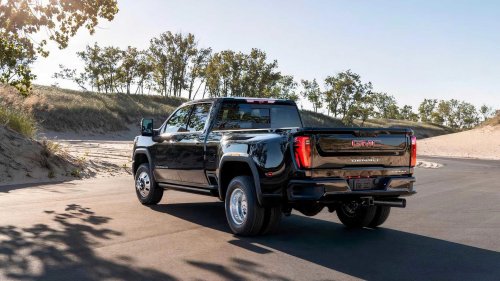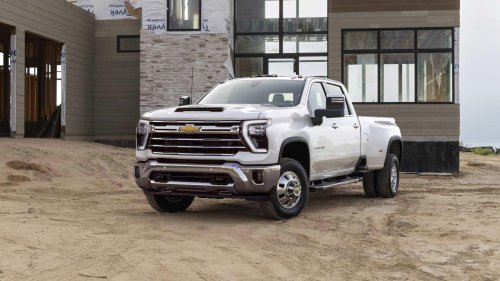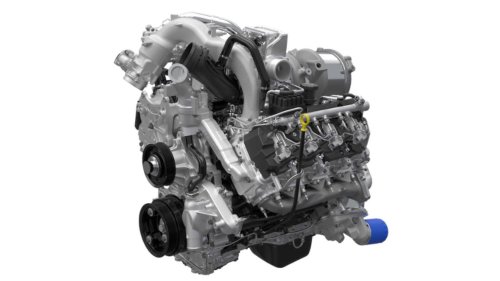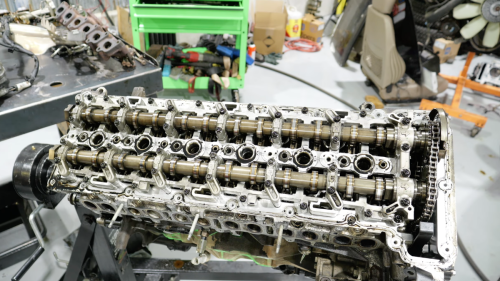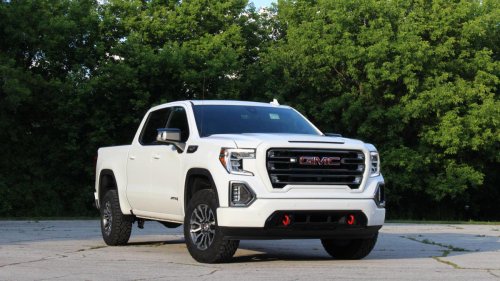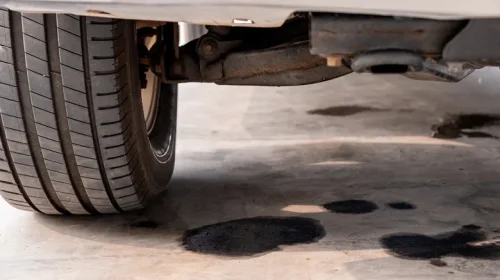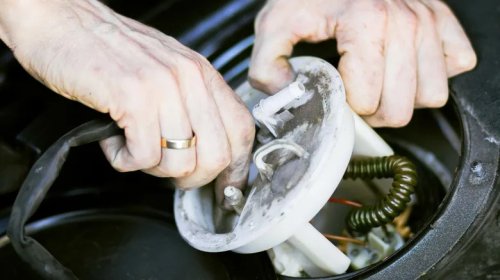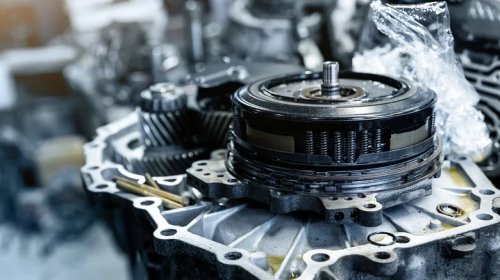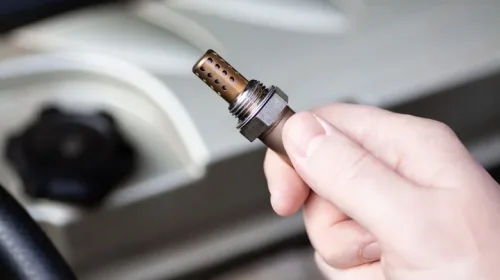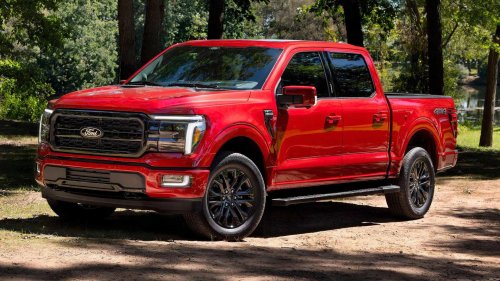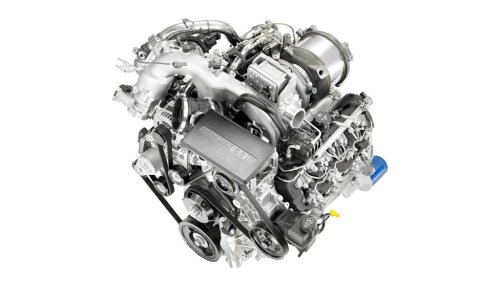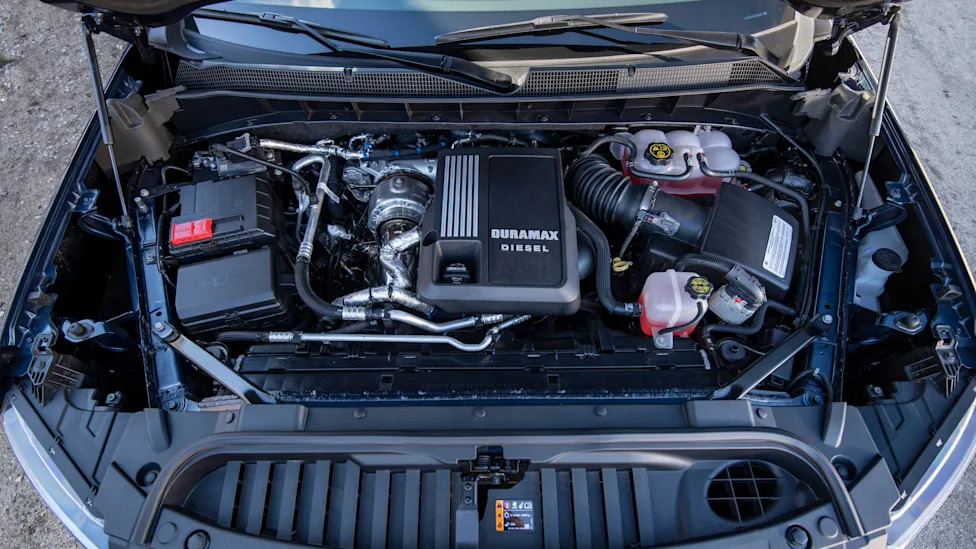
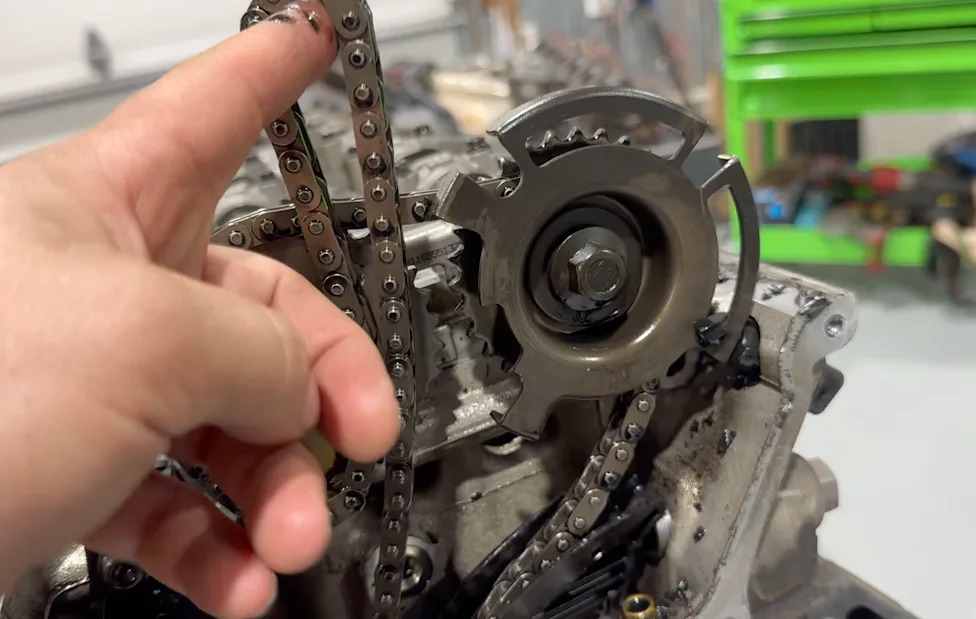




















Autoblog and Yahoo may earn commission from links in this article.When GM introduced the 3.0-liter Duramax turbodiesel for the 2020 model year, it filled an important role in GM's light-duty pickup and full-size SUV lineup. Thanks to modern tech and a focus on smooth power delivery, it was refined and powerful enough to persuade owners to seriously consider the fuel-efficiency benefits of a diesel powerplant over the popular gas-guzzling V8s.In a marketplace where competitors like Ford and RAM have phased out their light-duty diesels, GM's 3.0L inline-six is the last option for those wanting stump-pulling torque allied with impressive economy. To see whether it is still a relevant choice in today's competitive market, we examine the mechanical advancements, drivability, and long-term reliability records of this oil-burner since its introduction.The Duramax 3.0ChevyView the 3 images of this gallery on the original articleGM Duramax 3.0Common ModelsChevrolet Silverado 1500, GMC Sierra 1500, Chevrolet Tahoe, Chevrolet Suburban, GMC Yukon/Yukon XLProduction YearsLM2 generation: 2020–2022LZ0 generation: 2023–PresentEngine3.0-liter turbocharged inline-six dieselPowerLM2: 277 hpLZ0: 305 hpTorqueLM2: 460 lb-ftLZ0: 495 lb-ftFuel Economy (EPA)24 MPG City / 31 MPG Hwy (2WD truck models)21 MPG City / 27 MPG Hwy (Full-size SUVs)The 3.0-liter Duramax uses a turbocharger and an inline-six architecture built around an aluminum block with iron cylinder sleeves and forged steel crankshaft and connecting rods. Paired exclusively with GM's 10-speed automatic transmission, it ofers linear power delivery with an impressively low amount of turbo lag, masked partially by the transmission's closely-spaced ratios.AdvertisementAdvertisementMechanical update: from LM2 to LZ0For the 2023 model year, GM overhauled the original LM2 motor, introducing the upgraded LZ0 generation. Technical improvements included an upgrade from cast aluminum pistons to steel pistons with a revised combustion bowl, allowing higher combustion pressures. It was fitted with a retuned variable-geometry turbocharger (VGT), higher-pressure fuel injectors, and enhanced thermal management controls.GM also updated the service interval for the upgraded wet oil-pump drive belt from 150,000 miles on the LM2 to 200,000 miles on the LZ0. While being newer certainly helps, owners feel that the updated LZ0 is more reliable as a result of these changes.Drivability and Real-World EfficiencyAdvertisementAdvertisementOwner feedback highlights the powertrain's refined driving dynamics. Unlike traditional noisy diesels, the 3.0L Duramax diesel operates with minimal noise, vibration, and harshness (NVH). Owners consistently report real-world economy figures that frequently surpass EPA fuel economy estimates during long-distance cruising. The instant availability of low-end torque makes towing mid-sized trailers, boats, and campers effortless compared to higher-revving gas V8s.Duramax 3.0 Reliability – What Goes Wrong?I Do Cars/YouTubeView the 3 images of this gallery on the original articleData from reliability studies, owner feedback and enthusiast communities suggest that the 3.0L Duramax is generally a durable engine platform. However, like any modern emission-compliant diesel, there can be a few issues that may crop up, and below are some of the most common problems and service issues as identified by mechanics and owners:Rear Main Oil Seal LeaksAdvertisementAdvertisementPremature weeping at the rear main crankshaft seal can cause rapid oil loss, threatening severe internal damage if unnoticed. GM released an updated rear main seal and gasket housing package to solve this issue.Wet Oil-Pump Belt ReplacementGM used an oil-submerged belt at the rear of the engine to enhance refinement. Retaining this belt past its replacement threshold (150,000 miles for LM2; 200,000 miles for LZ0) risks belt failure and immediate loss of oil pressure. While the belt costs between around $300, budget $1,500–$3,000 for labor as the transmission needs to be removed to do the job.Diesel Particulate Filter (DPF) Regeneration & Idling IssuesAdvertisementAdvertisementExcessive idling prevents the exhaust from reaching temperatures required to burn off soot in the Diesel Particulate Filter (DPF), leading to clogged filters, warning lights, or limp mode. Aside from this potential issue, the DPF regeneration process is automatic and if the cycle is interrupted when turning off the ignition, the system simply resumes on the next drive. Periodic drives at highway speeds keep the DPF clear and your engine functioning normally.Diesel Exhaust Fluid (DEF) Usage Spike Under TowingDiesel Exhaust Fluid (DEF) usage is usually negligible during daily driving, requiring topping up only after several thousand miles. However, some owners have noticed that consumption rises rapidly when pulling heavy loads. It is advisable to carry extra cans of DEF on long towing runs to keep the system topped up and avoid any issues.Cold-Weather Starting & IdlingAdvertisementAdvertisementDiesels are more sensitive to cold weather than gas engines. Sub-zero temperatures can trigger brief glow-plug delays and initial rough idling on cold starts. If you live in an area that experiences extremely cold winter months, plugging in the factory block heater will help the engine turn over.If you are looking at a truck or SUV with the early LM2 engine (2020-2021), some had an issue where they would fail to start due to a camshaft trigger wheel that can become warped or go out of alignment with the timing chain. GM issues a Technical Service Bulletin (TSB) that required dealers to replace the camshaft and trigger wheel assembly and re-flash the ECM software.The Durable DuramaxGMGM's Duramax has proven to be a solid and reliable engine and continues to offer an enviable blend of torque and economy that V8s and turbocharged gas V6 engines just can't match.While there are some servicing and reliability concerns to be aware of, many of the abovementioned issues aren't unique to the Duramax diesel, and most are easily avoidable with a slight adjustment in driving style and ensuring that all recalls, and service bulletins have been carried out. A diesel may never have the allure or sound of big old V8, but for everyday driving, it certainly makes a lot of sense.AdvertisementAdvertisementThis story was originally published by Autoblog on Aug 31, 2026, where it first appeared in the Features section. Add Autoblog as a Preferred Source by clicking here.