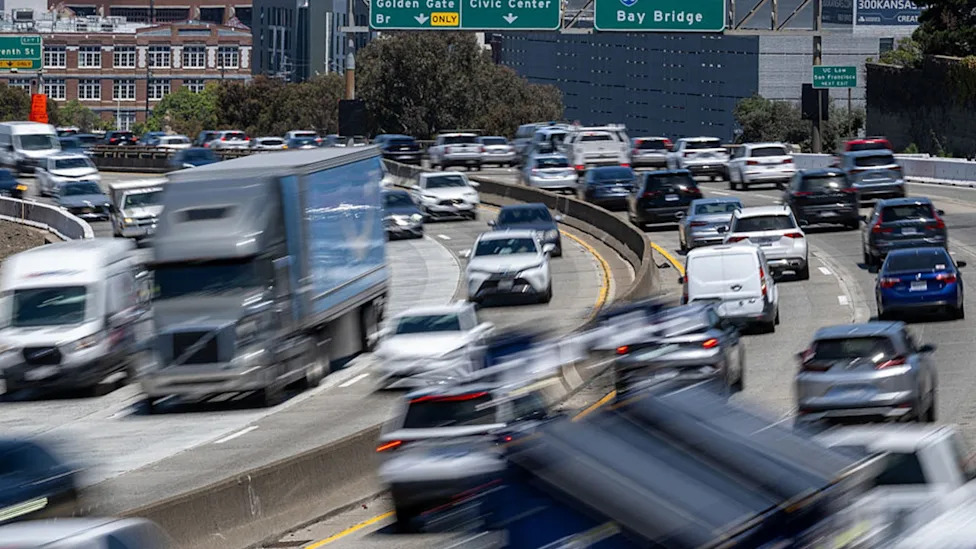
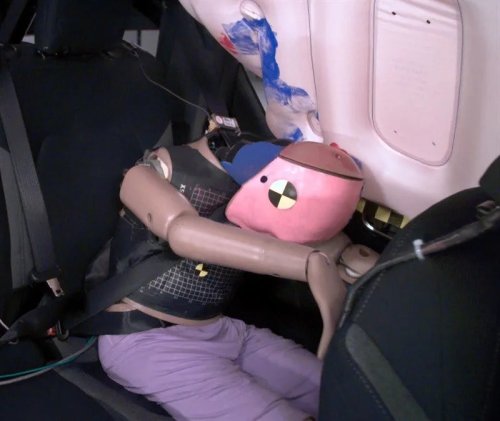

















For drivers, where you live can make a big difference in how much you spend, how long you sit in traffic and how safely you get from one place to another.A new ranking from WalletHub, a personal fiance website, compared 100 of the country's largest cities using 30 measures covering driving costs, traffic, infrastructure, safety and access to vehicles and maintenance.The ranking comes as driving remains a major part of daily life in the United States. According to WalletHub, 87% of daily trips take place in personal vehicles. Drivers spend nearly 370 hours on the road each year, while congestion costs the average driver about $894 annually in wasted time and fuel, WalletHub reported.WalletHub Analyst Chip Lupo said cities that perform well for drivers tend to combine lower ownership costs with shorter commutes, less congestion, better roads and stronger safety records.Here is a ranking of the best and worst U.S. cities to drive in.More news: These are the 10 safest states in America, new report says1 / 7These are the safest small cars of 2026.The interior shot of the 2025 Ford Bronco crash test dummy during Insurance Institute for Highway Safety testing. Forty-five cars and SUVs qualified for 2026 Top Safety Pick+ designations, which is the highest award from the group that represents the insurance industry.10 best cities to drive inScottsdale, ArizonaBoise, IdahoFort Wayne, IndianaLincoln, NebraskaCorpus Christi, TexasRaleigh, North CarolinaLubbock, TexasLexington-Fayette, KentuckyJacksonville, FloridaWinston-Salem, North CarolinaScottsdale took the top spot with a score of 63.32. It ranked especially well for traffic and infrastructure, placing second among all 100 cities in that category. It also had the fifth-lowest accident likelihood compared with the national average and relatively low vehicle ownership costs.Boise, which ranked second overall, was particularly strong on safety. WalletHub found it had the lowest accident likelihood, the lowest percentage of uninsured drivers and the seventh-lowest traffic fatality rate. It also had the lowest average car insurance premium in the study.Fort Wayne ranked third and was the cheapest city for gas. Drivers there spent an average of 16 hours a year in congested traffic, the sixth-lowest amount among the cities studied.10 worst cities to drive inSan Francisco, CaliforniaBaltimore, MarylandSeattle, WashingtonOakland, CaliforniaChicago, IllinoisDetroit, MichiganNew York, New YorkLos Angeles, CaliforniaWashington, D.C.Philadelphia, PennsylvaniaPhiladelphia ranked last with a score of 36.35. It placed 96th for traffic and infrastructure and 95th for safety.Washington, D.C., ranked 99th overall, followed by Los Angeles, New York and Detroit. Several of the country's largest cities performed poorly because of traffic and infrastructure challenges. New York ranked last in the traffic and infrastructure category, while Chicago ranked 99th.Detroit had the lowest safety ranking among the 100 cities, helping push it to No. 96 overall. Baltimore also struggled with safety, ranking 97th in that category.Traffic and weather stand outThe differences between cities were particularly striking when it came to congestion. Lubbock had the fewest annual hours spent in congestion per auto commuter, while Chicago was among the cities tied for the most. WalletHub found that drivers in Chicago spent 14 times as many hours in congestion as those in Lubbock.Weather conditions also varied considerably. Las Vegas, Henderson and North Las Vegas tied for the fewest days with precipitation. Buffalo had the most, while Cleveland tied with Seattle for the second-most.The rankings show that a city's driving experience is shaped by more than traffic. WalletHub's methodology also considered expenses such as gas, insurance and maintenance, along with road quality, accident rates, vehicle theft, access to repair shops and other factors.Reporter Anthony Thompson can be reached at [email protected], or on X @athompsonUSAT.