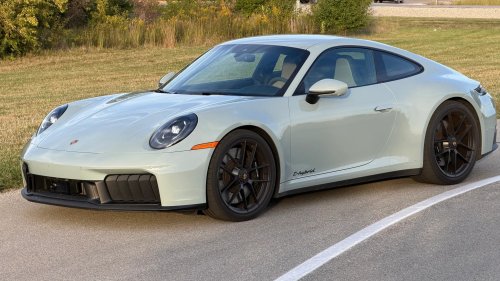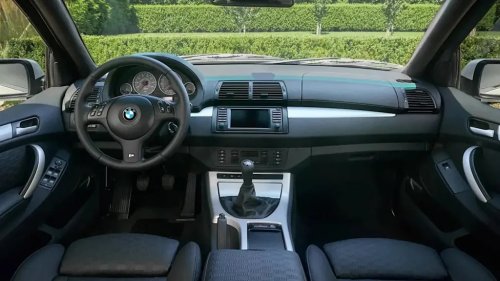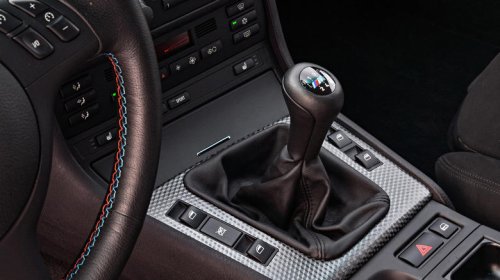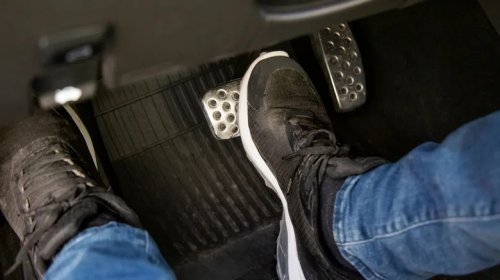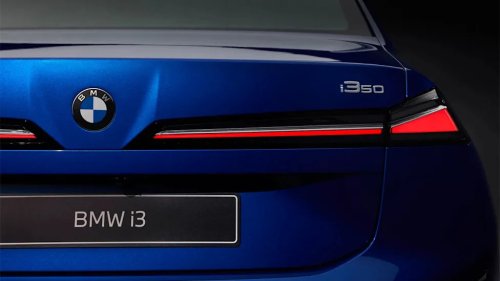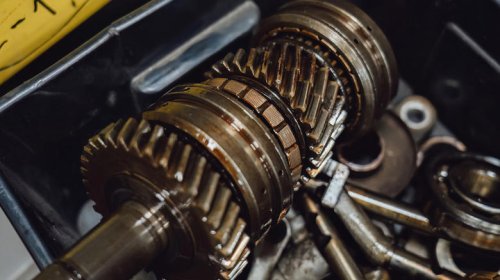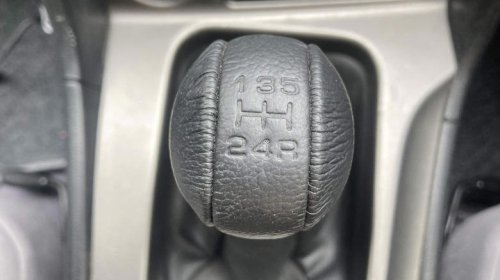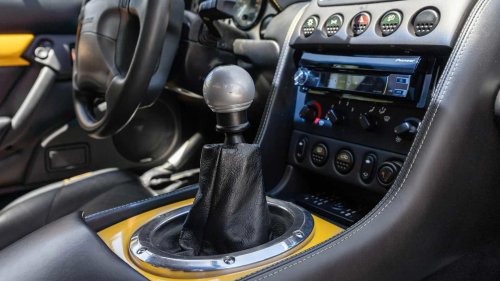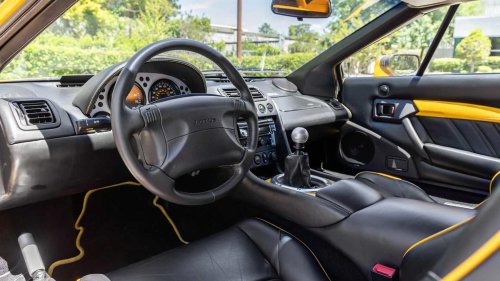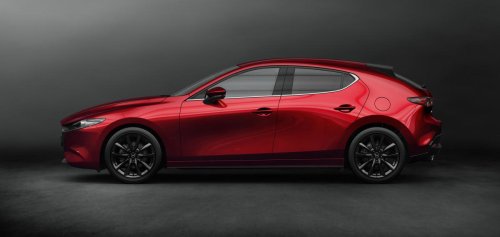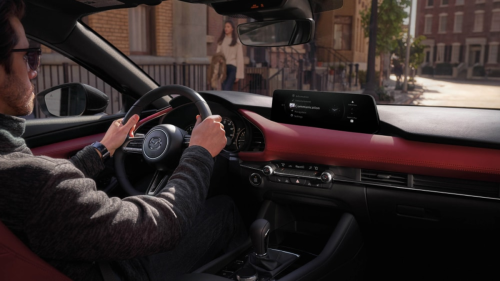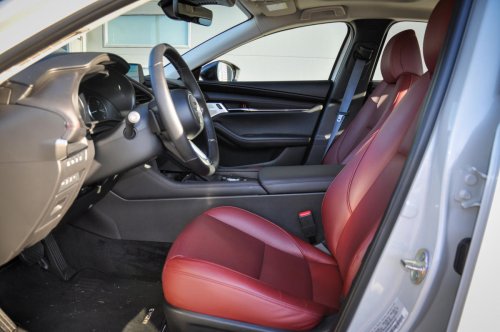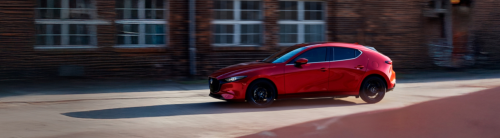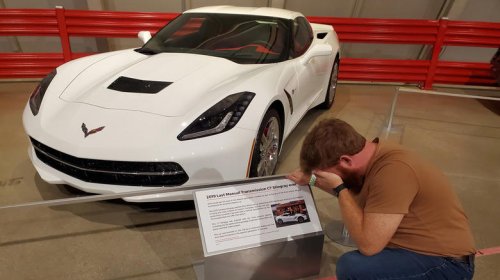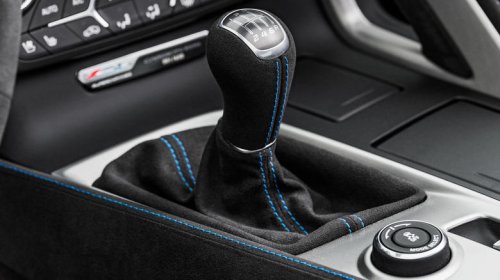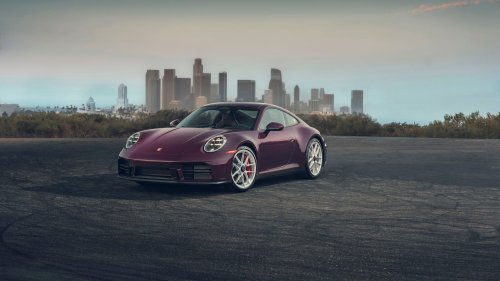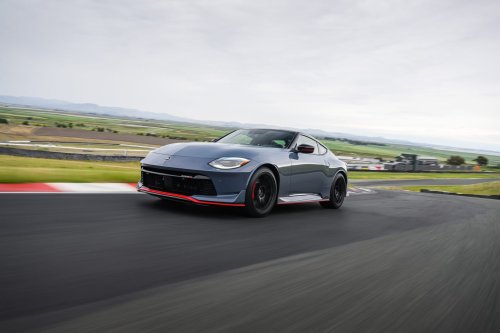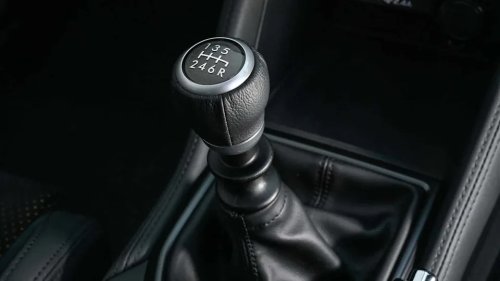
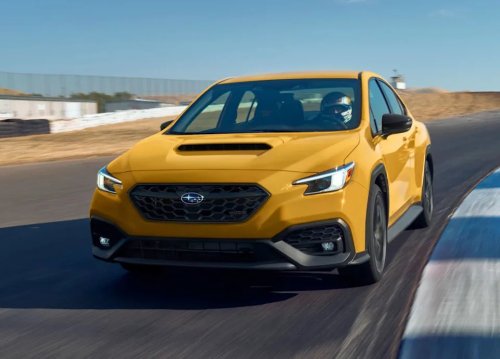
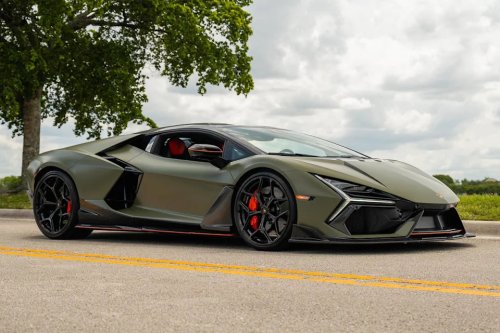
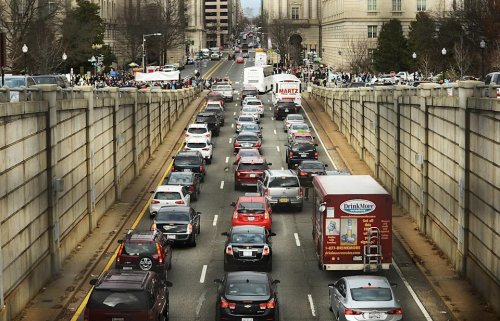
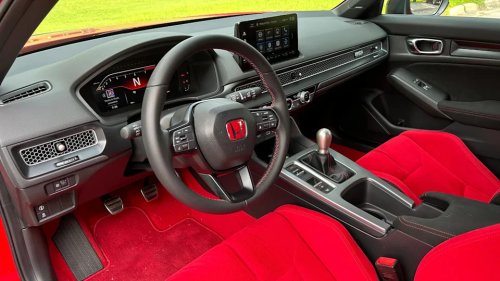



















4 Reasons The Manual Transmission Is DisappearingAutoblogJoseph PudlewskiWed, September 16, 2026 at 5:15 PM UTCAdd us on GoogleAutoblog and Yahoo may earn commission from links in this article.The manual transmission was the default gearbox for decades, but now the traditional stick shift is in a bit of a crisis. While learning to operate a clutch, select gears, and control throttle was once a basic part of driving, finding a new vehicle with a third pedal can be a true challenge these days. The decline of the manual transmission can't be attributed to any single automotive development, though. Rather, it's a combination of factors that have essentially created a perfect storm, one that threatens to wipe the manual transmission from the face of the industry for good.Subaru1. Automatic transmissions have improved dramaticallyManual transmissions were the sole gearbox for decades, but the advent of the automatic transmission marked the beginning of the end of the third pedal. In the early days, automatic gearboxes raised the bar as far as convenience went, but they had several massive downfalls.SubaruEarly automatic gearboxes were largely associated with lackluster acceleration and inefficient gear changes. That's not to mention that every driver was coming from the engaging driving experience of a manual transmission, and automatics were anything but.AdvertisementAdvertisementFor better or worse, modern automatic transmissions are leaps and bounds better than their early predecessors. Advances in automatic gearboxes allow the system to shift extremely quickly, with dual-clutch transmissions changing gears in fractions of a second. Continuously variable transmissions (CVT) are highly sophisticated and capable of keeping the engine within the most efficient part of its power band.Bring a TrailerAs the disadvantages behind automatic transmissions disappeared, the gearbox became more popular among drivers who sought convenience and fuel economy over engagement. Today, even the most renowned track-ready models like the Porsche 911 and Lamborghini Revuelto come with dual-clutch automatic transmissions to maximize performance.Thinking about selling your car? Get an instant cash offer online now. Click here to get started.2. Consumer demand has shifted over timeFor many drivers, repeatedly pressing the clutch and switching gears has become an inconvenience, leading to a shift in demand. The modern automatic transmission offers a higher level of convenience, especially for those who spend significant time on congested highways and in urban traffic. It can be especially tiring for drivers who don't have a nostalgic attachment to a manual gearbox.As automatic transmissions became more popular, fewer new drivers learned how to drive a stick. The drop in market demand has made it particularly difficult for automakers to continue to justify developing and certifying a manual transmission for an extremely small minority of buyers. Not only that, but when a manual transmission is offered, few buyers actually line up to get behind the wheel.3. Emissions regulations have grown more stringentEmissions and fuel economy regulations have essentially changed the direction of the automotive industry. Automakers are required to meet specific targets and often need to optimize every part of a vehicle's powertrain to do so.Zac PalmerAn automatic transmission controls gear selection and shifting electronically, allowing manufacturers to essentially program the transmission to select the most efficient gear in a specific moment. Manual transmissions leave the driver in control, and while a third-pedal vehicle isn't necessarily inefficient in the hands of a skilled driver, manufacturers need to account for all driving styles. Electronically controlling the transmission offers automakers greater consistency in optimizing the powertrain to meet standardized testing requirements.Shopping for a new car? Click here to get a great deal on your next vehicle. Powered by Carvana, no haggle pricing, 100% online.4. Electrification has made the manual transmission even more datedWhile the previous points have certainly led to a decline in the manual transmission's popularity, electrification threatens to make it extinct. Most, if not all, EVs don't utilize a multi-speed transmission. Electric motors are capable of providing instant torque at low speeds. As a result, almost every modern EV comes equipped with a single-speed transmission.Cars & BidsAdvertisementAdvertisementOn the hybrid side of the equation, powertrains utilize electric motors in tandem with electronically-controlled engines and transmissions. Porsche, for example, plans to keep the manual gearbox around until it's all but banned. Notably, however, their current hybrid powertrains can't be mated to a stick shift.While there have been efforts by some automakers to incorporate simulated manual transmissions in EVs, they've largely been met with mixed feelings from drivers. On top of that, these systems are designed to reproduce the experience of shifting rather than require it. As electrification takes hold of the automotive industry, the manual gearbox is likely to vanish for good.HyundaiFinal thoughtsThe disappearance of the manual transmission will hit enthusiasts hard, but as for the automotive industry as a whole, it's doubtful most drivers will notice, or even care. The manual's fall in popularity is a result of a shift towards convenience, efficiency, and electrification.MazdaThe manual transmission won't disappear overnight, but fade into the background. It has already become relegated to a deliberate choice by drivers rather than the industry standard. It's only a matter of time before it's gone for good. What was once a necessity in driving has become an enthusiast feature and a specialized skill. As electrification continues to take hold and reshape the industry, the manual transmission will eventually become little more than a symbol of a bygone era of driving.AdvertisementAdvertisementDisclaimer: Autoblog aims to feature only the best products and services. If you buy something via one of our links, we may earn a commission.This story was originally published by Autoblog on Sep 16, 2026, where it first appeared in the Features section. Add Autoblog as a Preferred Source by clicking here.