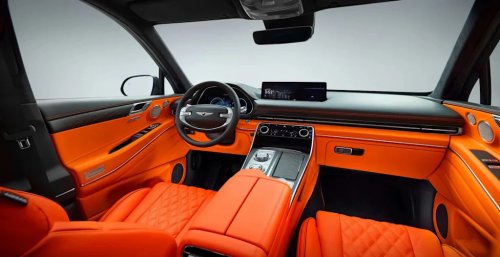
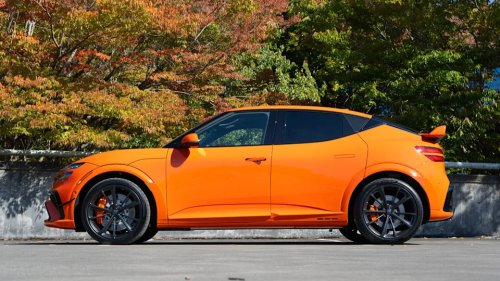
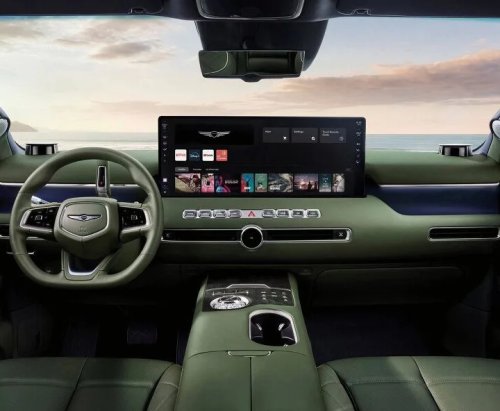
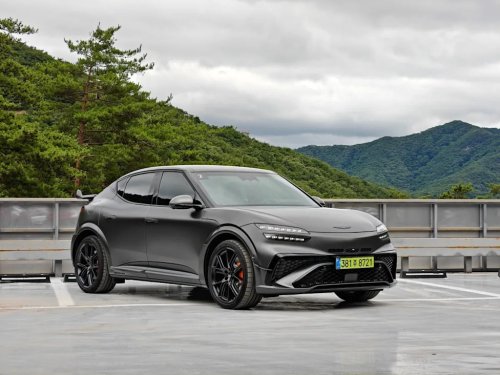
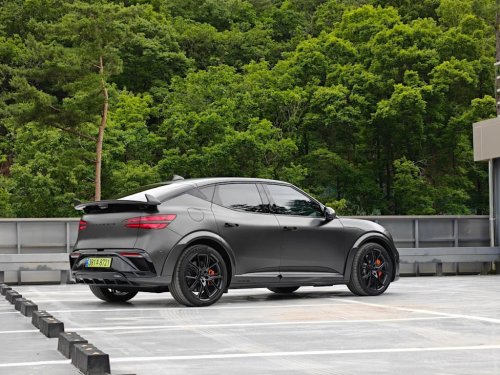
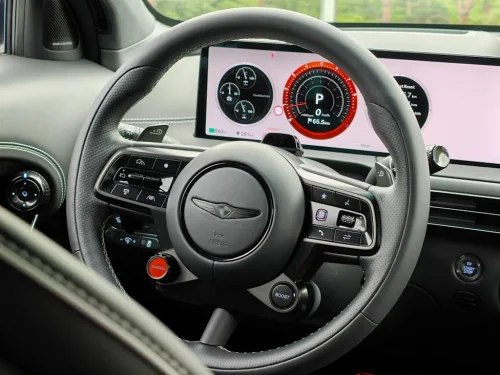
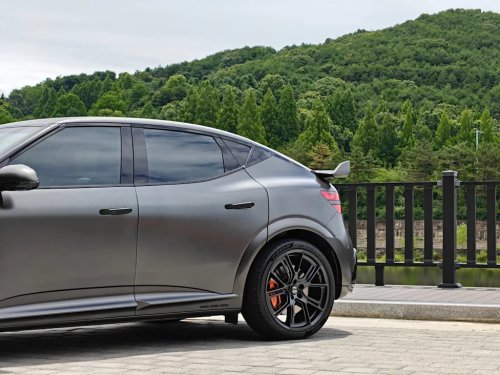
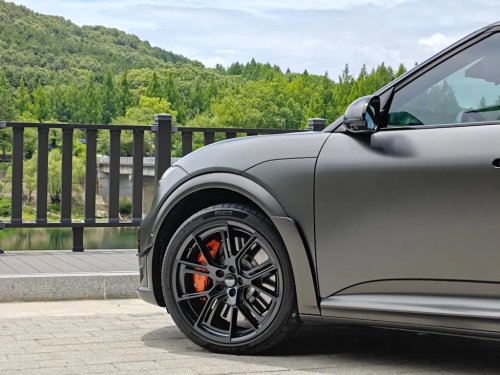
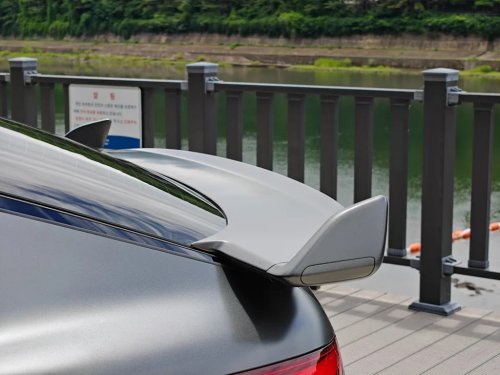
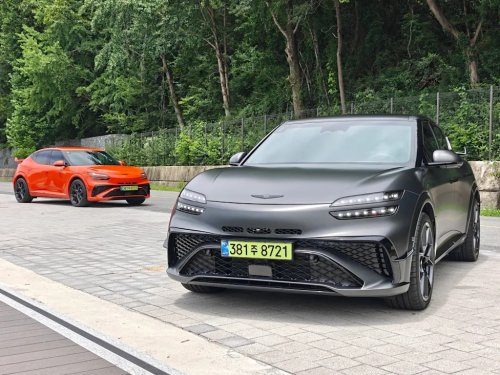
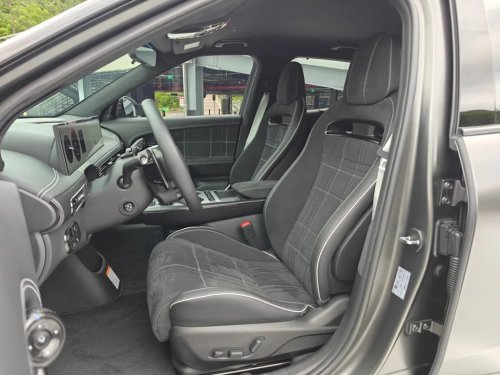
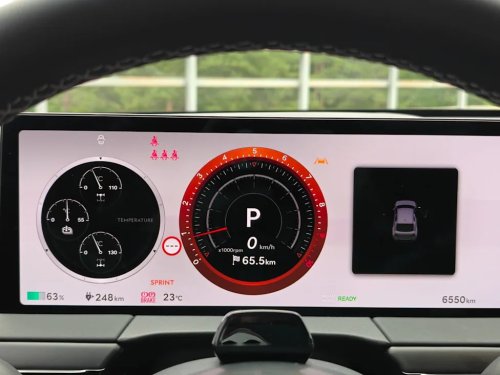
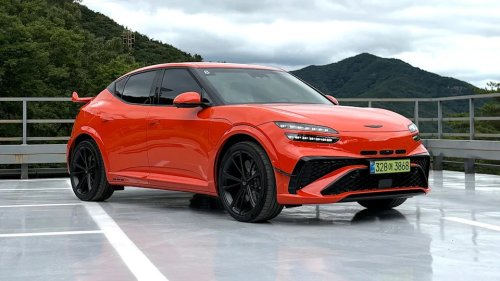
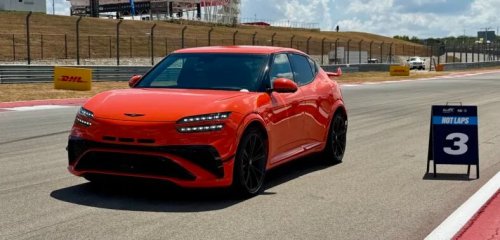
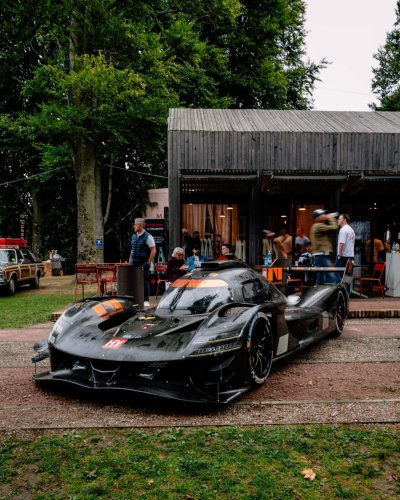
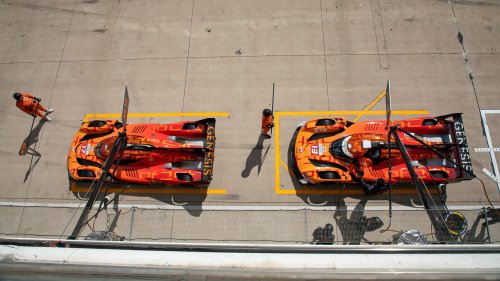
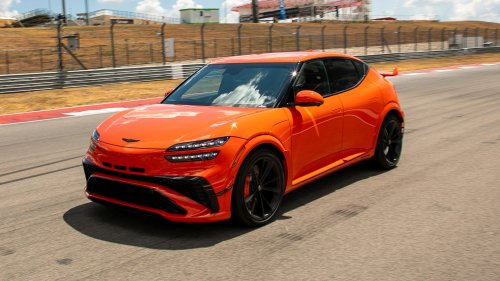
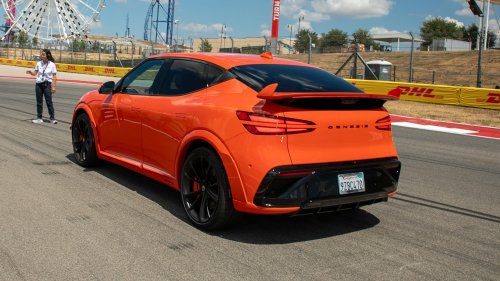
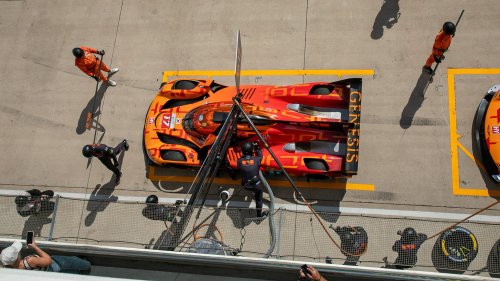
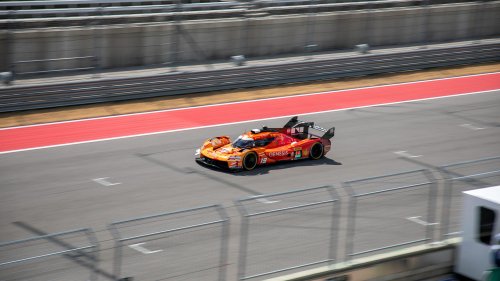
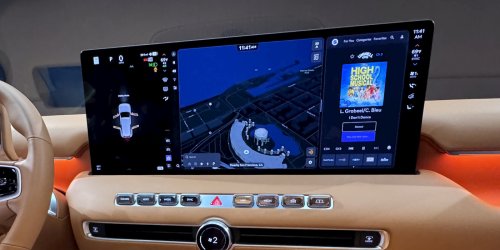
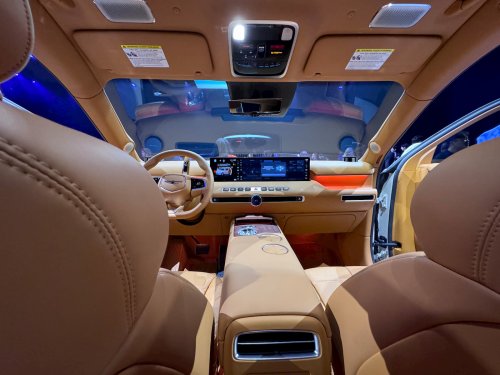
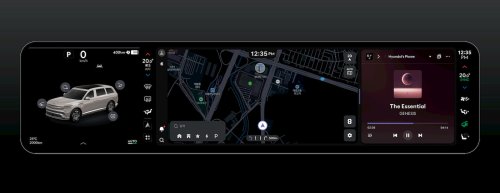
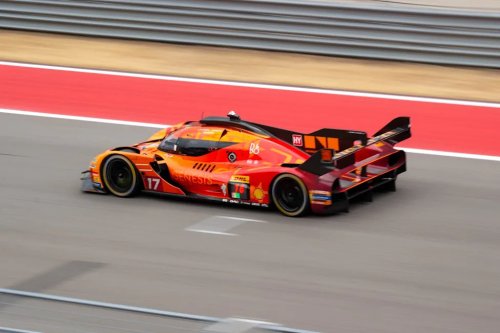
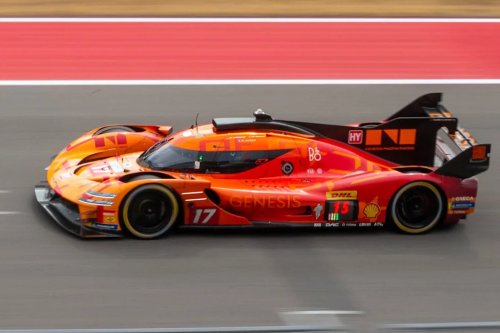
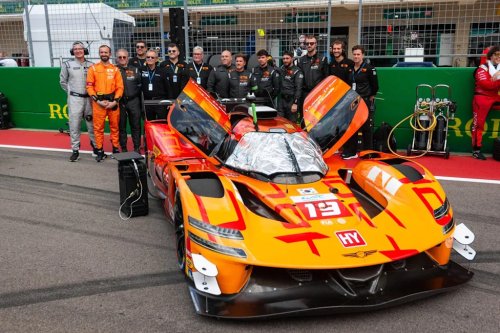
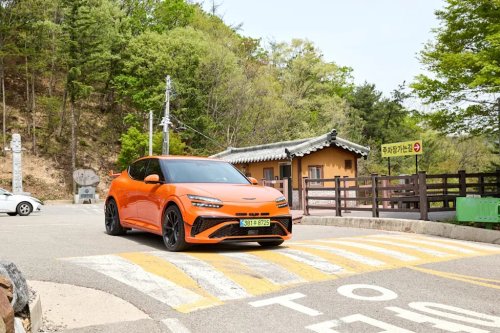
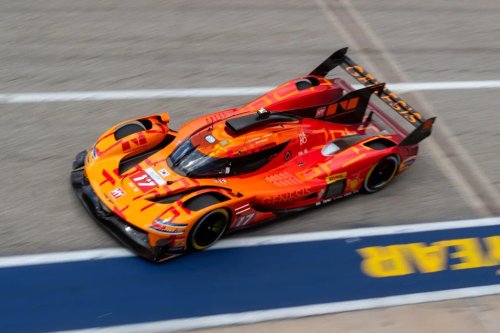
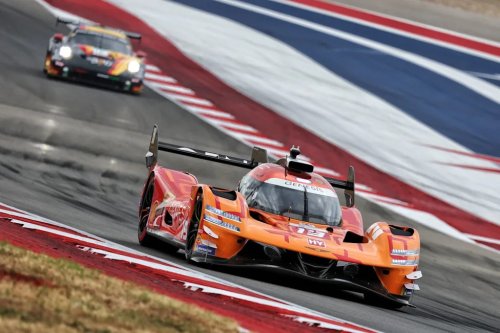
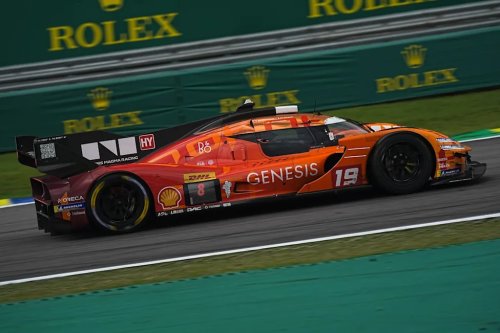
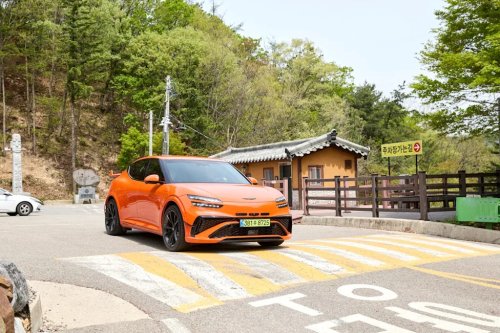
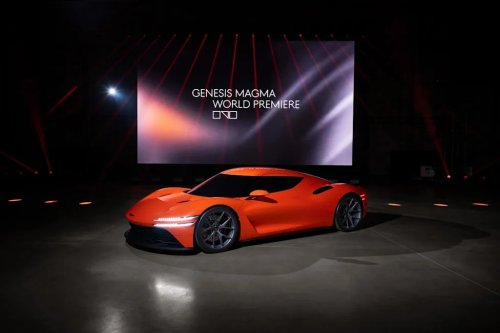
2027 Genesis GV60 Magma: Things Are Looking HotZac PalmerThe birth of Magma at Genesis is a big deal. At just over 10 years old, the Korean luxury car maker has its own performance division. This launched with a big swing at the 24 Hours of Le Mans, followed by the release of its first production vehicle in the same year. The latter is what I've flown 14 hours to South Korea to drive.This compact, low-slung, coupe-roofed all-electric SUV is the 2027 Genesis GV60 Magma. The standard GV60 is sporting adjacent, but you'd never mistake it for a performance car from behind the wheel. Just like the difference between the Hyundai Ioniq 5 and Ioniq 5 N, the Magma experience is far removed from the vehicle it's based on. And sitting on the same E-GMP EV platform, the GV60 Magma enjoys the fruits of parts and knowledge sharing from the exemplary 5 N.Zac PalmerPower in a performance EV is practically a given these days, and the GV60 Magma supplies it with 641 hp and up to 583 lb-ft of torque in Boost Mode. That output is possible in 15-second bursts, while continuous output is quoted at 600 horses and 546 lb-ft. It comes from two electric motors supplying all-wheel drive, with the rear motor being more potent than the front. A claimed 0-62 mph arrives in 3.4 seconds on its way to a 164-mph top speed.AdvertisementAdvertisementThere's nothing revolutionary about the GV60 Magma's performance numbers, but what sets it apart from most other EVs are the same features Hyundai employs in the Ioniq 5 N: simulated shifting and simulated engine sound. The two systems at play here are VGS (Virtual Gear Shift) and e-ASD+ (e-Active Sound Design Plus). In simpler terms, the GV60 Magma can quite faithfully replicate the experience of driving a car with an internal combustion engine.Zac PalmerTo my delight, the Genesis version of this tech comes with a twist. Instead of the turbo-four noises and rev band simulated in the Hyundai, the GV60 Magma tries to convince you there's a high-revving, naturally aspirated V-6 under the hood. The "tach" goes to 9000 rpm. When queried if there's a specific engine being simulated here, Genesis didn't have an answer. If I were to put my thumb on it, the sound being played over the speakers is somewhere between that of a Porsche 911 GT3 and a McLaren Artura. It's a high-pitched, exotic shriek, one I would certainly never associate with a compact performance SUV.Genesis even simulates the torque curve of a rev-happy V-6. Acceleration is a little dead below 3000 rpm, but picks up steadily and rapidly as "revs" shoot toward 9000. Even the shifting program is creepily accurate in its ability to supply the experience of an eight-speed dual-clutch transmission. All the little intricacies and imperfections of a DCT are present, from subtle torque interruptions for each blat of a shift, to the natural sensation of engine braking when I let off the gas.Zac PalmerI wouldn't go so far as to say this tech would make any enthusiast ditch their internal combustion-powered performance car, but it does present as a fun way to make driving an EV more involving and easier to acclimate to. Just like any ICE car, it's second nature to judge speed based on your gear and accompanying engine sound, helping achieve a natural flow on a winding road. I'm also glad to see the GV60 Magma get a unique sound experience versus the Ioniq 5 N, though the sound itself is a touch bold, bordering on unrealistic, for a four-door SUV. Should drivers prefer a more spacey electric motor-esque sound, or no sound at all, those options are selectable in the settings.AdvertisementAdvertisementIt's hard to definitively say much about the GV60 Magma's chassis on account of my test drive's brevity and lack of good roads. South Korea is full of mountains, but my thirty-ish minutes with the car were hampered by a highway-heavy drive route, plenty of traffic, and 30(!) km/h speed limits on the only suitable handling evaluation roads - that's a dizzying 18.6 mph. Plus, can you believe South Korea installs speed bumps on said mountain roads to ensure you stick to those ultra-low speed limits?Zac PalmerAll the above said, the few corners I found allowed me to preview a car that's wholly more capable than the GV60 it's based on. The Magma has model-specific lower arms, hub carriers, and link structures to give it unique suspension geometry, significantly lowering the roll center. Engineers used structural adhesive and added an extra 20 welding points to improve rigidity. Combine this with Magma-specific bushings, electronically controlled dampers, an electronically-controlled limited-slip differential at the back, forged 21-inch wheels, and staggered summer Pirelli P-Zero rubber, and you have the parts to create a serious performance machine.The GV60 Magma's limits are clearly high, high enough that a racetrack would be necessary to ultimately assess what kind of beast Genesis has created here; something my time in Korea was sadly lacking. Steering was heavy, but not sports car-quick, with a deal more communication coming from both the wheel and through to your body in the heavily bolstered bucket seat thanks to the significantly more rigid structure. Like any good EV, this one masks its mass, but a fast downhill section highlighted the 4938-pound curb weight. This might be a small SUV, but it's a dense one. The brakes should be up to the task, though, with the hardware pulled off the racetrack-ready Ioniq 5 N.Zac PalmerThe GV60 Magma doesn't forget about its task of being an everyday driver either, settling down significantly in Comfort mode. Its stiff demeanor in Sprint and Sport modes is shrugged off for a surprisingly forgiving ride on the highway. Plus, when you turn the fake shifting and noise off, it's like any other EV with the rolling sound of the tires and a whisper of the wind making it to your ears. Genesis says the Magma has thicker insulated glass and more sound-absorbing materials than the regular GV60 to make up for the wider performance tires.AdvertisementAdvertisementAll of the GV60 Magma's battery tech is similar to the Ioniq 5 N. It will actively regulate temperature in Race Mode to ensure power output remains consistent. You can choose between an endurance or qualifying mode depending on what the situation calls for. The battery itself is an 84-kilowatt-hour pack, and while the EPA-rated range isn't available yet, Genesis suggests it will be about 230 miles. That's 22 miles worse than the GV60 Performance, understandable for the extra power and far more aggressive design (and tires) the Magma wears.Zac PalmerNobody will mistake the Magma version of the GV60 for the standard version. There isn't a single "Magma" badge or logo to be found, but the styling speaks for itself. Genesis adds canards on the front bumper, a distinctive triple-opening element to the front grille, and a sizable rear spoiler with winglets on either side. Nothing is overly dramatic, but Genesis says all these changes are functional and work to provide a true decrease in lift and positive downforce at speed.Buyers will be able to pick between orange, matte gray, black, and white on the exterior, but the only interior will be the superb black with orange stitching combo (the white stitching seen here will be offered in other markets). Genesis engineered new bucket seats for the Magma, but didn't forget about luxury while doing so, as the seats are powered, heated, and ventilated. They're plenty comfortable and did a swell job of keeping my body in place around corners.Zac PalmerPredictably, the digital interface of the Magma has all sorts of goodies to explore, too. Switch into one of the Magma-exclusive drive modes with VGS activated, and an orange-themed cluster presents itself, with its main emphasis being a central tachometer. You'll need it for shifting, too, because Genesis allows you to run the car into a rev limiter in manual mode where it will simply bounce off the 9000-rpm limit. The biggest disappointment in this interior has to be the paddle shifters. They're plenty large, but Genesis made them with a surprisingly cheap-feeling plastic for an element that's so vital to this car's appeal.Zac PalmerThis first taste of Magma is generally positive, but it's far from the final conclusion. A Genesis spokesperson told R&T that the Korean-market GV60 Magmas we drove could differ in suspension and steering tuning from U.S. market cars. We wouldn't be surprised to find other differences, either, be they powertrain- or sound-related. Pricing, one of the most important parts of this equation, is also still missing. That will be coming soon, though, because Genesis says the GV60 Magma will be landing stateside in July. When it does, it will be one of the most driver-focused performance EVs on the market and a promising first step for the Magma division.You Might Also LikeIf You Can Only Own One Car, Make It One of TheseThese Are the Most Popular Cars by State



















 +30 others








![Genesis, Here's what all the Genesis GV90 colors look like in person [Video]](https://cdn.topcarnews.net/thumb/id/aHR0cHM6Ly9pMC53cC5jb20vZWxlY3Ry-ZWsuY28vd3AtY29udGVudC91cGxvYWRz-L3NpdGVzLzMvMjAyNi8wOC9HZW5lc2lz-LUdWOTAtY29hY2gtZG9vci1pbWFnZS5q-cGVnP3c9MTUwMCZhbXA7cXVhbGl0eT04-MiZhbXA7c3RyaXA9YWxsJmFtcDtzc2w9-MQ/d2154115ddb5be8c5f29a480c0279ef4.jpeg?t=20261004&post_id=59447)
![Genesis, Here's what all the Genesis GV90 colors look like in person [Video]](https://cdn.topcarnews.net/thumb/id/aHR0cHM6Ly9lbGVjdHJlay5jby93cC1j-b250ZW50L3VwbG9hZHMvc2l0ZXMvMy8y-MDI2LzA4L0dlbmVzaXMtR1Y5MC1leHRl-cmlvci1jb2xvci1vcHRpb25zLmpwZWc/49fa28d133636f9df274a6eab6251225.jpeg?t=20261004&post_id=59447)
![Genesis, Here's what all the Genesis GV90 colors look like in person [Video]](https://cdn.topcarnews.net/thumb/id/aHR0cHM6Ly9pMC53cC5jb20vZWxlY3Ry-ZWsuY28vd3AtY29udGVudC91cGxvYWRz-L3NpdGVzLzMvMjAyNi8wOS9HZW5lc2lz-LUdWOTAtY29sb3JzLTMuanBlZz9zdHJp-cD1pbmZvJmFtcDt3PTE0MDAmYW1wO3Nz-bD0x/48c60b0e4a90502fafc973a627041393.jpeg?t=20261004&post_id=59447)
![Genesis, Here's what all the Genesis GV90 colors look like in person [Video]](https://cdn.topcarnews.net/thumb/id/aHR0cHM6Ly9pMC53cC5jb20vZWxlY3Ry-ZWsuY28vd3AtY29udGVudC91cGxvYWRz-L3NpdGVzLzMvMjAyNi8wOS9HZW5lc2lz-LUdWOTAtY29sb3Itb3B0aW9ucy5qcGVn-P3N0cmlwPWluZm8mYW1wO3c9MTQwMCZh-bXA7c3NsPTE/1ef7d000f533d8e2fb732d31869daf3e.jpeg?t=20261004&post_id=59447)
![Genesis, Here's what all the Genesis GV90 colors look like in person [Video]](https://cdn.topcarnews.net/thumb/id/aHR0cHM6Ly9pMC53cC5jb20vZWxlY3Ry-ZWsuY28vd3AtY29udGVudC91cGxvYWRz-L3NpdGVzLzMvMjAyNi8wOS9HZW5lc2lz-LUdWOTAtY29sb3JzLTIuanBlZz9zdHJp-cD1pbmZvJmFtcDt3PTE0MDAmYW1wO3Nz-bD0x/255af6546a43efa41b569fe06843aff7.jpeg?t=20261004&post_id=59447)
![Genesis, Here's what all the Genesis GV90 colors look like in person [Video]](https://cdn.topcarnews.net/thumb/id/aHR0cHM6Ly9lbGVjdHJlay5jby93cC1j-b250ZW50L3VwbG9hZHMvc2l0ZXMvMy8y-MDI2LzA4L0dlbmVzaXMtR1Y5MC1sdXh1-cnktU1VWLmpwZWc/2e7bbf058d81de34c658204d541afdac.jpeg?t=20261004&post_id=59447)