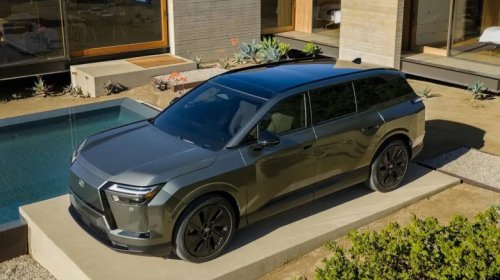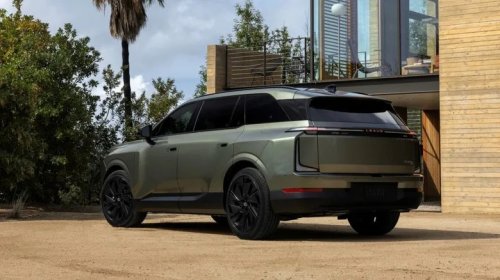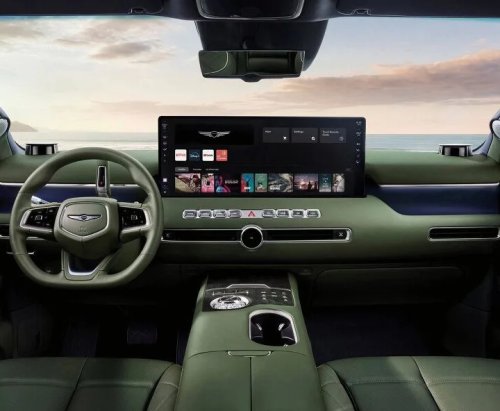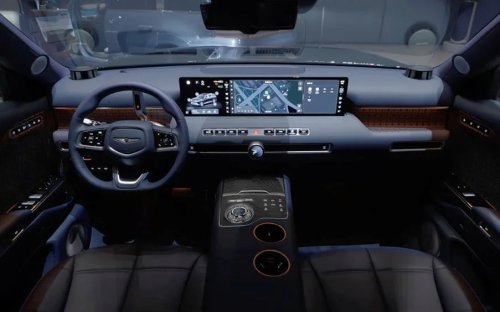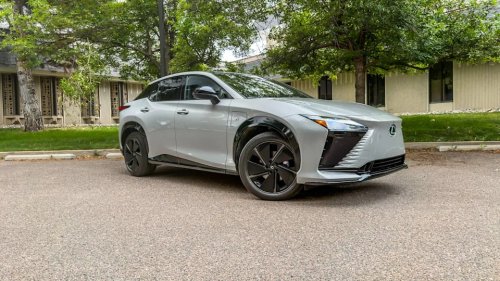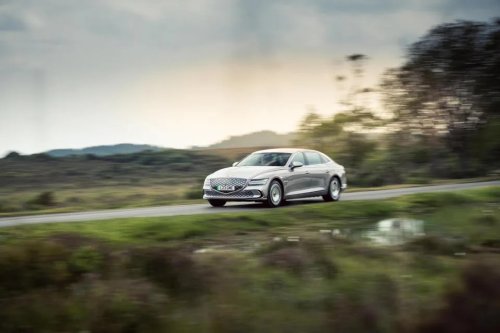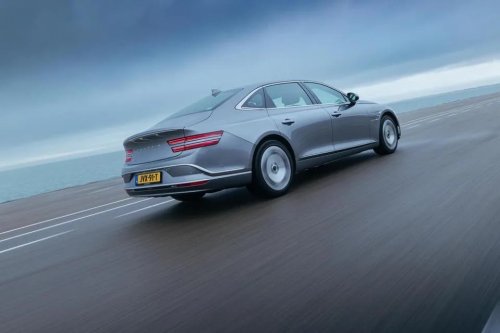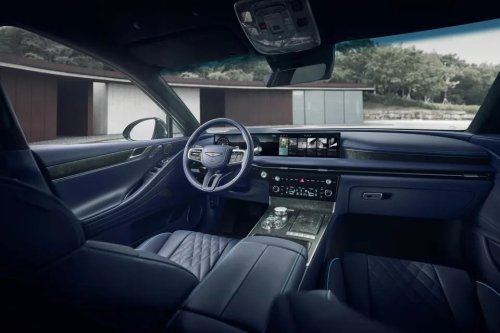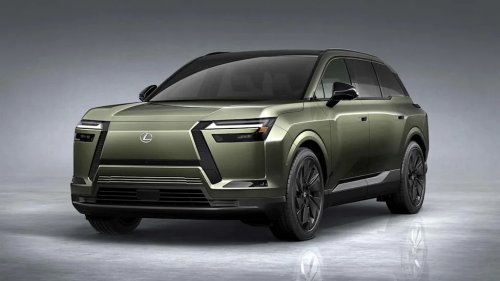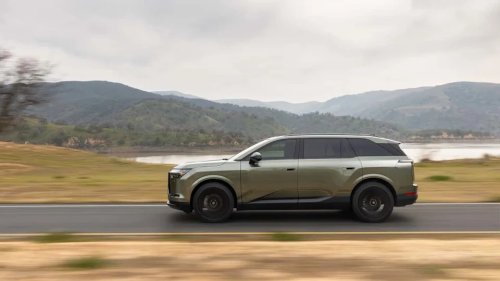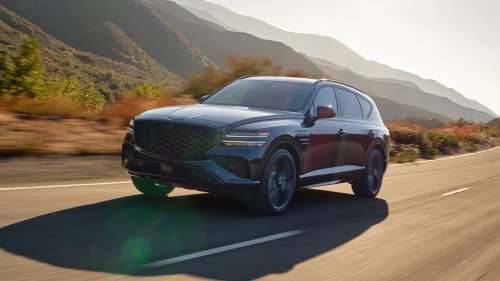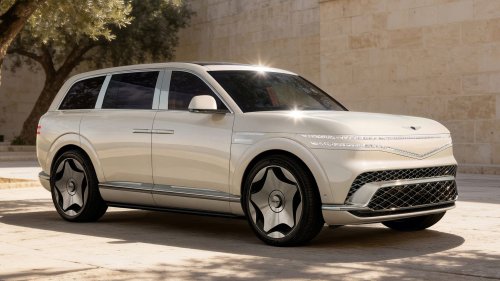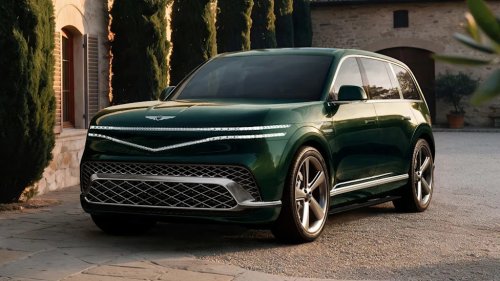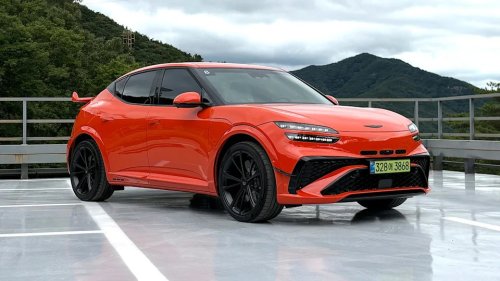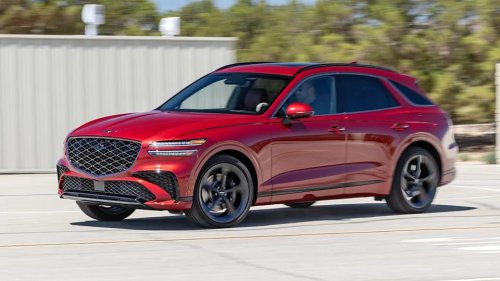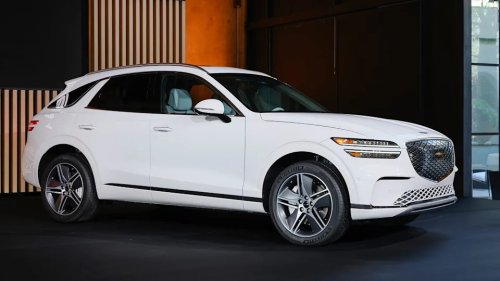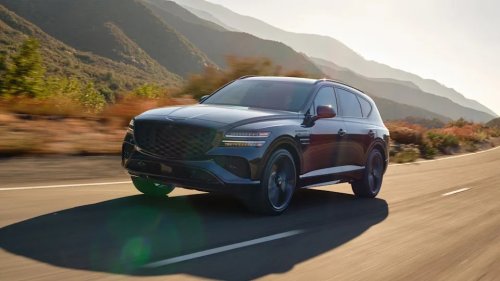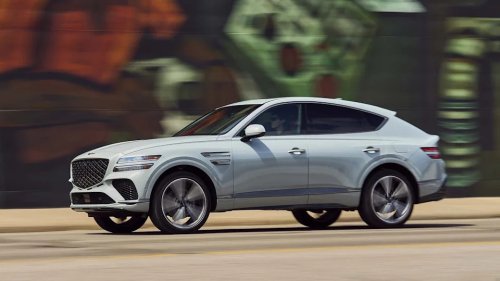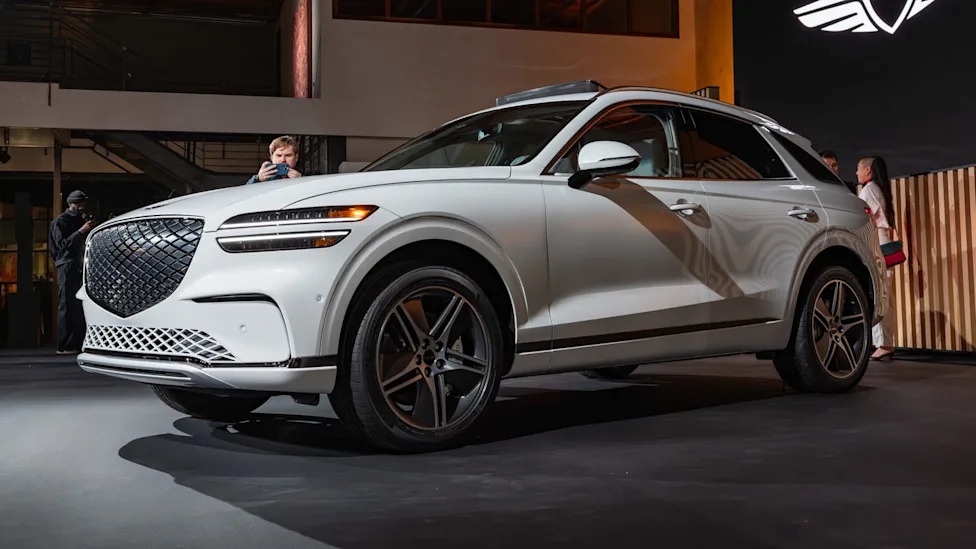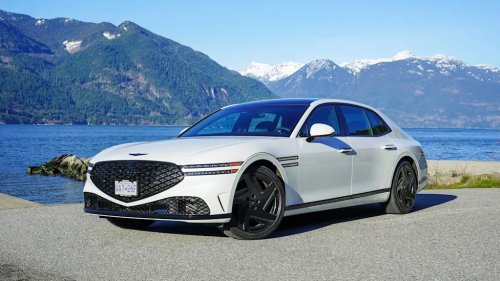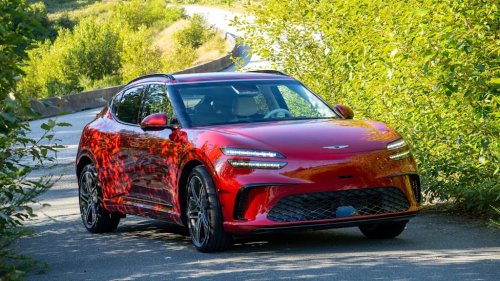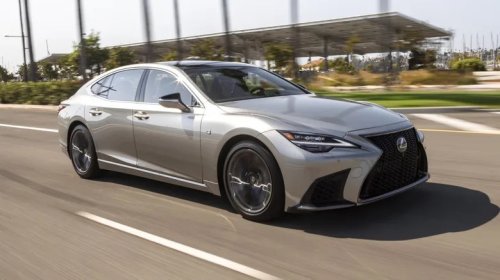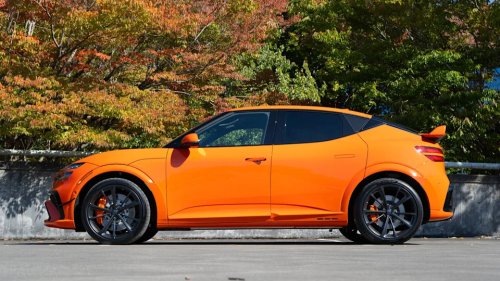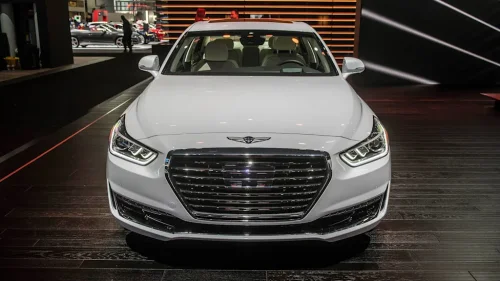
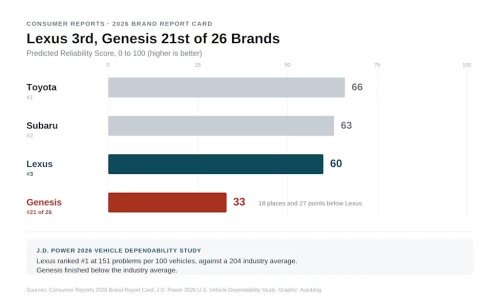
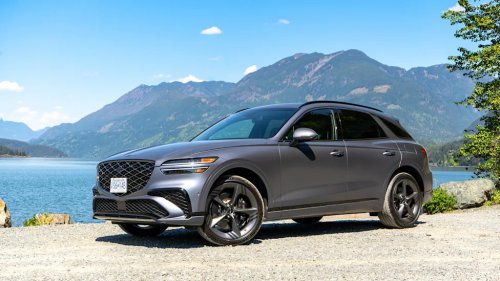



















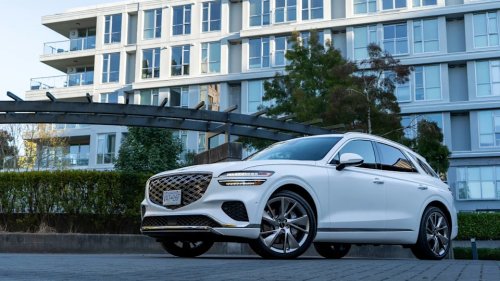
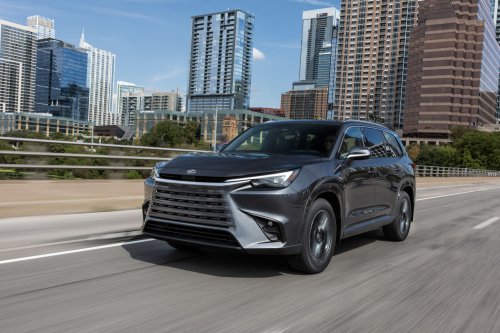
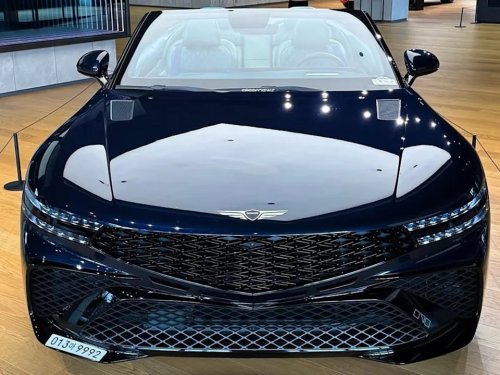
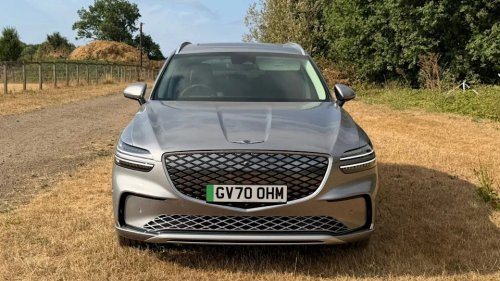
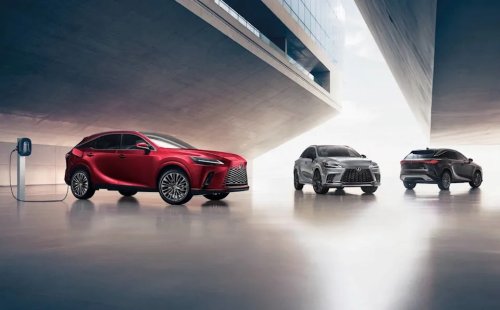
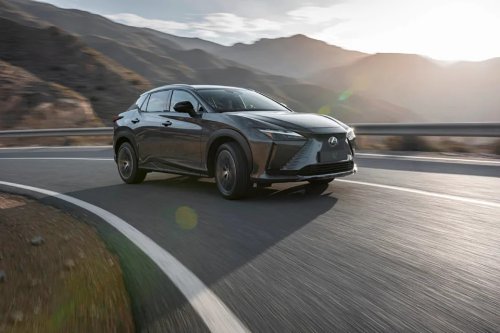

Autoblog and Yahoo may earn commission from links in this article.For most of the past decade the Genesis-versus-Lexus question had a tidy answer: Lexus was the reliability benchmark, and Genesis was the value alternative closing the distance. That framing is now out of date in both directions. Genesis has slipped down the long-term dependability tables it used to top, while the 2026 Lexus range has stayed exactly where it always sits. The reason to read past the badge in 2026 is that the two brands have swapped positions on one measure, moved further apart on another, and the money that separates them is not where buyers expect to find it.When Genesis Outscored LexusIn 2020, its first year of eligibility in the J.D. Power U.S. Vehicle Dependability Study, Genesis finished first among all brands, ahead of Lexus. The pattern held two years later, when the 2022 study placed Genesis at the top of the premium segment with 155 problems per 100 vehicles, ahead of Lexus at 159. Those were unusual results for a marque barely five years into standalone life, outscoring the brand that had defined luxury dependability for two decades. In the 2023 study Lexus retook the premium lead at 133 PP100, and Genesis followed at 144, second among premium brands and clear of the industry average.2020 Genesis G90Drew PhillipsView the 3 images of this gallery on the original articleWhat ChangedIn the J.D. Power 2026 Vehicle Dependability Study, which surveys owners of three-year-old cars, Lexus again finished first overall at 151 PP100 against an industry average of 204. Genesis finished below that average, the highest-placed premium brand sitting under the line, behind Hyundai and BMW. A brand that led the entire study in 2020 now trails the midpoint of it.AdvertisementAdvertisementThe same order holds in Consumer Reports' 2026 brand report card, where Lexus ranks third overall at 60 out of 100 and Genesis lands 21st of 26 at 33, with not one Genesis model rated average-or-better for predicted reliability. Behind that score sit the volume models, the GV70, GV80, and G70, rather than any single catastrophic fault, and the direction is consistent across both surveys.Consumer Reports 2026 reliability scores: Lexus ranks 3rd, Genesis 21st of 26. Data: Consumer Reports, J.D. Power.AutoblogThe Study Genesis Still WinsThe J.D. Power 2026 Initial Quality Study, which counts problems in the first 90 days of ownership, placed Genesis second among all brands at 151 PP100, ahead of Lexus in fourth at 156, with only Porsche scoring better at 138. Initial quality is the measure buyers encounter first, and it is the one measure where Genesis still finishes ahead of Lexus. The lead does not survive the ownership period: the same cars that impress at 90 days fall behind Lexus by the three years the dependability study covers.2026 Genesis GV70 Sport 3.5TCole AttishaWhy Lexus Never MovesLexus has now finished first overall in the Vehicle Dependability Study four years running. Its Toyota parent redesigns conservatively, carrying proven engines, transmissions, and software forward rather than replacing everything at once, and Consumer Reports credits that approach for the brand's top-three finish year after year. The most dependable single model in the 2026 study, across every brand on sale, was the Lexus IS.Jared Rosenholtz/AutoblogThe Value Case For GenesisGenesis prices its flagship G90 at $92,700, well under the $99,380 Lexus asks for the LS, which for 2026 exists only as a single 250-unit LS 500 AWD Heritage Edition. Lower down, the GV70 opens at $48,985 against $52,775 for the Lexus RX 350, and the GV80 starts at $57,700. Among sedans the advantage changes hands: the ES 350h starts at $51,095 and undercuts the $58,450 G80, while the G70 opens at $43,450, below a 2026 Lexus IS that Lexus now sells only in F Sport form, from $46,895.AdvertisementAdvertisementCarEdge puts 10-year maintenance for a Genesis at $7,591, barely above the $7,110 it projects for a Lexus, and both sit far below the European luxury brands. Warranty favors Genesis outright: a 5-year/60,000-mile basic warranty against Lexus's 4-year/50,000-mile term, a 10-year/100,000-mile powertrain warranty against Lexus's 6-year/70,000-mile coverage, and three years of complimentary maintenance.Related: Toyota vs. Lexus Reliability: The Winner Depends On Who You AskResale Is The Real BilliSeeCars data shows the best-retaining Genesis, the G70, holding 56 percent of its value after five years, with the GV70 at 53 and the G80 at 51. The volume Lexus RX holds about 67 percent over the same period and the UX around 64, both above the 58 percent an average new vehicle retains. Genesis's strongest resale performer sits below the market; Lexus's ordinary models sit above it.Those percentages compound into the number that settles the comparison. Over five years, CarEdge estimates the cost of owning a Genesis at $75,988 against $61,379 for a Lexus, a difference of about $14,600, of which maintenance accounts for less than $500. The rest is depreciation.How I'd Play ItThe recommendation splits on one question: how long you keep the car. On a two or three-year lease, Genesis is the sharper buy, because you capture the lower price, the stronger initial quality, and the longer warranty, then hand the depreciation back to the leasing company at the end of the term. Buy to keep, past the warranty and into the years where the dependability and resale gaps both widen, and the 2026 data points one way. If you plan to own rather than lease, buy the Lexus.AdvertisementAdvertisementThis story was originally published by Autoblog on Jul 8, 2026, where it first appeared in the Features section. Add Autoblog as a Preferred Source by clicking here.