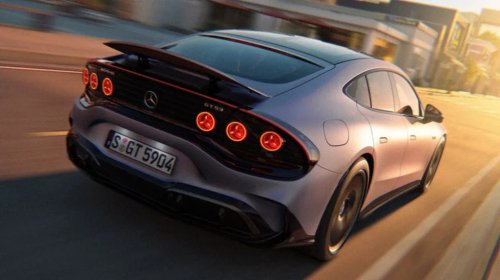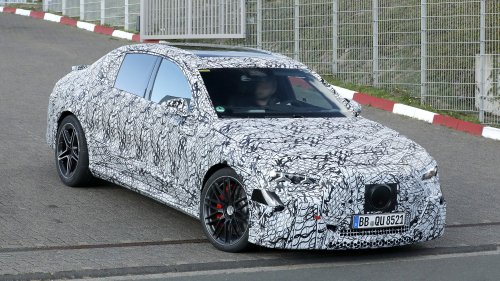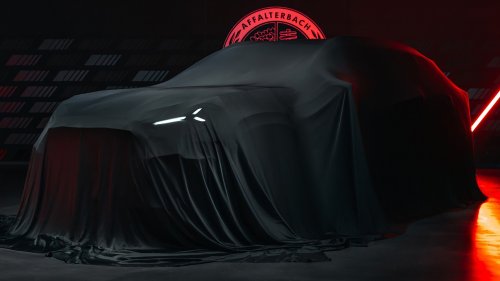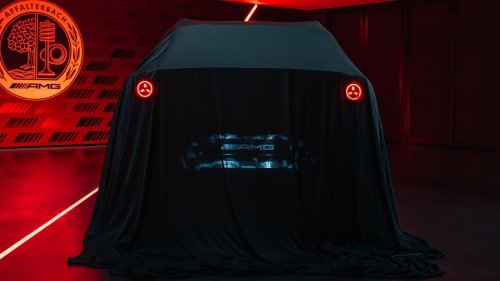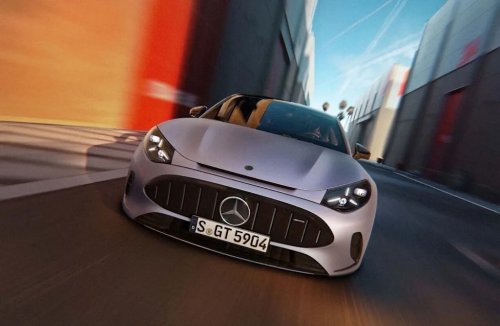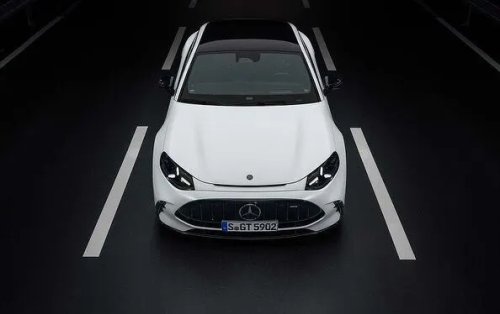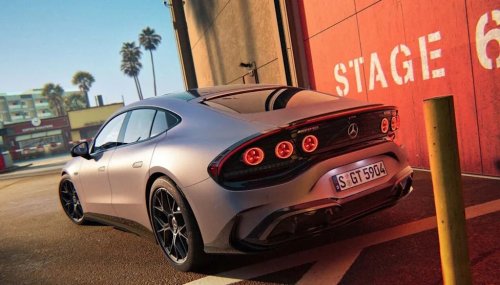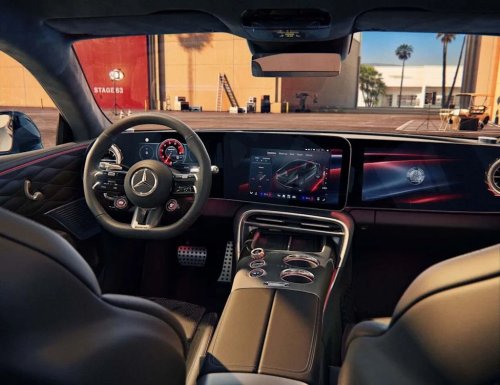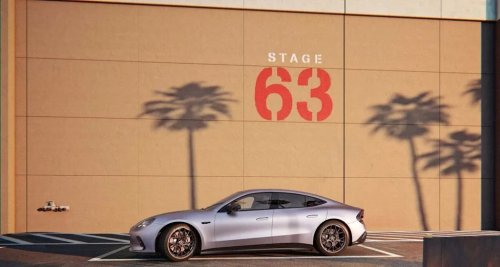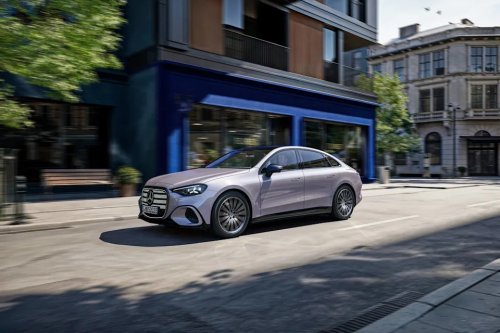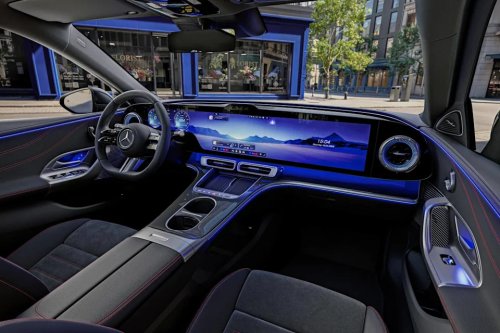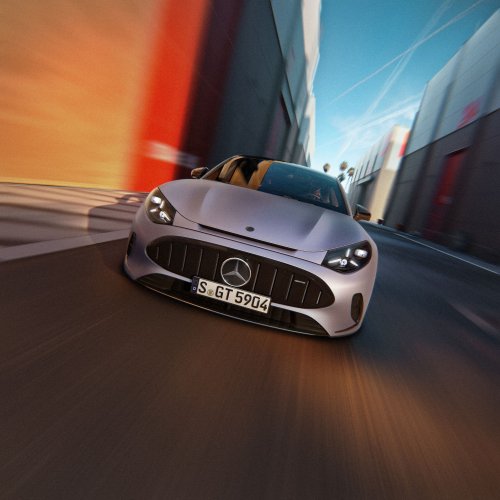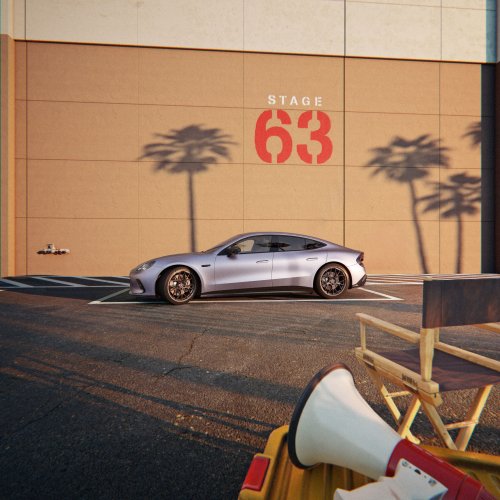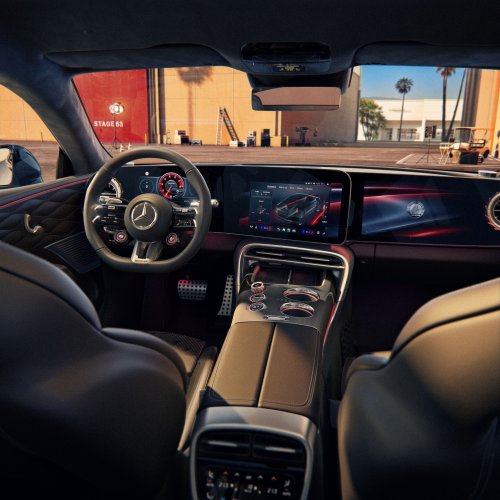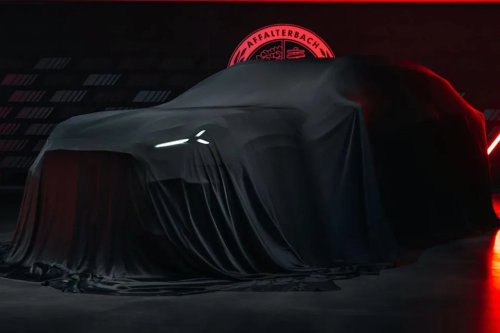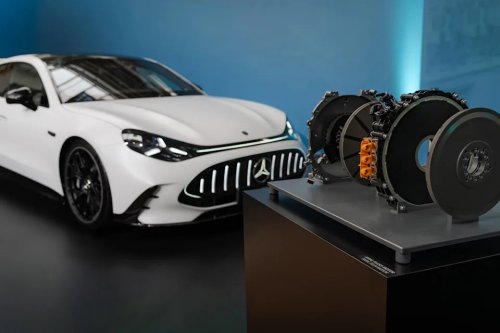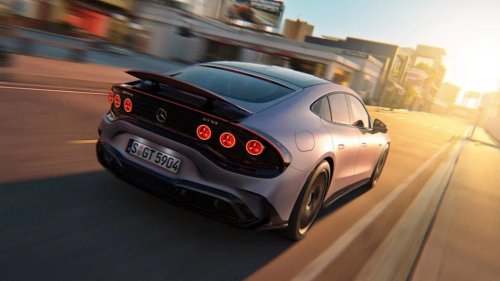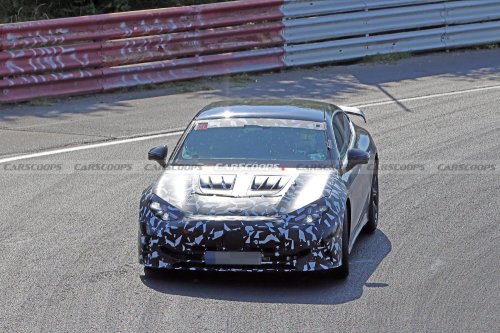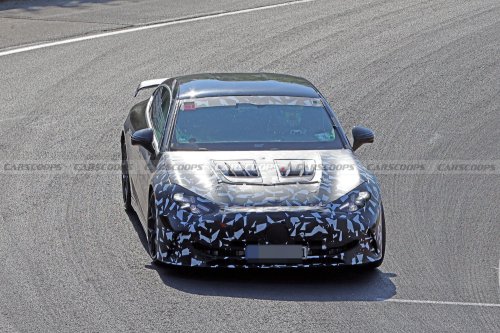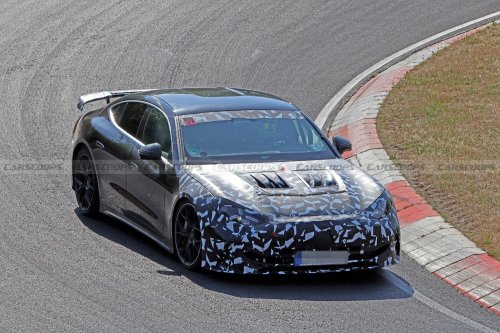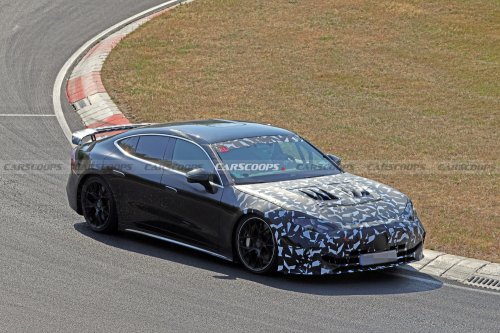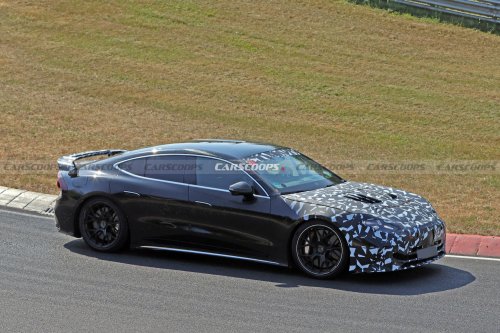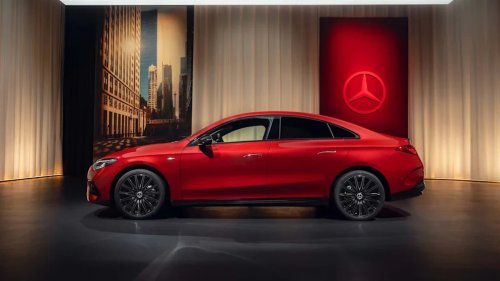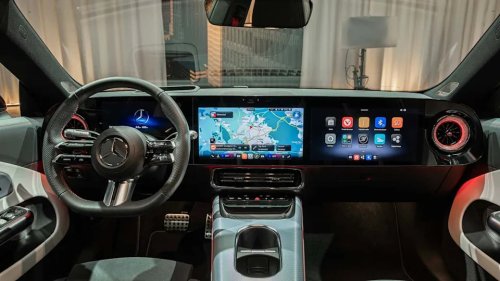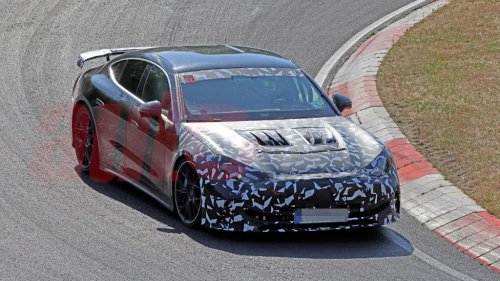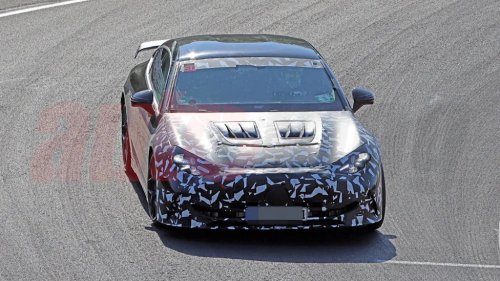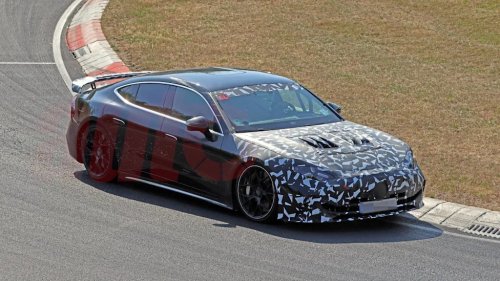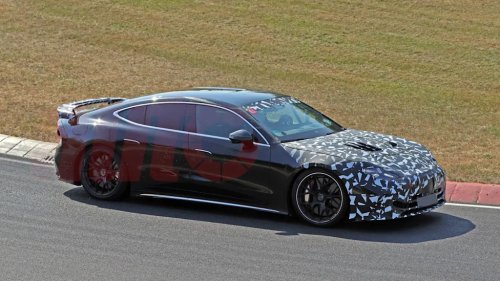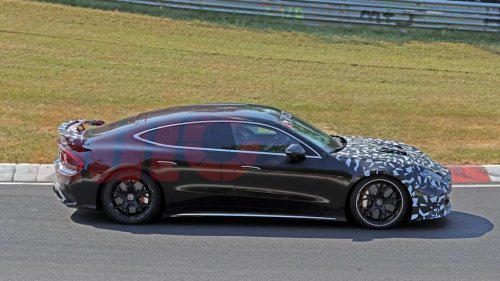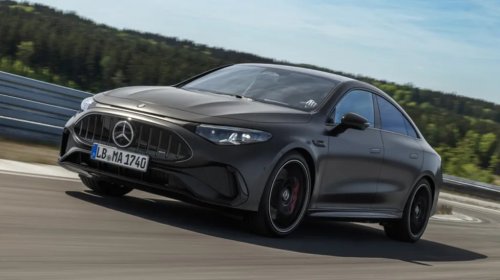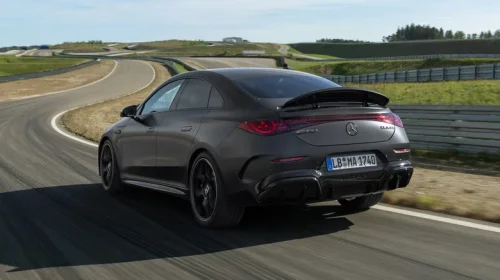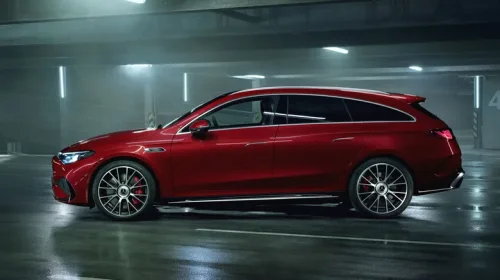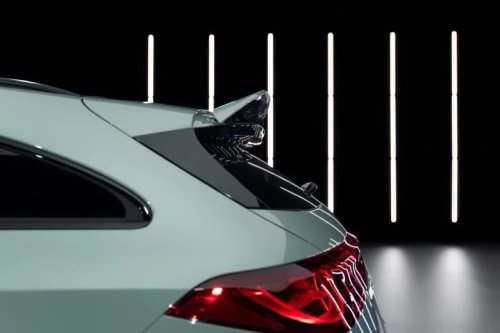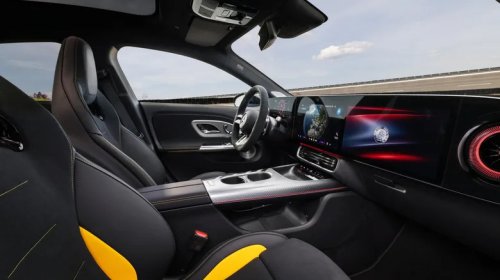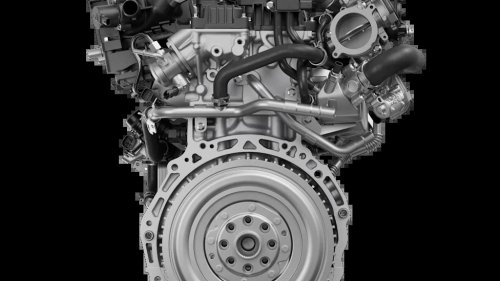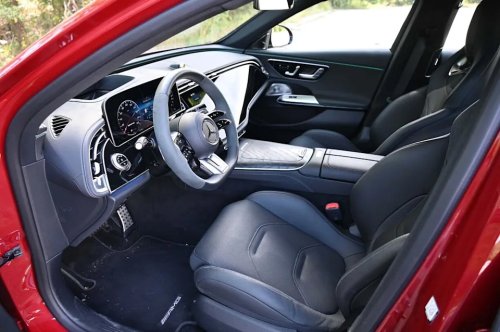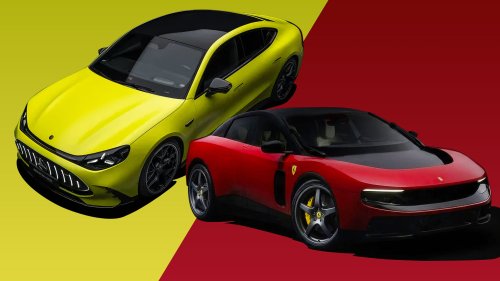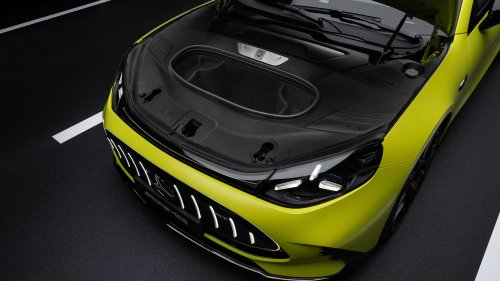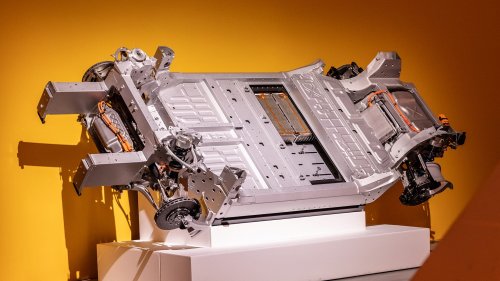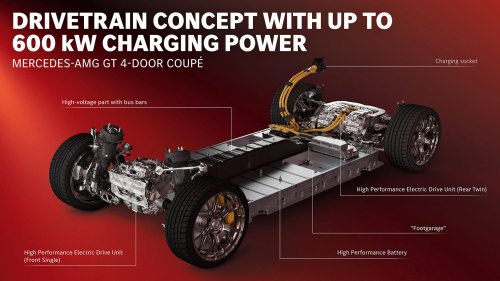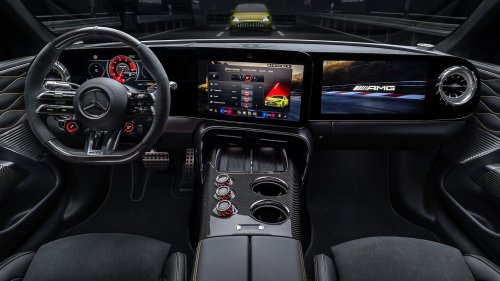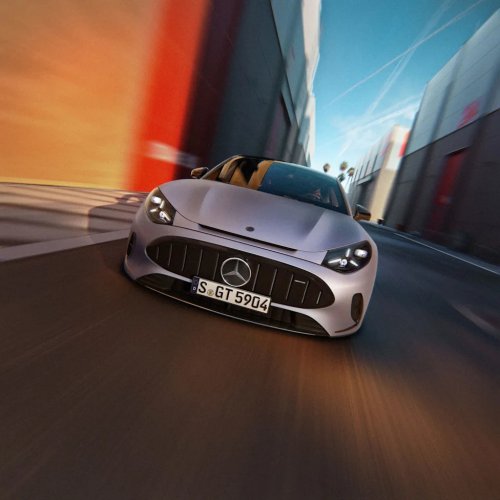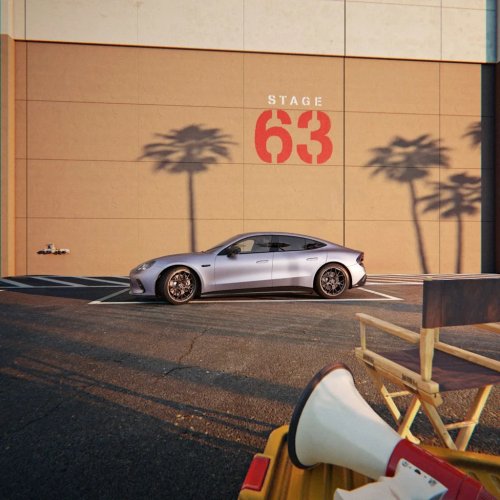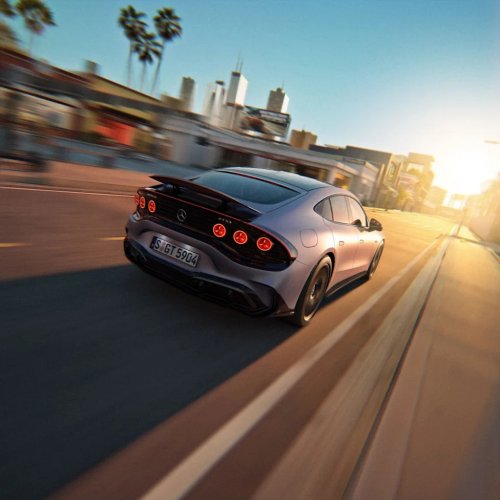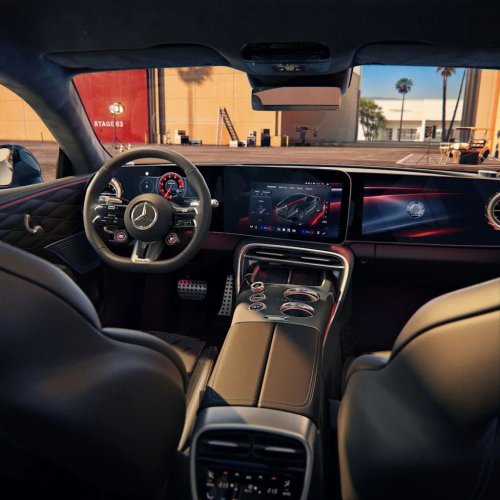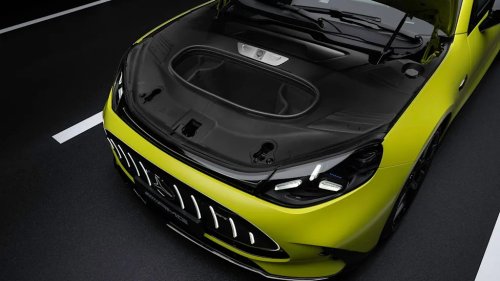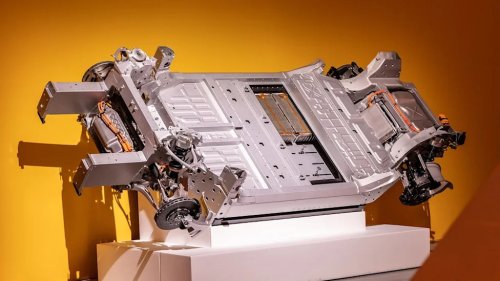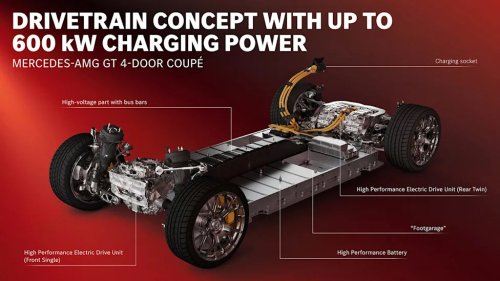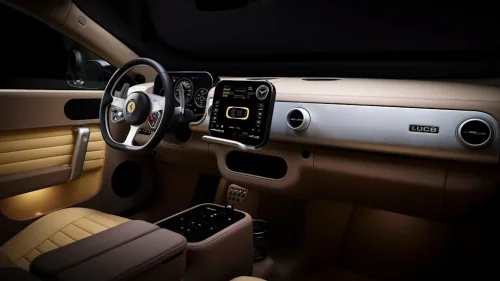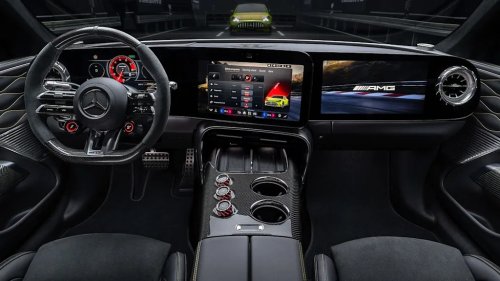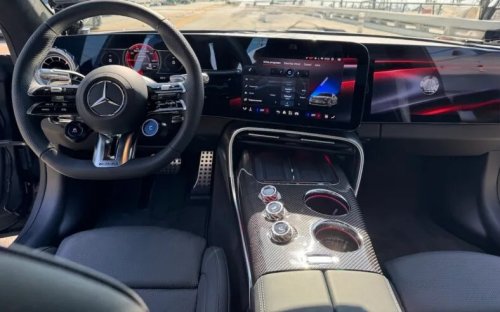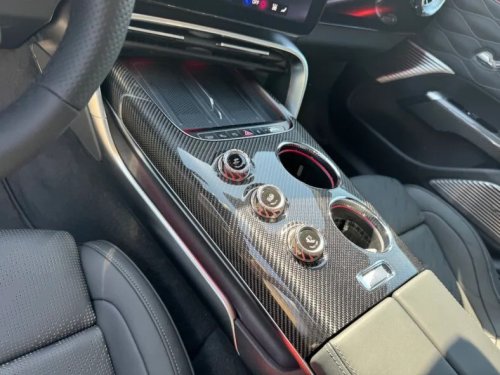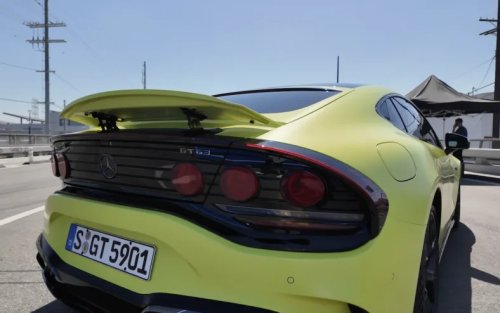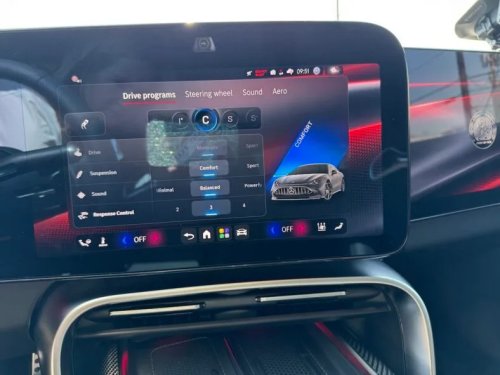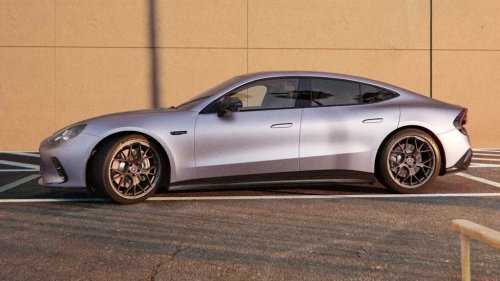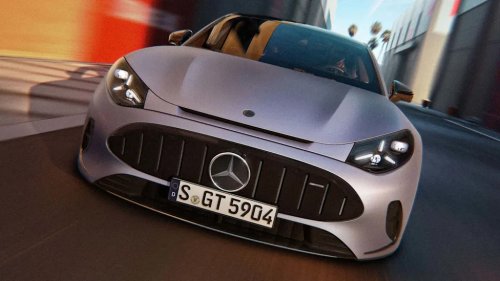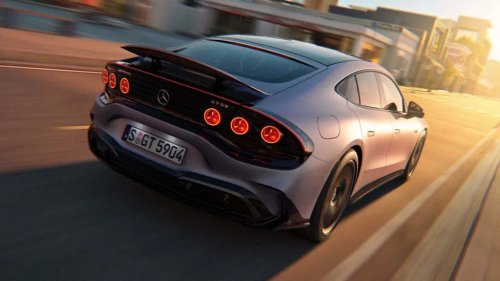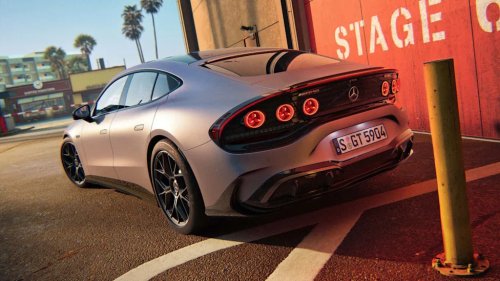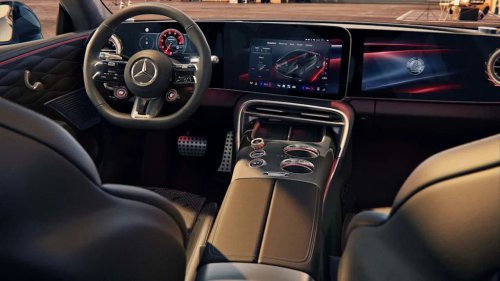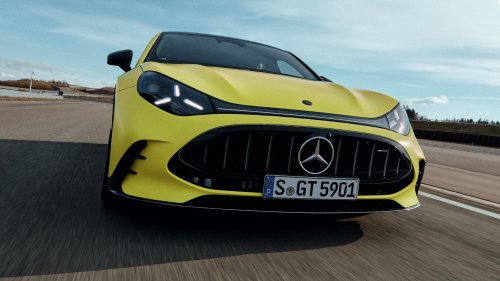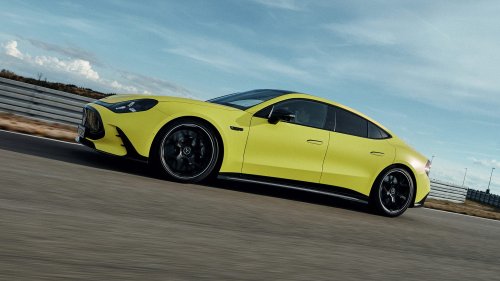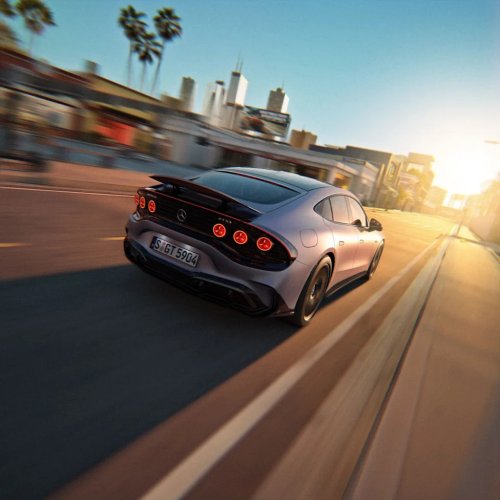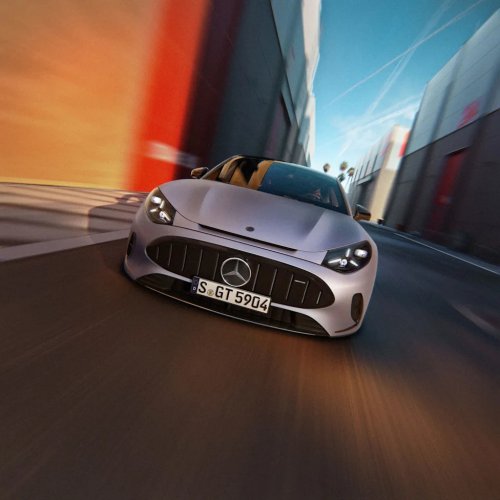


















Say hello to the second-generation Mercedes-AMG GT 4-Door Coupe, which replaces the original that made its debut over eight years ago. First previewed by the Concept AMG GT XX, the all-new model forgoes any form of internal combustion in favour of electric powertrains anchored to the brand’s AMG.EA architecture. If you can stop staring at the extremely striking (and probably divisive) design for a bit, I can tell you that the latest GT 4-Door Coupe will be offered in GT63 and GT55 variants. Both feature a trio of axial flux motors developed by British electric motor specialist Yasa, a wholly-owned subsidiary of Mercedes-Benz AG since July 2021. Compared to a conventional (radial flux) electric motor, an axial flux unit has its electromagnetic flux running parallel to the motor’s axis of rotation instead of perpendicular. Key components of the axial flux motor are designed as thin discs, with two rotors enclosing the stator like a sandwich on the left and right for what is known as an H-configuration. This allows for a more compact design while also delivering higher sustained power and more torque. The axial flux motors are integrated into a High-Performance Electric Drive Unit (HP.EDU) on each axle, with the rear HP.EDU containing two motors that work together with a single-stage planetary gearbox in a shared housing, both oil cooled. Each motor also gets its own water-cooled silicon carbide (SiC) inverter, and the motors can spin up to over 13,000 rpm. Meanwhile, the front HP.EDU contains a spur-gear transmission with an integrated parking lock, a liquid-cooled SiC inverter and one axial flux motor that reaches more than 15,000 rpm. The company says the front drive unit acts as a “booster motor” that is activated only when additional power or traction is required on the front axle. For efficiency reasons, a Disconnect Unit (DCU) can decouple the front-axle electric motor to reduce drag losses. In GT55 guise, the peak system output is 816 PS (805 hp or 600 kW) and 1,800 Nm of torque, while continuous power (nominal) is 510 PS (503 hp or 375 kW). With a fully variable AMG Performance 4Matic+ all-wheel drive system shuffling drive around, the GT55 will get from a standstill to 100 km/h in just 2.8 seconds, with the next 100 km/h arriving 6.2 seconds later. Top speed is 300 km/h with the optional Drivers Package. The GT63 is even more manic with peak outputs of 1,169 PS (1,153 hp or 860 kW) and 2,000 Nm, with continuous power rated at 721 PS (711 hp or 530 kW). With more grunt, the range-topper’s century sprint time is slashed to 2.4 seconds and the run up to 200 km/h takes just 6.8 seconds – top speed is identical at 300 km/h with the optional package. Mercedes-AMG points out that the higher power figures are available when the car is placed in AMG Launch Control mode. It adds that drivers can also request for a temporary boost of power by pulling on both steering-wheel paddles in Comfort, Sport and Sport+ modes. Boost power is up to 150 PS (148 hp or 110 kW) for the GT63 and 68 PS (67 hp or 50 kW) for the GT55, available for up to 63 or 55 seconds respectively (see what they did there?). One oddity we spotted going through the official photos is the inclusion of the signature AMG plaque under the bonnet, which is typical of the brand’s cars to signify its ‘One Man, One Engine’ philosophy. It looks like even without a conventional combustion engine, this practice is applied to electric AMG models as well. Anyway, both variants are built on an 800-volt system and share the same AMG High Performance Electric Battery (AMG HP.EB), the latter benefitting from lessons the company gained from developing the One hypercar as well as lessons learned from competing in Formula One. The battery pack contains cylindrical cells sized 26105 (26 mm diameter, 105 mm height) with a cathode based on a nickel, cobalt, manganese and aluminium (NCMA) chemistry while the anode contains silicon. In total, 2,660 cells are used in the GT 4-Door Coupe, grouped into 18 laser-welded plastic modules that can directly cool the cells to enable sustained performance. Each battery pack is also integrated centrally intro the structure of the skateboard-style platform, with a protective housing enclosing the cell modules, all switching components and the battery management system. As such, the battery can actively absorb and dissipate forces in the event of a crash. The company is also especially proud of its Central Coolant Hub (CCH), an innovation derived from the concept which combines pumps, sensors, and valves into one compact housing. Its purpose is to ensure maximum cooling of all systems during high ambient temperatures and full-load driving. Total energy capacity provided by the battery is 106 kWh, which provides between 597 and 700 km of range following the WLTP standard. This figure applies to the GT55 but the GT63 isn’t too far off despite its added grunt, capable of between 596 and 696 km. Strangely, AC charging peaks at just 11 kW for both variants, although DC fast charging is impressive at a mighty 600 kW. The latter will see the battery get from a 10-80% state of charge in just 11 minutes, with the first ten of those already recovering up to 460 km. In the event an 800-volt charger is not available and you’re stuck with a weaker 400-volt one, the system can switch from 800 to 400 volts, although the DC charging rate won’t be as high as mentioned. This being branded a full-blooded AMG, the GT 4-Door Coupe also receives technologies aimed at delivering a driving experience expected of the brand. To manage the kerb weight of 2.46 tonnes, the car gets multi-link suspension front and rear, with some key components made of forged aluminium to keep unsprung mass down. This is packaged with AMG Active Ride Control air suspension with triple-adjustable air springs and semi-active roll stabilisation. With dimensions of 5,094 mm long, 1,959 mm wide, 1,411 mm tall and a wheelbase of 3,040 mm, the GT 4-Door Coupe also gets rear-wheel steering (up to six degrees at speeds of up to 80 km/h) to make it more manoeuvrable. Putting the car in Sport+ mode speeds up the responsiveness of this system, which also supports the optional automatic parking system and the Remote Parking function. To slow the car down, the high-performance composite brake system pairs carbon-ceramic brake discs at the front with steel ones at the rear. Even with all the technologies mentioned, it is how the GT 4-Door Coupe looks that will likely be talked about more. There is a clear link to the Concept AMG GT XX here, as seen with the fastback shape, low-slung bonnet, raked windshield, flush door handles, six circular taillights and integrated rear diffuser. However, the company’s designers made several changes to “make a bold statement of maximum sportiness.” For instance, the GT 4-Door Coupe’s front bumper has a more pointed profile and gains more prominent air inlets at its sides. The massive grille also gets a black surround with an illuminated outline, and it’ll draw even more attention when optioned with the illuminated vertical slats. Elsewhere, the headlamps are a lot more conspicuous than they are on the concept thanks to their star-shaped daytime running lights – a common cue with modern Benz cars – and the angular headlamps are joined by a thin light strip integrated into the black trim connecting the clusters. The concept’s vented bonnet is also gone for the production car, while the circular taillights gain a star graphics and sit within a large, slatted black panel. As an option, an additional taillight in the form of a light strip can be added. An exterior highlighted is the active aerodynamics package that features two active venturi flow plates in the underbody as well as an active rear diffuser. Referred to as Aerokinetics elements, these automatically lower when more downforce is needed, effectively “sucking” the car onto the road. There’s also an extendable rear spoiler, while the Airpanel air-management system channels airflow according to cooling requirements by way of vertical louvres located in the centre behind the air intake in the front apron as well as the left and right sides behind the brake-cooling intakes. Inside, you are greeted by a driver-focused cockpit that is not short on displays. There’s a 10.2-inch digital instrument cluster for the driver, which also gets a 14-inch infotainment touchscreen angled towards him or her. Both are made to have a “seamless-glass” design, while the front passenger gets their own 14-inch touchscreen. On the centre console is the AMG Race Engineer Control Unit that consists of three haptic rotary controls to handle driving dynamics features. More functions are accessed via the Mercedes-Benz User Experience (MBUX) system with the Mercedes-Benz Operating System (MB.OS), including configurable display screens, AI assistants and a whole bevy of AMG-specific items. Drivers will also get to change the vehicle’s sound characteristics inside the cabin, with Powerful, Balanced and Minimal being options, combined with a scale from Classic to Futuristic. Those that miss the evocative sound of the V8 can enable AMGForce S+, which samples the engine noises made by the GT R. According to the company, this works by having an intelligent real-time mixing system use more than 1,600 sound files to sonically interpret each driving situation. Every sample element is broken down into granular loops, while the mix is generated dynamically in real time to match the current driving behaviour. For the ‘GT’ side of things, the company promises generous legroom and pleasant knee angles for the two passengers seated in the rear – this appears to be a four-seater. There’s also the Sky Control panoramic glass roof split into individually switchable segments and featuring AMG light staging where illuminated AMG crests and racing stripes are shown over the driver’s and front passenger’s heads. So, what do you think of the new GT 4-Door Coupe? It’s certainly quite the technological tour de force but has your attention this whole time been focused on the design? Share your thoughts with us in the comments below. Looking to sell your car? Sell it with Carro. Compare prices between different insurer providers to save the most on your car insurance renewal compared to other competing services. Many payment method supported and you can pay with instalment using Atome, Grab PayLater or Shopee SPayLater. Use the promo code 'PAULTAN' when you checkout for 10% discount!