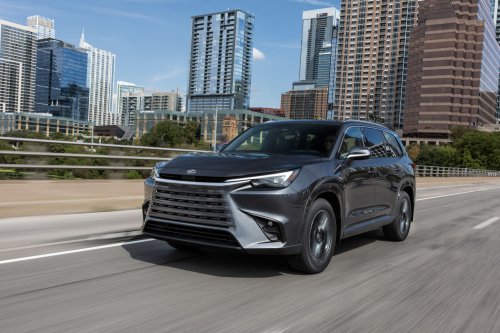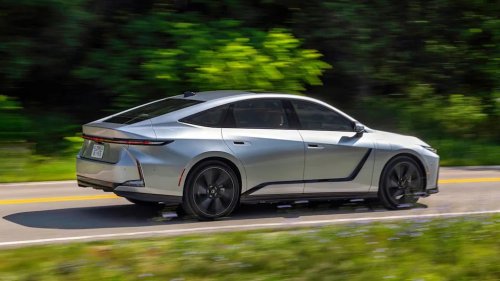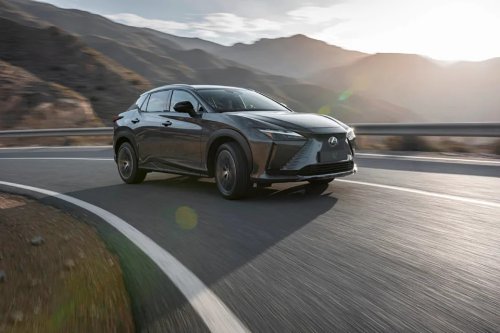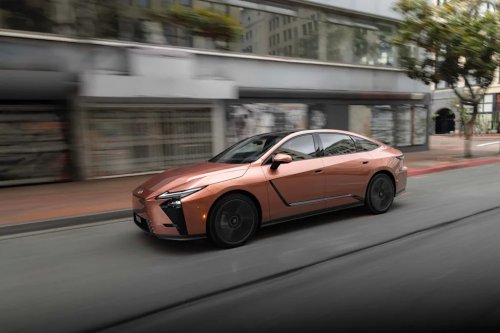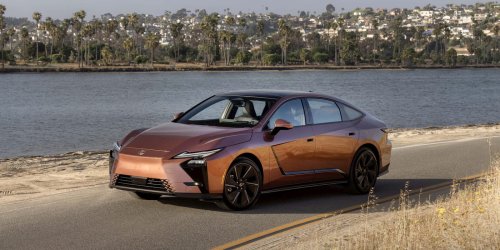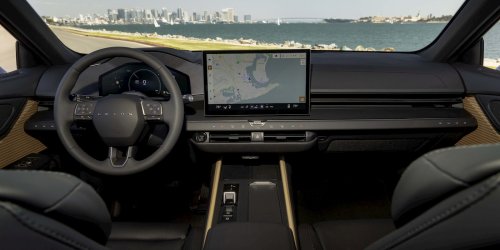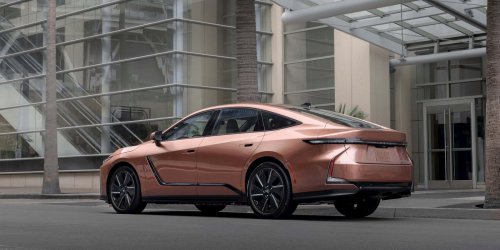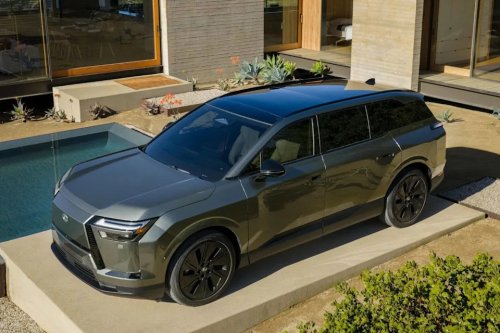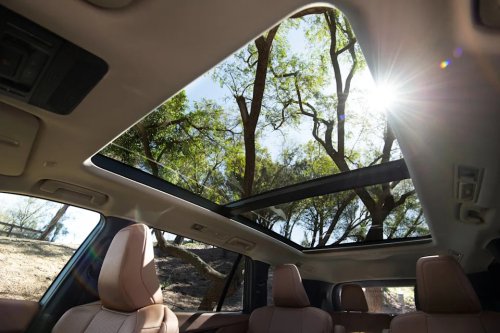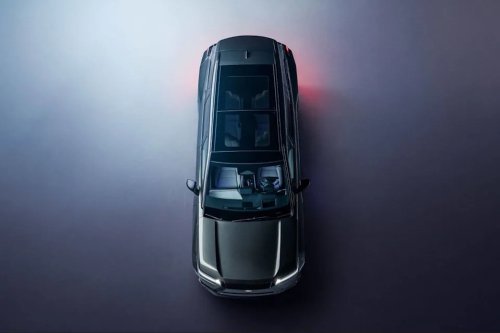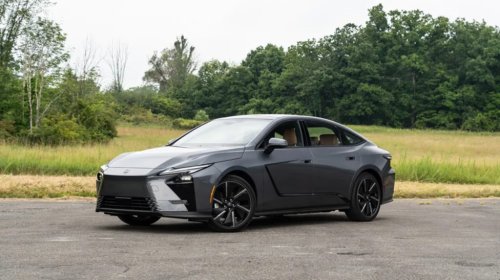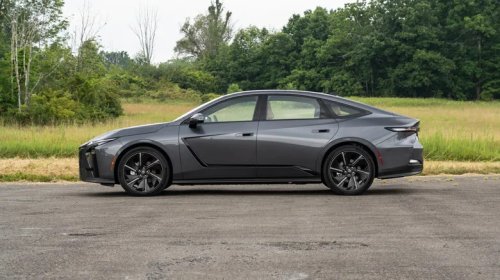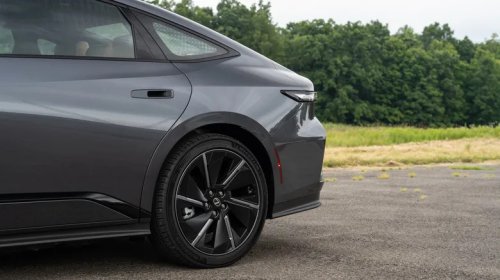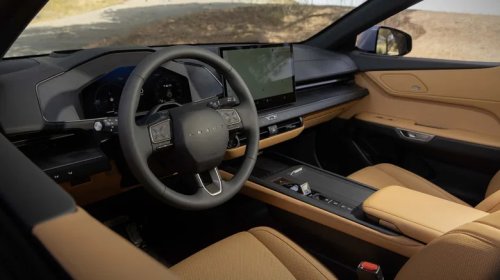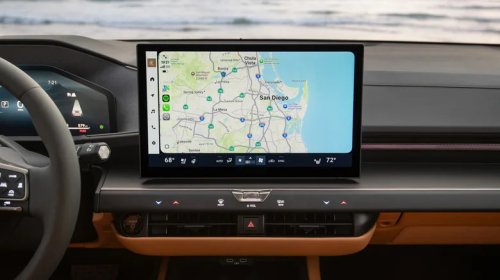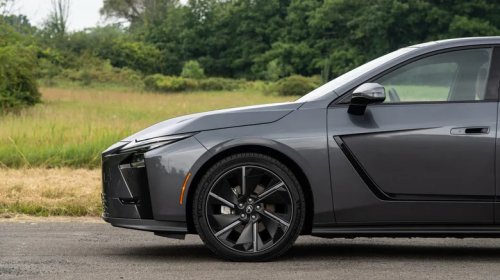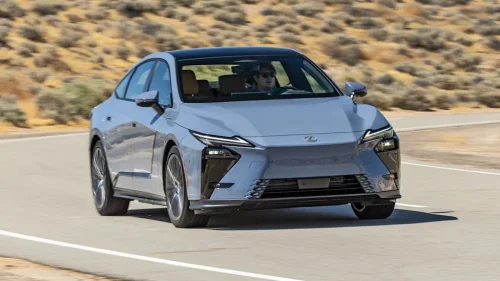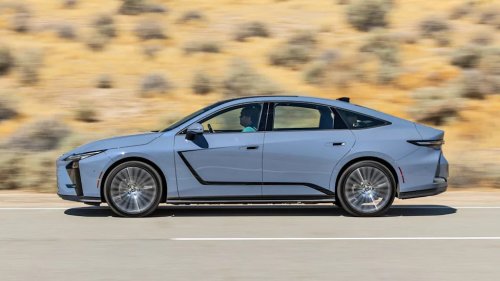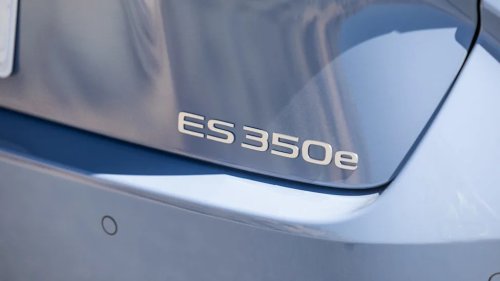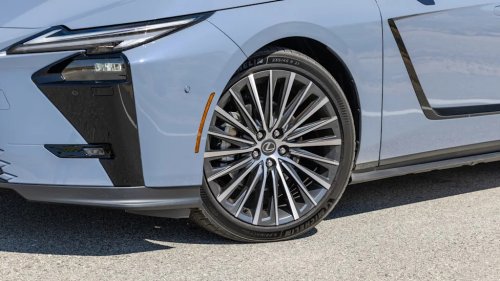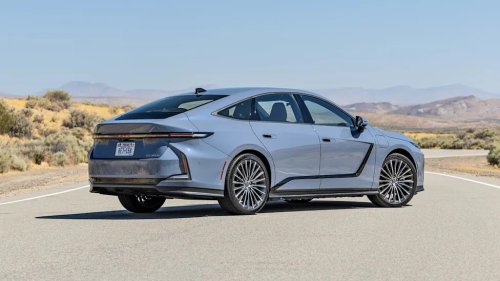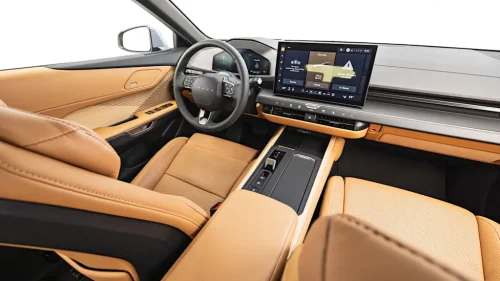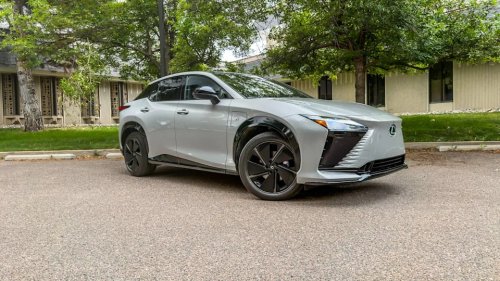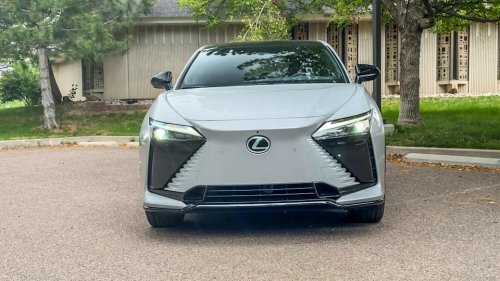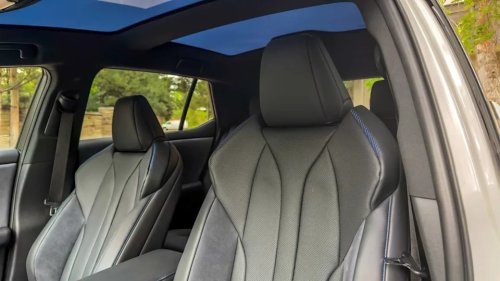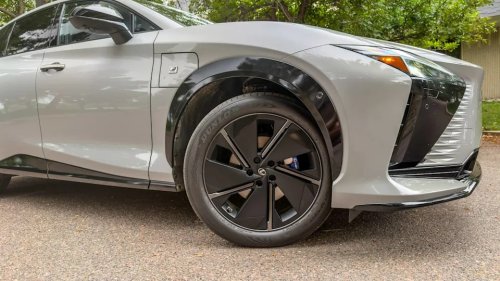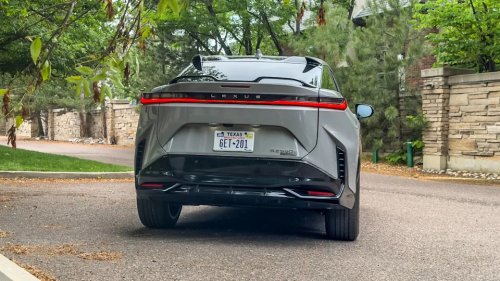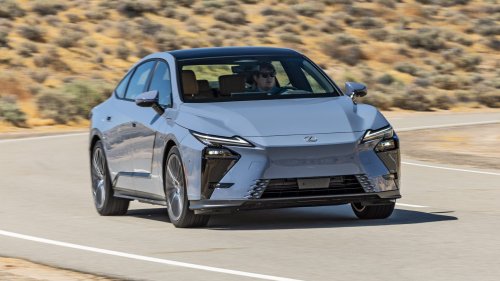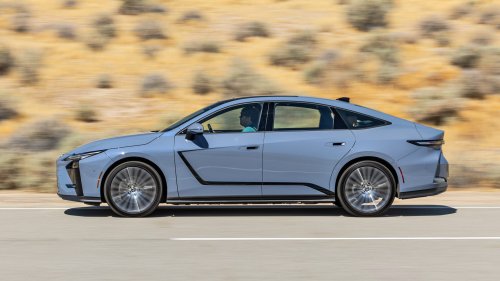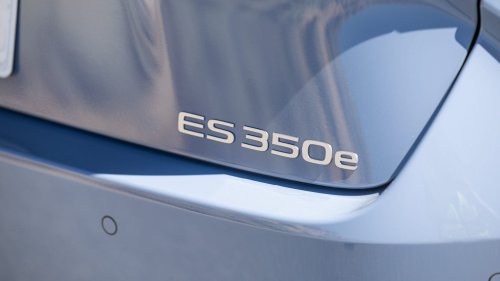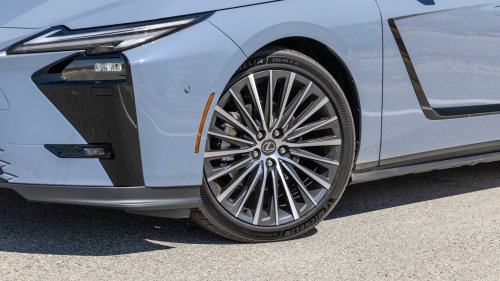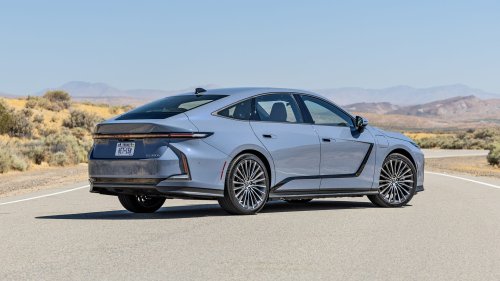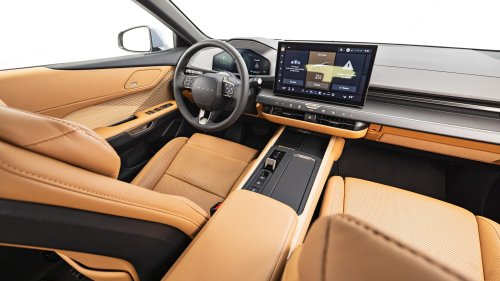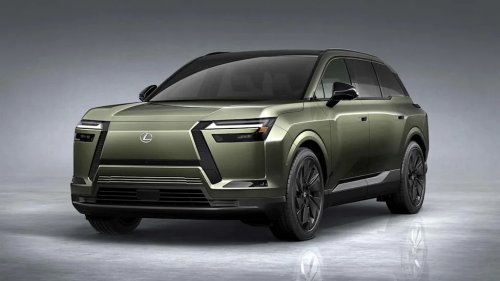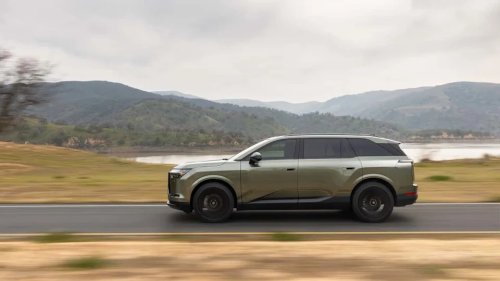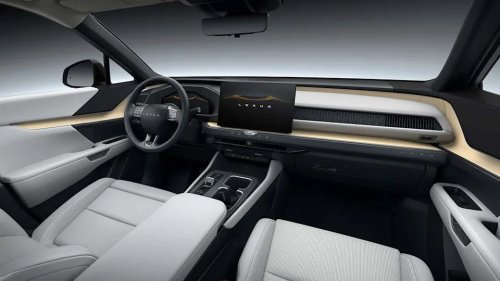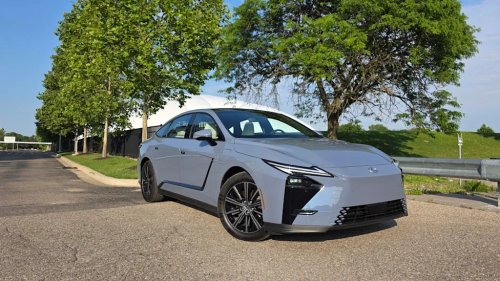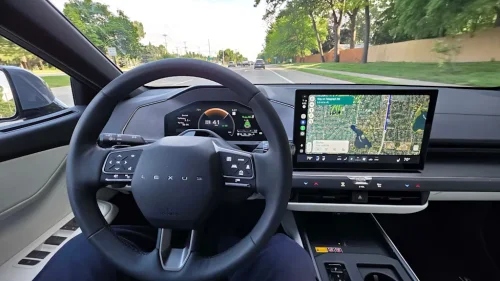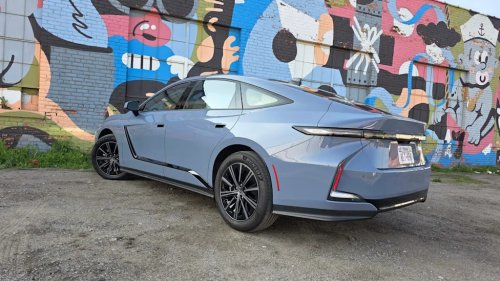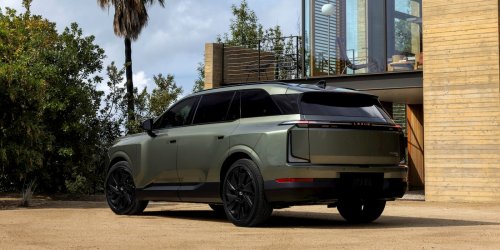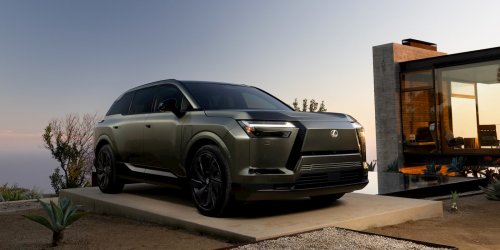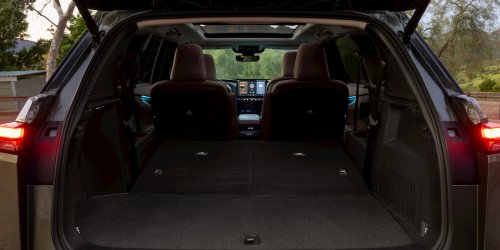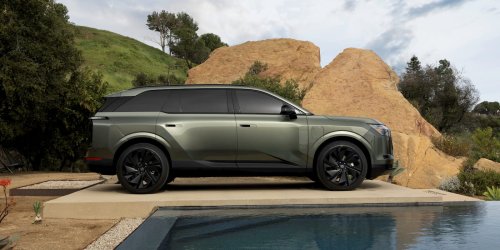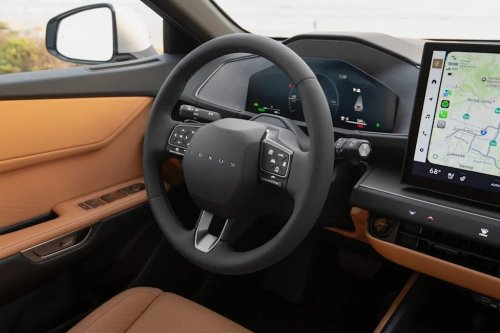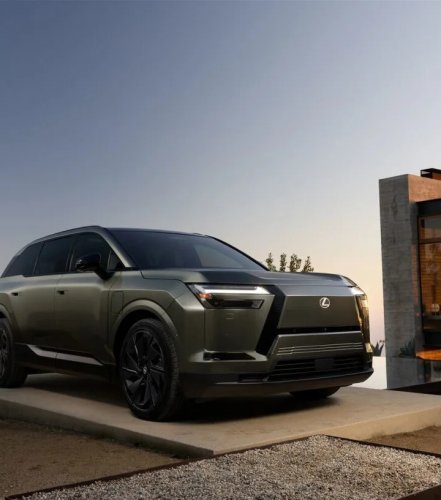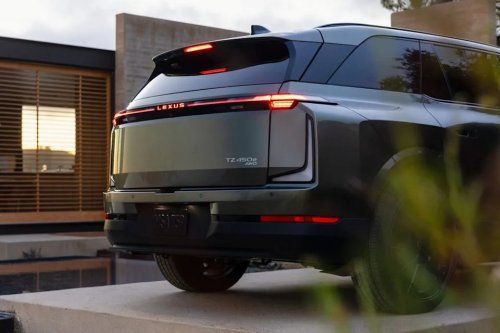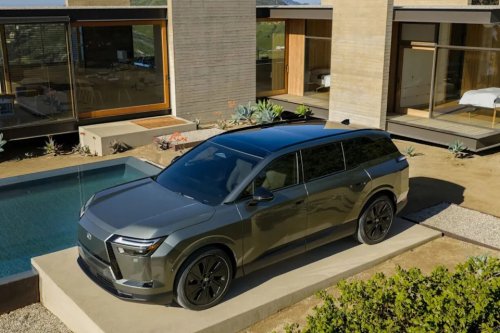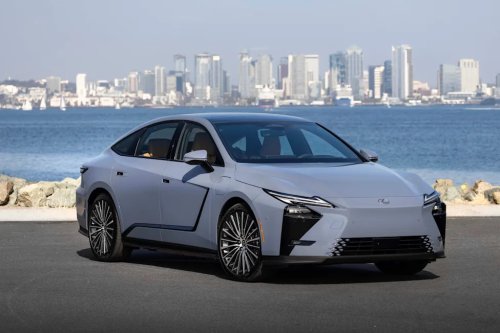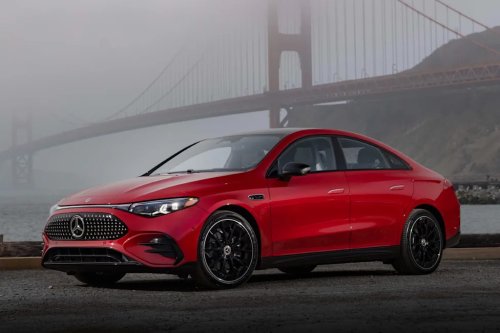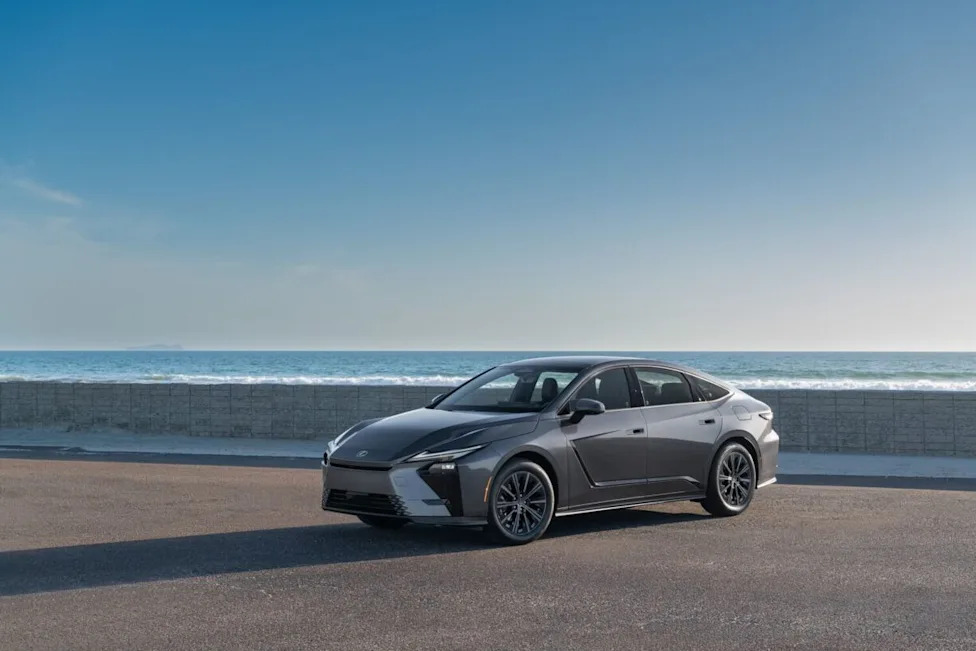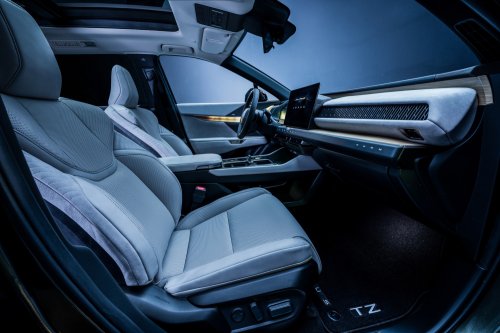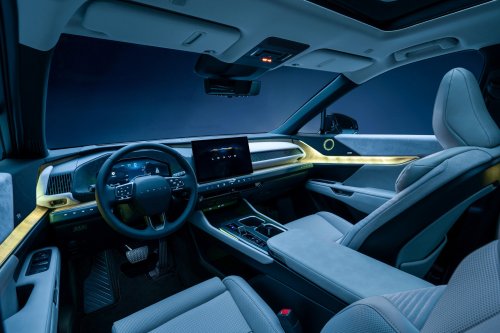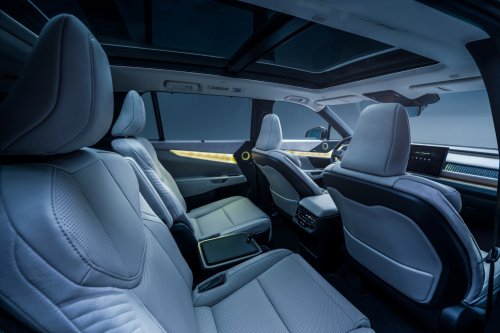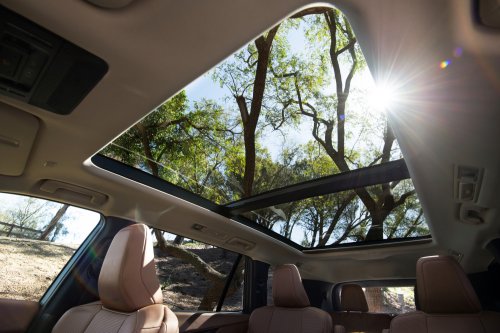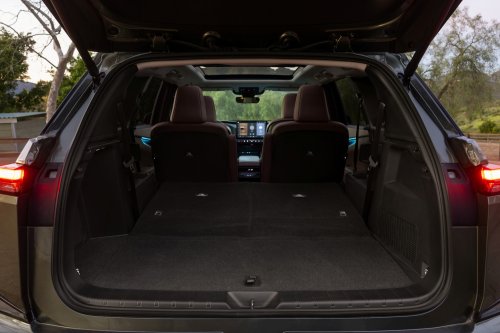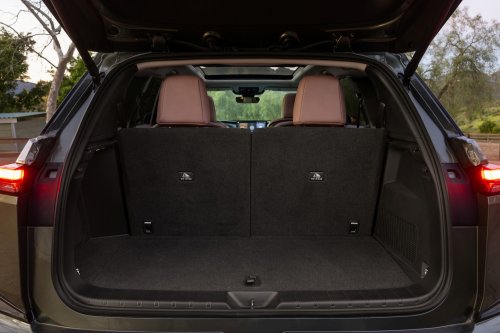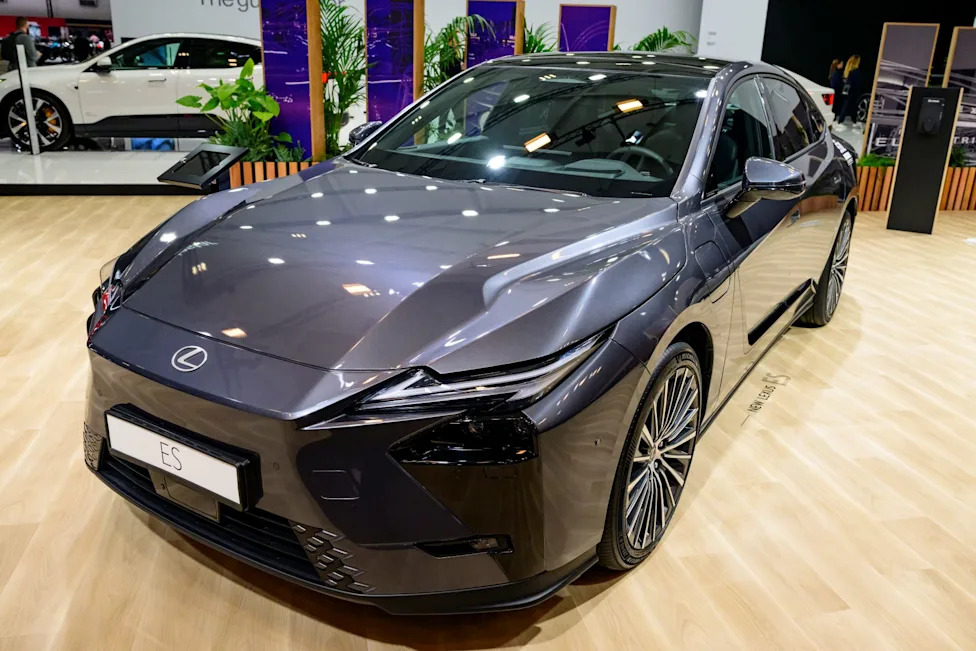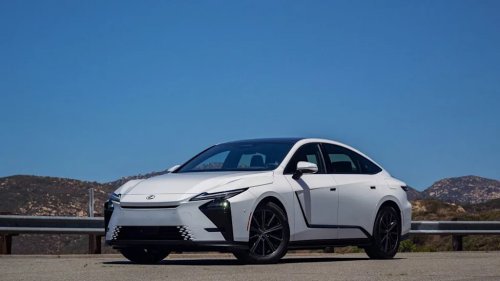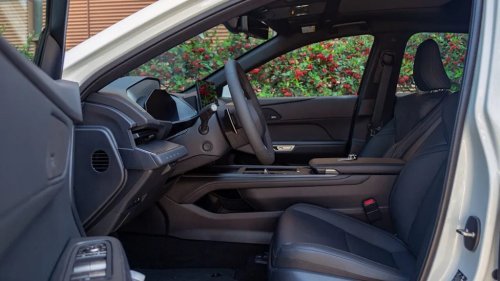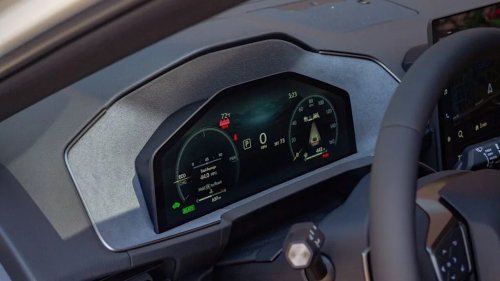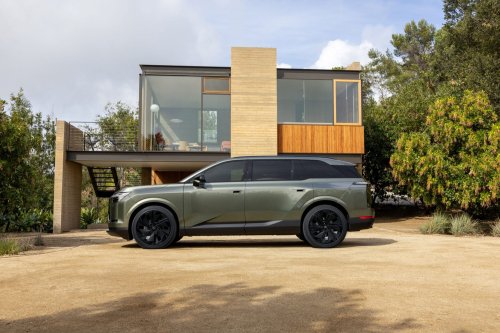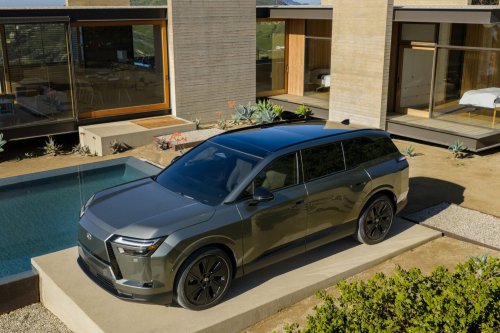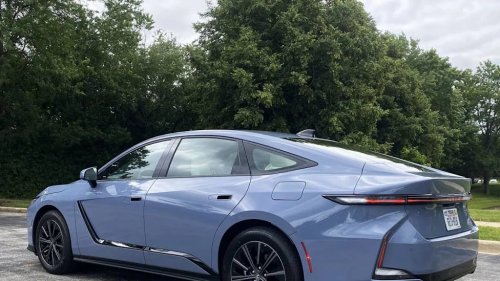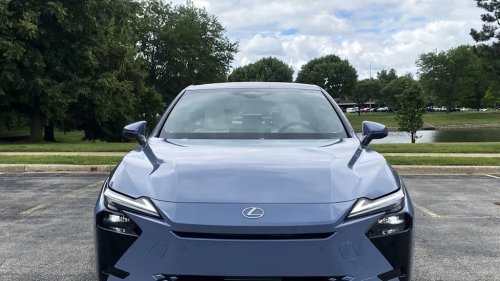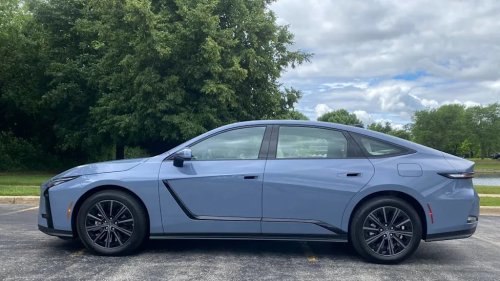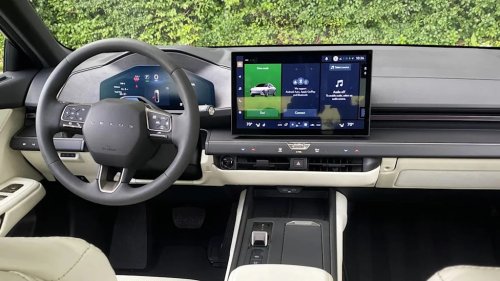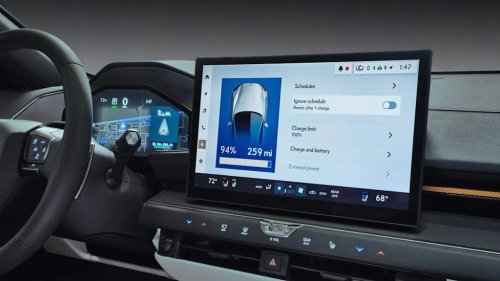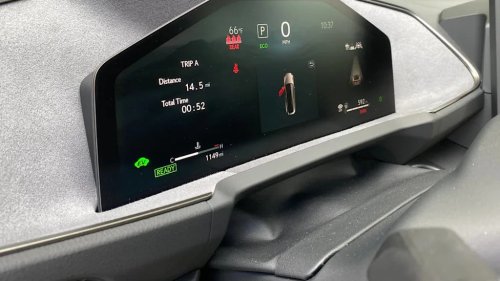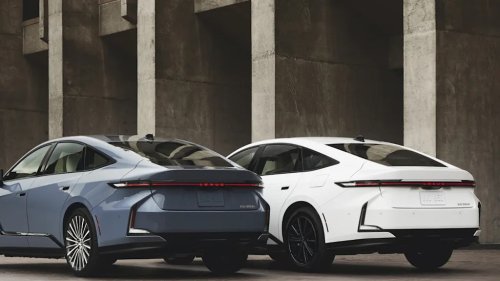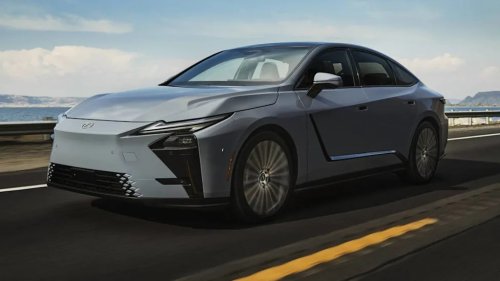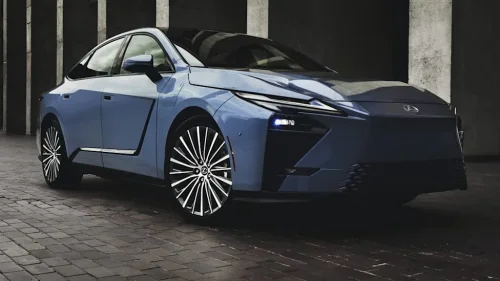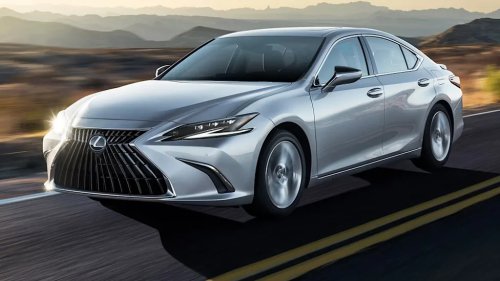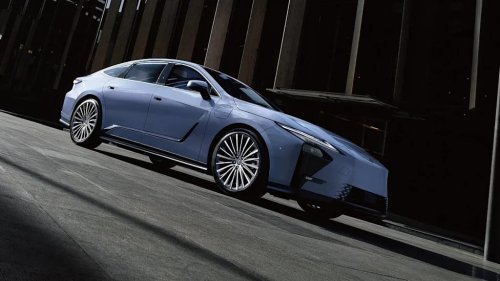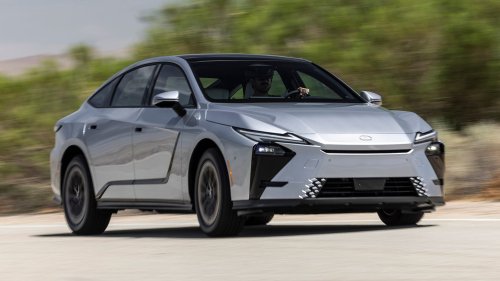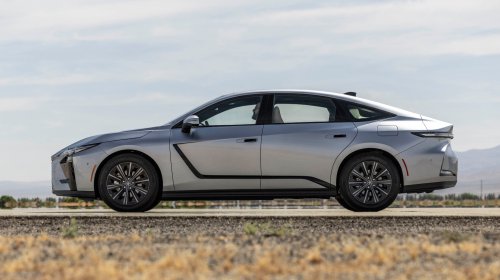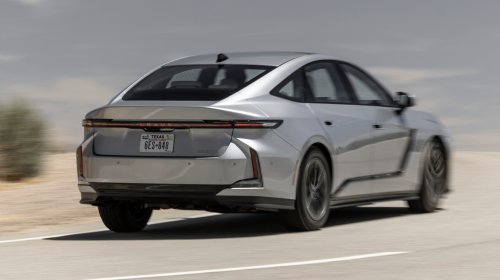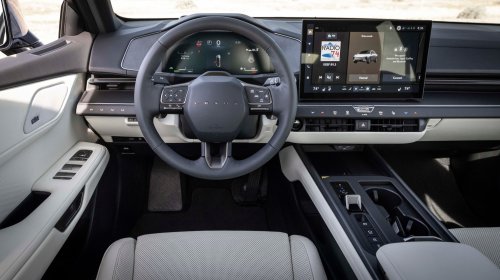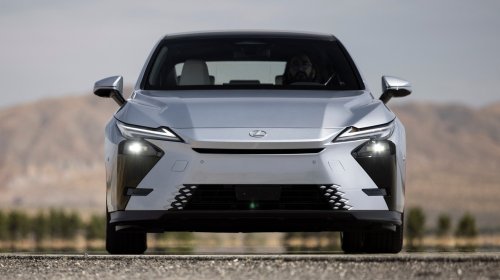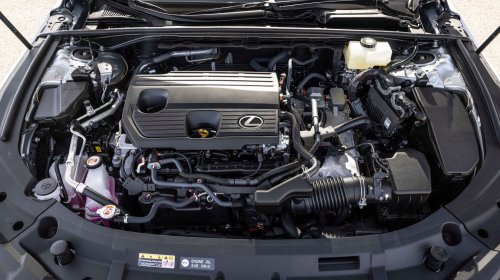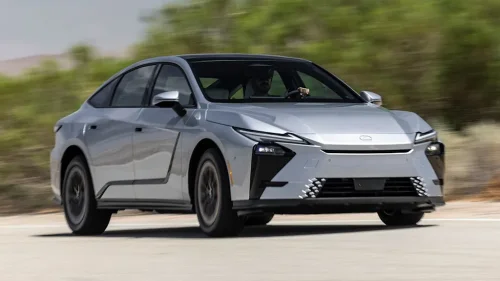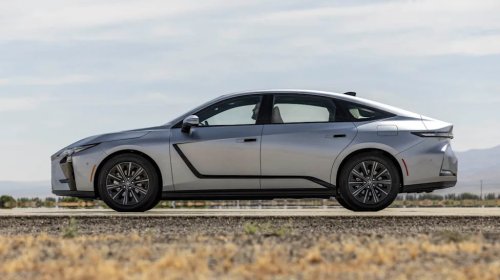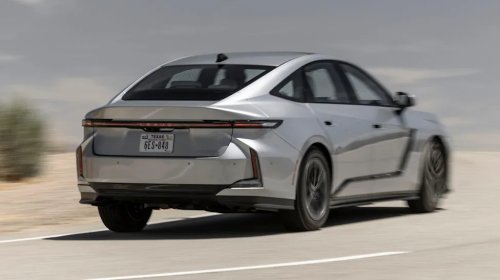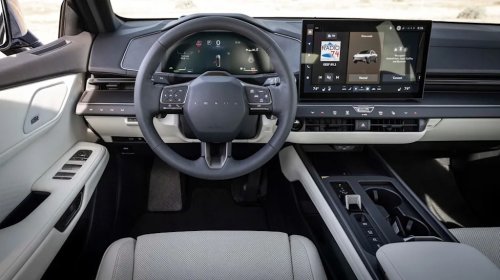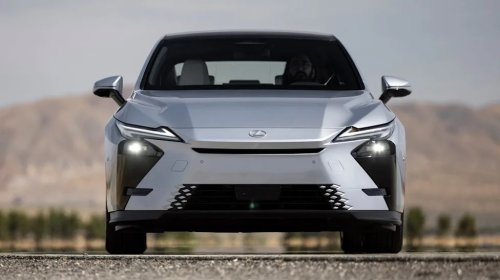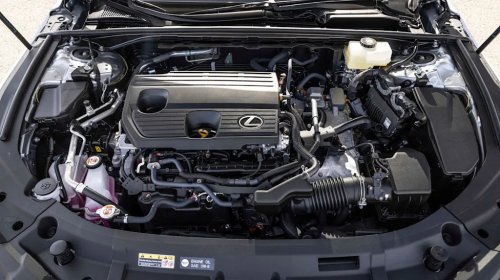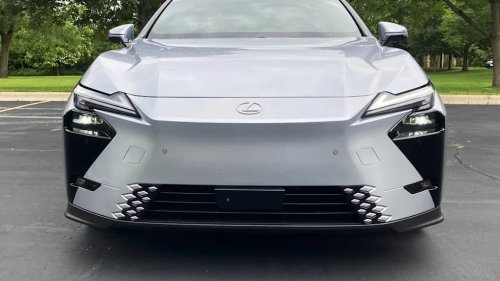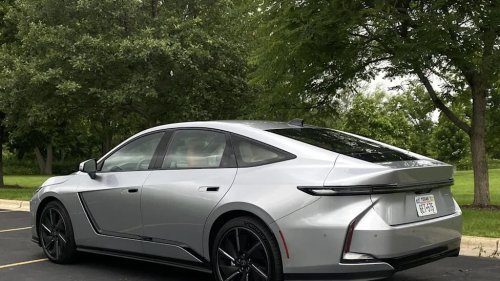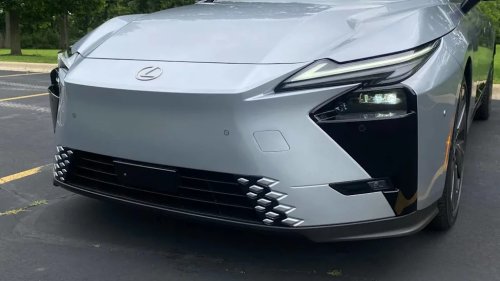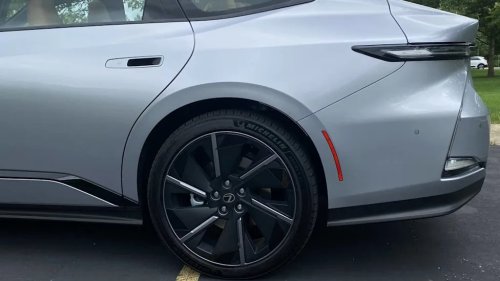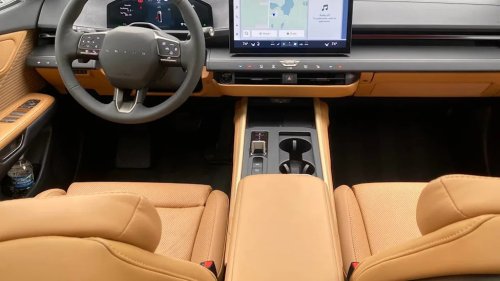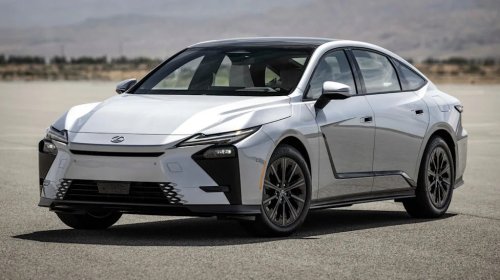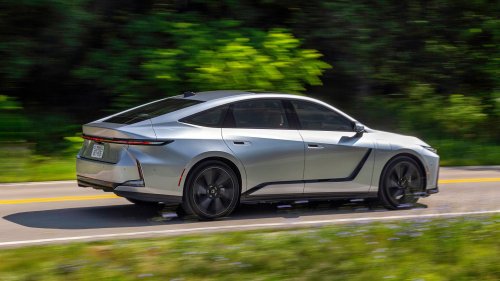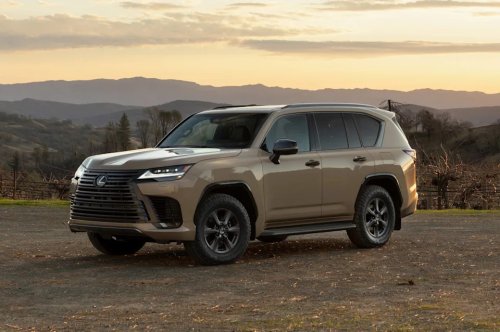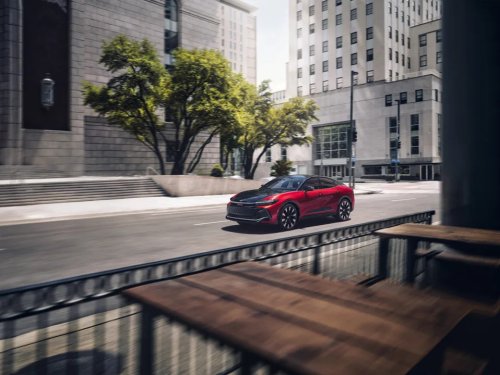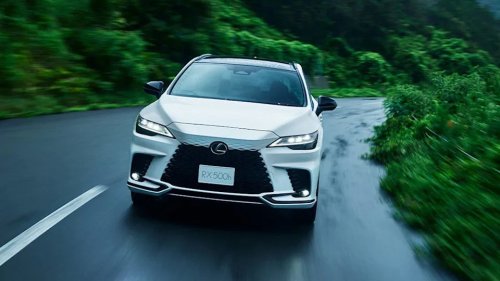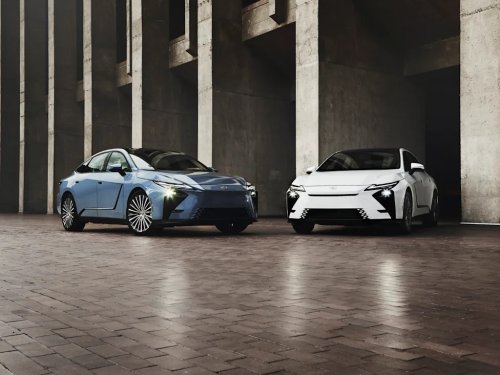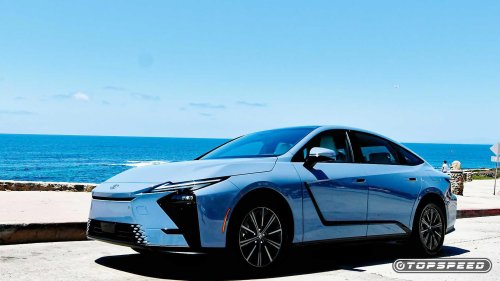
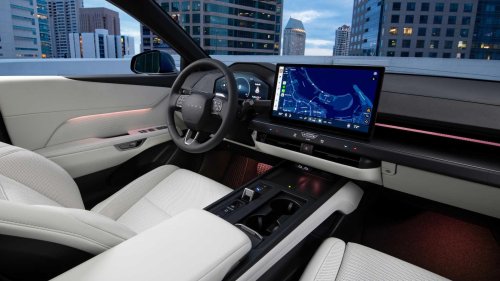
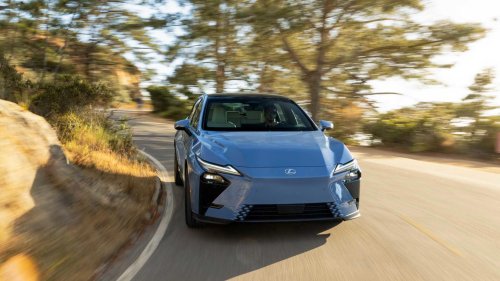
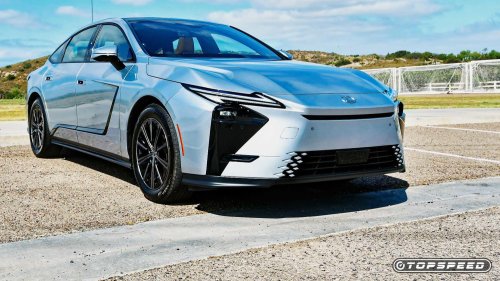
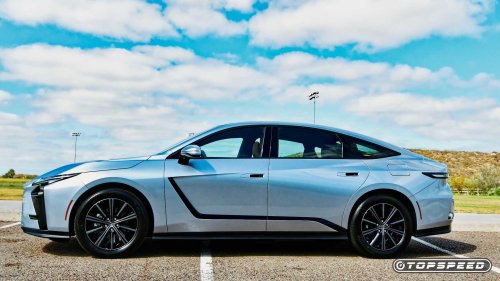
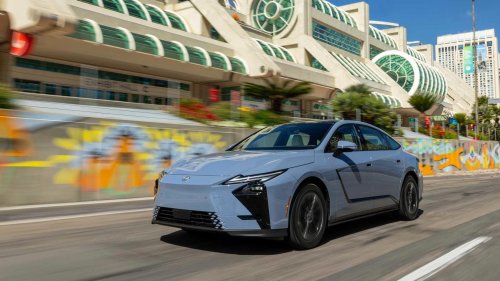
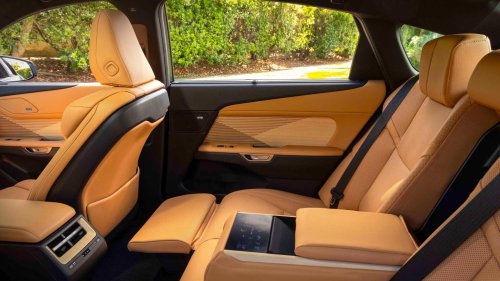
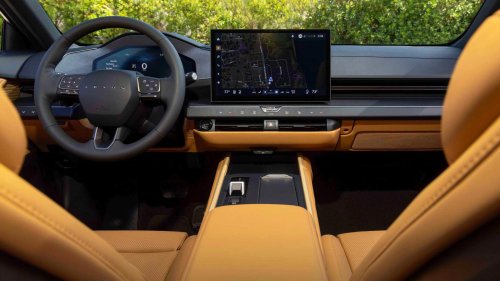
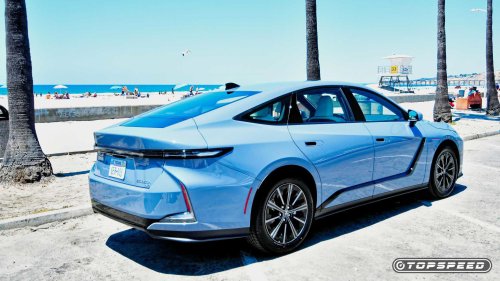
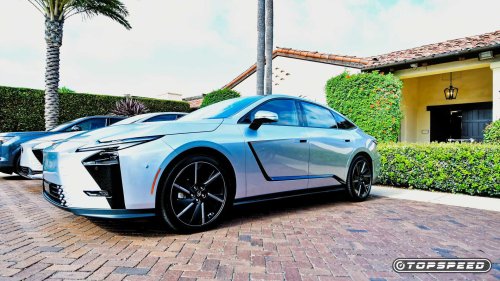



















Here’s the truth: Fewer people drive sedans in America. And this trend is true globally, too. And even a former banner-bearing mid-size sedan like the Lexus ES is dwarfed in sales these days vs., oh, the RX crossover. Lexus sold three RX crossovers last year for every ES (combined hybrid and gas for both). But don't write off the ES. It's grown roomier and larger overall, and even though BMW's combined 3 and 4 Series sales outpaced Lexus ES numbers in 2025, Lexus ES sales more than doubled BMW 5 Series sales last year.If your head is spinning, then I'll make the math very simple for you: The Lexus ES still matters. In fact, with gas prices skyrocketing, $50,000 luxury sedan sales may be poised to get a lot more meaningful. After all, that's the average price of any new car in 2026. And Lexus, now having made all ES cars hybrids or full EVs, is in the best possible position to take advantage of customers who may be reconsidering buying another crossover—and feeling the pain of $100 weekly fill-ups. I've just driven the all-new ES, and I'm here to tell you it's excellent. Any luxury crossover buyer should consider it, not just because it's hyper-efficient, but because it embodies everything Lexus does so well. Here's how. A Few Stats That Matter TopSpeed | Michael FrankI'll get to my headline in a second. But first, consider that the base hybrid Lexus 350h, which costs $51,095, gets 46 MPG combined. The $52,495 AWD version gets 44 MPG combined. Spend about 10 grand more, $62,000 for the BMW 530i—the "cheapest" 5 Series—and you'll get a combined 31 MPG. Now, keep spending. Because the tariff for filling that less-efficient BMW more frequently than that Lexus stacks up to $800 more each year, costing $2,419 annually (for $5 per-gallon gas).If you can afford that BMW, perhaps you're unfazed by the ever-escalating pain at the pump. But as you'll see as you keep reading, Lexus isn't merely targeting that BMW on the cost of fill-ups. NVH Equals Luxury LexusThe eight-generation ES rides on a platform that Toyota-Lexus call TNGA-K. It's the first vehicle to use this superstructure revised precisely for making either an EV or hybrid, and like Mercedes' new CLA, it allows running both down the assembly line simultaneously. In an interview with Kohei Chiashi, Chief Engineer at Lexus, he explained that part of building an EV and a hybrid on the same chassis forced the carmaker to consider noise at a considerably higher standard. Because EVs' only external sounds come from road noise, not the powertrain. And the new ES hybrid also gets a more powerful electric drivetrain, which enables it to run as an EV more frequently, too. Which basically meant upping Lexus's already high bar for creating a quiet cabin. When you drive the ES hybrid, you notice it truly feels isolated and serene, but not numb. It's very quiet, so you can easily carry on a conversation, but you don't feel too isolated. Quiet, But Not Dead LexusChiashi explained that building a single platform that's strong enough to support full BEV batteries and highly torque-y motors also created a benefit, since the ultra-rigid structure sends a lot less sound through the chassis, regardless of propulsion. He said that Lexus worked intensively, both by comparing the ES against its competition and against internal Lexus benchmarks, to create a new standard across Lexus. Chiashi also said just blanketing the cabin with noise-canceling technology pumped through the sound system "becomes almost forced, and doesn't feel natural." While the new ES hybrid does use that tech to cancel the din of the 2.5-liter engine's harshest tones, he credits physical updates over electronic ones for yielding a just-right sonic experience. The Sweet-Spot Ride Height TopSpeed | Michael FrankWhen Lexus moved to this new platform, they were forced to make a few choices. One thing the carmaker had to do was position the battery system throughout the floor, so that when the ES was produced as a full BEV, it wouldn't have a massively forward weight balance. In turn, that meant moving the car higher, and that elevated the entire cabin. Although it doesn't look like it, the new ES's roof is only about a half-foot lower than an RX crossover's lid, and engineer Chiashi says this is highly advantageous. That makes the car a lot easier to clamber into and out of vs. a lower sedan height, but it's not so tall that Lexus is battling the height disadvantages of a longer-legged crossover that starts to feel ponderous and heavy through corners. Basically, all of that could be said about the Toyota Crown, too, because that less luxurious cousin shares bits from the same parts bin and has nearly the same ride height. Powerful Enough TopSpeed | Michael FrankThe ES 350h features a 2.5 -liter four-cylinder engine mated to an electric motor-generator. Power grows across the board, with the engine increasing horsepower from 176 to 186 horsepower. But a bigger deal is that the motor-generator's output jumps from 149 foot-pounds of torque to 199. That matters more because electrically produced torque comes on instantly, so even though total system output is a fairly modest 244 horsepower, the new ES feels a lot snappier off the line. Lexus is only predicting a 7.3-second 0-60 MPH time (7.1 seconds on the AWD hybrid), but that BMW 530i is only about a second quicker. AWD Is About Traction LexusWhile the AWD version is no more powerful than the FWD hybrid, Lexus now enables a more natural torque split, especially during wheel slip. The 54-horsepower rear motor can take up to 80 percent of the propulsion duties, and the front engine/motor tandem can entirely power the vehicle and veto any force from that rear motor, presumably when the rear tires slip. While I would hardly argue you need track days to unleash this Lexus's full potential, it's quick enough, and it tracks smoothly and steadily. It's not going to induce palpitations, but in tight traffic, during highway merges, and hard braking, it performed precisely and confidently. Arguably, too, it's a lot more agile than peer crossovers with similarly sized interiors and luxury aspirations. More Than Mid-Sized 2026 Lexus ES 19Probably the most attention-getting feature of the new ES is that it's exceptionally roomy. Front passengers have about the same legroom you'll find in that 5 Series BMW. But passengers in the second row get three full inches more legroom. In fact, the ES's second-row legroom surpasses what the now-defunct full-size Lexus LS offered by nearly two inches. And, a vehicle you might cross-shop vs. the ES, Lexus's RX, also has tighter second-row quarters, again, trailing the ES's legroom by three inches—though the RX's aft row has a hair more headroom. Infotainment With Natural Voice Assistance LexusLexus's latest infotainment system, like Toyota's, is far more intuitive. It retains a bar of icons for climate shortcuts along the lower rim of the 14-inch touchscreen, and on the left-hand side, quick icons that jump you to systems like audio choices, navigation, and car functions. They also went further. So, for instance, if you want to customize driver's assistance features, such as lane-keeping, that sub-menu includes short, explanatory videos that tell you what each setting does.On the infotainment side, Lexus's "Hey Lexus" assistant allows you to give very simple, conversational prompts like, "I'm a little hot," and the climate system will adjust in response. Likewise, it'll pull up restaurants nearby if you tell it you're hungry, or tell it "Hey Lexus, caffeine, STAT!" and it'll show coffee joints. Further tricks include more advanced satellite radio, called SiriusXM 360L. This (three-month free trial) features customized Sirius "stations" that are culled from the vast geography of SiriusXM, which lets you choose, say, a dedicated artist channel, which might populate with not just songs but interviews. And you could do something similar with your favorite sports franchise. The Best Version May Be The EV TopSpeed | Michael FrankThere are two reasons you might buy the EV instead of the hybrid. First, it's cheaper. Yes, that's not a typo. The ES 350e starts at $48,895; the AWD ES500e runs $51,895. So both are more affordable than their respective gas brothers ($51,095 FWD; $52,495 AWD). Range is a respectable 307 miles for the FWD and 276 miles for the AWD ES. And you might also want the EV because the all-wheel-drive ES is the fastest of the four, with 338 horsepower and a 5.1-second 0-60 time.If you drive 15,000 miles a year, the hybrid ES will cost you $1,630 a year for gas at five bucks per gallon. Pile up the same mileage in the EV and in most parts of the country it'll run you half or less dough for electricity. (I'm presuming that a Lexus buyer would likely have the means to charge at home, because that's far more cost-effective than publicly charging.) TopSpeed's Take TopSpeed | Michael FrankI'm going to be 100 percent honest: I don't think this car is pretty. I've grown used to Lexus's angular styling, but it's never been a visual language I'm attracted to. The interior is a different matter. The cabins I saw are handsome and elegantly executed, and I'd be very happy spending several years' worth of driving in the new ES. And we don't sit on the hood and drive a car, we perch within them, so caring too much about the exterior is a bit of a silly exercise.Dynamically, too, while the ES isn't exactly a GR Corolla, or even the latest Mercedes-Benz CLA, it happens to be far more livable than the GR, and by the way, roomier by leagues than that Benz while costing the same scratch. So, you have to rank your needs. If what you need is a mile-eating luxury sedan with genuine comfort for five passengers, the new ES is very much a bargain. And, better than that, it's remarkably confident, comfortable, and enjoyable. Thrilling? No. Worthy of being the next great Lexus. Unreservedly, yes.