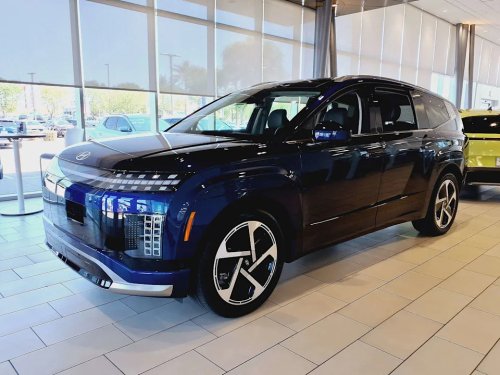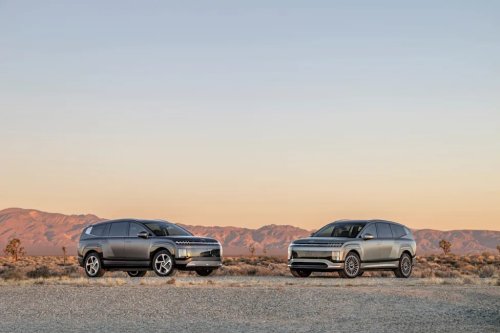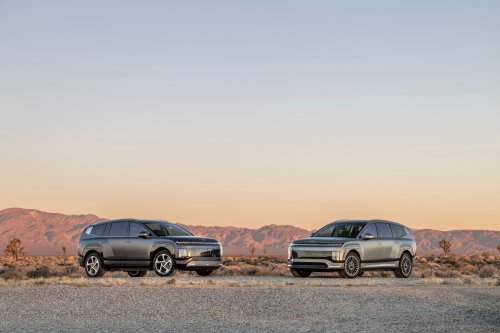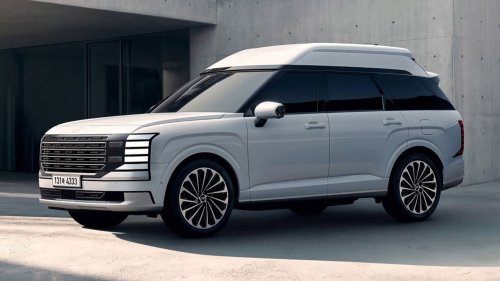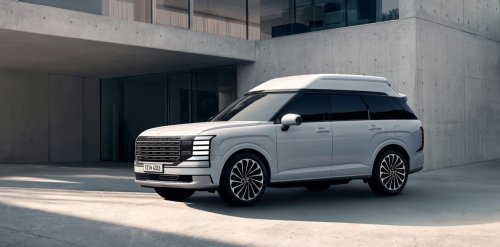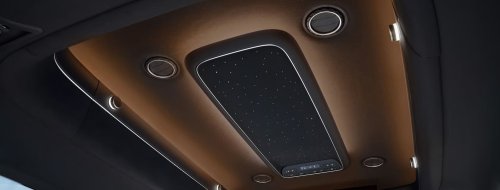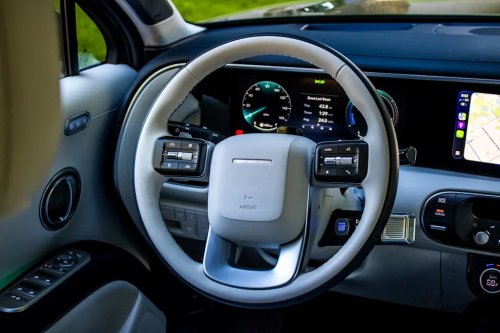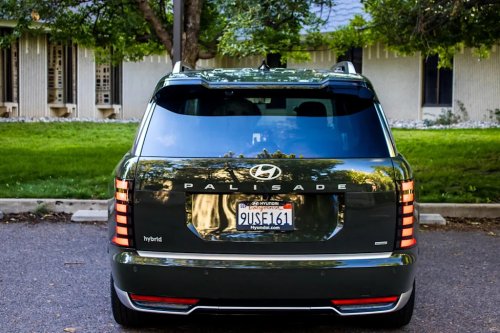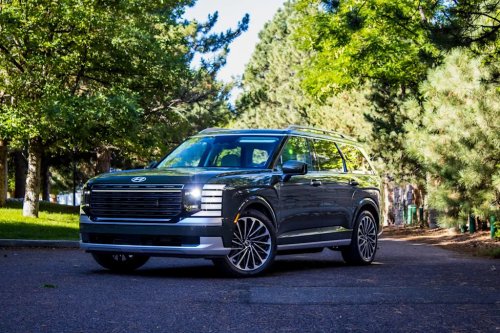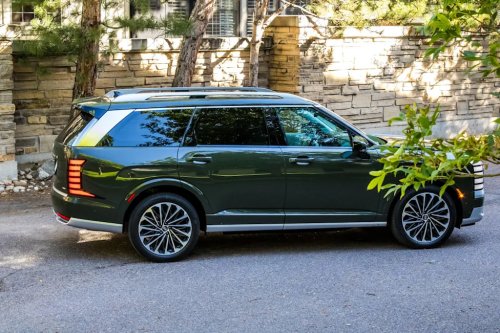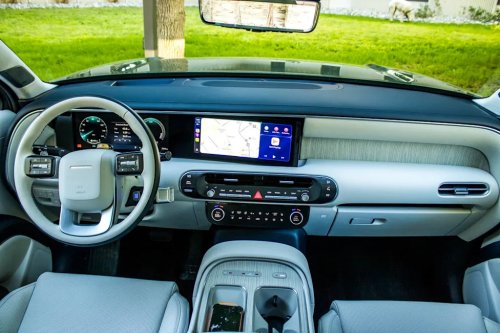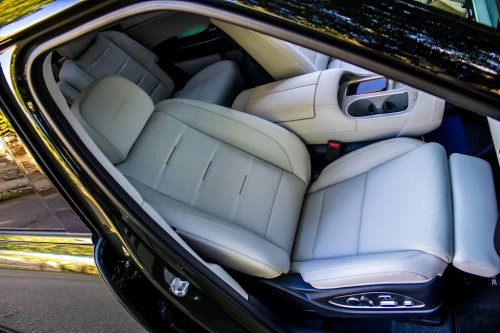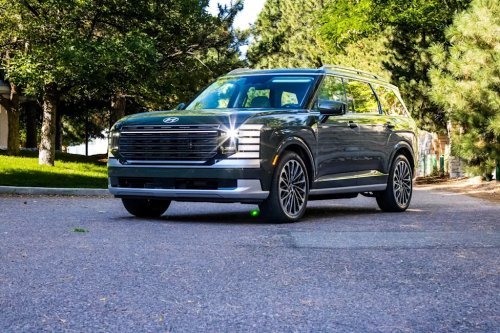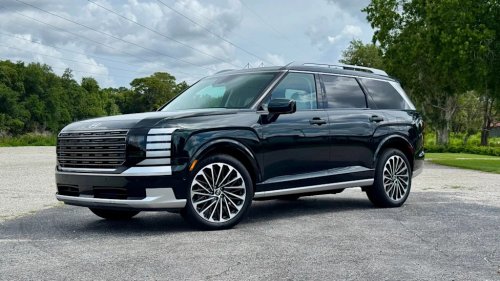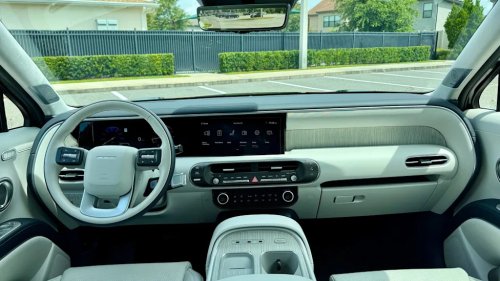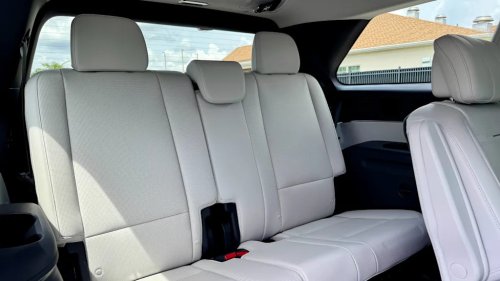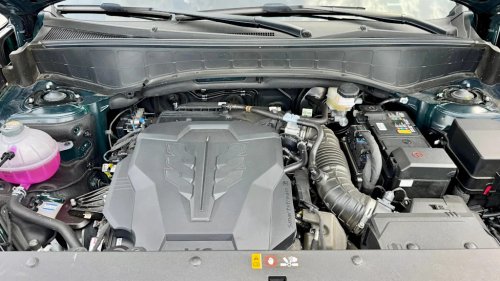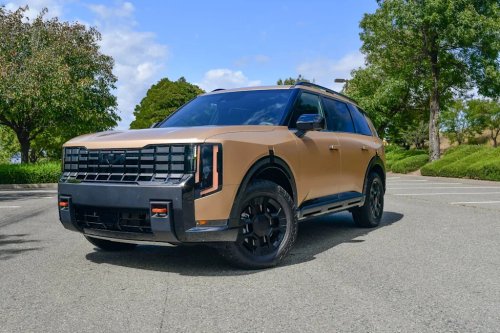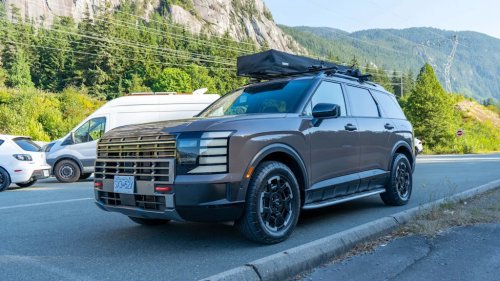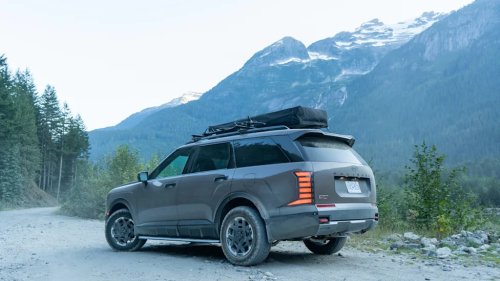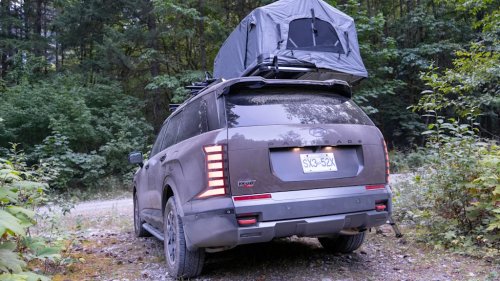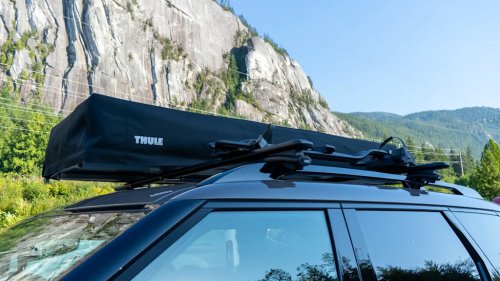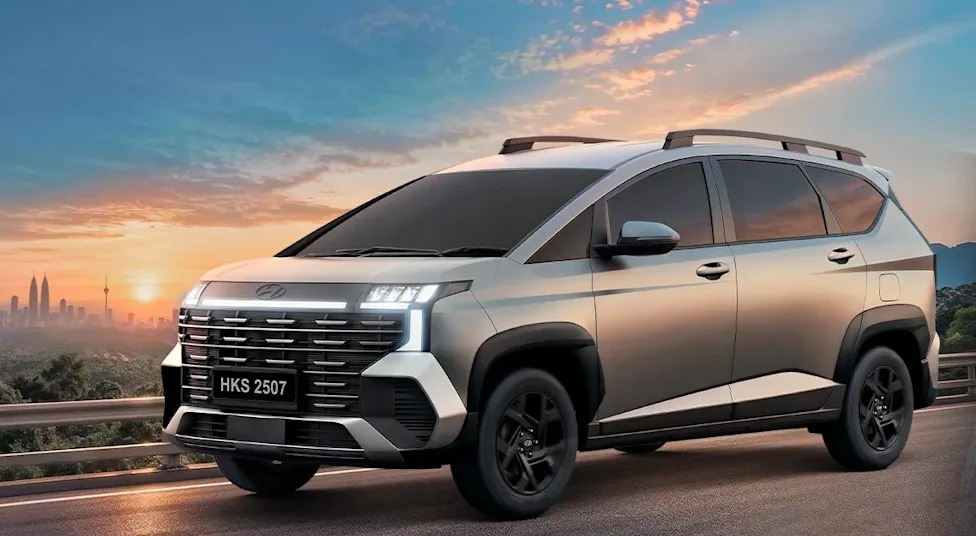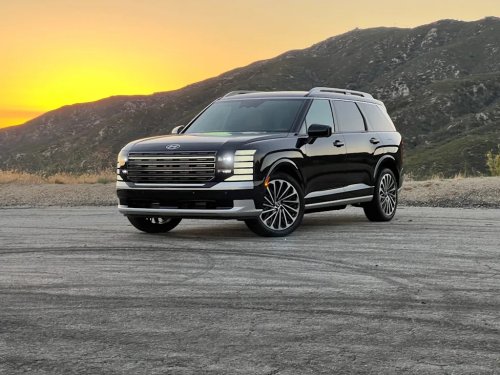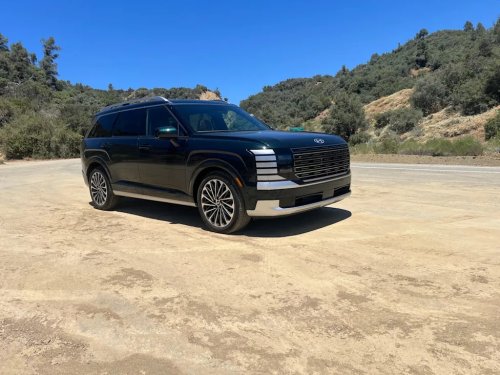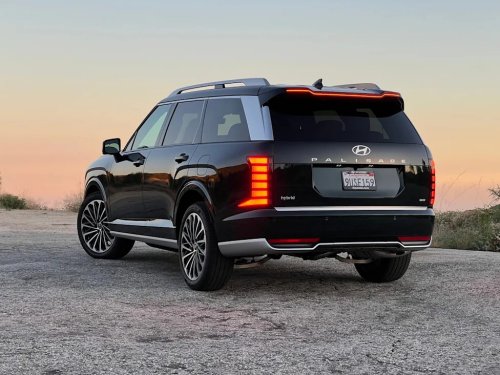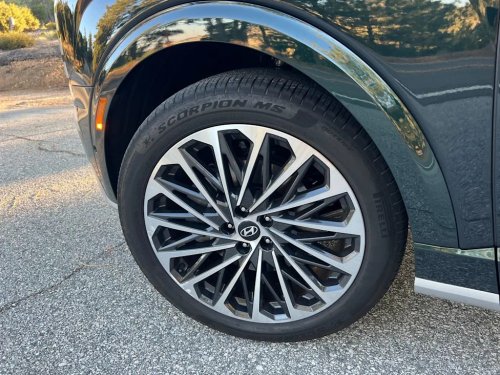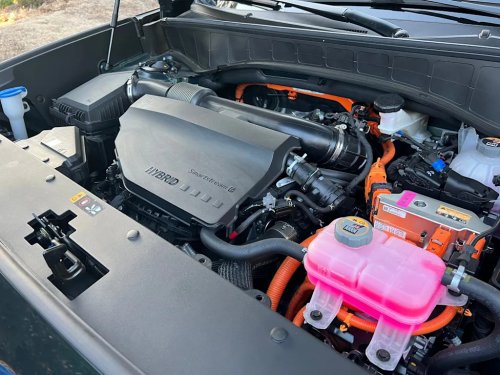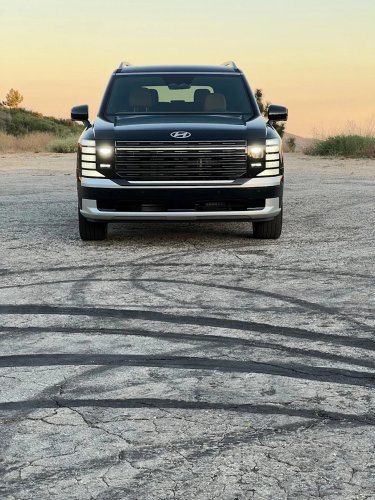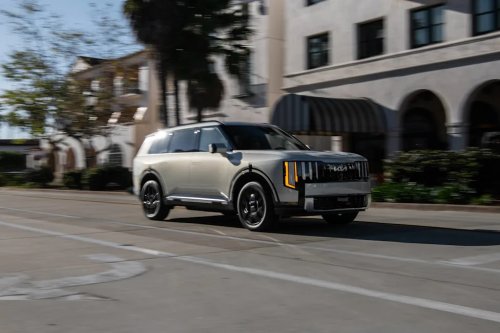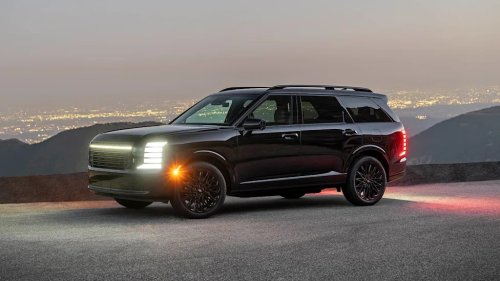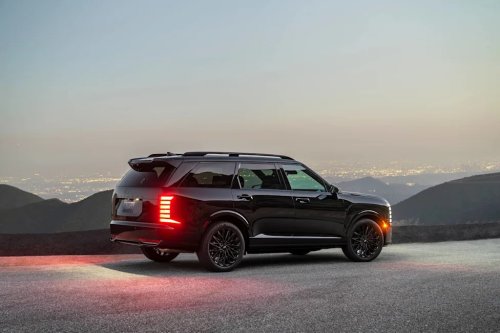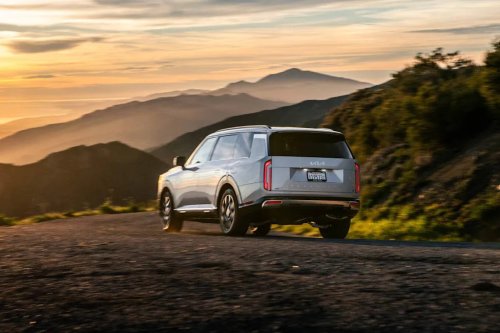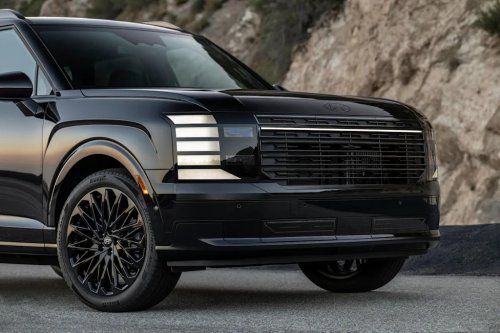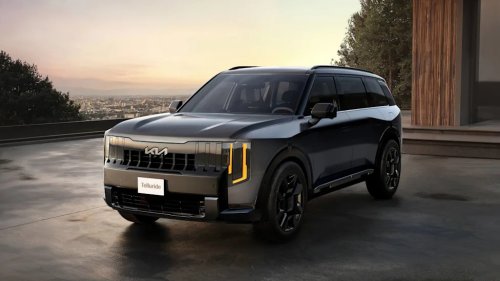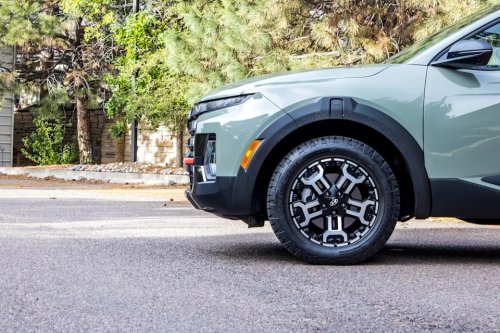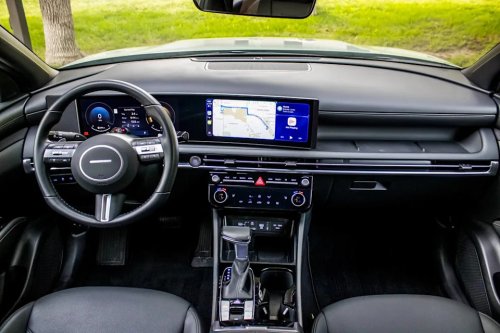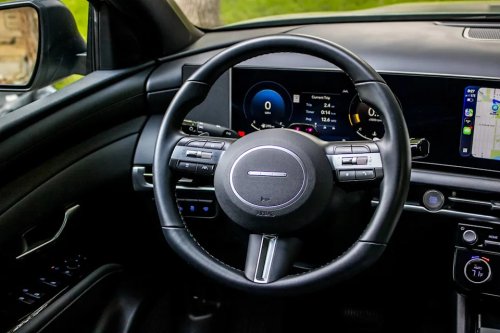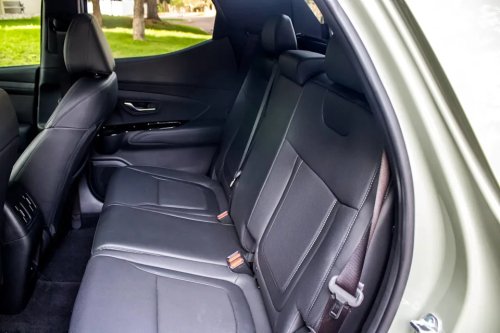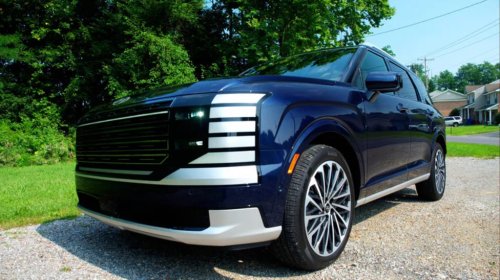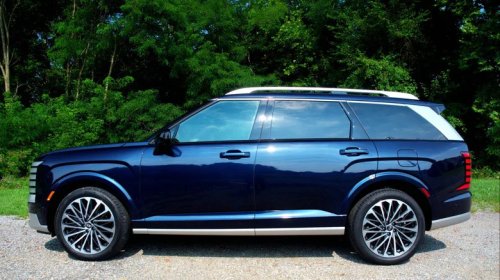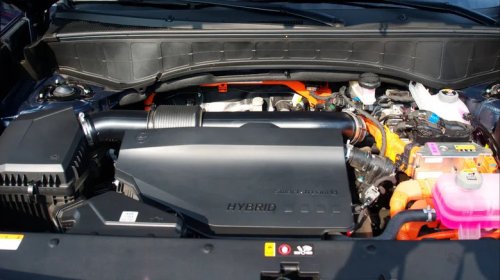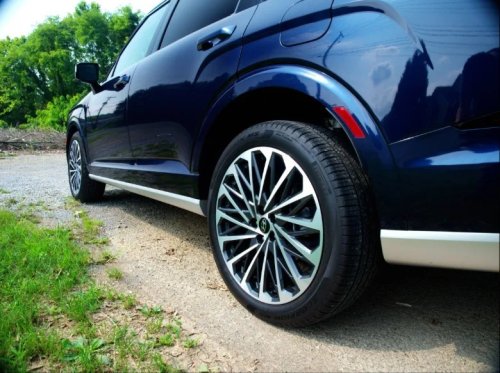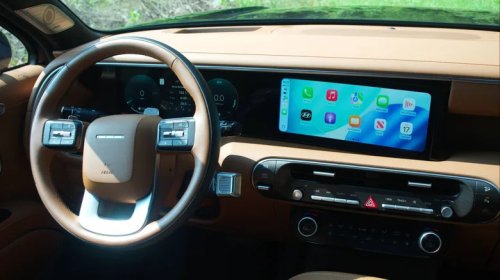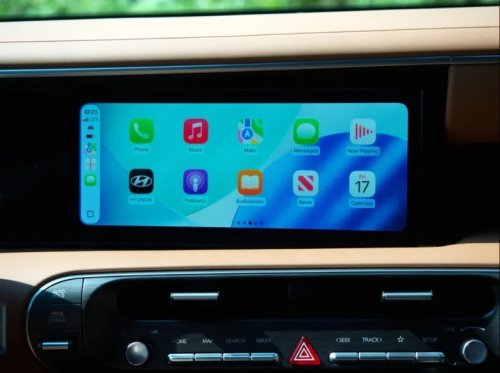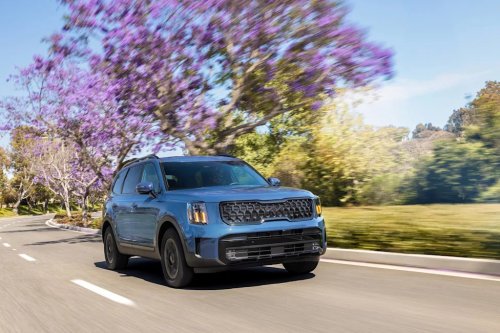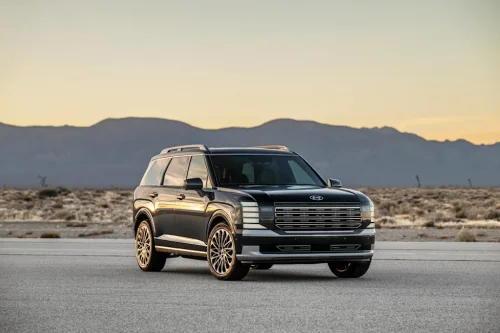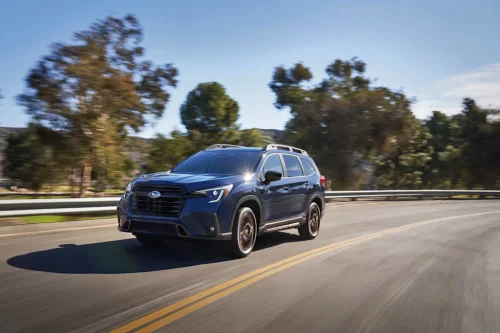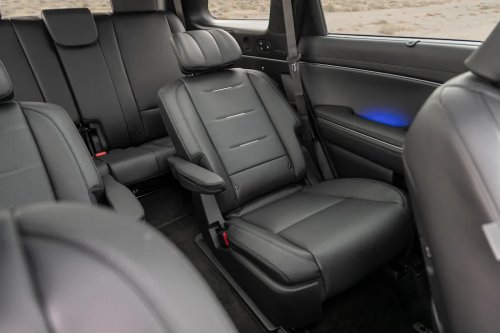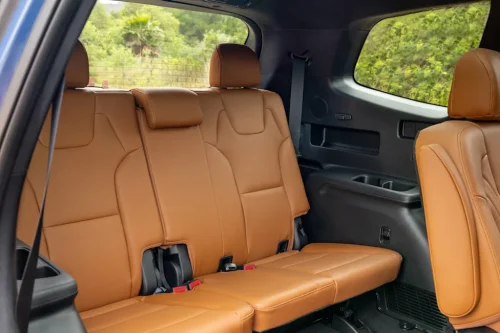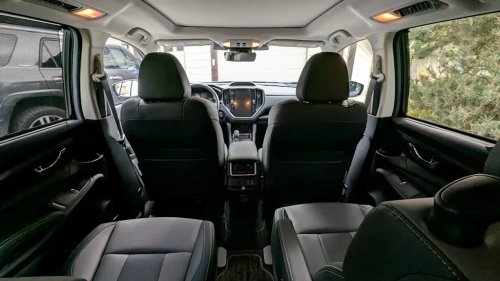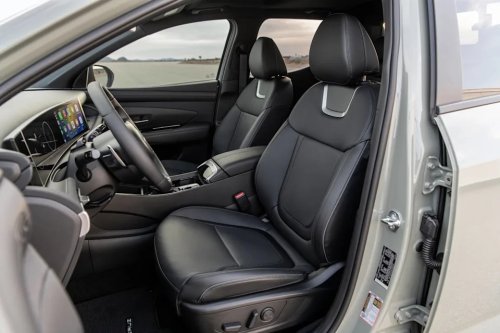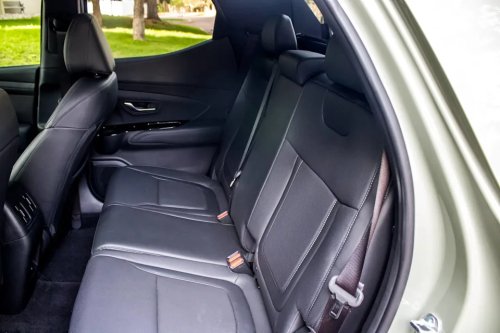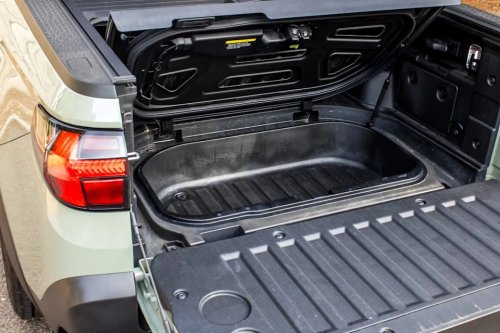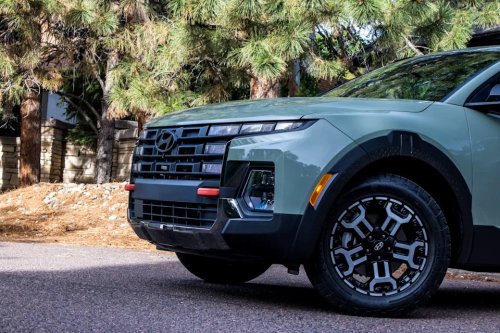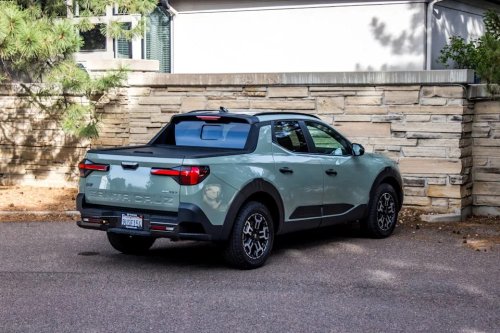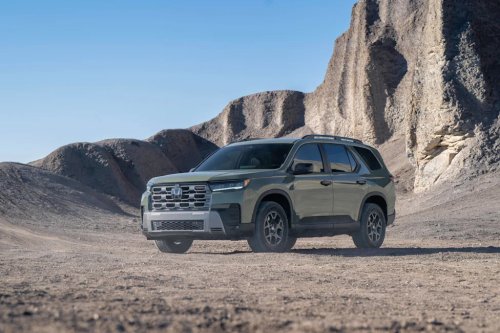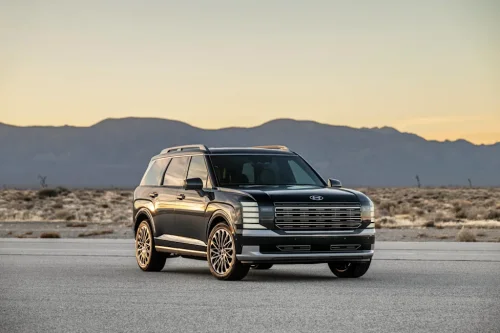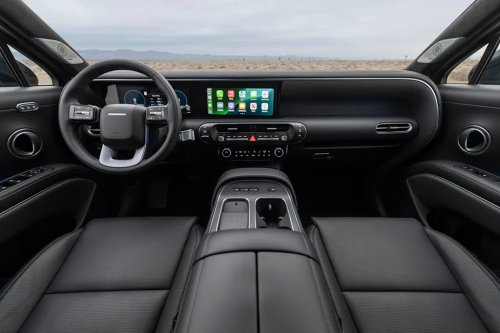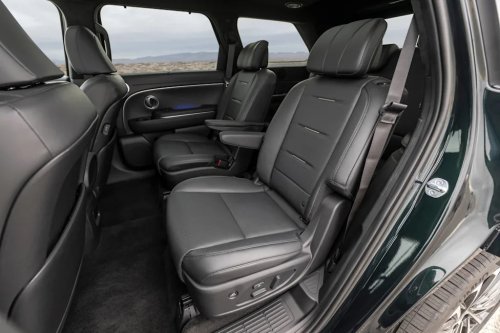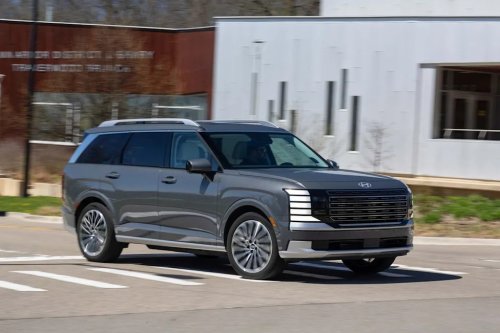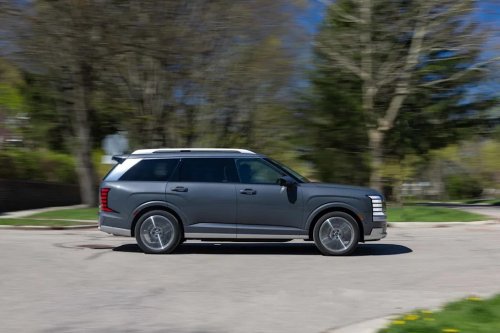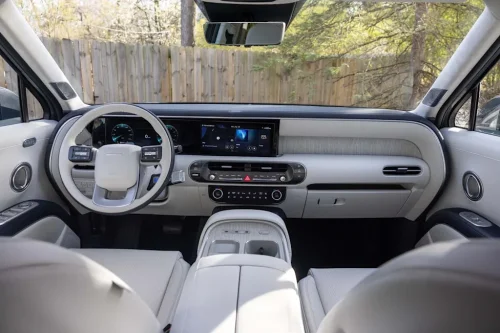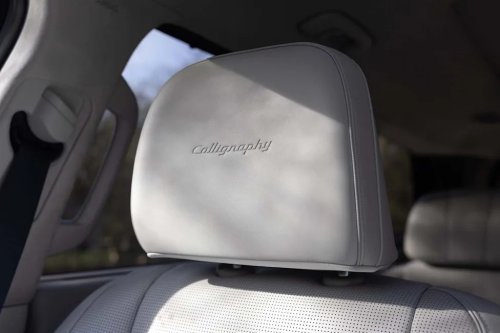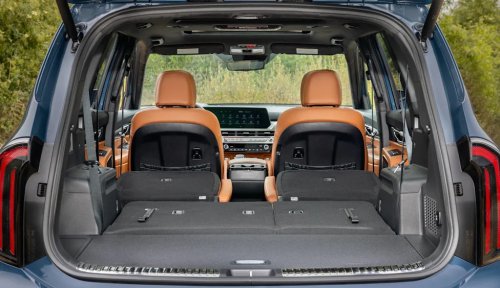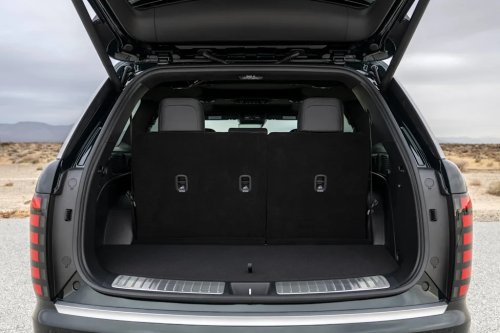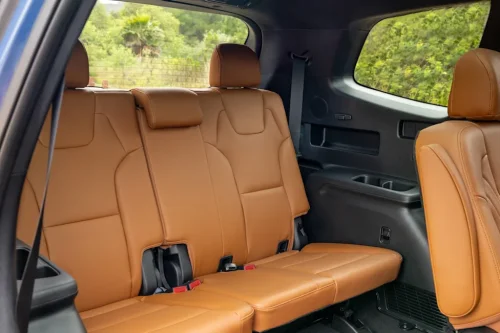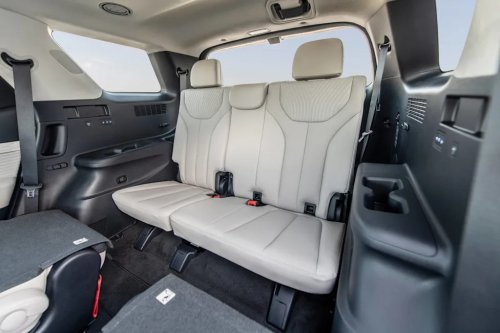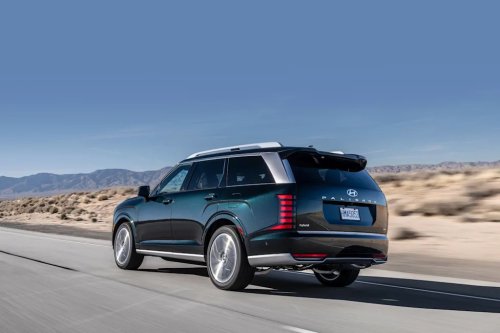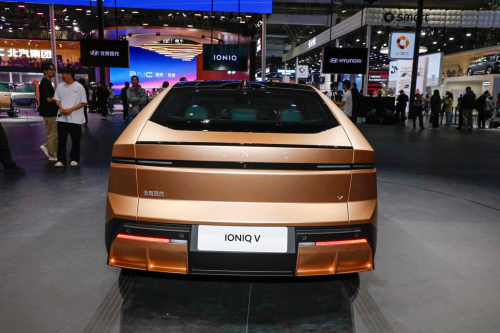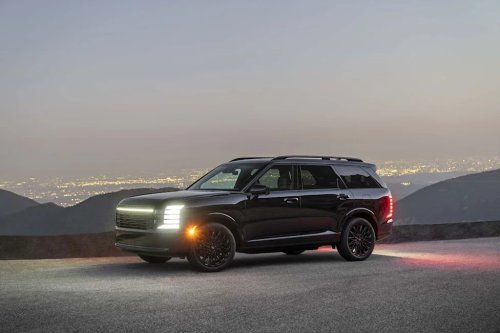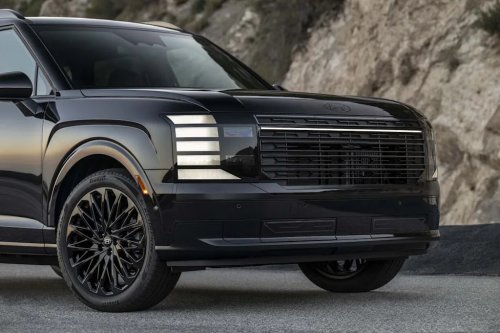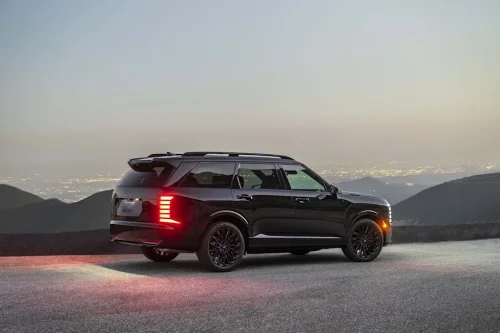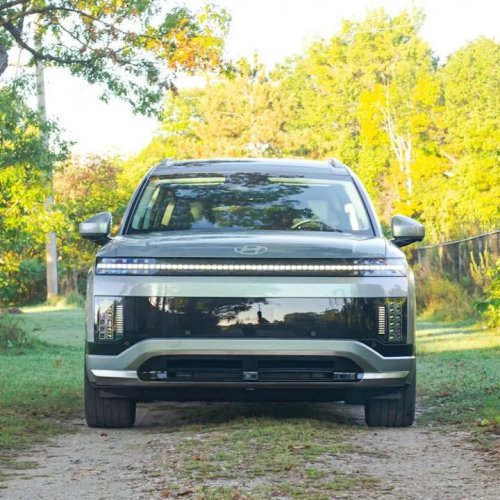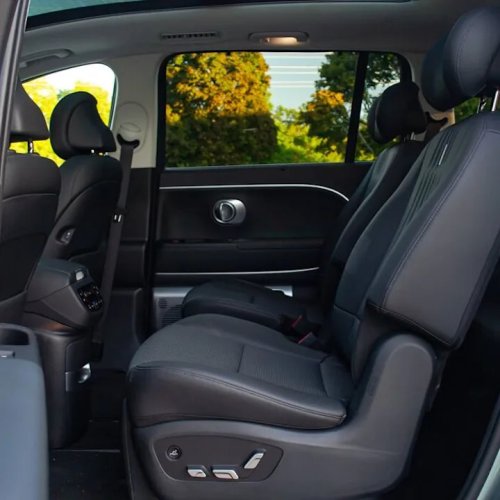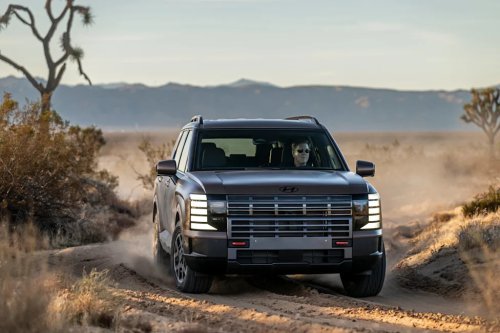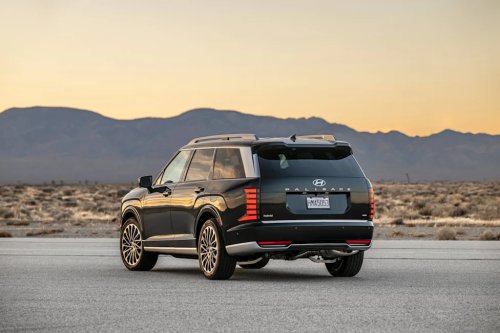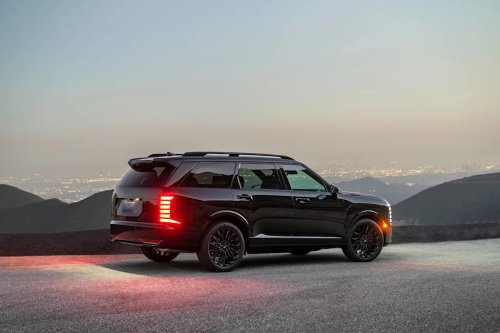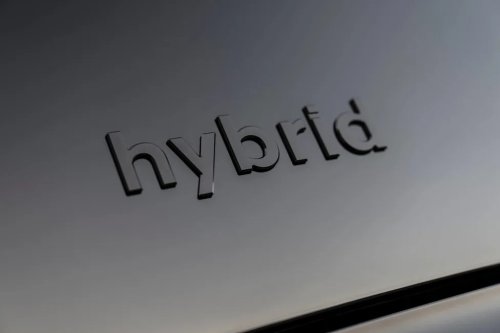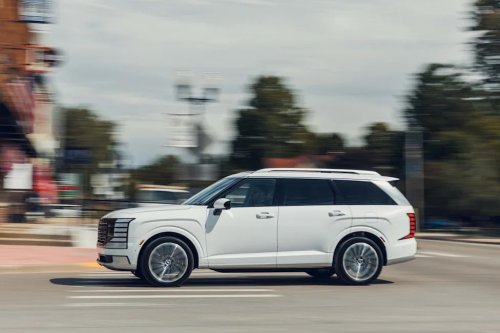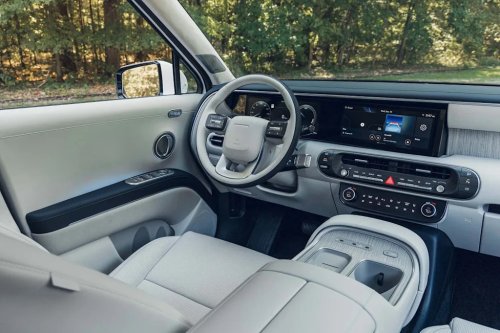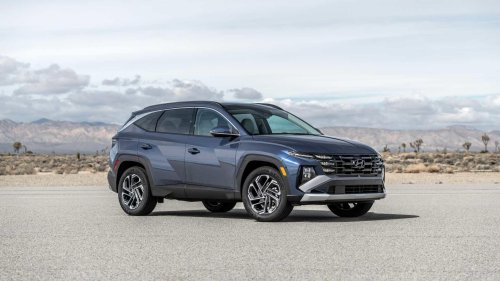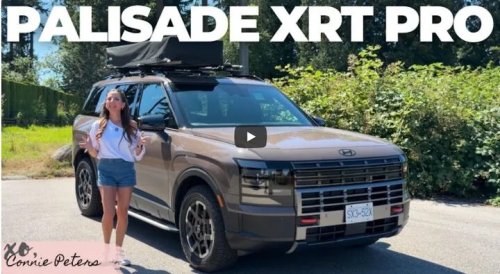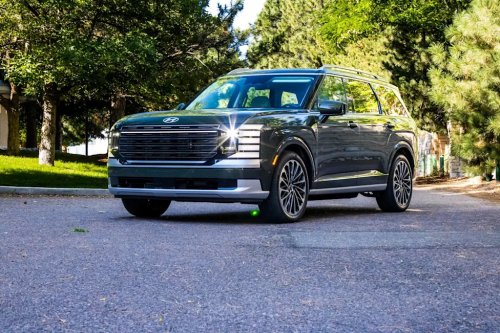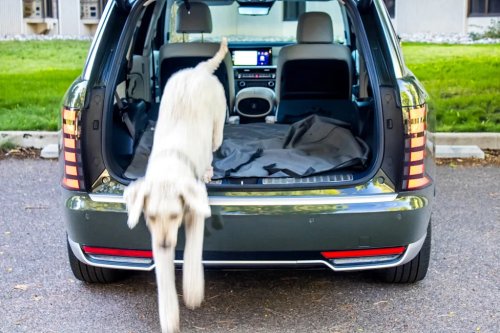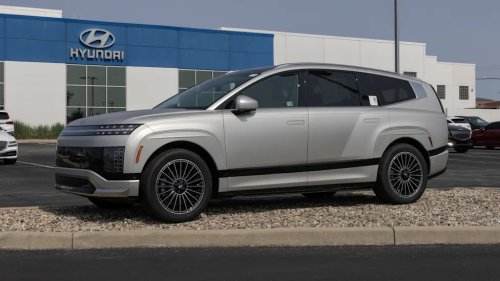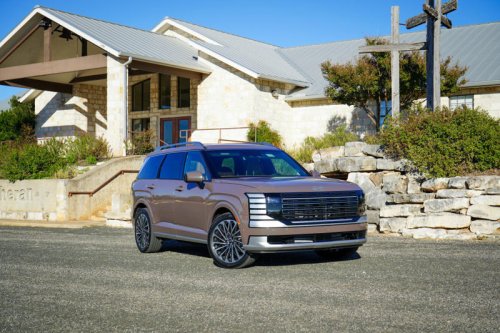
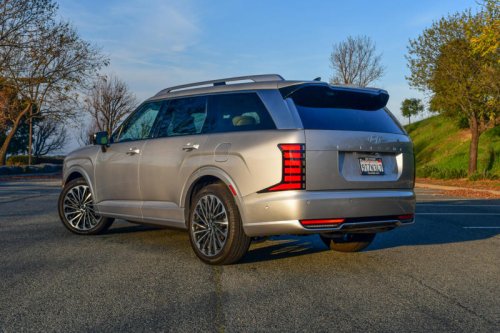
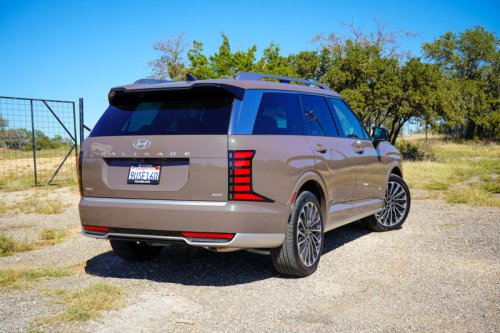
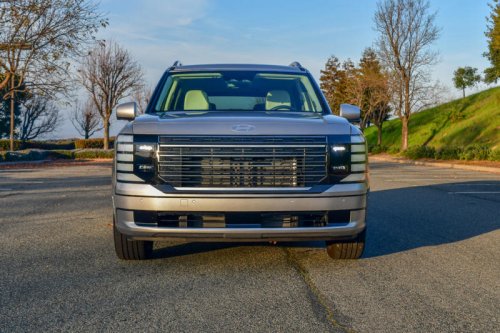



















The Hyundai Palisade has been popular for families for several reasons, but one of the most important reasons is the price-to-feature ratio. Starting from $38,935 to $56,060 for the gas-only model, buyers can choose from front-wheel drive, an off-road-ready XRT model, and a top-tier Calligraphy or Limited model. The hybrid, naturally, is a bit more expensive with a range of $43,660 to $58,280. Other than powertrain, drivetrain, and mileage differences, the looks and interior features are identical. So, if a family is stuck between the two, how do you know which one is ideal for your family? For me, the answer comes down to two questions: how much does mileage matter to you, and do you need something that can tow 5,000 lbs? I’m a big fan of torquey V6s in large SUVs, but I’m also a fan of efficient large SUVs, so I found myself in a bit of a pickle. Here’s how I came up with those two questions for my mental decision tree. The smaller engine makes more horsepower and torque, but can’t tow as muchThis is where it gets interesting (at least to a car-lover like me). The 3.5-liter V6 that’s in the gas-only Palisade generates 287 horsepower and 260 lb-ft of torque, and it has a maximum towing rating of about 5,000 lbs. It’s paired with an 8-speed automatic transmission—not a CVT—and has a dedicated tow mode designed to help the transmission stay in the lower gears for as long as possible to maximize torque, no matter the speed. The hybrid engine, on the other hand (which is also new to Hyundai for 2026), has two electric motors—one in the engine, one in the transmission—to a 2.5-liter turbocharged four-cylinder engine. The output there is much higher, at 329 horsepower and 339 lb-ft of torque. Unlike the gas-only model, the hybrid Hyundai Palisade has a six-speed automatic transmission, and despite having more horsepower and torque, it is only rated to tow 4,000 lbs. Now, 4,000 lbs is nothing to scoff at. Most people don’t tow more than 3,500 lbs. But if you regularly move the family from the city to the mountains (torque matters more than you think when it comes to people moving), tow a camper trailer, motorcycles, or other recreational vehicles, it’s always safer to have a higher towing rating in those instances. If most of the Palisade’s power will be used to make grocery runs, school drop-offs, or commuting, the hybrid will always be the smarter choice, since it’s engineered to save gas and maximize mileage, even with all-wheel drive.Mileage is, unsurprisingly, much better in the hybrid versionOne common, and very reasonable, complaint about the V6-powered Palisade is the mileage. During my week with it, doing very normal and mundane errands and trips, I averaged about 17 mpg around town, and then just under 20 mpg when I was on the highway. For being a nearly 6,000 lb, 3-row SUV, those figures really aren’t that bad. But when you’re in California, where regular is often over $5 per gallon (or close to $5), that can become a pain in the tuchus pretty quickly. And, to be fair, those were figures for the all-wheel drive model. If you bought one with front-wheel drive, the mileage wouldn’t be as bad. But it’s worth noting that it would only be marginally better with FWD. The Hyundai Palisade hybrid, surprising to no one, scored much higher. I had the Calligraphy AWD model, and I averaged 25 mpg around town, and then well over 30 on the highway. And that was with all-wheel drive. Like the gas-only version, you can choose front-wheel drive, too, if you want to squeeze a few more miles per gallon out of the heifer. With front-wheel drive, Hyundai said you can get up to 35 mpg on the highway, and 34 mpg combined, and 30 mpg in the city. And I believe those numbers. If you live somewhere where filling up your gas tank leaves you wincing, definitely go with the hybrid version. You get everything that makes the Palisade great, with better mileage and a slightly lower towing rating. If you drive the mom-mobile a lot, for more than just parent things, the hybrid setup will help get the absolute most bang for your buck. The hybrid version’s acceleration is much, much betterAside from the mileage, another common topic on forums is the V6’s lack of luster. Acceleration is notably slow, even in Sport mode. And it’s not much better when the SUV’s in motion, either. If you have to pass, you have to give the car in front of you a formal notice a few business days in advance, because it’s going to take you a while. By contrast, the hybrid version is much peppier. The two electric motors help move the 3-ton SUV smoothly and effortlessly, and a whole lot faster than the gas-only version. Yes, I know acceleration doesn’t matter a whole lot in the grand scheme of things. But you’ll absolutely wish you had it when you’re merging onto the highway or trying to pass a truck that’s holding everyone up. It reminded me a lot of the old Ford Crown Victorias: when you put the pedal to the metal, it sounded like it was going fast, but it wasn’t actually going any faster. If you’re not in any rush to go anywhere with any kind of haste, it’s a non-issue. But if you’re in a hurry, you’ll wish you had just a bit more power.Final thoughts: You can’t really go wrong with eitherI love Hyundai’s 3.5-liter V6. It’s torquey and humble, and it feels right at home under the hood of the larger, longer Palisade. But it is quite thirsty, and that’s only really, truly a problem if you’re on a budget or live somewhere where gas is expensive. If you regularly tow or haul a trailer or camper, the V6 is absolutely the one to get. However, if mileage is a priority for you and you don’t want to give up the third row or second row space and comfort, the hybrid version drives an incredibly tough bargain. Yes, it’s about $2,400 more expensive, but you’d probably be saving that much in fuel per year making that switch. And you can still tow a decent amount with it, too.