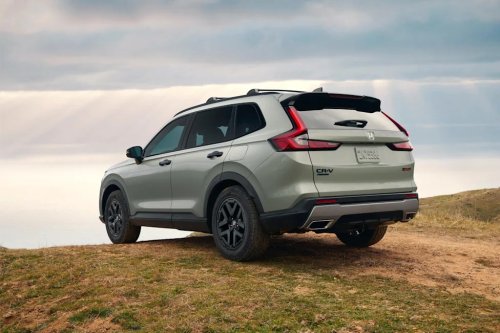
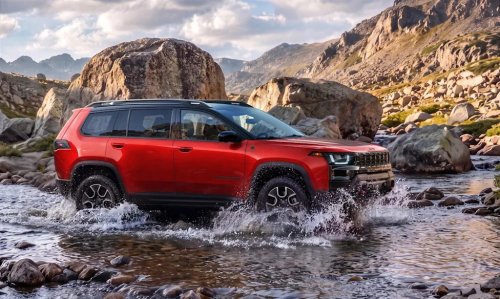
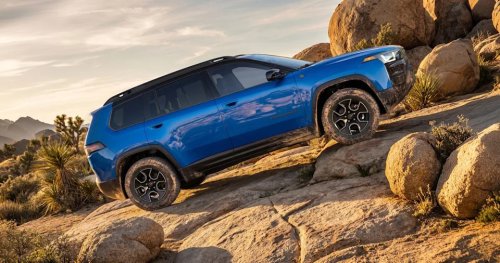
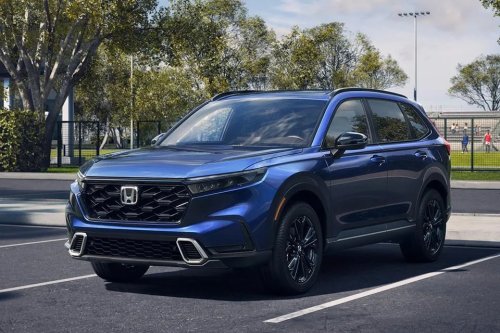
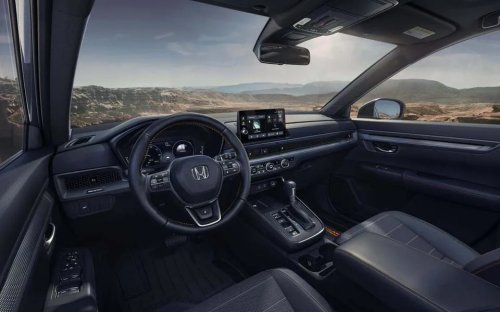
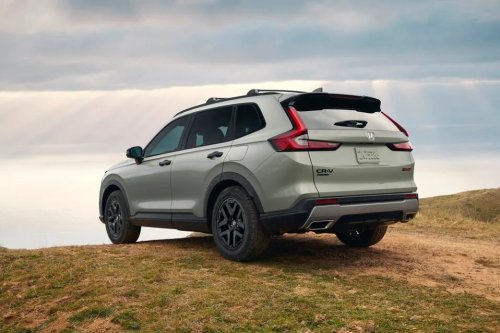
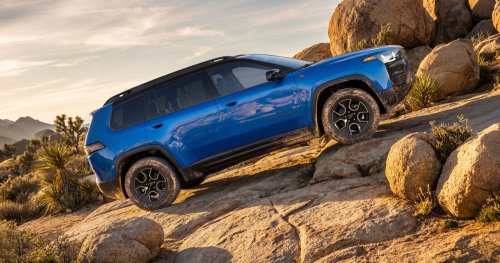
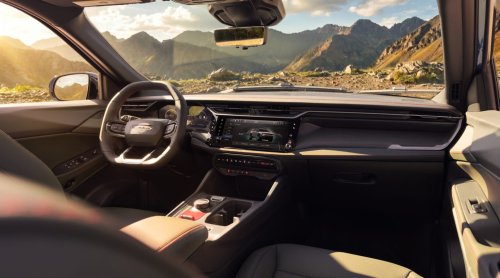
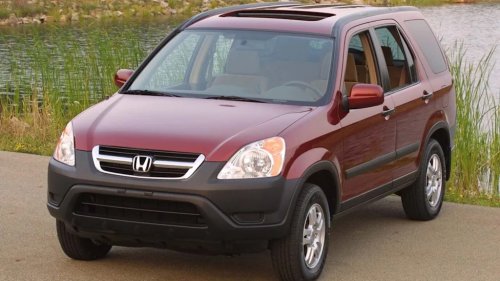
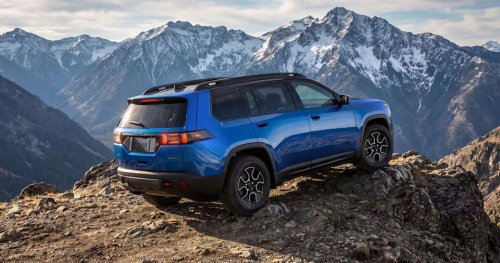
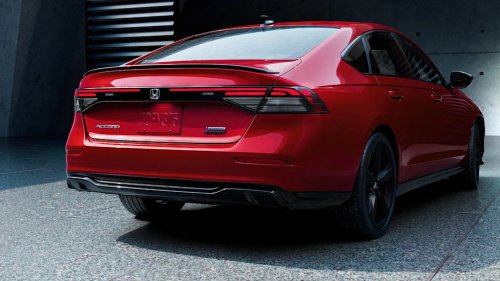
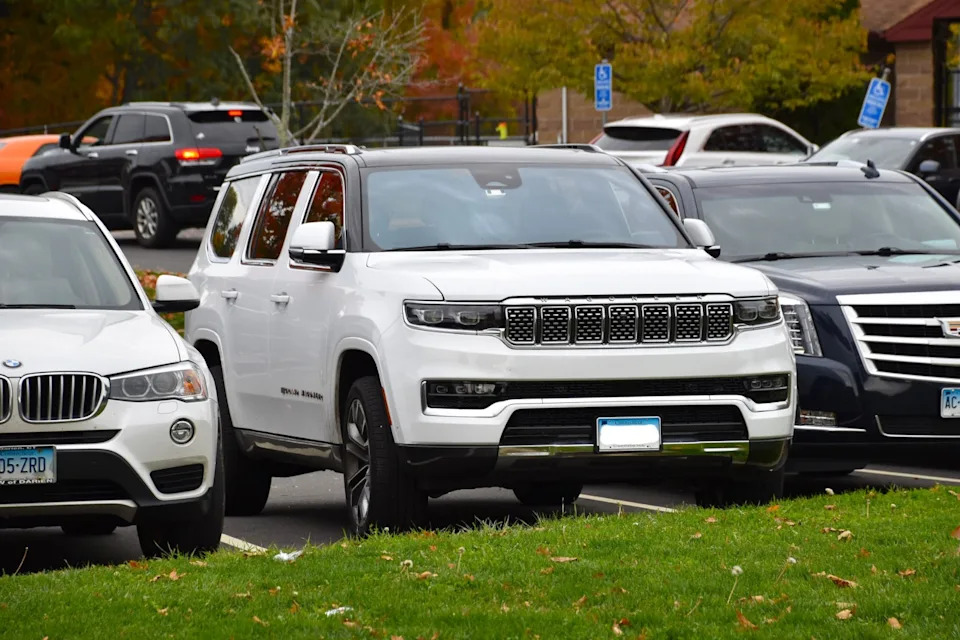
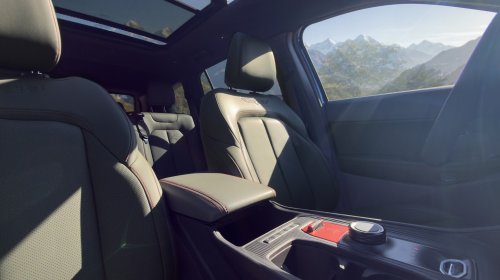
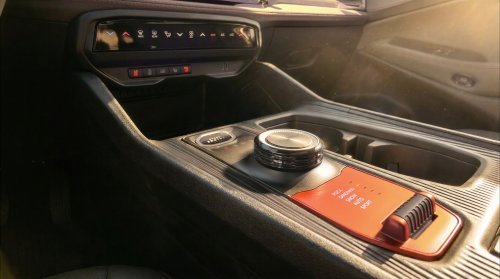
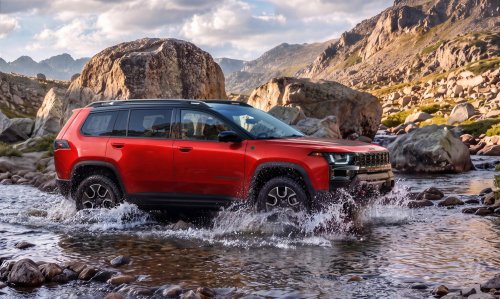
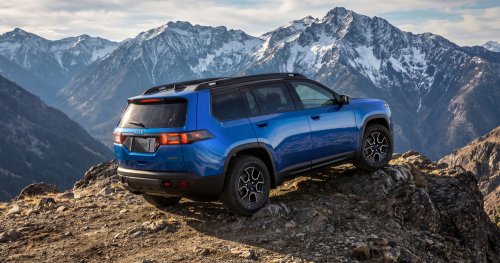
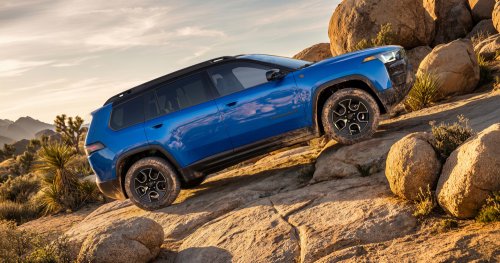
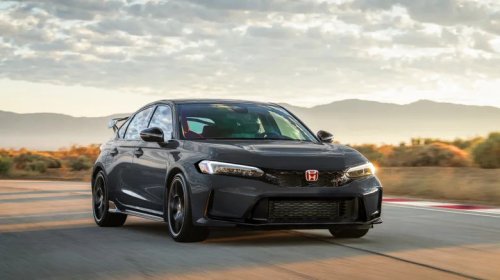
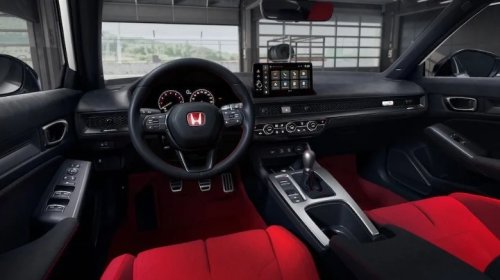
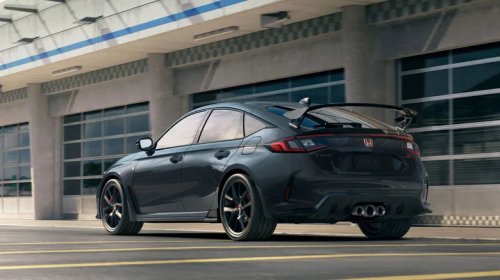
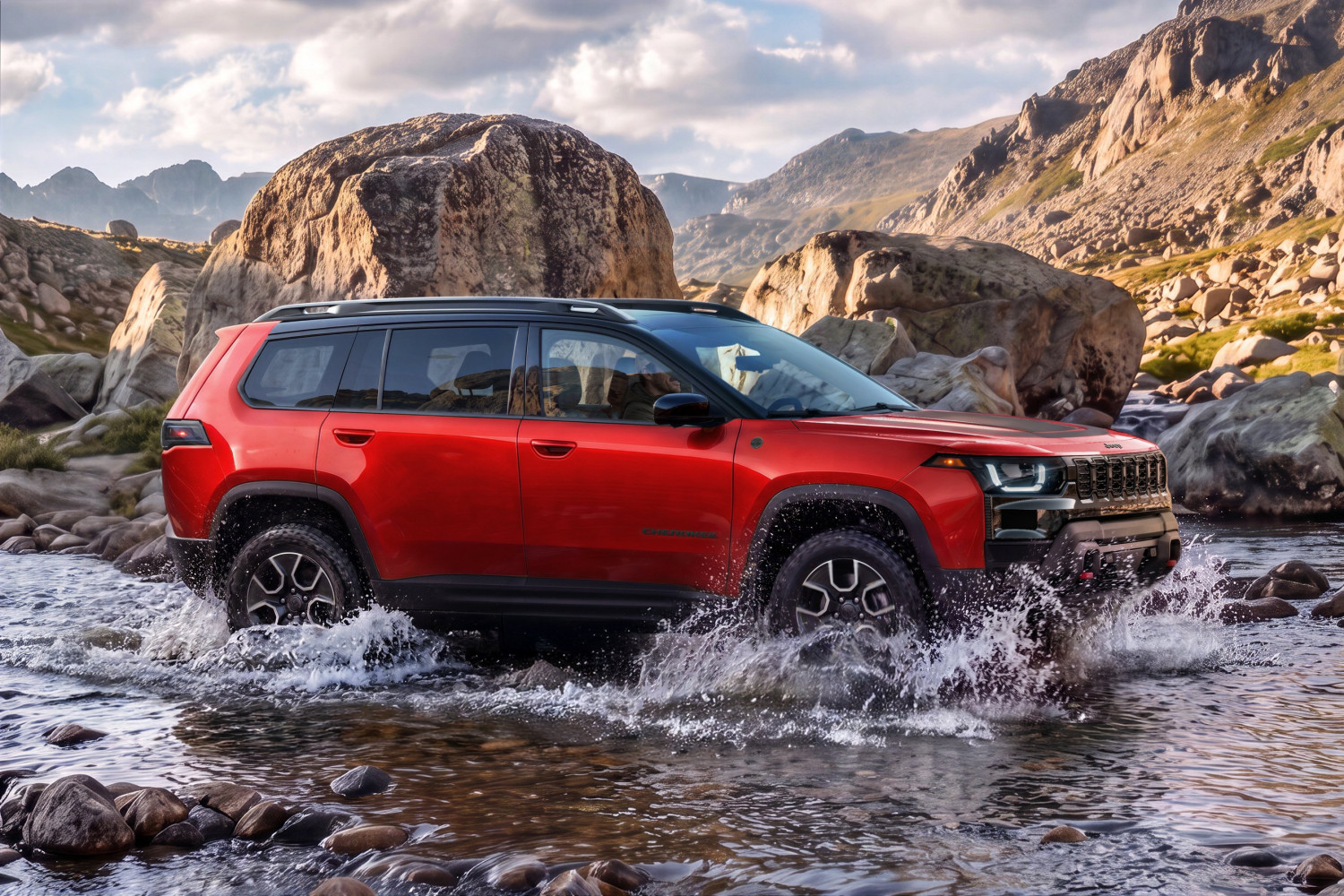
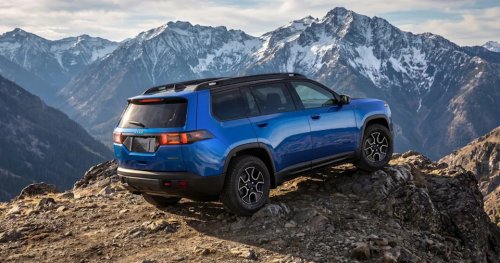
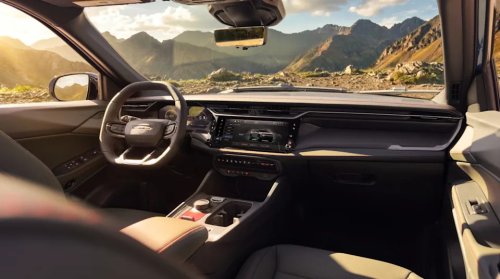
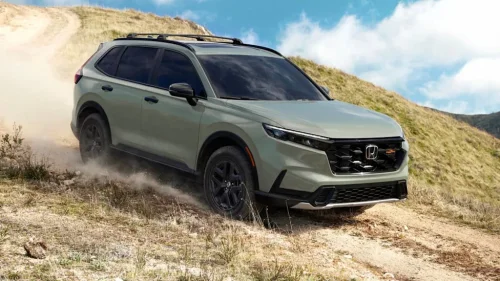
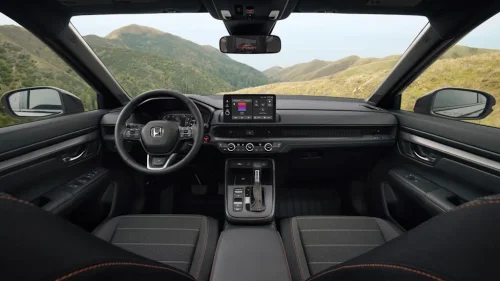
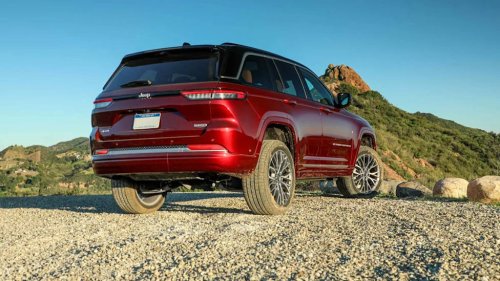
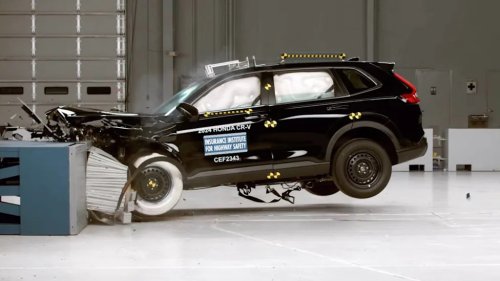
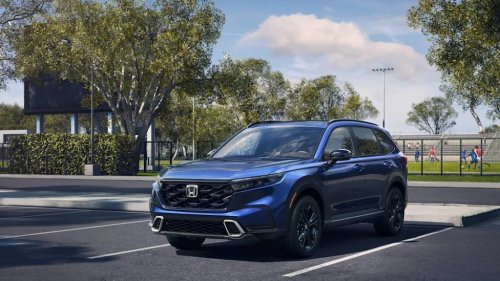
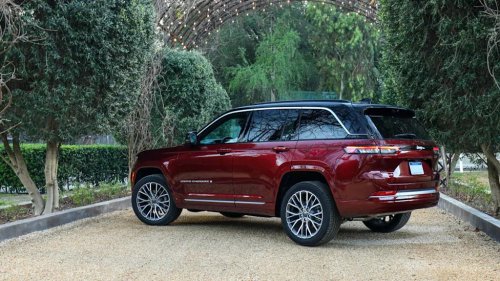
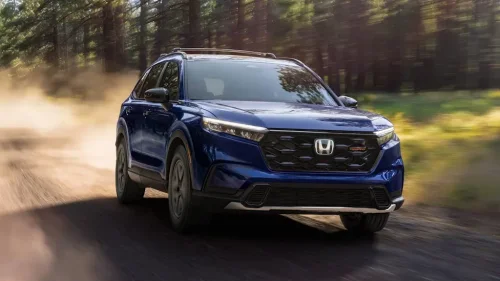
Autoblog and Yahoo may earn commission from links in this article.2026 Jeep Grand Cherokee vs. Honda CR-V: ComparisonAdmittedly, these two sound like an odd match. Both compete in different size classes and have base prices that are far apart. As far as we can tell, the only thing the two have in common is that they are both made in the U.S.Despite the glaring differences, the two are often cross-shopped. Perhaps it's because of the thought of stretching the budget for a bigger vehicle, or maybe attaining a more rugged image. While compact crossovers are bigger and more family-friendly than ever, a midsize SUV can do the same task with a tad more wiggle room and presence. So, in the case of CR-V vs. Grand Cherokee, is it worth stepping up to the latter?HondaView the 2 images of this gallery on the original articleInterior Space and Practicality: A Surprise WinnerObviously, the Grand Cherokee's larger exterior dimensions would immediately suggest it's a far more spacious vehicle than the CR-V. However, the tale of the tape tells a completely different story. The surprise winner for interior space and practicality is the compact Honda, and not the midsize Jeep.AdvertisementAdvertisementOkay, the Jeep wins in terms of total interior volume with the Grand Cherokee at 145 cu.ft. and the CR-V at 106 cu.-ft. However, the Honda makes better use of the limited space by offering the same front legroom as the Jeep (41.3 inches), but beating it soundly in rear legroom (41 inches vs. 38.2 inches), cargo space with the seats up (39.3 cu.ft. vs. 37.7 cu.ft), and with cargo capacity with the second-row down (76.5 cu.ft vs 70.8 cu.ft). The Jeep does fight back with more shoulder room given the vehicle's width.But why does Honda win the space race? It's all down to packaging, as the Grand Cherokee's rear-drive platform is inherently not space-efficient. The front-drive-based CR-V's packaging allows it to maximize interior space in a smaller exterior footprint. Even the stretched Grand Cherokee L has slightly less legroom than the CR-V (39.4 inches), although it easily trounces it in cargo capacity (47 cu.ft to 84.6 cu.ft).Still, the fact that you need to get the longer Grand Cherokee to beat the CR-V reflects the latter's space utilization. At least the Grand Cherokee L has a third row, something unavailable in the CR-V, though that's teetering on the edge of a full-size SUV.HondaView the 2 images of this gallery on the original articlePowertrain: Jeep Has the Legs, But the Honda Sips GasFor outright performance, the Grand Cherokee easily surpasses the CR-V in acceleration. The 3.6-liter V6 in the Laredo and Laredo X makes 293 hp and 260 lb-ft of torque, good enough for a 0 to 60 mph sprint of about 7.5 seconds. For the 2.0-liter turbo-four, power rises to 324 hp and 332 lb-ft of torque, giving it a claimed 0 to 60 mph time of 6.2 seconds. In comparison, the CR-V takes over 8 seconds to get to 60 mph when equipped with the 1.5-liter turbo with 190 hp, although the hybrid (2.0-liter, 204 hp) shaves off at least half a second off that time.AdvertisementAdvertisementAs for the subject of efficiency, Honda takes the lead. The non-hybrid front-drive version is EPA-rated at 28 mpg city, 33 mpg highway, and 30 mpg combined, and the turbo all-wheel-drive version is 27 mpg city, 31 mpg highway, and 29 mpg combined. Go for the hybrid, and those numbers jump to 43 mpg city, 36 mpg highway, and 40 mpg combined for front-drive models, and 40 mpg city, 34 mpg highway, and 37 mpg combined when equipped with all-wheel drive.In contrast, the V6-equipped Grand Cherokee does 19 mpg city, 26 mpg highway, and 22 mpg combined (both 2WD and 4WD). The punchier 2.0-liter turbo is ever so slightly more efficient than the V6 and nowhere near the Honda. It's 21 mpg city, 27 mpg highway, and 23 mpg combined in 2WD form, while the 4WD takes a 1 mpg hit on highway consumption.JeepView the 2 images of this gallery on the original articleSafety: Both Are No Longer Top Safety PicksFor standard safety equipment, both come with a full suite of advanced driver assists. The Honda and Jeep come with adaptive cruise control with stop-and-go, low-speed follow, autonomous emergency braking, a reverse camera, and so on. The Jeep does come with rear cross-traffic alert and reverse sensors as standard, so that's something to keep in mind when choosing between the two.AdvertisementAdvertisementThese are undeniably safe vehicles with five-star safety ratings from NHTSA, although both lose out on the IIHS' much-coveted Top Safety Pick and Top Safety Pick+ awards. The reason for that is Poor ratings for rear-occupant protection following the agency's far tougher testing criteria for moderate-overlap crashes. Prior to that, we were actually recipients of the Top Safety Pick award.ScreenshotIIHS/YouTubeView the 2 images of this gallery on the original articleReliability and Dependability: Not Even CloseWe'll keep this short and simple because most of you probably saw the winner from nautical miles away. Yes, it's the CR-V, and Consumer Reports rates it as having above-average reliability, while RepairPal gave it a reliability score of 4.5 out of 5. Of course, there are also scores of owners out there who swear by this model's dependability.In stark contrast, the Grand Cherokee sits near the bottom of Consumer Reports' rankings. While the 2026 model hasn't been rated yet, the historical data doesn't paint a pretty picture. RepairPal did give it a score of 3.5 out of 5, but again, historical data isn't on this model's side.HondaView the 2 images of this gallery on the original articlePrices and VariantsThe 2026 Honda CR-V is available in seven trims with two powertrain and drivetrain options. Prices range from $30,920 to $42,550, and the variants are LX, EX, Sport Hybrid, EX-L, Trailsport Hybrid, Sport-L Hybrid, and Sport Touring Hybrid. That gives the CR-V a price spread of $11,630 from base to top-of-the-line.AdvertisementAdvertisementThe variety is much greater in the Grand Cherokee. There are six trims to choose from, plus two wheelbase options, effectively doubling the lineup. Like the CR-V, there are two powertrain and drivetrain choices. The trims are Laredo, Laredo X, Laredo Altitude, Limited, Limited Reserve, and Summit. Base prices range from $39,515 for a two-wheel drive Laredo, and that tops out at $62,600 for a long-wheelbase Summit - a spread of $23,085.JeepView the 2 images of this gallery on the original articleFinal ThoughtsIt may be smaller, but the CR-V appears to be the sensible and logical choice here. It doesn't have a third-row option, nor does it have the punchiest powertrains or the best curb appeal. However, next to the Grand Cherokee, the Honda makes better use of its dimensions, is far more efficient, and has a reliability record that simply cannot be ignored. The CR-V isn't the most imaginative choice, but there's a good reason why it's one of the default choices out there.That said, the Grand Cherokee has its appeal. For starters, it'll go much further off the beaten path than the CR-V; the larger exterior dimensions come with more road presence, and the long-wheelbase version with three-row seating will surely attract those who feel the need to have extra seats 'just in case' is non-negotiable. The patchy reliability record isn't encouraging, but for those willing to roll the dice, the Grand Cherokee is a decent choice.HondaThis story was originally published by Autoblog on Jun 21, 2026, where it first appeared in the Features section. Add Autoblog as a Preferred Source by clicking here.



















 +19 others