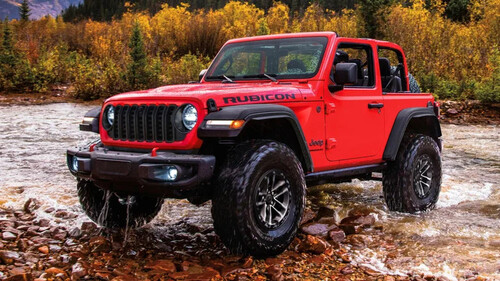
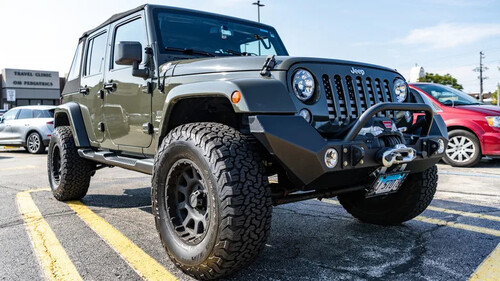
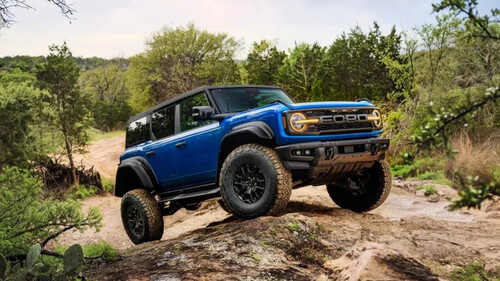
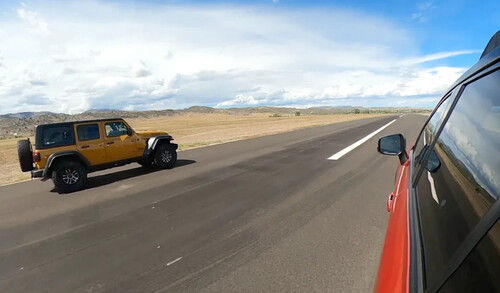
Photo Mohave County Sheriff's OfficeA father and his 16-year-old son likely expected to spend the day exploring Arizona's backcountry. Instead, they ended up needing Search and Rescue after their rented Jeep Wrangler became high-centered on a remote trail near Screwbean Spring.According to the Mohave County Sheriff's Office, the pair became stranded after turning off Standard Wash near Lake Havasu City. They remained stuck for about five hours, ran out of drinking water at some point during the ordeal, and eventually walked until they found enough cell service to call for help. Search and Rescue crews quickly located them, provided water, and safely returned them to a command post.Thankfully, everyone made it home safely. As you'd probably expect, photos of a stuck Jeep quickly filled social media with jokes. Toyota fans said they should have rented a 4Runner. Bronco owners chimed in. Even a few Jeep owners couldn't resist making jokes about rubber ducks.AdvertisementAdvertisementOne commenter summed up the internet's sense of humor with a simple explanation: "Not enough ducks on the dashboard." However, mixed in with the laughs were plenty of experienced off-roaders offering practical advice. Rather than pile on a father for wanting to spend time outdoors with his son, we'd rather focus on what every new off-roader can learn from the incident.Every Off-Roader Gets Stuck Eventually Experienced trail drivers know this isn't really a "Jeep problem." Spend enough time exploring trails in a Jeep, Toyota, Bronco, Land Cruiser, Land Rover, or any other capable 4x4. Eventually, you'll high-center, bury a tire in sand, slide into mud, or choose the wrong line.Getting stuck is part of off-roading. The difference is whether you have the knowledge, equipment, and backup needed to recover safely. As one old saying puts it, four-wheel drive sometimes allows you to get stuck farther from civilization.Several commenters believed the Wrangler could have been recovered with some digging, carefully placed rocks, traction boards, or help from another vehicle. Whether those techniques would have worked in this particular situation is impossible to know from photographs alone, but the discussion raised several lessons worth remembering.What Every New Off-Roader Can LearnOne of the best parts of Jeep ownership isn't just the Wrangler—it's the people. The same is true for many off-road communities. Local Jeep clubs, Facebook groups, Reddit communities, and organized trail rides are full of experienced drivers who enjoy introducing newcomers to the hobby.AdvertisementAdvertisementMany local dealerships can also point owners toward reputable clubs and beginner-friendly events. Riding with experienced people is one of the fastest ways to build confidence, learn how to choose a line, and understand what your vehicle can handle.Don't hit remote trails alone. This was one of the most common pieces of advice shared in the comments. A second vehicle isn't just there to pull you out if you get stuck. It can provide extra water, recovery gear, tools, spare parts, or another person to help if something unexpected happens.Tell someone where you're going. Before heading into remote areas, let a family member or friend know your planned route, where you're entering the trail, and when you expect to return. If you don't check in as planned, they'll know where to begin looking or what information to provide emergency responders.Carry more water than you think you'll need. Running out of drinking water can quickly turn a stuck vehicle into a dangerous emergency, particularly when temperatures were reportedly around 114 degrees. Experienced desert travelers generally carry considerably more water than they expect to use because a short trip can become a much longer ordeal without warning.Learn your vehicle before tackling remote trails. Modern Wranglers are highly capable, but features such as 4-Low, locking differentials, hill descent control, and adjustable tire pressure only help when the driver understands how and when to use them. Beginners should practice in controlled, lower-risk environments before venturing deep into remote areas. Learning how to air down tires, inspect an obstacle, choose a line, and recognize when to turn around can prevent a difficult situation from becoming a rescue.Carry recovery and emergency gear. A recovery strap, rated shackles, traction boards, a shovel, portable air compressor, first-aid kit, flashlight, food, and extra water can all make a significant difference. Even if you never need the gear yourself, it could allow you to help another driver on the trail.Don't rely on cell service. Remote trails often have little or no cellular coverage, as this incident demonstrates. Devices like a Garmin inReach, ZOLEO, SPOT, or a modern smartphone with satellite emergency messaging can provide a lifeline when you're far beyond the reach of a cell tower. They're one of the best investments frequent off-roaders can make.Every experienced off-roader has a story about getting stuck. The goal isn't to avoid it forever because, sooner or later, it happens to almost everyone. The goal is to be prepared, travel with others, let people know your plans, and learn from those who have been there before.Hopefully, this father and son don't let one difficult day keep them from exploring the outdoors. With a little more preparation and perhaps a few new friends from a local off-road club, their next adventure can end with good memories instead of a Search and Rescue call.