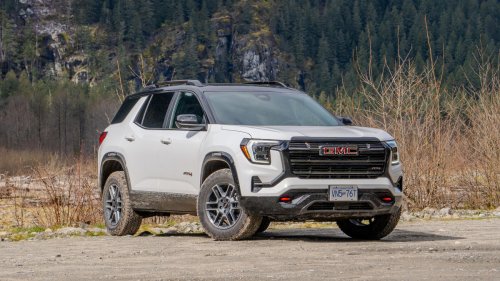
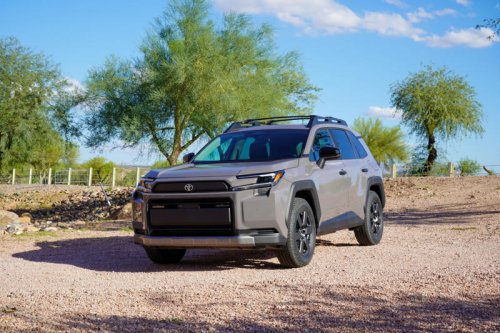
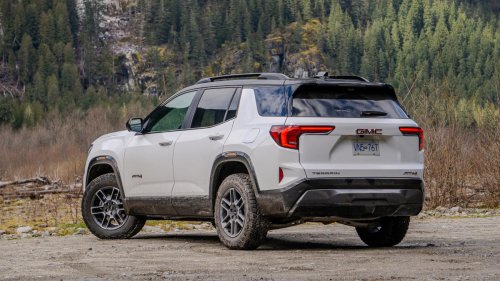
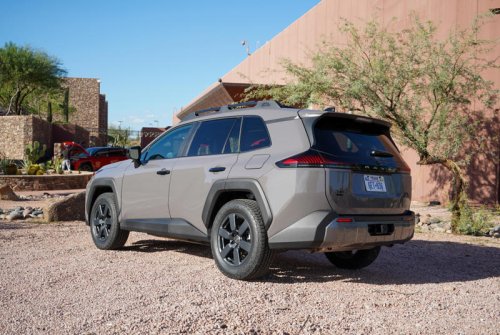
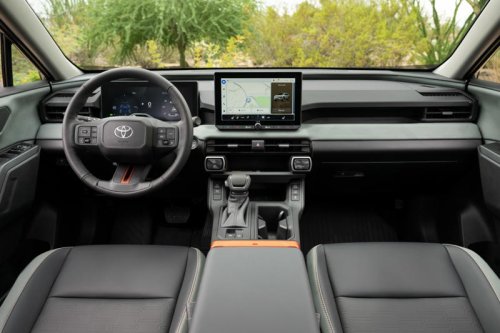
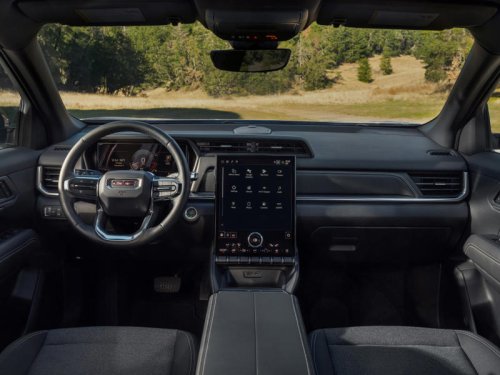
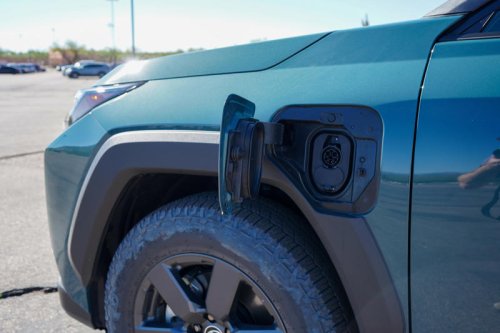
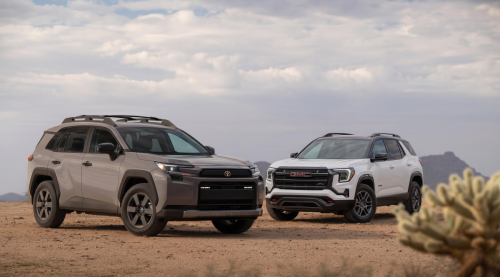
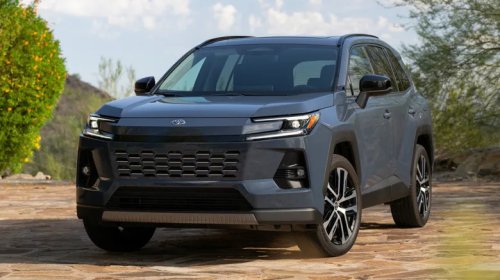
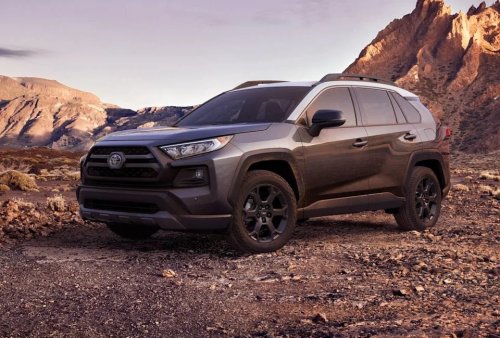
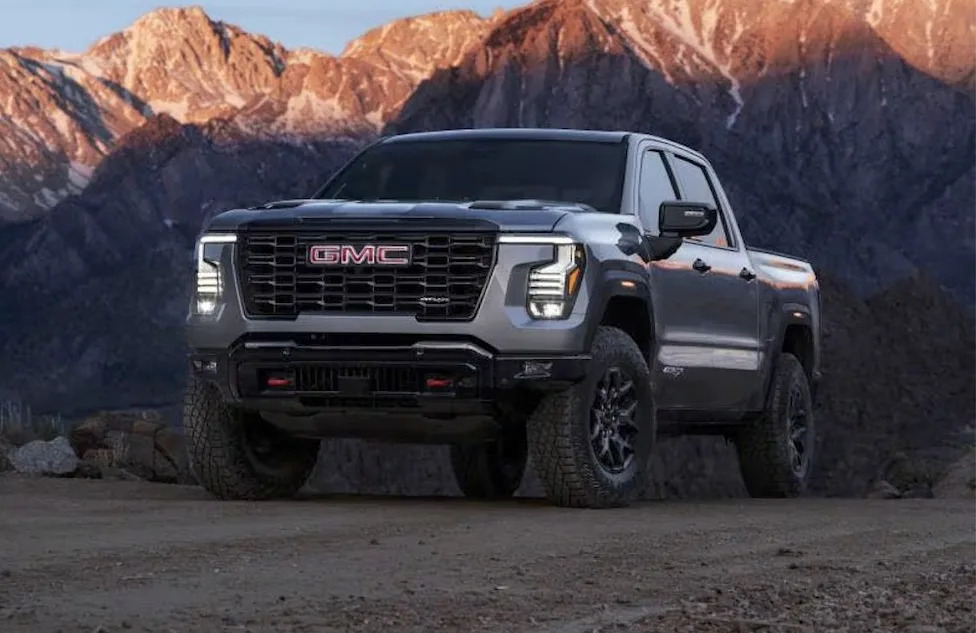
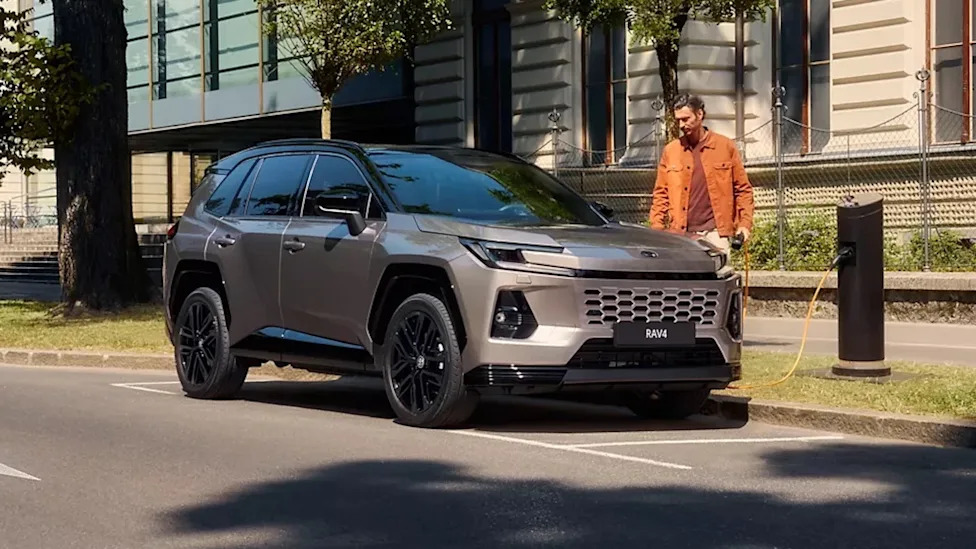
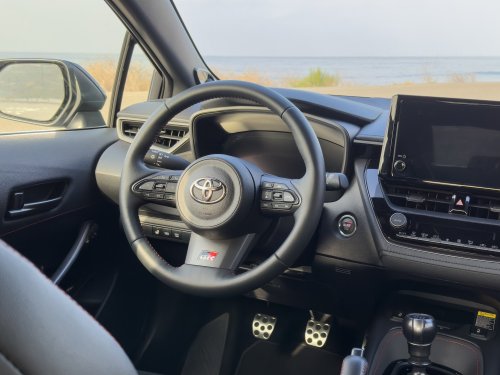
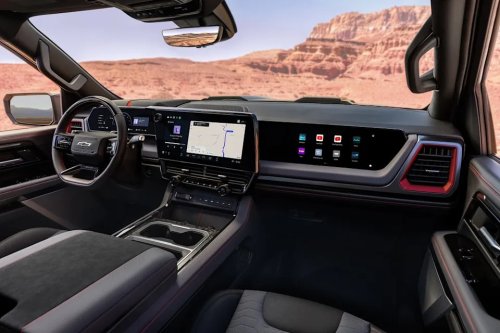
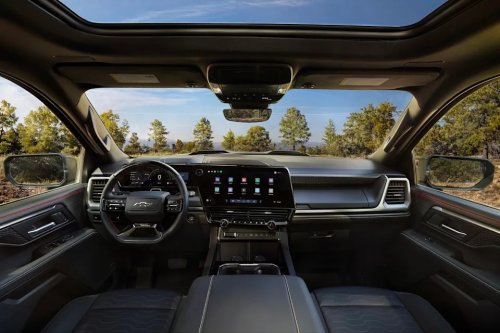
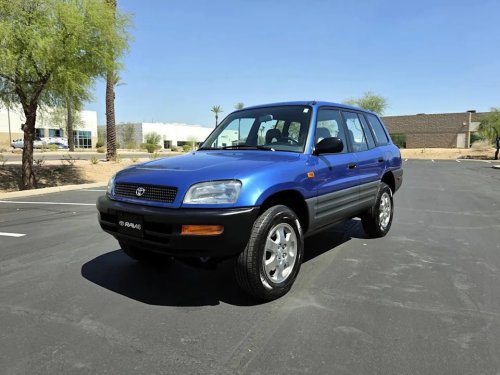
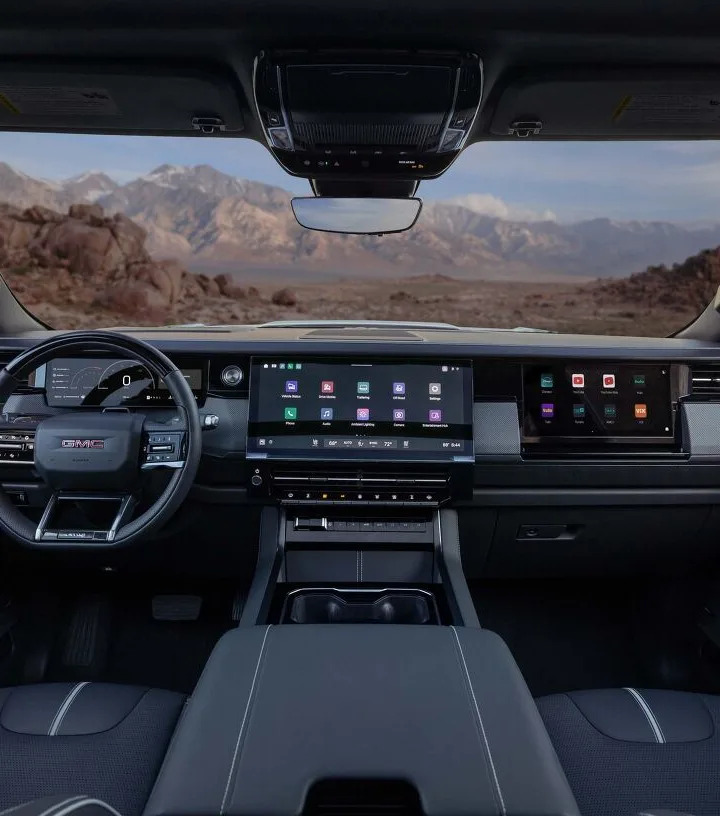
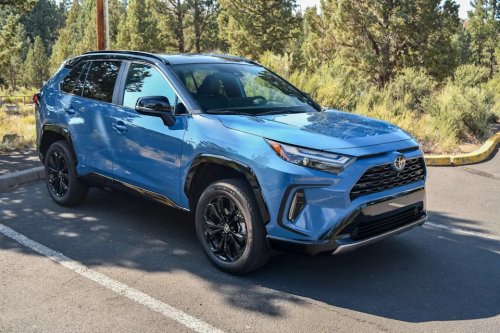
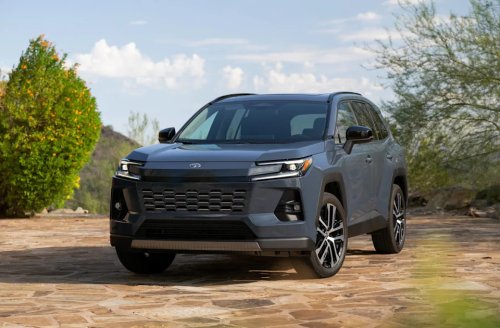
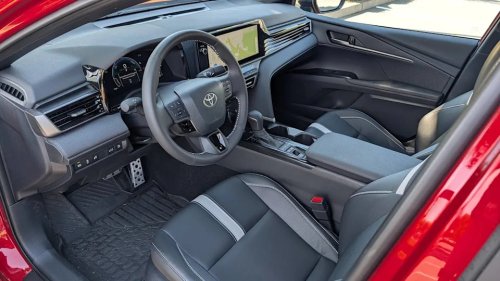
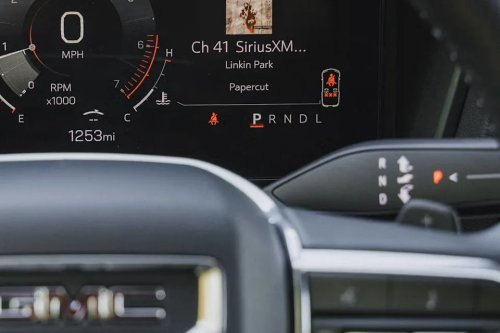
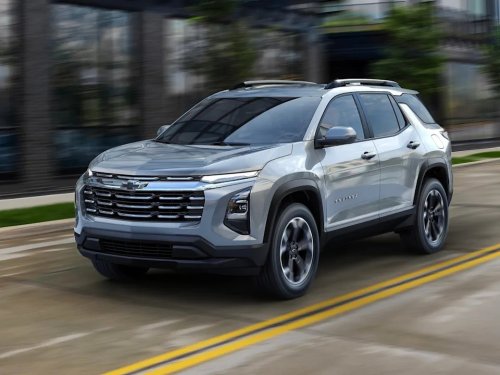
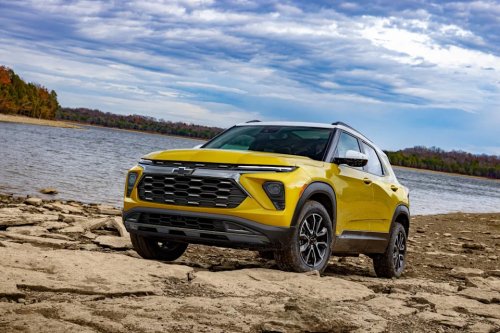
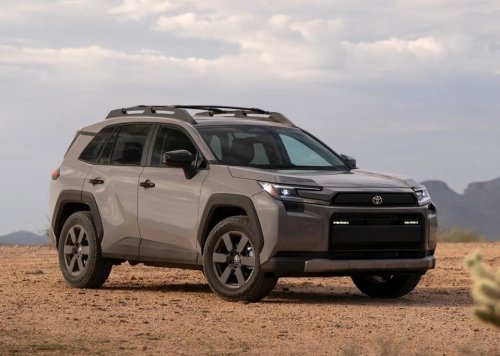
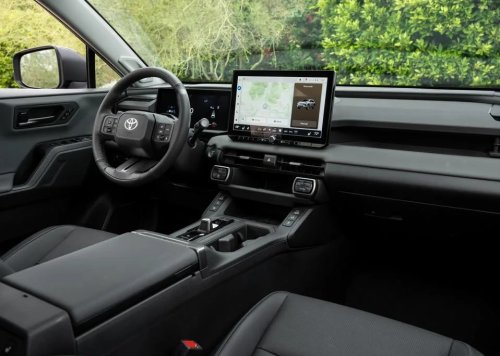
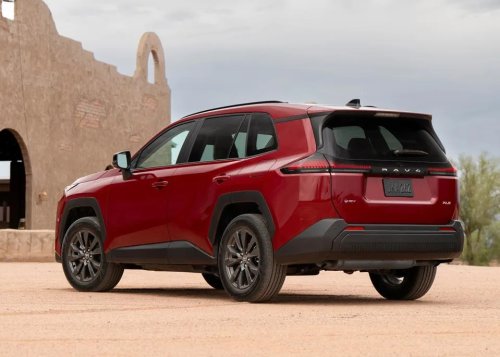
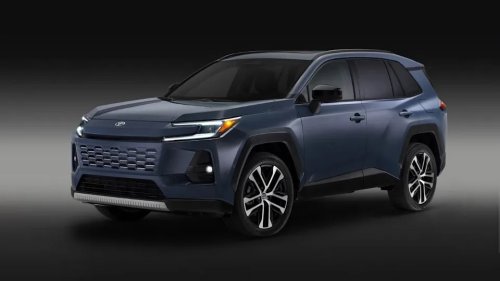
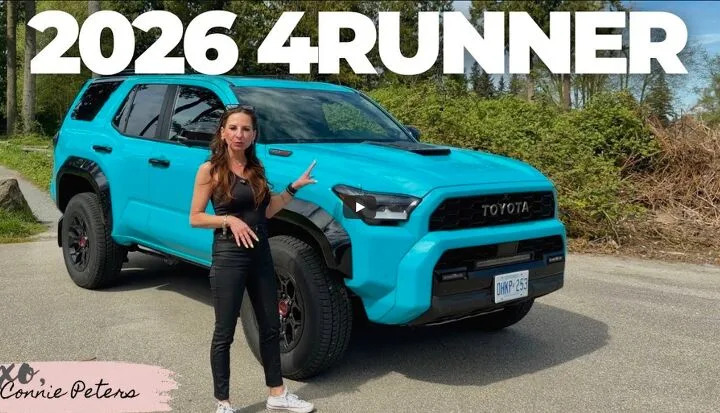
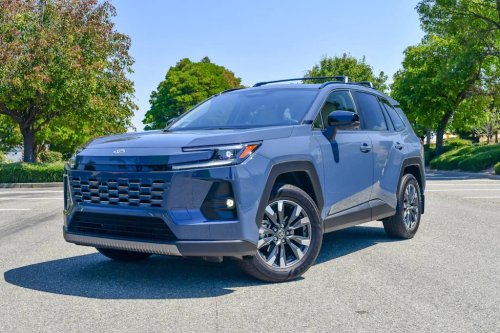
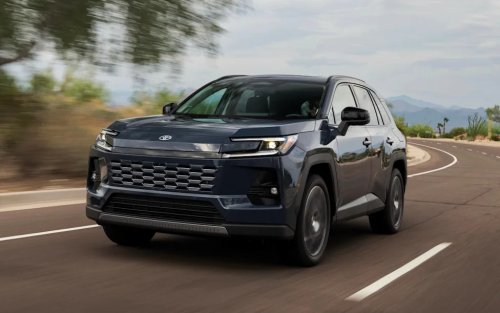
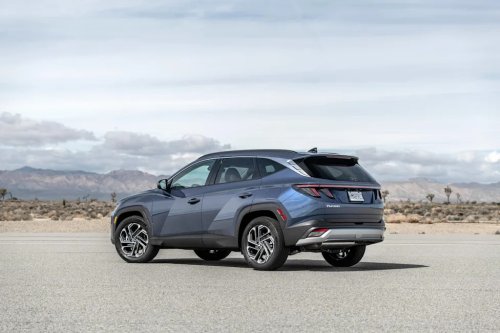
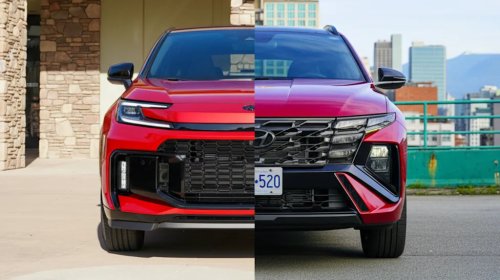
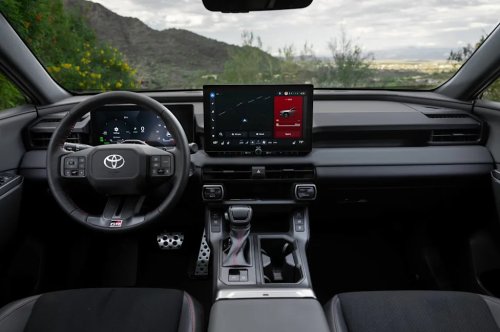
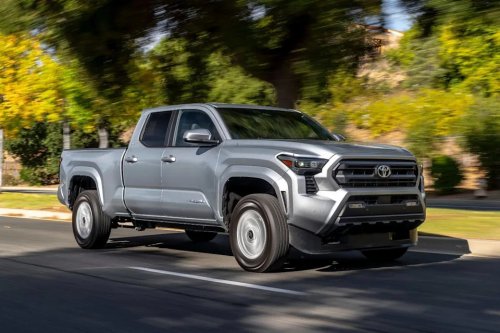
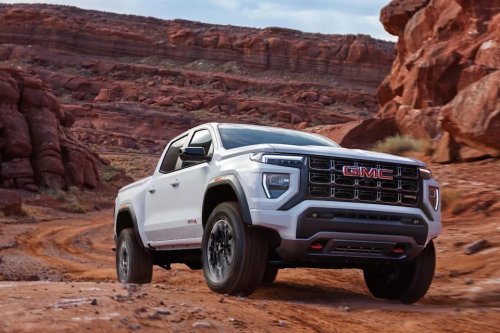
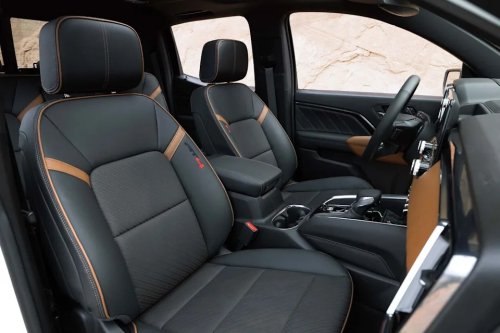
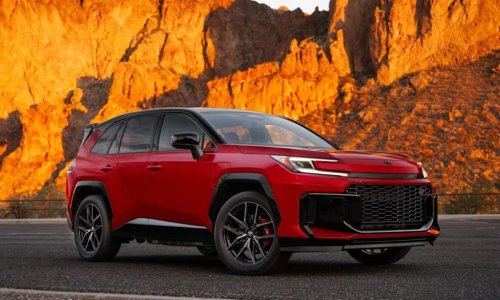
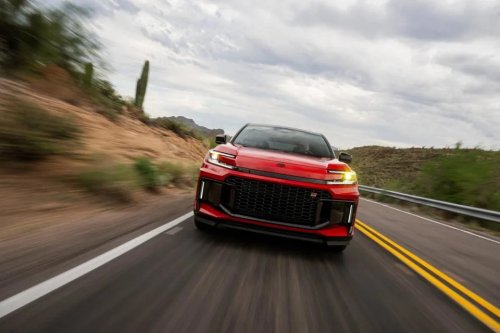
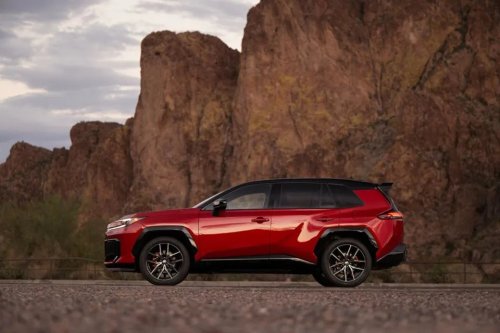
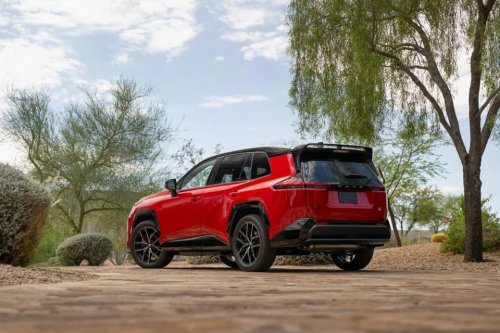
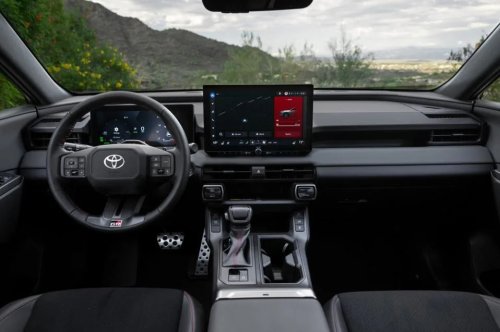
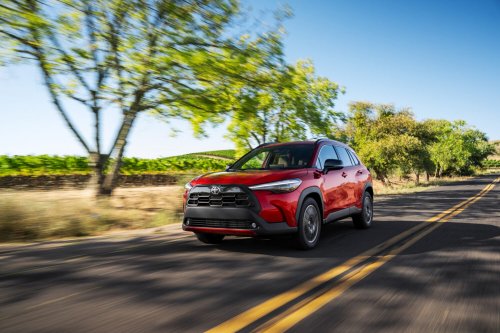
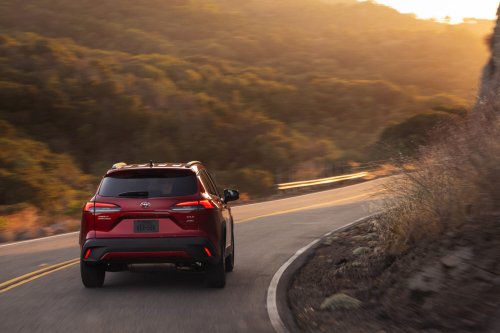
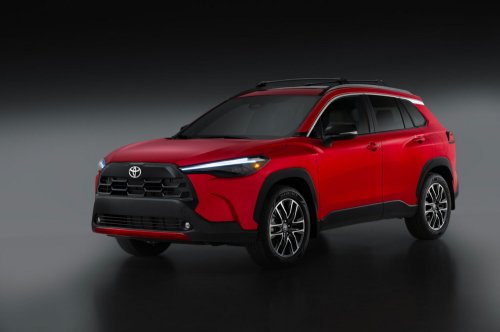
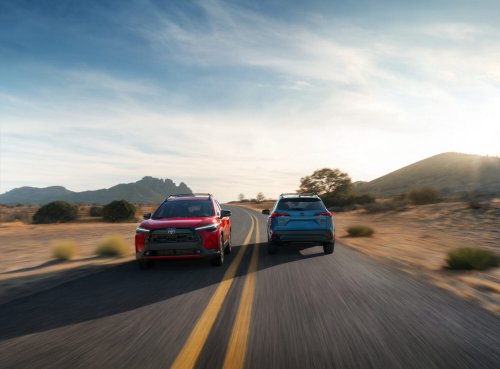
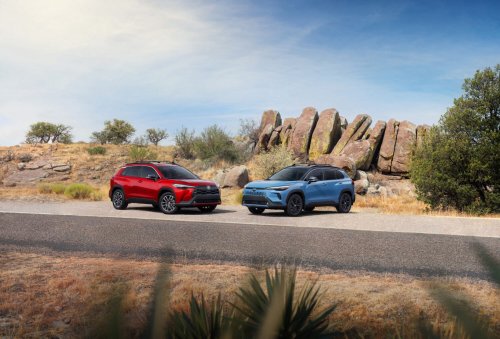
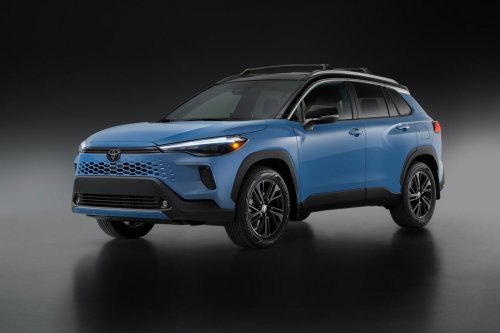
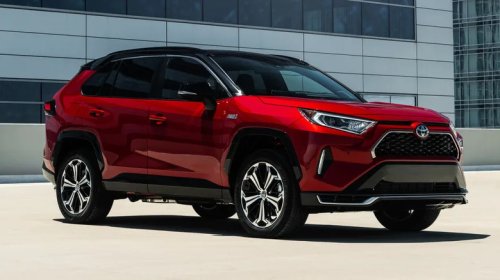
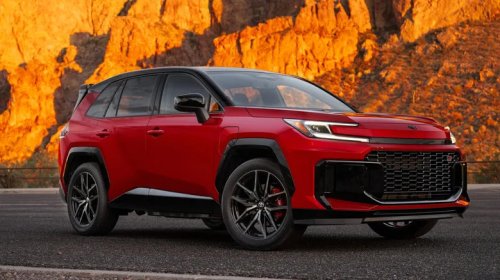
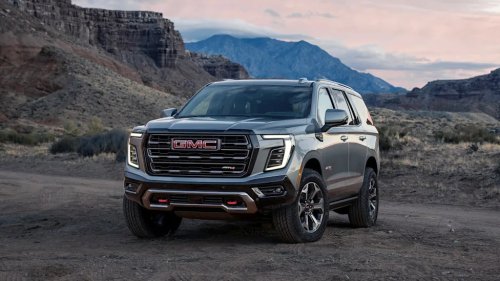
Some people believe that the budding, rugged compact SUV segment is little more than automotive dishonesty. The modern "soft-roader" roster is full of it. Black cladding, chonky tires, darkened badges, maybe a roof rail sturdy enough to hold a bicycle. For years, this segment felt like merely a way for automakers to claw back aftermarket revenue by offering relatively unnecessary accessories for otherwise dull crossovers to exaggerate their adventure-ready competence. But more recently, this class of SUVs has heated up to the point that, for models to remain competitive, they must deliver genuine off-road capability to back up their rugged appearances. The 2026 GMC Terrain AT4 and 2026 Toyota RAV4 Woodland both aim to do just that, but my question here is: which one does it better?Generally speaking, the Terrain AT4 is quieter, more relaxed, and more premium-feeling than you might expect from something wearing all-terrain tires and red recovery hooks. The RAV4 Woodland, meanwhile, lands closer to the middle of the segment's Venn diagram. It is not as genuinely hardcore as something like a Subaru Forester Wilderness, but it is more rugged than the GMC, more efficient, and materially more potent. In Hybrid form, it is probably the smarter buy. In Plug-in Hybrid form, it gets much quicker, but much pricier.Need New Tires? Save Up To 30% at Tire RackFind the perfect tires for your exact vehicle and driving style. Click here to shop all top-tier brands, including Michelin, Bridgestone, and more, directly at Tire Rack. Pricing: The Hybrid Toyota Lands Close, the Plug-in Hybrid Wanders OffThe 2026 GMC Terrain AT4 starts at $39,400. The 2026 Toyota RAV4 Woodland Hybrid starts at $39,900, which puts these two right on top of one another. The RAV4 Woodland Plug-in Hybrid, though, jumps to $45,300, which changes the tone of the comparison pretty quickly. Still, though, it is worth noting that once you start ticking a few option boxes on the Terrain AT4, even its price can shoot north of $45,000 before fees, despite the PHEV RAV4 offering over 100 more horsepower and the efficiency of a heavily electrified powertrain.Still, the Hybrid Woodland seems like the most direct comparator. At roughly the same money, the Toyota offers standard all-wheel drive, hybrid power, all-terrain tires, a tow hitch receiver with wiring harness, all-weather floor and cargo mats, and the Woodland-specific rugged design treatment. The GMC fights back by leaning into a more upscale sense of polish. AT4 trim still gets an off-road-tuned suspension, a lifted ride height, 17-inch wheels with all-terrain tires, a front skid plate with a steel underbody shield, red recovery hooks, and GMC’s big-screen interior layout with a 15-inch infotainment screen and an 11-inch driver information center, affording it enough rugged credentials to be considered as a worthy opponent for the RAV4 Woodland, despite its more comfort-focused positioning. Powertrains: The Toyota Wins on Muscle, the GMC Wins on MannersThe Terrain AT4 uses a turbocharged 1.5-litre four-cylinder making 175 horsepower and 203 lb-ft of torque in AWD form, paired with an 8-speed automatic. The RAV4 Woodland Hybrid uses Toyota's 2.5-litre hybrid system with 236 net combined horsepower. The Woodland Plug-in Hybrid jumps to 324 net combined horsepower and up to 52 miles of estimated electric range.The Toyota is quicker, full stop. Throttle response is better, and the hybrid system's immediate electric torque gives it a welcome sense of urgency that the GMC simply cannot replicate. Off the line and out of slower corners, the Woodland feels stronger and more eager. The Plug-in Hybrid version, meanwhile, is in another universe relative to the GMC. But the GMC is still nicer to live with from behind the wheel in ordinary traffic for those who prefer the feel of an old-school gearbox. Its conventional 8-speed automatic is more natural and more responsive than Toyota's eCVT on highway drives, especially ones with plenty of twists and turns. The Toyota, however, also dominates in efficiency. The RAV4 Woodland Hybrid is rated at 41 mpg city, 36 mpg highway, and 39 mpg combined, while the GMC Terrain AT4 AWD is rated at 24 mpg city, 26 mpg highway, and 25 mpg combined. That is a major gap, especially since we're not even talking about the plug-in hybrid here. Capability: The Toyota Sits Further Toward the Rugged End of the SpectrumThe Terrain AT4 surprised me off-road. I liked how comfortable and composed it remained over mud, ruts, and potholes, and it never felt flaky or hopeless, but there was still an obvious lack of capability compared to many of its adventure-coded classmates—the RAV4 Woodland included. That starts with ground clearance, first and foremost. The GMC Terrain AT4 offers 6.52 inches of ground clearance. The RAV4 Woodland Hybrid gets 8.5 inches of ground clearance, along with better approach and departure angles than standard RAV4 grades at 20 and 24 degrees, respectively. Toyota also gives Woodland all-terrain tires and a standard tow hitch, and AWD models like Woodland can tow up to 3,500 pounds. The GMC AT4 is limited to 1,500 pounds.In the dirt, the Toyota's extra clearance and instant electric torque make a huge difference. It claws through sand and mud with more conviction than the GMC, and it feels more naturally suited to rougher work. It is still not as committed a soft-roader as the Forester Wilderness, but it sits closer to that end of the spectrum than the Terrain does. The GMC's appeal is that it never really forgets that it's a daily driver. The Toyota's appeal is that it tries a little (or a lot) harder to stretch beyond that. Ride, Noise, and Refinement: GMC Feels More Expensive Than It Probably Needs ToThe Toyota is good on the road. Better than some of the more aggressively pitched “adventure” compact SUVs, actually. But there is more road noise than in the GMC, and while the Toyota's powertrain is more forceful, the overall driving experience is not as polished. The RAV4 still carries a little of that durable, mildly industrial Toyota energy. It feels built to last. It does not always feel built to charm.The GMC, by contrast, is quieter and more premium-feeling than its price and mission suggest. The fit and finish are better than many rivals in this segment, and that sense of solidity plays a significant role in the Terrain's appeal. GMC's AT4-exclusive suspension tuning is intended to improve rough-road composure, and in real use, that feels more like cushy comfort than hairy-chested ruggedness. Interior and Packaging: Toyota Wins on Cargo, GMC Feels AirierOn paper, the Toyota is roomier where it counts most for buyers in this class. The 2026 RAV4 Woodland offers 37.8 cubic feet of cargo room behind the second row and 70.4 cubic feet with the rear seats folded. It also measures 41.0 inches of front legroom and 37.8 inches of rear legroom. The GMC Terrain AT4 offers 29.8 cubic feet behind the second row and 63.5 cubic feet with the rear seats folded. GMC also delivers 43.9 inches of front legroom, 39.2 inches of rear legroom, 57.7 inches of front shoulder room, and 55.7 inches of rear shoulder room. So yes, the Toyota is the more practical cargo hauler by the numbers. But the GMC has a slightly more spacious cabin. Materially, the GMC also feels more upscale. The Toyota's interior struck me as more durable than that of a premium model, which is not necessarily a criticism of the Woodland. The subtle Woodland-specific details do enough to make it feel distinct from lesser RAV4s, and Toyota's new infotainment setup plus physical controls are welcome. But the GMC's cabin simply feels richer and more polished, even if the Toyota is arguably the more sensible design overall. The Toyota RAV4 also gets an all-new digital driver's display, Toyota Safety Sense 4.0, and a new-generation Toyota Audio Multimedia system, while Woodland-specific materials add all-weather practicality and rugged, trim-specific touches. The Plug-in Hybrid QuestionIt is worth addressing the Woodland Plug-in Hybrid separately, because it complicates the conclusion a bit. As a piece of engineering, it is deeply impressive. With 324 net combined horsepower, standard AWD, available DC fast charging, and up to 52 miles of estimated all-electric range, it offers a level of performance and electrified flexibility that the GMC cannot begin to match. But the price matters. At $45,300, it is notably more expensive than the Terrain AT4. The Toyota is the better all-rounder, sure, but it's only better for people willing to drop more cash. Final VerdictThe 2026 Toyota RAV4 Woodland Hybrid is the better all-rounder, plain and simple. It is quicker, more efficient, more capable off-road, and more spacious where the cargo numbers matter most. It also sits in almost the exact same price bracket as the GMC Terrain AT4, which makes its superior broader competence impossible to ignore. But the GMC still makes for an impressively charming daily, despite lacking much of the rugged authenticity that this segment's buyers often demand. It is quieter, more refined, more premium-feeling, and easier to settle into if most of your life takes place on paved roads, with only the occasional muddy detour. The Toyota still feels like the smarter answer here, but get behind the wheel of the GMC, and you might find yourself falling in love with it over the Toyota, despite your better judgment.