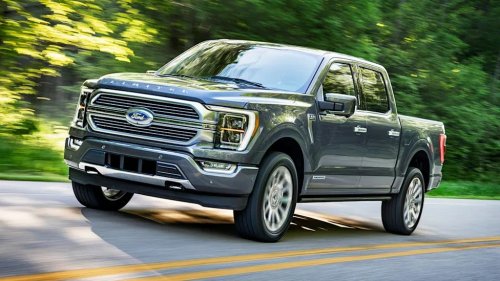
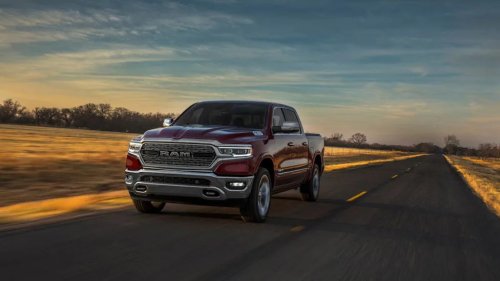
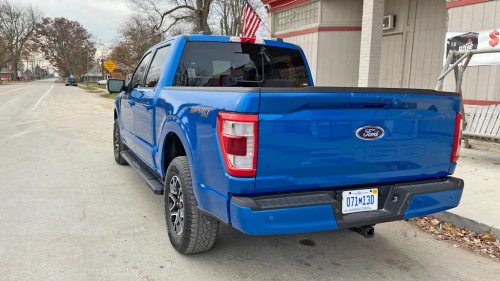
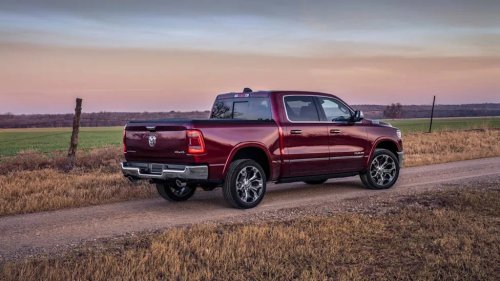
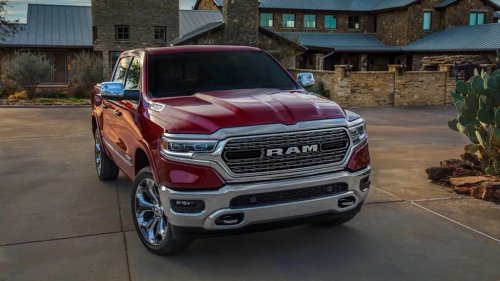
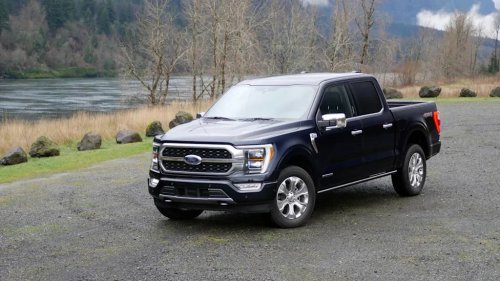
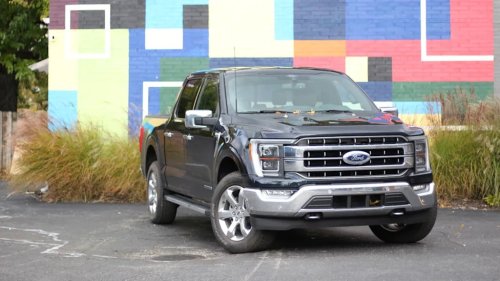
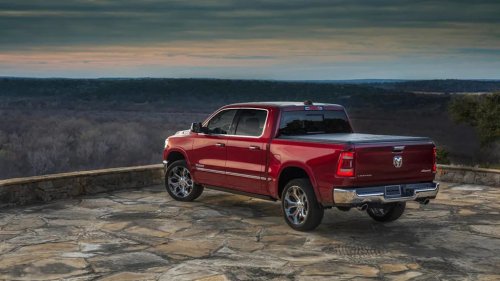
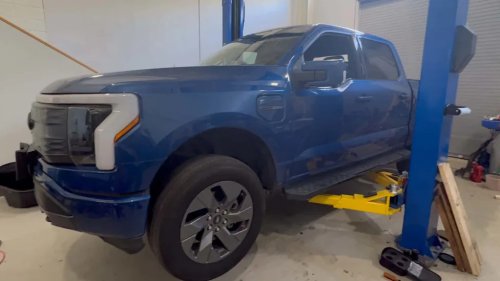
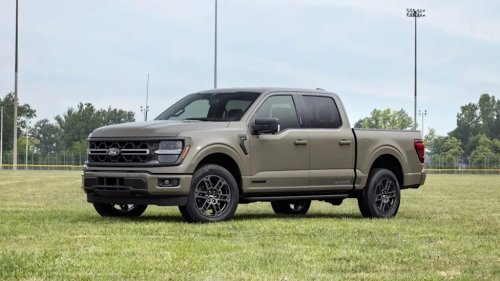
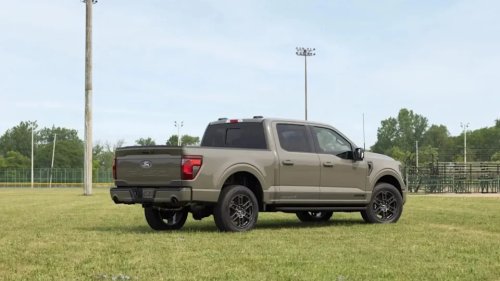
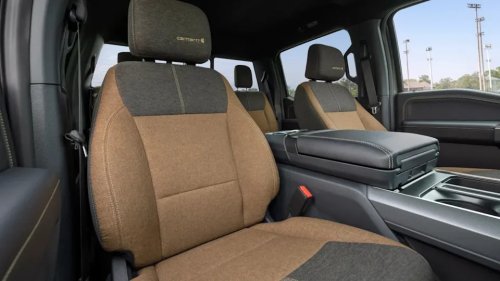
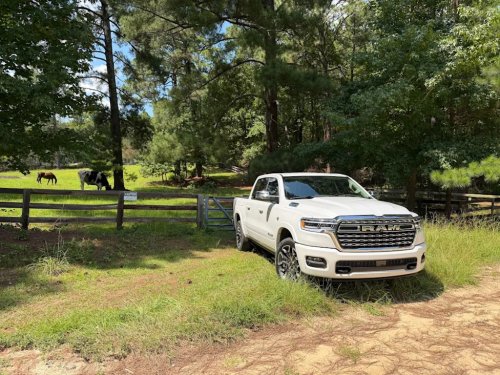
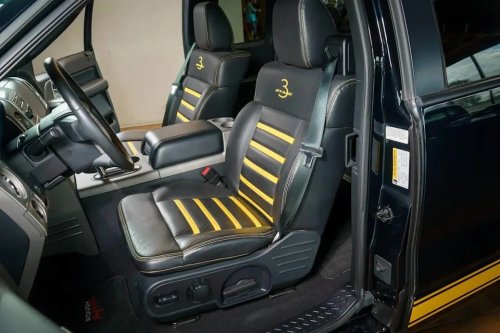
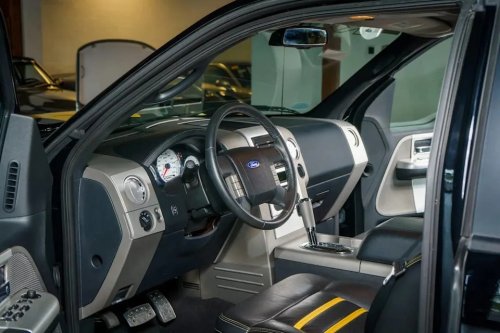
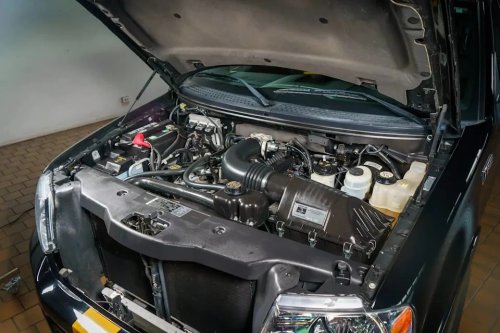
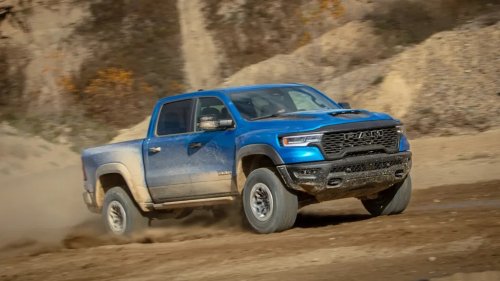
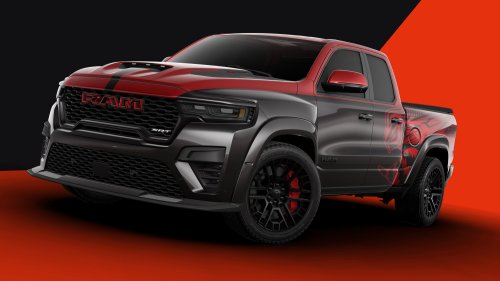
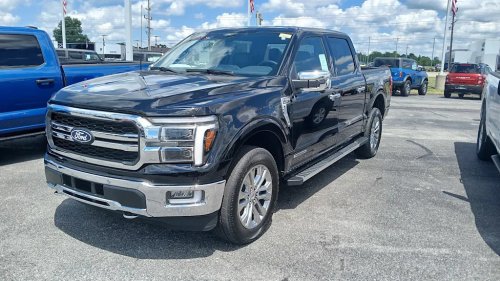
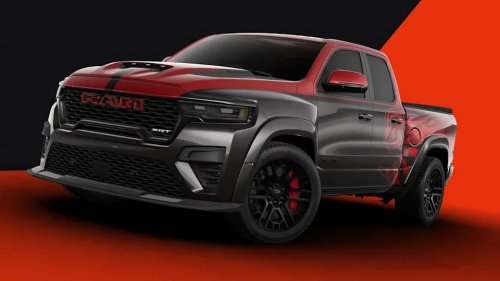
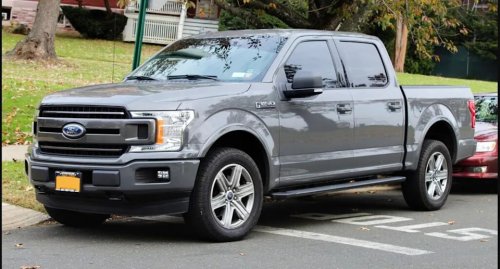
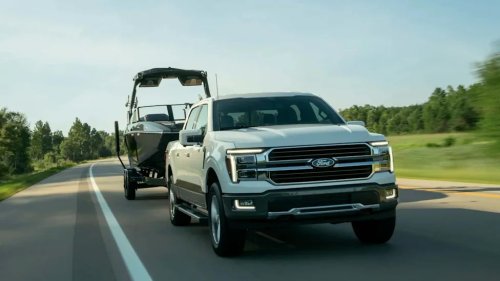
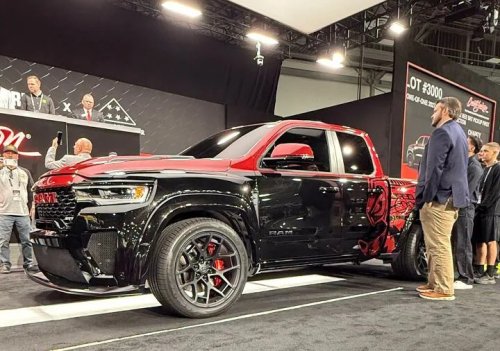
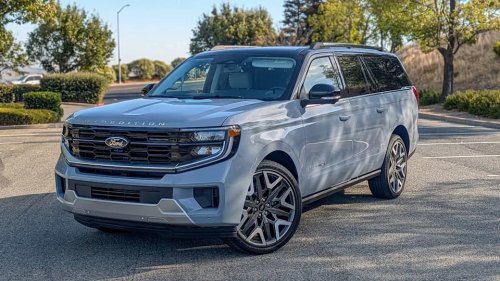
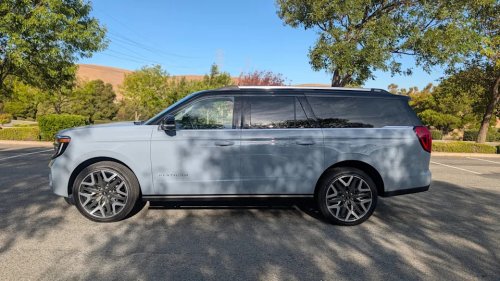
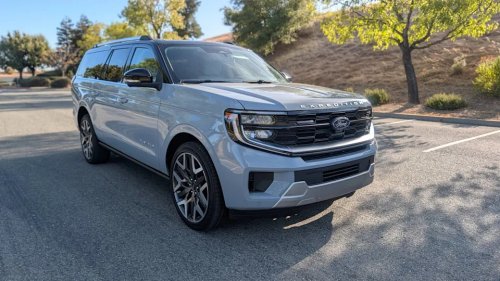
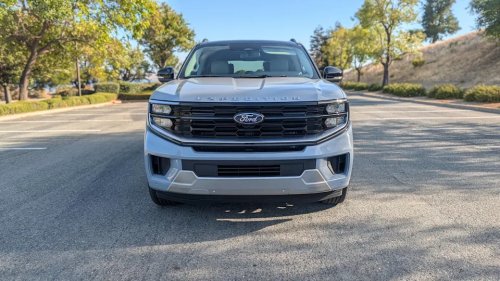
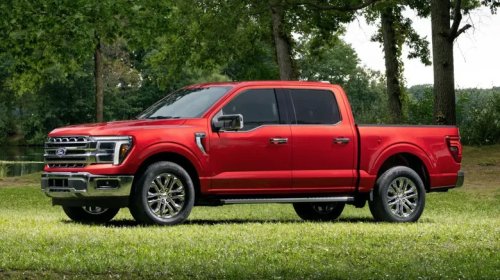
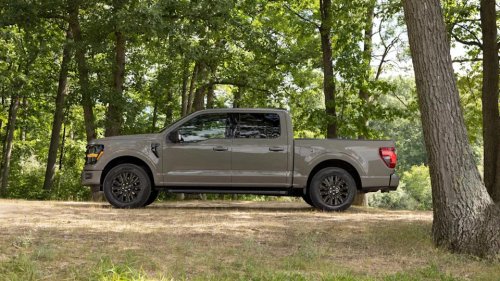
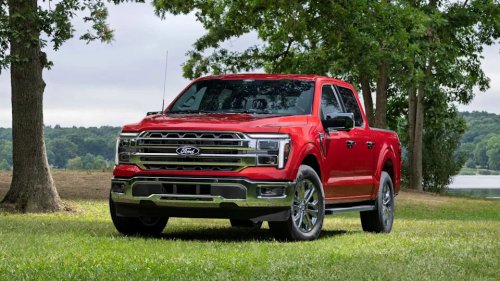
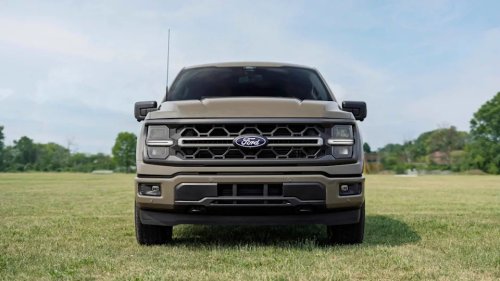
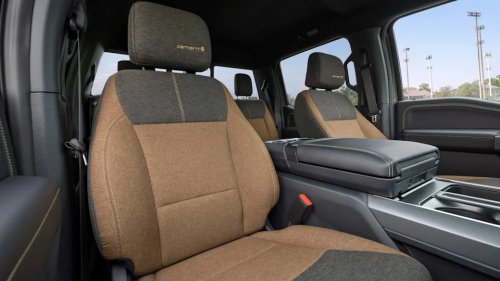
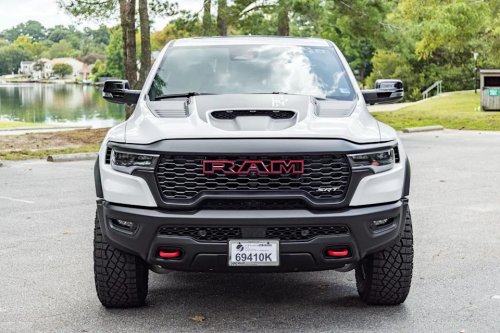
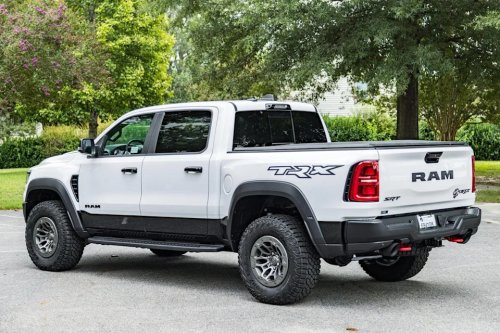
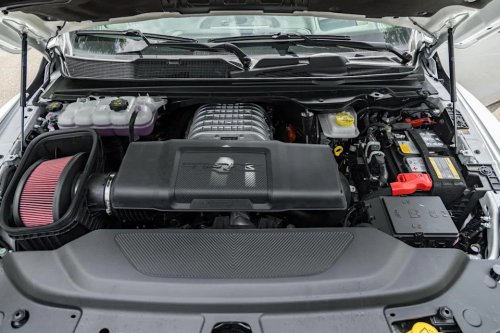
Autoblog and Yahoo may earn commission from links in this article.Buying a used 2021 full-size truck means accepting that neither Detroit nor Stellantis built a perfect vehicle that year. Both the F-150 EcoBoost and the Ram 1500 Hemi carry documented mechanical issues that have cost owners real money and real patience. With four years of ownership data, the question is no longer whether problems exist. It is which set of problems you would rather live with, how expensive each one is to fix, and which truck is more likely to reach 150,000 miles without requiring a repair that costs more than the monthly payment.2021 Ford F-150The enginesFord's second-generation 3.5-liter twin-turbo EcoBoost V6 produces 400 hp and 500 lb.ft in the 2021 F-150, making it one of the most powerful standard engines in the segment. By 2021, the EcoBoost platform had largely resolved the timing chain stretch and cam phaser issues that plagued earlier generations. Carbon buildup on intake valves remains a maintenance consideration on high-mileage examples, and turbocharger complexity means more components that can eventually require attention. But the engine itself, when serviced on schedule with synthetic oil at the correct intervals, has proven durable enough to earn an endorsement from most long-term ownership analyses.2021 Ram 1500 LimitedRam's 5.7-liter Hemi V8 with eTorque mild-hybrid assistance makes 395 hp and 410 lb.ft, which is less powerful than the EcoBoost but delivered through a naturally aspirated architecture that many truck buyers view as inherently simpler. Simpler is relative. The Hemi's Multi-Displacement System, which deactivates four cylinders under light load to save fuel, has been linked to lifter wear that produces the infamous "Hemi tick," a tapping noise that ranges from a cosmetic annoyance to a precursor of a $3,000 to $5,000 repair, depending on severity.AdvertisementAdvertisementExhaust manifold bolt failures are even more common, with owner after owner reporting cracked manifolds and broken bolts that cause exhaust leaks, increased noise, and potential carbon monoxide exposure. Ram has issued service bulletins. Adding the eTorque 48-volt system introduces another potential failure point: Motor Generator Unit malfunctions have been reported, and the system's long-term durability past 100,000 miles remains an open question.The transmissionsHere is where the comparison tilts. Ford's 10-speed automatic, co-developed with General Motors, has been the single most complained-about component across the entire F-150 lineup since its introduction. Harsh shifting, hesitation between gears, gear hunting at highway speeds, and shuddering under light throttle are documented across multiple model years and multiple owner surveys. Some trucks exhibit the behavior from new. Others develop it after 30,000 to 50,000 miles. Ford has released software calibration updates that is said to improve the problem.2021 Ford F-150Ram's ZF-sourced 8-speed automatic is the more conventional and more reliable gearbox. It shifts cleanly, responds predictably to throttle inputs, and has accumulated a significantly smaller complaint profile than Ford's 10-speed across comparable mileage ranges. It is not immune to problems, and some owners report occasional torque converter shudder, but the frequency and severity of transmission issues on the Ram are meaningfully lower. If the transmission is the component you worry about most on a used truck, and it should be because it is the most expensive single item to replace, the Ram holds a clear advantage.2021 Ram 1500 LimitedRecalls and ownership costsNeither truck escaped the recall gauntlet. The 2021 Ram 1500 carries 14 NHTSA recalls covering ABS modules, instrument cluster failures, rearview camera malfunctions, and wiring harness issues. The 2021 F-150 carries a similarly extensive recall list addressing fuel pump failures, unintended transmission shifts to neutral, rear axle hub fractures, and electrical system concerns.2021 Ram 1500 LimitedAnnual repair costs average roughly $788 for the F-150 and $691 for the Ram 1500, a difference of about $100 per year. The Ram's advantage comes from its simpler, naturally aspirated engine and fewer transmission complaints, offset somewhat by its exhaust manifold and lifter concerns. Insurance costs are comparable for both. Resale values favor the F-150 slightly due to higher demand and broader trim availability, which means the Ford loses fewer dollars at trade-in despite costing more to maintain.2021 Ford F-150AdvertisementAdvertisementThe 150,000-mile verdictAt 150,000 miles, the F-150 EcoBoost is likely running on a turbocharged engine that has been well-proven since 2017, but may be on its second set of spark plugs, may have needed carbon cleaning, and may have had at least one transmission-related service visit. High-mileage EcoBoost trucks that were maintained with synthetic oil on strict intervals generally hold up. Those that were not tend to develop turbo and timing issues that are expensive to address.2021 Ford F-150Zac PalmerAt the same mileage, the Ram Hemi is likely running on a naturally aspirated V8 that is mechanically straightforward but has probably needed at least one exhaust manifold repair and may be exhibiting lifter noise that progressively worsens. The 8-speed automatic, assuming regular fluid changes, is likely to still be shifting cleanly. The eTorque system is the wild card: if the MGU has been replaced under warranty, the truck is in good shape. If it has not been replaced and begins failing out of warranty, costs can escalate.2021 Ram 1500 LimitedSo, which one is more reliable?Neither the 2021 F-150 EcoBoost nor the 2021 Ram 1500 Hemi will make a reliability hall of fame. Both carry documented systemic issues that require informed purchasing and diligent maintenance. If forced to choose which truck is more likely to deliver fewer expensive surprises over 150,000 miles, the Ram edges ahead narrowly. Its 8-speed transmission is more durable than Ford's 10-speed, its naturally aspirated architecture is less complex than twin-turbo, and its annual repair costs run roughly $100 lower. But the Hemi tick and exhaust manifold failures are real costs that the Ram's defenders tend to minimize.This story was originally published by Autoblog on Jun 10, 2026, where it first appeared in the Car Buying section. Add Autoblog as a Preferred Source by clicking here.