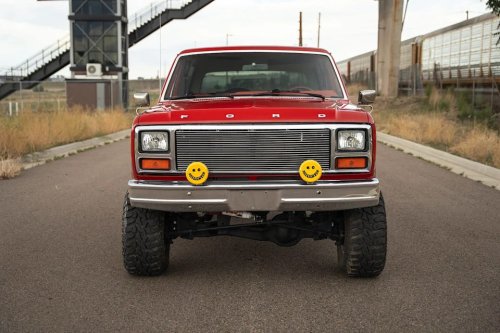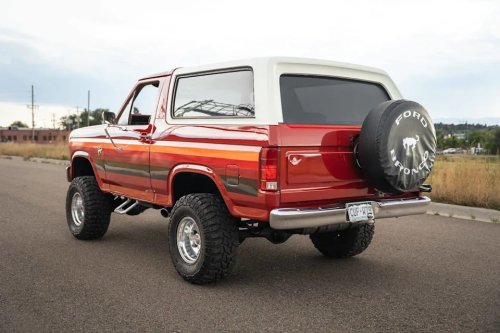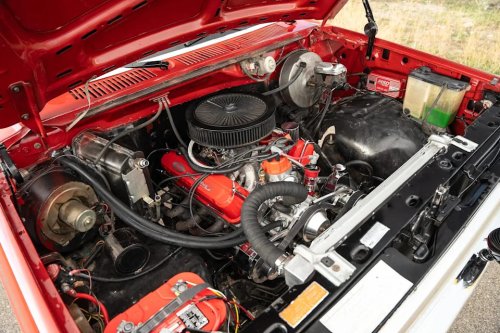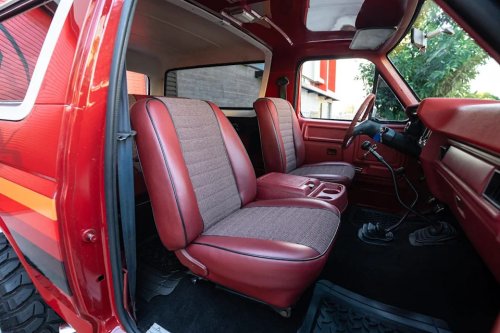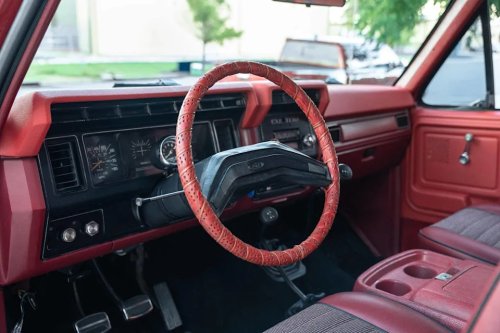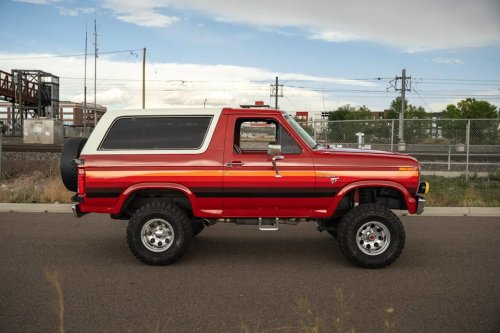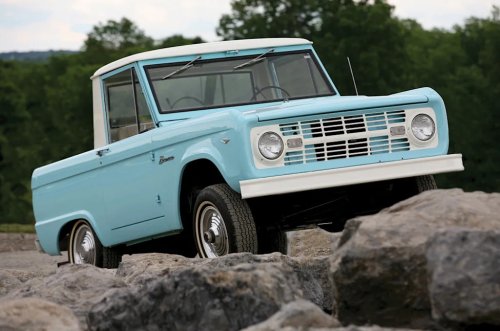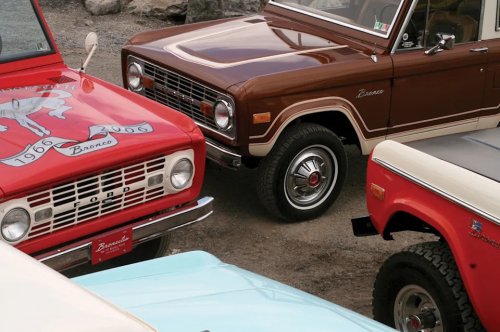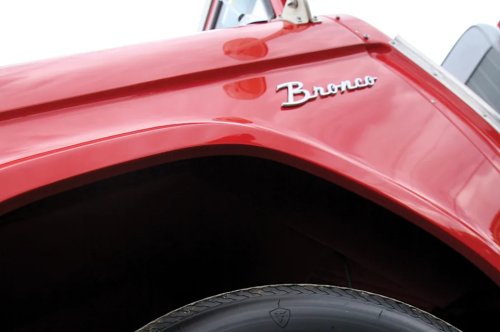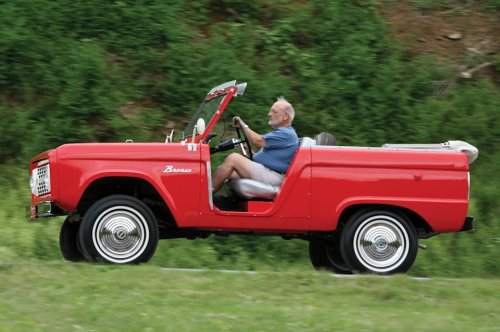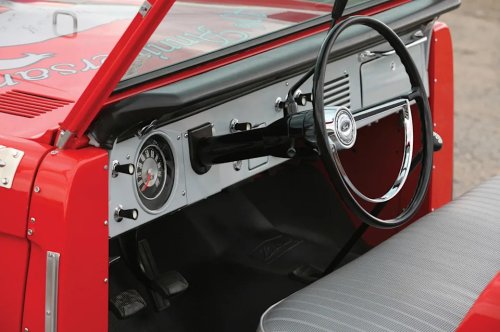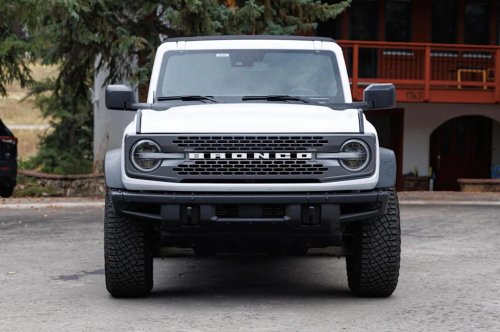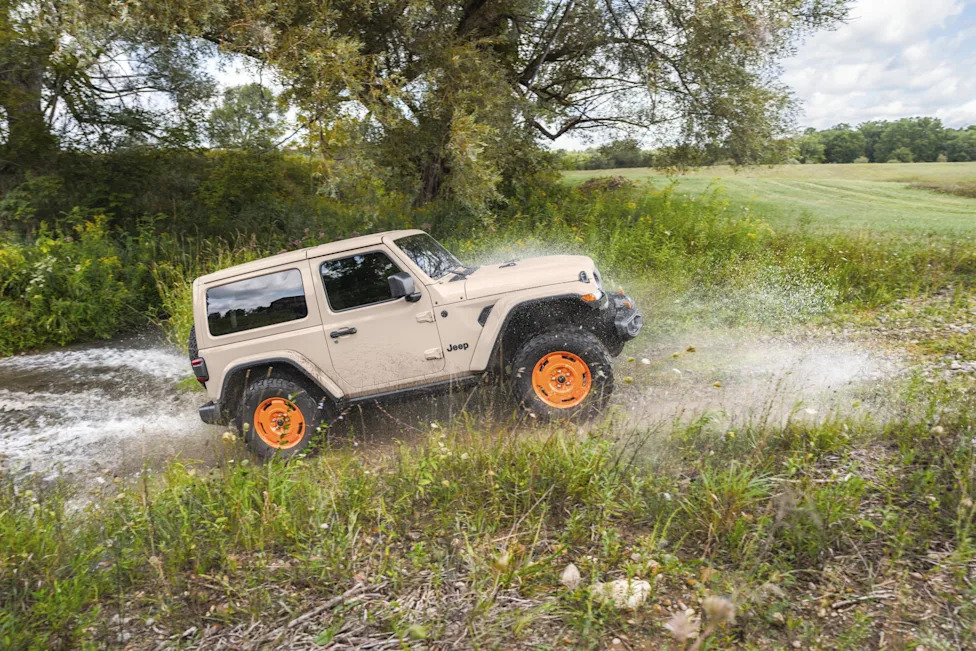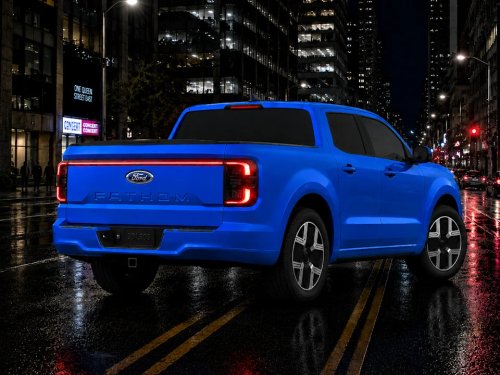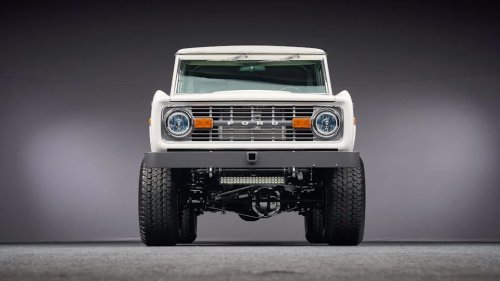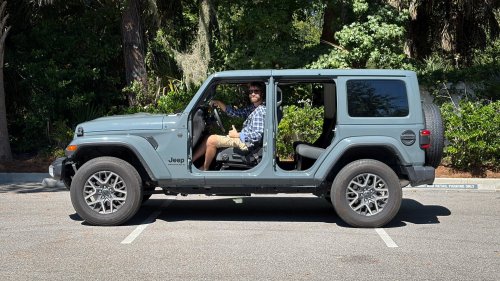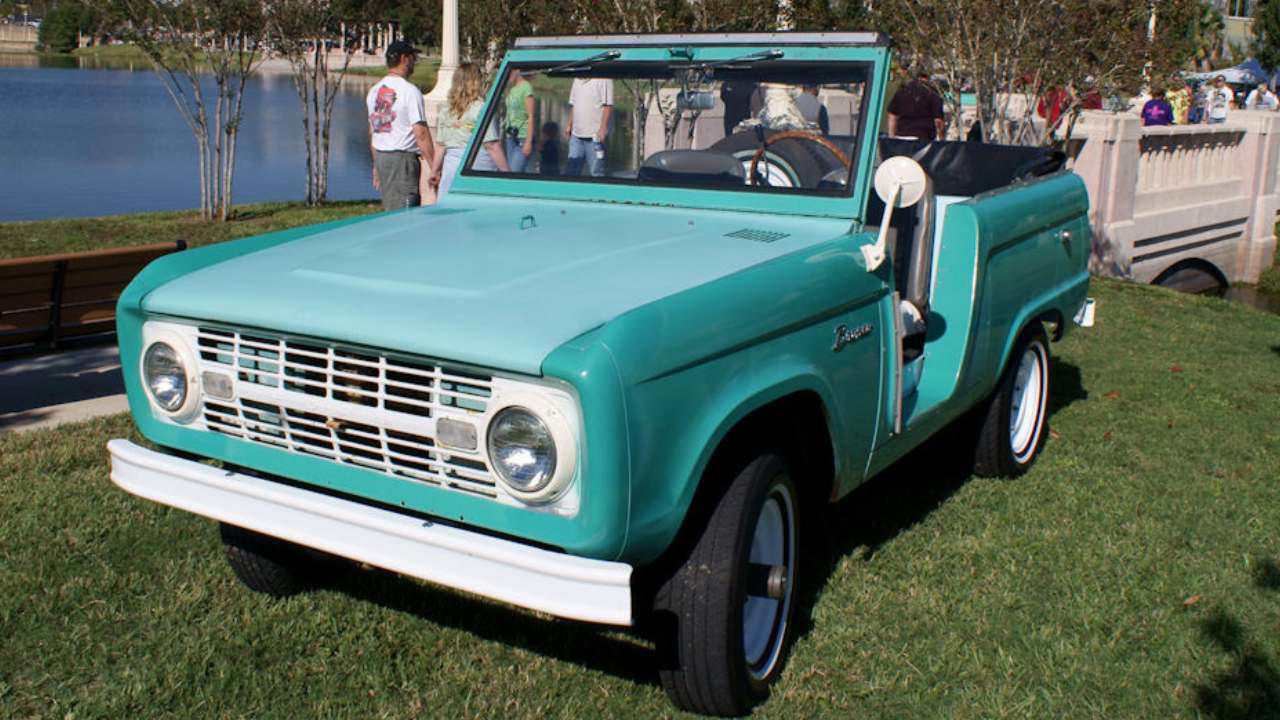



















1966 Jeep CJ-5 vs 1966 Ford Bronco one became a legend the other stayed utilitarianThe 1966 Jeep CJ-5 and the 1966 Ford Bronco rolled into the same fight with very different ambitions. One carried forward a bare-bones military lineage, while the other tried to turn off-road grit into something that could also pass for a stylish family rig. Decades later, the Bronco is celebrated as an icon and collector favorite, while the CJ-5 largely remains a simple workhorse remembered for utility more than mythology. The brief moment when CJ-5 and Bronco met head-on When Ford launched the Bronco as a 1966 model, it did so with a clear target in mind: the Jeep CJ-5. Contemporary accounts describe how Ford introduced the Bronco to compete directly with the Jeep CJ and the International Scout 800, positioning its new truck as a compact, go-anywhere 4×4 that could steal buyers from those established off-roaders. The CJ-5 already had a decade of service behind it by then, tracing its roots back to military Jeeps that had proven themselves in war zones and on farms. Ford did not try to hide the intent. Internal planning framed the Bronco as a purpose-built rival that would sit between the small Jeep and larger pickups. Company material for the first generation notes that the Bronco was engineered from the start as a compact off-road vehicle with its own chassis, not a parts-bin mashup. Where the CJ-5 leaned on heritage, the Bronco tried to present itself as a fresh alternative that still delivered serious trail performance. That rivalry has aged into a kind of folklore. Modern enthusiasts still stage head-to-head runs, such as a filmed trail challenge that pits a vintage Ford against a Jeep CJ-5 to see which climbs and scrambles better in real conditions. In that clip, the Ford Bronco 2 showdown echoes the original marketing duel, even if the drivers are now more interested in nostalgia than conquest. Over the long term, however, the outcome is clear. The Bronco evolved into a cultural symbol that later generations revived and reinterpreted, while the CJ-5 remained almost stubbornly utilitarian, a machine valued for what it could do rather than what it represented. How Ford designed a future legend Ford did not stumble into the Bronco by accident. Company planners spent years studying the Jeep CJ-5 and International Scout, then laid out a short-wheelbase SUV that could match their off-road capability while giving buyers more comfort and refinement. Historical accounts of the truck’s development describe how engineers created a dedicated frame and body instead of adapting an existing car or truck platform, which allowed them to tune dimensions specifically for trail use and tight maneuvering. From the outset, the Bronco was marketed as a compact SUV that could take on rough terrain but still serve as daily transportation. That dual mission shaped everything from the suspension to the body styles. Ford offered three distinct versions: a utility-oriented pickup, an open-sided roadster and a fully enclosed wagon that could function as a family vehicle. Period descriptions list the “Wagon,” the “Roadster” and the pickup configuration as the three core body styles, each aimed at a slightly different buyer. Underneath, the Bronco received a coil-spring front suspension that was advanced for a small 4×4 of its era. Company history materials describe how the front coil setup was engineered to provide a smoother ride and better wheel articulation than the leaf springs used on many competitors. That decision gave the Bronco more civilized road manners without sacrificing trail performance, a combination that would later become central to its legend. Powertrain choices also helped the Bronco feel more modern. Early trucks launched with a six-cylinder, but by March of that first model year Ford made a 289-cubic inch V8 available that produced 200-horsepower. That engine later grew from 289 cubic inches to 302, and that small-block V8 became a defining part of the Bronco’s personality. The Jeep CJ-5, by contrast, often carried smaller, more work-focused engines that fit its agricultural and military roots. Ford’s own historical overview describes the first-generation Engineered for the philosophy. The company emphasized that the Bronco came off the line ready for the trail, but also highlighted its smoother suspension and more controlled handling. That blend of toughness and civility would later help the truck cross over from pure tool to lifestyle object. Enthusiast histories of the model’s evolution underline how those early design choices laid the groundwork for a long run. Accounts that track Ford Bronco history from the mid 1960s through later generations consistently return to the 1966 truck as the blueprint. The proportions, the removable top, the short wheelbase and the dual-purpose mission all became hallmarks that restoration shops and modern reboots still celebrate. Why the CJ-5 stayed a tool while the Bronco became a lifestyle On paper, the 1966 Jeep CJ-5 and the 1966 Ford Bronco were not far apart. Both offered four-wheel drive, short wheelbases and open bodies that could be stripped down for trail work. In practice, they spoke to different instincts. The CJ-5 carried forward the image of a field rig that could plow through mud, haul gear and survive abuse. The Bronco tried to be that and something more, a truck that owners might polish on weekends and drive to work on Monday. Modern comparisons between early Broncos and vintage Jeeps highlight how that split showed up inside the cabin. One detailed showdown of classic rigs notes that the Interior and Comfort of the Ford Bronco felt more accommodating than the bare-bones Jeep interiors of the time. The Bronco’s seats, controls and overall layout gave drivers a sense that they were in a small truck rather than a repurposed military vehicle. The CJ-5, by comparison, remained sparse and upright, with ergonomics that prioritized durability over ease. Suspension design also shaped perception. Analysts who look back on the rivalry point out that the Bronco’s coil-spring front end gave it an edge in everyday driving. One review of Daily Driving Dynamics describes how the Bronco’s more complex front suspension, combined with its solid rear axle, helped it feel less punishing on pavement than leaf-sprung Jeeps. That comfort advantage mattered for buyers who wanted one vehicle to do everything. Off-road, the story is more balanced. Both platforms have long records on trails, in mud pits and on rocky climbs. A modern analysis of Tackling the Terrain notes that the Bronco and Jeep each proved their worth in challenging environments. Ground clearance, approach angles and simple mechanical layouts made both trucks easy to modify and repair. Enthusiasts still debate which platform is tougher, but the CJ-5’s reputation leans heavily toward utilitarian reliability, while the Bronco’s extends into style and image. That difference in image shows up in how people talk about the vehicles today. In online discussions, one user posting under the name Mindwarped weighs the pros and cons of owning an early Bronco versus a Jeep, noting cost and reliability concerns. The conversation treats the Jeep as a known quantity, a dependable if rough-edged choice, while the Bronco is seen as something special that may justify higher prices and more attention. Even playful slogans capture the split. A popular enthusiast group once shared an image with the line “Bronco. Making Jeeps look wimpy since 1966,” attached to a post that mentioned Ford introducing the Bronco in 1965 and credited Richie Canaday of West Ashley Cars and Coffee. The jab is tongue-in-cheek, but it reflects how the Bronco came to represent a bolder, more expressive side of off-roading, while the Jeep CJ-5 remained the stoic work partner. Jeep never tried to turn the CJ-5 into a comfort-first vehicle in the same way. The CJ line evolved, but the CJ-5 itself stayed close to its roots. That consistency helped it serve farmers, hunters and rural drivers for years, yet it also limited its transformation into a cultural object. The Bronco, on the other hand, kept one foot in the dirt and the other in emerging SUV culture, which eventually carried it into the broader mainstream. From sales reality to collector fantasy Period sales figures and later analysis suggest that the original Bronco was not an immediate runaway hit. A widely shared video commentary on the early truck observes that looking at the cute front end of the first Ford Bronco might make viewers think it dominated the market, but the reality was more modest. Ford had to work to convince buyers that a short, boxy SUV could be both practical and fun. Over time, though, the first-generation Bronco’s design aged remarkably well. Modern histories of the model describe how the 1966 truck, along with its immediate successors, left an “indelible” mark on the SUV category. One retrospective on The Birth of the Bronco emphasizes how its compact size, removable top and off-road focus helped define what a recreational SUV could be long before the term became commonplace. Ford’s own historical materials frame the 1966 to 1977 trucks as the foundation of the brand’s legacy. An overview of Ford Broncos from that era describes how the vehicle made a significant impact in the off-road and SUV market, helping to popularize the idea of a small, highly capable four-wheel-drive truck that could also serve as a family hauler. The Jeep CJ-5 certainly contributed to that shift as well, but the Bronco’s styling and marketing gave it a more distinct identity within the emerging SUV story. Special editions and motorsport success amplified the Bronco’s aura. One famous example is the “Big Oly” race truck, a radical Bronco-based rig that competed in desert events and later crossed the auction block at a high-profile sale. Auction listings for the 1969 Ford Bronco highlight how far the platform could be pushed, from steel-bodied trail rig to fiberglass-bodied racing icon. The CJ-5 participated in motorsport too, but it never produced a single, widely recognized hero vehicle on the same scale. Collector demand reflects the difference. Specialty shops now dedicate entire businesses to restoring and modifying early Broncos. One restoration-focused company publishes detailed Ford Bronco history pieces and even catalogs of modernized parts, interior kits and billet components tailored specifically to classic Broncos. Retail sites list vintage vehicle interior kits, custom billet parts and branded merchandise that all revolve around the Bronco identity. Other firms focus on chassis upgrades and parts for classic Broncos, offering modern frames, suspension systems and driveline components that let owners keep the vintage look while improving performance. A parts supplier that specializes in classic Bronco components describes a range of classic Bronco parts, from suspension pieces to body mounts, reflecting a deep aftermarket ecosystem built around this single model line. The CJ-5 has its own enthusiast community and parts market, but the scale and cultural visibility are different. Where the Bronco has become a fashion statement as much as a tool, the CJ-5 remains mostly a niche favorite among off-road purists and collectors who appreciate its simplicity. That difference is not about capability so much as narrative. The Bronco’s story has been told and retold in marketing campaigns, documentaries and social media posts, while the CJ-5’s story often stays inside enthusiast circles. How interior and comfort changed the game Inside the 1966 Bronco, buyers found a cabin that, while still basic by modern standards, pointed toward a new kind of off-roader. The dash layout, seating and available options suggested that Ford expected people to spend real time behind the wheel on pavement, not just on trails or job sites. That expectation shaped how people used the truck and how they remember it. Modern comparisons of classic Broncos and Jeeps underscore this advantage. Analysts who break down old Bronco Jeep matchups often mention that the Bronco’s interior feels more like a compact truck, with better seat comfort and more thoughtful control placement. The Jeep CJ-5, by contrast, retains a spartan cabin with flat seats, minimal sound insulation and a driving position that seems optimized for short stints rather than long highway runs. That difference matters because comfort influences how often owners use their vehicles. A Bronco that can handle a daily commute, a grocery run and a weekend trail ride becomes part of an owner’s life in a broader way than a CJ-5 that is reserved for hunting trips or farm chores. Over years, those daily interactions build emotional attachment, which in turn supports the kind of nostalgia that fuels collector interest. Interior upgrades have become a major part of the Bronco aftermarket. Suppliers now offer complete interior packages designed to bring classic trucks up to modern standards while preserving their vintage look. One catalog of vintage-vehicle interior kits includes seats, door panels and trim pieces that let owners refresh or completely reimagine their cabins. The very existence of such kits shows how central the interior experience has become to Bronco culture. Jeep CJ-5 owners can and do upgrade their interiors, but the market is less focused on turning the cabin into a stylish living space. Much of the CJ-5 parts world revolves around keeping the vehicles running, improving durability or increasing off-road performance. The Bronco world, by contrast, often treats the interior as a canvas for personalization, which aligns with its image as a lifestyle vehicle. That lifestyle angle even extends to merchandise. Some Bronco-focused businesses sell apparel, posters and branded items that celebrate the truck’s image. A storefront dedicated to classic vehicles lists velocity merch that features Bronco silhouettes and logos, turning the truck into a fashion symbol as much as a mechanical object. The CJ-5 has fan gear too, but it rarely appears in broader fashion or home decor in the same way. Off-road performance and the myth of invincibility On the trail, the 1966 Bronco and Jeep CJ-5 share more similarities than differences. Both rely on simple, body-on-frame construction, solid axles and part-time four-wheel drive systems that can claw through mud, sand and rocks. Each has a short wheelbase that helps with breakover angles and tight turns, and each can be stripped down to a bare shell for serious off-road work. Modern off-road challenges that pit classic Broncos against CJ-5s show that capability is not the main dividing line. In the off-road challenge video where drivers compare a Ford Bronco 2 and a Jeep CJ5, both rigs tackle obstacles with confidence. The outcomes depend more on driver skill, tire choice and specific modifications than on brand. That reality undercuts any simple claim that one platform is categorically superior off-road. Yet myths persist. Enthusiast histories of the Bronco often highlight its off-road credentials with phrases like “goes over any terrain.” One detailed chronology of the model’s evolution describes how the 1966 to 1996 Ford Bronco History featured rigs that could handle mud, snow and rocky trails with equal confidence. The CJ-5, with its World War II heritage, carries its own myth of invincibility, built on images of Jeeps crossing rivers and climbing impossible hills. Those myths are not just marketing. Both vehicles have real-world records in harsh environments. The Bronco’s desert racing exploits, including the famous Big Oly and other competition trucks, helped cement its reputation in high-speed off-road events. The CJ-5 served in militaries, emergency services and remote work sites around the world, where reliability and simplicity mattered more than speed. Modern suspension and chassis upgrades have extended the capabilities of both platforms. Companies that specialize in classic Bronco frames and suspension, such as those offering complete Krawlers Edge chassis systems, allow owners to fit long-travel shocks, disc brakes and modern steering setups under vintage bodies. Jeep CJ-5 owners have access to similar upgrades, but the Bronco scene has become particularly associated with high-end, turnkey builds that combine classic looks with near-modern performance. As a result, the Bronco often appears at high-profile off-road events and shows as a showcase of what can be done with a vintage platform. The CJ-5 appears too, but more often as a purist’s rig or a budget-minded trail truck. That difference in presentation feeds back into public perception, reinforcing the idea that the Bronco is the star while the Jeep remains the dependable supporting actor. Marketing, memory and the modern Bronco revival Marketing has played a decisive role in how the Bronco and CJ-5 are remembered. Ford invested heavily in promoting the Bronco as something fresh and aspirational. Historical materials from the company describe how the truck was positioned as a fun, sporty alternative to sedans and station wagons, with imagery that showed families, surfers and outdoors enthusiasts using it for adventure. Later retrospectives on the Bronco’s story trace how that image evolved through subsequent generations, from the compact original to larger, more luxurious models. One narrative of Bronco history notes that the vehicle changed dramatically after the first generation, but the core idea of a rugged, go-anywhere SUV persisted. Enthusiast posts from parts suppliers describe how the first-generation trucks were offered in multiple body styles, including the Wagon and Roadster, which helped them appeal to a wide range of buyers. Jeep, by contrast, leaned on the CJ-5’s authenticity and military lineage. Advertising often highlighted toughness and tradition rather than comfort or style. That approach resonated with a dedicated audience but did less to pull in new buyers who might have been attracted to the Bronco’s mix of fun and practicality. The modern Bronco revival has further amplified the original truck’s legend. When Ford brought the Bronco name back, it did so with styling that clearly referenced the 1966 model’s boxy shape, round headlights and upright grille. That decision effectively canonized the first-generation Bronco as the definitive version in the public imagination. The CJ-5, while influential, has not received the same kind of high-profile, factory-backed tribute. More from Fast Lane Only Unboxing the WWII Jeep in a Crate 15 rare Chevys collectors are quietly buying 10 underrated V8s still worth hunting down Police notice this before you even roll window down The post 1966 Jeep CJ-5 vs 1966 Ford Bronco one became a legend the other stayed utilitarian appeared first on FAST LANE ONLY.