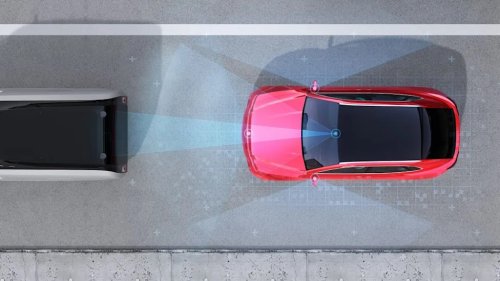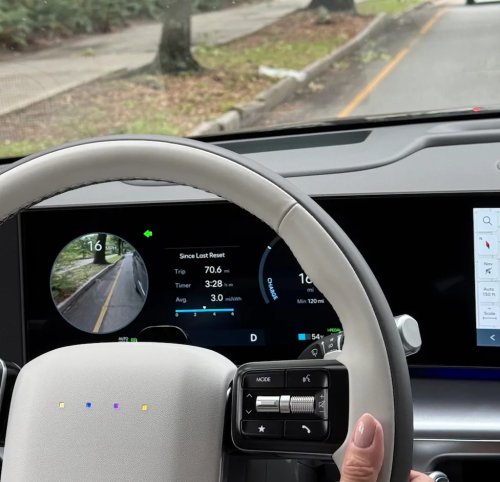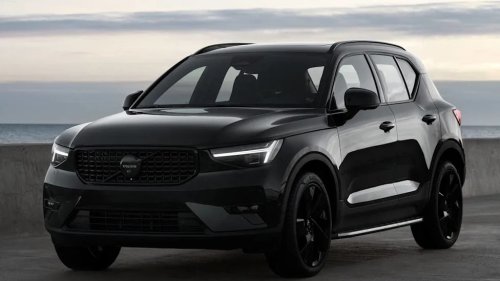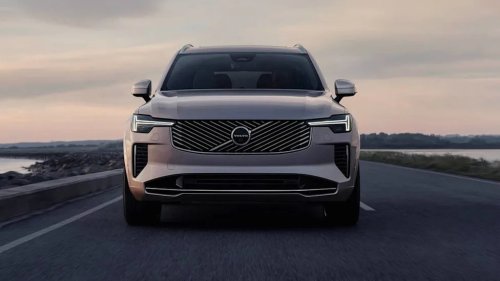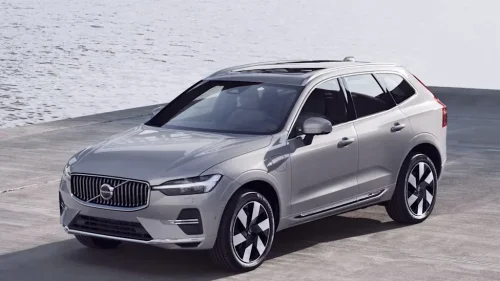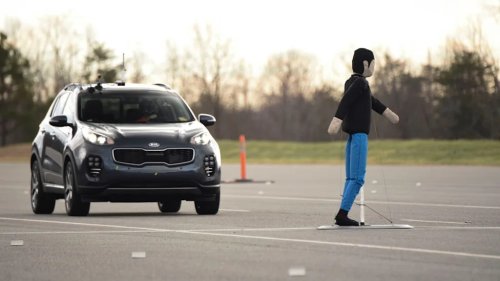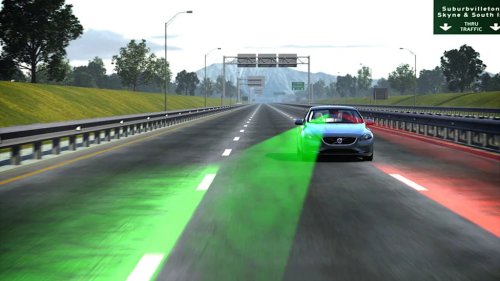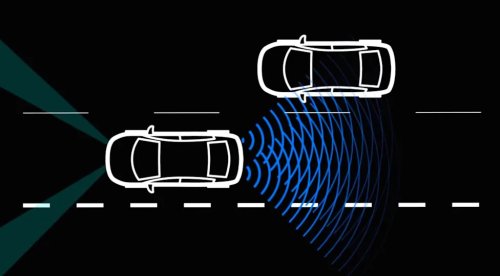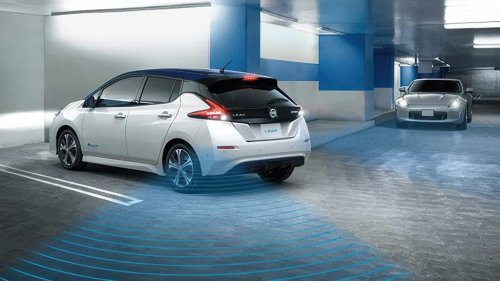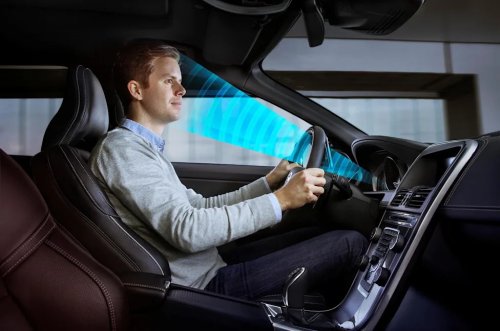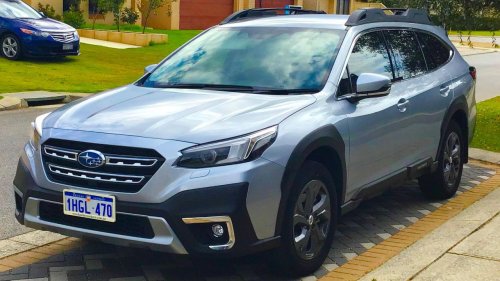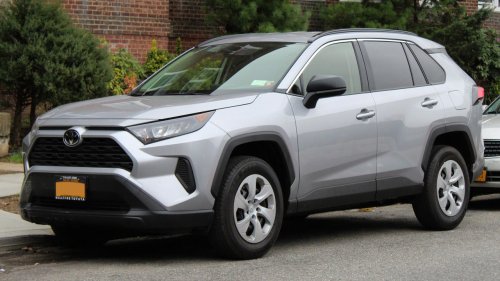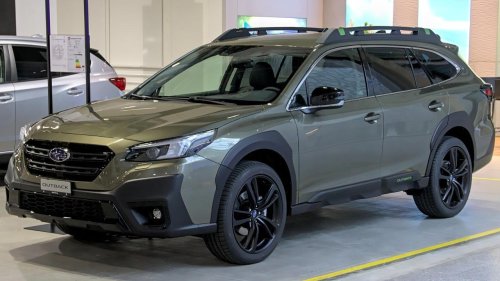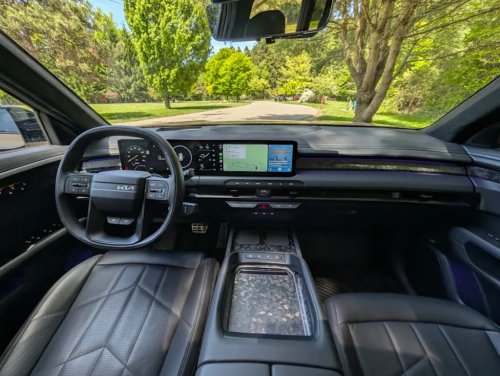
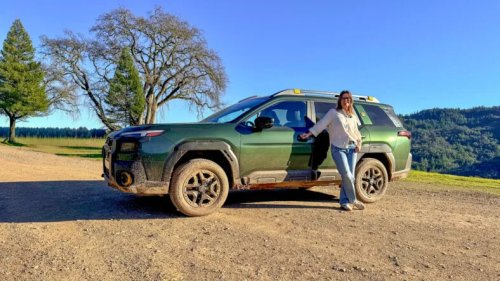
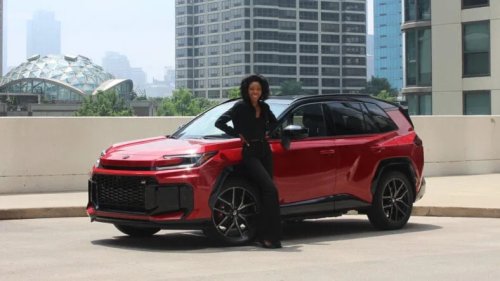
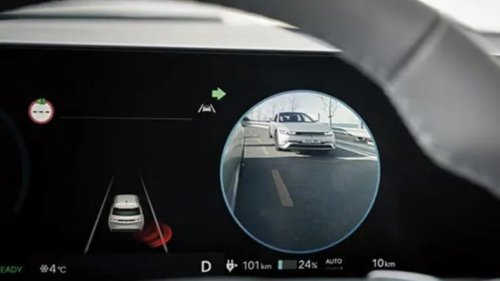
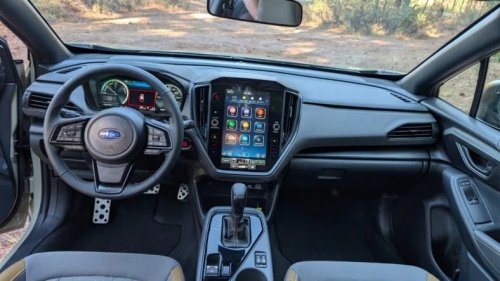
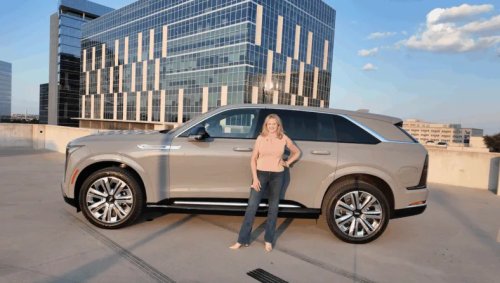
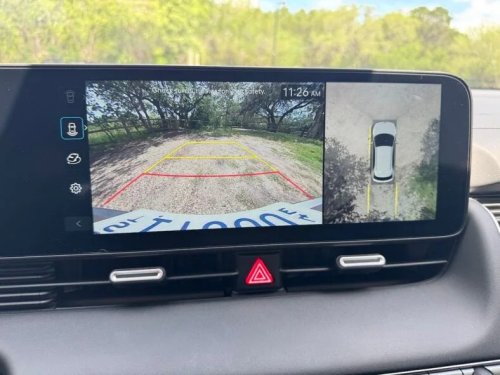
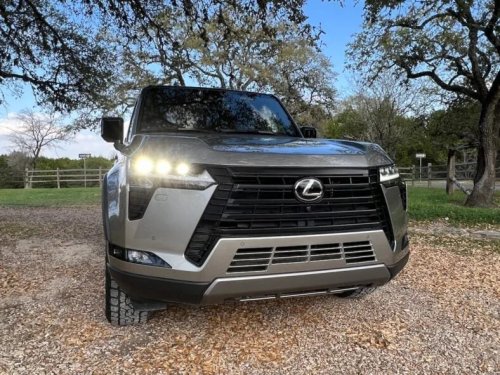
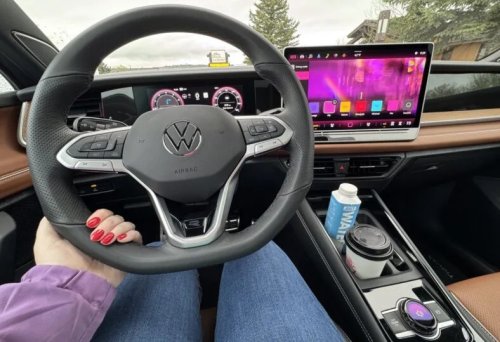
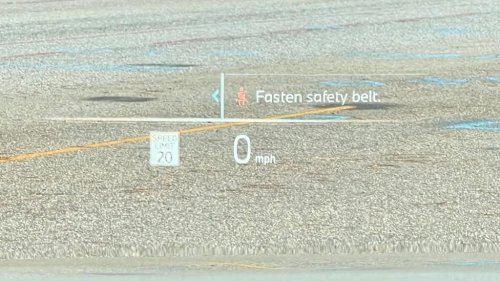
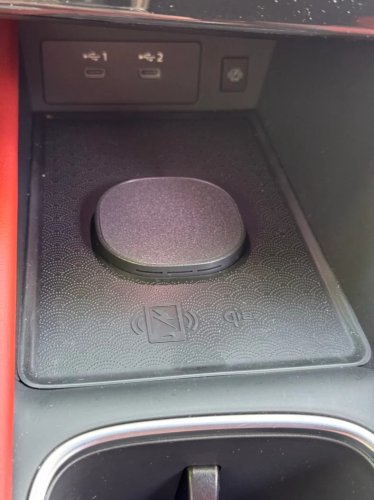
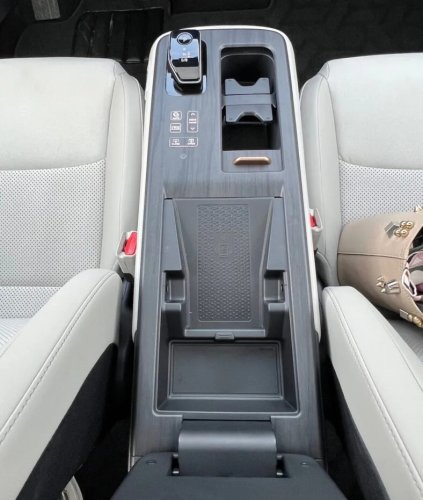



















The technology and ease of use were one of the first pushes I felt towards a 2027Understanding your car's safety tech is the first step to safer driving. These 10 essential features keep you focused, alert, and protected.Browse the standard safety features list on any brand-new car's webpage and, at first glance, it feels overwhelming. Features that used to be reserved for high-end luxury models—like backup cameras, blind-spot monitoring or pre-tensioning seatbelts—now come standard on budget-friendly commuters like the Nissan Sentra and Toyota Corolla.While that giant list of safety specs can look intimidating, many of these car safety features are designed to do a lot of the driving for you by anticipating the need to brake before you can lift your foot or keeping an eye on that aggressive driver darting between lanes behind you. While most new cars have 50 or more safety features, from passive features like airbags and crumble zones, to active features like blind spot monitors and anti-lock braking, there are 10 car safety features that we feel particularly enamored with for their true partnership with the driver.AdvertisementAdvertisementThis story is 100% human-researched and written based on actual first-person knowledge, extensive experience, and expertise on the subject of cars and trucks.1. Lane Departure Warning and Lane Keep Assist Prevents Unwanted SwervingThe 2026 Subaru Outback Wilderness is different, but in the best of ways – Credit: Sara LaceyWhether you're glancing at your GPS screen to check for the upcoming exit, trying to answer a phone call, handing your child a snack, or reaching for a dropped toy to squelch the screaming, wandering out of your lane happens to the best of us. Lane Departure Warning helps give you a gentle reminder, or in some cases, can correct the action in general, to get you back into your lane.All new cars have this feature. Some will send a pulse in your seat to warn you, others will have the steering wheel vibrate, while others may just have an alarm beep on the driver information screen. Many cars, if the action isn't corrected, will automatically steer you back into your lane. Most will let you turn that feature off; others don't.Subaru and Toyota's systems are regarded as some of the best, as they're paired with cameras and radar sensors that face the driver to determine whether or not the vehicle needs to intervene. If the driver isn't looking at the road, the car will automatically move itself. The best part is, for both companies, these features come standard on all trims, so you don't have to pay for any fancy packages or add-ons to have them.AdvertisementAdvertisementWe especially appreciated it in the new Toyota RAV4, Subaru Forester, redesigned Subaru Outback, and Toyota Sienna.2. Automatic Emergency Braking Is Faster Than You AreA fashionable car being driven during Chicago's most fashionable weeks. The stars definitely aligned. – Credit: Adrianna GAutomatic Emergency Braking, or AEB, is your insurance company's favorite feature. Just like the name implies, cars can use a radar, camera, or lidar system (in Rivian's case, all three) to calculate whether or not you're about to crash into the object in front of you, whether it's a pedestrian, building, trash can, or another car. If the car's wheel speed is fast enough to trigger the system's detectors into thinking you won't stop, first, it will warn you while it pre-brakes, applying a bit of braking. If you don't heed the warning, the car's brakes will automatically apply.Unlike the Lane Departure Assist, this feature can't be turned off. But why would you want to anyway? AEB isn't just for the front, either. The name also implies that the system can predict accidents when the car is in reverse, making a turn, or parking. In an equipped Hyundai and Kia, it can automatically brake in intersections.Subaru with its tri-camera EyeSight suite, is widely regarded as one of the best AEB systems on the market, alongside Toyota's system, equipped with the Toyota Safety Sense 3.0, which continues to rake in awards. Volvo's predictive lidar system is excellent, too. We love these systems in the Volvo XC40 and XC90, Toyota RAV4, Subaru Forester & Outback.3. Blind Spot Detection Protects Your Family, and the Family Next to YouThe blind spot camera being used in the Hyundai Ioniq 5 – Credit: Hyundai USAIt's happened to all of us. We're talking on the phone (over Bluetooth, of course, because we're safe), we're explaining to our children why it's not safe to dangle toys from the window, or we're looking at our GPS when we realize we have to make a lane change. Then, seemingly out of nowhere, we hear a honk because we've absentmindedly wandered into the lane next to us, nearly hitting the car in our blind spot. Blind Spot Detection, using either cameras or radar, will sense a car in your blind spot and warn you it's there, so that doesn't happen.AdvertisementAdvertisementSometimes the warning shows up as a light, either solid or blinking, in the corner of the mirror to alert the driver that a car is in their blind spot. Then, if you activate the signal, an alarm can turn on. If you start to actually make the turn, some cars will have an alarm turn on and prevent you from making the turn. It prevents lane change accidents, which is crucial.The car with the best blind spot detection system is any car from Mercedes-Benz's E-Class. They have an Active Blind Spot Assist that works by braking on the opposite side of the car to prevent collisions when a lane change is attempted into a vehicle in the car's blind spot. Other cars with great Blind Spot systems are the Subaru Impreza, Toyota Camry, and Kia Sorento. Hyundai and Kia actually have cameras in the side mirrors that turn on when the signal is activated, allowing the driver to see if anything is in the blind spot before merging.4. Driver Attention Monitors Will Snap You Out of Distracted DrivingThe interior of the 2026 Subaru Crosstrek Hybrid, featuring Driver Focus in the Limited trim – Credit: Kristen BrownSome cars will have cameras or sensors that watch your eyes as you watch the road. In other words, your car is making sure your eyes are on the road. Some are easily visible behind the steering wheel; some cameras or sensors are on top of the media screen, and others are installed on the roof. With my two kids in their car seats, it came in handy at stoplights when my children were screaming for snacks, a sip of my water, or demanding I play a certain song.When the light turned green and the car ahead of me started moving, I'd hear an alarm chime, and I'd see a warning on the dash saying, "The lead car is departing." Then I knew when to move, and people wouldn't honk at me. It's also incredibly helpful in traffic, when you're tending to kids, dogs, fishing around in your purse for sunnies or ChapStick, you name it.AdvertisementAdvertisementI loved the feature in the Subaru Outback, Hyundai Santa Fe, Kia Carnival and Kia Telluride. Volvo has been making great strides with technology too, especially the Volvo EX30 and EX90. Toyota and Lexus' systems are gentle and effective as well.5. Adaptive Cruise Control Makes Long Distance Drives a BreezeMe with the Cadillac Escalade IQ – Credit: Scotty ReissAdaptive Cruise Control is a great feature for commuters, as it's a semi-autonomous feature that helps adjust your car's speed when activated to keep a safe distance between your car and the car in front of you. If the car in front slows down, the system will force your car to slow, or even stop. In stop-and-go traffic, it'll keep your car in pace with the one in front, though most will turn off or can only be activated at certain speeds.We loved that anti-distracted driving feature in all of the GM cars equipped with SuperCruise, like the Cadillac Escalade and Escalade IQ. Fords are known for the adaptive cruise control that's part of BlueCruise, too. Toyota's adaptive cruise control has a built-in feature that automatically slows your car ahead of curves with the help of navigational data (LOVED this during my 2,000+ mile trip with the new 4Runner), and Subaru's EyeSight system is the best at seeing and reacting to cars that cut in front of you.6. Rear or Cross Traffic Alerts Tip You to Red Light Runners or Parking Lot WanderersCrisp clear wide rear view camera – Credit: Scotty ReissI can say from first-hand experience that rear and/or cross-traffic alerts are a lifesaver. I have an anecdote for that claim: I was testing the Hyundai IONIQ 5 XRT a few months back, and I was beginning to make a left turn after my light turned green. All of a sudden, the car started beeping, and then the brakes slammed. Then a man in a Toyota Prius, who ran his light, nearly missed the front of the EV.AdvertisementAdvertisementIf it weren't for the outward-facing sensors and cameras, it wouldn't have detected that distracted driver, and I would have been T-boned. There was no way I would have seen him, as his lane was obstructed by a big truck, but the Hyundai sensed it and stopped me. And I'm very grateful it did. Many cars come with this feature, and it's been a lifesaver in parking lots, when backing out of my driveway, and as you read, at stoplights.Once again, Subaru's EyeSight gets another mention because of the standard Reverse Automatic Braking (RAB), which was so effective that my husband was almost annoyed by it when he had to back customer cars out of his shop as a Master Technician. Toyota and Lexus' Intuitive Parking Assist will physically stop the car if a child or vehicle crosses behind you while backing up, too.I obviously loved that feature in the Hyundai IONIQ 5, the Subaru Forester, the Toyota 4Runner, and the Lexus UX 300h.7. Adaptive Bright Lights Help You Stay ConsiderateIn case you forget to switch your brights off, some cars will do it for you – Credit: Scotty ReissI can't tell you how many times I've driven my 2011 Forester at night, used the brights on a dimly lit road, saw a car coming, and then became riddled with guilt after realizing I didn't switch my brights off for the oncoming car. I've complained about people not turning the brights off when they saw me coming. It's not distracted driving per se, more like absent-minded driving, but it can still cause issues for other drivers.AdvertisementAdvertisementNow, most cars won't let you forget. New cars will automatically turn on the brights and turn them off if another car's headlights are detected, even from a distance. After reviewing new cars and going back into my old Subaru, I have to remind myself that I'm responsible for turning the brights off when driving at night.Toyota and Lexus' automatic high-beams are the best I've tested this year and last, with Subaru, Kia, Hyundai, and Genesis following close behind. The feature came in handy during my time with the Toyota 4Runner, Mazda CX-70, Lexus RX 450h, Hyundai Santa Fe, and the Genesis GV80.8. Voice-Activated Assistants Keep Your Eyes on the RoadThe center interface is still a giant, nostalgic circle – Credit: Natalie MerolaNearly every automaker has its own voice assistant software that allows drivers to control certain functions, like climate control, media volume, song selection, you can make phone calls, set destinations for the GPS, and so much more, depending on the manufacturer. The best part is that you no longer have to press a button to access it; in most cars you can simply, once the system is activated via the touch screen, you can simply ask for what you want. "Hey Mini, find the closest Starbucks," and the system is at your service.If your car is connected to Alexa the voice assistance software can turn on certain lights, open garage doors, and set the thermostat if your house is packed to the gills with smart home items.AdvertisementAdvertisementThe best-rated voice assistance programs are found in more cars than ever before, particularly in BMW, Mercedes-Benz, which use cloud connectivity to enhance their systems, and many others, such as the Kia Seltos with ChatGPT implementation and Rivian's new AI assistant, are adding AI to create a more conversational experience.9. Phone Mirroring Keeps Your Phone Out of Your HandsI loved the responsive media infotainment screen and digital gauges – Credit: Natalie MerolaAndroid Auto and Apple CarPlay help mitigate distracted driving by having everything you need from your phone up on the main screen. Your contacts, favorite destinations (including your home and work address), and text messages can be read aloud and responded to without touching your phone—all without taking up memory on your car's computer or requiring a separate subscription for navigation. Both systems allow you to use your phone's native voice assistant, too, so you can say "Hey, Google," or "Hey, Siri," and it will use your phone's microphone to complete the task.I love using it to text my husband to let him know I'm coming home, bringing him lunch at work, or to respond to his messages. These messages go from my phone and go to his, all without touching my phone. It's the same thing with navigation or making calls. With phone mirroring technology, there's no excuse for distracted driving. You can leave your phone in your purse and still use it.10. Head-Up Displays Keep Your Head Up and Eyes On the RoadHUD in the BMW i5.The quality of the heads-up display, or HUD, varies per manufacturer, from very affordable Mazdas to the priciest cars on the road, and we don't have a bad thing to say about any car we've tested that has one. GPS directions can be displayed on the windshield right in front of you so you're not looking at your center screen to know when to turn. Most systems display the speed limit with knowledge gained from GPS data or by reading the road signs and some will indicate if you're speeding. Systems will also display turn by turn directions, the radio station being played and other options; typically the display is customizable via steering wheel buttons or on the touch screen.AdvertisementAdvertisementYou're probably not shocked to learn that BMW and Mercedes-Benz have some of the best HUDs on the market. However, we've also liked the HUDs in Lexus cars, Genesis, Hyundai, Kia, and Toyota.Bonus: New Phone-Specific Cubbies and Pockets Keep Your Phone Out of Your HandsThis unique phone charge pad is one of the better features in the 2027 Infiniti QX65 – Credit: Scotty ReissEven with phone mirroring, heads-up displays and buttons on the steering wheel that allow you to answer or hang up your phone, drivers are still reaching for their phones and toying with them while driving, especially younger ones. In fact, the National Highway Transportation Safety Administration's most recent report states that drivers aged between 25 and 34 represented the highest number of drivers using cellphones during fatal crashes (or 27% of all fatal crashes in 2025).Automakers are taking that seriously and building cubbies and pockets that are specifically designed for smartphones and to make it a bit more difficult to access them while driving. Since wireless Apple CarPlay and Android Auto are more commonplace, advanced voice assistants, and wireless phone chargers, there's even less reason to reach for it and use it while behind the wheel.Some of our favorite new cars or SUVs with clever spaces to keep your phone are the 2027 Infiniti QX65, Kia Sportage Hybrid, and Ford Explorer.Safety Is Non-Negotiable, and Not An UpgradeThe command center has a small cubby under the armrest as well as a phone charge pad – Credit: Scotty ReissAll these features are designed and engineered to keep you safe on the road and in the last decade they've become mostly standard equipment; every car maker offers a substantial suite of features that will assist drivers on the road. Many will add other features, like surround view cameras, blind spot cameras and augmented reality as an upgrade, but the basics are included even in the base models of the most affordable cars on the road.AdvertisementAdvertisementStill, these systems are meant to aid you, not do the work for you. But if you pay attention to them they'll actually train you to look twice, keep your eyes on the road and stay off your phone, all of which will help make the act of driving easier, more relaxing, and more fun.