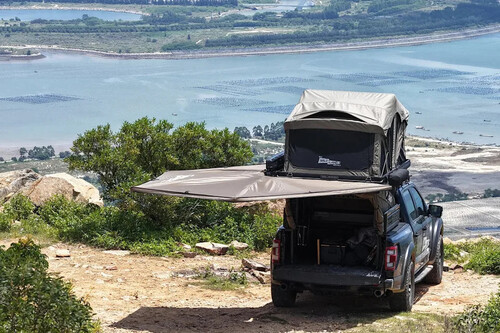
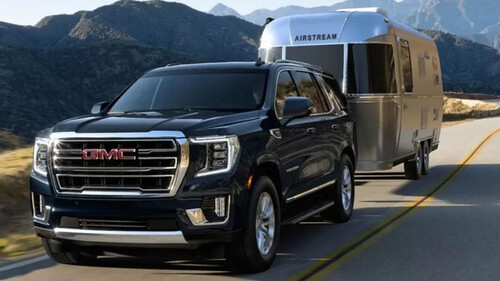
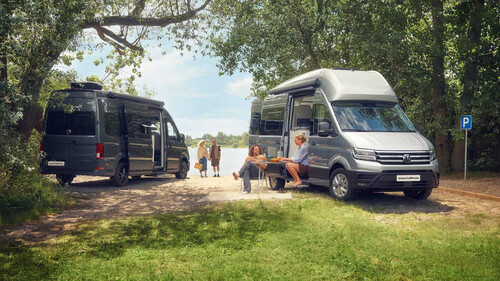
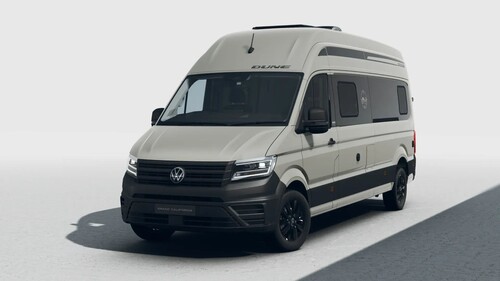
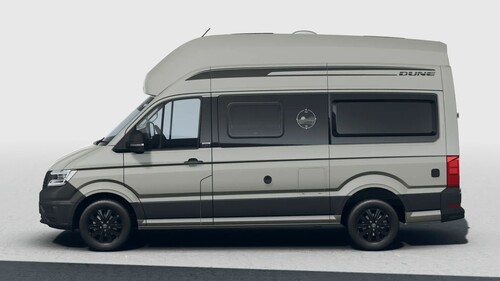
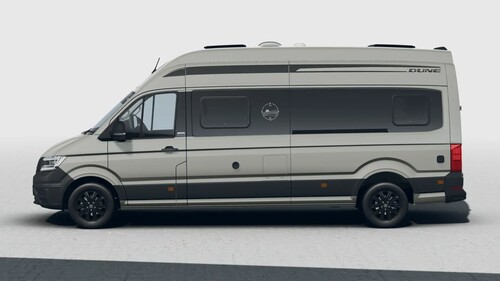
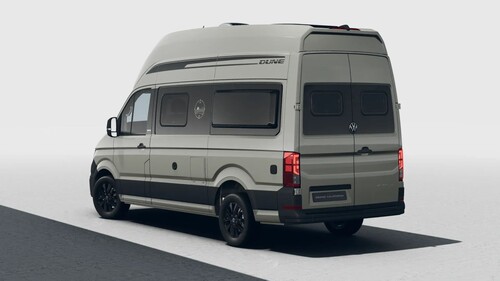
Aleksandarnakic/Getty ImagesI met quite a few traveling families during my three years of living on the road full-time, and watched a few of them switch rigs because their old one wasn't fitting their needs. It's a lot easier to get this choice right the first time. But choosing the right size is not as simple as one size for a family of four and another size for a family of six. The wide variety of floor plans that determine how you actually use the space, plus the availability of slide-outs, can make a small space feel large. There is no one-size-fits-all answer, but there are several factors to consider that can help you make the right choice for you and your family. I'm going to assume you've already chosen between a self-propelled RV or a towable camper, and that you're not building your own rig out of a school bus. From there, figuring out how much space you need inside is pretty much the same both ways. If you tow, you'll need to keep your vehicle's towing capacities in mind, as they will limit the size of your camper.For a family of five, TX RV Adventures recommends either a Class A motorhome between 32 and 36 feet long, a Class C truck or van-based camper between 28 and 32 feet long, or a travel trailer between 30 and 34 feet long. They also say these size recommendations are only a starting point. Class B camper vans need not apply. Although some of those sizes may have beds for four people or even more, it's still the overall size of my Ford Transit. It's fine for me, but I can't imagine traveling in a space that small and narrow with more than one other person — that's where a bit of in-person investigation can pay off.AdvertisementAdvertisementRead more: Never Jump Start A Modern Car Without Checking For These Things FirstRV there yet?Unaihuiziphotography/Getty ImagesBefore you ever start shopping for an RV or camper, it's important to remember that the number of beds does not necessarily equal the number of people who can travel legally in a motorhome. Laws vary from state to state, but every passenger should be wearing a seat belt. If an RV has beds for eight but seat belts for four, only four people can come along for the ride — others will have to ride in a second vehicle. Also, if you have kids riding in a child seat or booster, they are only designed to be used in forward-facing vehicle seats. They can't use any side or rear-facing seats in an RV, even if they do have seat belts. These limitations don't apply to travel trailers, of course, since everyone will be riding in the vehicle towing it.Different floor plans mean that the same size box can sleep four people or ten, depending on how efficiently that box is utilized. Bunk beds make a lot of sense for large families, since you can literally stack the kids on top of each other. Don't sacrifice all your space for the sake of efficiency, though. Parents will likely want their own bedroom, and everyone will need enough living space to comfortably sit out those unexpected rainy days that always happen when you go camping.Slide-outs can also create a much larger living space without adding length. They do add weight, which could be a factor when towing, but that extra few feet out to the side can make an otherwise narrow RV feel spacious, opening walkways and living space. Personally, I prefer a floor plan that still allows you to use the RV with all slides retracted, even if it's a little cramped inside. That way, if you spend a quick overnight at Chateau Walmart along the way, you don't have to extend your slide-outs and set up camp, which places like these tend to frown on. How and where you camp mattersTrong Nguyen/ShutterstockAll of these factors are important, but the main ones that will determine what size camper you need are how you plan to camp and where you plan to go in your travels. If you're just taking short weekend trips, you can get away with a smaller rig. You won't need to bring as much cargo with you, and it's easier to tolerate a more confined space knowing you won't be there too long.AdvertisementAdvertisementIf you're planning to hit the road for months at a time, you'll want to bring everything including the kitchen sink, which will require a larger rig. Storage becomes a much higher priority, from little cubbies everywhere to large pass-through storage compartments for larger items like bicycles and kayaks. If you're boondocking in the middle of nowhere rather than an RV park, you may want more refrigerator and pantry space so you don't have to run into town to the grocery store as often.Your destinations can also determine how large or small a rig you need. Some older state and national park campgrounds won't accommodate a rig larger than 30 or even 25 feet. Sun Camper RV also points out that rigs over 30 or 32 feet might have trouble fitting into tree-lined campsites, even in private campgrounds. On the other hand, wide open spaces like the public land in the southwest desert has no such restrictions. To figure out what size camper you need for your family, keep all of these factors in mind, and go to an RV dealer to check out a bunch of them for yourself. Walk around inside, and imagine living in them with your family in the places you want to go, for as long as you plan to be there. Explore as many rigs as you possibly can to find the best one to fit your needs. Even after all that, consider renting an RV before you buy one to see if your choice will work for you in the real world and adjust accordingly.Want more like this? Join the Jalopnik newsletter to get the latest auto news sent straight to your inbox, and follow us or add us as a preferred search source on Google.Read the original article on Jalopnik.