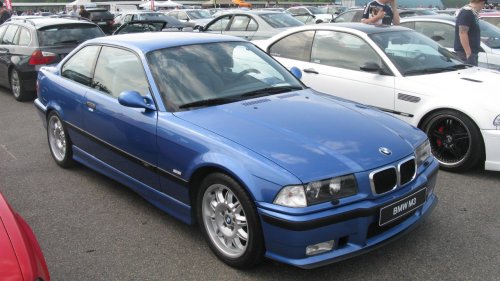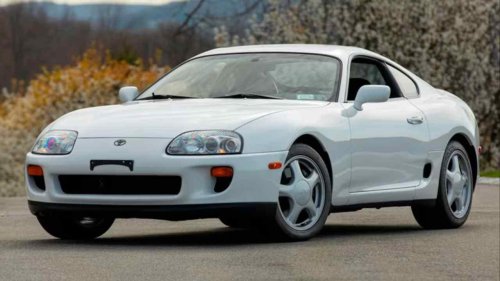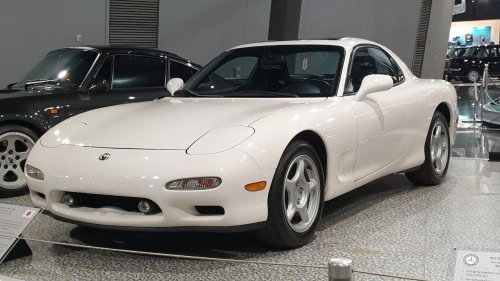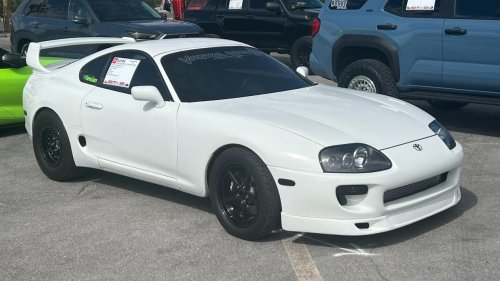
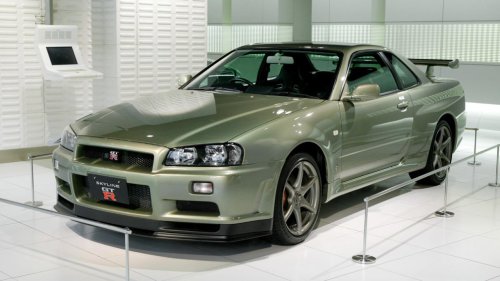
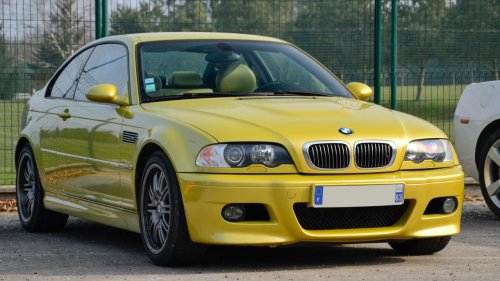
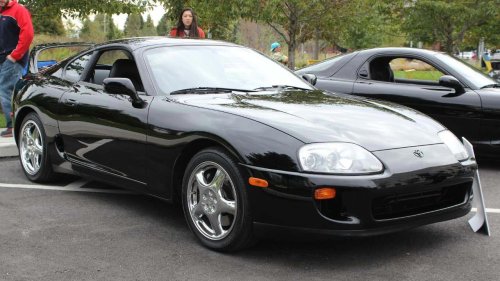
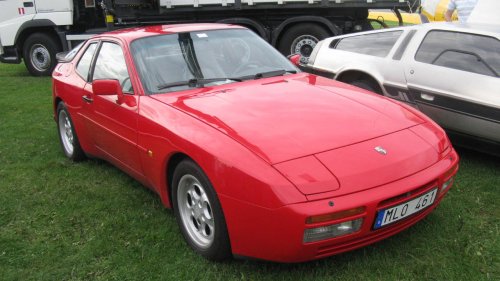
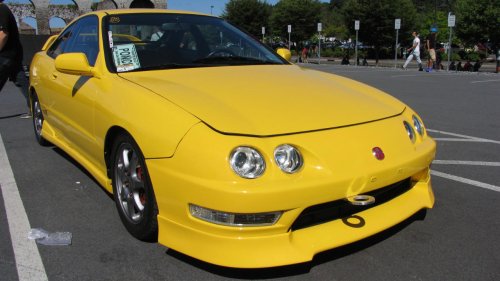
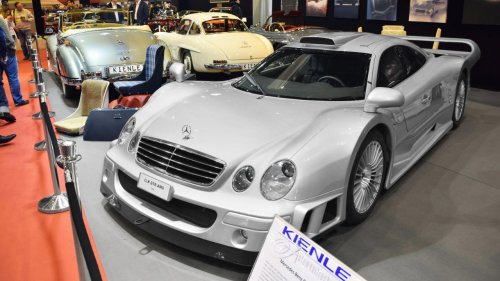
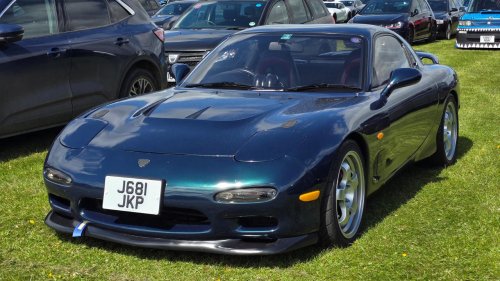
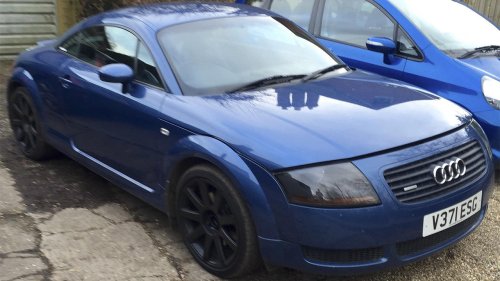
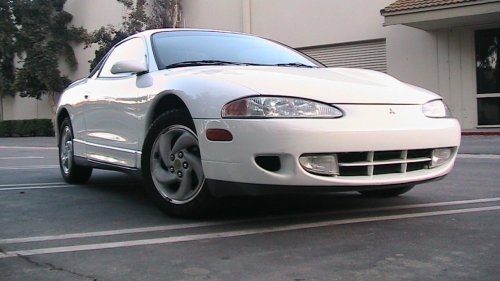



















Imported coupes have often represented far more than transportation, becoming cultural icons that defined performance, style, and engineering during their peak years. Some introduced revolutionary technology while others shaped tuner culture or luxury expectations worldwide. These machines captured the imagination of enthusiasts and became lasting symbols of the automotive eras they dominated.Nissan Skyline GT-R R34The Nissan Skyline GT-R R34 became a global icon thanks to its advanced all-wheel-drive system, twin-turbocharged inline-six engine, and domination of tuner culture during the late 1990s and early 2000s. It symbolized the golden era of Japanese performance engineering when automakers competed to create increasingly sophisticated sports cars. The R34 gained legendary status through motorsports success, video games, and movies, turning it into one of the most recognizable imported coupes ever produced and a dream car for an entire generation of enthusiasts worldwide.BMW E46 M3The BMW E46 M3 perfectly represented the era when naturally aspirated performance cars achieved a near-perfect balance between luxury and driving precision. Powered by the high-revving S54 inline-six engine, it delivered thrilling performance while remaining refined enough for everyday use. The coupe became the benchmark for sports car handling during the early 2000s and influenced countless performance vehicles that followed. Its aggressive styling, motorsport-inspired engineering, and timeless driving dynamics helped cement BMW’s reputation as a leader in driver-focused performance coupes.Toyota Supra MK4The Toyota Supra MK4 emerged as one of the defining performance cars of the 1990s due to its legendary 2JZ-GTE engine and immense tuning potential. Built during Japan’s horsepower wars, it combined reliability with supercar-level performance capabilities that shocked competitors worldwide. The Supra became a centerpiece of global tuner culture and eventually a mainstream pop culture icon. Even decades later, its combination of durability, speed, and unmistakable styling continues to symbolize the peak era of Japanese turbocharged performance engineering.Porsche 944 TurboThe Porsche 944 Turbo symbolized the technological confidence and balanced engineering philosophy that defined performance cars during the 1980s. Unlike many muscle-oriented rivals, the 944 Turbo focused heavily on handling precision through its near-perfect weight distribution and sophisticated chassis design. Its turbocharged four-cylinder engine delivered impressive speed while maintaining everyday practicality. The car helped expand Porsche’s reputation beyond rear-engine sports cars and became one of the most respected European coupes of its era, admired for combining refinement, agility, and accessible performance.Acura Integra Type RThe Acura Integra Type R became the ultimate symbol of lightweight precision engineering during the late 1990s. Rather than relying on massive horsepower figures, it focused on razor-sharp handling, a screaming high-revving VTEC engine, and an uncompromising driving experience. The coupe demonstrated that front-wheel-drive cars could deliver world-class performance when engineered correctly. Its influence on import tuner culture was enormous, inspiring countless modifications and track builds. Today, the Integra Type R remains one of the purest examples of driver-focused engineering ever created.Mercedes-Benz CLK GTRThe Mercedes-Benz CLK GTR represented the extreme era of late-1990s GT1 racing when manufacturers built barely street-legal machines for motorsport dominance. Created primarily to satisfy racing homologation rules, the coupe featured a massive naturally aspirated V12 engine and technology derived directly from endurance competition. It symbolized an era when automakers pushed engineering boundaries without compromise in pursuit of racing victories. Extremely rare and outrageously expensive, the CLK GTR became one of the most legendary imported coupes ever produced and remains an icon of motorsport-inspired excess.Mazda RX-7 FDThe Mazda RX-7 FD captured the spirit of lightweight Japanese performance better than almost any coupe of the 1990s. Its twin-turbo rotary engine delivered smooth high-revving power while the car’s low weight and balanced chassis created exceptional agility. The RX-7 symbolized an era when Japanese manufacturers experimented with unique engineering concepts rather than simply copying European performance formulas. Its curvy styling, distinct exhaust sound, and reputation for thrilling handling turned it into a beloved icon among enthusiasts and a centerpiece of tuner culture worldwide.Audi TT Mk1The Audi TT Mk1 became a design revolution when it debuted at the end of the 1990s with its minimalist styling and futuristic appearance. The coupe represented a shift toward modern industrial-inspired automotive design that influenced countless vehicles in the following decade. Beyond its appearance, the TT combined turbocharged performance with everyday usability and premium German refinement. It helped transform Audi into a trendsetting luxury performance brand while becoming one of the most recognizable imported coupes of the early 2000s automotive landscape.Mitsubishi Eclipse GSXThe Mitsubishi Eclipse GSX symbolized the explosive rise of affordable turbocharged imports during the 1990s. Equipped with all-wheel drive and a turbocharged engine shared with rally-inspired Mitsubishi performance models, the GSX delivered impressive speed at a relatively accessible price. It became deeply connected to street racing and tuner culture, especially during the early 2000s import boom. The Eclipse GSX represented an era when compact imported coupes gained massive popularity among younger enthusiasts seeking performance, customization potential, and aggressive styling without exotic-car pricing.