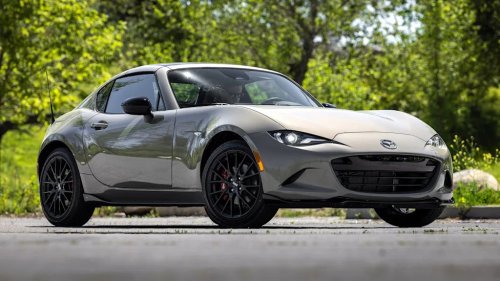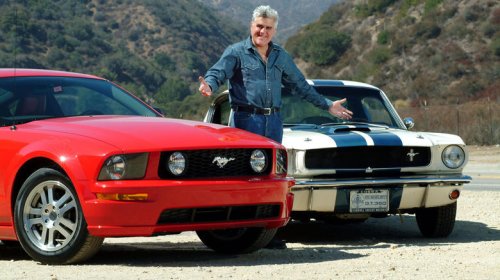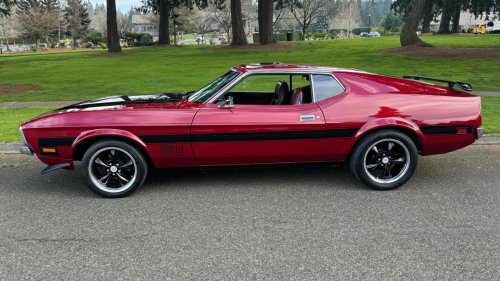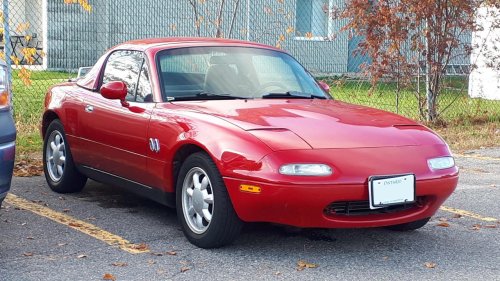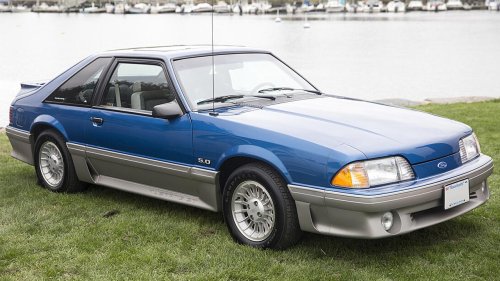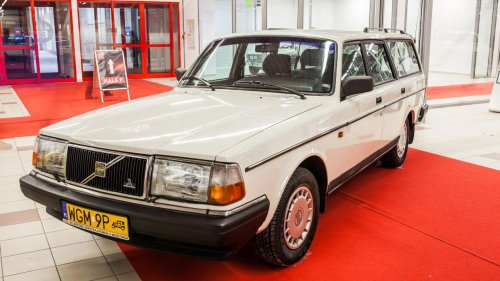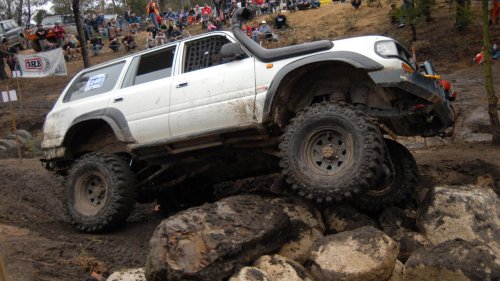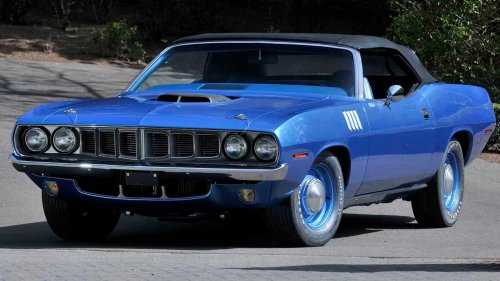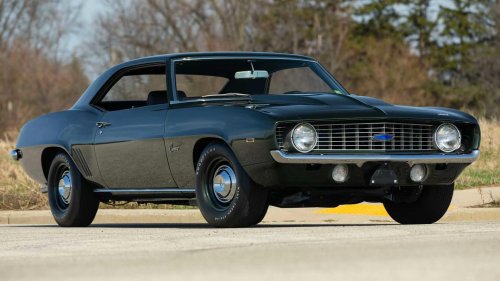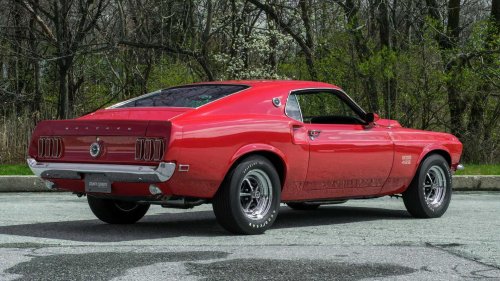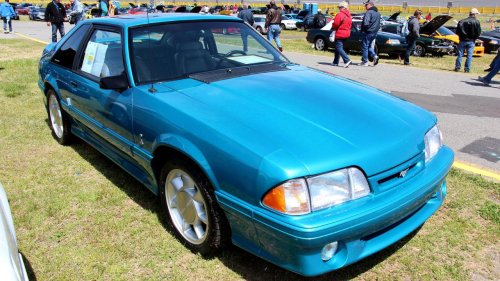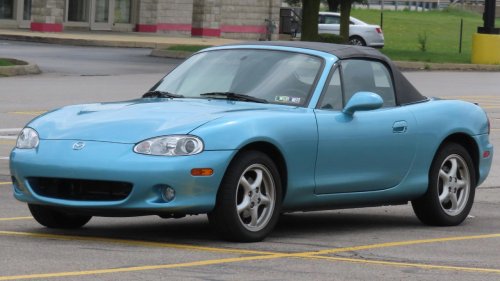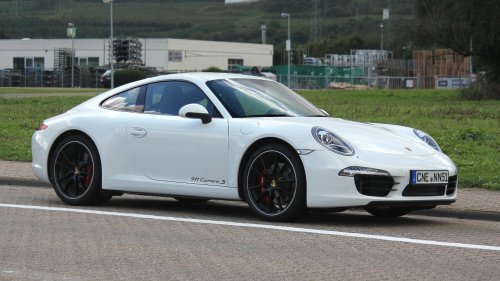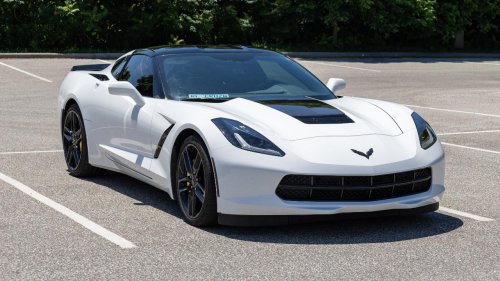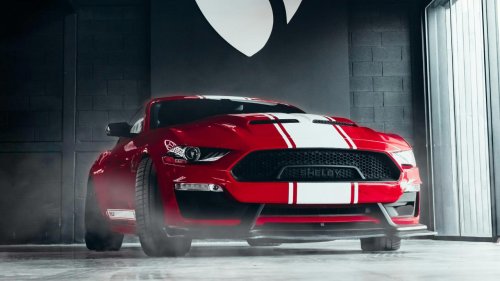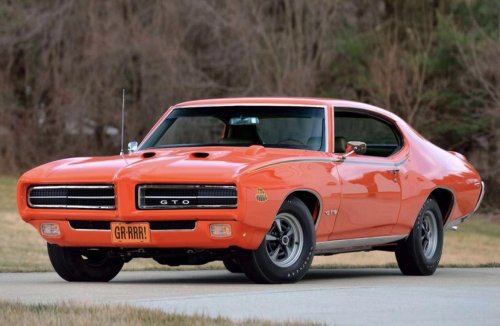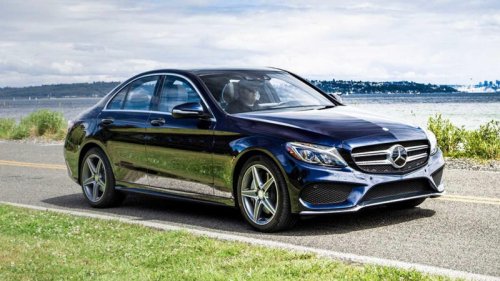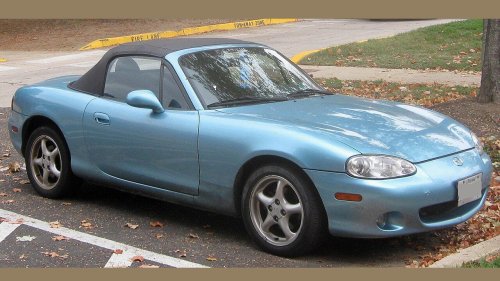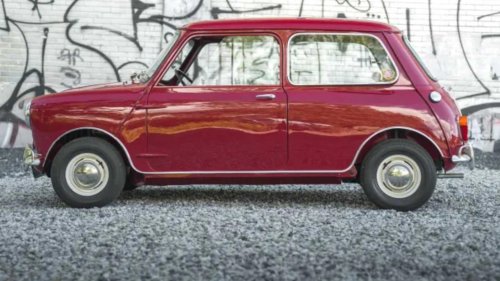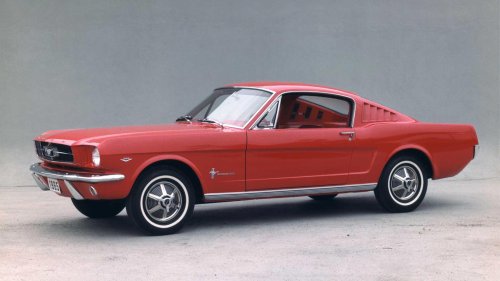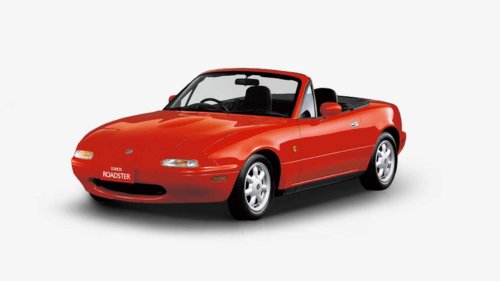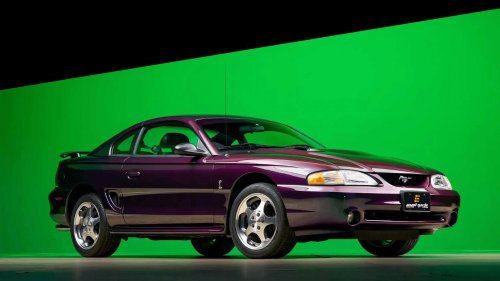
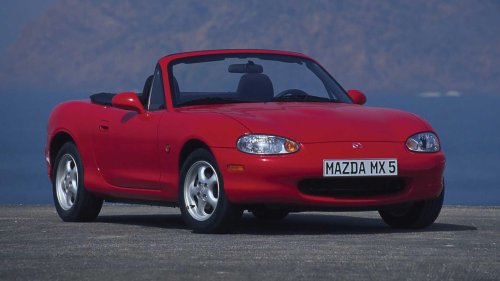
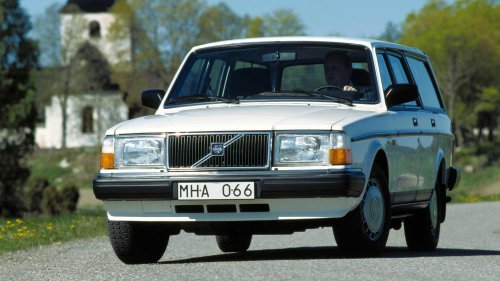
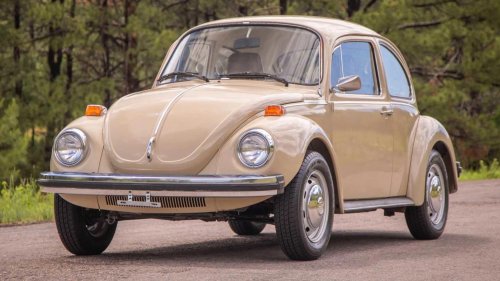
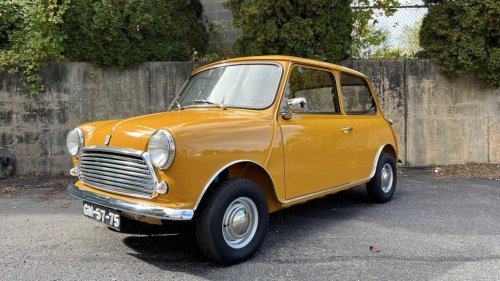
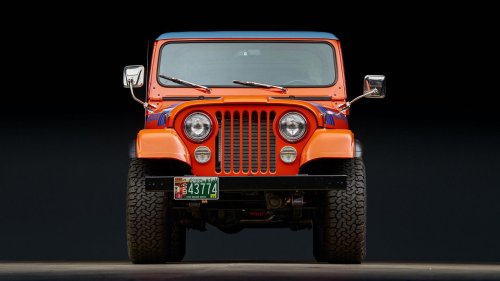
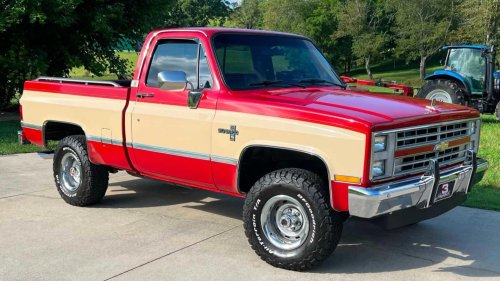
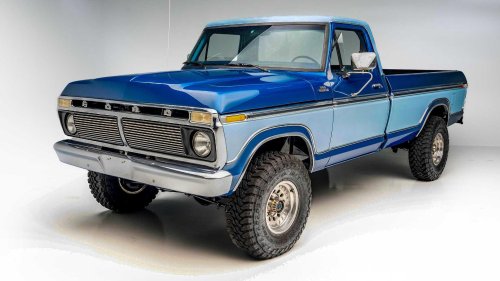
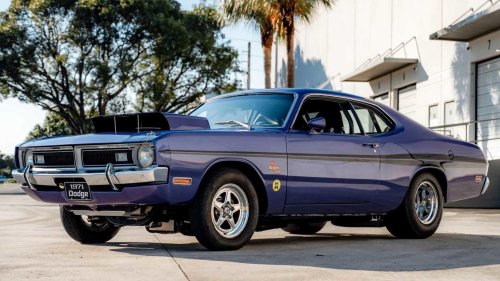
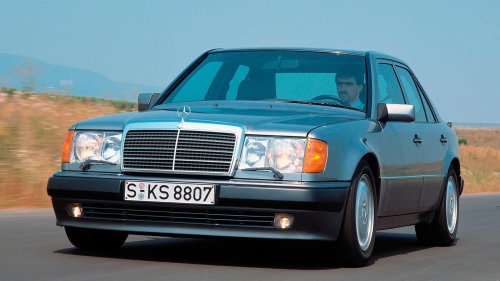



















Just the term classic car sounds expensive. Maybe it conjures up the image of a Ferrari Testarossa, a Jaguar E-Type, maybe a Pontiac GTO, or stylish old Mercedes SL. In reality, the classic car market is immense. And you don't need a fat wallet to find something cool and fun or even collectible then, crucially, maintain it. There are varying definitions of a classic car in terms of age.Wikipedia, the fountain of all modern knowledge, says a classic is a car over 25 years old. Hagerty, a major classic car insurance company, says cars built before 1979. Others say 30 years old, and some say 40, but it's all arbitrary. To us, 25 seems too young, but it does currently put us in the realm of anything built last century that isn't so old as to be antique. So we'll go with that as our line in the sand. Ford Mustang Bring A Trailer The Ford Mustang is an obvious choice, but it takes some zeroing in to get the best bang for the buck. The smart buy is an SN95 generation Mustang 5.0 from 1994 or 1995. For between $8,000 and $12,000, you can pick up a great example of the last generation of Ford 5.0-liter V8 pushrod models. That engine, like the car, has a lot of aftermarket support and just about anything that has gone wrong has been fixed by someone that has documented it on the internet, and there are still plenty of mechanics happy to wrench on them.That does go for just about any Mustang that wasn't a special edition with a special engine. Even if you go back to the 1960s and 1970s, there's still a huge following for the Mustang and if the parts aren't available new, there's likely an aftermarket solution or used parts to pick up. While we wouldn't buy on this basis, the SN95 is an underappreciated classic, and soon to move into that sweet spot of nostalgia that will make it collectible. Mazda MX-5 Miata Mazda The original Mazda MX-5, the NA generation from 1985 to 1997, is expensive to buy now, but still inexpensive to maintain. The sweet spot, though, is the second, NB, generation. They are famously reliable as well as having huge aftermarket and enthusiast support, and arrived in the US with the same 1.8-liter engine as the NA but with a new cylinder head and good for 140 hp. The NB slips into our 25-year plus rule, but we wouldn't worry too much about the 2001 update with its slight update on looks and extra two horsepower. The update included variable valve timing for the engine, but that's more complicated, meaning more that could need maintenance at some point. Volvo 200 Series Volvo The Volvo 240 and 260 (sedan and wagon) has been around long enough that it has become cool again as a niche. The boxy cars were in production from 1974 to 1993, with 2.8 million sold over 19 years across the globe. Meaning, if you can't find new parts, there are used parts all over the place, and you can get a single-owner, well-maintained example for a couple of thousand dollars. If you want enthusiast cred, around a third of sales were the 260 wagon, but they're mechanically the same for the most part. And damn near impossible to kill.An alternative is the 700 or the even more premium 760 executive models that overlap with the 200 series. However, we would avoid the turbocharged models at that age and aim for the 16-valve four cylinders unless there's modification in the car's future. We would also avoid the 200 series' 2.8-liter B28E and B28F engines as they had oil-circulation issues. Volkswagen Beetle BringATrailer The venerable old Volkswagen Beetle is not quite the paragon of affordability it was, but it's still an obvious choice, and it's still cool. It was in production from 1938 to 2003 and incredibly consistent throughout its lifespan. That means many parts are interchangeable over multiple years of production. We would aim for the mid-section of the Beetle's lifespan starting in 1970, when it got a big suspension update.The Beetle is legendary for its ease of maintenance. Removing the engine and replacing it only takes a couple of hours and does not require an engine hoist. A basic toolkit, a trolley jack, jack stands, a piece of plywood, and some learning is all that's needed to keep an old Beetle running well. British Leyland Mini Bring a Trailer North American readers might want to skip the Mini, but it was still surprisingly inexpensive to run here until recently. If you're in Europe, though, the model years from 1970 to 1996 are the sweet spot in spare parts availability, but older versions are even better for parts interchangeability. The real trick is finding one without rust for a reasonable price now. If one turns up, then it tends to be a remarkably reliable car, considering the car was built by the terrible trio throughout its lifespan: British Motor Company, British Leyland, and Rover. Its size, or rather lack thereof, design, and simplicity carried the Mini through. Jeep CJ-7 1979 Jeep CJ-7 Renegade Front ProfileThe Jeep CJ-7 still has a wild aftermarket and reproduction parts market, despite ending its production run in 1986. If that, for some wild reason, draws a blank, a common made-up acronym for Jeep in the community at the time was Just Everyone Else's Parts, due to parts from AMC, Chevrolet, Chrysler, and Ford being used. There's plenty of choice of engines for the CJ-7, but the AMC straight-six is legendary for its relentless reliability. The 4.2-liter straight-six has a reputation for reliability, but the 4.0-liter is considered the gold standard. For something still a classic but not as old as the CJ, the YJ ran in production from 1986 to 1995 as the Wrangler. Chevrolet K10 Bring A Trailer A classic truck from the North American big three is a great option for a cost-effective classic, except when it comes to fuel. Sure you could go for an F-150 of a similar 1988 to 2002 vintage, but the Chevrolet C/K truck series had that Americana style. For true Americana, the 1960 to1966 model is the one, but its age means parts are getting hard to find.The third generation, 1973–1991, is the sweet spot as it ran for so long and so many were built. We wouldn't go for the V6 or straight-six engines, because they don't have the small block V8 burble or sheer wealth of parts availability and documentation. But mainly the burble. Ford F-150 Dream Giveaway All that above doesn't mean a Ford F-150 of almost any vintage isn't a great classic, and older models still drip with Americana. So many were built and so many are still maintained that we wouldn't be afraid to go from 1986 all the way back to the fourth generation of the early 1960s. The sweet spot looks like the 1980 to 1986 model year as the eighth generation lost the F-150's style. The 3.8-liter V6 is solid, but the burble and wealth of knowledge and parts availability on the 4.2-liter V8 makes more sense, but the 302 V8 is the gold standard — known better as the 5.0 due to its use in the Mustang. Dodge Dart Bring a Trailer For old-school style, fun, and affordability, the Dodge Dart from 1967 through 1976 has a lot going for it. There are still original and used parts out there, along with reproductions. The Dart was known for its reliability, and particularly Chrysler's slant-six, which was produced from 1959 to 2000. A manual transmission is the one to go for as it is built to last with a heavy-duty clutch and heavy-duty Dana rear axle in support. For muscle-car power, there was a wide range of V8s, including a 7.0-liter Hemi. We would go with the classic slant-six for its reliability and ease of maintenance, though.The Dodge Dart had a wealth of body styles, drivetrains, and editions, and a lot of Mopar involvement as well as limited options, with the 1970 Swinger 340 2-door hardtop (all Swinger models were hardtops) and the 1971 Dodge Demon being great examples of Mopar in its prime. Mercedes E-Class Mercedes-Benz Mercedes aren't famed for being inexpensive to run, but classic Mercedes are a bit of a curveball. The German brand has a lot of support for classic models, including its own parts store that's surprisingly reasonable in terms of cost. Mercedes splits its parts into two catalogs, pre-1984 and post 1984, and newer vehicles appear to have better parts availability. Zeroing in, the W124 generation Mercedes 300D has a lot of parts available directly from Mercedes and is legendary for its reliability alongside the previous W123 generation, particularly their five-cylinder diesel engines.Good examples of surprisingly affordable new parts on the occasion they're needed are an entire new automatic transmission for $3,407.15 or an oil pump for $560.25. While not cheap compared to parts for a modern Honda, those are brand-new Mercedes parts for a 30-year-old car. However, it's worth noting that not all parts are available from Mercedes and some will be discontinued or on back order. The good news is that used parts are plentiful as there were so many built, and even used as taxis back in the day. As a result of people keeping them on the road for so long, there are still a lot of OEM parts out there as well as aftermarket.