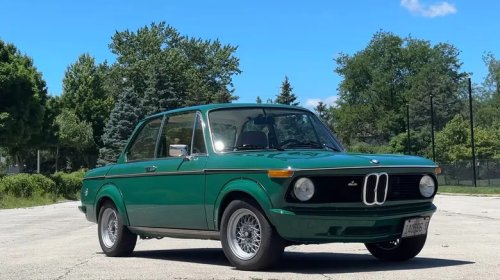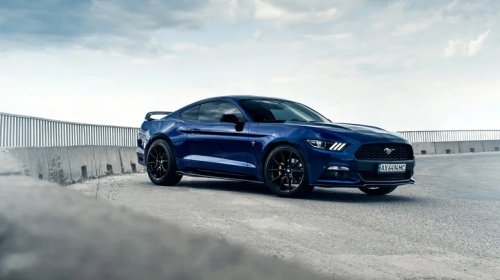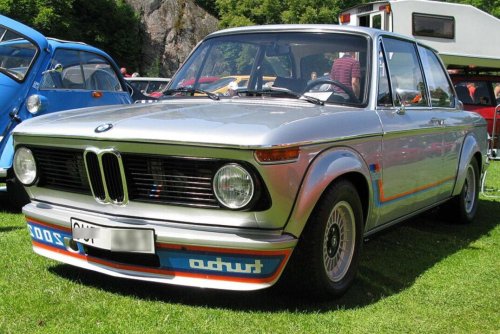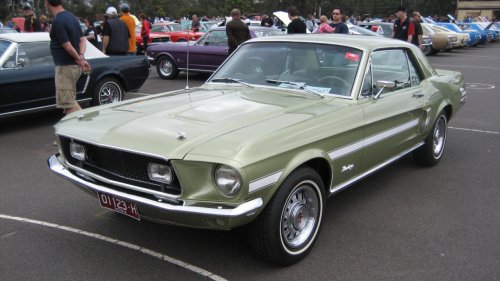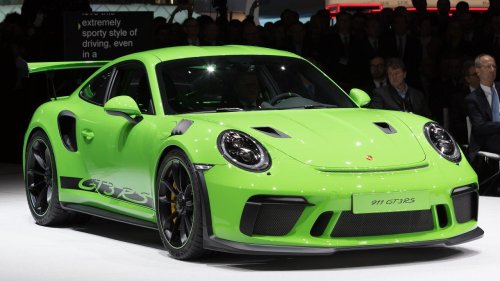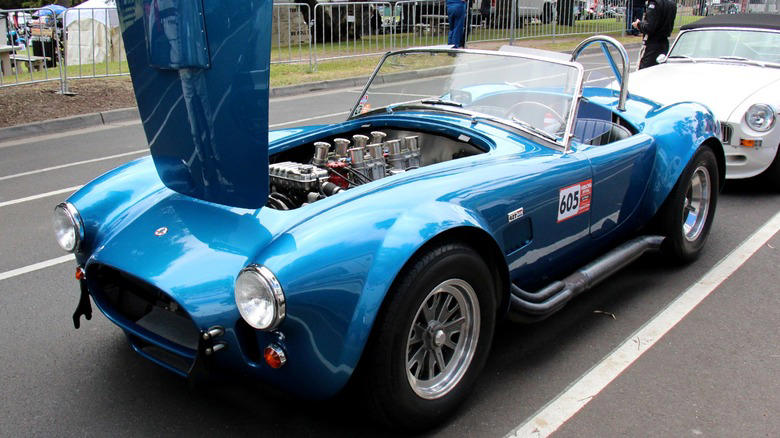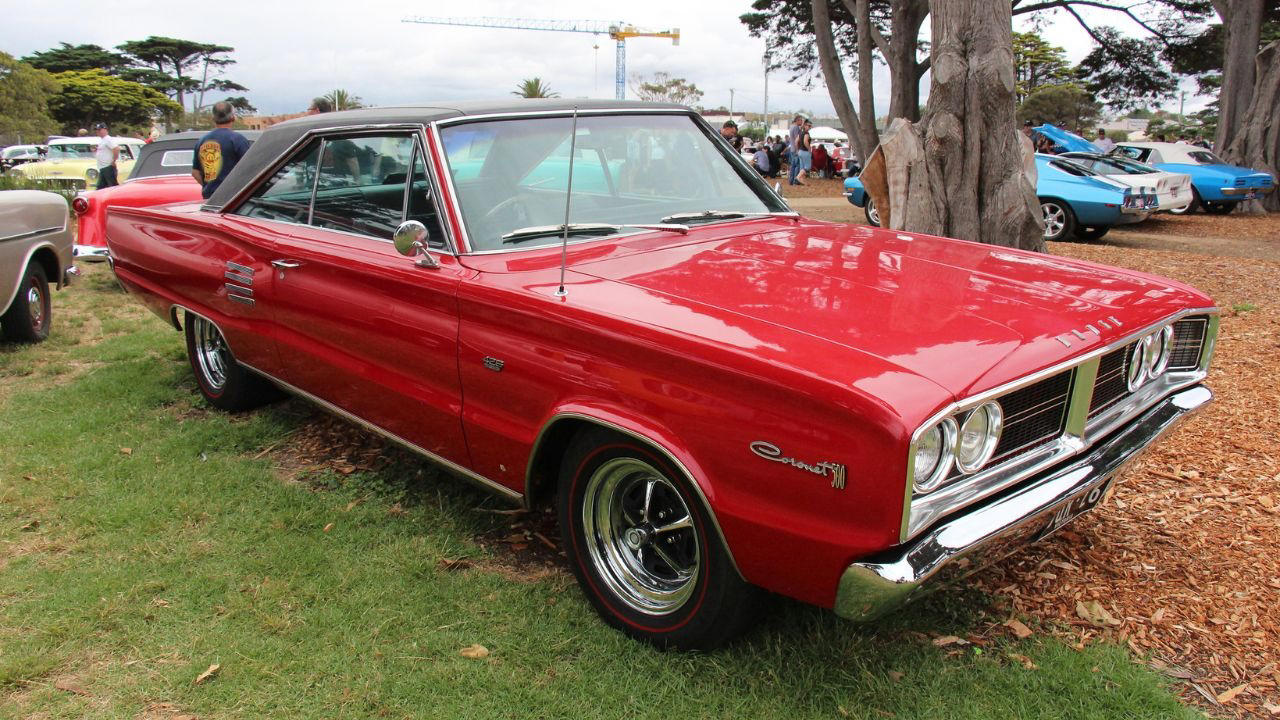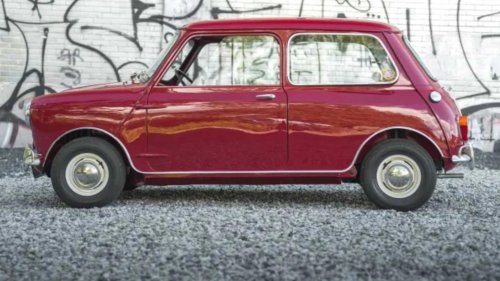
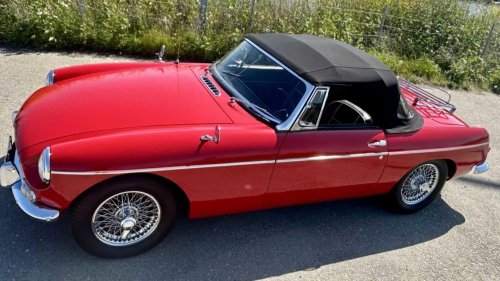
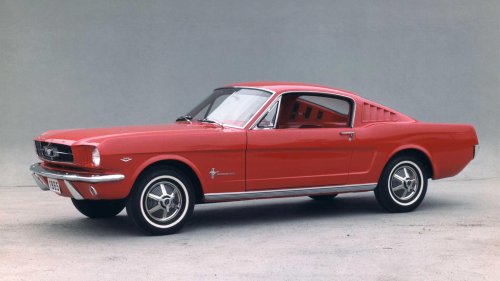
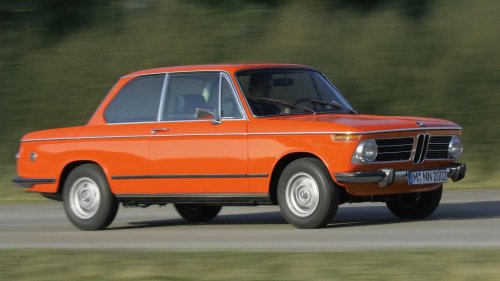
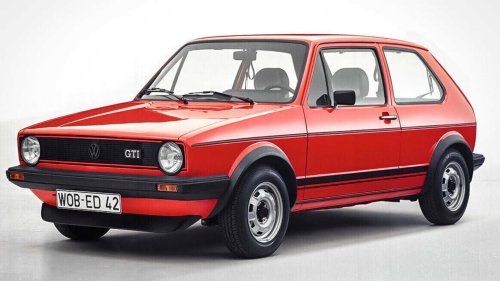
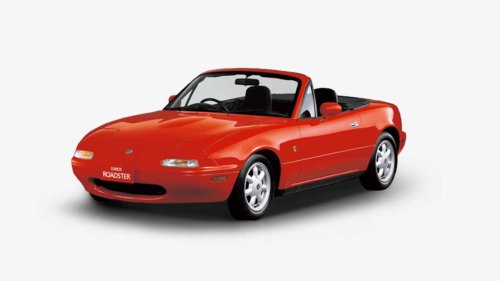
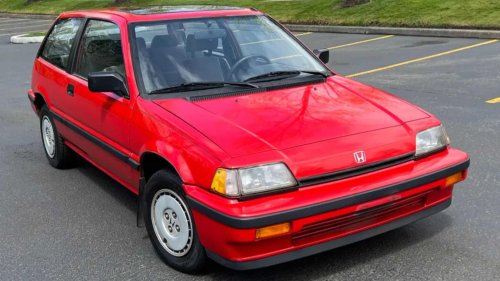
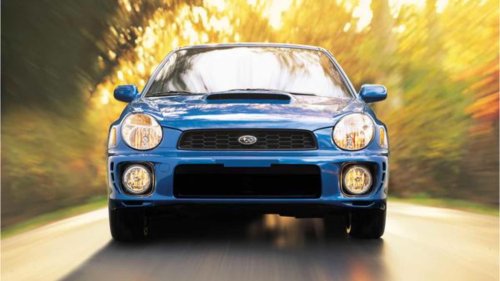
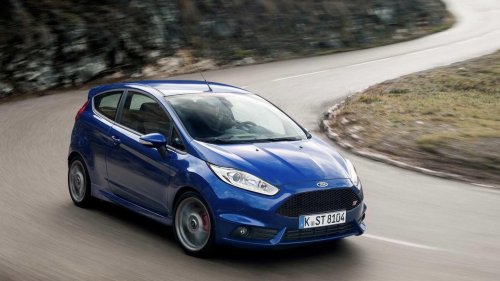
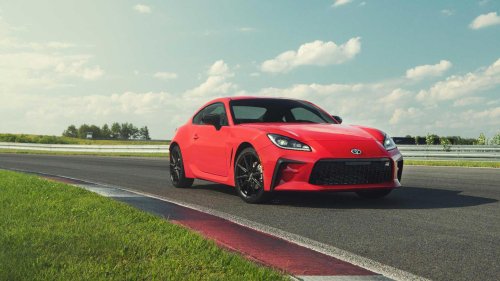



















Once upon a time, when the world was a much simpler place, drivers could go out, jump into their cars, and set off on an adventure for some old-fashioned fun behind the wheel. In those days, manufacturers didn't treat the concept of fun as an optional extra. Instead, they deliberately engineered their vehicles to make driving at normal speeds and on normal roads as enjoyable as possible.By contrast, today, it seems that manufacturers need to offer you that fun as some kind of treat by introducing drive mode menus, leaning on adaptive dampers, or packing modern performance packages. This is quite a long way from the times when fun cars weren't necessarily track toys, but something that you could really use whenever you wanted to. Those cars rewarded you with character and delivered plenty of feedback, giving a sense of connection that could transform even a routine commute into something more memorable.While some of these cars couldn't chase outright speed in any shape or form, designers of vehicles like the Mini focused on balance, packaging, weight, steering feel, and accessibility. This delivered the kind of joy you could get from clever engineering rather than raw power, but over time, that approach has somehow fallen by the wayside. Still, it's fun to look back at these fun cars, and here is a list of candidate vehicles, from minimalist city cars to hot hatches or modern enthusiast coupes that still keep the theme going.This article focuses on cars that companies intentionally engineered to help make daily driving enjoyable. Instead of focusing on halo machines or weekend toys, we included cars that prioritize accessibility, engagement, and driver connection while remaining everyday machines. The info in the table relates to the launch year model. Mini 1959 1961 Morris Mini Minor sideThe original Mini was obviously one of the most iconic automotive creations ever. Still, when it arrived in 1959, it redefined how much enjoyment you could get out of a modest utilitarian car. This was an answer to fuel shortages and urban congestion even back in those days, but its ultimate brilliance was in its packaging.Designer Alec Issigonis mounted the car's engine transversely to drive the front wheels, giving him maximum interior space while still keeping the footprint as small as possible. And this type of design made the car very interesting to drive, thanks to its low center of gravity, short overhangs, and lightweight construction, giving the Mini a sense of agility that could turn city streets into playgrounds. So, even in 1959, people learned that they didn't need speed or luxury to have some fun behind the wheel. This type of design made the slow car fast and laid the groundwork for every enjoyable small car that came next. MG MGB 1962 1963 MG MGB from aboveIn 1962, MG injected some emotion into driving and, in doing so, took a different approach to everyday fun versus the packaging efficiency of the Mini. Here, there was an open-top design that MG marketed to a broad audience, whereas other sports cars tended to be either impractical, too expensive, or too exotic. MG didn't go to extremes but just doubled down on the experience with the MGB.The driver sat in a low seating position with direct controls and plenty of sensory immersion when the roof was down. Crucially, the MGB was accessible, so someone could use it every day while still carrying some modest luggage in the back. Customers didn't need to sacrifice in the ways they might have with a high-end sports car, and this balance made the MGB a defining vehicle of its era. Ford Mustang 1964.5 1965 Ford Mustang Fastback front 3/4The Ford Mustang became a mass-market phenomenon soon after it debuted in 1964. The company didn't rely on any technical cleverness but leaned heavily on this existing parts bin. Buyers got the iconic long-hood styling and a wide choice of different engines at a price point that made the Mustang very accessible to younger buyers.Customers found a sense of identity with the Mustang and treated their cars as far more than simply a mode of transportation. After all, this car could make even the most mundane trips feel dramatic, especially when accompanied by the rumble of a V8. Ford allowed buyers to tailor this car to suit their tastes and budgets, thereby expanding the vehicle's appeal far beyond a narrow enthusiast niche. The Mustang reshaped American expectations of how much fun a person could have during a daily drive, and its influence still echoes among modern performance-oriented mainstream vehicles. BMW 2002 1968 BMW 2002 tiiBMW was bound to come into this conversation sooner or later, and back in 1968, it introduced a new template for driving enjoyment. The 2002 model showed that engagement and practicality didn't have to be mutually exclusive. Unlike a traditional sports car, there was now a very capable vehicle with usable rear seats.The 2002 had a lively engine, very little weight, and communicative steering for those who wanted to get on down the road. This was a car that felt equally adept on spirited backroads as it did in daily driving, and it laid the foundation for BMW's current reputation. After all, today BMW is known as the manufacturer of driver-focused sedans, with fun woven into sensible packaging, much of that groundwork laid by the 2002. Volkswagen Golf GTI 1976 1976 Volkswagen Golf GTI Mk 1front quarterIn 1976, there was another turning point in the history of fun daily drivers. Volkswagen launched its original Golf GTI, introducing a brand-new segment by infusing a compact hatchback with genuine performance intent. This was unlike any traditional sports car, as a person didn't have to compromise on usability or space. Instead, buyers got eager acceleration and sharp handling, along with a very playful character, when an owner broke out of the urban environment.Owners could use their new hot hatch for the most boring tasks during the week, then have more exciting experiences during the weekend. Overall, the genius of the GTI was in its balance, not just in its being quick enough to entertain or practical to live with. Volkswagen ensured this car was approachable enough to appeal far beyond the realm of the hardcore enthusiast. In many ways, the company democratized performance and introduced a formula that would remain relevant decades later.Find [[default_name]] and more cars for sale on our MarketplaceShop Now Mazda MX-5 Miata 1990 1992 Mazda MX5 Miata front quarterMazda revived the roadster concept for a new generation when it introduced its MX-5 Miata for the 1990 model year. Here, there was a car that drew inspiration from classic British sports cars while overcoming their fragility. The Miata had a relatively modest power output, but its engineering prioritized balance, lightness, and reliability.The model encouraged drivers to explore the limits without intimidation, while remaining entirely practical for everyday use. So owners could enjoy their open-top driving without fretting about constant maintenance or breakdowns, making the MX-5 a sustainable part of everyday life. The car was about as simple as you could get, and aand rewarded driver involvement above all else. Honda Civic Si 1986 1986 Honda Civic Si front quarterWhen Honda introduced the Civic Si in 1986, it ushered in a different era of everyday fun, one centered more on precision than drama. There was nothing brutal about this car, with its lightweight construction, meticulous engineering, and high-revving engine. The enjoyment came from responsive handling, smooth gear changes, and driver skill rather than from excess power, making the Si perfectly suited to everyday driving while also very reliable. This meant that owners could enjoy spirited driving without fretting about dependability and could turn ordinary roads into places for rewarding and subtle engagement. Subaru Impreza WRX 2002 2002 Subaru Impreza WRX frontRallying came to the streets in the US when Subaru introduced its Impreza WRX for the 2002 model year. It was a motorsport-inspired vehicle for public consumption. The combination of turbocharged power and all-wheel drive gave it a very distinctive character.You could go out and have fun in this vehicle, no matter the weather or road conditions, which meant the enjoyment was no longer limited to sunny weekends. Instead, you get a sense of urgency, confidence, and plenty of traction, making every journey feel purposeful. Better than that, you could get all of this fun and still take advantage of a relatively practical sedan body. The model could handle family duties as well without getting into trouble. Overall, the appeal of the WRX lay in its authenticity, and the machine was very accessible to regular buyers. Ford Fiesta ST 2014 2013 Ford Fiesta ST front, three-quarterAs the 2010s wore on, it became clear that modern regulations were trying to kill the concept of affordable driving joy. However, Ford didn't buy into that with the Fiesta ST, instead offering enthusiasts a car with sharp chassis tuning and a punchy turbocharged engine. The result was a car that felt alive at everyday speeds and could easily turn your daily commute into an engaging experience.Ford also priced the Fiesta ST to make it accessible to younger buyers and kept the democratizing spirit of earlier fun cars going. Here you had proof that manufacturers could still prioritize engagement if they really tried, even in a heavily regulated era, providing some much-needed fun for a new generation of drivers. Toyota GR86 2022 2022 Toyota GR86 Premium Red Front Angled ViewCurrently, if you're going to turn to one mainstream manufacturer for some fun, it's worth checking out Toyota. The Japanese company didn't disappoint when it launched the second-gen GR86 in 2022. The model was a follow-up to the original Toyota 86/Scion FR-S/Subaru BRZ triplets. The latest one was deliberately engineered to emphasize responsiveness, balance, and driver involvement.Here, you had a rear-wheel-drive car with a low center of gravity and careful weight management to make sure that it would reward driver skill and engagement. The GR86 didn't need outright power, but it just needed to be there and be good in an era where motoring was dominated by crossovers and electrification. And so, for everyday drivers, Toyota provided a genuine enthusiast experience in the form of a GR86, without the supercar maintenance costs or impracticality.