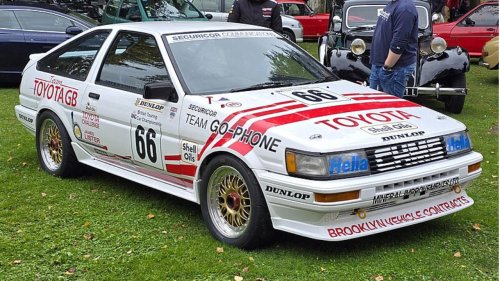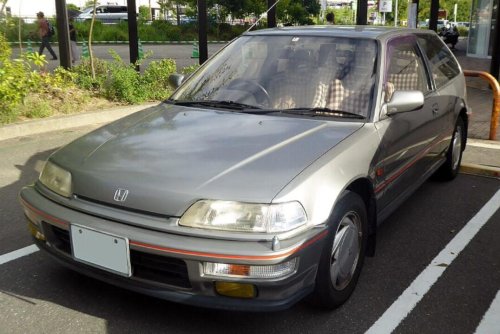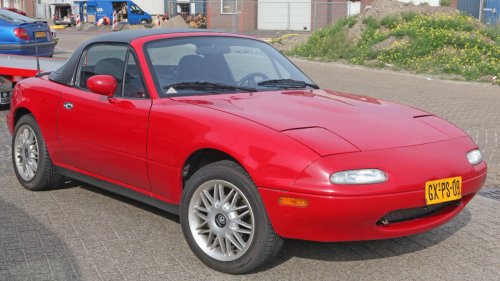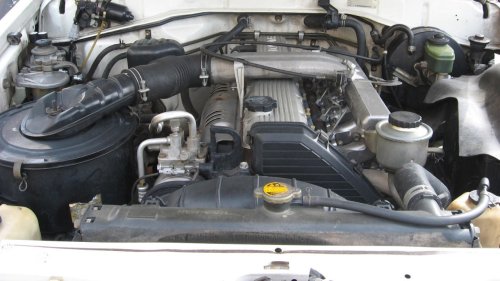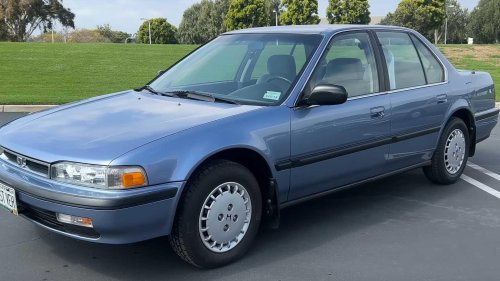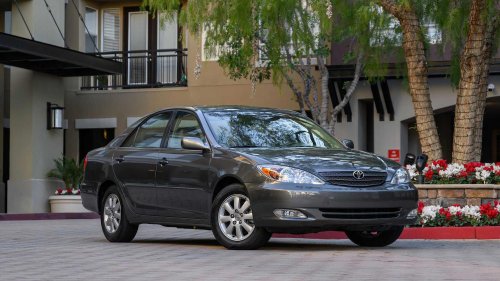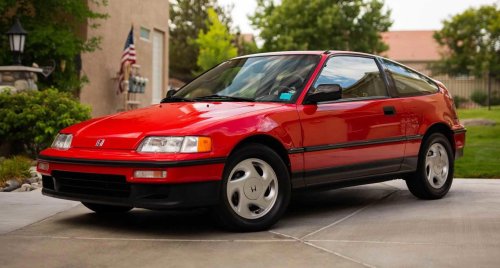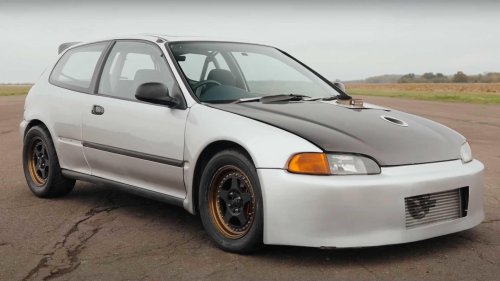
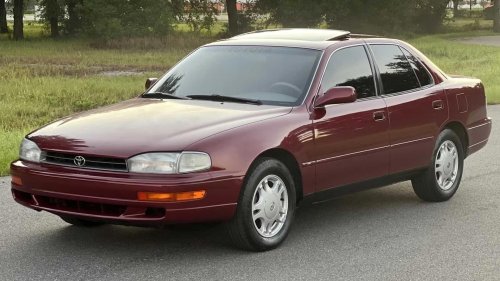
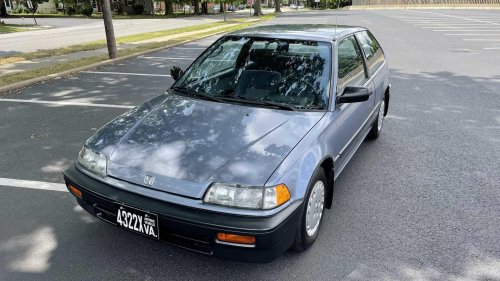
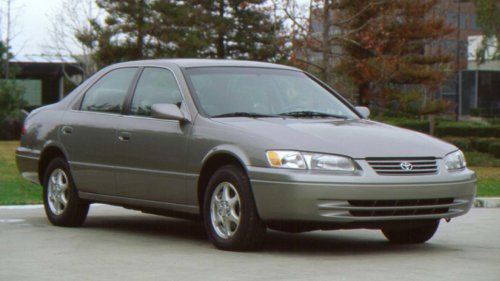
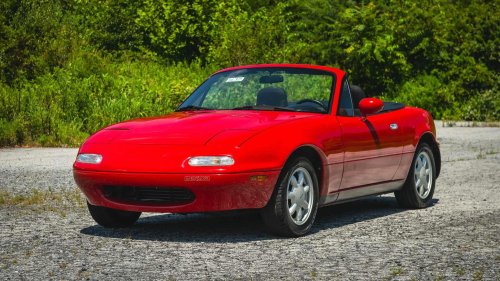
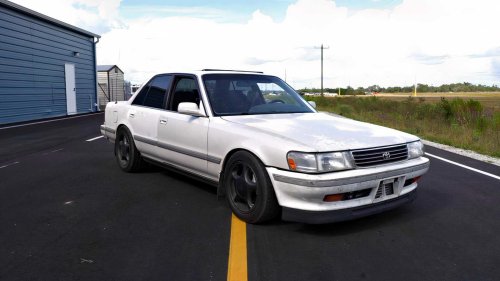
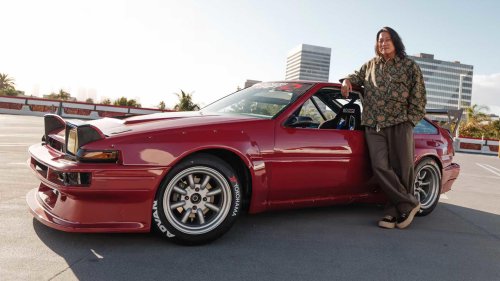
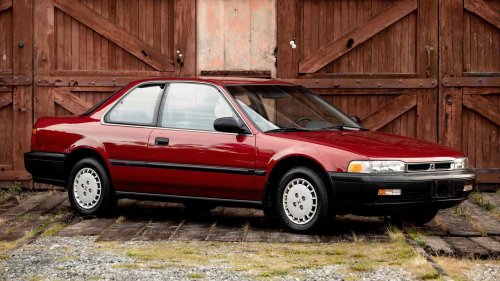
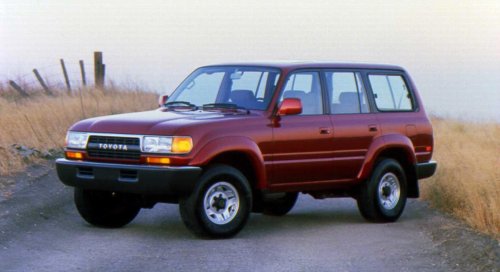



















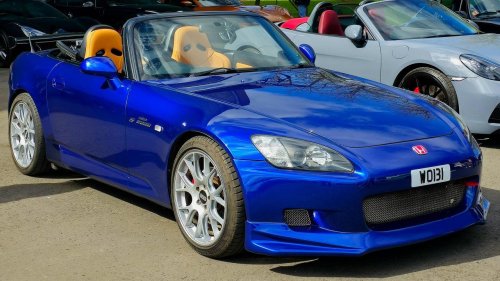
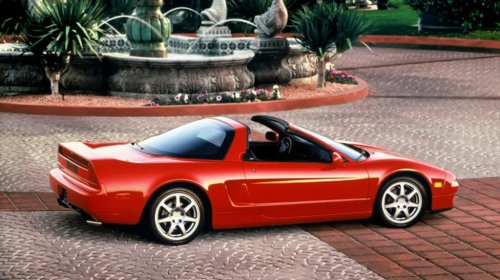


Let me start off by apologizing for being cliché and saying they don’t build them like they used to. But for cars, that's true, and it's a little upsetting because modern vehicles aren't as well-equipped to stand the test of time compared to reliable options built before 2000. Part of that is thanks to superior Japanese engineering.Automakers in Japan focused on mechanical simplicity and high-revving efficiency. Through the 1980s and 1990s, cars by Toyota, Mazda, and Honda have a reputation for being lightweight, easy to work on, and extremely durable. In fact, the frame around these vehicles typically falls apart before the mechanical components require severe repairs.Today's cars are extremely complex due to increasing emission standards and the use of electronics. For example, Electronic Control Units (ECUs) require costly specialized diagnostic scanners, and replacement parts like batteries must be correctly registered to the car’s computer. Also, emissions equipment like exhaust gas recirculation (EGR) valves can wreak havoc on engines. Mazda 626 GD Lasts between 150,000 to 250,000+ miles First up, we have the Mazda 626 GD, which was in production from 1985 through 1992. One tracked model from 2001 is still going strong with 294,413 miles on the odometer. However, there are examples that have surpassed 300,000 miles. But the key to success involves regular care and routine maintenance.While the 2.0-liter and 2.2-liter four-cylinder engines are known for exceptional reliability, they are interference engines. As a result, the timing belt must be changed every 60,000 miles to avoid catastrophic valve damage. Also, the coolant system is notorious for being sensitive, so keep an eye on the tanks, hoses, and water pump. The biggest problem for this vintage ride is rust. Body and frame rust can cause the car to become structurally unsafe years before the engine actually dies. Honda Civic EG Lasts between 150,000 and 300,000+ miles Officially Gassed via YouTubeThe Honda Civic EG is the fifth-generation model and was produced from 1991 to 1995. There are a few examples that have surpassed 300,000 miles, but they have been well-maintained. Additionally, they probably weren't driven hard. The durable D-series engines are survivors that are easy to diagnose and repair. Plus, replacement parts are widely available, and the transmissions are durable.Remember to replace the timing belts every 60,000 to 90,000 miles to prevent them from snapping and check your oil dipstick regularly to prevent running the engine dry. While suspension components like the struts and ball joints may dry rot, the biggest problem for this car is rust, especially on the rear quarter panels, wheel wells, and undercarriage. Toyota Camry XV10 Lasts between 100,000 and 300,000+ miles Bring A TrailerThe Toyota Camry was produced between 1991 and August 1995. Some models with dedicated mechanical care have made it over 400,000 miles. Forums suggest they can last much longer. It's often considered to be the most reliable generation thanks to the robust 2.2-liter inline-four and 3.0-liter V6 engines that last and last. However, they need religious oil and filter changes to keep internal sludge from building up.Both engines use interference timing belts that need to be replaced every 60,000 to 90,000 miles to avoid destroying the engine. Once again, rust is the biggest problem and may corrode the strut towers, subframes, and wheel wells, especially in areas prone to harsh, wet winter conditions. Honda Civic EF Lasts between 200,000 and 300,000+ miles Bring A TrailerThe Honda Civic EF is the fourth-generation model that ran from 1987 to 1991. Owners report that their models have easily reached over 300,000 miles with only routine rebuilds and replacing standard parts. The D15B and D16A are reliable engines. Even if the timing belt snaps, the valves and pistons won't collide, avoiding catastrophic engine failure.Additionally, the five-speed manual transmission, four-speed automatic transmission, and double wishbone suspension are extremely dependable. Be aware of dry-rotted hoses and seals that could lead to leaks. Additionally, monitor for rust. It could destroy the frame, quarter panel, and floorboard. Repair costs often exceed the value of the car when this occurs. Toyota Camry XV20 Lasts between 200,000 and 300,000+ miles ToyotaThe Toyota Camry was in production from 1996 and 2002 as it continued the car’s notorious reputation for reliability. Mechanics have noted coming across models with around 480,000 miles on the odometer. The 2.2-liter inline-four and 3.0-liter V6 engines are dependable, and the four-speed automatic and manual transmissions can be put through the paces if fluid is regularly changed.Be sure to replace the interference timing belts every 90,000 to 100,000 miles and routinely change the oil to prevent clogs. Once again, rust isn’t your friend as it could destroy the chassis. Remember to provide preventative maintenance and to keep the undercarriage clear of salt if you live in an area prone to inclement winter weather. Mazda MX-5 NA Lasts between 200,000 and 300,000+ miles Via: Bring a TrailerThe Mazda MX-5 NA remained in production from 1989 until 1997. It’s the first-generation Miata, and it set a new standard, as some examples have surpassed 500,000 miles. The 1.6-liter and 1.8-liter four-cylinder engines are incredibly reliable thanks to cast-iron blocks. Additionally, the five-speed manual transmission is notoriously tough, even when driven hard.Additionally, the non-interference valve trains mean that the pistons and valves won't collide if the timing belt snaps, saving the engine from internal failure. While road salt isn’t an issue in every area, rust is still a massive enemy. Moisture and humidity may cause the rocker panels and rear wheel arches to rust out. Additionally, the body and chassis often rot before the engine fails. Toyota Cressida MX83 Lasts between 250,000 and 300,000+ miles Officially Gassed, YouTubeThe Toyota Cressida MX83 was manufactured from 1989 until 1992 as part of the fourth-generation X80 series. Models with 250,000 miles on the odometer are considered to be low mileage. The robust 7M-GE 3.0-liter inline-six engine and electronically controlled four-speed automatic transmission are known for impeccable reliability.Additionally, the chassis, suspension, and driveline were specifically designed for high-speed cruising. However, capacitor wear and loosening bolts in the head gaskets are two potential weaknesses to monitor. Rust can really do a number on crucial suspension and frame components. Additionally, degrading plastics are a notorious issue. Toyota Corolla AE86 Lasts between 250,000 and 300,000+ miles Hypebeast (Renz Dimaandal) Welcome the Toyota Corolla AE86 to the longevity party. It was in production from 1983 until 1987. This car is known to surpass 400,000 to 500,000 miles as a legendary workhorse. It has a bulletproof 4A-GE 1.6-liter inline-four engine. They have that non-interference design, meaning there won't be catastrophic engine damage if the timing belt snaps.Additionally, the four-speed automatic and five-speed manual transmissions are extremely durable. However, this car faces environmental wear that occurs before it reaches its mechanical limits. Structural rust on the frame rails, wheel arches, and floor pans may total the car before the engine gives out. So, do your rustproofing and undercarriage cleaning! Honda Accord CB7 Lasts between 250,000 and 350,000+ miles via Bring A TrailerCheck out the Honda Accord CB7 that had a production run from 1990 to 1993. The fourth-generation Accord was only in production for four years, but it stands out as a reliability icon, as there are examples that blow past 500,000 miles, and there are few models that have surpassed one million miles. The 2.2-liter SOHC four-cylinder engine has a non-interference design, so it will be fine if the timing belt snaps. Additionally, it's built to withstand high revs and hard driving.While the manual transmission is seen as bulletproof, the automatic transmission needs regular fluid changes to avoid premature slipping. Additionally, the mechanics often outlive the chassis. Rust can be a massive problem for the rear wheel wells and frame rails. Toyota Land Cruiser FJ80 Lasts between 300,000 and 500,000+ miles ToyotaLast but certainly not least, we have the Toyota Land Cruiser FJ80. It was built from 1989 to 1997. This legendary vehicle is simply a survivor, as there are examples with over 600,000 miles on the odometer. Many models make it over 500,000 miles without requiring a significant internal rebuild.The 4.0-liter and 4.5-liter inline-six engines are known to survive the test of time. Additionally, the solid axle suspension can survive harsh beatings, and the locking differentials reduce stress on the drivetrain. However, if rust reaches the frame or body mounts, the car will be declared totaled even if the engine has plenty of life left.Source: Fuelly, Clutch, CarBuzz, Hagerty