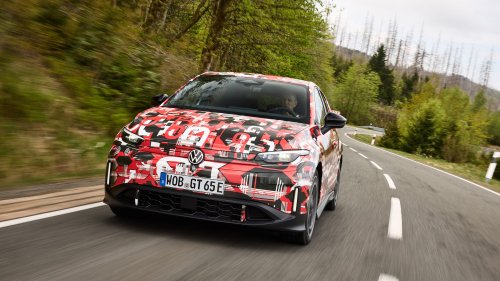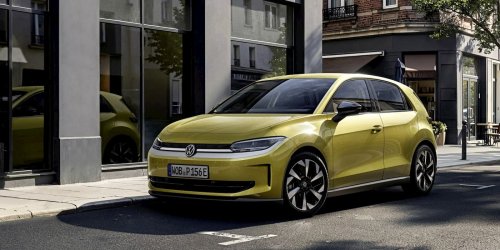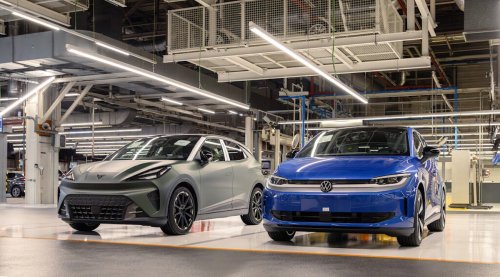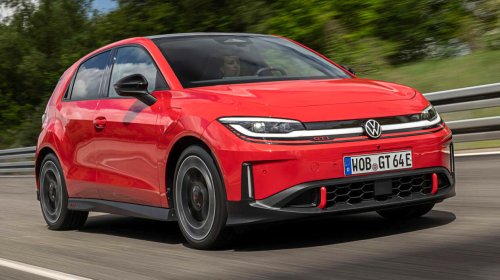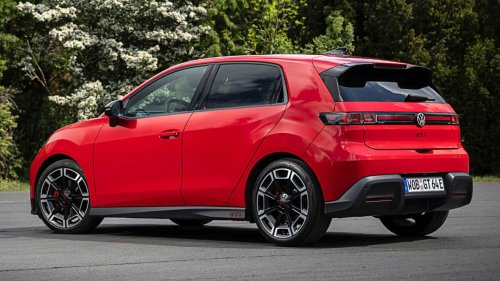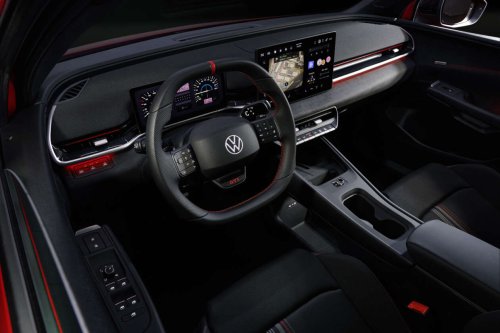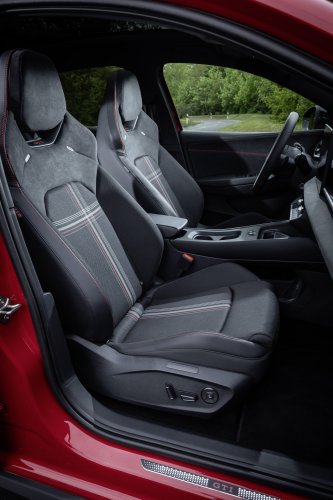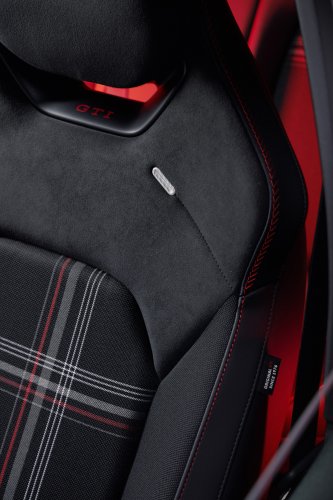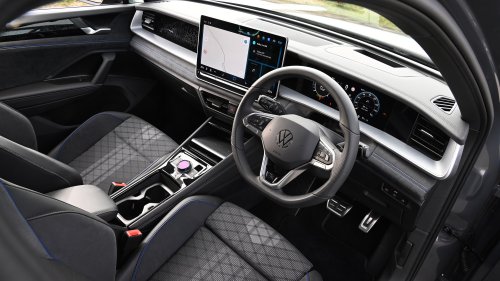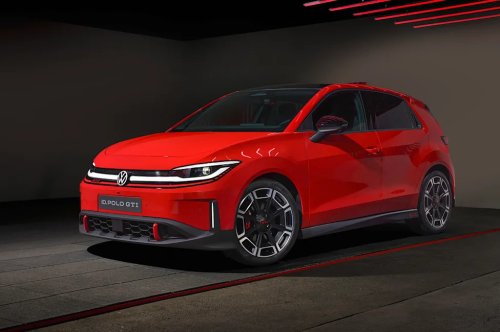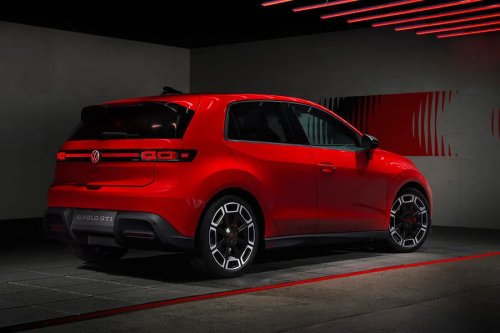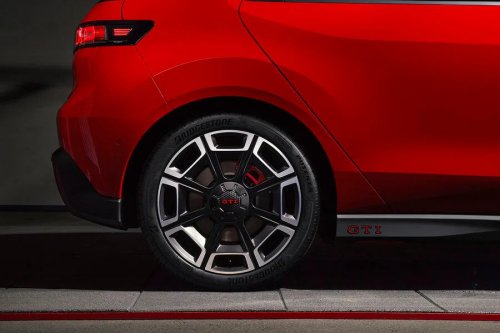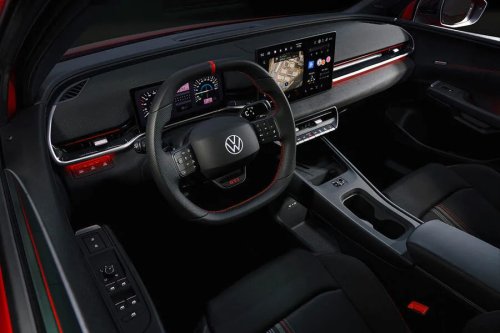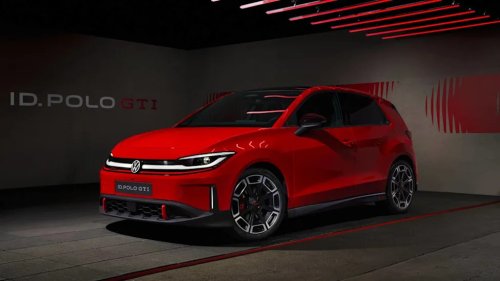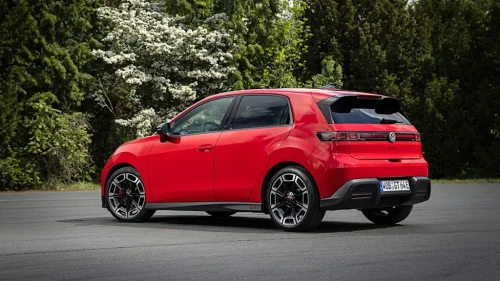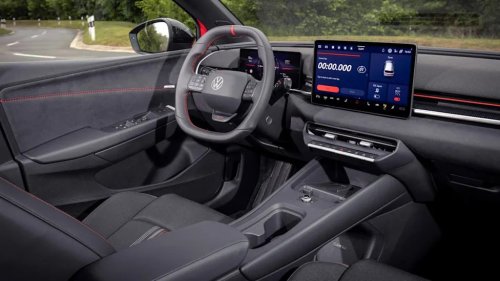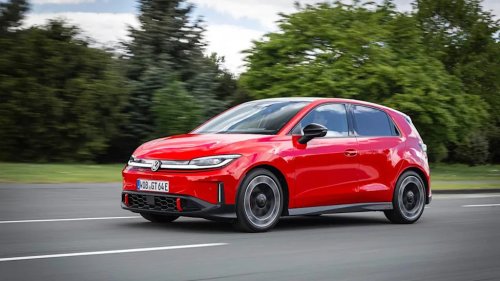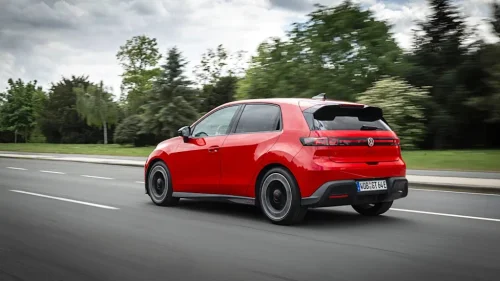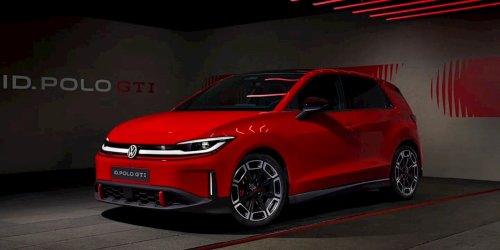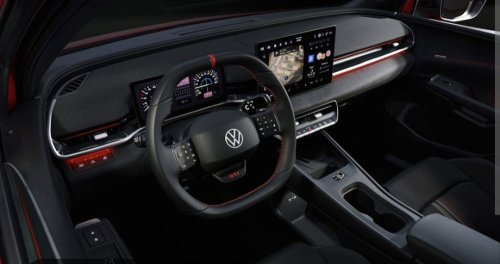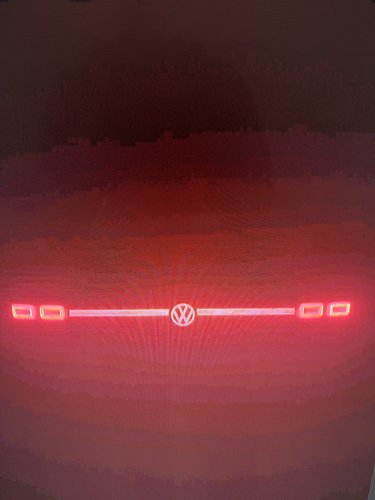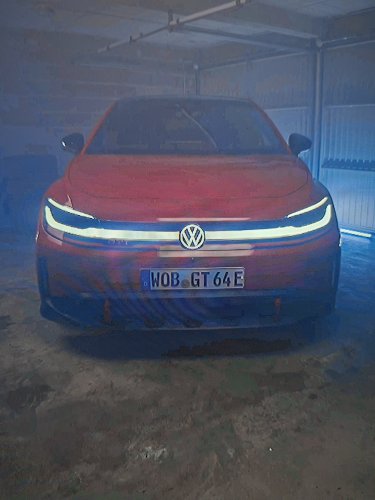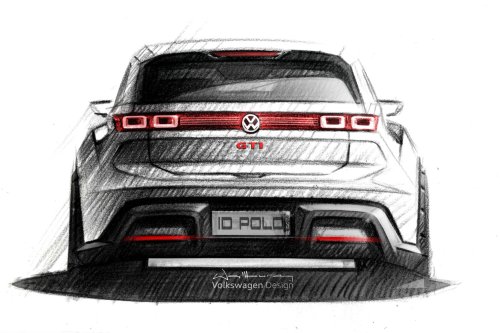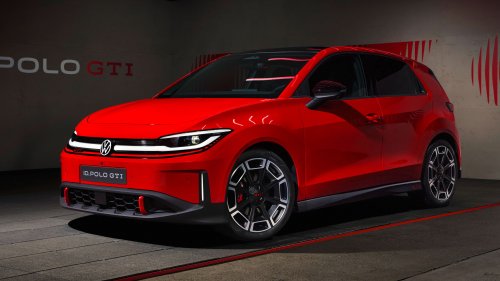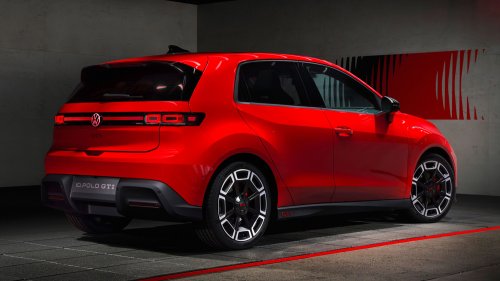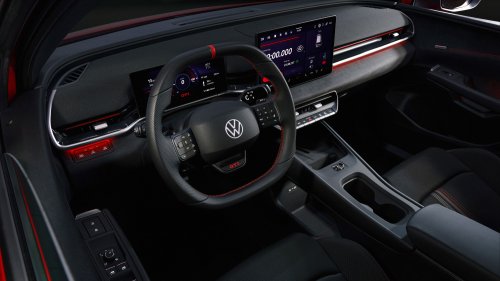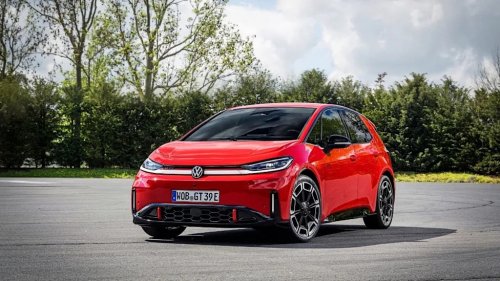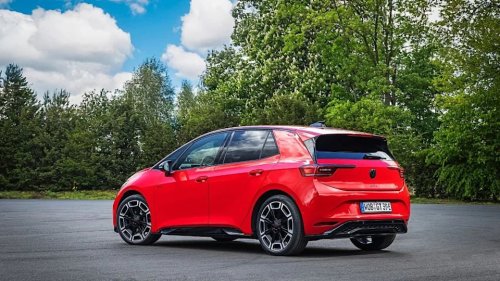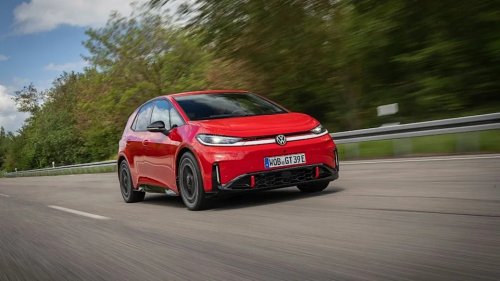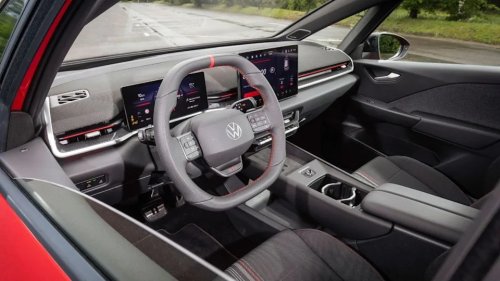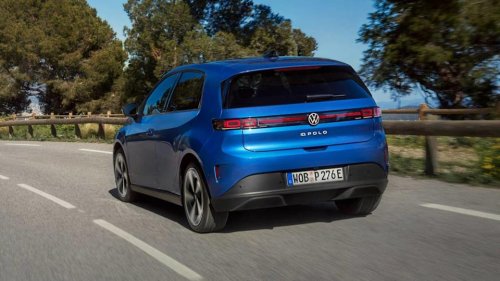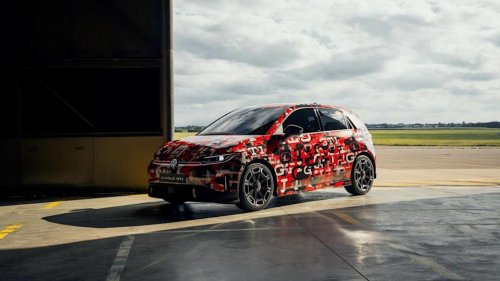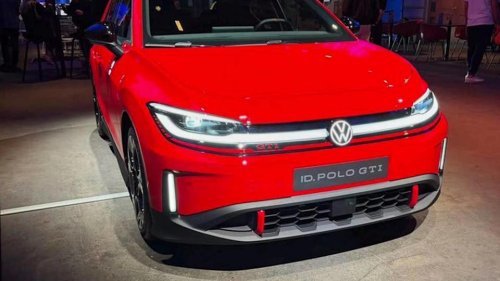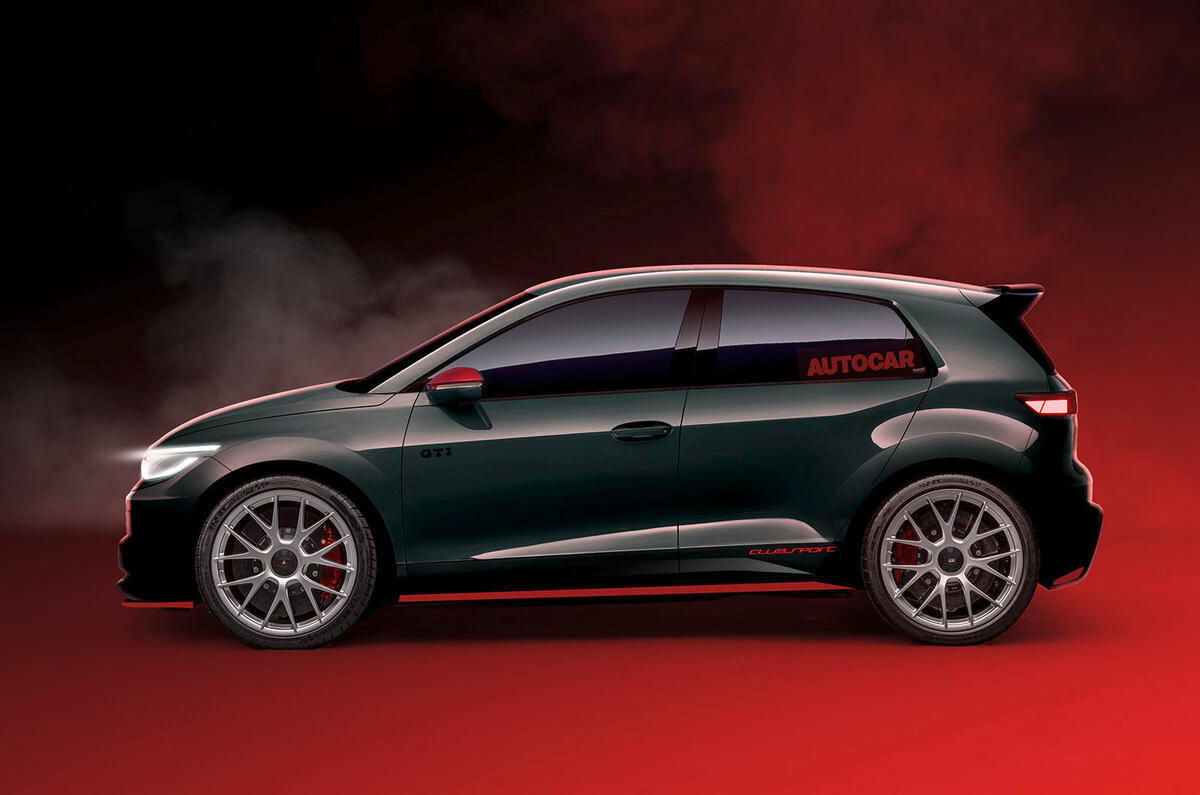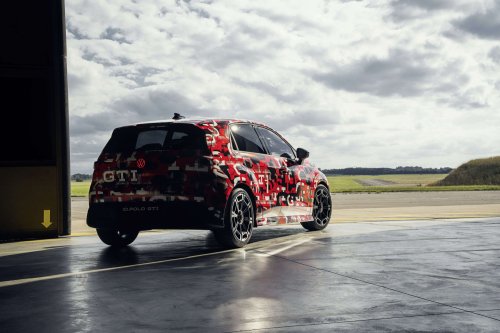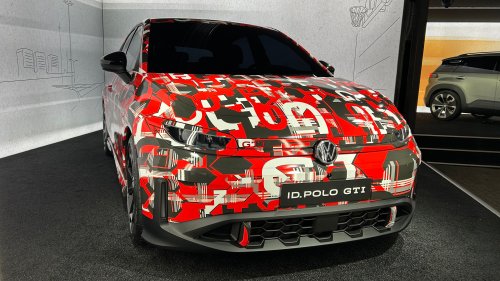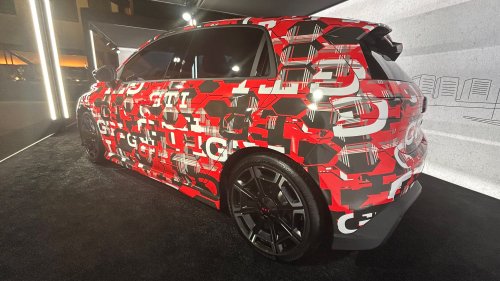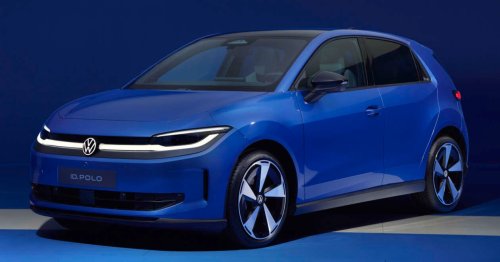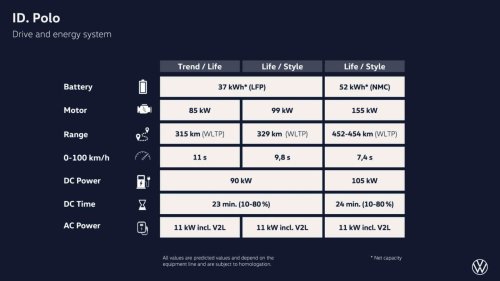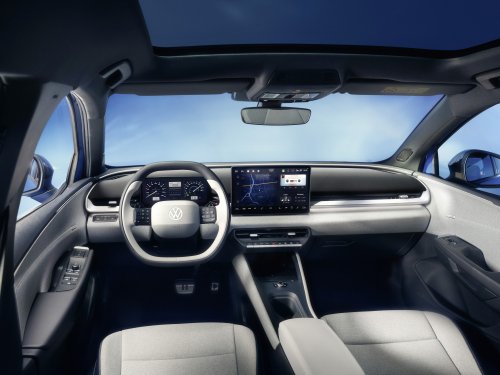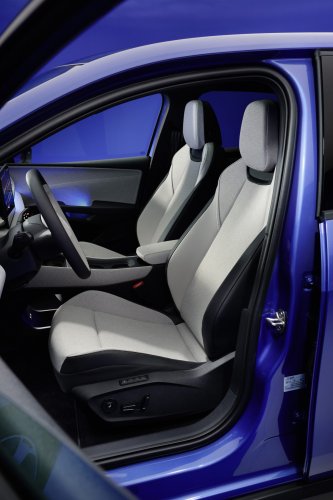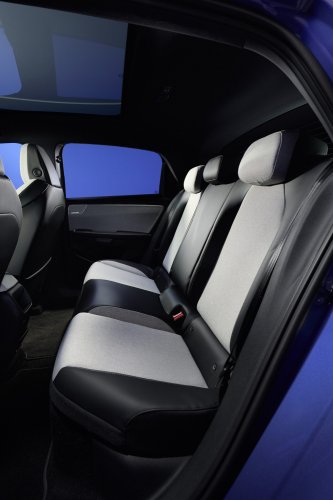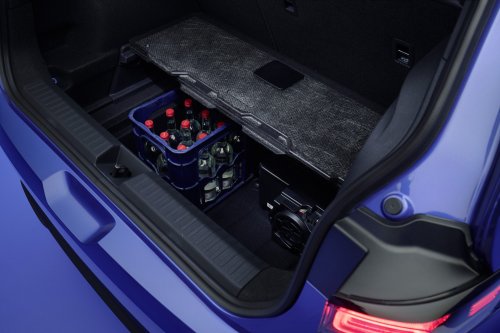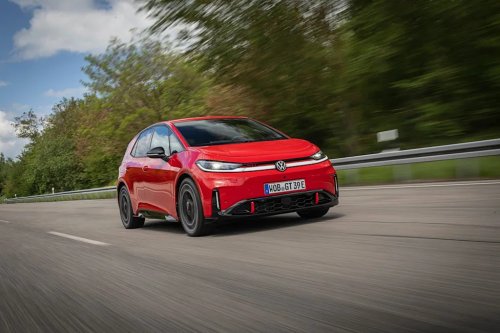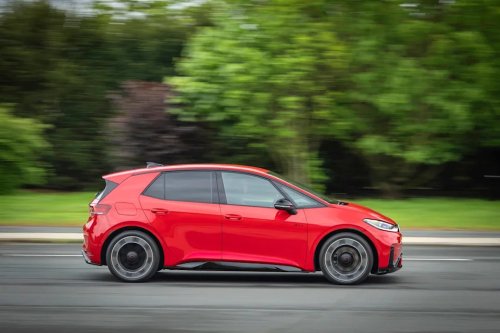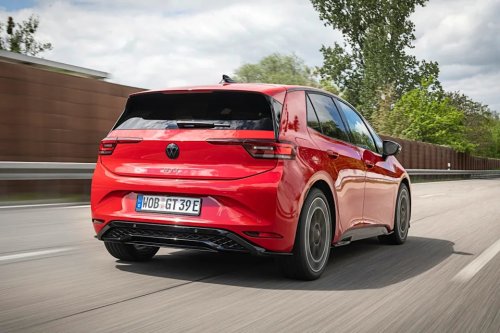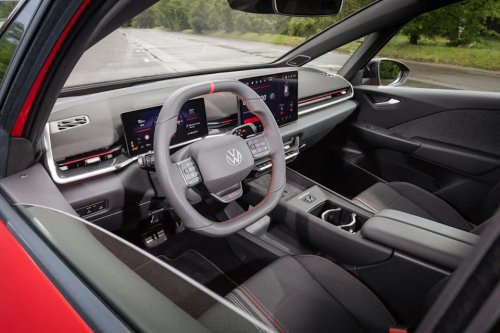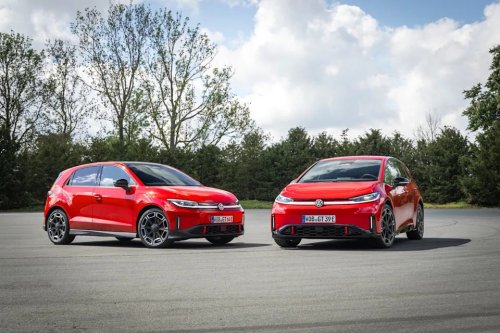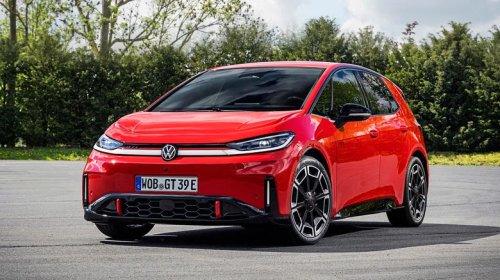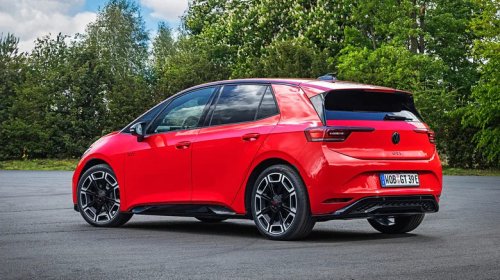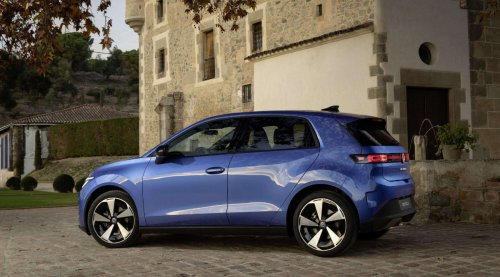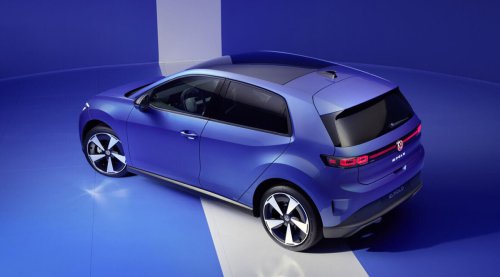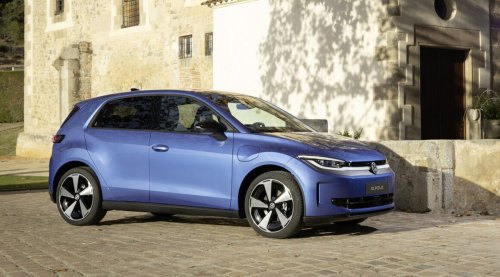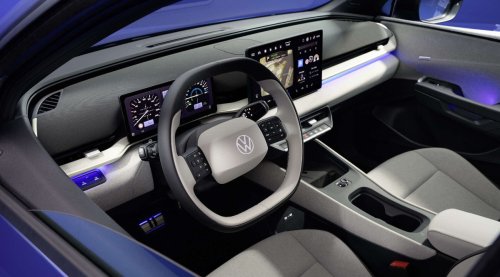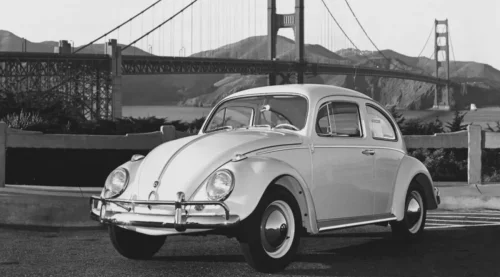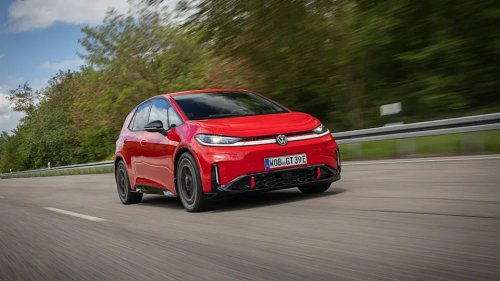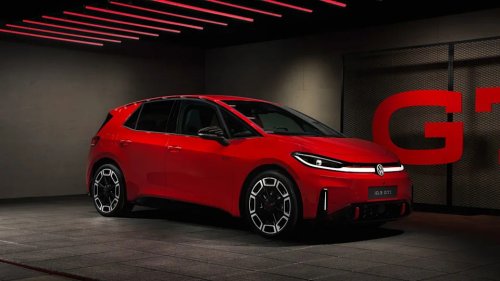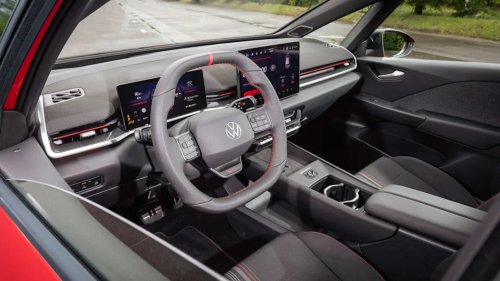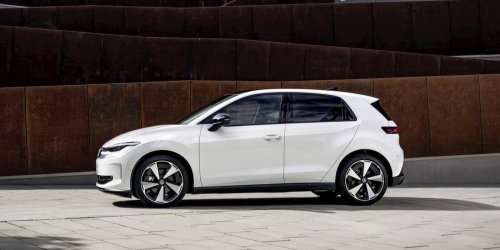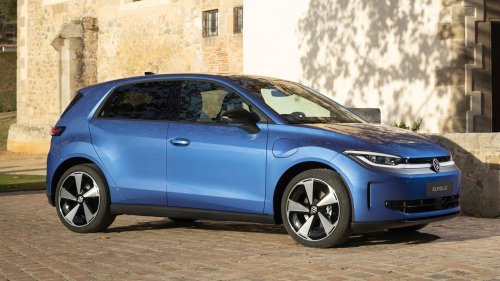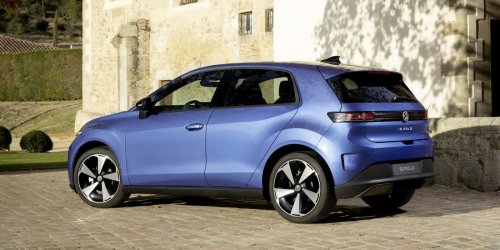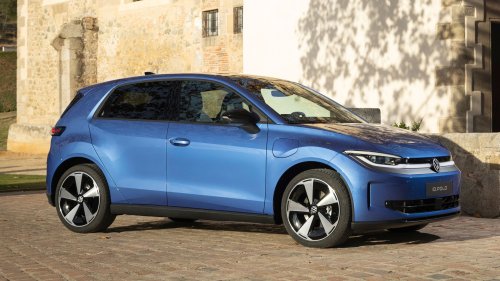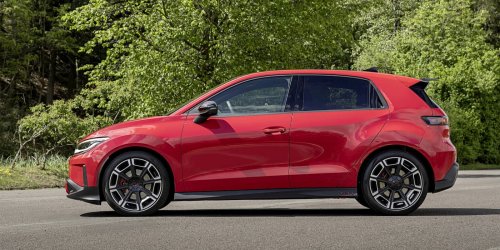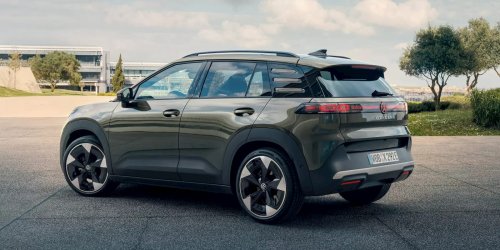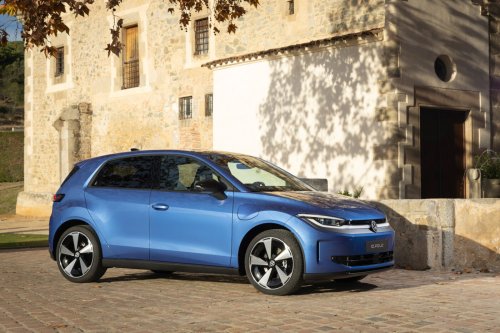
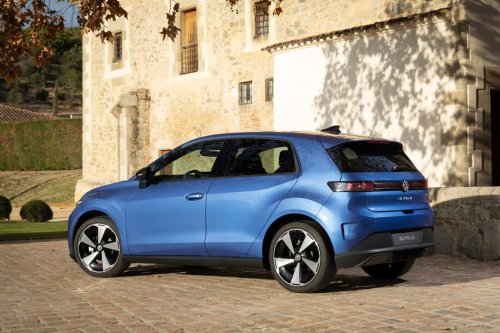
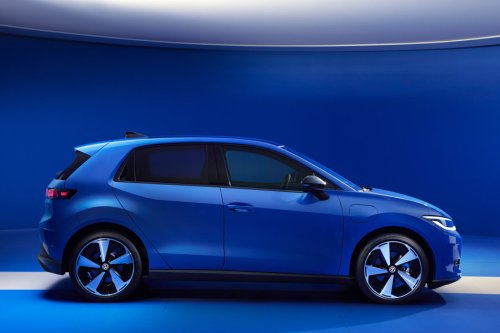
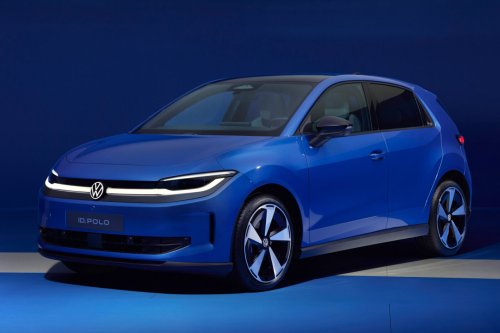
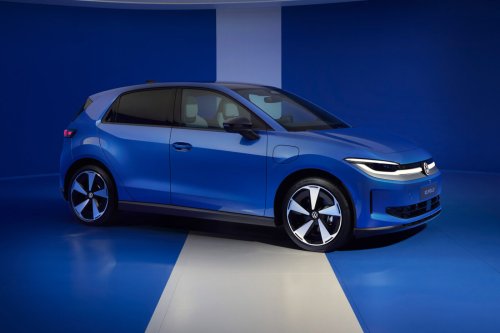
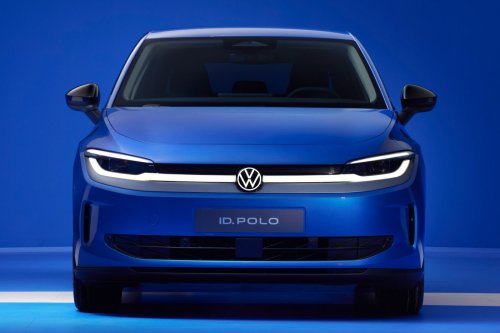
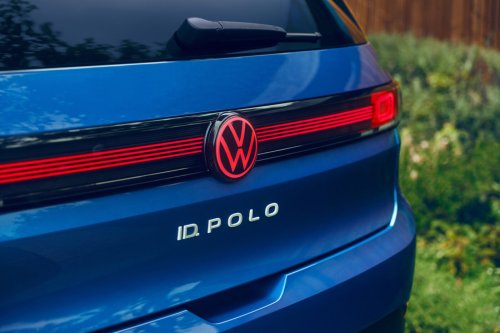
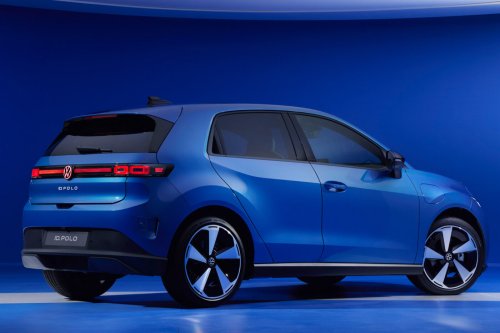
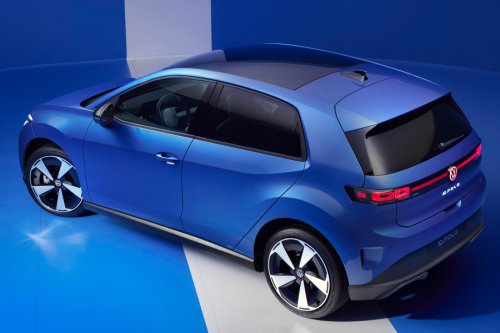
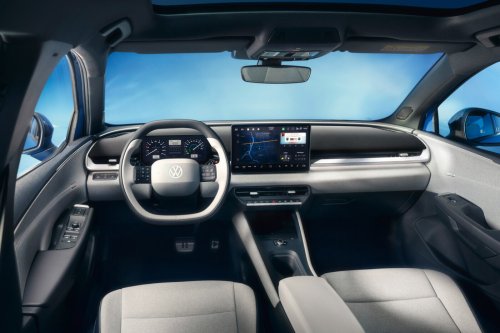
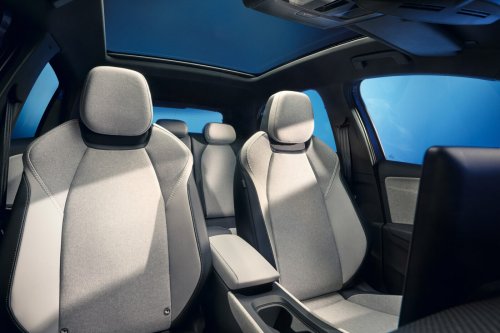
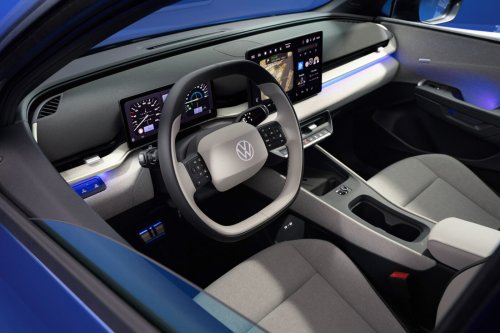
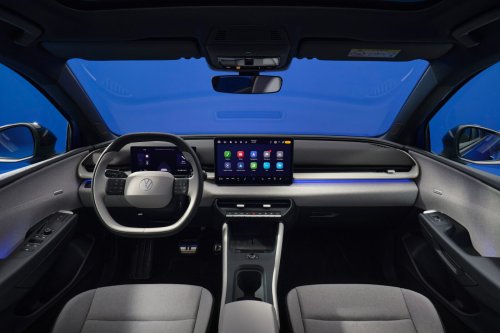
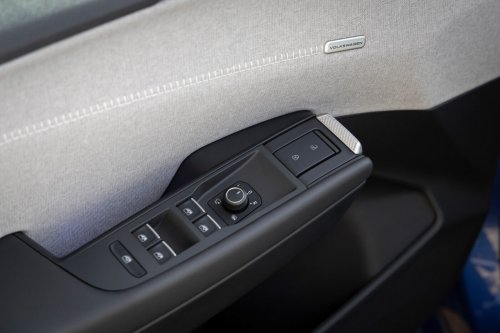
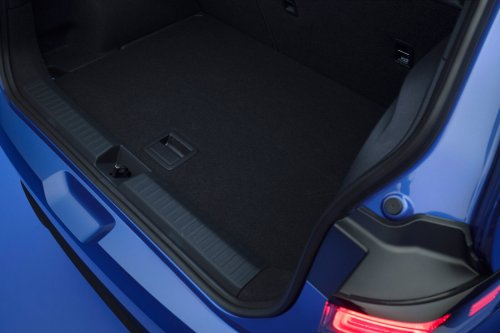
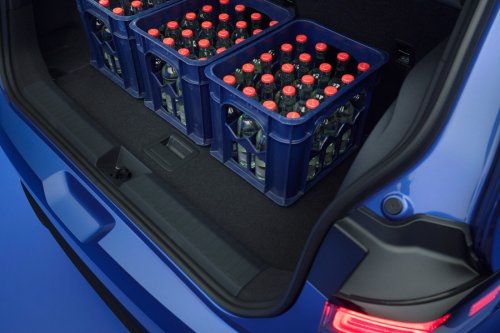
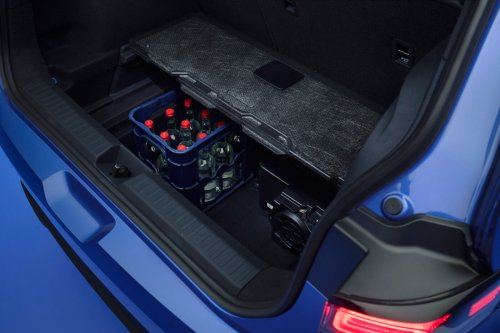



















The Polo first hit the market in 1975 and has since become a cornerstone of the Volkswagen brand. Over six generations, more than 20 million units have been sold worldwide, making it one of the brand’s most successful vehicles.The compact car’s continued relevance is evident in Germany’s new vehicle registration figures. In 2024, the Polo ranked tenth across all brands, segments, and powertrains – but, by 2025, it had slipped to 22nd place among more than 400 models available in Germany. Within the compact car segment, however, it still held fourth position.This is why the Polo’s seventh generation is so critical – this time as a fully battery-electric model. While electric SUVs have dominated the market in recent years, the segment for electric compact cars has also grown significantly. This is where Volkswagen aims to compete with the ID. Polo.The model’s importance for Volkswagen is also reflected in its naming strategy. Volkswagen’s brand chief, Thomas Schäfer, emphasised last year that iconic VW model names could not simply be transferred to electric vehicles without substance. As he puts it: “If it says Golf on the outside, it must be Golf on the inside.” With the new battery-electric compact car, Schäfer now evidently considers this condition fulfilled. Since September, it has been officially confirmed that the ID.2all concept, unveiled three years ago, will enter series production as the ID. Polo.Familiar Polo DNA in an electric guiseUnsurprisingly, the debut production model – which we witnessed firsthand at a media event in Hamburg – aligns with this approach. Although the ID. Polo was still covered in camouflage at last year’s IAA, its future design language was already clearly recognisable. According to the manufacturer, Volkswagen’s Chief Designer, Andreas Mindt, and his team created a compact car that “fully embodies the new, crystal-clear design language ‘Pure Positive’.” At the same time, the car remains unmistakably a Polo. Image: Volkswagen Image: Volkswagen Image: Volkswagen Image: Volkswagen Image: Volkswagen Image: Volkswagen Image: Volkswagen Image: Volkswagen Image: VolkswagenThe front end almost entirely adopts the design of the ID.2all concept shown in 2023, including its ‘friendly face’. Indeed, the ID. Polo features a distinctive smile, thanks to the shape of the lower air intake, the headlight design, the pupil-like LED light elements, and a glass-covered crossbar. Between the headlights, depending on the trim level, there is an LED strip and an illuminated VW logo. Compared to the conventional Polo, the closed front of the electric version is a key distinguishing feature. The rest of the front end appears to blend the typical ID. face with that of a conventional compact car.The clean side profile also reinforces its Volkswagen identity. Notably, the rear door handles are no longer in their usual location, but are now discreetly integrated near the C-pillar. The C-pillar itself references the design heritage of the first Golf.The rear design of the ID. Polo – and the simultaneously unveiled ID. Cross production version – has been completely redeveloped, lending the ID. Polo a powerful presence. Beneath the roof-edge spoiler, the rear window extends deep into the C-pillars, emphasising the car’s width. Below this, the rear lights feature a glass-covered LED crossbar.More space thanks to MEB+The ID. Polo is based on the latest evolution of the Modular Electric Drive Kit, MEB+. This enables significantly better use of space compared to the conventional Polo, which is built on the MQB platform. This is particularly remarkable because the ID. Polo, at 4,053 millimetres, is slightly shorter than the still-available MQB-based Polo, which measures 4,074 millimetres. Thanks to this efficient use of space, Volkswagen claims the five-seater ID. Polo will be more versatile than any of its predecessors. A first seating test confirmed that the electric Polo offers impressive space. The only exception is when the driver’s seat is adjusted for taller individuals, which can make the rear seat feel more cramped.Despite being shorter, the ID. Polo’s boot volume increases from 351 to 441 litres. With the rear seats folded down, the loading capacity rises to 1,243 litres, compared to 1,125 litres in the MQB-based Polo. For those needing even more, the ID. Polo can tow up to 1,200 kilograms, with a maximum vertical load of 75 kg – a feature not commonly found in this segment.New cockpit generation for the ID. PoloVolkswagen has not only redesigned the exterior, but also the interior. At the beginning of the year, VW presented the ID.Polo’s new interior, which, as we saw previously in the new ID.3 Neo, will be adopted across all ID. models. Wolfsburg describes this as a new cockpit generation, ‘systemically optimised and customer-feedback oriented.’ This includes fabric-covered surfaces on the dashboard and door inserts, as well as a consistent haptic experience across surfaces, buttons, dials, and handles. The goal: to create an inviting and friendly atmosphere. Here, Volkswagen has succeeded, as the seating test revealed. The materials are well-crafted, and everything feels premium. The interior gives the impression of sitting in a vehicle from a higher segment. Image: Volkswagen Image: Volkswagen Image: Volkswagen Image: Volkswagen Image: Volkswagen Image: Volkswagen Image: Volkswagen Image: VolkswagenThis impression continues throughout the rest of the cockpit: the 10.25-inch driver information display, ‘Digital Cockpit’, and the centrally mounted 12.9-inch touchscreen are arranged along a single line of sight. The ‘Digital Cockpit’ offers various views, including integration of the navigation system’s map display. Using the ‘View’ button on the steering wheel, the driver can also switch to a retro view, reminiscent of the instrument graphics from a late 1980s Golf I.The Android-based infotainment system, ‘Innovision’, has also been newly developed and designed. It replaces the previous ‘Discover’ system. It is operated via a 12.9-inch touchscreen, which, in terms of design and graphics, resembles solutions found in models like the ID.7, the current Golf, and the new ID.3 Neo and ID. Cross. Initial impressions suggest smooth and intuitive operation. The route planning includes automatic charging stop planning, as well as automatic battery preconditioning. However, the manual option for activating the battery heater appears to be missing.Separately, in a panel below the infotainment screen, Volkswagen’s developers have integrated buttons for key climate functions and the hazard warning light switch. The multifunction steering wheel, with its clearly structured button fields, is also entirely new. The driver’s door features a control panel with four buttons for the electric windows and exterior mirror adjustments.Three power levels at launchWhile the new interior makes a cohesive first impression, the positioning of the ID. Polo will ultimately depend on its powertrains and technical specifications. These are not particularly surprising, however, as they have been known since December. Unlike the already available Cupra Raval, the ID. Polo will initially be offered in three power levels instead of four. Depending on the configuration, the front-wheel-drive system delivers 85, 99, or 155 kW. The top speed for all three variants is 160 km/h. The sporty ID. Polo GTI, with 166 kW, is expected to follow in 2027.In all cases, the electric motor is the APP290, specifically developed for front-wheel-drive models, which, according to VW’s naming convention, delivers 290 Nm of torque. The inverter, referred to by VW as the ‘pulse inverter’, is also completely new. This component was developed in-house and is produced within the Group.Up to 455 kilometres of rangeBetween the front and rear axles, in the vehicle floor, lies the battery system featuring the ‘Group Standard Cell’. As the name suggests, this is a completely new development by the Volkswagen Group and its subsidiary PowerCo. The new battery system utilises Cell-to-Pack technology, in which the cells are directly integrated into the battery pack without the intermediate step of module housings. The LFP battery has a net energy content of 37 kWh and is standard in the 85 kW and 99 kW powertrains. The 52 kWh battery in the 155 kW version, however, uses NMC cell chemistry.The AC charging power is 11 kW with the three-phase on-board charger. At DC charging stations, the smaller battery can charge from 10 to 80 per cent in around 27 minutes with a maximum charging power of 90 kW. For the larger battery, Volkswagen specifies a maximum charging power of 105 kW and a charging time of around 24 minutes.Initial range figures are also available. The smaller battery is expected to deliver up to 329 kilometres (WLTP), while the larger battery could achieve up to 455 kilometres – quite respectable figures for a compact car.Premium-class extras in a compact carNot only do the interior and technical specifications impress, but the additional equipment and modern driver assistance systems are also exceptional for a compact car. Optional extras for the new ID. Polo include exclusive and, for this class, unusual features such as a Harman Kardon high-end sound system with 425 watts of audio power, ten speakers including a centre speaker for clear speech transmission, and a subwoofer. Also available as an option is a large panoramic glass roof. A novelty in this segment is the pneumatic massage function of the electrically adjustable 12-way front seats. Three massage programmes are available – a feature typically found in premium-class vehicles. The electrically adjustable driver’s seat also includes a memory function.Thanks to the MEB+ platform and the latest software, the ID. Polo comes with a range of modern driver assistance systems as standard. Additionally, optional systems such as the next generation of ‘Travel Assist’ will be available. As the system uses a variety of online data, it has been renamed ‘Connected Travel Assist’. This assistance system for assisted lateral and longitudinal guidance now also reacts to traffic lights. If the system detects a red light, it automatically brakes the ID. Polo to a standstill within the system’s limits. Also new and standard is one-pedal driving. The V2L (Vehicle-to-Load) function is included as standard.Entry-level pricing starts at €24,995In Germany, the entry-level model for the ID. Polo is set to be the ‘Trend’ trim level, with prices starting at €24,995. This includes driver assistance systems such as ‘Side Assist’ and lane-keeping assist (including Emergency Assist), as well as features like LED headlights with high-beam assist, a multifunction leather steering wheel, and automatic climate control. The big catch: the basic version isn’t even available to order at launch.However, the next higher trim level, ‘Life’, is now available to order from €33,795, featuring as standard driver assistance systems such as Adaptive Cruise Control (ACC), a rear-view camera (‘Rear View’), a front parking aid and a junction assist system. It also includes an auto-dimming interior mirror and electrically folding exterior mirrors with a memory function. Digital features like voice control, App Connect for Apple CarPlay and Android Auto, and inductive smartphone charging are also standard.The top trim level is called ‘Style’. In this variant, the ID. Polo features advanced lighting technology, including ‘IQ.LIGHT – LED Matrix’ headlights with an illuminated LED light strip, 3D LED rear lights, and an illuminated VW emblem at the front and rear. The interior is characterised by sport-comfort seats and ambient lighting. Features such as a heated steering wheel and seats, as well as a two-zone automatic climate control system, are also part of the premium equipment. Further innovations include ‘ID. Light’, which is now also displayed laterally in the doors, and the digital vehicle key (Mobile Device Key), which allows convenient access to the vehicle using a mobile device (smartphone or smartwatch).Pre-orders for the new ID. Polo open today, Wednesday. At launch, the all-electric compact model will be available to order with just one powertrain option: a 155 kW electric motor and a 52 kWh battery. The base model, priced at €24,995, will be followed by further powertrain and trim levels this summer.