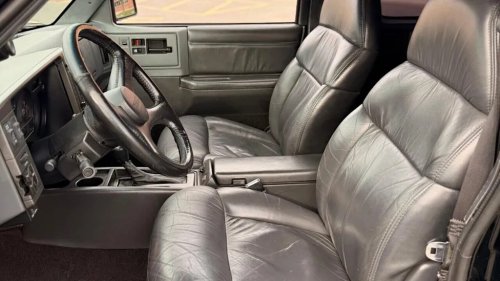



















The Only Car Detailing Guide You Need for a Showroom Finish at HomeA professional detail can cost hundreds of dollars, but with the right technique you can achieve a showroom finish in your own driveway. Car detailing at home is part skill, part patience, and part using the correct products in the correct order. This guide walks through the full process so you protect your paint instead of accidentally scratching it.Check This Out: Best Dash Cams of 2026: How to Choose the Right One for Your VehicleWhy Technique Matters More Than ProductsMost paint damage comes from improper washing, not lack of expensive products. Swirl marks and scratches are usually self-inflicted. Master the fundamentals and even modest products deliver great results, which matters whether you drive a daily commuter or a prized classic muscle car.The Two-Bucket Wash MethodUse one bucket for soapy water and one for rinsing your mitt, both with grit guards. This keeps abrasive dirt off your paint. Always wash top to bottom, work in sections, and never let soap dry on the surface.Decontamination: Clay Bar and Iron RemoversAfter washing, paint often still feels rough from bonded contaminants. A clay bar and iron-fallout remover strip these away, leaving glass-smooth paint that is ready for polish or wax. Skipping this step traps grit under whatever you apply next.Polishing vs. WaxingPolishing removes minor scratches and restores gloss using mild abrasives, ideally with a dual-action machine. Waxing or sealing protects the finish but does not correct it. Understand the difference: polish corrects, protection preserves.Paint Protection OptionsCarnauba wax offers warmth and depth but needs frequent reapplication. Synthetic sealants last longer. Ceramic coatings provide the most durable protection but demand careful prep. Choose based on how often you are willing to maintain it.Wheels, Glass, and InteriorDetail wheels first with a dedicated cleaner, finish glass with a streak-free product, and treat the interior with appropriate cleaners for each material. A consistent kit lives well alongside the rest of the gear we recommend in our essential gear roundup.Protecting Your InvestmentRegular detailing preserves both appearance and value, which matters enormously if you ever plan to sell, especially a collectible bought through a collector car auction. Consistency beats intensity: frequent gentle care outperforms occasional aggressive correction.Final WordDetailing at home is deeply satisfying and genuinely protective when done right. Follow the proper order, use clean tools, and take your time, and your driveway results will rival the pros.Interior Detailing Done RightA great detail does not stop at the paint. Vacuum thoroughly, use the correct cleaners for each surface, leather, plastic, fabric, and glass, and avoid greasy dressings that attract dust and create glare. Microfiber towels and soft brushes reach into vents and seams. A clean, well-maintained interior protects resale value and makes every drive more pleasant, and it is one of the simplest ways to keep an older car feeling fresh.Tools and Products Worth OwningBuilding a detailing kit is like building any other toolset: buy quality once. A dual-action polisher, quality microfiber towels, a foam cannon, and the right chemicals make the work faster and safer for your paint. Many of these items live comfortably alongside the gear in our home mechanic tools guide, and a well-organized space makes detailing a pleasure rather than a chore.Protecting Different Types of VehiclesA daily driver, an off-road truck, and a classic muscle car all have different detailing needs. Off-road vehicles need frequent undercarriage cleaning to fight rust, while classics may need gentler products to preserve original finishes. Tailor your approach to the vehicle, and remember that a collectible's value depends heavily on preserving its finish, as we note in our restomod and auction guides.Seasonal Detailing StrategyDetailing is not a one-time event but a seasonal rhythm. Before winter, apply durable protection to guard against salt and grime, a step that complements our car winterizing checklist. In spring, perform a deep decontamination to undo winter's damage. This cyclical approach keeps your finish in top condition year-round and prevents the gradual deterioration that neglect invites.The Payoff of ConsistencyThe secret to professional results is not exotic products but consistent, careful technique. Frequent gentle maintenance washes prevent the buildup and damage that require aggressive correction later. Protect your investment, enjoy the meditative satisfaction of the work, and your car will reward you with a finish that turns heads and holds value. Detailing at home is one of the most rewarding skills any enthusiast can develop.AdvertisementAdvertisementRead Next: The 10 Best Outdoor Knives of 2026: Top-Rated Picks for Hunting, Camping, and SurvivalCommon Detailing Mistakes to AvoidEven enthusiastic owners can damage their cars with poor technique. Washing in direct sunlight causes water spots, using a single dirty sponge grinds grit into the paint, and dish soap strips protective coatings. Automatic car washes with abrasive brushes are notorious for inflicting swirl marks. Skipping decontamination before polishing traps contaminants under your work. Avoiding these common errors matters more than any premium product, because most paint damage is self-inflicted through haste or improper method. Slow down, use clean tools, work methodically in the shade, and your results will rival professional shops while actually protecting your finish rather than harming it.