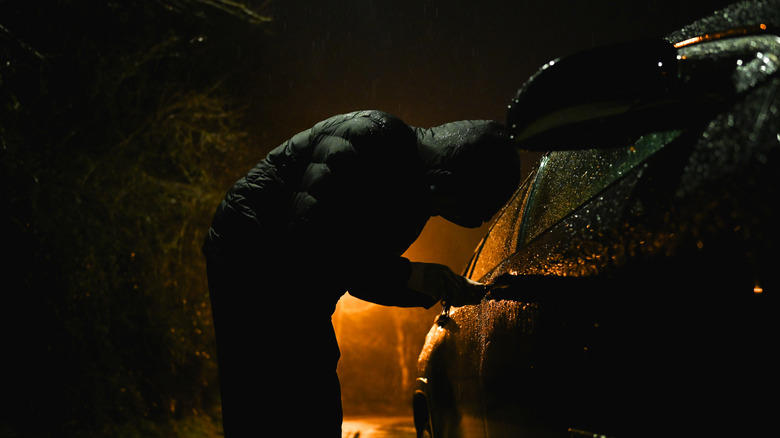
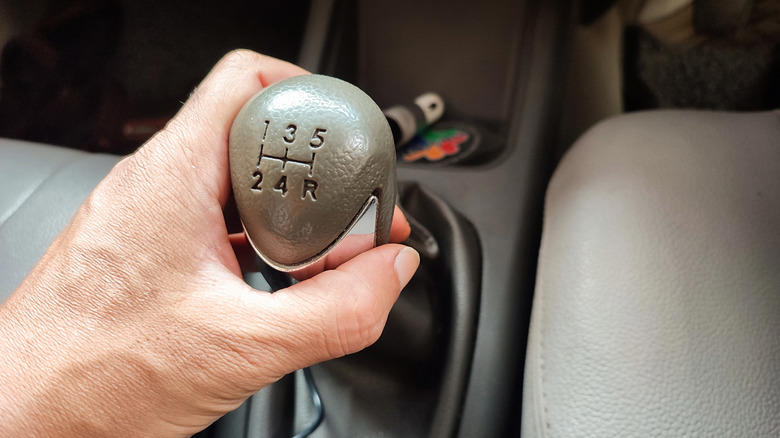
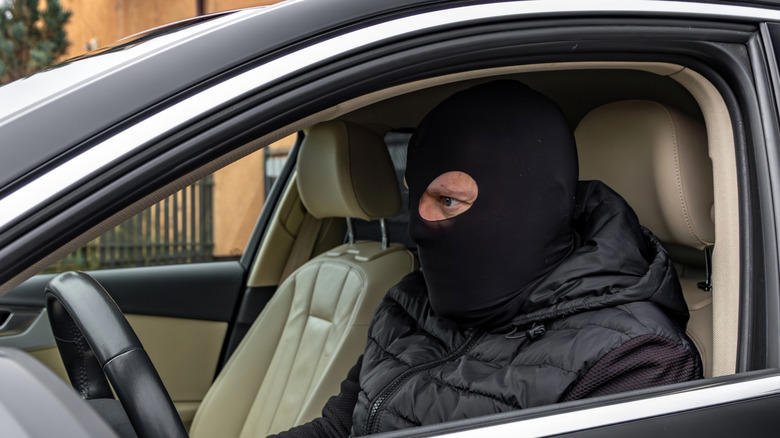
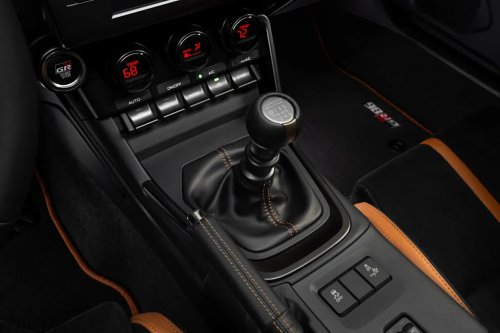
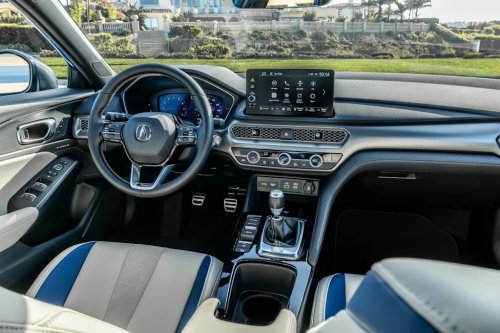
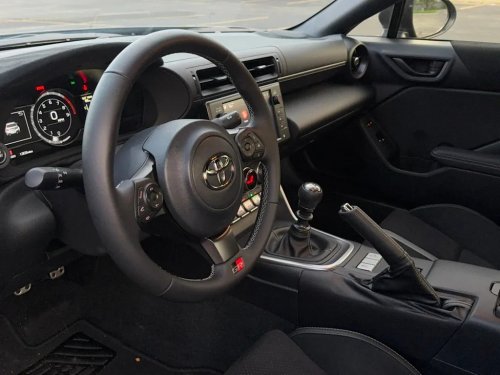
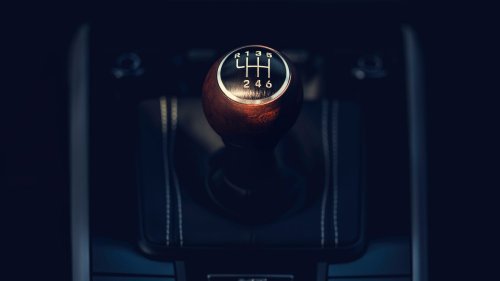
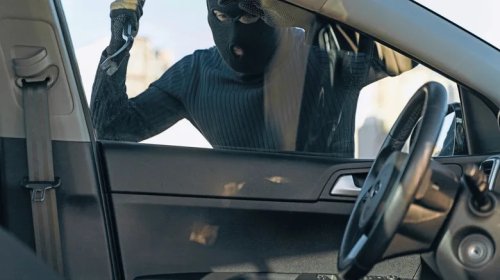
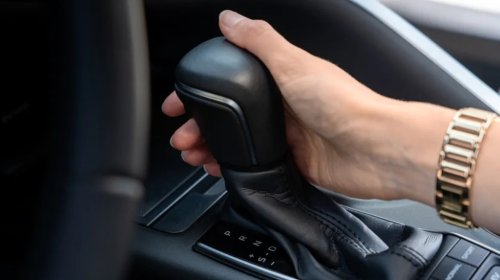
Carjacker breaking into sedan right-hand side door at nightCar theft has been a persistent problem since the early days of motoring, locking the owner and thief in a perpetual arms race. On the one hand, you have automakers baking in technology and anti-theft systems designed as either passive or active deterrents — technology like complex door locks, ignition kill switches, alarms, and more. And on the other hand, you have the thieves themselves, whose various tools of the trade have granted them access to a startling amount of vehicles. According to the NHTSA, an estimated 659,880 vehicles were reported stolen in the United States in 2025 alone. But some people have put forth a rather crude solution to this pandemic: the manual transmission.Okay, let's be real: Just how many cars are stick shift to begin with? As of 2025, less than one percent of new cars are sold with a manual, so claims the EPA. But that doesn't account for used cars, and the proportions there are far higher, especially when we go back some 40 or 50 years. Chances are, if you're looking for a classic car to daily drive, you're likely shopping a model that features at least one manual option.That said, the relative obscurity of the manual transmission these days lead to claims that car thieves won't touch them (or, indeed, try to touch them and then leave them in embarrassment) because they simply can't drive stick. Indeed, it's something of a meme on boards and forums, but is there any truth to this? Let's take a look at the hard facts and data and see what's really going on. Do cars with manual transmissions really get stolen less?Close-up of person's hand resting on 5-speed manual transmission shifterDespite the shocking figure of 659,880 stolen vehicles in 2025, that's actually an improvement, believe it or not. Auto theft took a sharp decline recently, with the National Insurance Crime Bureau stating that 2025 theft statistics witnessed a 23 percent decrease since 2024, which itself was an improvement from the peak year of 2023. It's easy enough to correlate this information with the recent trend of manuals making a resurgence, with Motor1 reporting manual transmission sales increases across over a dozen manufacturers in 2025.But correlation doesn't equal causation; these cars are virtually all premium models, designed with the latest anti-theft systems in mind. So is it the transmission, or the anti-theft software that's been deterring more thieves lately? Likely the latter — figures published by the National Institute of Heath revealed that car theft declined by some 80 percent between 1990 and 2020.While yes, fewer cars were produced with manual transmissions since then, it also goes without saying that cars manufactured before the 1990s were (and, indeed, remain) easier to steal. These were the days before valuable components were marked by manufacturers, meaning the cars were often brought to chop shops, disassembled, and sold on the black market. That still happens today, of course, but it's far more difficult to pull off.As for manual transmissions, insurance companies have historically never published statistics concerning the proportions of vehicles stolen with manuals versus automatics or CVTs. So are they deterrents or not? Well, manuals have certainly stumped thieves more than once, with reports reaching various news sites of manual transmissions saving cars from an unceremonious end at the chop shop. The truth is that stick shifts make lousy anti-theft systemsThief with balaclava mask behind the wheel of a sedan, viewed from driver-side windowWhile we can't exactly interview career car thieves and ask if they drive a stick, we'll assume that unless the thief is particularly dense, a manual transmission isn't liable to stop them from a successful carjacking. The bottom line is that if a car thief sees a car they're interested in, it's more about whether they have the capacity and time to overcome the actual anti-theft devices or not. That's what matters: Denying thieves by making it harder to steal the car through active (anti-theft systems) and passive (not parking in seedy areas) means.Then there's the counterargument that a stick shift may actually make it easier to steal, since theoretically all you'd have to do is put the car in neutral and just roll it away. Some automatic transmissions, especially those in emergency vehicles, actually have anti-theft systems that activate when the vehicle is in park, regardless if the engine's on or not, making it even more difficult to boost a car with an automatic gearbox. Meanwhile, sometimes an older manual car could even be bump-started without the key, which became a gag on one episode of classic Top Gear. There are ways to prevent classic cars from being stolen. For instance, you could invest in a quality alarm, keep it in a garage or covered in a well-lit area, fit it with a steering or shifter lock, or at the very least one of those fake alarms that just flashes occasionally, especially if you live in one of the U.S. states with high car theft rates. But relying on a would-be thief not knowing how to drive a manual likely isn't going to save a car on its own. Want the latest in tech and auto trends? Subscribe to our free newsletter for the latest headlines, expert guides, and how-to tips, one email at a time. You can also add us as a preferred search source on Google.