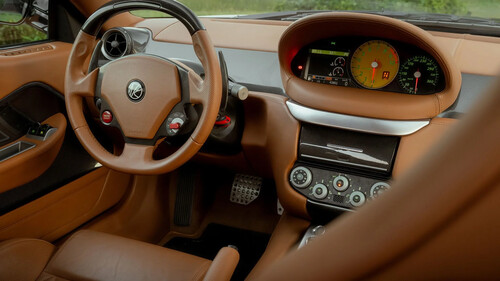
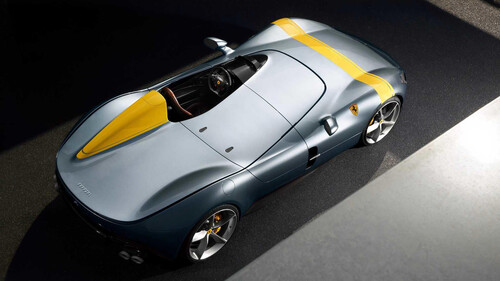
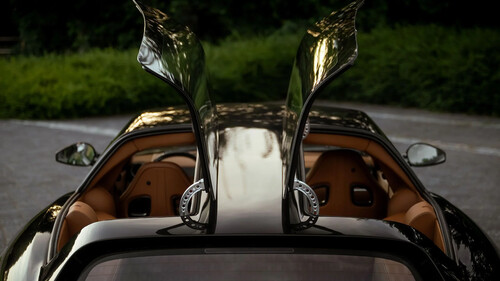
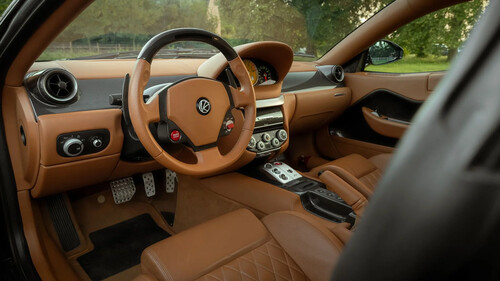
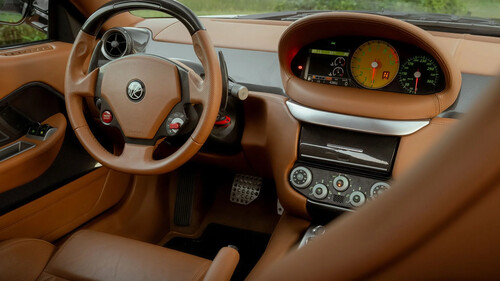
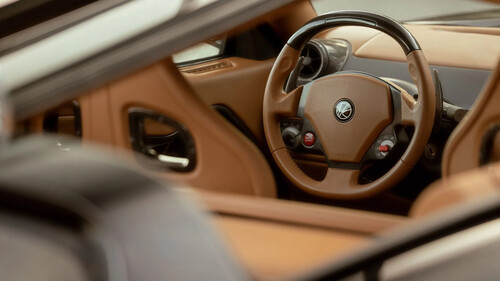
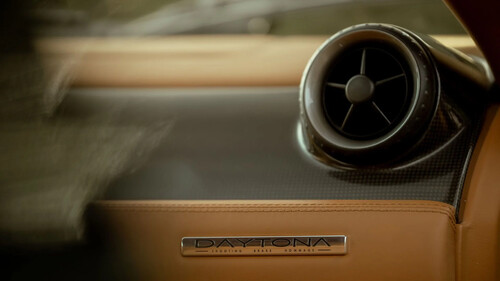
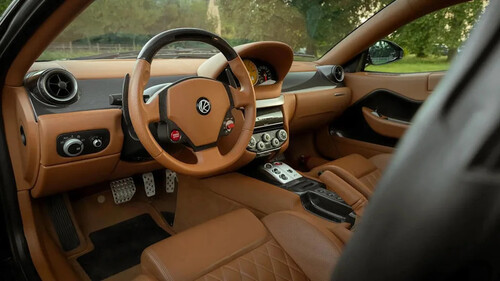
Emma Clark · 3 months ago@emmaclark231A Dutch Company Built This Elegant Shooting Brake as an Homage to One of the Coolest Ferraris Ever Liked by+15 othersPost commentRelated PostsLot of the Day: A 1965 AC Cobra 289 Crosses the Block at Zoute, and Its Conversion Is the QuestionVictoria Young · 14 days agoItaly's Next Supercar Is Inspired By A Mid-Engined Rally IconEmma Harris · 15 days agoOn a Ferrari 308 GTB, the Vetroresina Body Is Only as Valuable as the Paperwork That Proves ItNoah Lavoie · 15 days ago8 Rare Engines With Super High RedlinesOlivia Lee · 15 days agoFor 20 Years, The Bugatti Type 41 Royale Was The Most Expensive Car Sold At AuctionWilliam Lee · 15 days agoMercedes-Benz 300 SL Roadster Wins Best of Show at Bugatti-Led Concurso de Elegancia Costa del Sol 2026Logan Roy · 15 days agoYou Can Thank Jeff Bezos For The Ferrari Luce EVDaniel Gagnon · 15 days agoFuture Classics at Concours DevouJenna Roy · 15 days agoFord GT90: The Quad Turbo V12 DreamCaleb Carter · 16 days agoMcLaren Confirms It’ll Kill Off The Fabulous 750S In 2027Justin Harris · 16 days agoFerrari Says Jeff Bezos Helped Spark Its First EV a Decade AgoMorgan Rogers · 16 days agoThe Best Cars Doug DeMuro Ever Drove Cost Between $20K and $9M — Find YoursEmily Carter · 16 days agoThe Ferrari F50 Just Hit $14.6 Million. Here's What the Record Proves, and What It Doesn'tKayla Brown · 16 days agoRod Stewart’s Former Lamborghini Diablo Goes Up for Auction With a $1 Starting BidOwen Turner · 16 days agoVirtually New 2022 Ferrari 812 Competizione With Just 299 km Heads to ZouteAbigail Johnson · 16 days agoAudi Could Make Its EVs Better By Making Them “Worse”Annabelle Smith · 16 days agoFerrari's 296 Challenge Stradale Already Looks WildGabriel King · 17 days agoHybrid-Free Ferrari 296 Challenge Stradale Spied Wearing Funny-Looking CamouflageGrace Pelletier · 17 days ago5 Cars That Were Unpopular In The '70s, But Now Sell For Serious CashMia Walker · 17 days agoHardcore Ferrari 296 Challenge Stradale To Ditch Hybrid For Pure V6 ThrillsZoë Mitchell · 17 days ago




 +15 others