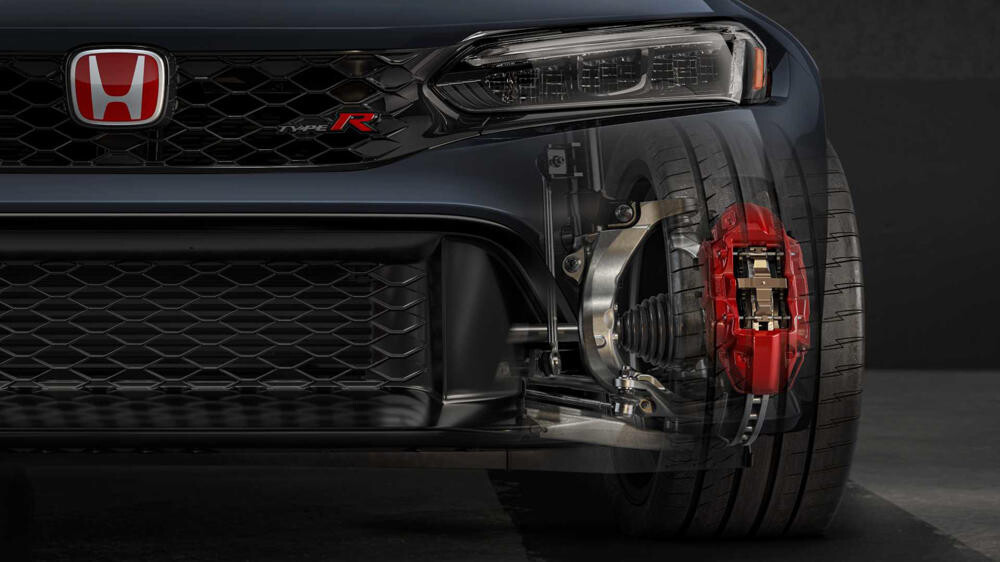
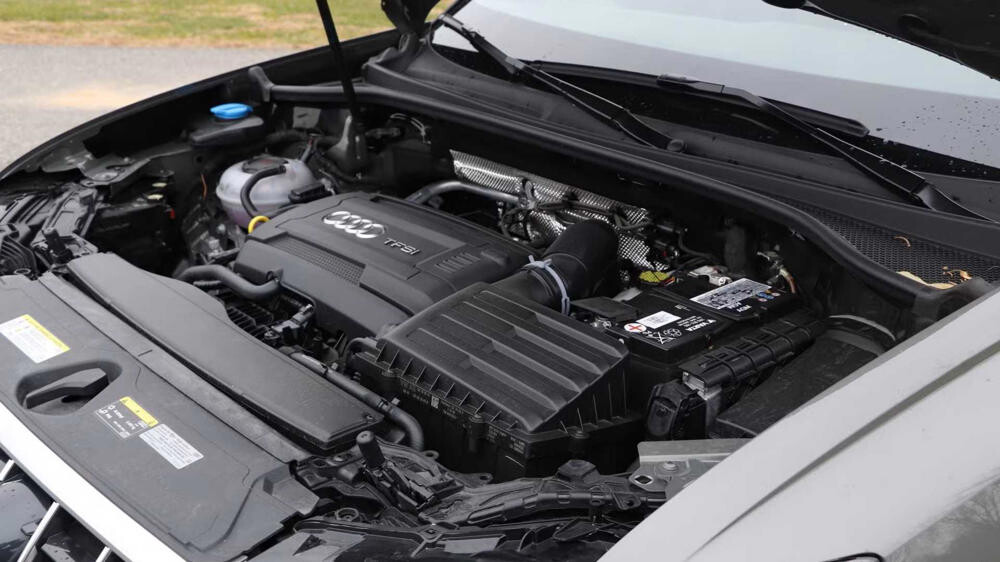
Did you know that the first production car to have an on-board computer was the 1968 Volkswagen Type 3? It was an analog computer, and it only had one job: to electronically control the fuel injection system. Ten years later, in 1978, Cadillac introduced the first electronic trip computer on the Cadillac Seville. Fast-forward to the mid-2010s, and automakers started switching over to more software-based programming and more complex systems for their vehicles. Computers aside, maintenance has become a hot topic for cars lately, as consumers are weighing whether to buy a gas-powered car at all, given that electric vehicles require far less maintenance. We often speak about how luxury car leases get dumped after three years because of the warranty expiring and people not wanting to deal with maintenance after the fact. However, the same could be said about any modern car, as they all require a multitude of maintenance items that need attention. We’re going to go over what those could be. Over-Engineered Complex Powertrains Modern vehicles have some remarkably complicated engines, transmissions, and suspensions. With the popularity of hybrid powertrains on the rise, engines are even more complex to work on, as technicians must navigate a litany of intricate systems. If you open any modern hybrid Toyota, the engine bay looks like a Rubik's Cube in terms of complexity. As a side note, even electric vehicles are complicated to work on and have to be handled by specialized maintenance technicians for the most part. Stressed Out Turbochargers Turbocharged four-cylinder engines seem to be the norm nowadays, even for full-size light-duty trucks like the Chevrolet Silverado 1500 (although V8s are still available). It's not necessarily a bad thing; engineers have figured out how to extract maximum horsepower from very small engines. The problem lies within the turbocharged systems themselves. Forced induction from a turbocharger can often subject the engine and its components to high stress. Turbocharged engines also operate at high temperatures, therefore needing proper lubrication at all times to fire at maximum efficiency. Transmissions Are Complicated Too It's not just four-, five-, and six-speed manual and automatic transmissions anymore. Some transmissions are dual-clutch variants that require complex components and lubricants that need more frequent changing and maintenance. Other transmissions, like 10-speeds, have sophisticated electronic coordination that helps them choose between shifting up to 10th or downshifting to 4th (even though the computer would not allow it) to bring the engine up to speed. Clutch packs for these often cost more as well. Cars Are Rolling Computers Even though electric vehicles are ostensibly easier to maintain, if you happen to buy one that has electronic issues, it ends up being more of a nightmare. Computer issues could have your car not communicating with itself properly and sometimes even rendering it useless. One small electronic component that isn’t communicating properly could cost thousands of dollars just to fix so you can press the accelerator. You could plug an OBD-II scanner in, but it would only give you basic codes. Often, you have to take it to the dealer to have it properly diagnosed. Singular Touchscreens According to Consumer Reports, replacing a singular, integrated module could cost a significant portion of a used vehicle’s overall value. Touchscreen systems don’t just control the radio or navigation anymore. They also house the HVAC controls, the way the car drives, the ambient lighting, and in some cases, every single aspect of the car. Tesla even got rid of a conventional gear selector and used the main touchscreen in its place to switch between forward and reverse. Software Concerns Automakers have also made it increasingly more difficult for you to work on your car yourself. Ford and other automakers engage in something called “VIN locking.” This means you would not be able to install a salvaged taillight on your Ford F-150 without having the dealer activate the software to connect it. This also pertains to secondary shops needing proprietary software in order to even work on the vehicle themselves. Premium Features Have A Premium Price Later On This is especially true when it comes to luxury vehicles. While massage chairs, soft-closing doors, and heated seats are desirable premium features, they eventually break. It’s not just luxury vehicles either; other more premium cars, and even just standard cars, all have complex safety systems. All of these things can add up to hundreds, sometimes even thousands, of dollars that might not be what you’re looking to spend to fix something like the airbag that pumps the massage chairs. Suspensions Aren't Just Mechanical Anymore Most suspension systems still use the conventional torsion beam, multi-link, or solid-axle setup. There are some that have specialty setups, like the Genesis G80, which has active electronically controlled dampers that preemptively adjust suspension stiffness based on road conditions read by a forward camera. Auto4Export estimates that an air suspension system could be between $500 and thousands of dollars to repair. While they might offer a smoother ride, they’re not always smooth to fix. Safe, But At What Cost? Safety features, as you can imagine, feature complex radars and cameras that render them, again, difficult and expensive to fix. According to IIHS, what once was a $250 fix for a windshield now costs $1,000 or more to fix. This is due to the cameras mounted on the windshield and the recalibration required afterward. It's a whole gamut now. General Maintenance Myths The myth of needing to get your oil changed every 3,000 miles started because quick-lube companies like Jiffy-Lube wanted to get more customers coming into the door more frequently. In 2010, Jiffy-Lube finally decided to make maintenance plans more customary for whichever kind of car you drove. Another common myth is that premium gas makes cars faster and cleans the engine. Octane ratings only prevent engine knocking, and even then most cars have knock sensors now. Different octane grades contain the same amount of energy and make no difference unless the manufacturer specifies otherwise, as with any turbocharged Mazda. “Lifetime Fluid” For A Sealed Transmission Transmissions used to have a dipstick in the engine bay to check the fluid’s condition. Now, you typically have to get under the car to check the fluid. According to ZF, if you do not change the transmission fluid at the recommended interval, the additives can lose their potency and increase the risk of oxidation. Beyond transmission fluid, other fluids such as engine coolant must also be the correct type. Using the incorrect coolant can introduce particulates that damage the engine and degrade the cooling lines. Plastic Engine Components Don't Mean Reliable A huge example of this unreliability when it comes to plastic components can be found in the Volkswagen Group's EA888-family 2.0-liter turbocharged engine. This engine can be found in everything from the Golf GTI to the Audi A4. This engine is infamous for water pump and thermostat housing leaks, which can cost serious money to repair. Plastic and composite materials are easier to fit in an engine bay and are lighter weight, but repeated exposure to extreme temperatures can render them useless after a while. Sources: VW, Jiffy Lube, IIHS, ZF, Auto4Expert, Consumer Reports

 Liked by Mason Rogers, Evan Wilson
 Liked by Mason Rogers, Evan Wilson