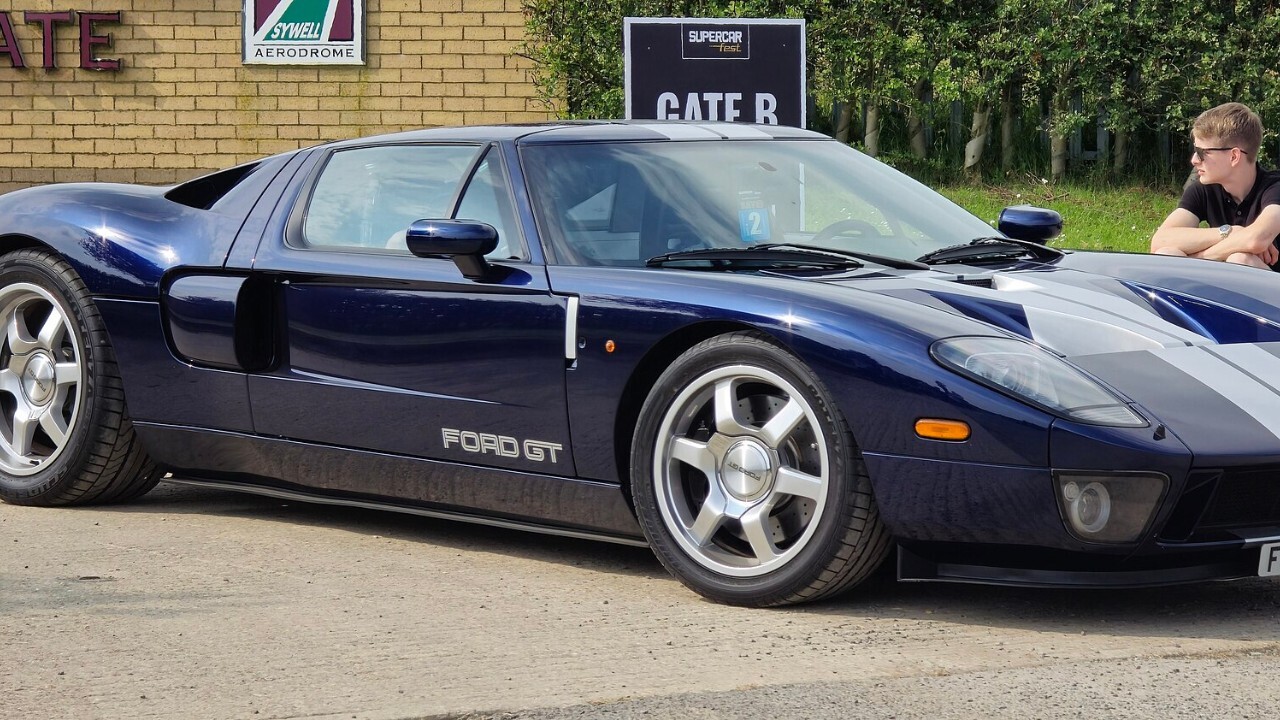
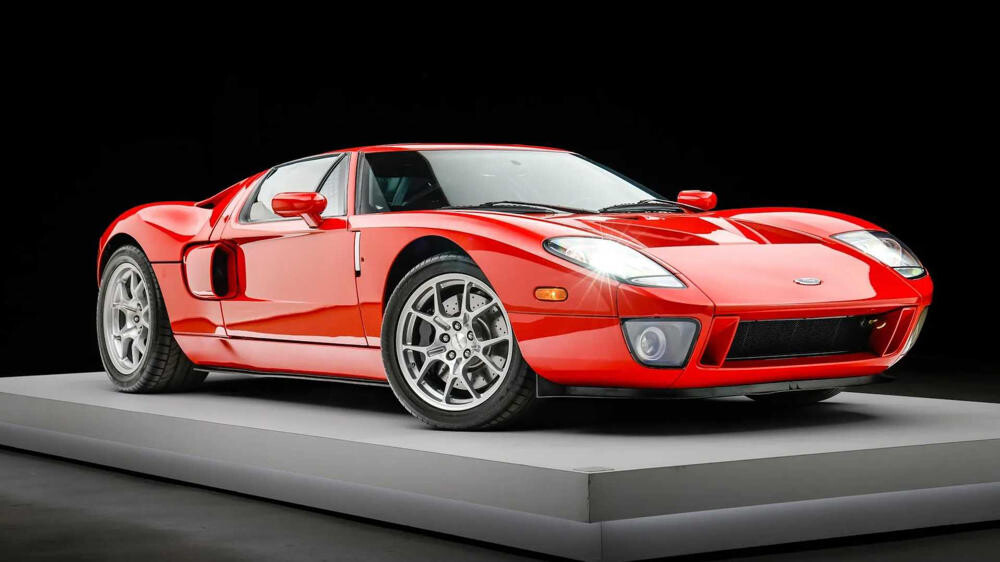
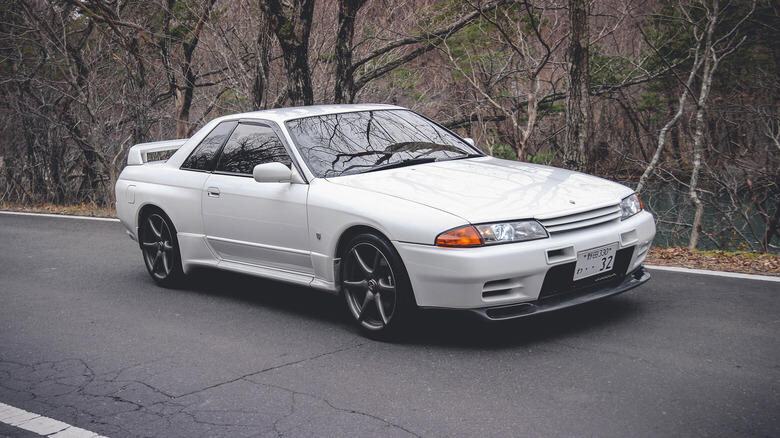
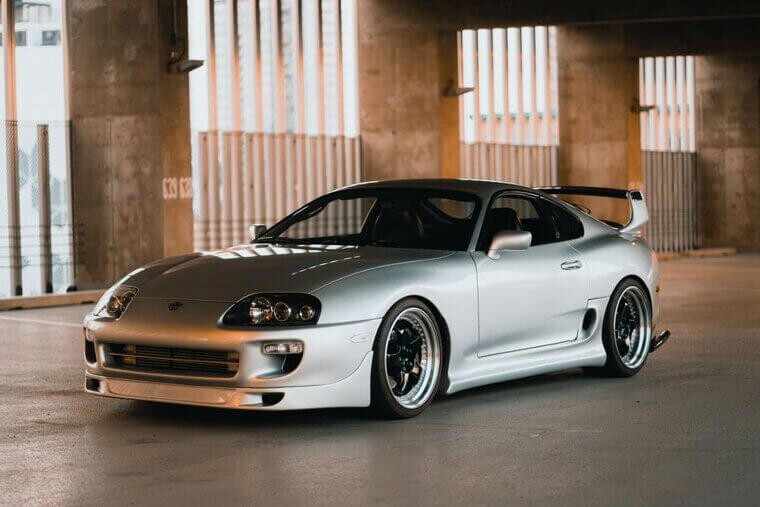
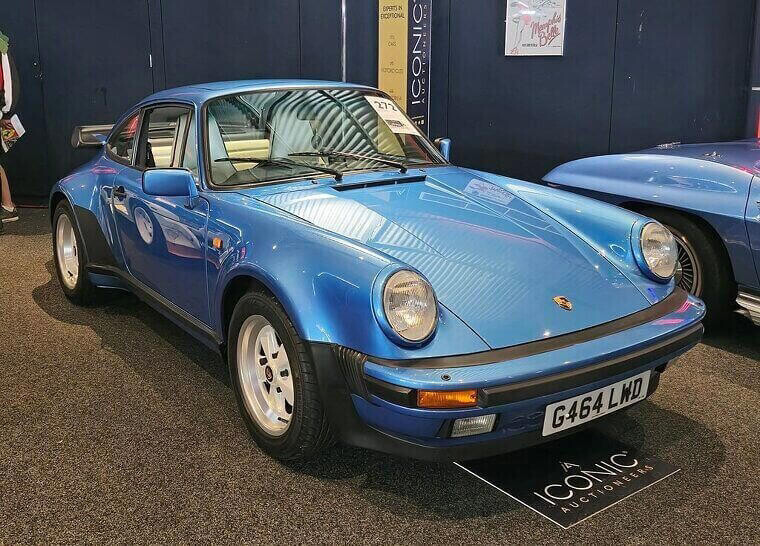
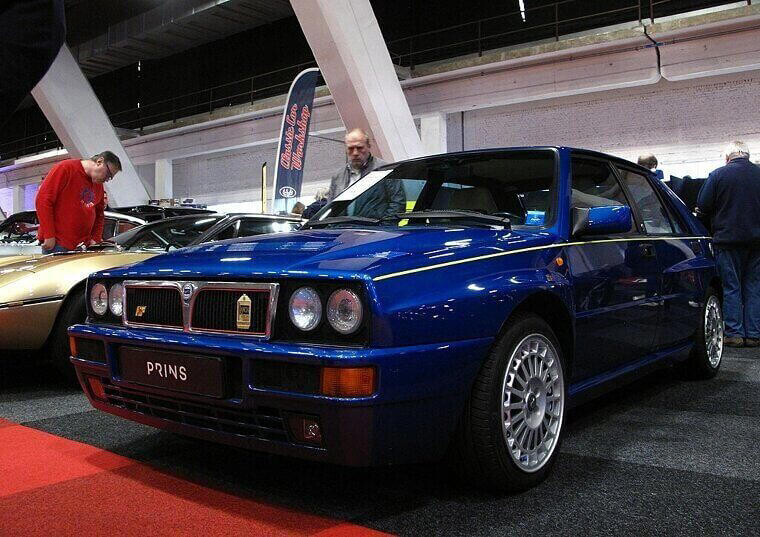
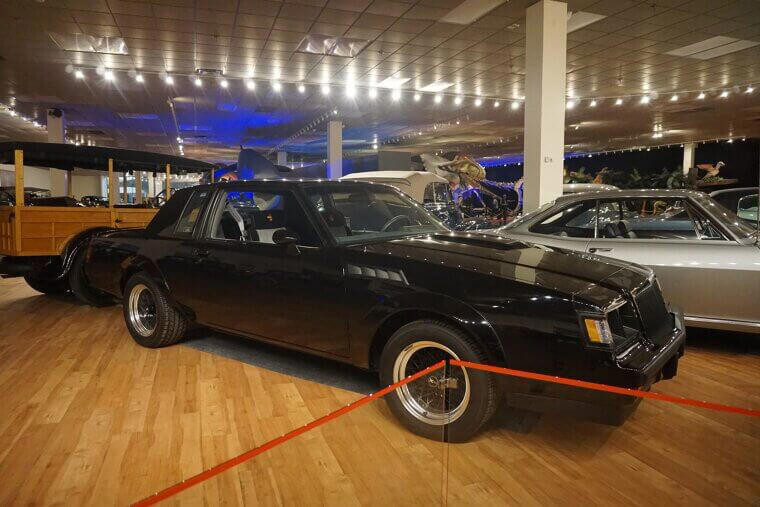
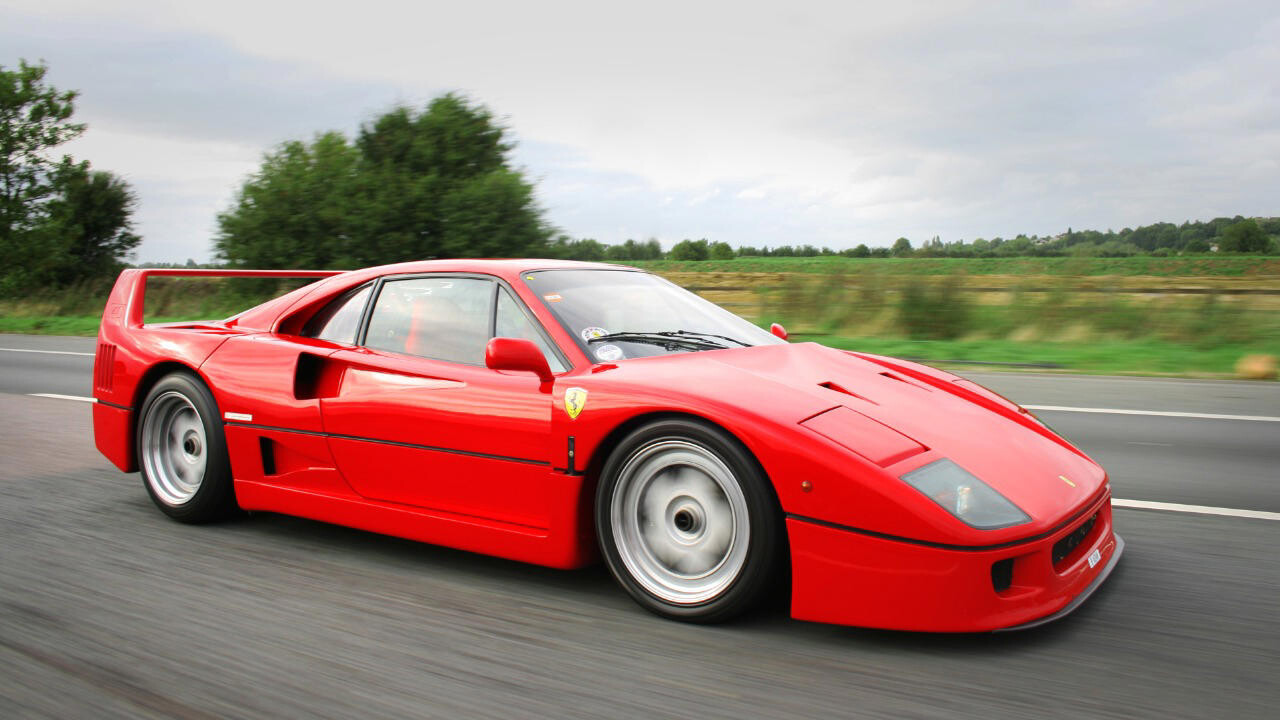
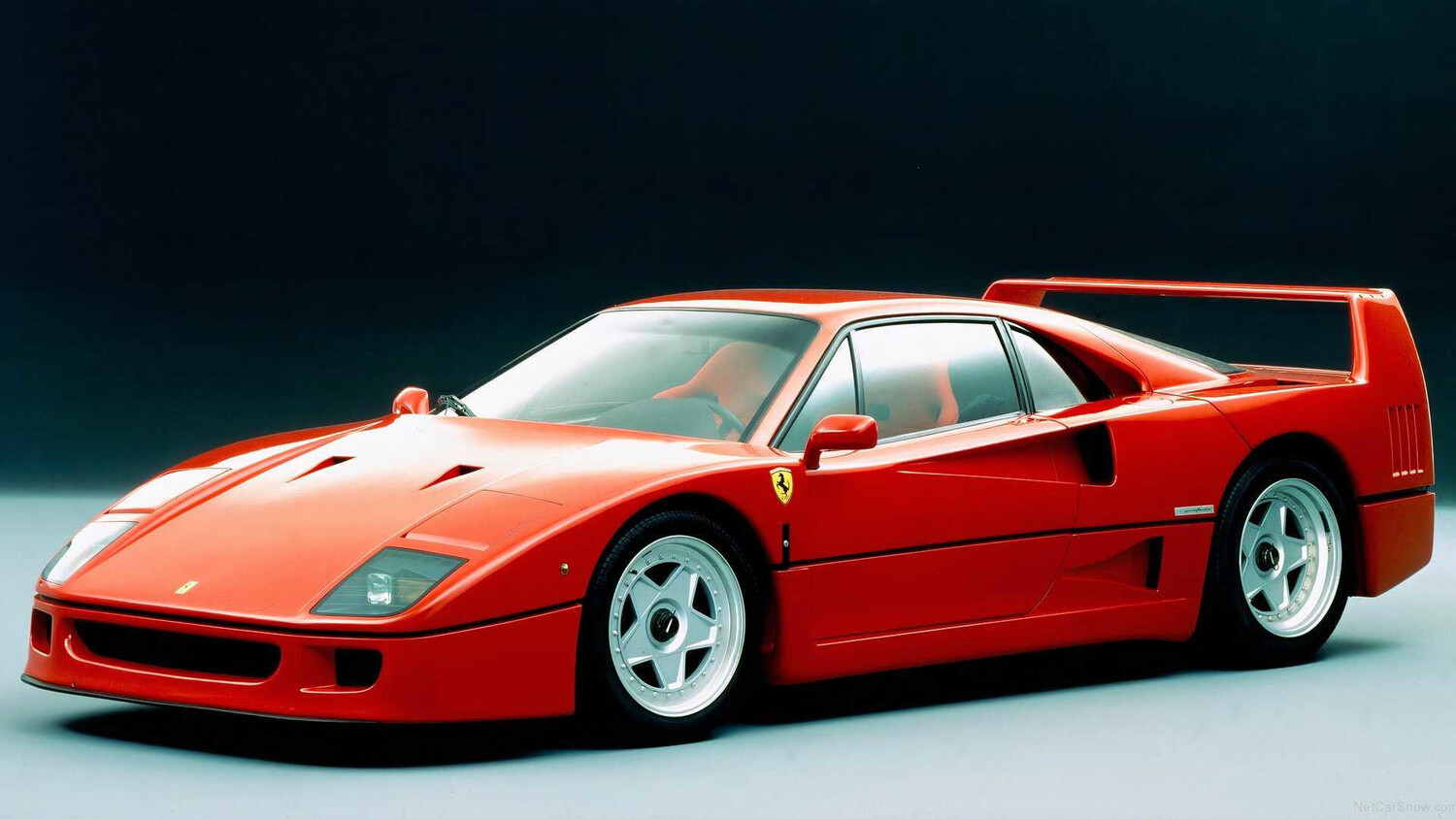
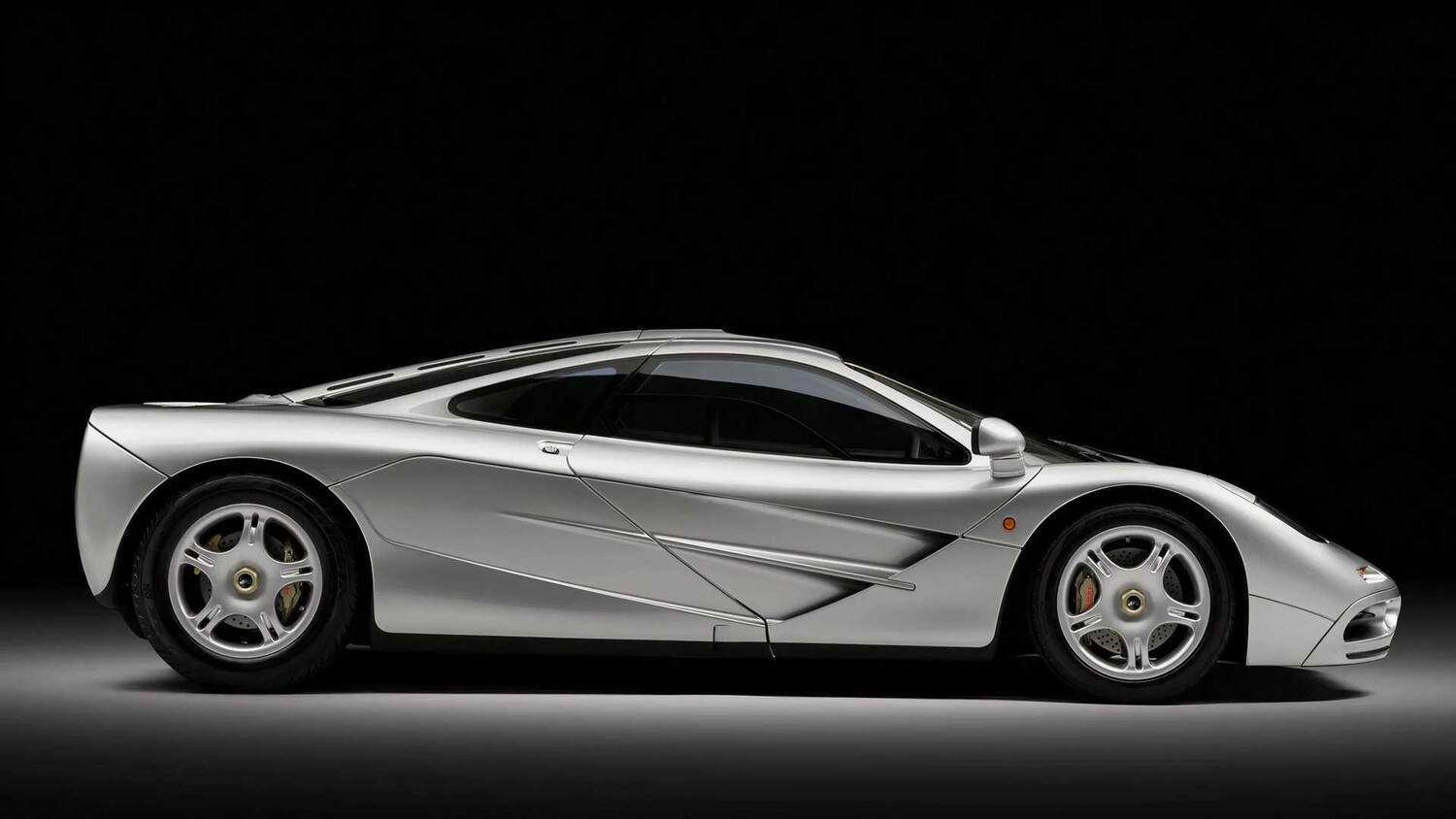
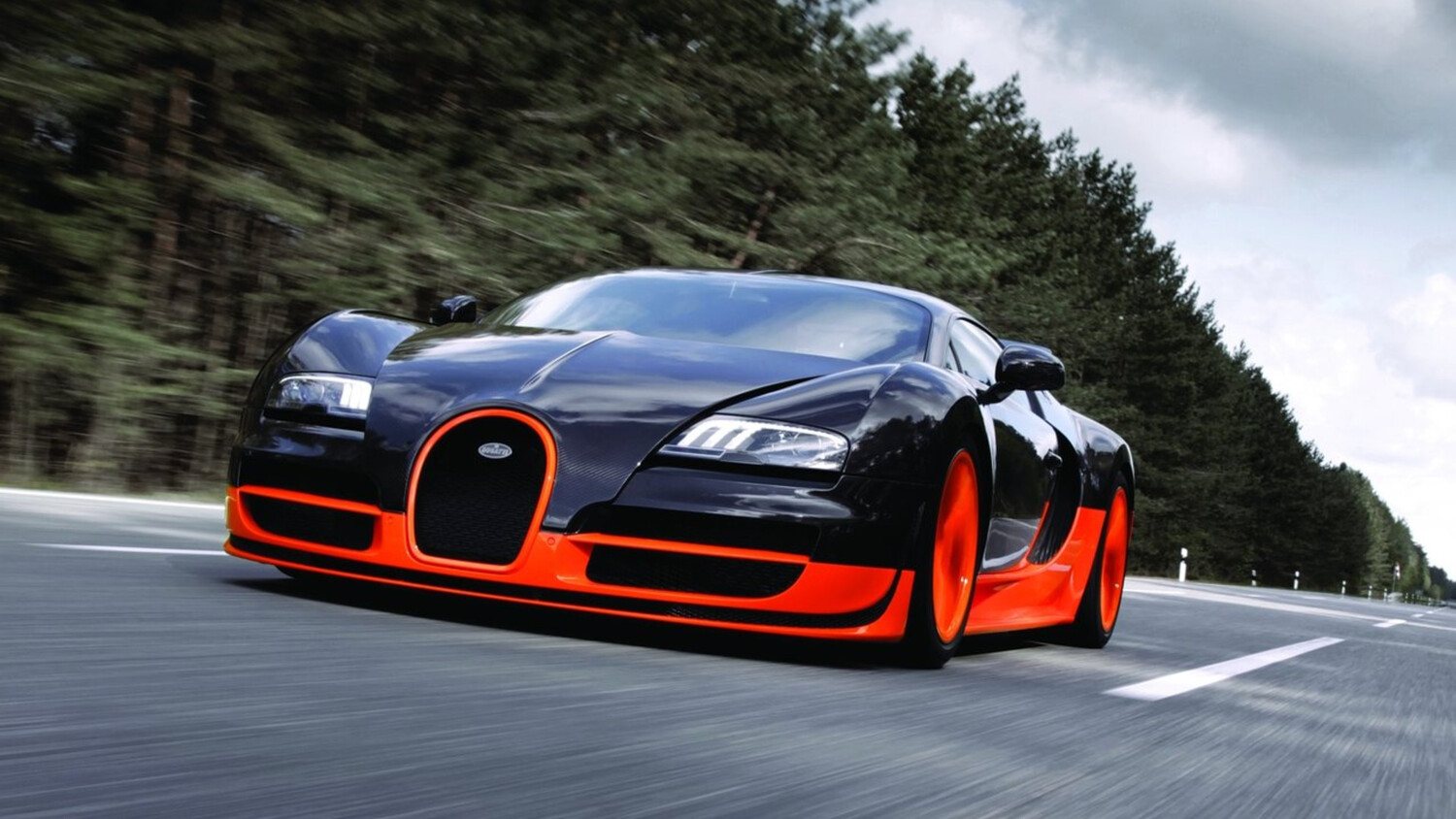
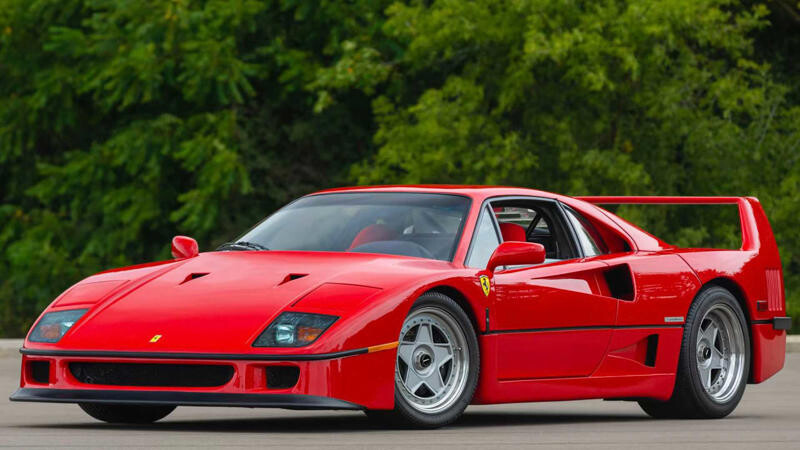
Lamborghini built only 157 examples of the original Countach LP400, the early car fans call the Countach Periscopo, before production moved on in 1978. Nearly five decades later, a Countach Periscopo stops people in their tracks. Some performance cars simply refuse to age. Plenty of fast cars felt exciting for a season and then faded. Their styling dated, their numbers got beaten, and their posters came off bedroom walls. A select few, however, kept their appeal long after newer, quicker machines arrived. These are our picks, 11 performance cars we think never lost their shine, from 1960s American muscle to a 2005 supercar. Every choice is our opinion. By contrast, the engines, outputs and production numbers come from maker records and the references linked in the list. 1. 1967 Shelby GT500 The 1967 GT500 belongs to the last season when Shelby American built Shelby Mustangs itself. From 1968 through 1970, Ford took over production. That makes the 1967 car part of the last run Shelby American built under its own roof. Its engine set the tone. Shelby fitted a 428-cubic-inch Police Interceptor V8 with an aluminum mid-rise intake and two 600-cfm Holley four-barrel carburetors. The result was rated at 355 horsepower and 420 lb-ft of torque. In other words, it had enough torque to overwhelm the rear tires on demand. Shelby built 2,048 GT500s for 1967. That isn’t tiny, but it’s small enough that real ones command attention. Meanwhile, in our view, its extended nose and scoops gave it a look no regular Mustang could match. Later, pop culture added another layer. The 2000 remake of Gone in 60 Seconds featured a custom 1967 Mustang fastback dressed as a GT500, nicknamed Eleanor. Although that movie car wasn’t a factory model, it brought a new generation to the real thing. Our take: the 1967 GT500 looks fast even when parked. Because of the movie fame, though, clones are everywhere. If you’re buying, verify the car with Shelby registry records before trusting any badge. 2. 1967 Chevrolet Corvette L71 427 The 1967 Corvette carried an unusual carburetor setup. The L71 427 used three two-barrel carburetors under a triangular air cleaner. According to Hagerty, the center carburetor did most of the work, and the outer two opened progressively as you pushed harder. That made it GM’s only triple-carb system in 1967. Even now, the numbers impress. Chevrolet rated the L71 at 435 horsepower and 460 lb-ft, with solid lifters and 11:1 compression. Chevrolet built 3,754 L71 cars, far more than the L88 or L89. Overall Corvette sales that year came to 22,940, the lowest since 1964. As a result, a 1967 big-block car blends rarity with what we consider the cleanest version of the Sting Ray design. Hagerty’s figures show the market agrees. An L71 convertible in top #1 condition is valued at $265,000, while a #4-condition car sits around $95,600. Our take: if you want the finest expression of the classic Sting Ray, this is the one. We’d look for documented L71 cars only, since engine swaps are common. The sound of that tri-power setup at full throttle alone makes the hunt worthwhile. 3. 1975 Lamborghini Countach LP400 Periscopo The Countach Periscopo got its nickname from a hole in its roof. Rear visibility was so poor that Lamborghini fitted a periscope-style rear-view mirror built into the cabin roof. Donnelly Mirrors supplied the system. Later Countach models dropped it for conventional mirrors, which is why fans treasure the early cars. Marcello Gandini of Bertone styled the car, and the shape looks futuristic even today. A prototype appeared at the 1971 Geneva show, and production started in 1974. The name came from “contacc,” a Piedmontese exclamation of astonishment. Gandini later said it began as a joke. Behind the cabin sat a 3.9-liter V12 rated at 375 PS, or 370 horsepower, at 8,000 rpm. Meanwhile, the scissor doors swung upward and forward on gas struts, a trick Gandini had first used on the Alfa Romeo Carabo concept in 1968. Lamborghini built only 157 LP400s before production ended in 1978. By comparison, the company built 1,983 Countaches over the model’s whole life. That makes the Countach Periscopo a small, pure slice of a famous story. In our view, the LP400 Countach Periscopo is the cleanest Countach of all. It lacks the big wings and flares that came later. If you ever see one at a show, look up at the roof. That little periscope tells you you’re standing next to something special. 4. 1987 Ferrari F40 Ferrari unveiled the F40 at the Maranello civic center on July 21, 1987. It marked the company’s 40th anniversary, and Enzo Ferrari reportedly saw it as his final, definitive car. According to Ferrari’s own history page, the launch produced 900 orders. The engineering explains the fuss. Engineer Nicola Materazzi led the technical work, and Pininfarina shaped the body. A tubular steel chassis with Kevlar reinforcement gave three times the torsional rigidity of a normal road car. Meanwhile, the suspension could adjust to three different ride heights depending on speed. Power came from a twin-turbo 90-degree V8 producing 478 CV. With a weight of 1,100 kilograms, the F40 reached 100 km/h in 4.1 seconds and topped out at 324 km/h. Those figures feel quick even today. Prices also told their own story. Ferrari listed the car at 380 million lire, yet resale values quickly climbed to 1.6 billion lire. In short, buyers understood right away that this was a landmark. Our take: the F40 never needed screens or driver aids to feel thrilling. It’s raw, loud and honest, and that’s exactly why it has aged so well. We’d call it the high-water mark for analog supercars. 5. 1988 Ferrari Testarossa The Testarossa’s famous side strakes had a job to do. Ferrari moved the radiators from the nose to twin positions at the sides, toward the rear. That reduced piping and kept heat out of the cabin. The strakes, nicknamed “cheese graters,” fed air to those radiators while satisfying rules in several countries against large body openings. Pininfarina, led by Leonardo Fioravanti, drew the body. Behind the seats sat a 4.9-liter flat-12 with four valves per cylinder. European cars made 390 PS, about 385 horsepower, while early U.S. versions made a little less. Then television sealed its fame. A white Testarossa became Don Johnson’s car on Miami Vice from the 1986 season onward. Suddenly, the wide Ferrari was the picture of 1980s success. Ferrari built the Testarossa family from 1984 to 1996, including the later 512 TR and F512 M. Almost 10,000 cars rolled out across all versions. That makes it common by Ferrari standards, but the design stands out on any street. Our take: the Testarossa is pure 1980s, and we mean that as a compliment. The width, the strakes and the flat-12 sound make it unlike anything built today. If you’re shopping, put a full service history at the top of your list. 6. 1989 Lotus Esprit Turbo SE The Esprit Turbo SE proved that a four-cylinder could run with V8 exotics. Its 2.2-liter turbocharged engine made 264 horsepower, or 280 horsepower on overboost. Lotus added a water-cooled intercooler it called a “chargecooler,” and in 1989 the engine switched to multi-point fuel injection. As a result, the performance was serious. The Turbo SE reached 60 mph in 4.7 seconds and topped 160 mph. For a car with half the cylinders of many rivals, that was a remarkable result. Meanwhile, its looks had changed. Giorgetto Giugiaro designed the original wedge-shaped Esprit, which entered production in 1976. Then, in 1987, Peter Stevens softened the lines with a rounder restyle. The SE wore that updated body, which kept the low, sharp stance while looking more modern. Lotus built the Esprit from 1976 to 2004, for a total of 10,675 cars. In addition, an Esprit SE appeared in the film Pretty Woman, giving the car a dose of Hollywood fame. Our take: the Turbo SE is one of the great underdogs of the era. It’s light, quick and full of character. If you want one, check service records carefully, especially for the turbo and cooling system. A well-kept example feels sharp even now. 7. 1993 Porsche 911 Carrera RS 3.8 The 964-generation 911, built from 1989 to 1994, brought big changes to Porsche’s icon. A new 3.6-liter flat-six made 250 PS in standard naturally aspirated form. Porsche also offered all-wheel drive and its first Tiptronic automatic. The Carrera RS 3.8 took the opposite approach. According to the Porsche Newsroom, Porsche revived the RS name in the 964 era to support its racing efforts. For 1993, the Carrera RS 3.8 received a 3.8-liter naturally aspirated engine with 300 PS. That focus shows in the car’s character. It’s a road car built with the track in mind, and it wears its purpose openly. Meanwhile, the 964 itself has become a favorite among Porsche fans, because it blends classic air-cooled feel with more modern engineering. Our take: the RS 3.8 is the most focused 964 you can buy. It never lost its shine because it was always aimed at drivers rather than showrooms. Most enthusiasts will see one only at a high-end auction or a Porsche gathering. If you do get the chance, listen to that 3.8 at full song. It explains everything. 8. 1997 Toyota Supra A80 Turbo The fourth-generation Supra arrived for 1993, and its Turbo model quickly became a performance legend. The 2JZ-GTE inline-six used two turbochargers that worked in sequence rather than in parallel. As a result, it pulled strongly from low revs and kept going up top. In U.S. form, the engine made 320 horsepower. Turbo models also got a six-speed Getrag/Toyota gearbox, while naturally aspirated cars kept a five-speed. Those numbers put the Supra in the same league as far more expensive sports cars. Toyota pulled the Supra from the U.S. market after 1998. That short run is one reason the turbo cars became so desirable. Moreover, in our view, the 2JZ engine’s sequential-turbo design gives it a character few rivals matched. The Supra’s long, smooth body still looks modern to our eyes. In fact, a clean A80 has aged better than most of its 1990s rivals, and the shape alone draws a crowd at any meet. Our take: the A80 Turbo is the Japanese sports car that refused to fade. If you’re shopping, be wary of heavily tuned cars without records. A clean, original turbo six-speed is the one we’d chase. 9. 1997 Ferrari F355 Berlinetta The 1997 F355 Berlinetta made history with its gearbox. That year, it became the first road car with Formula One-style paddle-shift control. The F1 system let drivers change gears with paddles behind the wheel, a feature that would spread across the industry. The engine deserves just as much credit. Its 3.5-liter V8 used five valves per cylinder and produced 380 PS, about 375 horsepower, at 8,250 rpm. In other words, it loved to rev, and its sound became a big part of the car’s appeal. Ferrari built the F355 from May 1994 to 1999. Maurizio Corbi at Pininfarina shaped the body. In total, Ferrari built 11,273 F355s, which made it the company’s most-produced model at the time. The Berlinetta accounted for 4,871 of them, with 3,829 manuals and 1,042 F1 cars. Because of those numbers, buyers can choose between the classic gated manual and the pioneering paddle shifter. Each has its own fans. Our take: the F355 is one of the best-looking Ferraris of the 1990s. It feels special, especially with the manual. If you’re buying, a car with complete service records is worth paying more for. 10. 2001 Nissan Skyline GT-R V-Spec II R34 The R34 GT-R arrived in January 1999 with a 2.6-liter twin-turbo RB26DETT inline-six. Nissan officially quoted 280 PS, in line with a gentlemen’s agreement among Japanese makers to cap advertised output. Tests, however, suggested the real number was higher. The V-Spec II arrived in October 2000. It added stiffer suspension, larger rear brake rotors and a carbon fiber hood with a NACA duct. Inside, it got aluminum pedals and black cloth seats. Nissan built 1,855 V-Spec II cars for Japan, plus two for New Zealand. The GT-R name carried a heavy reputation by then. Australian magazine Wheels had nicknamed the earlier R32 GT-R “Godzilla” in 1989. Moreover, the R32 had won every one of the 29 Japanese Touring Car Championship races it entered. Production of the R34 GT-R ended in November 2002, after about 11,578 cars. That closed the chapter on the Skyline GT-R as many fans knew it. Our take: the V-Spec II is one of the sharpest versions of an already special car. If you’re shopping, focus on documented, unmodified cars, since many GT-Rs were tuned hard. The carbon hood makes the V-Spec II easy to spot. 11. 2005 Ford GT The 2005 Ford GT came together across several Michigan and Ohio sites. Assembly started at Mayflower Vehicle Systems in Norwalk, Ohio. Saleen handled painting in Troy, Michigan, and Ford’s Romeo plant built the engine. Finally, Ford’s Wixom plant installed the drivetrain and finished the interior. The car honored the GT40, which won Le Mans four straight times from 1966 to 1969. Ford tied its launch to the company’s 2003 centenary. Power came from a supercharged 5.4-liter V8 rated at 550 horsepower and 500 lb-ft of torque. Top speed was 205 mph. Ford built 4,038 cars in total. The sticker price was $139,995. Even so, some early cars sold for as much as $100,000 above that, which shows how badly people wanted one. Above all, the design is what makes it timeless. It follows the original GT40’s shape closely, yet it never feels like a cheap copy. Instead, it looks like the 1960s race car grew up for the modern road. Our take: the 2005 Ford GT is the American supercar that aged best. Its supercharged V8 and GT40 shape feel even more special two decades on. Ford built 4,038 of them, and each one draws a crowd.

 Liked by Lily Bouchard, Caleb Lavoie
 Liked by Lily Bouchard, Caleb Lavoie