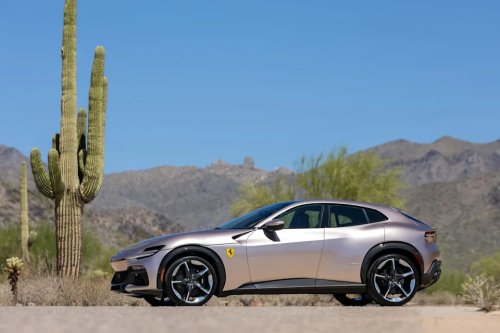
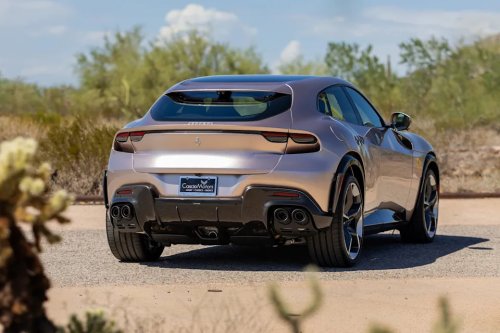
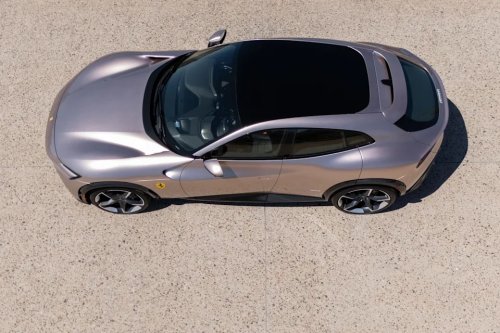
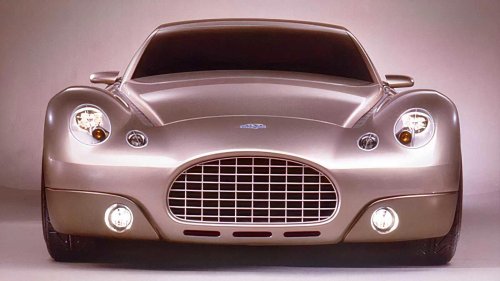
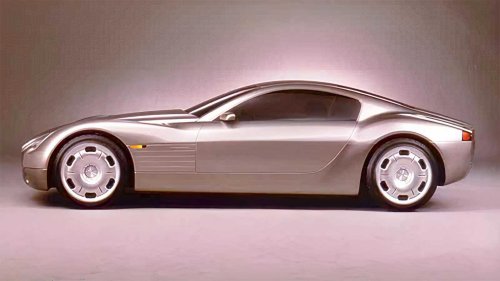
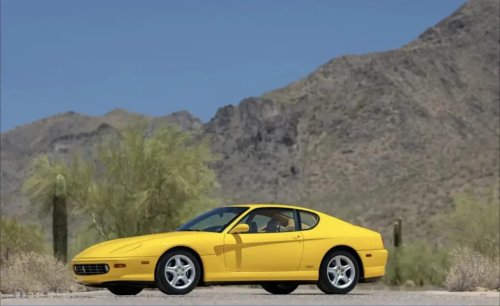
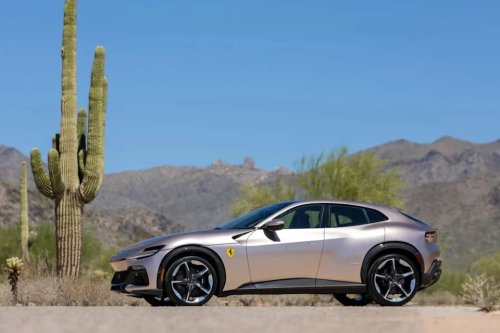
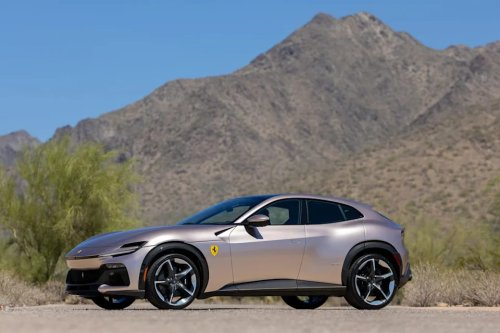
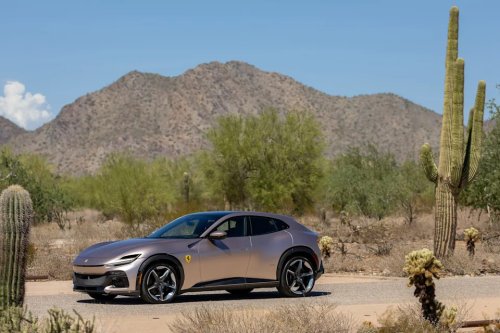
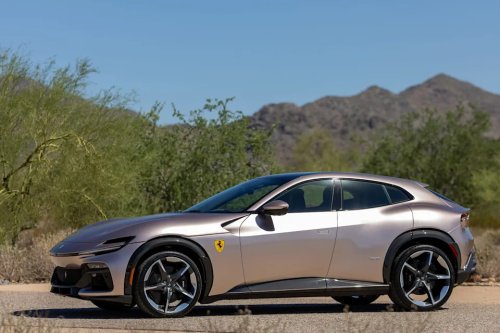
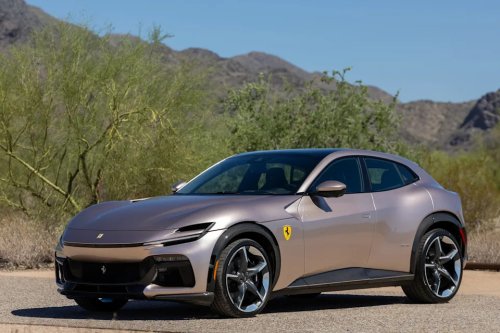
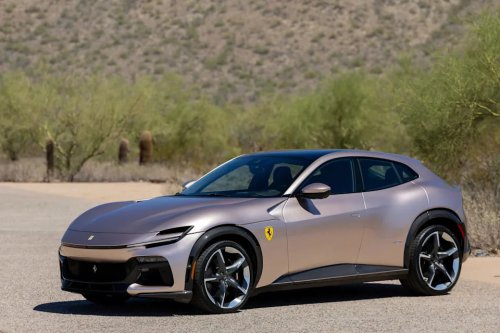
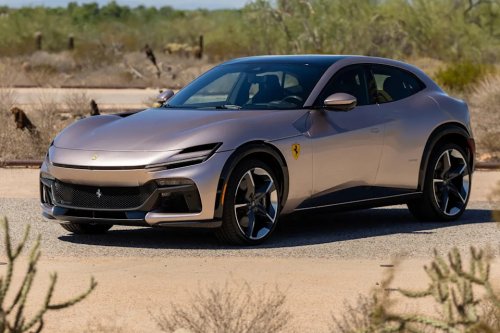
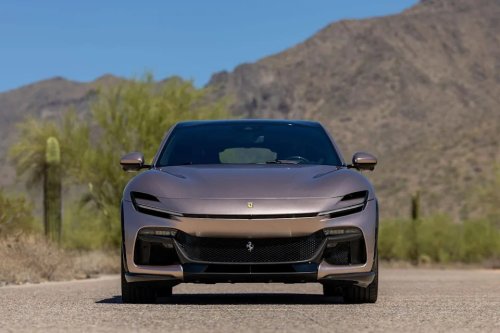
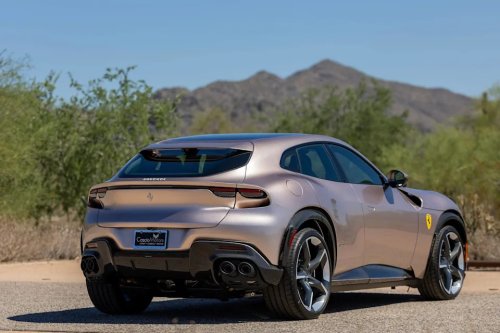
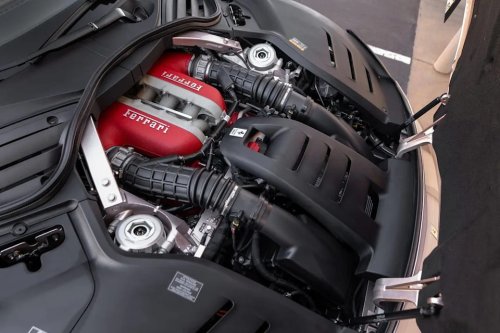
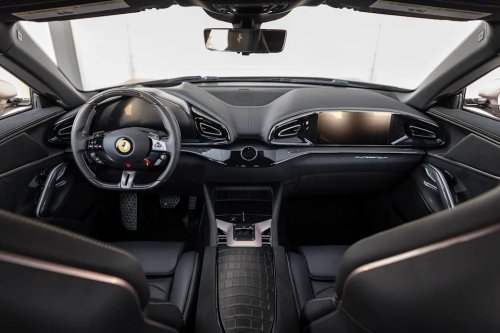
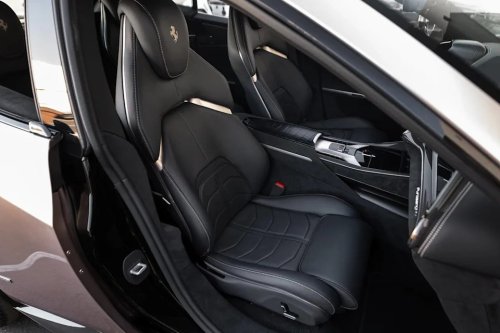
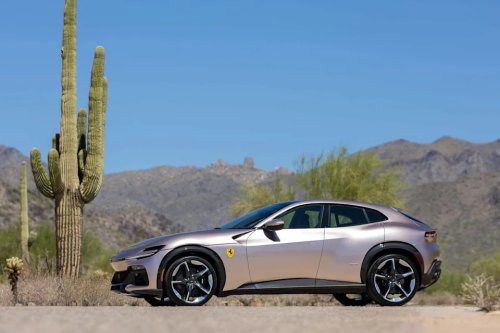
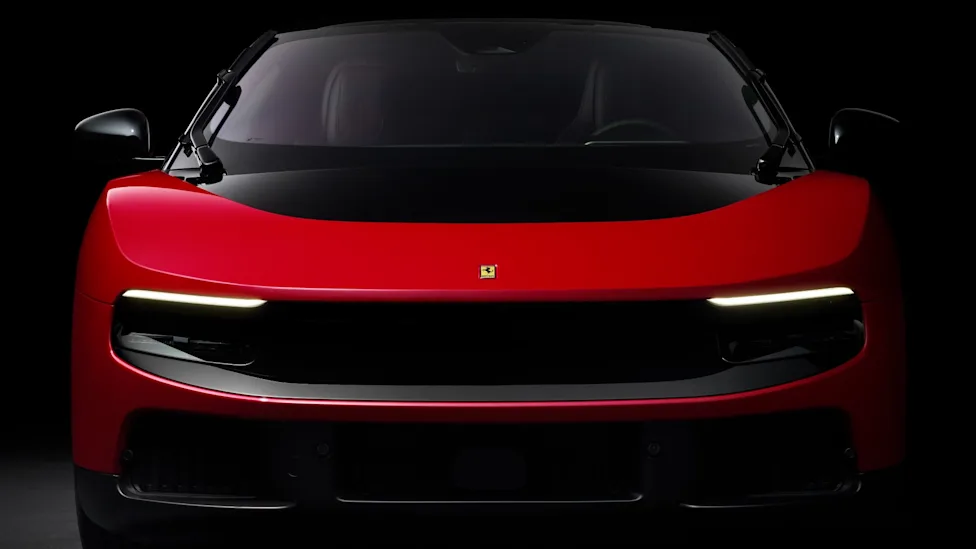
Ferrari has unveiled the Luce, a 1,000 horsepower, quad-motor, four-door EV with better aerodynamics than any vehicle the legendary Italian company has ever produced. It will go from 0-60 in just 2.5 seconds, each wheel will manually adjust its power output to increase controllability, and the response from the public has been… Mixed if I’m being polite.The criticism hasn’t been leveled at the Ferrari’s spec sheet, which is pretty impressive even if certain competitors like the Lucid Air Sapphire outshine it in performance terms. Instead, people are pulling it up on its looks.That’s understandable. The Luce looks pretty generic. You can draw parallels with efforts from Nissan and Hyundai, and it’s easy to guess all went wrong. Automotive design is all about trade offs. You can have a massive, 8-liter, 600 horsepower, V-12, but your fuel economy is going to be awful. If you’re designing a hypercar, you make that tradeoff. With an EV, the choice is a little more complex.AdvertisementAdvertisementAs mentioned, this is the most aerodynamic Ferrari ever made. Aerodynamics are pretty vital to electric vehicles. Dropping the amount of air resistance the vehicle faces doesn’t just increase speed and acceleration, it significantly boosts battery life. Unfortunately for Ferrari, all EV makers know this and put a lot of effort into reducing drag.The science is pretty set on something like aerodynamics, so if everyone is trying to do the same thing, and that thing centers on the vehicle’s shape, the end results are all going to come out somewhat generic. Which is what I believe happened here. Still, despite the shaky start, there may be light at the end of the tunnel for the Maranello-based automaker.Could the new Ferrari Luce eventually become a collectible?FerrariOne of the sticking points with the Ferrari Luce is its $640,000 price tag. Some detractors claim that it should be one of the most affordable vehicles in Ferrari’s lineup. Much of the harsher criticism compares it to entry-level EVs like the Nissan Leaf, claiming you can get something that looks similar for a shade over $30,000.But love it or hate it, Ferrari did take a bold direction with the Luce’s design. When an ultra-high-end automaker does that, criticism is bound to follow. We saw it with the Lamborghini Countach. The wedge-shaped supercar is now an icon of the 1980s, but at the time it received a mixed response. The Porsche 996 had its critics, and much of that criticism persists to this day. But it’s the car that “saved Porsche.”AdvertisementAdvertisementEven outside of the automotive world, look at something like the Rolex Oysterquartz. It’s something Rolex, in many people’s eyes, should not have done. Putting a quartz movement into that iconic case goes against the core ethos of the company. It was a massive, electrically-powered, mistake.But it debuted when quartz watches were a relatively new thing, and a little exciting. Rolex stuck with it for over 30-years before finally deciding only automatic movements (or manual wind in some niche cases). Now the Oysterquartz is a pretty desirable collectible. A quirk from the storied company’s past, and a great opportunity to catch out people who don’t quite know their watches when you make a “I need a battery for my Rolex” joke.Maybe the Luce will eventually find a similar status. If I had to put money down, the backlash is there and it will impact sales. The production timeline of the Luce may be shorter than anticipated, and when you account for the money spent on research it might even be a pretty big flop for the Prancing Horse.But, as Oscar Wilde once said, “There is only one thing in life worse than being talked about, and that is not being talked about.” The controversy has already sealed the Luce’s place in history, before a single vehicle has been delivered to a customer. And success or not, it’s going to be something people mention when discussing Ferrari for decades to come.


















 +46 others