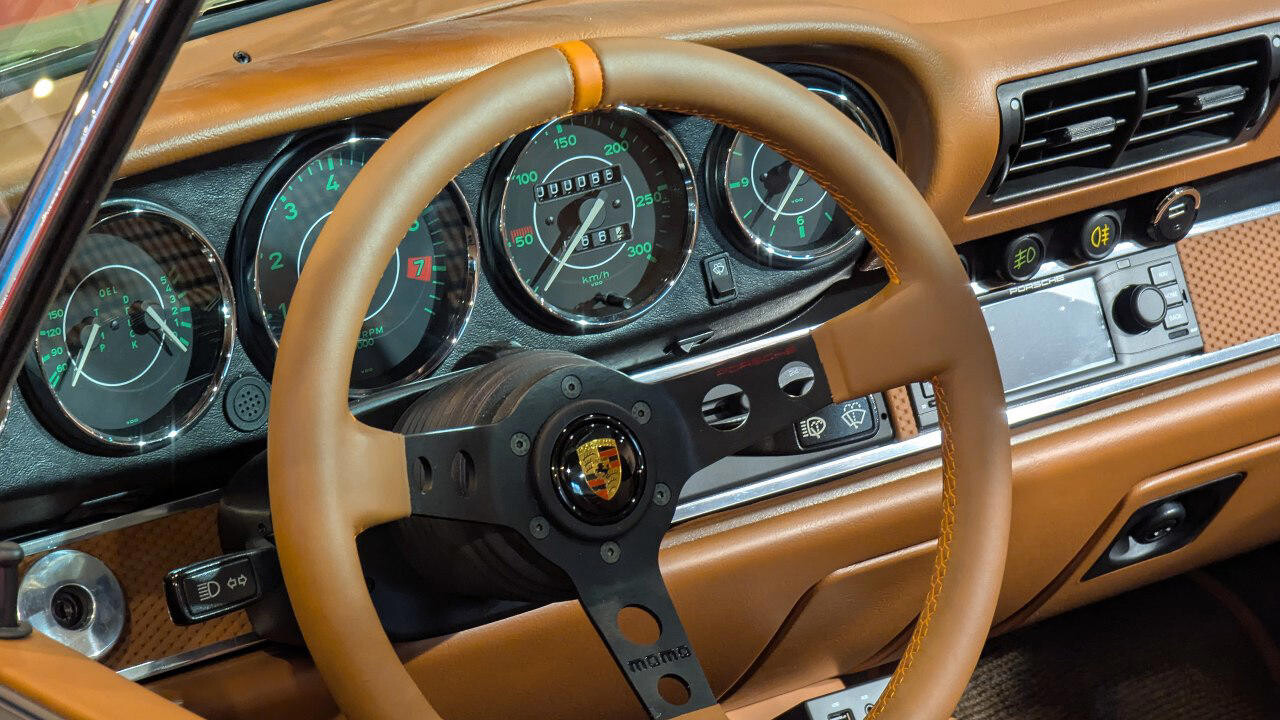
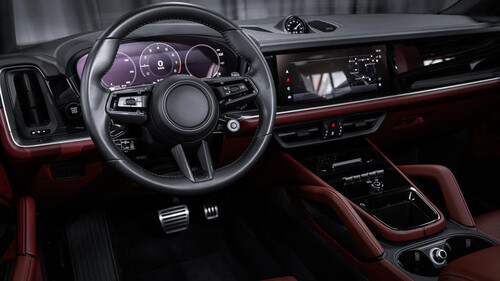
Classic car dashboards are a nostalgic reminder of a bygone era, often featuring an array of toggle switches that were both functional and iconic. These switches were not just a design choice but a reflection of the technological and ergonomic considerations of their time. Understanding why toggle switches were prevalent offers insight into automotive history and the evolution of user interface design. The Evolution of Dashboard Design In the early days of automotive design, dashboards were scarce on controls, often featuring only the most basic functions such as a steering wheel and a speedometer. As technology advanced, the need for more complex controls became evident. This evolution was driven by the incorporation of new technologies, such as radios and air conditioning, which required their own set of controls. The dashboard became a hub of activity, necessitating an intuitive interface that could easily manage multiple functions. The influence of aviation technology on car dashboards cannot be overstated. Aircraft cockpits, known for their heavy use of toggle switches, were designed for efficiency and clarity. This functional design made its way into automotive dashboards as car manufacturers sought to replicate the straightforward usability found in aircraft. As we fast forward to the modern era, the transition from toggle switches to digital interfaces and touchscreens is unmistakable. The sleek, button-less designs of contemporary cars, such as the Tesla Model 3, are a far cry from the tactile-heavy dashboards of yesteryear. However, the principles of user-friendly design remain the same, even if the mediums have evolved. The focus has shifted towards minimizing distractions and enhancing the driving experience through innovative technologies. Functionality and Reliability of Toggle Switches Toggle switches were favored for their mechanical simplicity, which made them a reliable choice for car manufacturers. Unlike modern electronic components that rely on complex systems, toggle switches operated on a straightforward mechanism that minimized the risk of malfunction. This simplicity ensured that drivers could depend on their dashboards to function correctly even under less-than-ideal conditions. The durability and tactile feedback provided by toggle switches were other significant advantages. Drivers appreciated the immediate physical confirmation of a switch’s engagement, a feature that modern touchscreens often lack. This feedback was especially important while driving, as it allowed operators to keep their eyes on the road, enhancing safety and efficiency. The robust nature of these switches meant they could withstand the wear and tear of daily use, a quality that modern electronic controls sometimes struggle to match. Maintenance and replacement of toggle switches were also relatively straightforward, a contrast to the intricate electronic systems used today. When a toggle switch failed, replacing it was often as simple as swapping out the old component for a new one, without the need for specialized tools or expertise. This ease of maintenance contributed to their long-lasting presence in automotive design, as seen in models like the Mack Trucks that utilized them extensively. Ergonomic and Aesthetic Considerations From an ergonomic perspective, toggle switches were designed with the user in mind. Their size and placement on the dashboard facilitated easy reach and operation, even while driving. This user-friendly design was crucial in ensuring drivers could operate their vehicles safely and efficiently. By arranging the switches in a logical and accessible manner, designers minimized driver distraction, a principle that continues to guide modern automotive design. The aesthetic appeal of toggle switches added to their allure. They contributed to the visual aesthetics of classic car interiors, offering a sense of control and sophistication. The gleaming metal and satisfying click of a toggle switch evoked a feeling of command and engagement, qualities that are often lost in today’s button-less interfaces. Classic cars like the Porsche 911 utilized this aesthetic to great effect, creating a dashboard that was as beautiful as it was functional. Customization and personalization were also facilitated by toggle switches. Car owners could tailor their dashboard layouts to reflect their personal preferences, adding a unique touch to their vehicles. This level of personalization allowed owners to create a driving experience that was uniquely their own, a feature that has seen a resurgence in popularity with the modern interest in vintage and retro car designs. Image Credit: Thomas Vogt from Paderborn, Deutschland, via Wikimedia Commons, CC BY 2.0 Cultural and Historical Significance Toggle switches have become symbols of classic car culture, representing a golden age of automotive design. They evoke images of open roads, leather interiors, and the thrill of driving a powerful machine. This iconic representation is why toggle switches remain a beloved feature among car enthusiasts and collectors alike. Vehicles such as the Aston Martin DB5 have immortalized these switches in popular culture, further cementing their status as icons. Nostalgia plays a significant role in the revival of interest in vintage cars. As technology continues to advance at a breakneck pace, many find comfort in the simplicity and familiarity of classic designs. Toggle switches are a tangible link to this past, offering a tactile experience that modern cars struggle to replicate. This has led to a resurgence in the popularity of vintage cars, with enthusiasts seeking to relive the driving experiences of the past. Modern car designs sometimes incorporate toggle switches to evoke a sense of nostalgia and heritage. By blending retro elements with contemporary technology, manufacturers can create vehicles that appeal to a broad range of consumers. This trend is evident in models like the MINI Cooper and Fiat 500, which integrate toggle switches to capture the charm and personality of their predecessors while offering the conveniences of modern technology. Technological Constraints and Innovations During the heyday of toggle switches, early electronics presented significant technological constraints. Complex electronic systems were not yet feasible or reliable, making toggle switches a practical choice for automotive dashboards. Their mechanical nature avoided the pitfalls of early electronics, such as susceptibility to failure and high maintenance costs, providing a reliable interface for drivers. Innovations in switch technology during the classic car era further contributed to the proliferation of toggle switches. Advances in materials and manufacturing techniques allowed for the production of durable and aesthetically pleasing switches. These innovations ensured that toggle switches remained a staple of automotive design, even as other technologies began to emerge. Understanding the history of toggle switches can inform future innovations in automotive interface design. As we continue to explore new technologies and materials, the lessons learned from the past can guide us in creating interfaces that are both functional and engaging. By marrying the best of past and present designs, we can develop cars that not only meet the demands of modern drivers but also capture the timeless appeal of classic designs. More from Fast Lane Only: 10 underrated V8s still worth hunting down Police notice this before you even roll window down