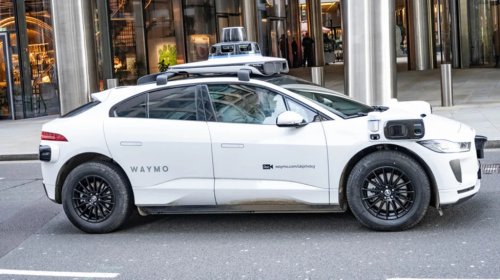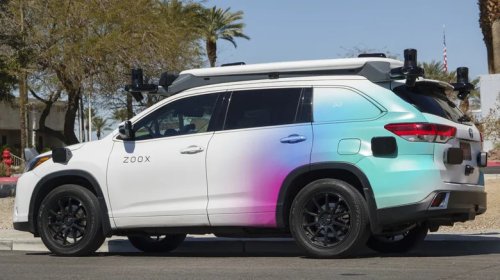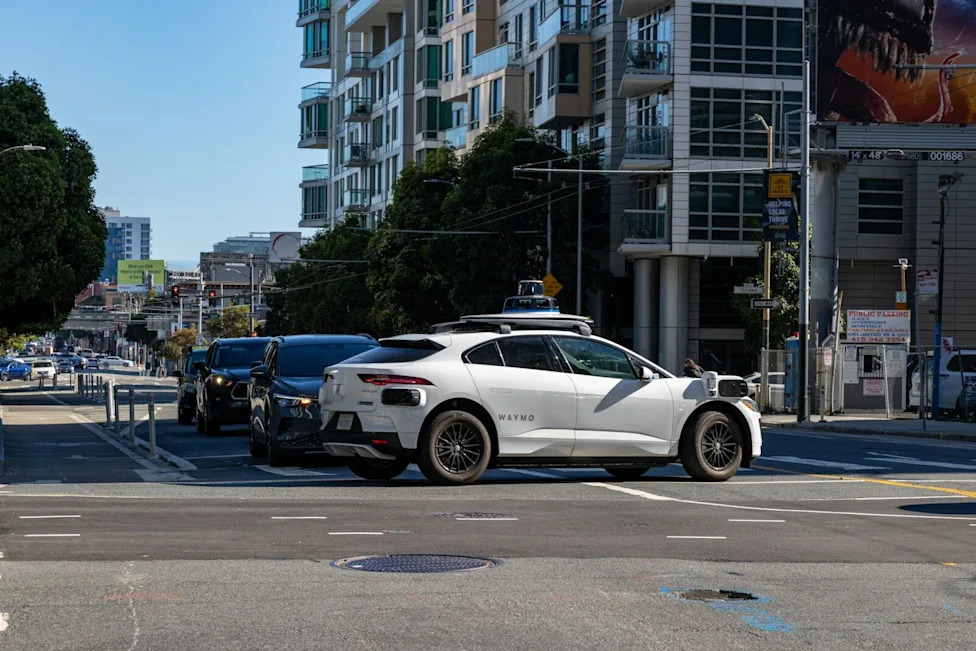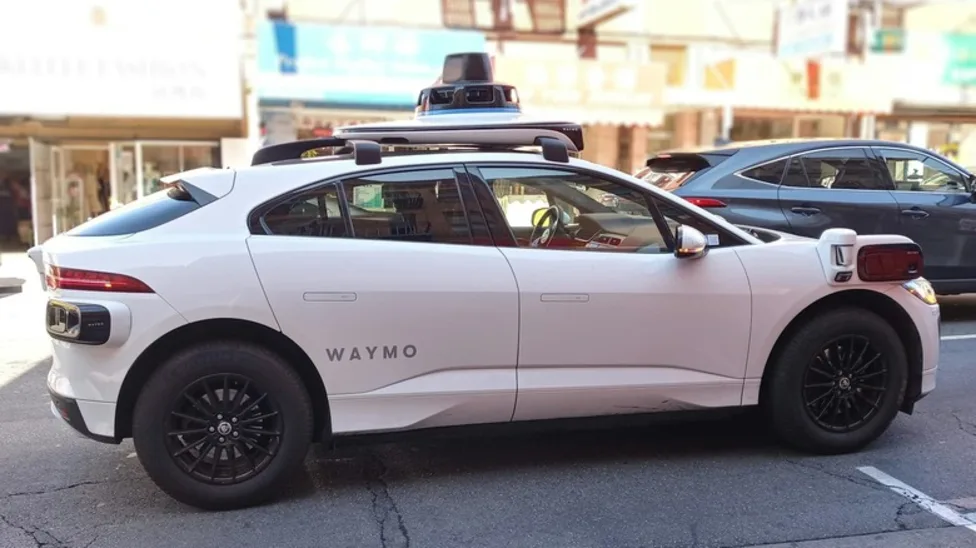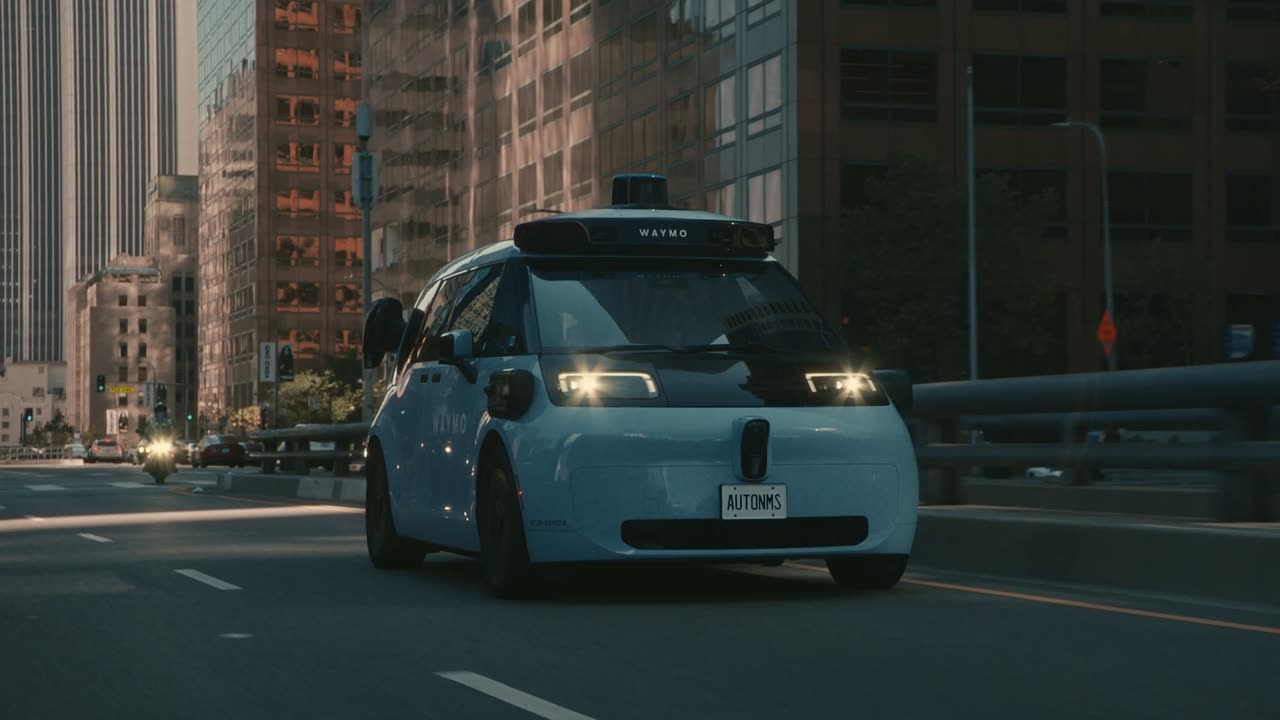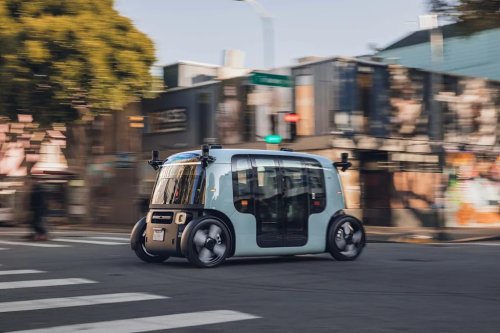
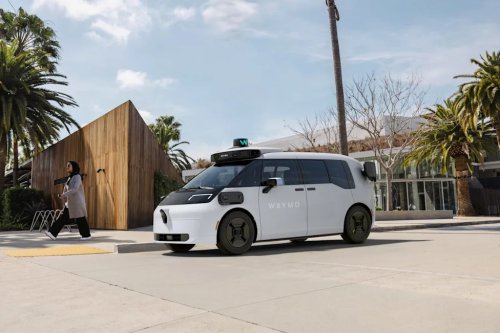
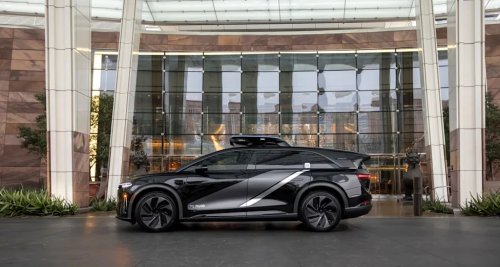
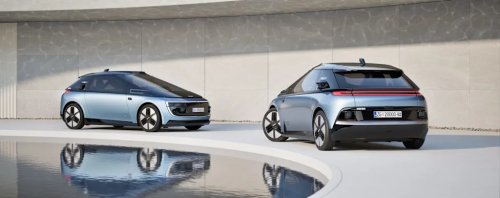



















SAE Hasp Driver's Ed Plan for Robotaxi Remote HelpMichael Simari - Car and DriverSAE International's Autonomous Vehicle Safety Consortium wrote the missing manual for remote AV operators.It covers lots of common-sense best practices about what the operator should learn before making decisions, and it discusses ways to keep those in front of a computer monitor engaged even when there are no actions to take.Operators might not need a driver's license, and that might be okay.Even the best driverless cars still need an assist from flesh-and-blood humans now and again. These remote-assistance operators don't need to be expert parallel parkers or know how to properly adjust their mirrors, but they do need to be alert, educated, and ready to make decisions for a multi-ton vehicle from a computer workstation. There's a gap to be filled here: Let's call it driverless ed.Teaching Remote Driverless Vehicle Operators How to Not DriveWhile the regulatory environment for autonomous vehicles continues to slowly coalesce, the Automated Vehicle Safety Consortium at SAE International is thinking ahead to, well, today. Its Best Practice for ADS Remote Assistance Training and Human Factors, published this week, outlines recommendations that robotaxi companies and others operating Level 4 and Level 5 autonomous vehicles can follow to create the curriculum for their remote operators and set them up in an environment conducive to the task.WaymoTo be clear, the paper assumes remote operators are monitoring deployed vehicles and helping them get unstuck when the next move isn't clear. Think choosing the correct lane or accepting a suggested path, not taking over the steering via some kind of internet-connected sim rig. Though you won't find any in-vehicle or car-control-related exercises in the suggested training topics, AVSC recommends ensuring remote operators have a complete understanding of the rules of the road where the vehicle is being operated (which may or may not even be on the same continent as them), including things like dynamic signage and lane markings.AdvertisementAdvertisementTo effectively guide an autonomous vehicle in absentia, the operator should also understand the autonomous driving system, from its sensor suite to its decision-making process, and anything else specific to the company's implementation. If you're going to spend your shift looking at visualizations and camera feeds being beamed back to HQ, you ought to know what created the data and how it's used to find a path through the real world.Lucid MotorsSAE encourages the use of simulators (the kind without wheels and pedals) to train and assess potential operators. (That would also be a nice way to weed out the 15-year-old who doesn't realize you have to use both pedals out on the road.) Simulations can run through made-up scenarios or play back real-world examples to give the operators an idea of what they'll actually encounter. Retraining—something sorely lacking in the world of in-person driving—is also suggested, both to keep skills fresh and to learn any new features, behaviors, or user interface elements.Driver's Ed Optional?Maybe it's the influence of the second part of this publication's name, but we were somewhat surprised to see AVSC note that remote operators don't necessarily need to hold a valid driver's license. It makes some sense, since what they're doing isn't really driving in the classical sense, with the main area of overlap being knowledge of applicable regulations. That said, the paper acknowledges that companies can choose to require operators to be licensed and maintain a clean driving record.VerneThe workstation of the non-driver also needs to be considered carefully, as do their workflows, and there are new problems to solve. Many new cars will sense driver inattention through jerky inputs or even droopy eyelids, but remote operators are subject to boredom from the other side: a lack of necessary inputs. In addition to managing the operator's potentially stressful cognitive workload, the paper suggests paying attention to cognitive underload and teaching operators to recognize reduced performance in themselves, giving them a penalty-free way to ask for a break.AdvertisementAdvertisementThe workload can vary as well. With few humans in the loop, some AV companies also require remote operators to handle communication with those inside and outside the vehicle, as well as first responders. It's up to the company to determine the split of customer service and decision-making roles.These best practices are mostly of the common-sense variety, but the guidance warrants being written down and shared throughout the industry. We're somewhat hopeful this starts a larger conversation and prompts companies like Waymo and Zoox to be more transparent about how their remote operators are trained and do their jobs. The person behind the curtain may have good intentions, but actions count in this quickly evolving space.➡️ Skip the lot. Let Car and Driver help you find your next car.Shop New Cars Shop Used CarsYou Might Also LikeAdvertisementAdvertisementGift Guide: Best Ride-On Electric Cars for KidsFuture Cars Worth Waiting For: 2025–2029