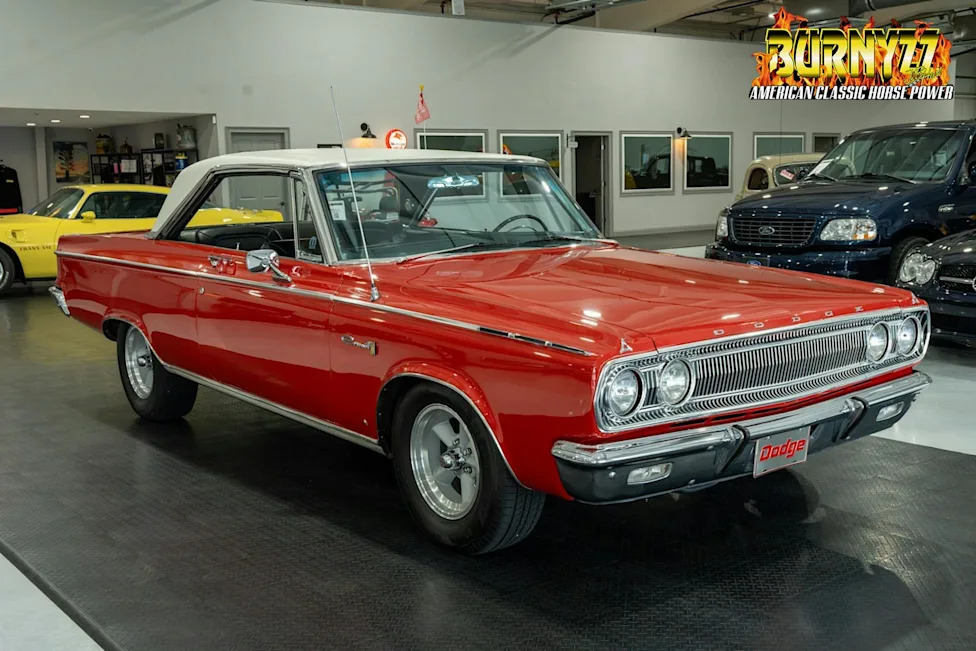
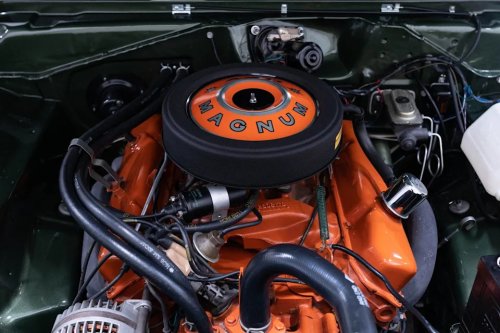
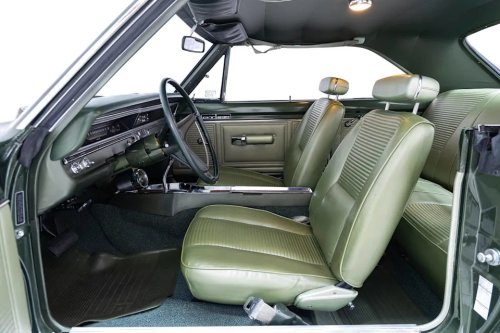
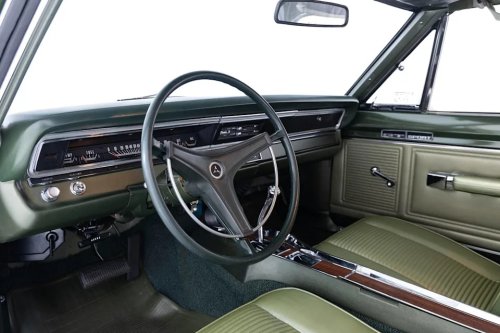
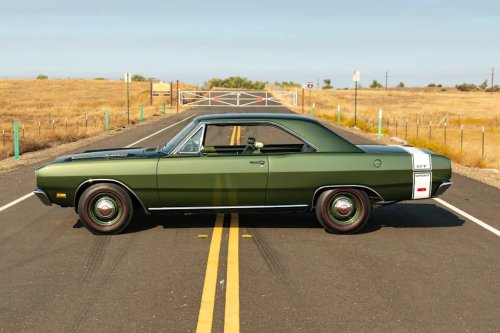
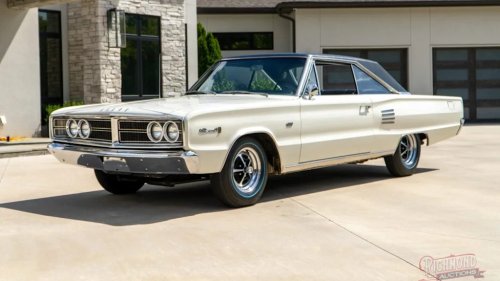
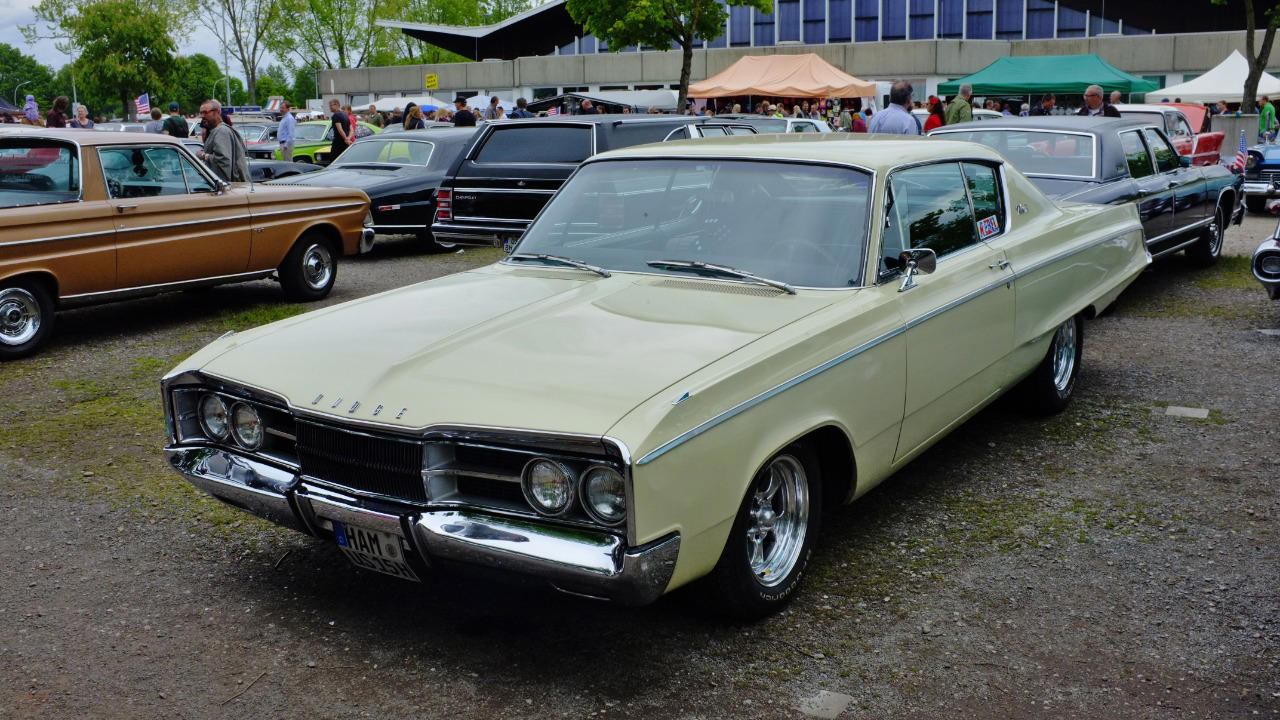
When the 1967 Dodge Monaco aimed higherThe 1967 Dodge Monaco arrived as a statement of intent from a brand that wanted to move beyond bare-knuckle muscle and into something more aspirational. It was still a full-size bruiser, but one dressed in tailored sheet metal and trimmed to chase buyers who might otherwise have drifted toward Buick or Mercury. In that model year, the Monaco aimed higher in style, comfort, and image, even as the market around it tilted toward smaller, sharper performance cars. New skin, new ambitions For 1967 the full-sized Dodges received all-new exterior sheet metal, and the Monaco wore the changes with particular confidence. The body stretched longer and crisper than before, with a formal roofline and a grille that tried to look more Park Avenue than drag strip, a shift that reflected how Dodges were being repositioned upmarket. Behind that grille, the Monaco nameplate, which had already bounced through different roles in the Dodge catalog, was now being asked to serve as a flagship as well as a style leader. This design push fit a broader Chrysler strategy that leaned on stylists like Elwood Engel to give big cars a sleeker, almost fastback flavor, a theme that would become even more pronounced on later hardtops branded as Monaco. Luxury pitch, muscle hardware The marketing for the 1967 Monaco leaned heavily on comfort and prestige, but the hardware list read like a quiet nod to the street-racing crowd. Period promotional film described the 1967 Dodge Monaco as having a stamp and style of its own, then added that the buyer could go all the way up to an incredible 440 cubic inch V8 if so inclined. That top engine mirrored the big-block spirit that defined other Chrysler products of the era, including the 440 Magnum rated at 375 horsepower in the 1967 Charger, a specification that split the performance difference with the 325-horsepower 383 and signaled how serious the group was about high output. Underneath the Monaco’s formal body sat the same full-size architecture that made such powerplants feel natural, which meant this luxury-leaning Dodge could still deliver the kind of straight-line rush that muscle-car buyers expected. Owners who chose smaller V8s still benefited from engines that, as one period-style description of the 1967 Dodge Monaco put it, provided a good balance of performance and comfort for both daily driving and long-distance cruising. From Polara’s shadow to the top rung The Monaco had not always been the star of Dodge’s big-car show, but 1967 changed that internal hierarchy. In time for that model year, the Monaco effectively pushed the Polara aside at the top of the full-size line while taking on a major facelift and a more lavish equipment list. The move was meant to give Dodge a clearer luxury ladder, with Monaco as the aspirational badge that could justify higher prices and richer trim. Later, as Chrysler shifted to so-called fuselage styling, Monaco would be described as the top luxury trim level of the Polara line, a sign of how intertwined the two names remained even as product planners shuffled badges and body styles. For 1967, though, the message was simple: if a buyer wanted the fanciest big Dodge, Monaco was the answer. Sales reality and executive pressure The market response, however, did not fully match Dodge’s aspirations. Analysts who have revisited the period have suggested that the 1967 and 1968 full-sized dodge lineup, including Monaco, represented one of Lynn Townsend’s first major missteps as head of Chrysler. One argument holds that Dodge’s weak 1967 sales could be blamed in part on a broader economic slowdown, but that explanation has been challenged by the fact that total United States production was down 12 percent while some rivals still managed to grow. In that reading, the Monaco’s upscale push arrived slightly out of phase with buyer priorities, which were tilting toward mid-size muscle and personal coupes rather than traditional full-size luxury sedans. The car itself was not necessarily at fault so much as the strategic bet behind it, which asked Dodge loyalists to follow the brand into a more refined segment just as the market was fragmenting. Rarity, survival, and legacy Today, the 1967 Monaco sits in an intriguing corner of collector culture, admired by those who see it as a bridge between brute-force muscle and the personal-luxury boom that followed. Surviving examples of the Monaco 500, in particular, have drawn attention, with one Dodge Monaco 500 described as a Survivor Is a Special Order Rarity With the Greatest V8 Surprise. That kind of car, with its 500 badging and special-order specification, highlights how Monaco could be configured as a true luxury cruiser or as a stealth performance machine that hid its intent behind acres of chrome. Contemporary project profiles still emphasize that a 1967 Dodge Monaco is not a 1969 Monaco at all, despite registration quirks, which underlines how collectors now parse the subtle differences between each model year. Even casual observers have taken notice of the car’s visual drama, with social media clips joking that the winner for biggest tail lights of all time goes to the 1967 Monaco by Dodge, a playful nod to the scale and spectacle that defined Detroit’s full-size era. More from Fast Lane Only Unboxing the WWII Jeep in a Crate 15 rare Chevys collectors are quietly buying 10 underrated V8s still worth hunting down Police notice this before you even roll window down


















 +58 others