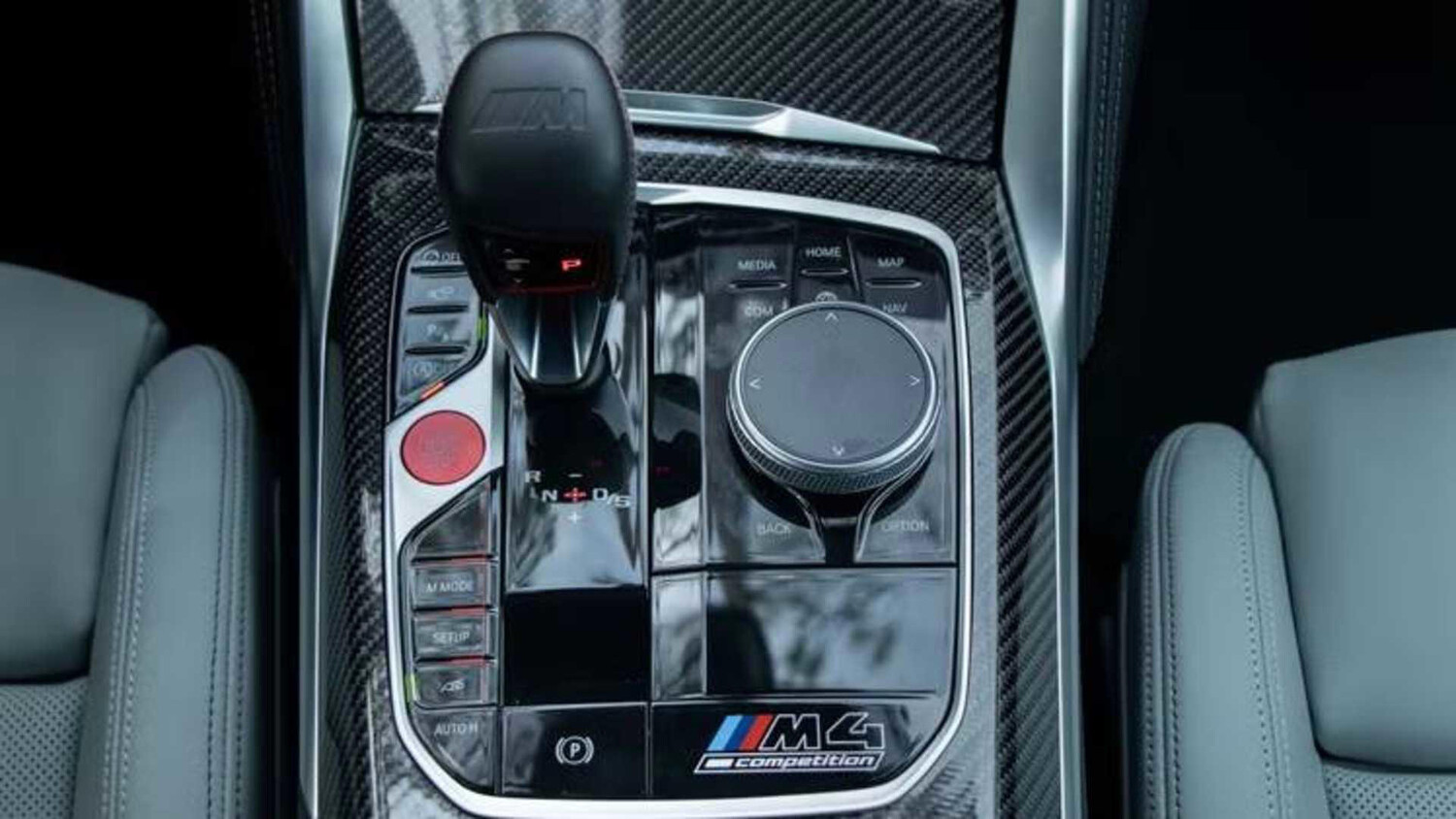
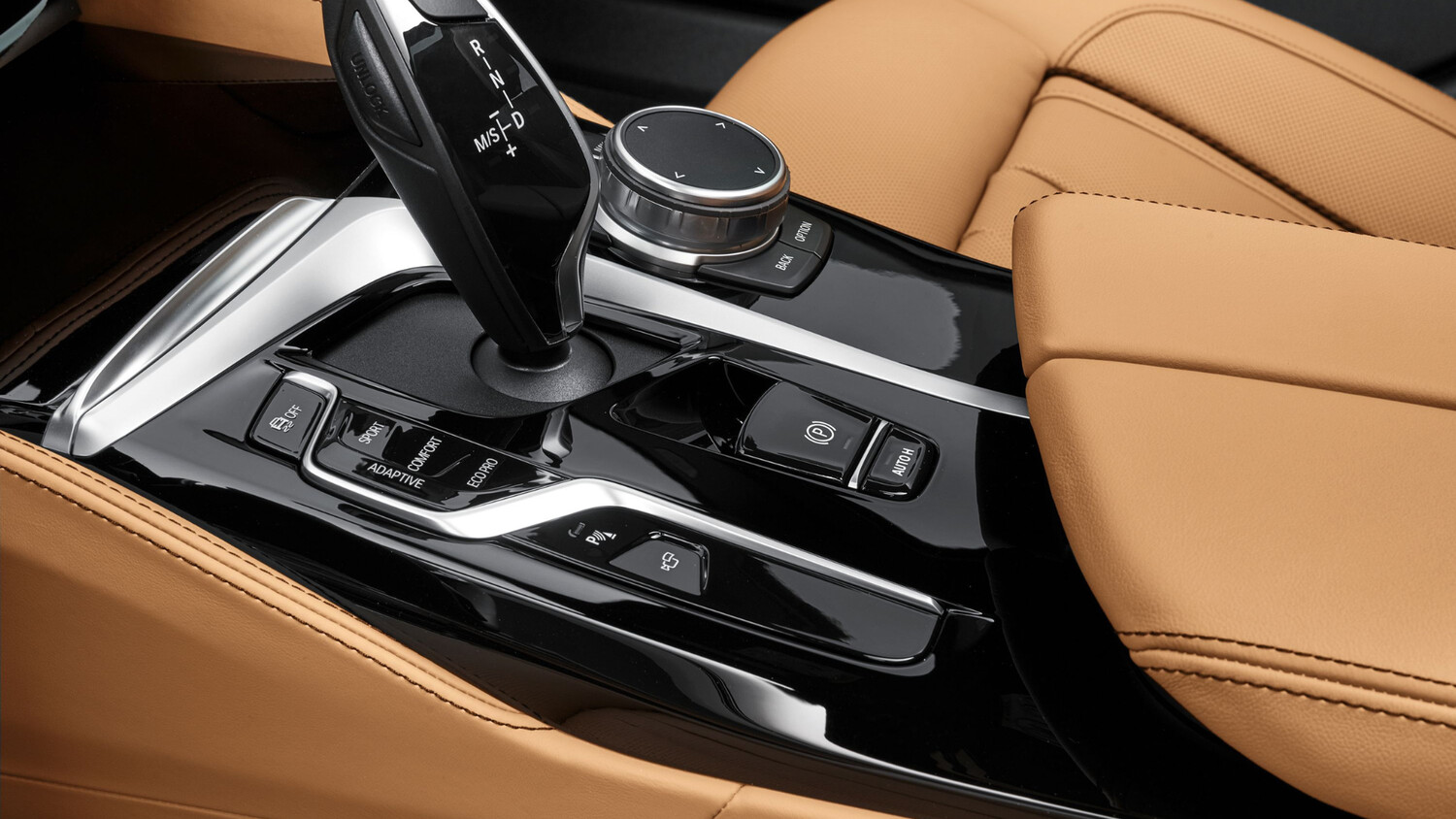
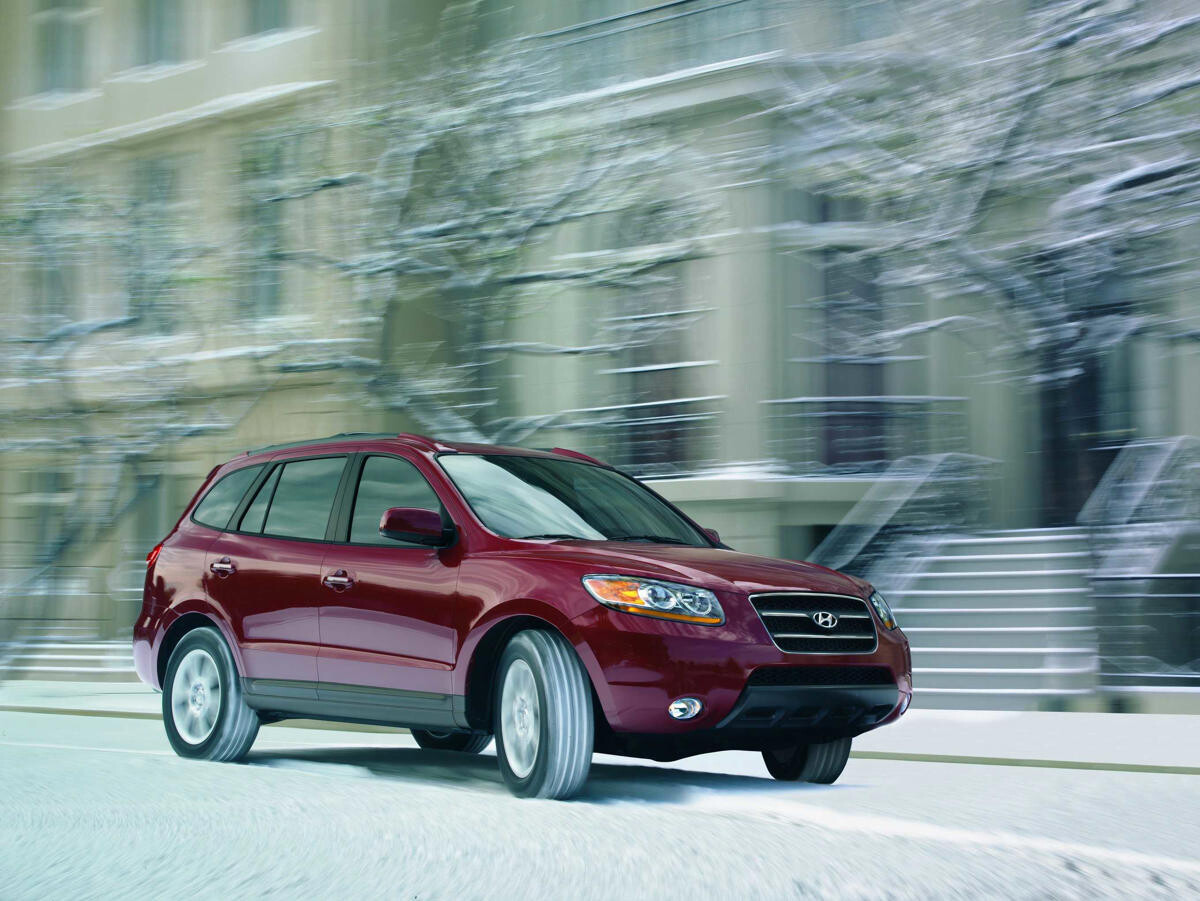
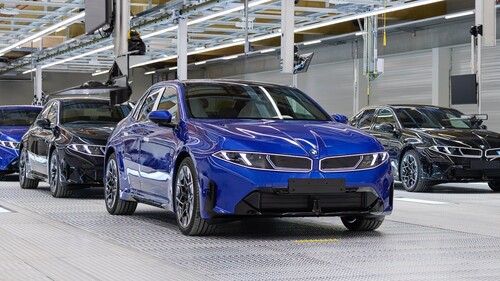
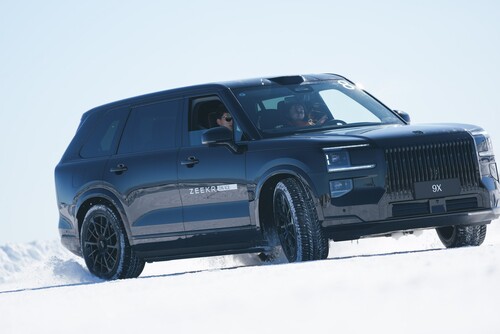
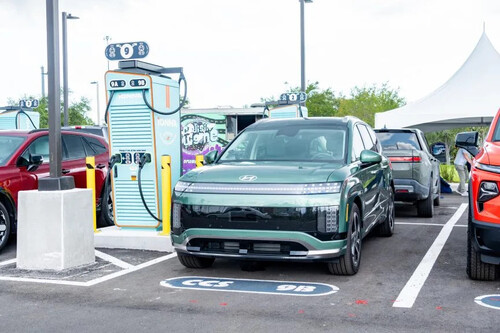
Jump LinksA Quick Recap Of Key Differences: Stick Shift vs AutomaticCracking The CodeOperational Basics And Application 101I Mode ExplainedIs the L gear good for snow?Can you shift into L while driving?Is the L gear only for going uphill?What happens if I drive in L gear for too long?For new drivers, shifters in some late model vehicles can sometimes feel confusing. While some vehicles maintain the traditional P-R-N-D-L layout, many manufacturers have added extra modes that make things more complicated at first glance. One of these dynamic and advanced modes is called I Mode, also sometimes referred to as Eco Mode, and is available on many brands. But what does I Mode mean on a gear shifter? On cars like the BMW i5, this intelligent drive mode is designed to improve fuel economy while providing a comfortable and relaxing commute. In this back-to-the-basics article, we discuss the fundamentals of automatic and manual transmission operation, and cover the advantages of I Mode in a car.This article provides a straightforward introduction to the various drive modes available on automatic transmissions. This article is meant to convey practical knowledge without getting into complex details. What Is The Difference Between Manual And Automatic? A Quick Recap Of Key Differences: Stick Shift vs Automatic BMWWhen it comes to shifting gears, there are basically two ways that it's done in a vehicle - with either an automatic or a manual transmission. Just like it sounds, the automatic transmission does all the shifting for you. It's simply up to the driver to switch from Park or Neutral to Drive. Inside an automatic transmission is a series of planetary gear sets, clutch packs and brake bands, bearings and a valve body. Power is transferred to the transmission via a torque converter. Through computer control and fluid pressure, the automatic transmission shifts through its gears, ideally without too much harsh shifting.A manual transmission is far less complicated in its construction. The inner workings of a manual transmission basically consist of gears mounted on a common shaft, synchronizers, shift forks, and bearings. On top of the transmission is the shifter, which allows the driver to manually select each gear. Power is transferred to the transmission via a clutch, which is a disc of friction material that mates to a flywheel with a machined surface similar to that of a brake rotor. The flywheel is mounted directly to the engine's crankshaft.Both of these transmissions perform the same job, they just go about it in different ways. Most drivers and vehicle manufacturers prefer the automatic transmission for its ease of use and more consistent operation, which all lends to improved fuel economy. PRNDL: The Automatic Transmission Alphabet Explained Cracking The Code Expedition Motor CompanyAs stated, an automatic transmission does the heavy lifting of shifting through the gears so your car or truck can accelerate to your desired speed. However, it's still up to you to select the right mode for the intended direction. When you look down or forward (depending) on where your vehicle's shifter is, you notice a series of letters: P-R-N-D-L. Some automatic transmissions offer different options as well, such as M for manual mode, S for sport mode, or even just numbers representing different forward gears. This allows the driver to manually shift the automatic transmission, having control over engine rpm and shift points.Each one of these modes has a specific purpose, and if you've been behind the wheel for any amount of time, for the most part, their functions are pretty obvious. Below are the modes of basic transmission seen in many cars, trucks, and SUVs. Performance-oriented models and trucks are more likely to include the manual shifting modes indicated by the M, S, or simply just the numbers on the gear shift indicator. P: Park R: Reverse N: Neutral D: Drive L: Low Gear Operational Basics And Application 101 Honda Although most of the modes you see on the shift indicator may seem obvious, it's important to know when to use the ones that aren't. Further, having a full understanding of all transmission modes can help achieve better fuel economy, safer passage for all driving conditions and terrain, and a more confident driving experience. To start, it's important to know that the Park function is not a brake. There is a mechanical engagement that prohibits the output shaft of the transmission from being able to spin. Attempting to move a vehicle that's in Park could cause severe internal damage to the transmission.With the transmission placed in Reverse, the vehicle will of course only move in the reverse direction. However, the Reverse gear is a lower gear when compared to that of the forward gears. This means you will only be able to go a lower speed while the transmission is in Reverse. Essentially, the car is in a low gear, which limits its speed. For towing purposes or when there is a need to move a car while not under its own power, Neutral should be selected. This pulls the transmission out of all gears - forward or reverse. Neutral allows the vehicle to roll freely in either direction without potential harm to the transmission or the engine.Audi For regular forward operation, the vehicle should be shifted to Drive. This allows the transmission to function normally, upshifting and downshifting through its gears to match the demand put on the engine. Many modern day transmissions use between six and ten speeds. Older transmissions were built with anywhere from two to five speeds. You could think of it like steps on a staircase. Using 10 steps to cover the same height as four or five steps would be a lot easier and less strenuous to climb. Finally, there is a Low range, indicated by the L on the gear shift indicator. Low range should rarely be used, but it is extremely useful when needed. It keeps the transmission in low gear, which is useful when going through hilly or mountainous areas, and engine braking can be utilized. Since the transmission is in a low gear, the engine's rpm can only safely go so high, keeping the vehicle's speed steady and consistent if the throttle is maintained. Below is a chart to help discern when to use the low range of your transmission. The Intelligent Automatic Transmission I Mode Explained Hyundai Several manufacturers offer what's called I Mode (intelligent mode), also known as Eco Mode, which is a specific drive mode for a standard automatic transmission, or a constantly variable transmission (CVT). This drive mode allows for more fuel efficiency and an otherwise more relaxed driving experience. Efficient transmission modes such as Eco Mode or I Mode are available with several makes and models, such as Intelligent Mode in the Subaru Crosstrek, Eco Mode in the Hyundai Ioniq 9, and Eco Pro in BMW models like the i5 Series.BMW When I Mode is selected, the car's computer makes several key adjustments to achieve better economy. Main changes include adjusted shift points within the transmission. The transmission will shift into higher gears, earlier, or at lower rpm than other modes such as sport mode or a standard driving mode. The idea is to keep the engine within its most efficient range of rpm. Downshifts are also reduced, keeping the engine's rpm low, and the overall feel of the drive is smoother and more relaxed. Throttle response is also metered to be softer, and less snappy. A smoother, less aggressive acceleration helps to keep the engine from consuming more fuel than it needs too. As these fuel-sipping driving modes are geared towards maximum efficiency, it's totally normal for the car to feel less responsive and perhaps even sluggish. FAQs Hyundai Is the L gear good for snow? Not necessarily. If you're descending a steep incline and want speed control and engine braking, Low range can be useful. Likewise, if you're driving in unusually slow traffic due to poor driving conditions, Low range can help. Otherwise, Low range will break the tires' traction in slippery conditions. The use of Low range in snow is highly conditional. Can you shift into L while driving? Technically, yes. It really depends on what speed you're traveling. If you're moving at a lower speed, then yes, you could switch to Low range. However, putting the transmission into Low range at medium and high speeds may result in catastrophic failure of the transmission and/or the engine. Is the L gear only for going uphill? No, Low gear can be used on any road gradient, ascending or descending. What happens if I drive in L gear for too long? It really depends on how fast you drive. If you maintain low speeds, keeping the engine's rpm in a safe range, no damage should occur. However, higher speeds bring higher rpm. The engine may overheat from prolonged high rpm driving. This could cause many issues with the engine and transmission.