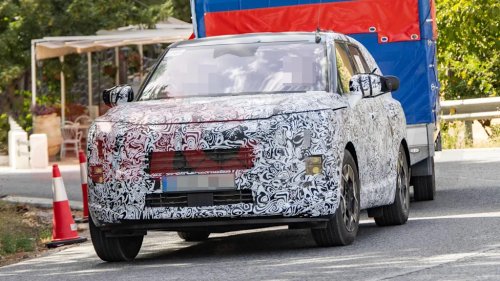
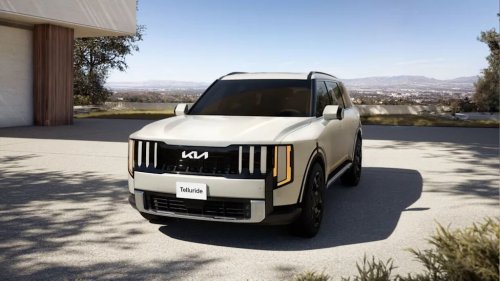
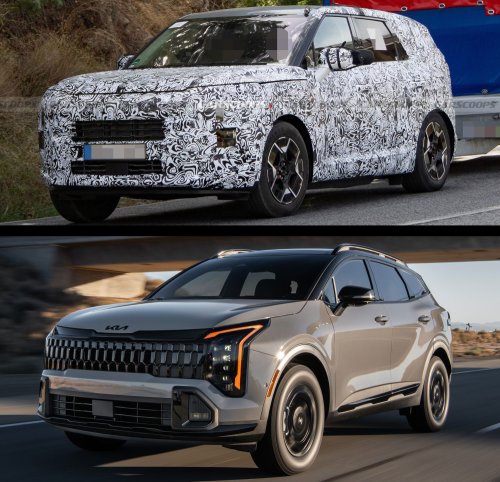
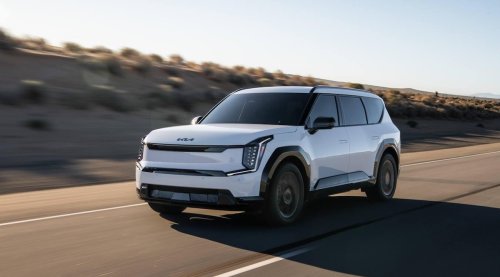
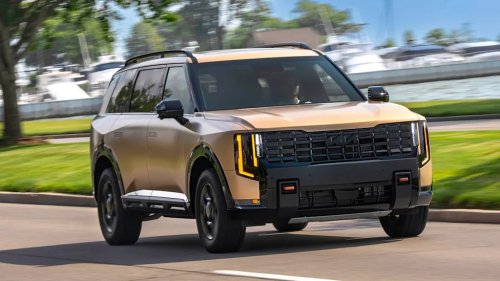
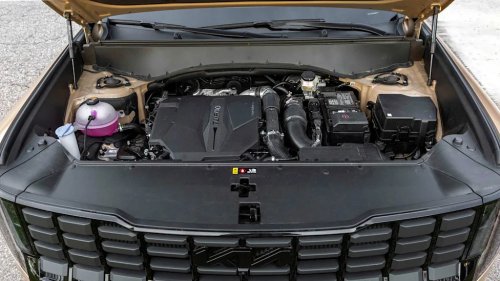
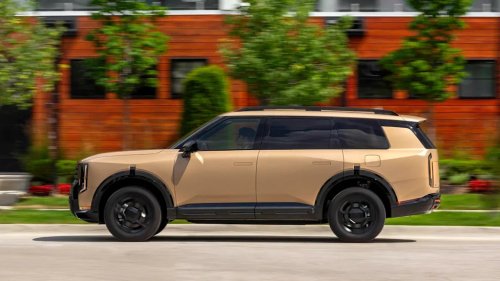
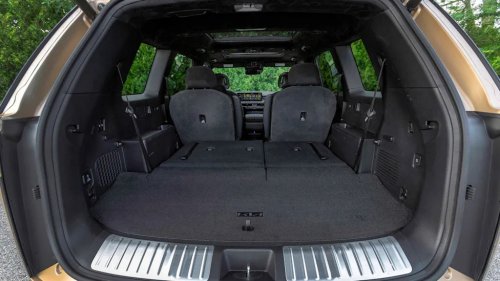
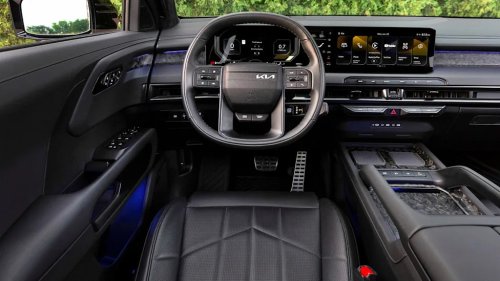
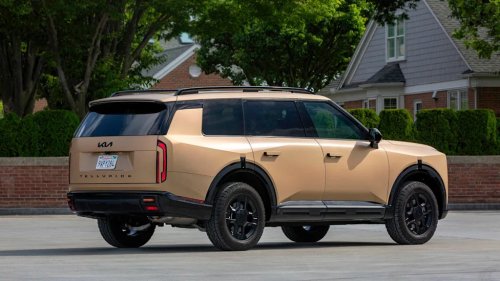
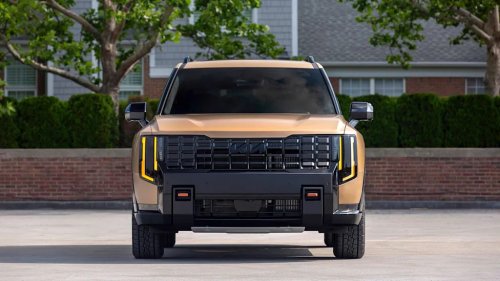
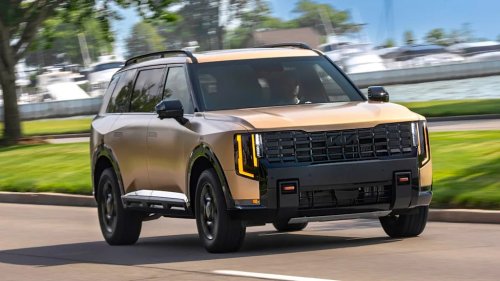
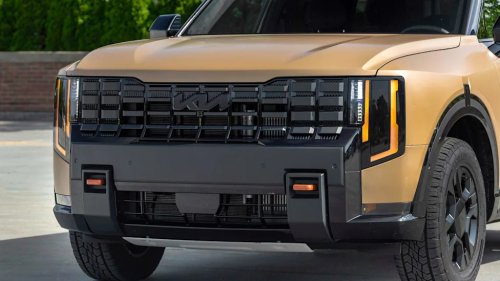
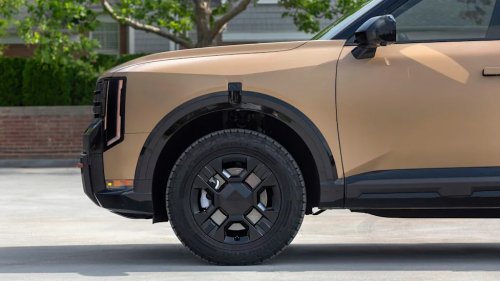
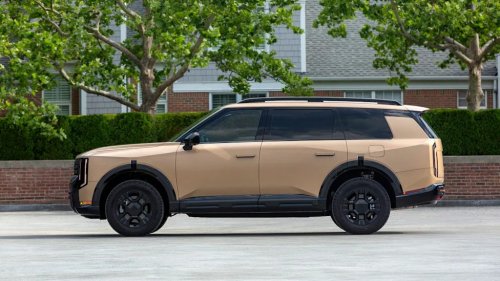
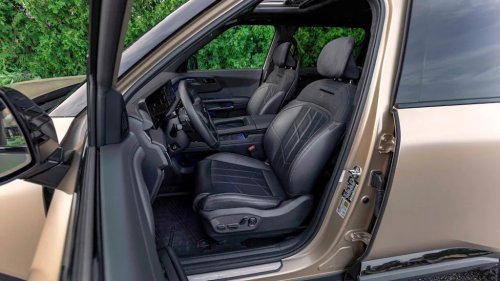
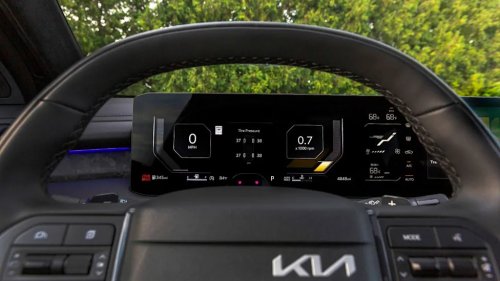
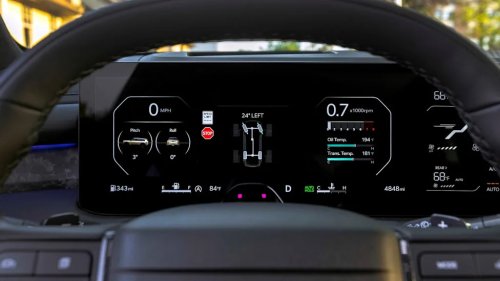
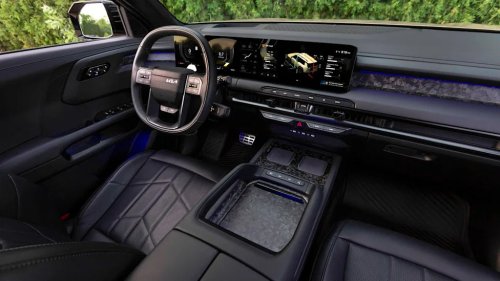
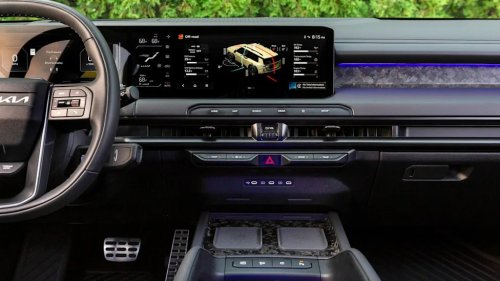
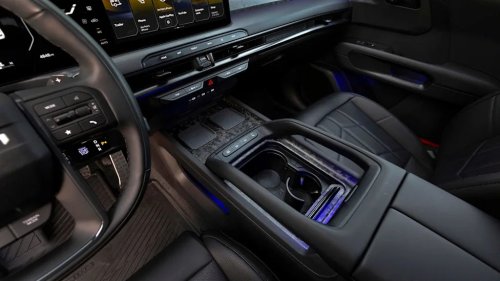
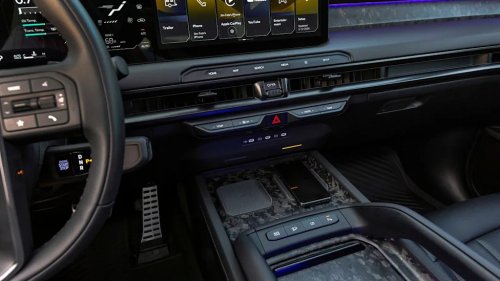
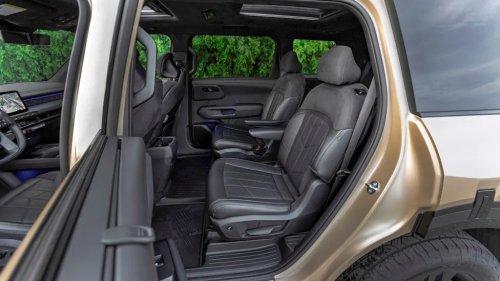
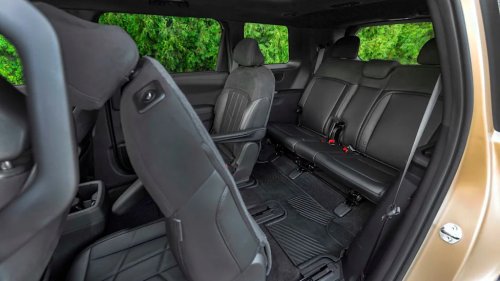
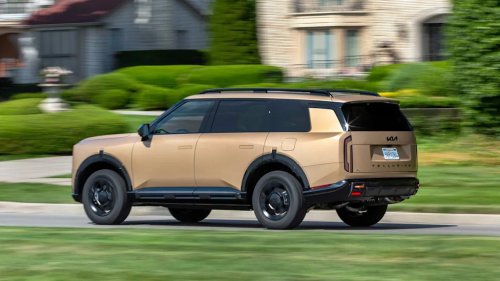
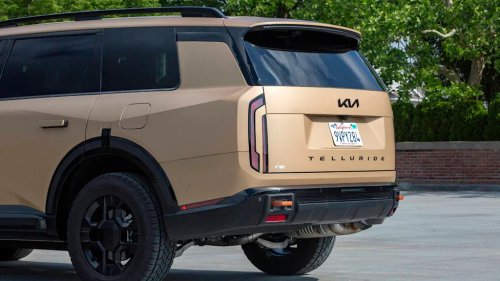
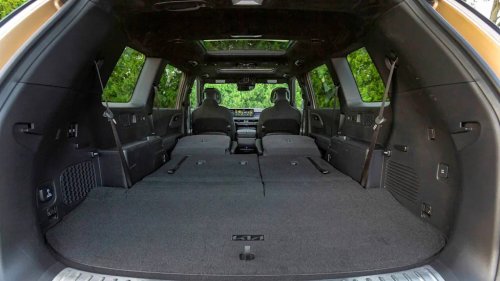
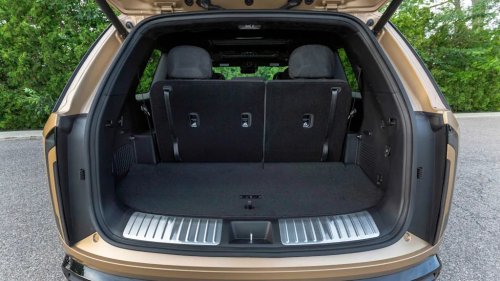
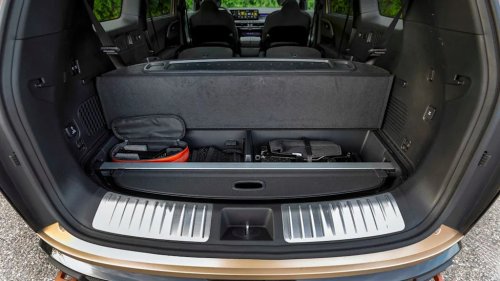
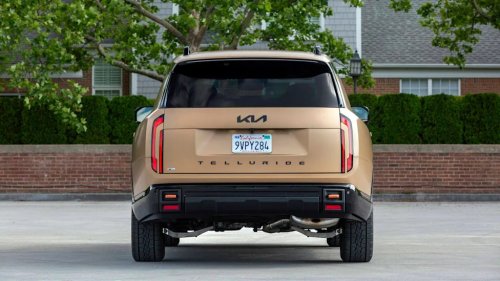
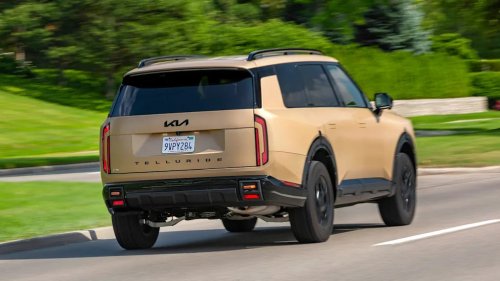
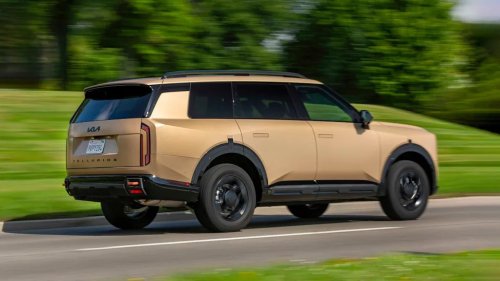
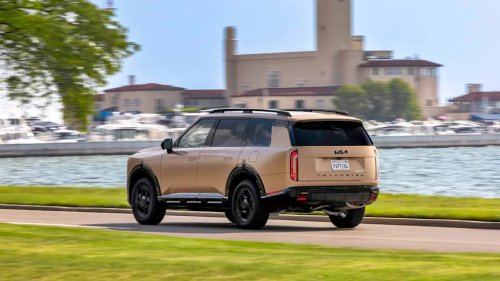
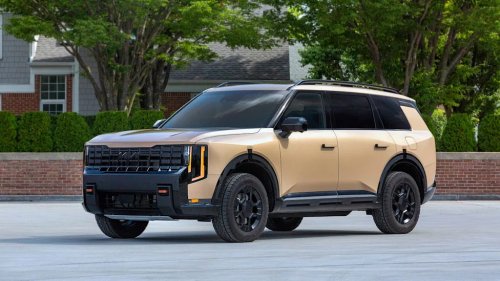
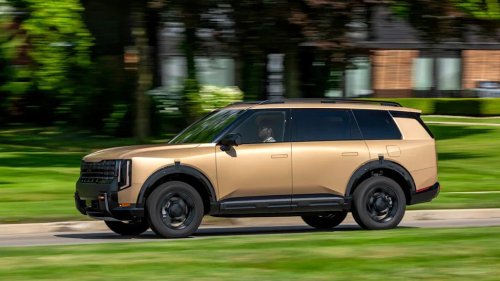
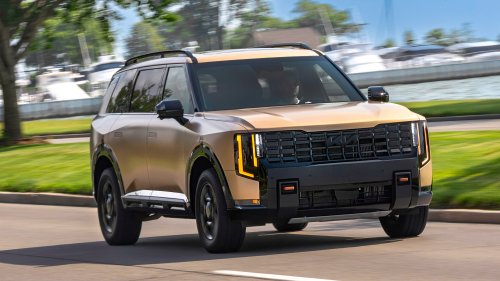
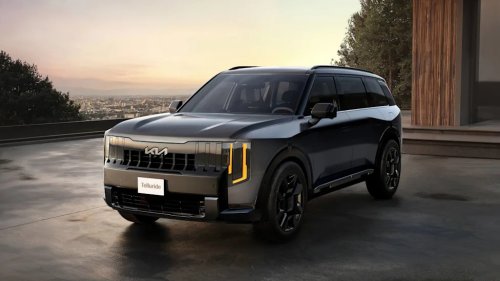
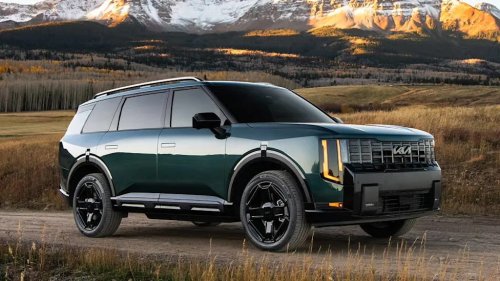
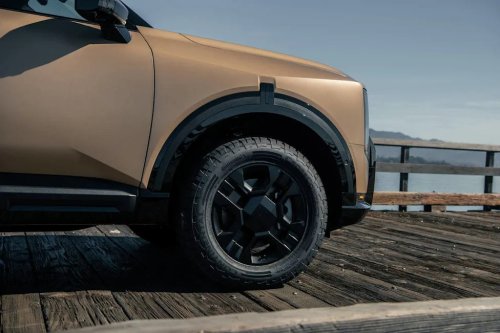
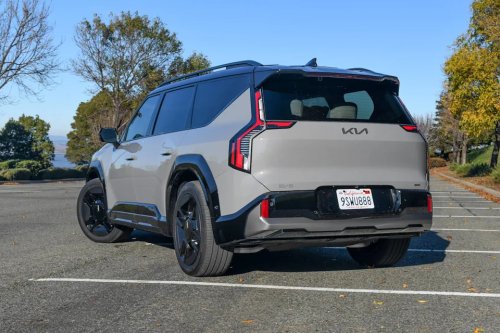
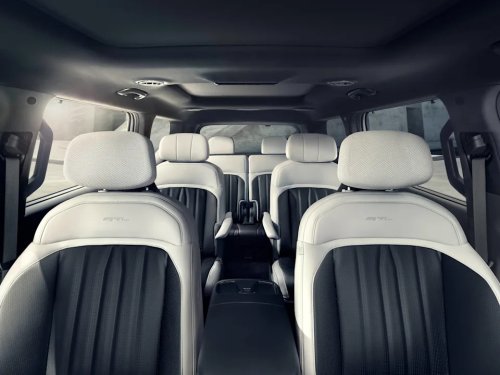
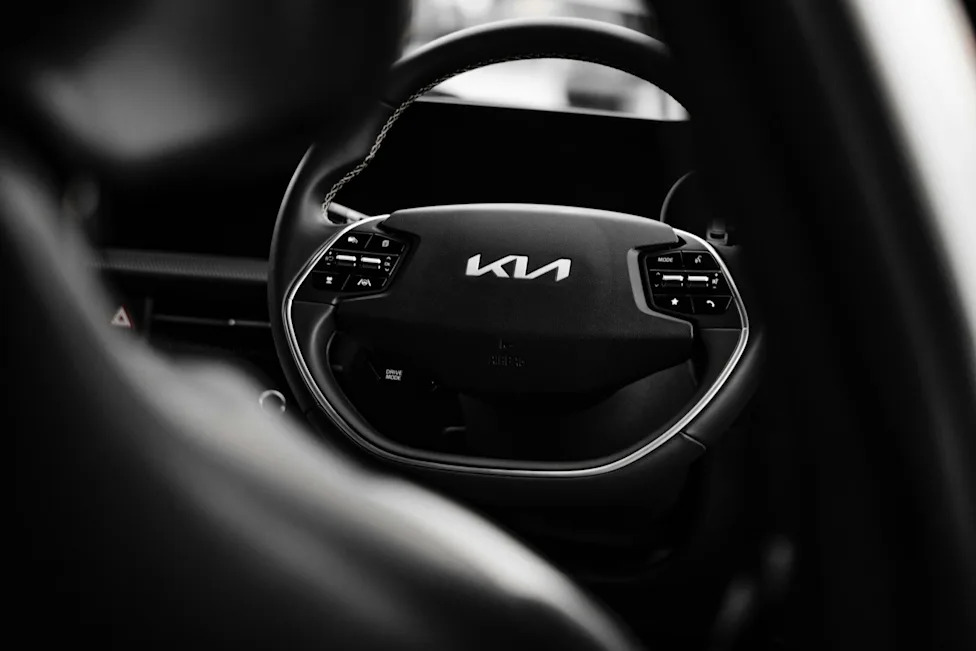
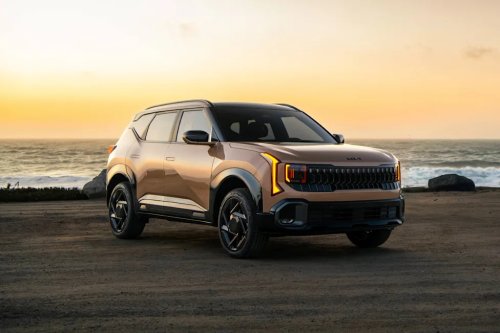
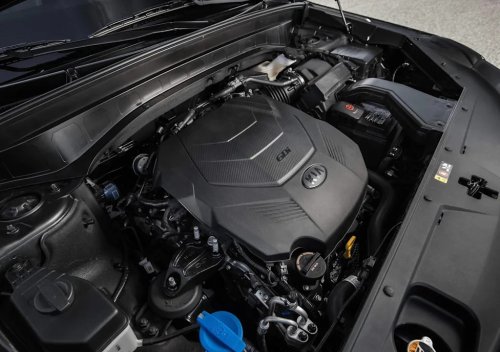
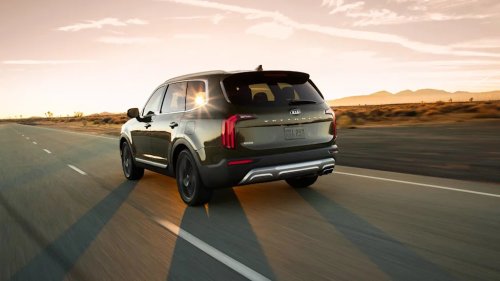
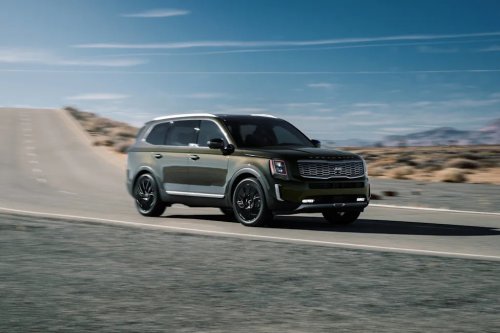
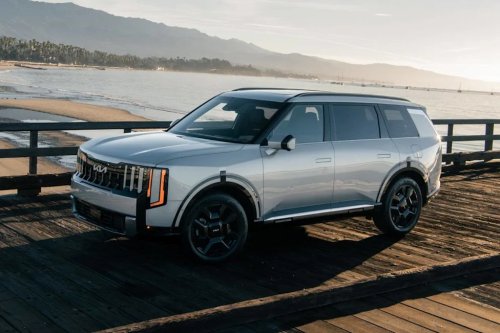
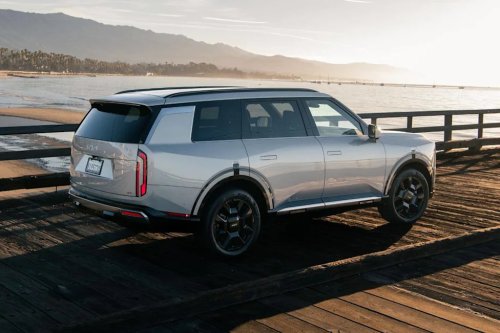
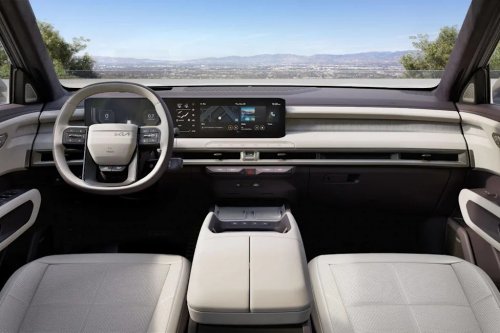
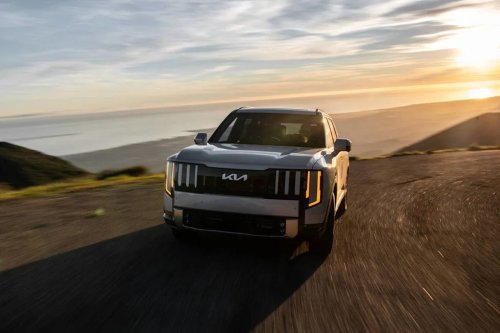
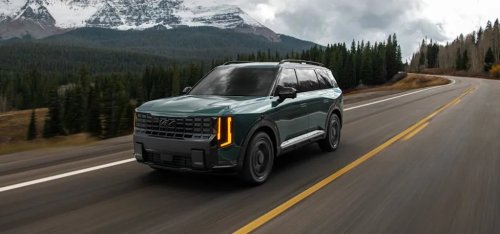
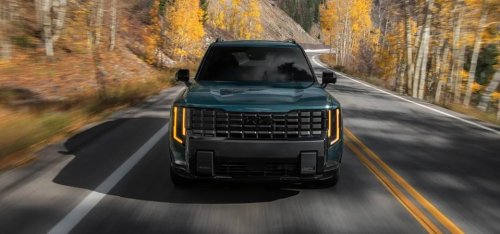
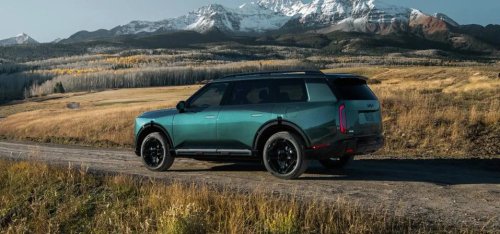
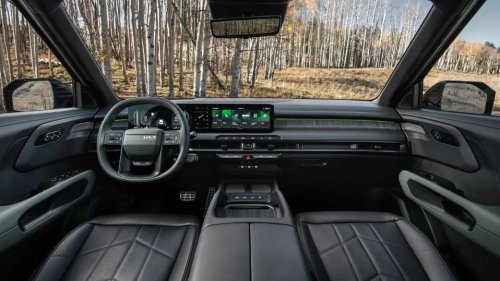
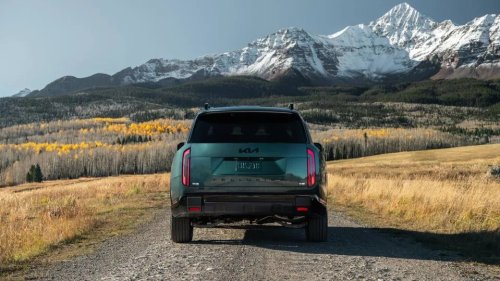
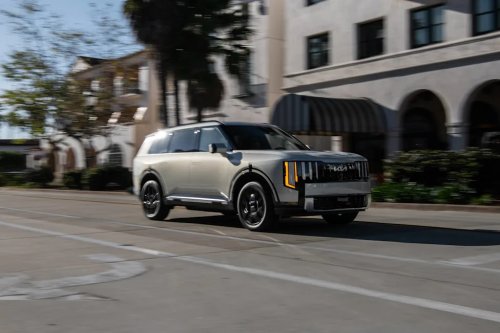
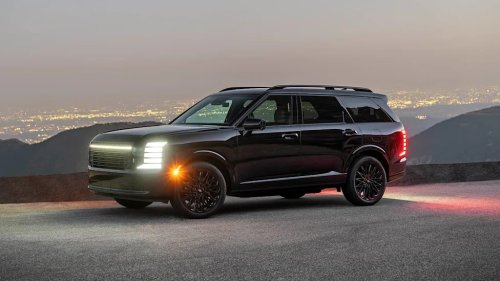
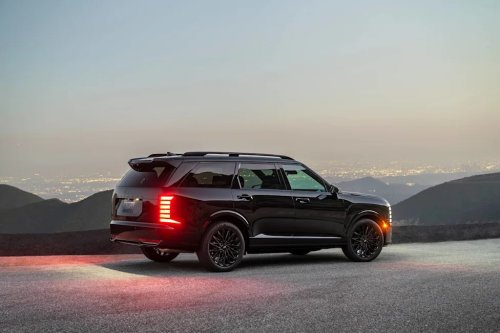
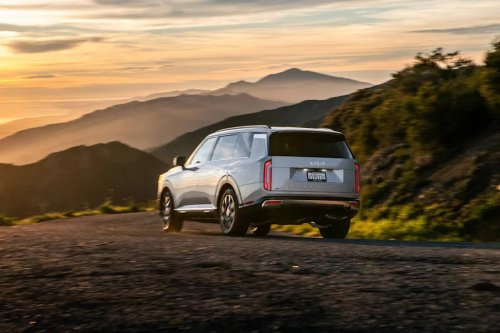
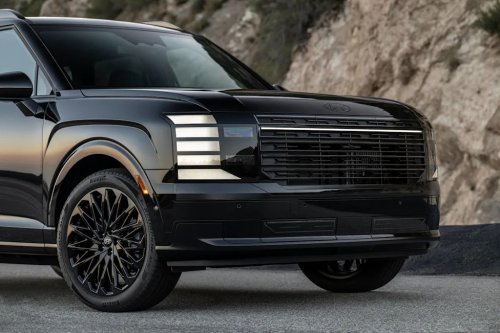
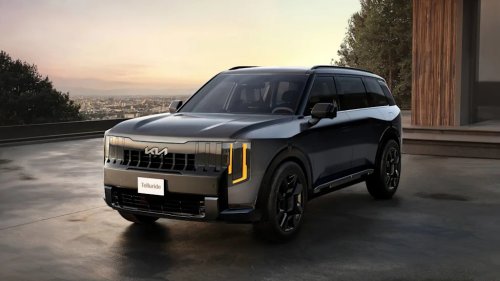
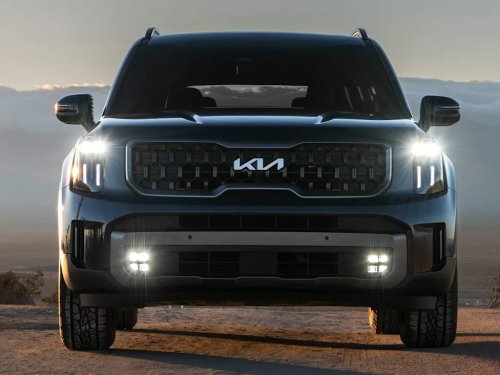
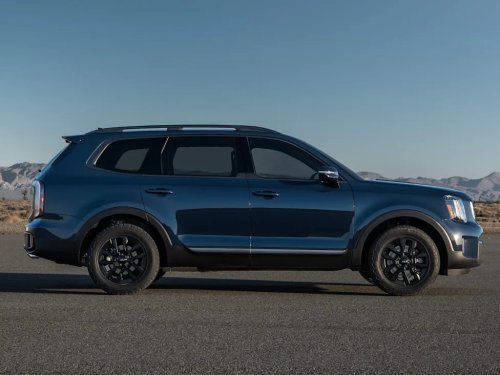
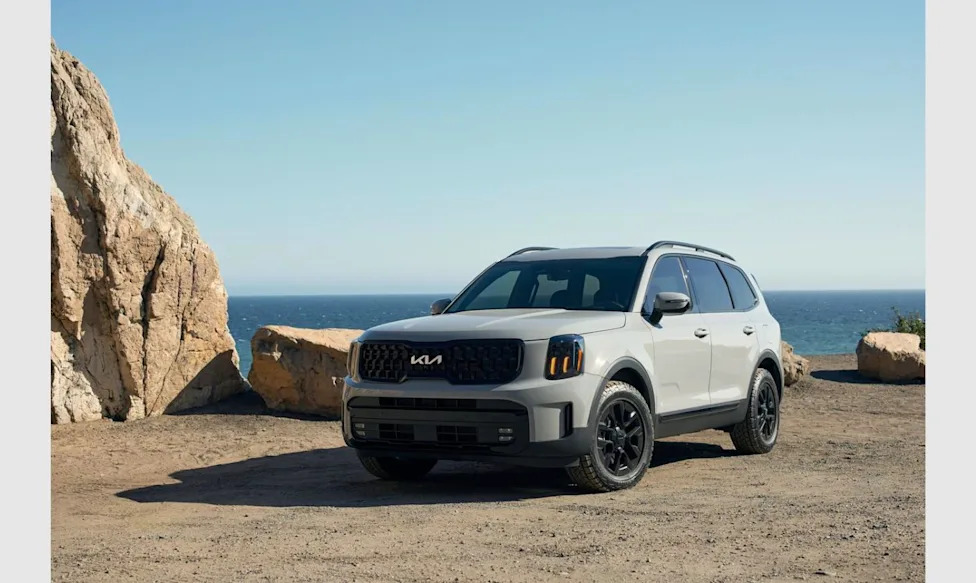
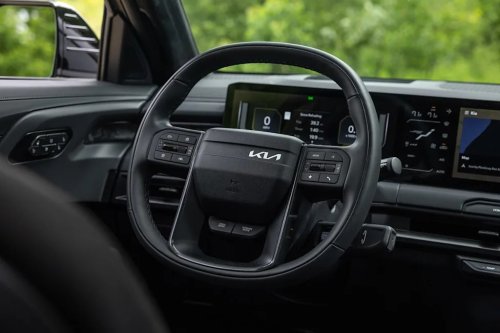
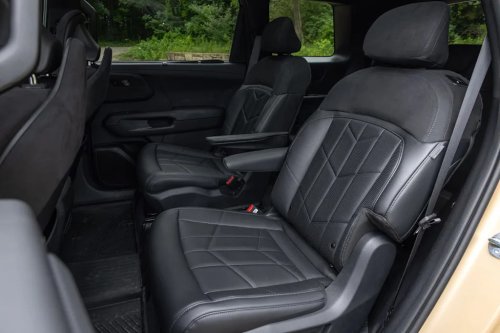
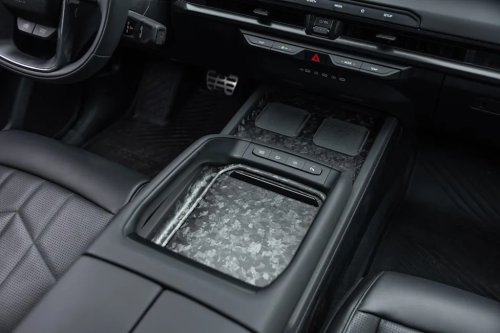
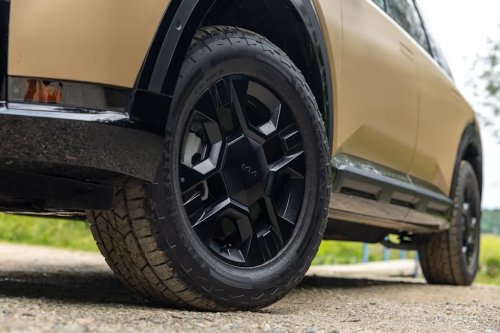
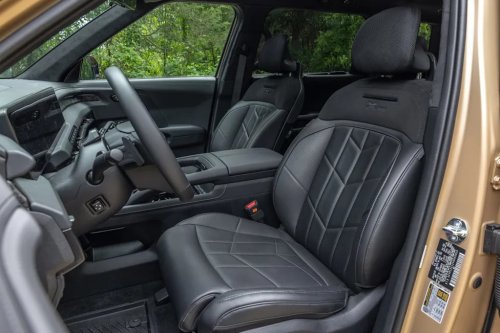
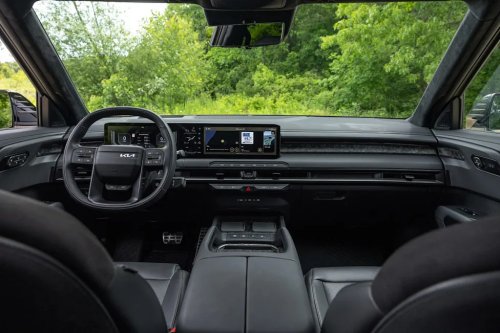
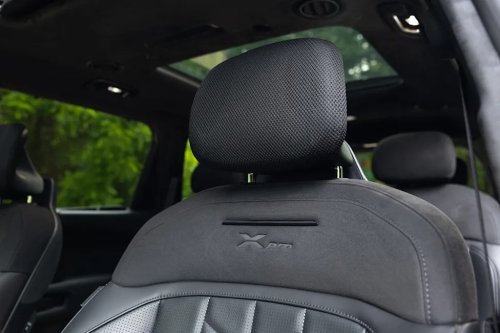
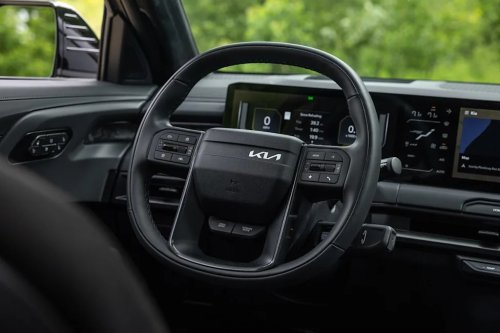
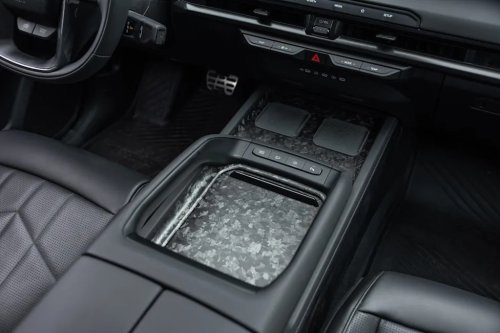
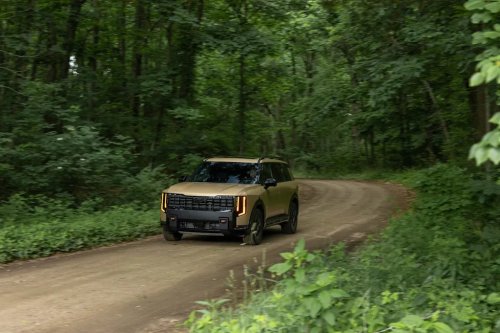
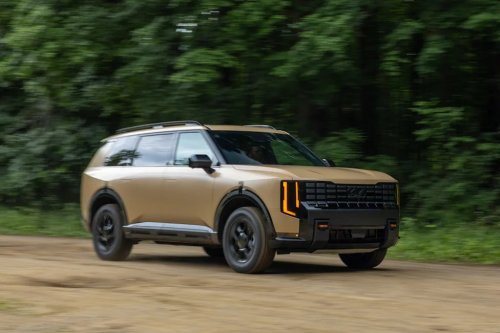
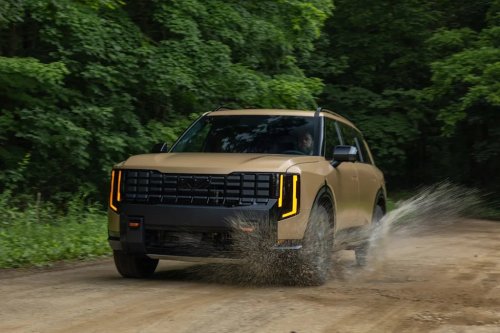
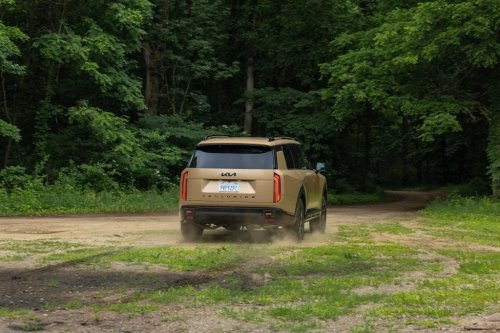
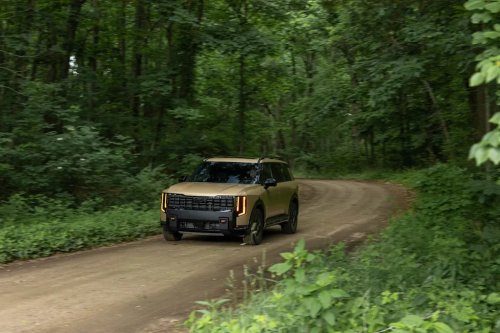
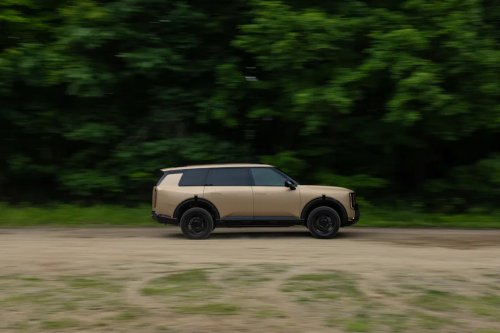
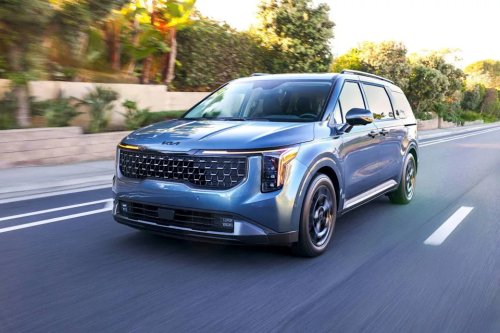
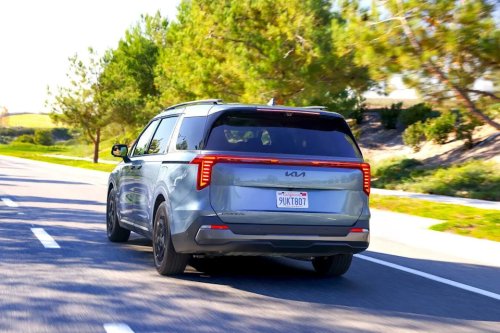
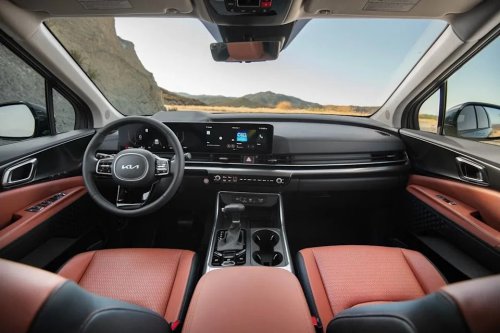
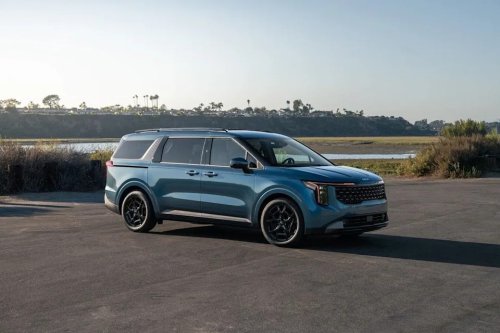
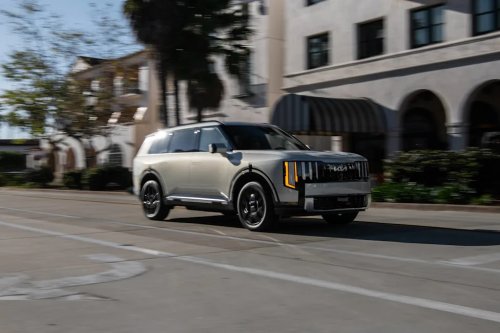
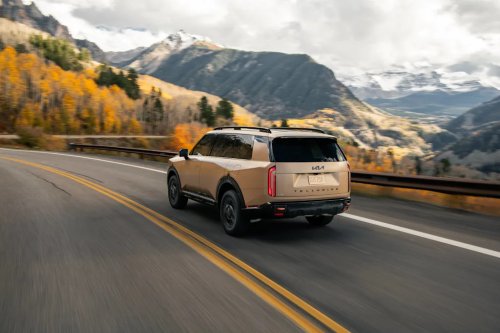
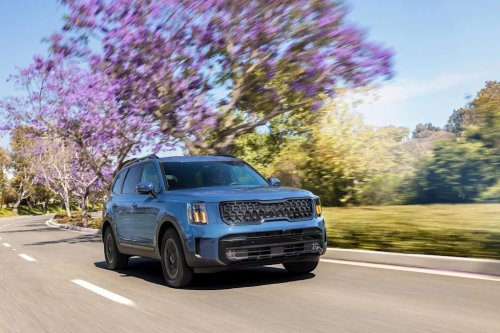
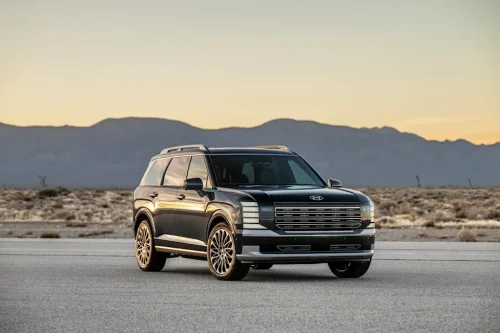
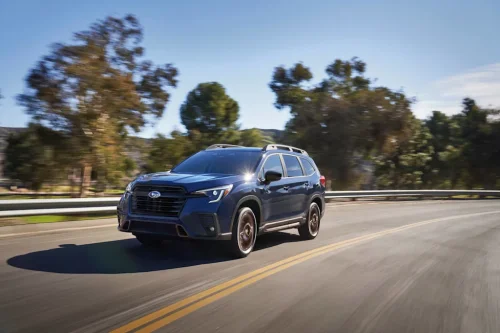
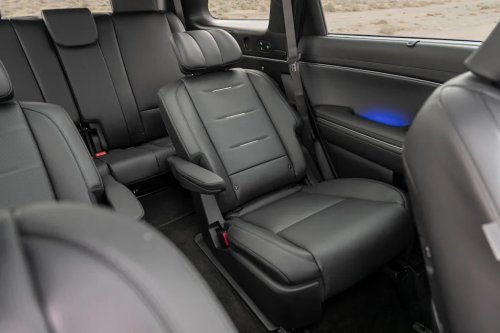
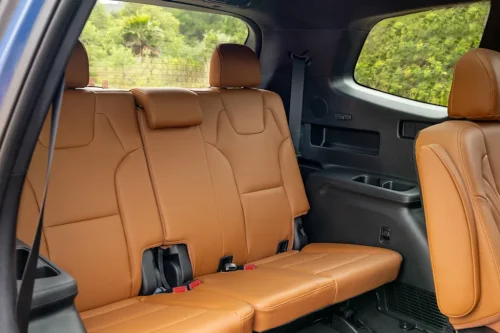
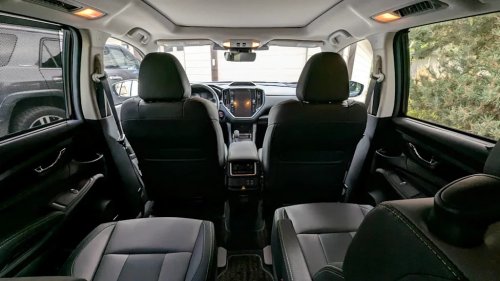
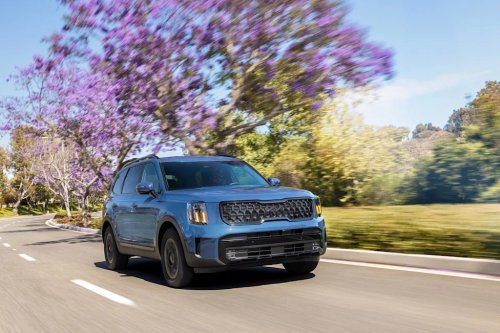
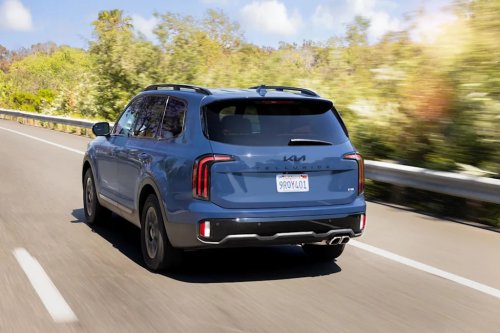
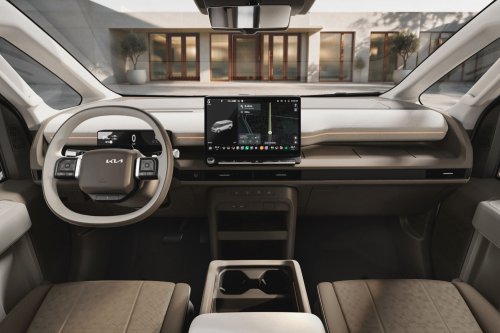
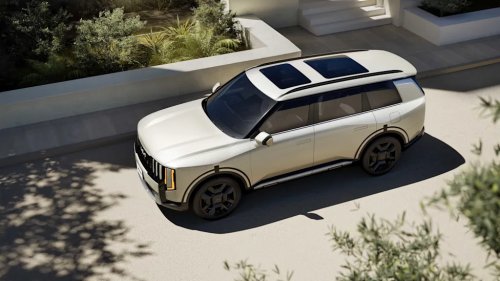
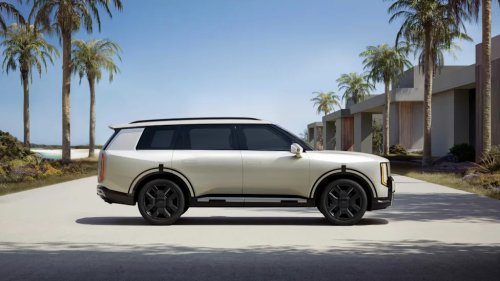
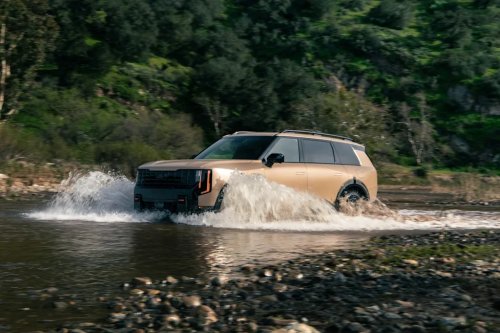
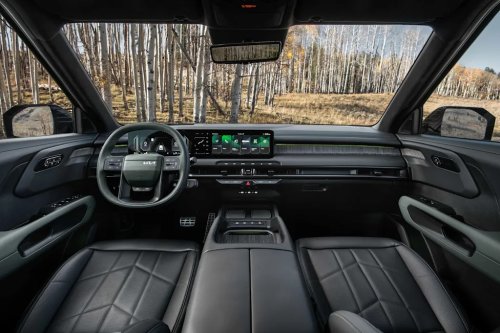
Tested: 2027 Kia Telluride X-Pro Turbo Falls ShortJim Fets - MotorTrendHead-turning designSpacious, accessible interiorClass-leading tech stackLaggy powertrainHandling compromisesOverheating phone chargersElectric vehicles and hybrids are making us impatient. We're becoming addicted to peak torque at zero rpm or electrons filling in while combustion ramps up. So much back-shoving, so little waiting. This musing occurred to us while driving the 2027 Kia Telluride in its X-Pro SX Prestige trim equipped with the base powertrain, a 2.5-liter turbocharged four-cylinder and an eight-speed automatic. It does not notably shove one's back.Jim Fets - MotorTrendCoulda Had a V-6The Kia Telluride and its sister ship, the Hyundai Palisade, have both just gotten a thorough redo that includes a really nice hybrid powertrain they can be optioned with, which pairs our test car's 2.5 turbo-four with both a small 17-hp/75-lb-ft starter/generator geared to the flywheel and a beefier 72-hp/195-lb-ft motor sandwiched between the engine and transmission. When they're all singing in unison, you get 329 hp and 339 lb-ft of torque—enough to gently shove your back all the way to 60 mph in just 6.6 seconds. We tried both vehicles back to back and declared the Palisade our favorite by a nose.AdvertisementAdvertisementOlder versions of both SUVs shared a 3.8-liter V-6 that spooled out 291 hp and 262 lb-ft of torque—sufficient to hustle these two-plus-ton three-row utes to 60 in 6.9 to 7.2 seconds. But while Hyundai still sells a base V-6 (now a 3.5-liter good for 287 hp and 260 lb-ft), Kia just strips off the hybrid motors and cranks the output of the four-banger to 274 hp and 311 lb-ft. You're probably thinking, "I'm no hot-rodder, so relative to the old V-6, I'll never miss 17 hp—especially with 49 extra lb-ft working for me! And it's gotta feel quicker than that 3.5 in the Hyundai, given its 51 surplus lb-ft of twist."Jim Fets - MotorTrendTurbo for the WinYou'd have guessed correctly, as indeed the stopwatch says the Kia's quicker, but your backside may disagree in daily driving. At the dragstrip, the two run neck and neck up until 50 mph, when the Kia turbo-four pulls ahead of the Hyundai V-6 by a tenth. It stays there through the quarter mile, crossing that mark just 0.1 mph slower than the Palisade. Add another 0.2 second to the Hyundai times if you're wheeling an XRT Pro bearing most of the same off-road cosplay gear found on the 2027 Telluride X-Pro Prestige we had in for testing.But you'll only get times like that (maybe) if you stand on both pedals and patiently wait for revs to build to about 2,400 rpm before releasing the brake. And even then, our runs varied within 0.5 second.For the record, both Kia and Hyundai base-engine models are slower than most of the other bigger three-row competitors in our database, apart from the base turbo-four-powered Toyota Grand Highlander, which needs a full 8.3 seconds to hit 60 mph. (Ford's Explorer ST is the hot-rodders' choice, at 5.2 seconds.)Jim Fets - MotorTrendThe Daily GrindHere's the thing: Most folks seldom call for full throttle—let alone do brake-torque launches. When you just roll onto the throttle in Kia's 4,854-pound three-row family SUV, it feels like there are a lot of things happening sequentially and in slow motion. Say you're rolling along behind a Sunday driver going 5 mph under the limit. There's plenty of room and nobody coming, so you toe in maybe 50 percent throttle. You'll be well into pronouncing "Mississippi" before noteworthy acceleration arrives, waiting for a downshift and boost to build, during which time you're wondering "Should I have floored it? Wouldn't I already be around this car in a modern EV or strong hybrid?"AdvertisementAdvertisementEngaging Sport mode hurries the shifting up a little, but there's no hustling turbo lag. Hence, Sport mode just seems to increase the whiplash sensation when boost and downshift coincide while matting the throttle. Conversely, Eco mode dulls powertrain responsiveness even further (ideal for those who pine for the era of naturally aspirated diesel vehicles).Jim Fets - MotorTrendStopping and TurningHere, too, off-roady tires yield 0.76 g, which trails most of its competition, when Honda Pilots, Toyota Grand Highlanders, and Subaru Ascents all manage 0.78–0.81 g, and that Explorer ST does 0.86 g. And the only modern three-row Telluride competitor we've tested that's slower around our figure-eight test is the V-6 Hyundai Palisade XRT Pro (on the exact same tires).How's the Rest of the SUV?Darned nice for the most part. The design, inside and out, is reasonably fresh (Range Rover–cribbed taillamps perhaps notwithstanding). The third row is commodious and easily accessed by the electric-release/spring-loaded slider mechanism that quickly opens up plenty of climb-thru space. The screens and connectivity seem cutting edge.But while we appreciate having inductive chargers for two phones, they need a cooling fan; our phone overheated, kiboshing a CarPlay session. We also wish the rear sunroof either had a manual shade or a switch within reach of the rear occupants.Jim Fets - MotorTrendBottom LineWe love both the Hyundai Palisade and the Kia Telluride, as reflected by their ranking (in that order) at or near the top of our Ultimate Car Rankings in four best 3-row SUV lists. If you're drawn to the X-Pro's extra inch of ground clearance, electronic limited-slip differential, off-road displays, recovery hooks, and 18-inch all-terrain tires, know that you can't get them with the hybrid drivetrain—X-Line appearance with terrain modes is as close as you'll get.AdvertisementAdvertisementSo maybe take a long test drive in a Palisade XRT Pro V-6 before signing paperwork on the Telluride X-Pro. You'll have to do without the Kia's Ground View Monitor and lift kit (providing 9.1 inches of ground clearance, up from Hyundai's 8.4). The dragstrip time slip will be slower, yet the Hyundai V-6 may strike you as more responsive in everyday driving despite its objectively slower acceleration numbers. And if you're at all willing to deny yourself the fire-road adventuring conceit and you can swing the extra $2,700, trust us—the Hybrid powertrain is vastly less likely to try your patience.Photo credit: Jim Fets - MotorTrendPhoto credit: Jim Fets - MotorTrendPhoto credit: Jim Fets - MotorTrendPhoto credit: Jim Fets - MotorTrendAdvertisementAdvertisementPhoto credit: Jim Fets - MotorTrendPhoto credit: Jim Fets - MotorTrendPhoto credit: Jim Fets - MotorTrendPhoto credit: Jim Fets - MotorTrendAdvertisementAdvertisementPhoto credit: Jim Fets - MotorTrendPhoto credit: Jim Fets - MotorTrendPhoto credit: Jim Fets - MotorTrendPhoto credit: Jim Fets - MotorTrendAdvertisementAdvertisementPhoto credit: Jim Fets - MotorTrendPhoto credit: Jim Fets - MotorTrendPhoto credit: Jim Fets - MotorTrendPhoto credit: Jim Fets - MotorTrendAdvertisementAdvertisementPhoto credit: Jim Fets - MotorTrendPhoto credit: Jim Fets - MotorTrendPhoto credit: Jim Fets - MotorTrendPhoto credit: Jim Fets - MotorTrendAdvertisementAdvertisementPhoto credit: Jim Fets - MotorTrendPhoto credit: Jim Fets - MotorTrendPhoto credit: Jim Fets - MotorTrendPhoto credit: Jim Fets - MotorTrendAdvertisementAdvertisementPhoto credit: Jim Fets - MotorTrendPhoto credit: Jim Fets - MotorTrendPhoto credit: Jim Fets - MotorTrendPhoto credit: Jim Fets - MotorTrendPhoto credit: Jim Fets - MotorTrendPhoto credit: Jim Fets - MotorTrend



















 +54 others







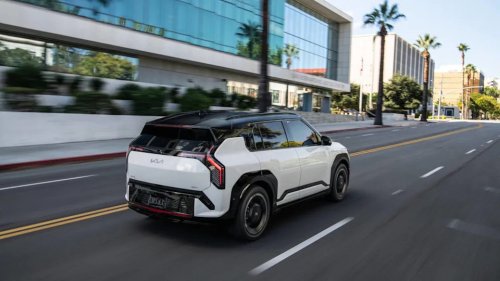
![Kia, Kia's new PV7 EV van shows up in the US [Image]](https://cdn.topcarnews.net/thumb/id/aHR0cHM6Ly9pMC53cC5jb20vZWxlY3Ry-ZWsuY28vd3AtY29udGVudC91cGxvYWRz-L3NpdGVzLzMvMjAyNi8wOS9LaWEtUFY3-LVVTLmpwZWc_dz0xNTAwJmFtcDtxdWFs-aXR5PTgyJmFtcDtzdHJpcD1hbGwmYW1w-O3NzbD0x/aaf5d3ab118b7bb439057bc51a88b2ba.jpeg?t=20260921&post_id=62751)
![Kia, Kia's new PV7 EV van shows up in the US [Image]](https://cdn.topcarnews.net/thumb/id/aHR0cHM6Ly9lbGVjdHJlay5jby93cC1j-b250ZW50L3VwbG9hZHMvc2l0ZXMvMy8y-MDI2LzA5L0tpYS1QVjctRVYtZGVidXQu-anBlZw/ee480f0f0710031129813e03bae3527e.jpeg?t=20260921&post_id=62751)
![Kia, Kia's new PV7 EV van shows up in the US [Image]](https://cdn.topcarnews.net/thumb/id/aHR0cHM6Ly9pMC53cC5jb20vZWxlY3Ry-ZWsuY28vd3AtY29udGVudC91cGxvYWRz-L3NpdGVzLzMvMjAyNi8wOS9LaWEtUFY3-LUNhcmdvLWludGVyaW9yLXNwYWNlLmpw-Zz9zdHJpcD1pbmZvJmFtcDt3PTE1MDAm-YW1wO3NzbD0x/036025fce965f60f7ba06db0ef352b81.jpg?t=20260921&post_id=62751)
![Kia, Kia's new PV7 EV van shows up in the US [Image]](https://cdn.topcarnews.net/thumb/id/aHR0cHM6Ly9pMC53cC5jb20vZWxlY3Ry-ZWsuY28vd3AtY29udGVudC91cGxvYWRz-L3NpdGVzLzMvMjAyNi8wOS9LaWEtUFY3-LUVWLXZhbi1yZWFyLmpwZz9zdHJpcD1p-bmZvJmFtcDt3PTE1MDAmYW1wO3NzbD0x/66bfaabaadf7e430ce46f0bd340495ba.jpg?t=20260921&post_id=62751)
![Kia, Kia's new PV7 EV van shows up in the US [Image]](https://cdn.topcarnews.net/thumb/id/aHR0cHM6Ly9pMC53cC5jb20vZWxlY3Ry-ZWsuY28vd3AtY29udGVudC91cGxvYWRz-L3NpdGVzLzMvMjAyNi8wOS9LaWEtUFY3-LUNhcmdvLWludGVyaW9yLmpwZz9zdHJp-cD1pbmZvJmFtcDt3PTE1MDAmYW1wO3Nz-bD0x/2dbe98b67618e2093d9ed6efb546d404.jpg?t=20260921&post_id=62751)
![Kia, Kia's new PV7 EV van shows up in the US [Image]](https://cdn.topcarnews.net/thumb/id/aHR0cHM6Ly9pMC53cC5jb20vZWxlY3Ry-ZWsuY28vd3AtY29udGVudC91cGxvYWRz-L3NpdGVzLzMvMjAyNi8wOS9LaWEtUFY3-LVBhc3Nlbmdlci1zZWF0aW5nLmpwZz9z-dHJpcD1pbmZvJmFtcDt3PTE1MDAmYW1w-O3NzbD0x/62f449ae1198f8926a03465d2e1a6a56.jpg?t=20260921&post_id=62751)
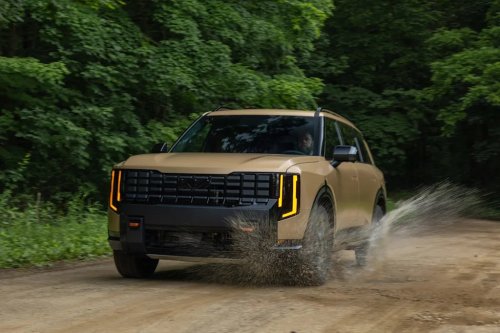
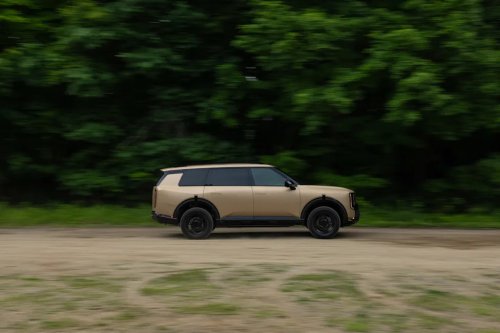



![Kia, Kia's new EV van is 17.5 ft long and can haul 9 people [Images]](https://cdn.topcarnews.net/thumb/id/aHR0cHM6Ly9pMC53cC5jb20vZWxlY3Ry-ZWsuY28vd3AtY29udGVudC91cGxvYWRz-L3NpdGVzLzMvMjAyNi8wOS9LaWEtUFY3-LUVWLXZhbi1pbWFnZXMuanBlZz93PTE1-MDAmYW1wO3F1YWxpdHk9ODImYW1wO3N0-cmlwPWFsbCZhbXA7c3NsPTE/bb4e89dbc344acb6383ed84e884bbafa.jpeg?t=20260921&post_id=62529)
![Kia, Kia's new EV van is 17.5 ft long and can haul 9 people [Images]](https://cdn.topcarnews.net/thumb/id/aHR0cHM6Ly9lbGVjdHJlay5jby93cC1j-b250ZW50L3VwbG9hZHMvc2l0ZXMvMy8y-MDI2LzA5L0tpYS1QVjctRVYtZGVidXQu-anBlZw/ee480f0f0710031129813e03bae3527e.jpeg?t=20260921&post_id=62529)
![Kia, Kia's new EV van is 17.5 ft long and can haul 9 people [Images]](https://cdn.topcarnews.net/thumb/id/aHR0cHM6Ly9pMC53cC5jb20vZWxlY3Ry-ZWsuY28vd3AtY29udGVudC91cGxvYWRz-L3NpdGVzLzMvMjAyNi8wOS9LaWEtUFY3-LUVWLXZhbi1mcm9udC5qcGc_c3RyaXA9-aW5mbyZhbXA7dz0xNTAwJmFtcDtzc2w9-MQ/cbbd85ed9fe7ea6387d7a09536068811.jpg?t=20260921&post_id=62529)
![Kia, Kia's new EV van is 17.5 ft long and can haul 9 people [Images]](https://cdn.topcarnews.net/thumb/id/aHR0cHM6Ly9pMC53cC5jb20vZWxlY3Ry-ZWsuY28vd3AtY29udGVudC91cGxvYWRz-L3NpdGVzLzMvMjAyNi8wOS9LaWEtUFY3-LUVWLXZhbi1zaWRlLmpwZz9zdHJpcD1p-bmZvJmFtcDt3PTE1MDAmYW1wO3NzbD0x/ac2e6cd909dadc8d267ff706d0a71330.jpg?t=20260921&post_id=62529)
![Kia, Kia's new EV van is 17.5 ft long and can haul 9 people [Images]](https://cdn.topcarnews.net/thumb/id/aHR0cHM6Ly9pMC53cC5jb20vZWxlY3Ry-ZWsuY28vd3AtY29udGVudC91cGxvYWRz-L3NpdGVzLzMvMjAyNi8wOS9LaWEtUFY3-LUVWLXZhbi1yZWFyLmpwZz9zdHJpcD1p-bmZvJmFtcDt3PTE1MDAmYW1wO3NzbD0x/66bfaabaadf7e430ce46f0bd340495ba.jpg?t=20260921&post_id=62529)
![Kia, Kia's new EV van is 17.5 ft long and can haul 9 people [Images]](https://cdn.topcarnews.net/thumb/id/aHR0cHM6Ly9pMC53cC5jb20vZWxlY3Ry-ZWsuY28vd3AtY29udGVudC91cGxvYWRz-L3NpdGVzLzMvMjAyNi8wOS9LaWEtUFY3-LUNhcmdvLWludGVyaW9yLmpwZz9zdHJp-cD1pbmZvJmFtcDt3PTE1MDAmYW1wO3Nz-bD0x/2dbe98b67618e2093d9ed6efb546d404.jpg?t=20260921&post_id=62529)

![Kia, The Kia PV7 is bigger than expected with 460+ km range [Images]](https://cdn.topcarnews.net/thumb/id/aHR0cHM6Ly9pMC53cC5jb20vZWxlY3Ry-ZWsuY28vd3AtY29udGVudC91cGxvYWRz-L3NpdGVzLzMvMjAyNi8wOS9LaWEtUFY3-LUVWLXJhbmdlLmpwZWc_dz0xNTAwJmFt-cDtxdWFsaXR5PTgyJmFtcDtzdHJpcD1h-bGwmYW1wO3NzbD0x/27c59f1471b015d84568f385de9cadd7.jpeg?t=20260921&post_id=62386)
![Kia, The Kia PV7 is bigger than expected with 460+ km range [Images]](https://cdn.topcarnews.net/thumb/id/aHR0cHM6Ly9lbGVjdHJlay5jby93cC1j-b250ZW50L3VwbG9hZHMvc2l0ZXMvMy8y-MDI2LzA5L0tpYS1QVjctRVYtZGVidXQu-anBlZw/ee480f0f0710031129813e03bae3527e.jpeg?t=20260921&post_id=62386)
![Kia, The Kia PV7 is bigger than expected with 460+ km range [Images]](https://cdn.topcarnews.net/thumb/id/aHR0cHM6Ly9pMC53cC5jb20vZWxlY3Ry-ZWsuY28vd3AtY29udGVudC91cGxvYWRz-L3NpdGVzLzMvMjAyNi8wOS9LaWEtUFY3-LUVWLXZhbi1mcm9udC5qcGc_c3RyaXA9-aW5mbyZhbXA7dz0xNTAwJmFtcDtzc2w9-MQ/cbbd85ed9fe7ea6387d7a09536068811.jpg?t=20260921&post_id=62386)
![Kia, The Kia PV7 is bigger than expected with 460+ km range [Images]](https://cdn.topcarnews.net/thumb/id/aHR0cHM6Ly9pMC53cC5jb20vZWxlY3Ry-ZWsuY28vd3AtY29udGVudC91cGxvYWRz-L3NpdGVzLzMvMjAyNi8wOS9LaWEtUFY3-LUVWLXZhbi1zaWRlLmpwZz9zdHJpcD1p-bmZvJmFtcDt3PTE1MDAmYW1wO3NzbD0x/ac2e6cd909dadc8d267ff706d0a71330.jpg?t=20260921&post_id=62386)
![Kia, The Kia PV7 is bigger than expected with 460+ km range [Images]](https://cdn.topcarnews.net/thumb/id/aHR0cHM6Ly9pMC53cC5jb20vZWxlY3Ry-ZWsuY28vd3AtY29udGVudC91cGxvYWRz-L3NpdGVzLzMvMjAyNi8wOS9LaWEtUFY3-LUVWLXZhbi1yZWFyLmpwZz9zdHJpcD1p-bmZvJmFtcDt3PTE1MDAmYW1wO3NzbD0x/66bfaabaadf7e430ce46f0bd340495ba.jpg?t=20260921&post_id=62386)
![Kia, The Kia PV7 is bigger than expected with 460+ km range [Images]](https://cdn.topcarnews.net/thumb/id/aHR0cHM6Ly9pMC53cC5jb20vZWxlY3Ry-ZWsuY28vd3AtY29udGVudC91cGxvYWRz-L3NpdGVzLzMvMjAyNi8wOS9LaWEtUFY3-LUNhcmdvLWludGVyaW9yLmpwZz9zdHJp-cD1pbmZvJmFtcDt3PTE1MDAmYW1wO3Nz-bD0x/2dbe98b67618e2093d9ed6efb546d404.jpg?t=20260921&post_id=62386)