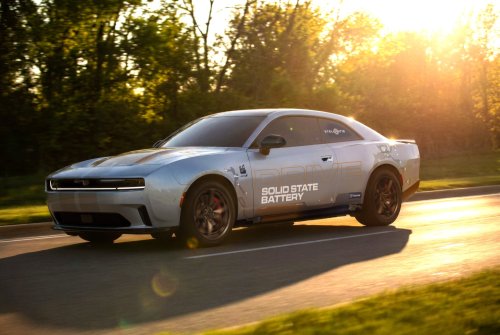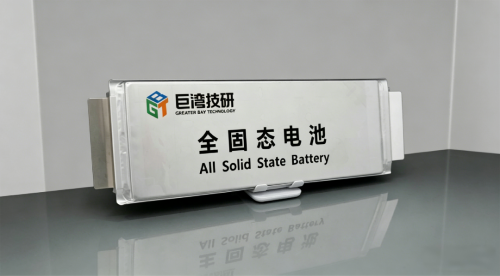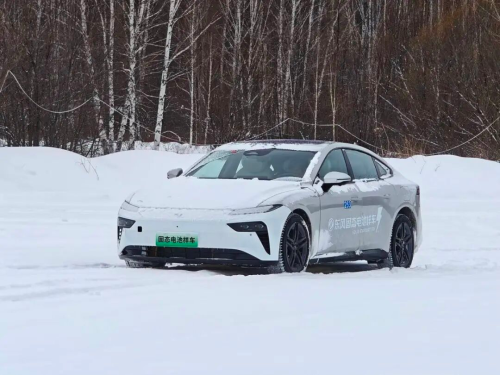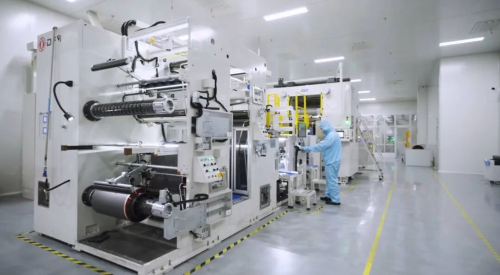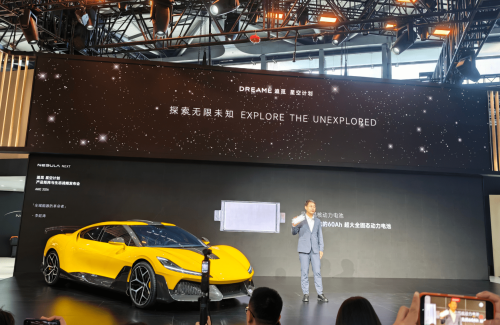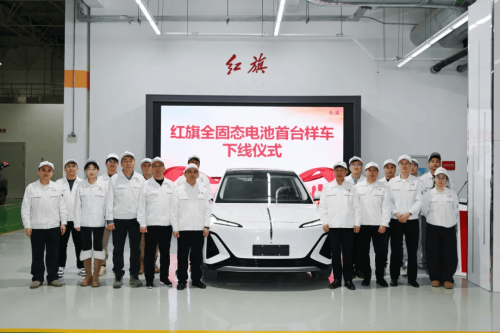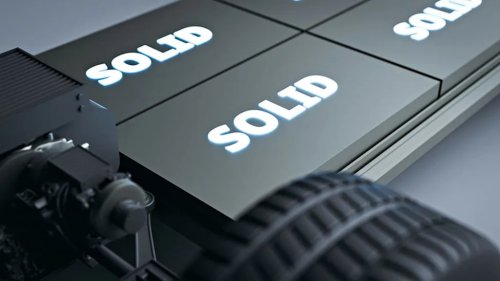
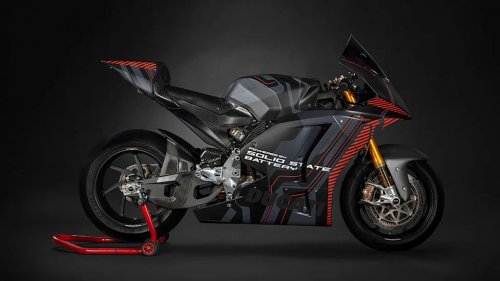
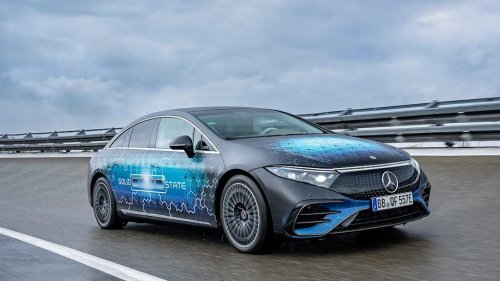
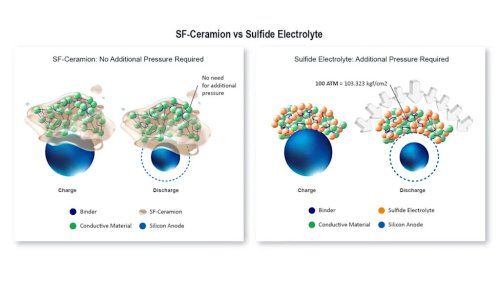


















Solid-State Batteries vs. Semi-Solid BatteriesGetty ImagesWe've covered a lot of noisy headlines about solid-state batteries, which will supposedly be "the kiss of death for gas cars," by delivering hundreds of miles of range and then recharging in minutes. But perhaps the industry's biggest shift during the past two years is that the race has become less "solid-state versus liquid-electrolyte lithium-ion" and more "semi-solid first, all-solid later." This effectively delays resolution of the toughest challenges—like how to keep a solid electrolyte/separator in sufficiently intimate contact with the electrodes to work properly (which often requires high pressure). Today, semi-solid architectures are already bringing significant benefits to vehicles, while pure ceramic/sulfide lithium-metal batteries (which claim the wildest range/recharging stats) remain years away. Here's a roundup of the leaders:Battery-swapping Chinese automaker Nio produced 150-kWh WELION semi-solid-state packs boasting 260-Wh/kg energy density in 2024. The idea was for owners to rent these packs for long trips, but low demand halted production after a few hundred were produced.China's SAIC teamed with battery supplier QingTao Energy to produce a semi-solid-state pack for IM Motors' L6 Lightyear Max. Its 130-kWh pack is rated for 621 miles of (CLTC) range, recharging 249 miles' worth in 12 minutes at 400 kW.ManufacturerToyota is working with Idemitsu Kosan to develop an all-solid-state cell using an undisclosed high-energy cathode, a sulfide solid electrolyte, and an undisclosed (likely lithium) anode. A pilot electrolyte plant is under construction, and the supply chain is being built.AdvertisementAdvertisementChinese battery giant CATL is working with multiple OEMs on semi-solid and condensed-matter batteries using high-nickel chemistries, silicon-rich anodes, and longer-term lithium-metal research.Samsung SDI is working with BMW and others on a reportedly oxide-based all-solid-state anodeless/lithium-metal design with a high-nickel cathode. A pilot production line is running, with production gearing up for an announced target of 2027 mass production.VW Group's PowerCo has teamed with QuantumScape to develop a novel cell design using a pure copper current collector that plates lithium metal during its first charging cycle, a solid ceramic separator that prevents dendrite growth from the anode, and a liquid catholyte that maintains contact with the cathode particles under roughly 50 psi of stack pressure. It's been demonstrated in a Ducati motorcycle, and manufacturing license agreements are signed.Mercedes-BenzMercedes-Benz and Factorial Energy have demonstrated a pack using a "high-capacity" cathode, an unspecified quasi-solid-state "FEST" electrolyte, and a lithium-metal anode. A pneumatic actuator is needed to maintain an undisclosed pressure (presumed to be higher than VW/QuantumScape's). An EQS prototype has been driven 749 miles on a charge, demonstrating advanced vehicle integration. Stellantis also just rolled out a Charger Daytona test vehicle powered by Factorial FEST cells.AdvertisementAdvertisementBMW and Solid Power have been developing a sulfide solid electrolyte all-solid-state architecture with few details disclosed, other than it will use lithium-metal technology. It's been demonstrated in a BMW i7 using automotive-sized cells, but it's received less publicity.ManufacturerTiawan's ProLogium has inked a memorandum of understanding with Rimac to develop its "superfluidized all-inorganic lithium ceramic battery." Its fourth generation SF-Ceramion electrolyte reportedly acts like a solid, behaving like a liquid only where it interfaces with the electrodes. ProLogium claims this removes the need for pressurized modules.