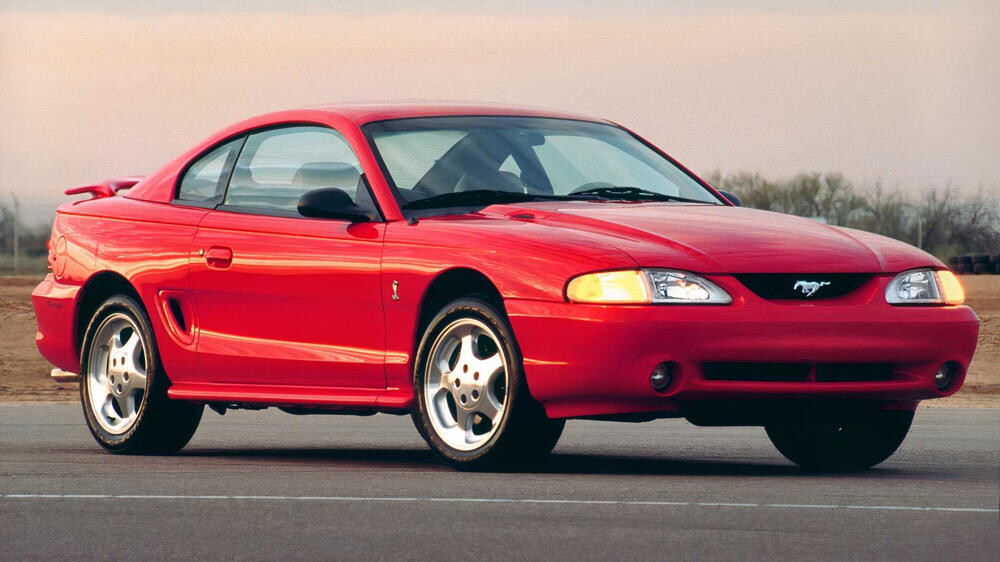
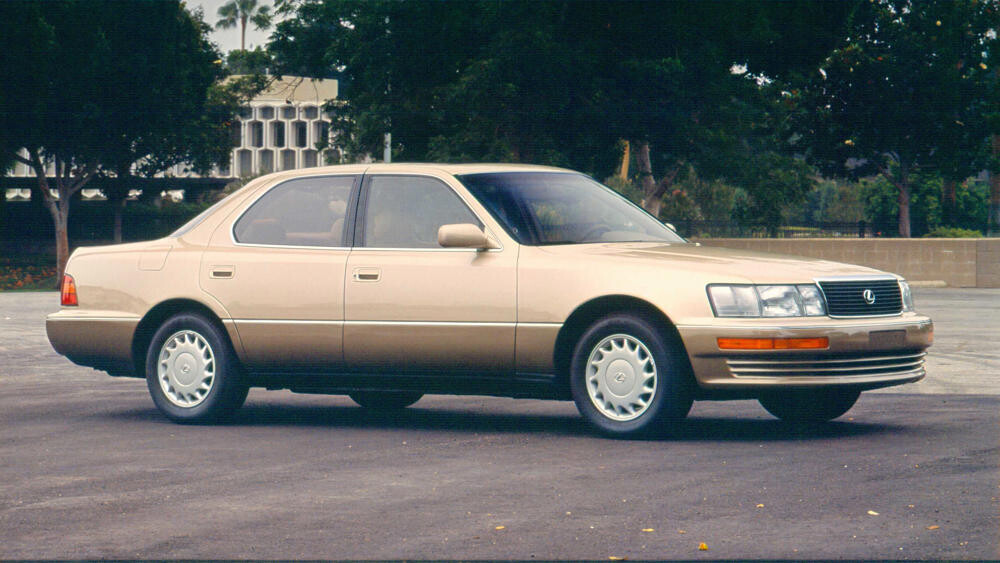
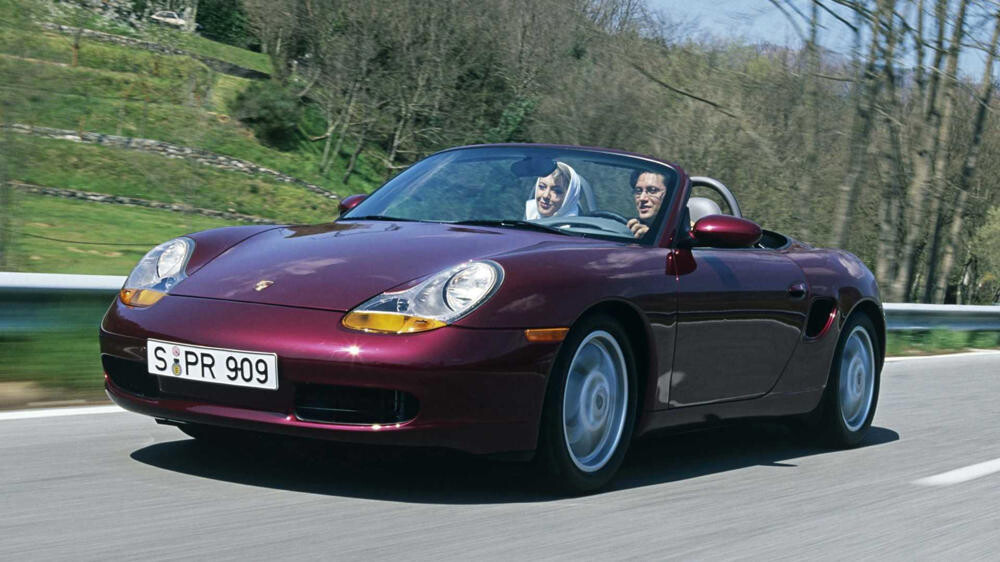
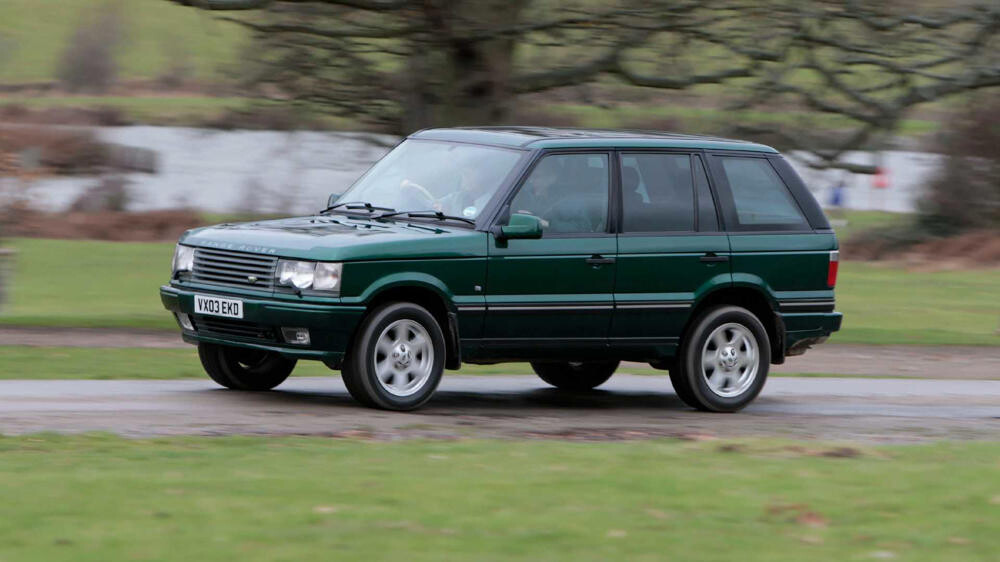
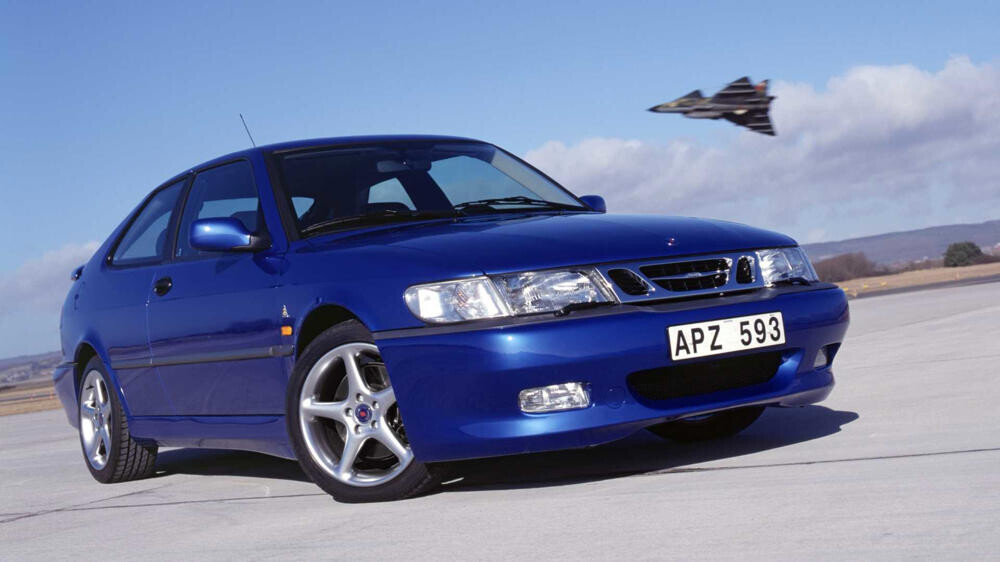
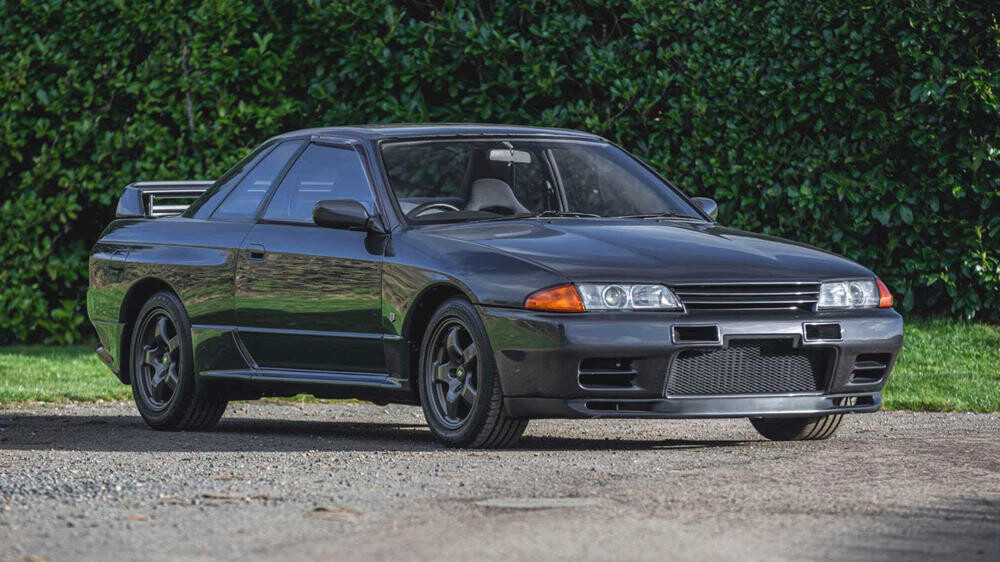
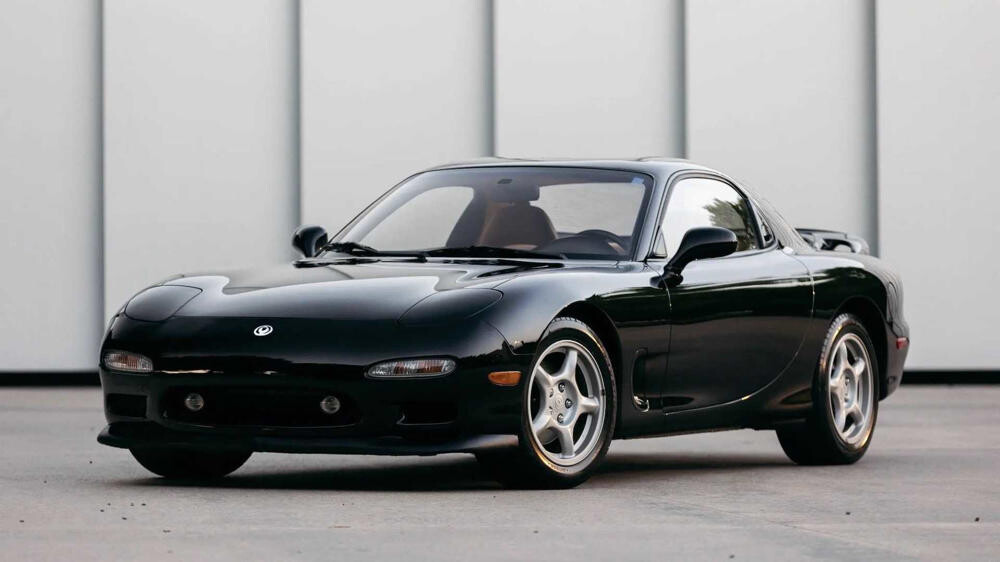
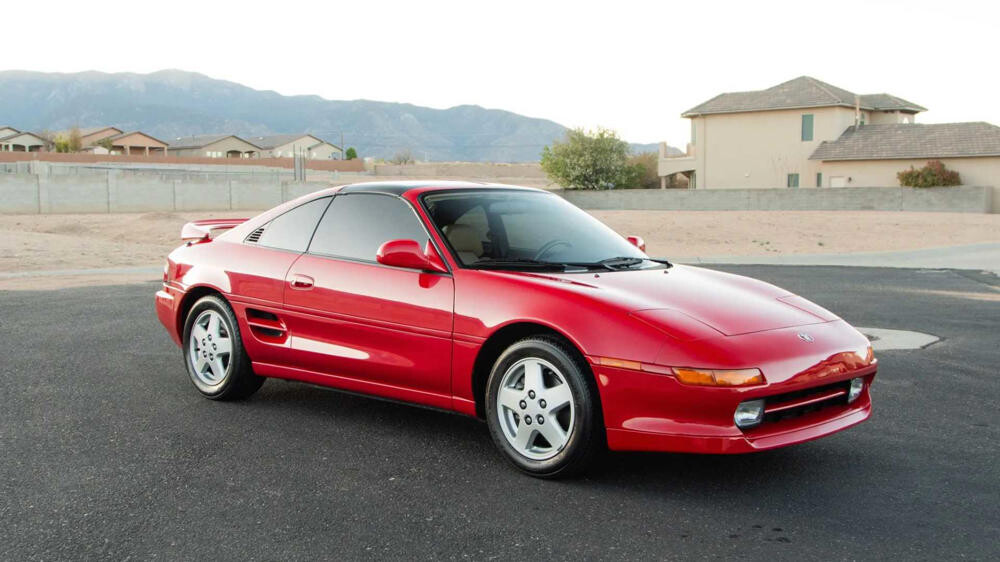
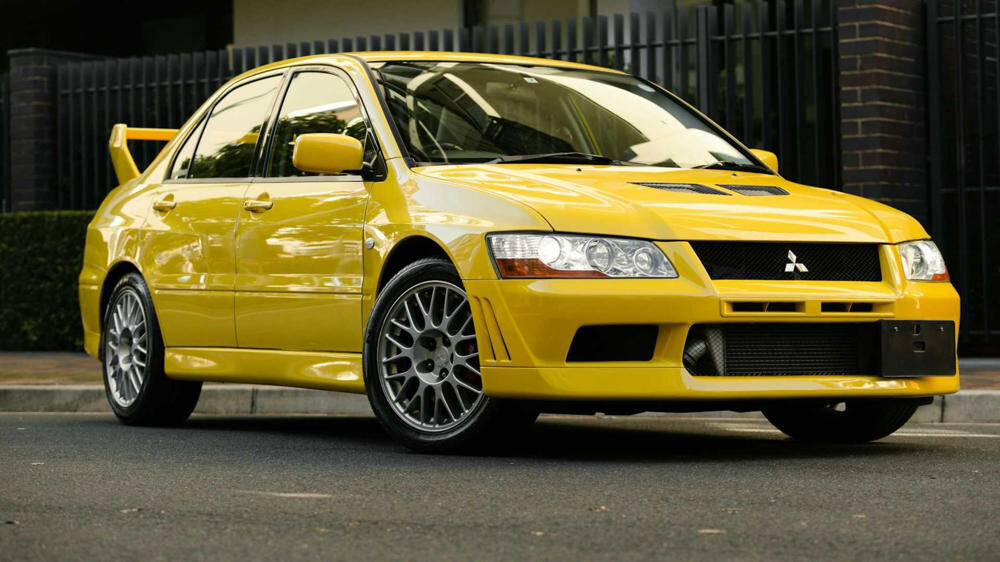
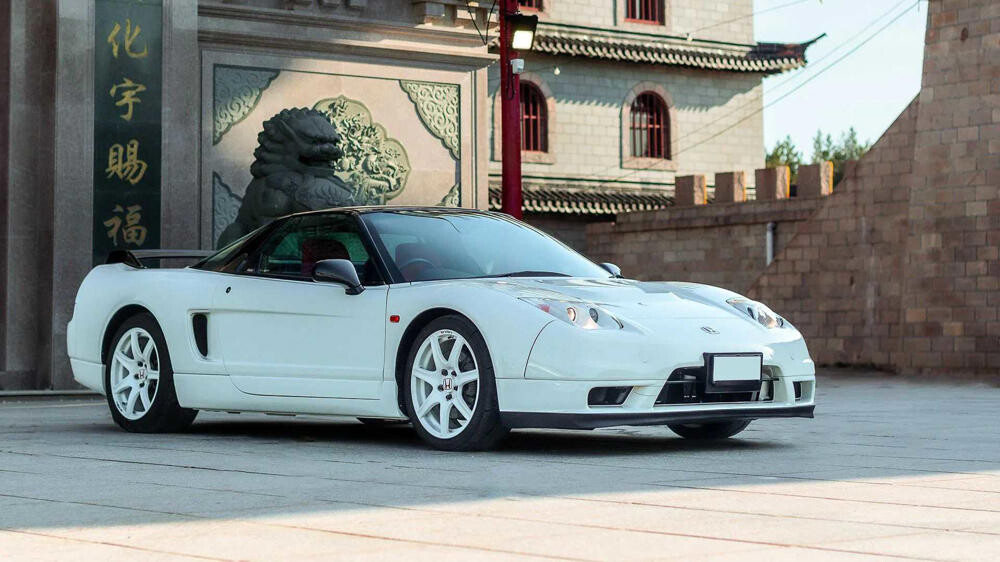
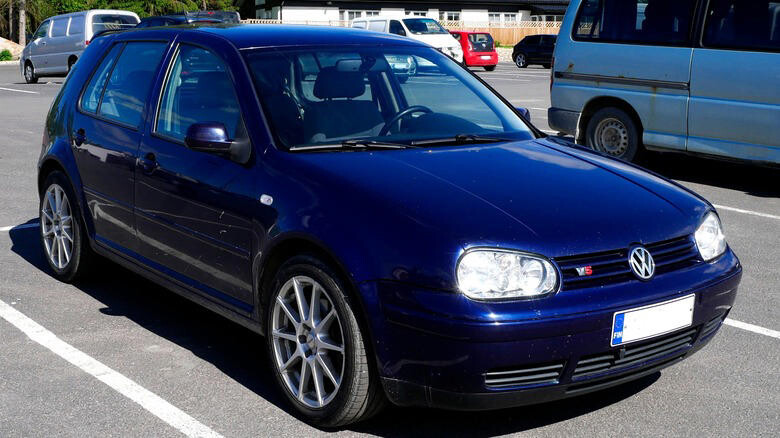
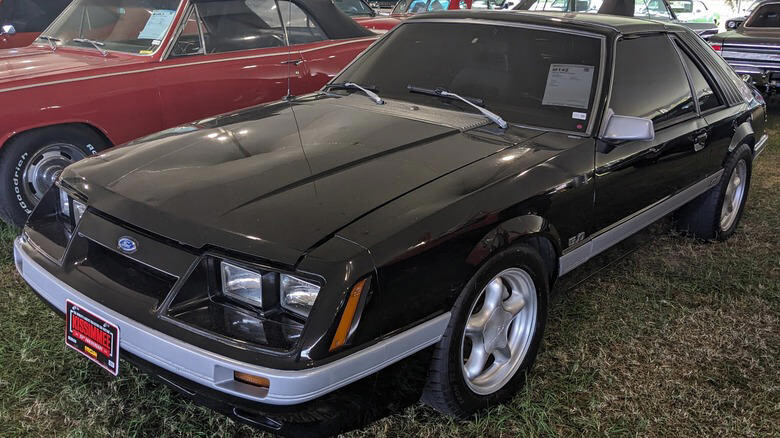
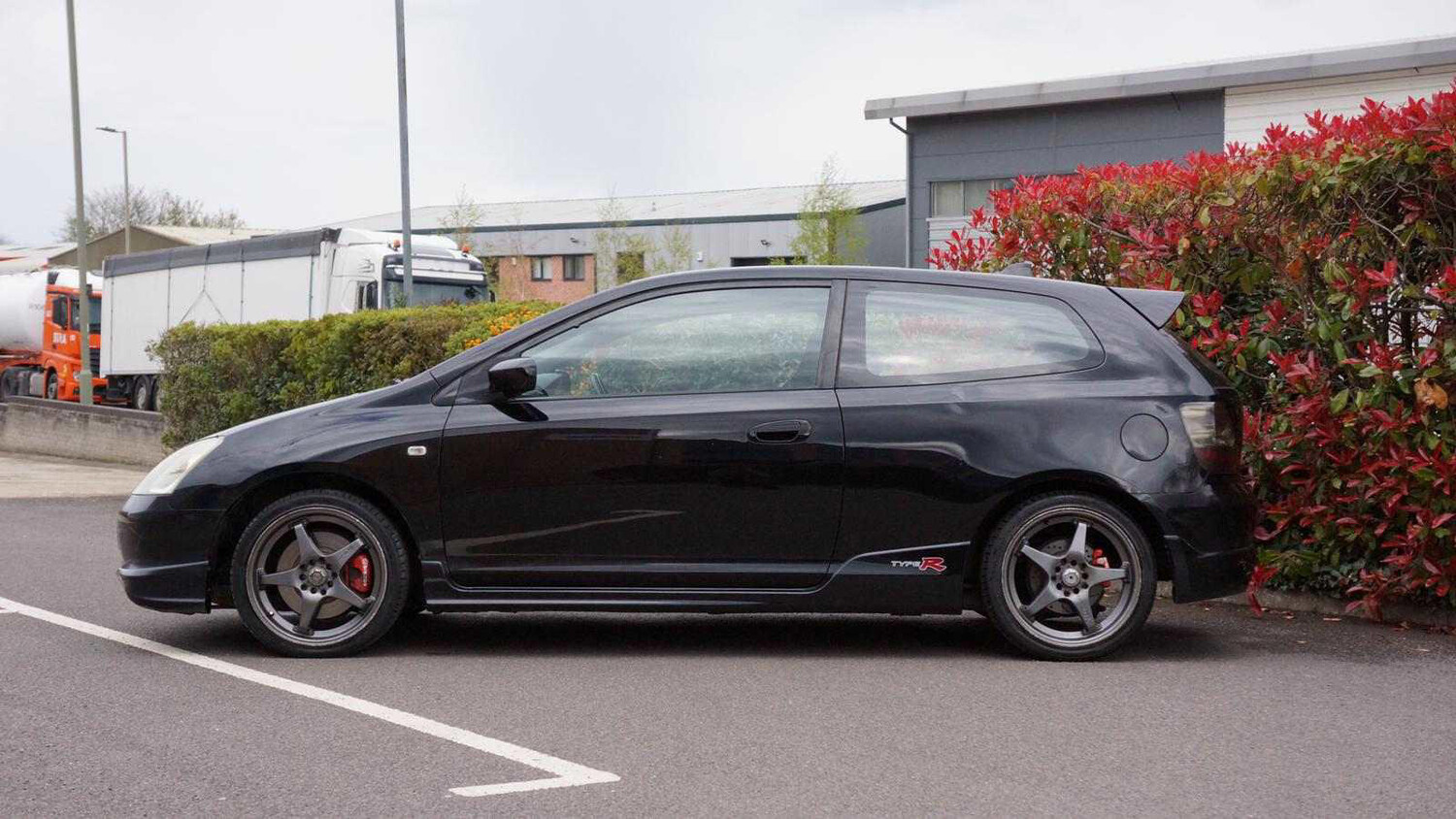
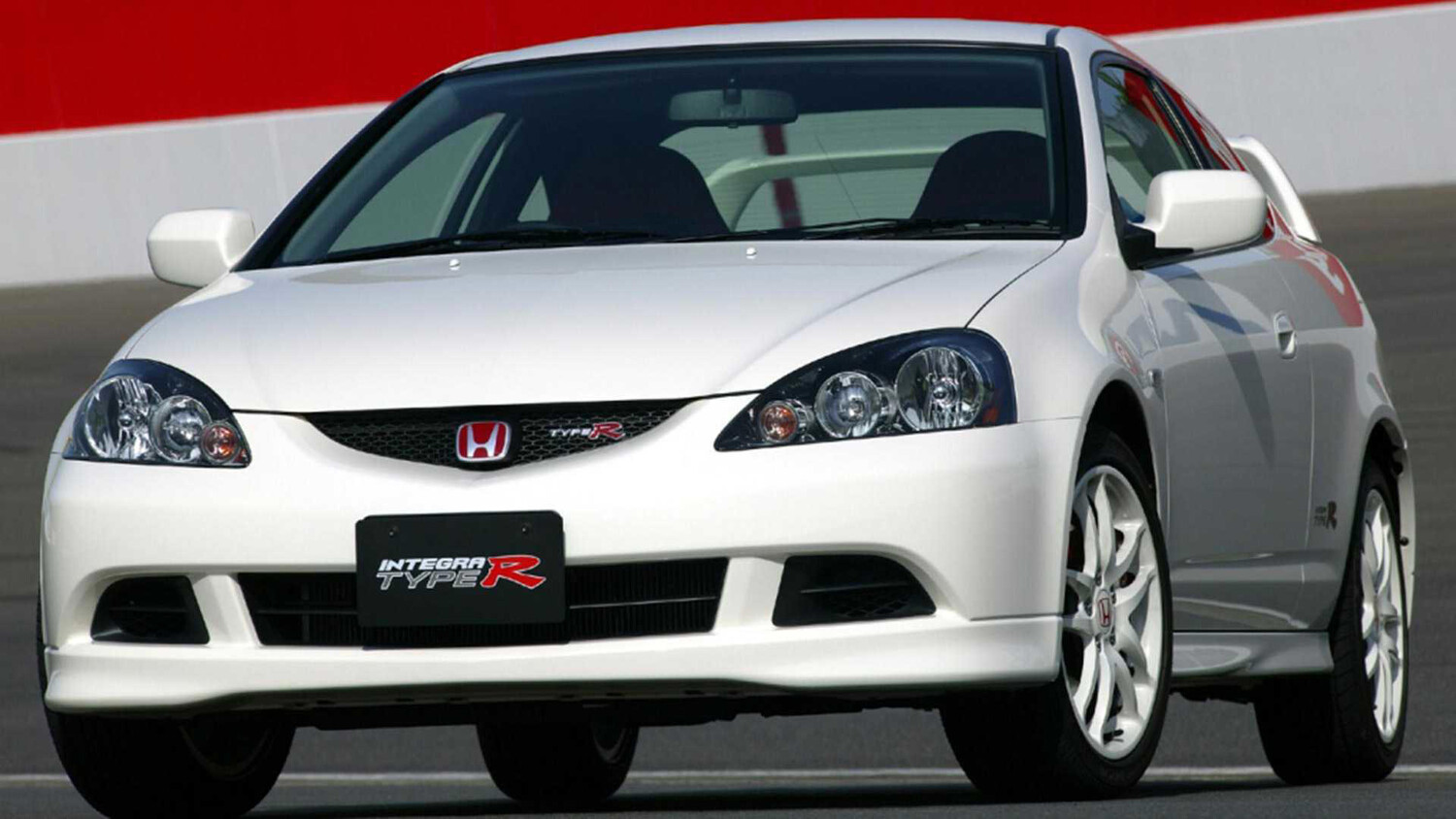
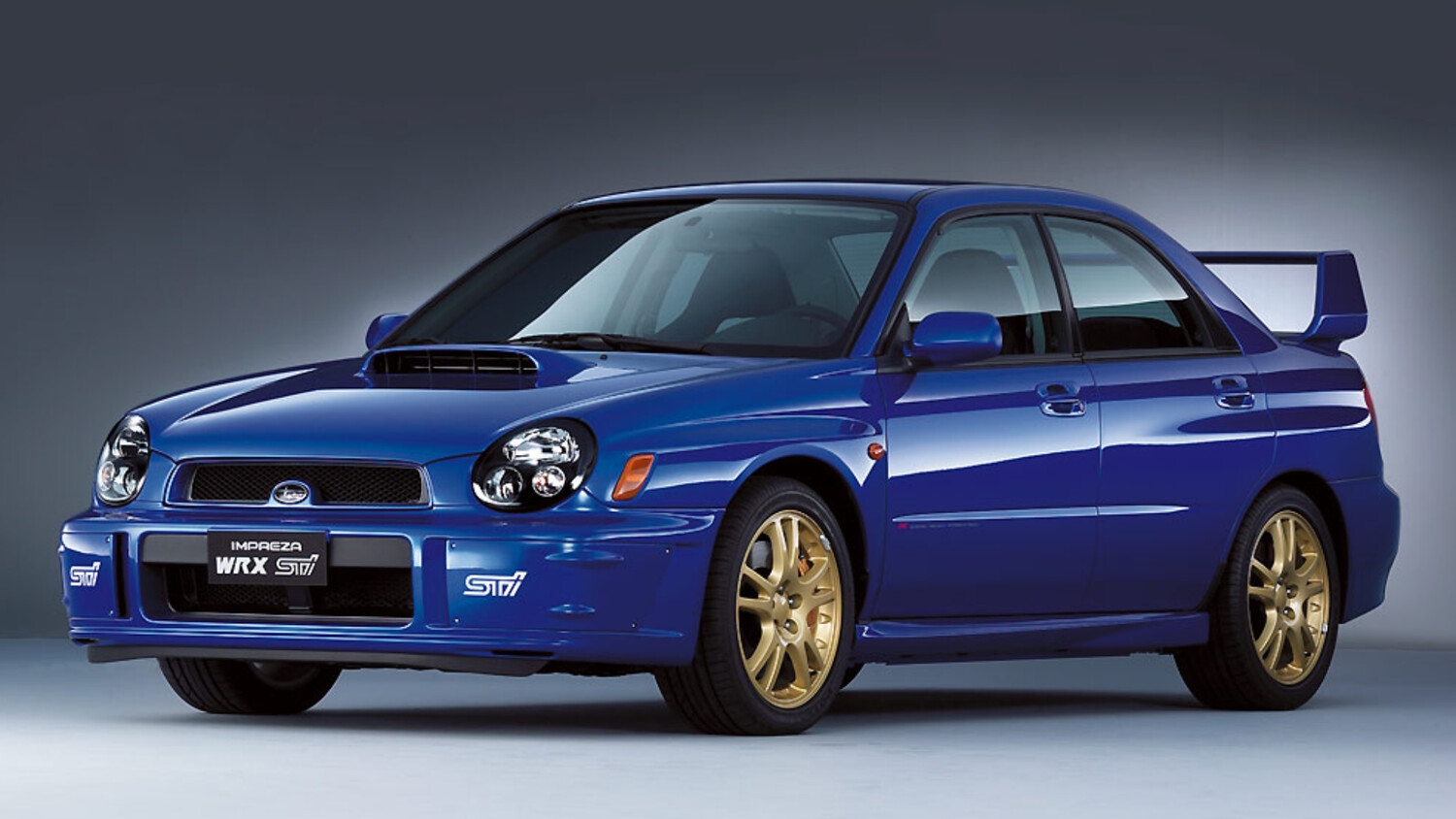
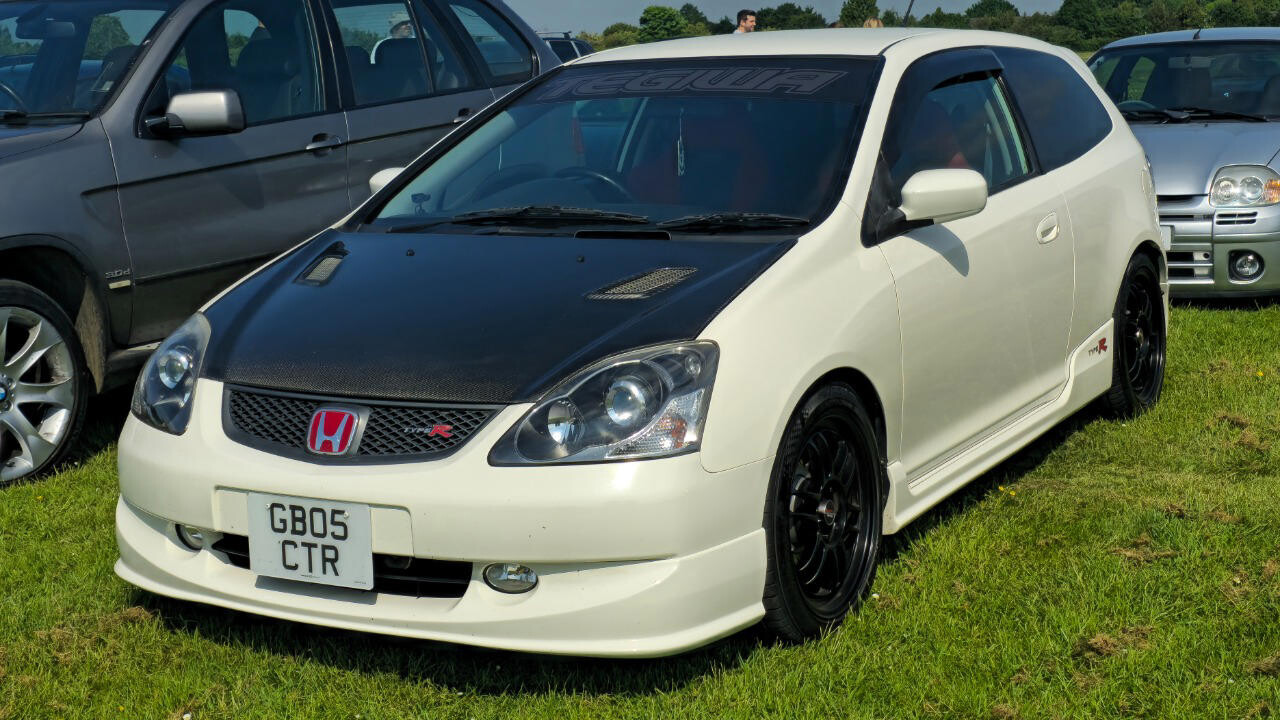
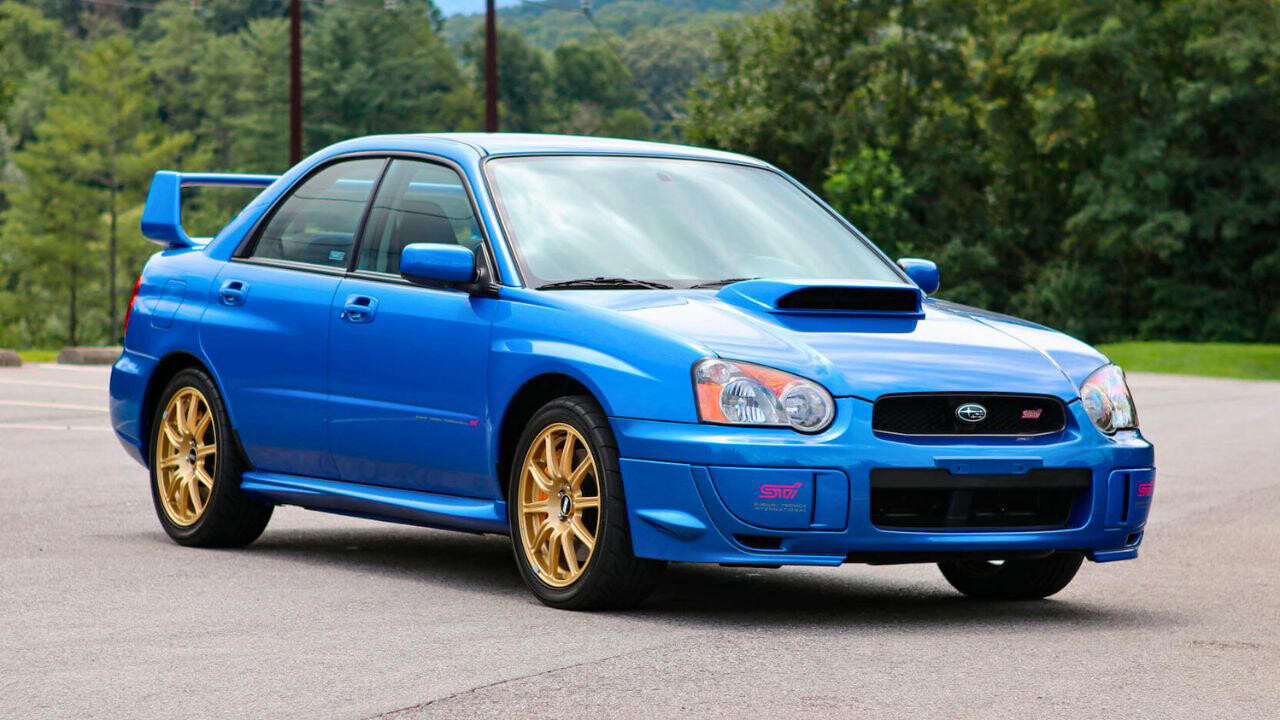
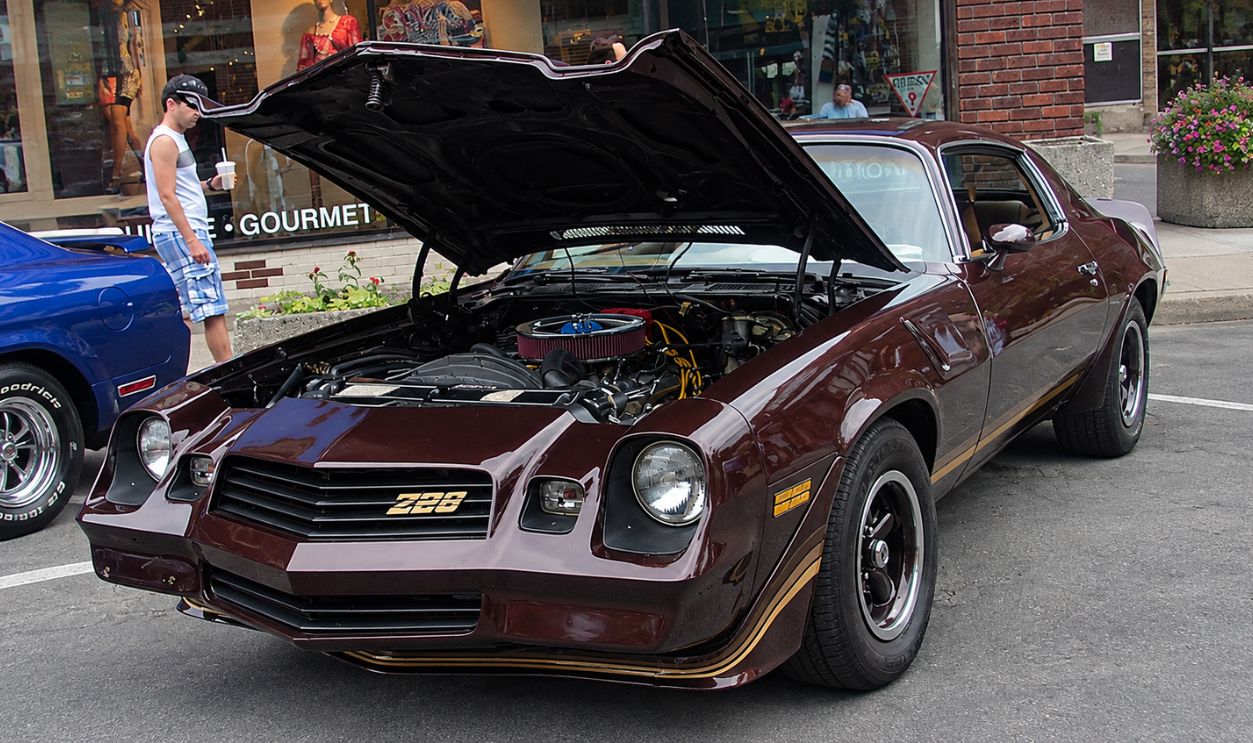
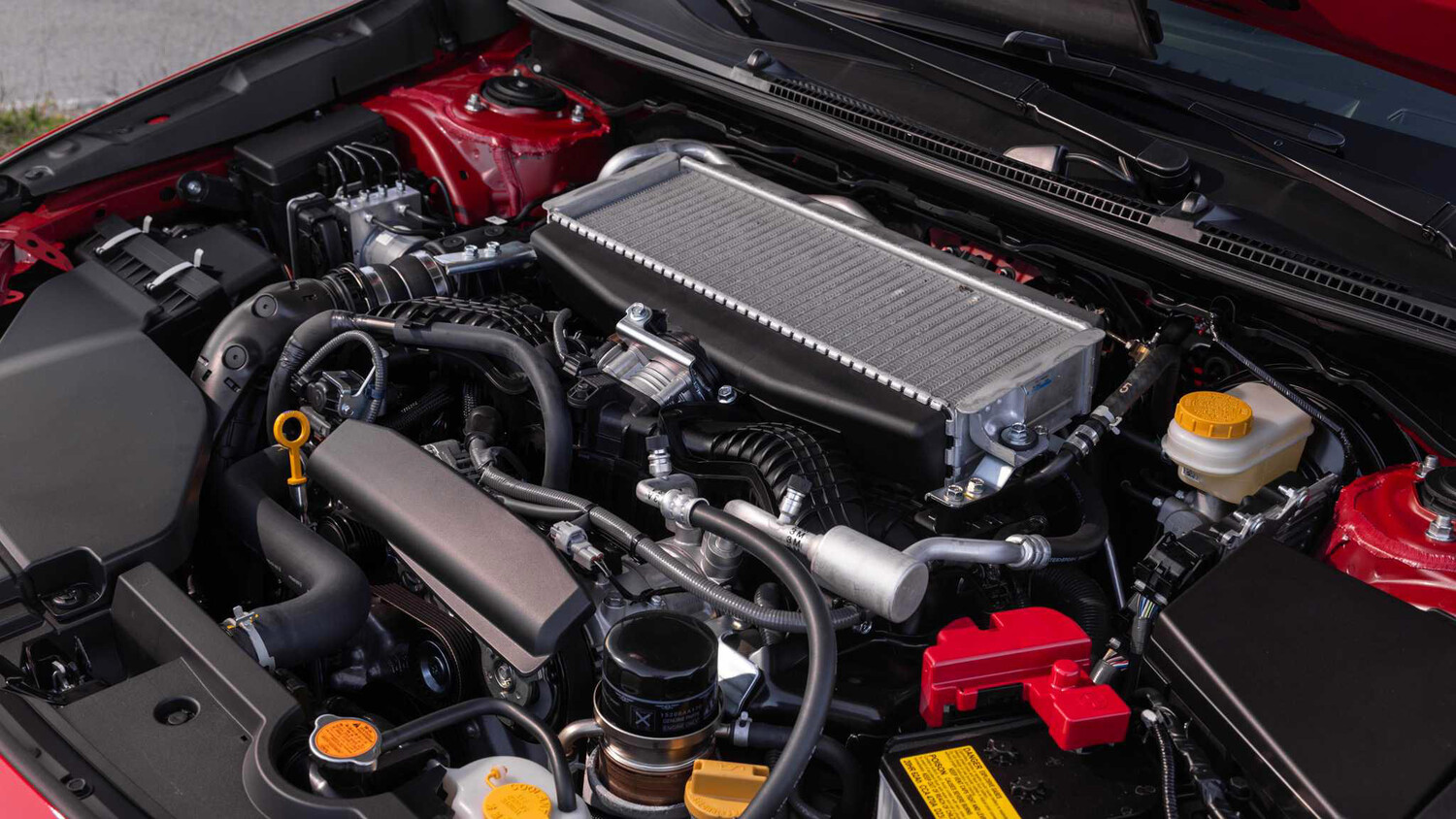
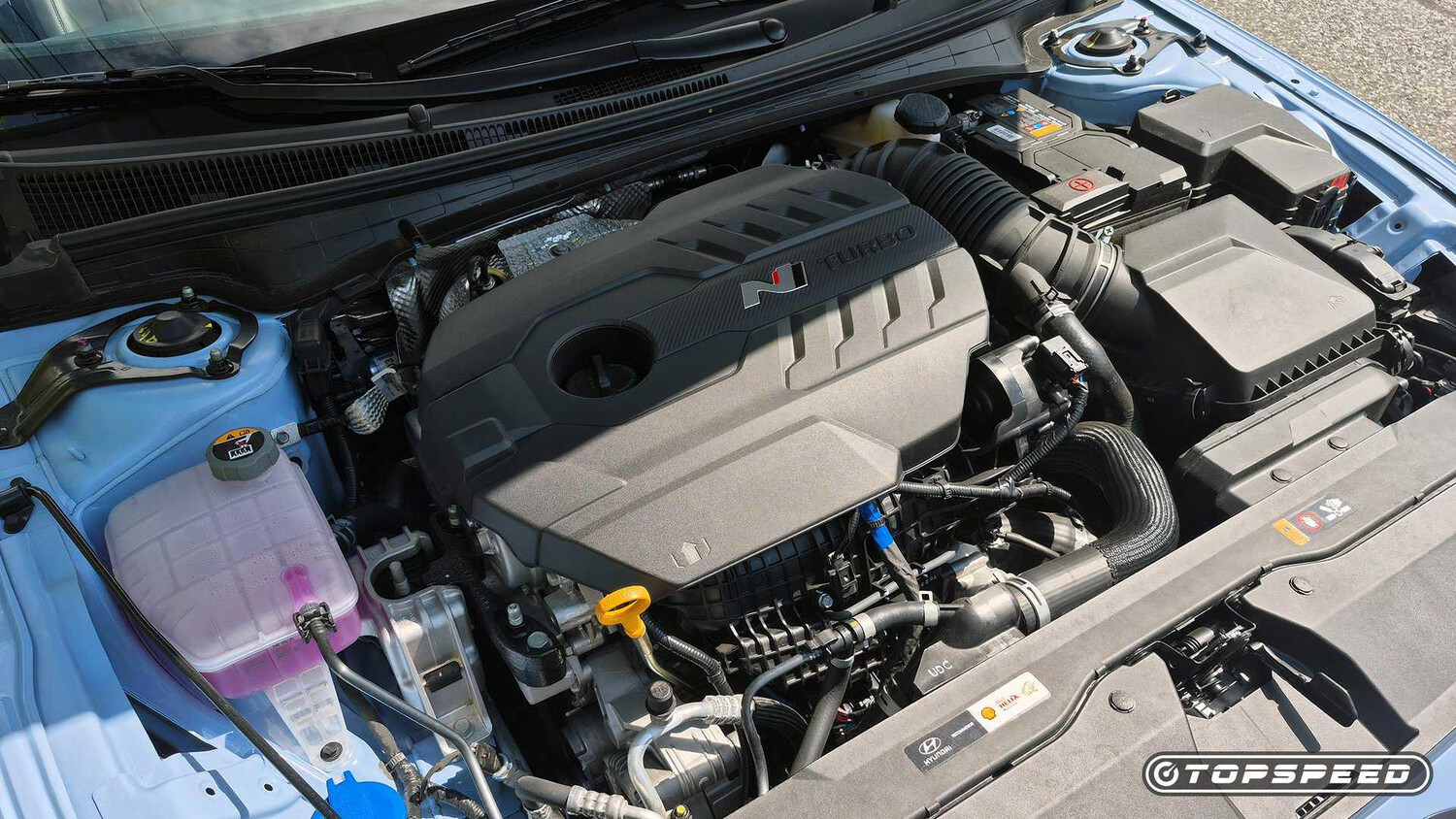
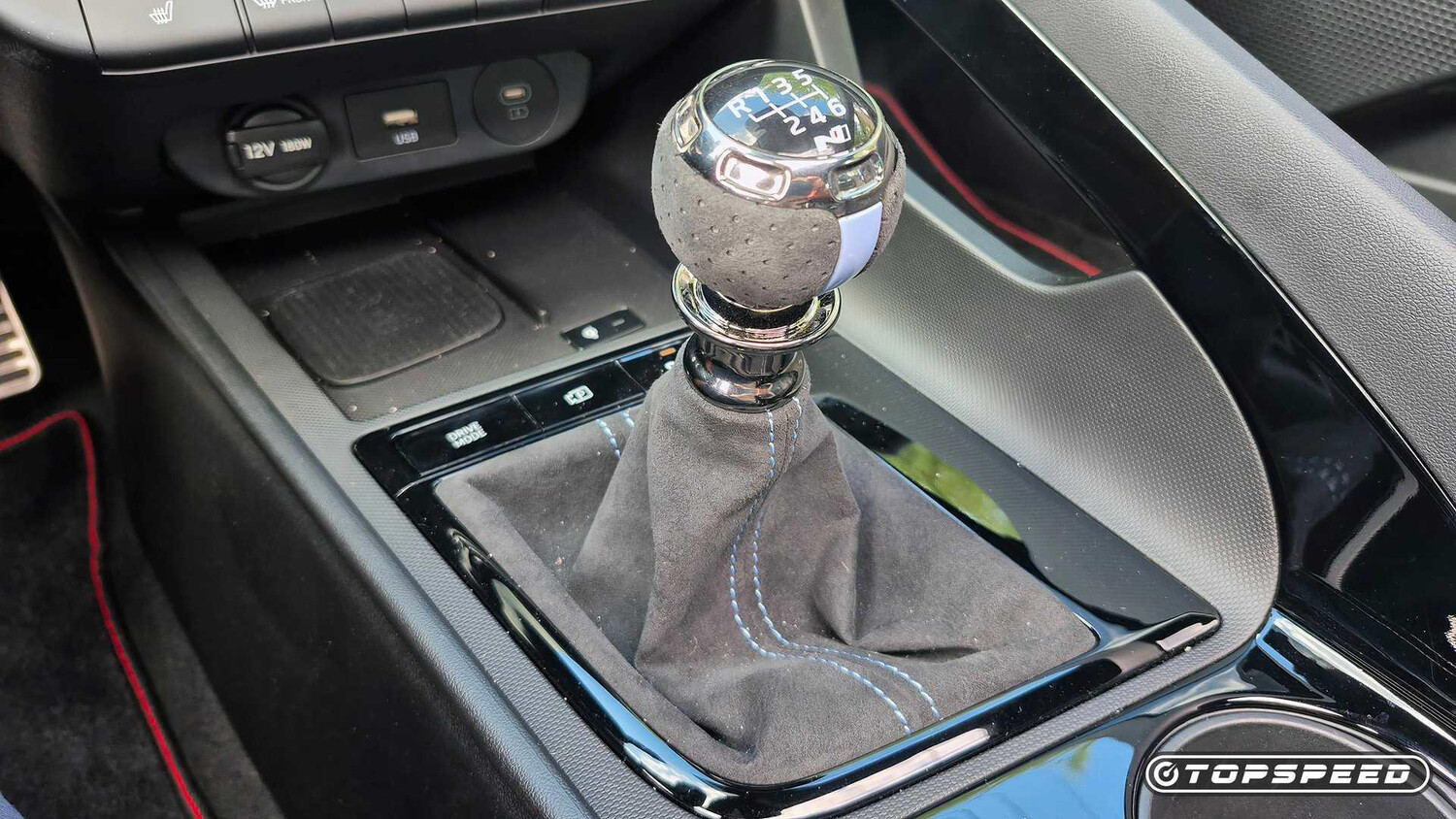
A turbo four once sounded like a recipe for trouble. Ford’s early 2.3-liter turbo of 1979 and 1980 used a draw-through setup, and a lack of dealer and owner training left many with stuck turbochargers and other maintenance problems. As a result, plenty of drivers treated boost as something that would break. However, engineers kept at it. Thick iron blocks, forged cranks, oil squirters under the pistons and smarter boost control made the best of them far tougher. Some powered rally champions. Others, meanwhile, spent decades in family wagons, sports coupes and convertibles. These 12 are our picks for the turbo fours that seem to shrug off whatever their owners throw at them. That verdict is our opinion, not a promise, because neglect can kill any engine. The years, outputs and design details come from the makers’ specs and the people who rebuild these engines. 1. 1992 Mitsubishi Lancer Evolution (4G63T) Mitsubishi’s 4G63T is the engine we’d put first on any list like this. The turbo 4G63 began in the Lancer EX 2000 Turbo at the start of the 1980s, then found its true calling in the Lancer Evolution. According to autoevolution, it powered nine Evo generations from 1992 to 2007. First, the hardware explains its toughness. The 2.0-liter engine uses a very thick cast-iron block and a forged steel, fully counterweighted crankshaft. In addition, the Evolution version got forged steel connecting rods. From May 1992, Mitsubishi switched to a seven-bolt crank flange with lighter rods, replacing the earlier six-bolt design. The Galant VR-4 used the engine, too, and won the Asia-Pacific Rally Championship in 1988, 1991 and 1992. Later, rallying proved the point in public. Tommi Mäkinen won four straight World Rally Championship drivers’ titles from 1996 to 1999 with the engine, and Mitsubishi took the 1998 manufacturers’ trophy. Our take: few engines have been abused as hard and come back for more. If you want to see where that rally pedigree led, read how the 1999 Lancer Evolution VI dominated rallies. 2. 1989 Nissan Silvia K’s (CA18DET) The CA18DET is proof that a small turbo four can be a tough one. Nissan built it from 1985 to 1994, and in fact it was the last version of the CA family. In Japan, it powered the S13 Silvia and 180SX from 1988 to mid-1990, and the car in our photo is a 1989 Silvia K’s. It displaces just 1,809 cc, yet Nissan rated it at 169 PS and 228 Nm of torque. The CA family paired a cast-iron block with an aluminum head, and this version used a twin-cam 16-valve head. Nissan drove the cams with a timing belt, which was cheaper to build than the chains on earlier Nissan engines. Our take: that iron block is the reason we’d trust this little engine with hard use. Nissan also fitted it to the S12 Silvia, the European 200SX and an all-wheel-drive Bluebird. In our view, it’s the most underrated turbo four from Nissan. If you buy one, treat the timing belt as a service item, not an afterthought, and the rest of the engine tends to reward you. 3. 1986–2007 Toyota 3S-GTE Toyota’s 3S-GTE had one of the longest runs on this list. It entered production in 1986 and stayed in use until 2007 across several generations. It powered the Celica GT-Four, the MR2 Turbo and, later, the Caldina wagon. The design started with Toyota’s 3S-GE and then got tougher. For example, engineers added oil squirters under the pistons and lowered the compression ratio to cope with boost. Compression ran as low as 8.5:1 on the first and third generations. Meanwhile, the block is iron, and Yamaha designed the twin-cam 16-valve aluminum head. As the years went on, Toyota kept changing the turbo, from a single-entry CT26 on the first cars to a CT15B cast into the manifold on the last. Our take: the 3S-GTE is the sensible enthusiast’s turbo four. It powered the all-wheel-drive Celica GT-Four through three generations, so it had to cope with heat and full throttle. The fourth-generation version in the Caldina made 260 PS at 6,200 rpm. In our view, that’s a lot of output from an iron-block 2.0, and the engine’s long production run suggests Toyota trusted it. 4. 1985 Volvo 740 Turbo (B230FT) Volvo’s redblock is the farm tractor of turbo fours, and we mean that kindly. The 2.3-liter B230 went into production in 1985 and stayed until 1998. In the 740 Turbo, the turbocharged and intercooled B230FT made 162 hp, according to Grassroots Motorsports. Also, the same article includes a telling detail from a Volvo parts director. Grassroots also cites a 0 to 60 mph time of about 7.8 seconds. The parts director says engines still come into his shop with 250,000 to 300,000 miles, and he calls the motors “bulletproof.” Meanwhile, the FT version used dished pistons to drop compression to 8.7:1, which left room for boost. Later, Volvo fitted stronger rods and bearings plus a new oil pump in 1989. That toughness carried into the 940 Turbo, which made 165 hp and 195 lb-ft. Our take: a 740 Turbo wagon is the turbo four for people who don’t baby their cars. It hauls lumber and tows a trailer without complaint, so long as you change the oil. Just check the turbo for smoke, because even a great engine can’t fix a tired turbo. 5. 1989 Saab 900 Turbo The Saab 900 Turbo’s engine has a curious family tree. Saab’s H engine was a redesign of the earlier B engine, which itself traced back to the Triumph slant-four. Despite the name, the H stands for high compression, not horizontal, and the engine is a slanted inline four. The original B201 of 1981 had a single overhead cam and two valves per cylinder. After that, Saab kept improving it. In 1984, it added a 16-valve twin-cam head, and an intercooled turbo version arrived in 1986 with 155 PS at 5,500 rpm. Those changes kept the 900 Turbo competitive through the late 1980s, when the 1989 car in our photo was built. Our take: the 900 Turbo earned a loyal following, and the engine is a big part of that. It was a daily driver with real boost, built by a company that kept refining one design for decades. In our view, that steady development is what makes it a turbo four to trust. If you shop for one, look for a car with a thick service file. Regular oil changes matter more than anything else on an old turbo. 6. 1986 Ford Mustang SVO (2.3 Lima turbo) Ford learned from its early turbo trouble. In 1983, it introduced a fuel-injected 2.3-liter turbo for the Thunderbird Turbo Coupe and the Mustang Turbo GT. Then, in 1984, the Mustang SVO added an intercooler. According to Hagerty, the SVO began at 175 hp, and a mid-1985 boost increase from 14 to 15 psi raised it to 205 hp. For 1986, the SVO was rated at 200 hp and 240 lb-ft. In the end, Ford built 9,844 SVOs over three model years. A dash switch let owners turn the boost down to run regular gas, a thoughtful touch for a performance car of the period. Hagerty adds that its four-wheel disc brakes and some suspension parts came from the Lincoln Mark VII. The Lima four itself had remarkable staying power, lasting in various forms until 1997. Our take: the fuel-injected, intercooled 2.3 is the version of this engine we’d trust with hard driving. It shares little of the reputation the early draw-through turbos earned. For more on how Ford’s turbo Mustang was conceived, read why the 1984 Mustang SVO took a different path. 7. 1986 Chrysler LeBaron convertible (2.2 Turbo) Chrysler’s first turbocharged engine was the 1984 Turbo I. It launched at 142 hp and 160 lb-ft with a Garrett T03 turbo and a mechanical wastegate. For 1985, a computer-controlled wastegate raised output to 146 hp and 168 lb-ft. Soon, the engine went almost everywhere in the Chrysler lineup. It powered the LeBaron, Laser, New Yorker, Daytona Turbo, Shelby Charger and Omni GLH, among others. Turbo I LeBarons ran from 1984 to 1988. Later, the intercooled Turbo II added a forged crankshaft, full-floating wrist pins and stronger connecting rods, and it made 175 hp. That designation first appeared on the 1986 Shelby GLH-S. Our take: few people expect toughness from a 1980s front-drive convertible. However, Chrysler trusted the 2.2 Turbo across nearly its whole lineup, and the later Turbo II got a tougher bottom end. That’s why we rate it. A LeBaron convertible with the turbo badge on the fender is a cheap way to enjoy period boost. Check the hoses and wiring first, because rubber parts age faster than iron on any car this old. 8. BMW 2002 turbo BMW’s 2002 turbo is the oldest engine here. The car debuted at the 1973 Frankfurt show, using the 2.0-liter four from the 2002 tii, part of BMW’s M10 family. With a KKK turbocharger and mechanical Kugelfischer fuel injection, it made 170 PS at 5,800 rpm and 240 Nm of torque. Boost was a modest 0.55 bar, and BMW developed the twin-scroll turbo with Kühnle, Kopp & Kausch. Timing was against it, though. The car launched just before the 1973 oil crisis, and sales suffered. In the end, BMW built only 1,672 of them, a tiny share of the more than 837,000 cars in the 02 series. So why include such a rare car? In our view, it shows how strong the M10 bottom end was from the start. BMW bolted boost onto an existing production four and sold it to the public, and that took confidence in 1973. Our take: if you ever get the chance to drive one, take it. The turbo kicks in late and hard, and the four underneath takes it in stride. 9. 1986 Porsche 944 Turbo (951) Porsche built the 944 Turbo, known internally as the 951, from 1985 to 1988. Its 2.5-liter M44/51 four was turbocharged and intercooled, and Porsche rated it at 220 PS, or 217 hp, in American trim. The 944 engine family also used two counter-rotating balance shafts, which spin at twice engine speed to smooth out the vibrations a big four normally makes. Porsche also lined the Turbo’s exhaust ports with ceramic to hold in heat for the turbo. Even so, the engine had room to grow. For 1988, the Turbo S used the M44/52 version with a larger KKK K26-8 turbo housing and revised boost mapping. That raised output to 250 PS, or 247 hp, which became the standard rating for the later Turbo from 1989 to 1991. Our take: the 951 is a Porsche-engineered turbo four that can handle long days at full throttle. In our view, it’s one of the most complete turbo fours of the 1980s. But it rewards care. Belts and balance-shaft drives need regular attention, and skipping them is the fastest way to ruin a good engine. 10. Subaru EJ20 twin-scroll turbo flat-four Subaru’s EJ20 is a turbo four laid flat, and it’s earned a hard-working reputation. The twin-scroll versions came in the 2003 to 2009 Legacy GT, the Liberty GT in Australia and the 2007 to 2011 Impreza GT. Output ranged from 241 to 280 bhp. Twin-scroll turbos split the exhaust pulses so the turbo spools more cleanly. In fact, Subaru used several of them. The 2003 automatic Legacy GT’s EJ20X used an IHI VF38, while the manual EJ20Y of 2004 got a larger Mitsubishi TD04 HLA 19T. Later Legacy GTs moved on to IHI’s VF44 and VF45. In Japan, the version 8 and version 9 WRX STi cars also used a twin-scroll VF37 on the EJ207. Our take: the EJ20 spent its life in rally-bred all-wheel-drive cars that owners drove hard in every season. That’s why we rate it here. Subaru announced in October 2019 that it would end EJ20 production by March 2020, and it marked the moment with a WRX STI EJ20 Final Edition in Japan. If you buy one, find a car with documented oil changes and a stock tune. 11. Honda K20C1 (Civic Type R) The K20C1 is the turbo four that changed Honda’s Type R. It was the first time Honda used a turbocharger on a Type R, and it went into the Civic Type R from 2015 in Europe and from 2017 in the U.S. It was also the first Type R engine built in America, at Honda’s Anna, Ohio, engine plant. Today, output runs from 306 to 315 hp at 6,500 rpm, with 295 to 310 lb-ft of torque. Unusually, Honda put VTEC only on the exhaust valves. According to Jalopnik, the K20 family uses an alloy block with cast-iron sleeves and a forged crankshaft. The site says K20s are known to pass 200,000 miles with proper maintenance. It also notes the FL5 Civic Type R set a front-wheel-drive record at the Nürburgring. Our take: Honda engineered the K20C1 to live at high rpm in a car aimed at the track. That’s exactly the kind of engine we’d trust to take punishment. If you want a sense of where it started, read our story on the 2017 Honda Civic Type R. 12. Volkswagen EA888 Gen 3 Volkswagen’s third-generation EA888 is the newest design on this list. Just as with the 4G63T, it’s a 1,984 cc turbo four with a cast-iron block and an aluminum head. According to FCP Euro, it uses a water-cooled exhaust manifold built into the cylinder head. That helps the engine warm up sooner and cools the exhaust under full load, so it doesn’t need extra fuel to control exhaust temperatures. The engine is also lighter than before. FCP Euro says the block alone weighs 72 lbs, with walls as thin as 0.12 inches in places, and the complete engine weighs 290 lbs. It calls the Gen 3 “a solid and durable engine, which can last many miles with proper care.” Our take: the Gen 3 earned its spot because owners tune it, track it and commute in it. That said, there’s one buyer-advice point. FCP Euro says water pump housing leaks are common, so check for coolant near the front passenger side. In the 2019-on Golf GTI, the DKFA version makes 228 hp at 4,700 rpm and 258 lb-ft from just 1,500 rpm.

 Liked by Jackson Turner, William Green
 Liked by Jackson Turner, William Green